- English
- French
- German
- Portuguese
- Spanish
- Russian
- Japanese
- Korean
- Arabic
- Greek
- German
- Turkish
- Italian
- Danish
- Romanian
- Indonesian
- Czech
- Afrikaans
- Swedish
- Polish
- Basque
- Catalan
- Esperanto
- Hindi
- Lao
- Albanian
- Amharic
- Armenian
- Azerbaijani
- Belarusian
- Bengali
- Bosnian
- Bulgarian
- Cebuano
- Chichewa
- Corsican
- Croatian
- Dutch
- Estonian
- Filipino
- Finnish
- Frisian
- Galician
- Georgian
- Gujarati
- Haitian
- Hausa
- Hawaiian
- Hebrew
- Hmong
- Hungarian
- Icelandic
- Igbo
- Javanese
- Kannada
- Kazakh
- Khmer
- Kurdish
- Kyrgyz
- Latin
- Latvian
- Lithuanian
- Luxembou..
- Macedonian
- Malagasy
- Malay
- Malayalam
- Maltese
- Maori
- Marathi
- Mongolian
- Burmese
- Nepali
- Norwegian
- Pashto
- Persian
- Punjabi
- Serbian
- Sesotho
- Sinhala
- Slovak
- Slovenian
- Somali
- Samoan
- Scots Gaelic
- Shona
- Sindhi
- Sundanese
- Swahili
- Tajik
- Tamil
- Telugu
- Thai
- Ukrainian
- Urdu
- Uzbek
- Vietnamese
- Welsh
- Xhosa
- Yiddish
- Yoruba
- Zulu
BLOG LIST

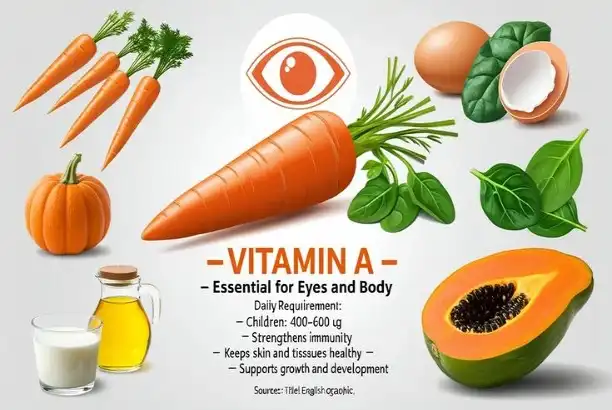
Vitamin A powder (CAS 68-26-8, molecular formula C₂₀H₃₀O, molecular weight 286.45) is a pale yellow, fat-soluble micronutrient widely used in nutraceuticals, functional foods, cosmetics, and animal nutrition. Despite its broad utility—from supporting vision health and preventing night blindness to maintaining skin barrier function—its active form is notoriously fragile. Without proper protection, retinyl esters degrade rapidly under heat, light, and oxygen exposure. Encapsulation technology addresses this vulnerability directly, transforming unstable vitamin A into a stable, bioavailable ingredient that performs reliably from the production line to the end consumer.
Understanding Vitamin A and Its Formulation Challenges
The two main types of vitamin A powder sold in stores, retinyl acetate and retinyl palmitate, are easily broken down by oxygen. According to a study in the Journal of Food Science, retinol that is not protected can lose more than 30% of its effectiveness in just a few weeks when it is exposed to light and humidity. There are real problems all along the supply chain because of this instability.
Why Stability Is a Non-Negotiable Requirement
Degradation of ingredients is not just a problem for people in charge of research and development (R&D) and purchasing; it's also a risk for compliance and responsibility. When a batch leaves the seller at 98% purity, it may fall below its stated strength, which can lead to label claim failures and regulatory scrutiny. At Jianbei, consistent potency verification through HPLC testing is standard. This makes sure that every shipment meets the stated specifications before it leaves the facility.
The Hidden Cost of Instability
The real cost of an item goes up because it breaks down during transport or storage. When active content drops without warning, formulators try to make up for it by adding too much, which loses material and changes the economics of the end product. Taking care of this when you're sourcing by choosing an encapsulated grade takes away the guesswork and keeps your margins safe later on.

Encapsulation Technology: Principles and Advantages
Micro-encapsulation uses spray-drying or fluid-bed coating to cover the active retinyl ester in a protective matrix, which is usually made of starch, gelatin, or gum arabic. As a result, a free-flowing granule is formed that protects the core from outside stressors and allows for controlled, targeted release in the skin or digestive tract.
Encapsulation has many useful uses besides just protecting things. For business buyers, these are the main performance benefits that mean the most:
- Enhanced oxidative stability: The protective shell blocks oxygen and moisture from getting in, which lowers peroxide value spikes and extends the shelf life to up to two years when stored in a sealed, cool, dry environment, which is in line with Jianbei's verified shelf life data.
- Improved bioavailability: Compared to exposed vitamin A powder forms, controlled-release wraps have better Cmax and AUC profiles. This means that more active retinol reaches target tissues per dose.
- Process compatibility: Encapsulated beadlets can handle the mechanical stresses of tableting, extrusion, and hot-fill processes better than raw ester powders. This means they can be used in a wider range of product forms without losing a lot of their potency.
- Homogeneous blending: Particles ranging in size from 100 to 400 microns help spread evenly in dry-mix mixtures, getting rid of hot spots and making sure that the label claim is correct for each dosage unit.
All of these benefits work together to cut down on the number of times a product needs to be reformulated, improve its quality, and make its effectiveness claims more reliable. This is good news for product managers who want to stand out in a market that is very competitive.
Encapsulated Vitamin A Versus Other Delivery Forms
People who are buying sometimes compare encapsulated vitamin A powder to pure retinol oil, softgel capsules, or liquid ester concentrates. Each format has its good points, but encapsulation always does better on two important B2B criteria: how well it handles bulky items and how stable it is in a range of processing conditions.
Powder vs. Oil and Softgels
Cold-chain logistics and special filling equipment are needed for retinol oils and softgels. For example, encapsulated powder moves at room temperature, makes managing a warehouse easier, and can be used directly in dry-blend, premix, and stick-pack production lines. This organizational simplicity saves real amounts of money for companies that make a lot of nutraceuticals.
Organic, Synthetic, and Encapsulated Sources
Source identification also affects choices about what to buy. Because they are cheaper, synthetic retinyl acetate and palmitate make up most of the market. Certified organic versions, on the other hand, are used by high-end brands that care about labels. Jianbei's vitamin A powder is registered with the FDA, certified as organic food, Kosher, HALAL, HACCP, ISO, and GMP. This means that buyers can serve a wide range of markets without having to switch providers.
Synergistic Formulation Potential
When concentrated retinyl esters are mixed with vitamin C, they form antioxidant activity that works well together to protect both nutrients while they are being processed. This mix is showing up more and more in immunity-boosting vitamins and multivitamin premixes. It helps differentiate the product and get a better spot on the market.
Procurement Considerations for Buying Encapsulated Vitamin A Powder
When choosing a seller of capsule retinol, you need to look at more than just price per kilogram. Whether a supplier relationship grows easily or causes expensive problems depends on the quality of the infrastructure, the amount of paperwork, and the dependability of the logistics.
Evaluating Supplier Credentials
Production facilities that are GMP-certified, independent labs, and strict quality control protocols are all basic needs. Jianbei runs a workshop that meets GMP standards. It has three dedicated production lines and two separate labs. Before it is released, each batch is tested with HPLC to make sure it meets the 98% strength standard. Along with its FDA registration, the facility has HALAL, Kosher, HACCP, ISO, and Organic certifications. This collection of credentials meets the audit standards of markets in North America and Europe.
Packaging, MOQ, and Lead Time
Jianbei has flexible packaging in the form of 1 kg aluminum foil bags and 25 kg drums, so they can handle both small trial runs and large market volumes. The lowest amount that can be ordered is 1 kg, which makes it easier for formulators to start the development phase. Orders are shipped within 3–7 business days after payment is received. You can pay in a number of ways, such as by telegraphic transfer, Western Union, PayPal, Alipay, or XT. The export service goes to places all over the world, and the goods are only available for export.
Future Outlook: Why Encapsulation Technology Is the Strategic Choice
The global market for vitamin A powder is expected to keep growing until the late 2020s. This is because more people want to use vitamin A powder in their skin care products, immune system supplements, and functional foods. All three growth directions meet at the point where encapsulation technology is used.
Labeling accuracy standards are being tightened around the world by regulatory bodies. This makes potency-at-expiration a key compliance measure instead of a secondary one. Encapsulation is the most realistic tech answer we have right now for meeting that standard regularly on a large scale. At the same time, the move toward eco-friendly encapsulant materials (like plant-based starches and polysaccharides instead of animal-based gelatin) fits with clean-label trends that are becoming more important in the food, supplement, and skincare industries.
Companies that build partnerships with suppliers around encapsulation capabilities now will be able to quickly adapt as these pressures from regulators and customers get stronger. Updating ingredient specifications after a quality event is a reactive strategy that can cost you money and reputation. Sourcing encapsulated retinyl esters ahead of time is the safer way to go.

Conclusion
You can't just choose to switch to encapsulation technology; it's the engineering basis that makes vitamin A powder work in tough industrial settings. Encapsulated retinyl esters have clear benefits in the nutraceuticals, cosmetics, functional food, and animal nutrition industries. They keep their strength during transport and allow controlled release in finished products. The best partners for a long-term buying strategy are those who offer encapsulation knowledge along with certified quality infrastructure, open testing, and flexible transportation. That's exactly what Jianbei's encapsulated retinol product is based on.
FAQ
1. What makes encapsulation critical for vitamin A powder stability?
The retinyl ester core of vitamin A powder breaks down quickly in heat, light, or water. Encapsulation separates the active ingredient physically within a starch, gelatin, or polysaccharide matrix. This stops air from reaching the substance and greatly slows down its breakdown. This safety keeps the product's claimed effectiveness for the full two-year sealed shelf life.
2. How is potency verified before shipment?
Every run of output at Jianbei goes through HPLC testing. This method of analysis accurately measures the amount of retinyl present at the 98% level, producing proof that can be used for source checks and regulatory submissions.
3. Can encapsulated retinol powder be used in hot-fill beverage applications?
Standard grades that can be dispersed in cold water may lose 20–30% of their potency in hot-fill processes. For these uses, you need heat-stable micro-beadlet grades that are made with reinforced encapsulant shells. It is important to confirm the exact grade with your seller before formulating.
4. What certifications should I verify when sourcing?
Check for at least GMP production, FDA registration, and HACCP compliance. Halal and Kosher approvals are important for formulas that are meant to appeal to certain groups of people. All of these certificates are held by Jianbei, which makes multi-market compliance easier.
Partner With Jianbei — Your Trusted Vitamin A Powder Supplier
Jianbei Biotechnology uses 15 national invention patents, GMP-certified production, and a wide range of certifications to make concentrated vitamin A powder that meets the highest standards around the world. Whether you need small samples for testing or large orders, our team can help you quickly and affordably. We also provide clear documentation on quality standards. You can email us at sales@bqingbio.com to talk about your formulation needs right away.
References
1. Hedren, E., Mulokozi, G., & Svanberg, U. (2002). In vitro accessibility of carotenes from green leafy vegetables. International Journal of Food Sciences and Nutrition.
2. Microencapsulation in the Food Industry. (2014). Microencapsulation in the Food Industry: A Practical Implementation Guide. Academic Press.
3. Tanumihardjo, S. A. (2011). Vitamin A: biomarkers of nutrition for development. American Journal of Clinical Nutrition.
4. Augustin, M. A., & Hemar, Y. (2009). Nano- and micro-structured assemblies for encapsulation of food ingredients. Chemical Society Reviews.
5. Ross, A. C. (2010). Vitamin A and retinoic acid in T cell-related immunity. American Journal of Clinical Nutrition.
6. United States Pharmacopeia. (2023). USP–NF Monograph: Vitamin A. United States Pharmacopeial Convention.
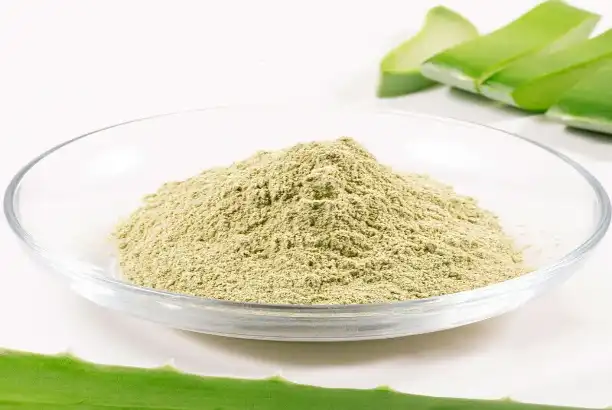
Aloe vera extract powder is a concentrated, shelf-stable derivative of Aloe barbadensis Miller leaf gel, produced through precision dehydration technologies that lock in bioactive compounds like acemannan and polysaccharides. Unlike raw gel, which degrades rapidly due to its high water content, this powder form delivers standardized potency, extended shelf life, and compatibility across multiple industrial applications. Understanding how it moves from leaf to finished powder helps procurement professionals, formulators, and product developers make sourcing decisions grounded in science rather than assumption.
Understanding Aloe Vera Extract Powder: From Plant to Powder
In order to go from a fresh aloe leaf to a consistent plant powder, there are a lot of stages that need to be meticulously thought out. The bioactivity, purity, and uniformity of the final ingredient are all highly essential to B2B buyers that operate in regulated industries. Each stage has a direct influence on these aspects of the final item. After going through this laborious procedure, the powdered extract of aloe vera is released.
Leaf Selection and Raw Material Preparation
It is only possible to extract sufficient amounts of acemannan from fully developed Aloe barbadensis Miller leaves, which are typically harvested about three to four years after the plant has been in existence. In order to prevent enzymes from degrading the leaves, they are washed, trimmed, and processed within a short period of time after they have been gathered. The inner fillet gel is carefully separated from the rind in order to eliminate aloin, which is a substance that is present in the latex layer and is classified as an anthraquinone material. Aloin concentrations must be maintained at or below 0.1 parts per million (ppm) for oral use and below 10 parts per million (ppm) for topical application.
Concentration and Drying Technologies
Immediately after the filtration and clarification of the gel, it is concentrated in a vacuum at a low temperature in order to safeguard the sugars that are sensitive to heat. The two most common methods that are used by companies for drying items are spray drying and freeze drying, which is sometimes referred to as lyophilization. The manufacture of beverages and dietary supplements makes extensive use of spray drying, which is a cost-effective method. Freeze drying preserves a greater proportion of the long-chain polysaccharides and results in a product that is more potent and free of carrier. One kilogram of powder may often be produced from 200 kilograms of fresh gel, which is referred to as a 200:1 concentration ratio. The substance that is expelled is a powder that ranges in colour from pale yellow to brown and has a vegetal smell.

Key Dimensions Impacting Extract Quality and Performance
Not every aloe vera extract powder works the same way. Several technical factors decide if a batch meets the requirements for industry use.
The most important thing that sets them apart is purity standardization. An HPLC test that shows a 98% specification confirms that the extract has a precisely validated concentration of active compounds, which lowers the variation between production batches. The main active compound registered under CAS ID 85507-69-3 has a molecular weight of 267.27 g/mol and a molecular formula of C₁₆H₁₃NO₃. This information is used by R&D directors and formulation scientists to make documents about how well the drug works.
The difference between inner-fillet extract and whole-leaf powder is also important for buying. Whole-leaf varieties keep the aloin unless they are specifically decolored, which means they can't be used in sensitive situations. Activated carbon filtration makes inner-fillet extracts better for use in beauty serums, oral food supplements, and pharmaceutical excipients.
Organic certification makes things stand out even more. Organic versions meet stricter farming rules, which helps brands that want to have a clean label or sell in international markets that have stricter rules about where to get botanicals.
Quality Control and Testing: Standards That Matter to B2B Buyers
Quality control that is clear and easy to repeat is the first step to a reliable supply chain. At the corporate level, these are the main tests that determine if aloe vera extract powder is of high quality:
- Identity verification uses HPLC fingerprinting and NMR spectroscopy to prove the plant source and is a way to tell the difference between real acemannan and common fillers like maltodextrin or starch carriers.
- Microbial safety testing ensures that the product meets the microbial standards set by the USP and the EU Pharmacopeia, testing for Total Plate Count, Yeast/Mold, E. coli, and Salmonella.
- Heavy metal screening checks for cadmium, arsenic, mercury, and lead, which are needed for materials to enter the EU-regulated cosmetics, nutraceuticals, and pharmaceutical markets.
- Aloin (anthraquinone) control uses HPLC to make sure that the amount of leftover aloin stays within safe application limits, a must for products that are meant to be taken by mouth or used on sensitive skin.
- Batch stability documentation keeps track of how much potency is retained over the two-year shelf life when stored in a cool, dry, sealed environment.
All of these factors are in line with the standards for GMP, ISO, HACCP, FDA, HALAL, Kosher, and organic food certifications. These are the same certifications that global procurement teams look for when they are looking for a new supplier.
In addition to testing, making certifications clear makes audits easier. When suppliers share CoAs, third-party lab results, and production paperwork, it helps sourcing teams qualify ingredients more quickly and with more trust.
Applications and Benefits Across B2B Industries
Because aloe vera extract powder has many bioactive uses, it is highly useful in many industry sectors. Formulators always say that it's included in all of these categories because it has moisturizing, repairing, anti-inflammatory, and antioxidant properties.
In dermaceutical and personal care formulations, acemannan is a popular ingredient because it speeds up cell regrowth. This makes it a great ingredient for healing gels after surgery, soothing serums, and sunblock. The powder has a clear technical edge because it stays stable in complex emulsions with AHAs or BHAs, while raw aloe juice would lose its stability. It works especially well for uses that help people who need intense moisturizing or easing repair.
In nutraceutical and dietary supplement manufacturing, the powder fits perfectly into capsules, sachets, and functional drinks. It doesn't break down as easily in low-pH stomach settings as liquid gels do, which makes it a good choice for gut health and immune-support lines.
In pharmaceutical and TCM applications, standard botanical extracts that meet GMP-level documentation requirements lower the risk of rejection by regulators. The powder's consistent acemannan profile backs up dose claims, which is important for formulation scientists who have to follow strict quality standards.
Animal nutrition companies have also found that aloe polysaccharides can help the immune system and act as a prebiotic. This has increased the demand for low-cost, high-purity varieties that can be used in feed formulations.

Procurement Insights: Evaluating Suppliers with Confidence
It takes more than comparing prices per kilogram to find plant actives on a large scale. A structured evaluation method that takes into account supplier infrastructure, certification coverage, and order flexibility is helpful for procurement professionals sourcing aloe vera extract powder.
With minimum order amounts starting at 1 kg, initial qualification is easy, and R&D teams can try compatibility in-house before committing to large volumes. Transport packaging in 1 kg aluminum foil bags and 25 kg drums can handle both small-scale testing and full-scale production. Delivery within 3–7 working days of proof of payment helps keep production schedules tight, which is a real practical benefit in the supplement and cosmetics markets, where products move quickly. Telegraphic transfer, Alipay, PayPal, and Western Union are all accepted as ways to pay, which makes it easy to do business with people in other countries.
Conclusion
The process of making high-quality aloe vera extract powder is more complicated than most buyers first think. Every step affects the bioactivity, safety, and stability of the final ingredient. These steps include carefully picking the leaves and removing the aloin, as well as using two different drying technologies and doing a lot of scientific testing. For procurement teams in functional foods, cosmetics, pharmaceuticals, dietary supplements, and more, knowing these production variables is what makes the difference between a reliable ingredient partnership and a costly sourcing mistake. Give more weight to providers who meet certified manufacturing standards and can show how each batch was made.
FAQ
1. What is the difference between spray-dried and freeze-dried aloe extract powder?
Spray drying is more efficient and less expensive, and it works well for large amounts of drinks. Long-chain polysaccharides and heat-sensitive enzymes are better preserved when frozen, making a more potent product that doesn't contain any carriers. For the same level of effectiveness, a 200:1 freeze-dried extract needs half as much as a 100:1 spray-dried version.
2. How is aloin controlled during manufacturing?
Anthraquinone molecules are removed by activated carbon filters during the decolorization stage. HPLC tests are used to check for residual aloin. For topical goods, the accepted level is below 10 ppm, and for oral uses, it is below 0.1 ppm.
3. Can this powder be used in clear cosmetic formulations?
Yes. There is no water in high-purity freeze-dried powder at all. To keep the powder from sticking together in clear gels, either slowly add water while stirring it in or dissolve it in a small amount of polyol before adding it to the water phase.
4. How should bulk powder be stored to maintain potency?
Keep in a cool, dry place below 25°C in the airtight packaging it came in. Because the material is hygroscopic, it quickly loses its effectiveness when exposed to airborne humidity. The shelf life is two years when stored in a sealed container.
Partner with Jianbei — Your Trusted Aloe Vera Extract Powder Supplier
Jianbei Biotechnology has three separate production lines in a workshop that meets GMP standards. It is backed by two separate labs and 15 national idea patents. Our aloe vera extract powder is 98% pure, as confirmed by HPLC, and it ships within 3–7 business days. Our team is ready to help you reach your formulation goals, whether you need a 1 kg qualification sample or a full commercial drum order. To get details right away, email sales@bqingbio.com.
References
1. Vogler, B.K., & Ernst, E. (1999). Aloe vera: a systematic review of its clinical effectiveness. British Journal of General Practice.
2. Hamman, J.H. (2008). Composition and applications of Aloe vera leaf gel. Molecules.
3. Bozzi, A., Perrin, C., Austin, S., & Arce Vera, F. (2007). Quality and authenticity of commercial aloe vera gel powders. Food Chemistry.
4. International Aloe Science Council (IASC). (2020). IASC Certification Program: Standards for Aloe Vera Raw Materials and Finished Products.
5. United States Pharmacopeia (USP). (2022). Botanical Ingredients: General Information and Standards. USP–NF.
6. Surjushe, A., Vasani, R., & Saple, D.G. (2008). Aloe vera: a short review. Indian Journal of Dermatology.
If you're sourcing botanical ingredients for weight management formulations, garcinia cambogia extract powder belongs near the top of your evaluation list. Derived from the rind of Garcinia gummi-gutta, a tropical fruit native to Southeast Asia and India, this standardized extract is recognized in the nutraceutical industry for its high Hydroxycitric Acid (HCA) content. HCA inhibits ATP-citrate lyase, the enzyme that converts carbohydrates into stored fat, making it a scientifically credible, stimulant-free option for supplement brands targeting appetite regulation and metabolic support.
Understanding Garcinia Cambogia Extract Powder
The Science Behind HCA
HCA works in two ways that work together. It stops de novo lipogenesis, the body's process of turning extra carbs into fatty acids, by inhibiting ATP-citrate lyase. At the same time, HCA increases the brain's serotonin levels, which changes cues for hunger and lowers the desire to eat too much. These two processes work together to make pill formulas that help control hunger and reduce fat storage more effective, without using stimulants like caffeine or synephrine.
In 2020, a review article in Evidence-Based Complementary and Alternative Medicine said that HCA-standardized extracts showed statistically significant drops in body weight and BMI across multiple clinical trials when given at the right doses.
Key Technical Specifications
If you are a buyer who cares about accuracy, here are the most important technical details about the product we sell at Jianbei:
- Appearance: Light, dark, fine powder
- Specification: 98% HCA concentration
- CAS ID: 90045-23-1
- Molecular Formula: C₆H₈O₈
- Molecular Weight: 208.12 g/mol
- Test Method: HPLC (High-Performance Liquid Chromatography)
- Shelf Life: 2 years when sealed and kept in a dry, cool place
- MOQ: 1 kg | Packaging: 1 kg metal foil bag / 25 kg box
Because of these factors, it clearly meets the requirements for pharmaceutical- and nutraceutical-grade buying, providing R&D leaders and quality managers with a solid point of reference.

How to Choose Quality Garcinia Cambogia Extract Powder
Selecting the right garcinia cambogia extract powder is not enough to just about comparing price sheets. Quality evaluation needs to be done in an organized way when buying from other businesses for OEM making, private labeling, or bulk marketing.
Critical Quality Metrics to Evaluate
Important quality measures to look at include how much and what kind of HCA you have. A standardization of 98%, confirmed by HPLC, shows higher purity than generic commercial grades of 50–60%. Binding of mineral salts to calcium, potassium, or magnesium makes HCA even more stable against hygroscopic degradation. This keeps its bioactivity during processing and storage. For each batch, buyers should ask for a certificate of analysis (CoA) and proof of heavy metals, microbial counts, and residual solvents.
Coverage for approval is just as important. Check to see if the sellers you're considering have GMP, FDA, HACCP, ISO, HALAL, KOSHER, or organic certifications. This mix shows not only discipline in making but also readiness for marketing in the US, EU, and Middle Eastern markets.
Supplier Reliability and Export Readiness
Dependable suppliers and being ready to export are critical. The infrastructure of a supplier talks better than any brochures. Systematic quality control, not reactive batch testing, is shown by factories with dedicated production lines, separate QC labs, and GMP-standard workshops. Export-ready suppliers keep their paperwork up to date across all regulatory frameworks. This makes customs clearance and compliance audits go more smoothly.
Market Comparison and Decision-Making for Buyers
The weight management ingredient market offers numerous alternatives, such as glucomannan, raspberry ketones, green tea extract, and conjugated linoleic acid (CLA). Each has its own processes and formulation needs.
What makes HCA-standardized garcinia cambogia extract powder unique is that it doesn't stimulate the body and has two different physiological effects. Even though green tea extract has been studied a lot, its thermogenic action rests on caffeine and EGCG. This means that it can't be used in products that don't contain stimulants. Raspberry ketones don't have strong clinical trial data for humans at doses that are useful in the real world. Multiple peer-reviewed studies back up the claim that the extract works, which can be used in marketing to consumers.
Price-Performance Considerations
When comparing cost and return, you should think about how efficient the formulation is. When compared to lower-purity grades, 98% HCA powder needs a smaller amount of ingredient per dose to meet label claims. This means that even though it costs more, the ingredient cost per unit is lower. When buyers buy in 25 kg drum quantities, they have more power when negotiating volume prices.
Also, temperature safety is something to keep in mind. At normal processing temperatures, HCA's lactone structure stays mostly the same during extrusion, pasteurization, or tablet compression. This keeps bioactivity intact across all finished product formats, which is a big plus for companies that make functional foods and drinks.
Procurement Best Practices: Where and How to Buy
A good buying plan lowers the risk in the supply chain and keeps the profit margin safe. If you buy garcinia cambogia extract powder from a maker directly instead of going through a distributor, you skip the markups that aren't necessary and have direct access to batch documents, technical support, and customization options. Verified supplier sites and trade shows like SupplySide West give trustworthy makers the chance to get their products seen by the right people.
Ask for tiered price structures based on volume promises over a 6–12 month period when discussing bulk sales. This method locks in good rates and gives the provider steady signs of demand. Always get written confirmation of lead times. At Jianbei, standard delivery is 3–7 working days after payment confirmation. T/T, Alipay, PayPal, XT, and Western Union are all accepted as forms of payment. Verify each shipment using CoAs that have been checked by HPLC and compared to your own internal quality standards. Traceability is a must for FDA-registered markets, from where the raw materials come from to how the finished extract is made.
Partnering with Trusted HCA Extract Suppliers
Long-term ties with suppliers create value that grows over time. For example, stable batch quality, priority placement during times of high demand, and working together to create new products using new formulations are all examples of this. When looking at possible partners for garcinia cambogia extract powder, don't just look at the stack of certificates.
What Jianbei Brings to the Partnership
Jianbei Biotechnology Co., Ltd. is based in Guangzhou Software Park and runs a GMP-certified facility with two separate analytical labs and three dedicated production lines. The fact that the company has 15 national invention patents and 8 utility model patents shows how much it has invested in its own process technology. Jianbei can work with drug companies, supplement brands, functional food makers, foreign wholesalers, and more because it has FDA, Organic, KOSHER, HALAL, HACCP, ISO, and GMP certifications.
Private label manufacturing and custom formulation services are available, which lets buyers make unique goods without having to set up their own production facilities. All of our products are made to be exported, and the packaging choices are made to fit the needs of foreign shipping.
Conclusion
It takes more than looking at a standard sheet to find a high-purity garcinia cambogia extract powder. A big buying edge is gained by buyers who look at standardization methods, certification depth, provider infrastructure, and regulatory readiness. Our product is 98% pure and comes with a full portfolio of compliance certificates. This meets the standards that serious supplement brands and nutraceutical manufacturers need. The ingredient has two functions: it controls hunger and stops the production of fat. These functions are scientifically proven to work, making weight management goods popular with today's health-conscious customers.

FAQ
1. What HCA concentration is recommended for supplement formulations?
Doses of HCA that have been shown to work in clinical tests have usually been between 1,500 mg and 3,000 mg per day. Commercial supplements usually have a standardization of 50–60% for finished product label claims. However, 98% standardized garcinia cambogia extract powder gives formulators more freedom and more accurate dosing at lower inclusion rates.
2. How do I verify the purity of a garcinia cambogia extract sample?
Ask for a Certificate of Analysis that was made by HPLC testing. Check the amounts of active compounds, heavy metals, microbes, and residual solvents against your own standards or those set by regulators, such as the USP, EP, or FDA dietary supplement regulations.
3. Is this extract compatible with food processing conditions?
The HCA lactone structure stays stable under normal thermal processing conditions, like when tablets are compressed and heated to a high temperature. This means it can be used in functional drink systems, meal replacements, and vitamins that are put in capsules.
4. What certifications should a qualified supplier hold?
GMP, HACCP, FDA registration, and ISO are the bare minimum. For international markets, HALAL and KOSHER certifications make it much easier to get products to more people. Organic approval makes clean-label products more valuable in the market.
Source Quality Garcinia Cambogia Extract Powder from Jianbei
With a minimum order of just 1 kg, Jianbei Biotechnology offers high-quality garcinia cambogia extract powder that is manufacturer-grade. It is GMP-certified, HPLC-verified, and ready to be exported. Our team can help you with fast shipping, full documentation, and reasonable pricing, whether you're growing a private label line or buying in bulk for nutraceuticals. You can email us at sales@bqingbio.com to get samples and start talking about sources right away.
References
1. Onakpoya, I., Hung, S. K., Perry, R., Wider, B., & Ernst, E. (2011). The Use of Garcinia Extract (Hydroxycitric Acid) as a Weight Loss Supplement. Journal of Obesity, 2011.
2. Hayamizu, K., Ishii, Y., Kaneko, I., et al. (2003). Effects of Garcinia cambogia on Visceral Fat Accumulation. Fitoterapia, 74(3).
3. Márquez, F., Babio, N., Bulló, M., & Salas-Salvadó, J. (2012). Evaluation of the Safety and Efficacy of Hydroxycitric Acid. Critical Reviews in Food Science and Nutrition, 52(7).
4. Semwal, R. B., Semwal, D. K., Vermaak, I., & Viljoen, A. (2015). A Comprehensive Scientific Overview of Garcinia cambogia. Fitoterapia, 102.
5. Kim, Y. J., Choi, M. S., Park, Y. B., Kim, S. R., Lee, M. K., & Jung, U. J. (2013). Garcinia cambogia Attenuates Diet-Induced Adiposity. Nutrients, 5(12).
6. Chuah, L. O., Ho, W. Y., Beh, B. K., & Yeap, S. K. (2013). Updates on the Anti-obesity Effect of Garcinia Origin. Evidence-Based Complementary and Alternative Medicine, 2013.
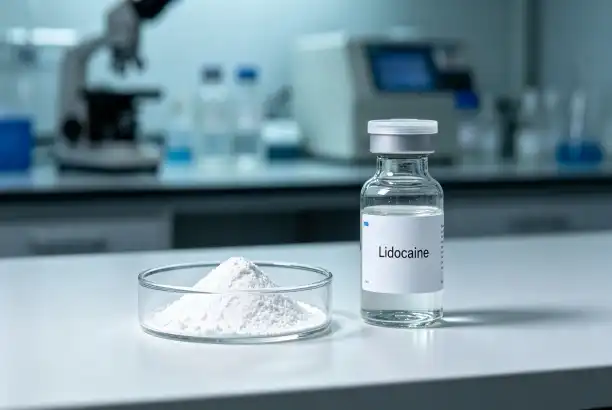
If you've ever sourced anesthetic raw materials for pharmaceutical manufacturing or nutraceutical formulation, you've likely encountered one pressing question: how exactly does liquid lidocaine become the stable, white crystalline powder used across industries? The short answer is that liquid lidocaine undergoes controlled dehydration and crystallization processes — including spray drying, vacuum drying, or freeze drying — to remove solvents while preserving molecular integrity. The resulting lidocaine powder (CAS: 137-58-6, molecular formula C₁₄H₂₂N₂O) retains 98%+ purity, offers superior shelf stability, and integrates seamlessly into solid dosage forms, topical compounding systems, and bulk export supply chains.
Understanding Lidocaine Powder and Its Industrial Value
Why the Powder Form Outperforms Liquid in Industrial Applications
When it comes to the benefits that it may provide for you, the crystalline powder form of pharmaceutical-grade lidocaine is considerably different from the liquid or gel forms of the drug. It is necessary to transport liquid forms in a cold chain, and there is a greater possibility of contamination occurring while they are being transported. On the other hand, powder forms are chemically stable at room temperature so long as they are stored in a dry, cool environment and have a protected shelf life of two years. Also, powder forms have a shelf life of two years.
In every business-to-business sector, this security immediately results in improved purchasing circumstances. For the purpose of administering local anaesthetics for dental treatment, it is combined with other substances. In order to alleviate pain, it is applied to the skin in the form of transdermal patches. In tattoo and beauty salons, it is used in the production of freezing creams for treatments that are performed prior to them. Due to the powder's very adaptable nature, a single bulk ingredient may be used for a variety of different product lines. This results in a reduction in the cost per unit and simplifies the process of production planning by reducing the number of various raw material SKUs that need to be taken into consideration.
Powdered lidocaine is a sort of local anaesthetic that also functions as an antiarrhythmic medication. Because of its ability to immediately block nerve transmission and alleviate pain in a particular location, it is a key component in formulations used in surgical, dermatological, and veterinary medicine techniques.

Challenges of Converting Liquid Lidocaine Into Powder Form
Technical and Regulatory Obstacles That Demand Precision
It's not as easy as it sounds to evaporate liquid lidocaine into a dry, crystalline form. Lidocaine melts at 66–69°C, which means that too much heat during drying can damage its amide bond structure, creating breakdown products like 2,6-dimethylaniline, which is a chemical that must stay below 100 ppm according to industry standards.
Besides being sensitive to temperature, producers face three main problems when making things:
- Contamination control: When the chemical is dried in an open setting, it is susceptible to contamination by microbes and particles. Closed systems that follow GMP rules are a must.
- Uniform particle size: An uneven particle size distribution (PSD) has a direct effect on the rate of breakdown and the consistency of the mixture in both solid dose manufacturing and topical compounding.
- Moisture management: More than 0.5% residual moisture encourages the growth of microbes and speeds up the breakdown of chemicals. Every run of output has to go through a Loss on Drying (LOD) test.
When procurement professionals understand these problems, they can better judge whether a supplier's infrastructure can actually meet pharmaceutical-grade standards.
Step-By-Step Methodology to Turn Liquid Lidocaine Into Powder
Core Production Stages: From Solution to Certified Crystalline API
The process of change for lidocaine powder follows a set order that comes from pharmaceutical science. This is how large-scale industry producers handle it:
First, a solution has to be prepared, and then it needs to be filtered. Prior to beginning the drying process, membrane filtration with a 0.22-micron pore size is used in order to remove any particles that are insoluble from the liquid lidocaine solution. This action ensures that cleanliness will be maintained further down the line.
The component of the alteration that is the most significant is the regulated drying. Depending on the quantity of the batch and the quality objectives, there are three methods that may be utilised:
- In a heated chamber, the lidocaine solution is reduced to atoms by the process of spray drying. This produces a powder that is extremely fine, free-flowing, and has a PSD that is highly consistent. Spray dryers for industry often provide yields that are more than 95% and are used in the production of active pharmaceutical ingredients (APIs).
- Due to the fact that vacuum drying eliminates the solvent at lower temperatures and lower pressures, it is suitable for use with heat-sensitive batches in which it is essential to preserve the integrity of the amide bond.
- The freeze-drying process, also known as lyophilization, is used for the manufacturing of very pure research-grade quantities; but, due to its higher cost, it is not suitable for use in large-scale industrial production.
Following the drying process, the powder is next milled and sieved to ensure that it satisfies the precise mesh criteria that have been established by the formulation experts. The finished product is examined using high-performance liquid chromatography (HPLC), gas chromatography (GC), and liquid chromatography (LAL) to determine whether or not it contains endotoxins in quantities that are safe for injection. After passing all of the quality inspections, the material is only supplied with the intention of being packaged into metal foil bags weighing 1 kilogram or drums weighing 25 kilograms for export.
By using the appropriate packing, dampness may be prevented during long-distance transportation. This is of utmost significance for international purchasers who are required to cope with lead times ranging from three to seven working days.
Comparing Lidocaine Powder to Other Lidocaine Forms and Anesthetics
Choosing the Right Form for Your Formulation Needs
It is common practice for purchasing managers in the pharmaceutical, cosmetics, and veterinary sectors to compare Lidocaine Powder to many alternative anaesthetics and forms of the substance. In the real world, the comparison does not really play out in this manner.
The basic form of oil-soluble lidocaine powder is ideal for utilisation in the formulation of solid mixes, ointments, and creams. Because it dissolves in water, lidocaine hydrochloride, which is the hydrochloride salt of lidocaine, is most effective when used in gels and injections. The solvent matrix of the delivery system has to be considered while deciding which one to employ.
In addition, prilocaine is risk-free; nonetheless, it is only applicable to a limited range of cosmetic dermatological operations now available. Powdered lidocaine provides the optimal combination of rapid onset (two to five minutes), extended duration, and compatibility with other components for the majority of business-to-business applications, such as numbing the skin and creating surgical sprays for animals.
Procurement Guidance for Lidocaine Powder: How to Source and Evaluate Suppliers
What Separates a Reliable Supplier from a Risk in Your Supply Chain
When looking for large amounts of crystalline lidocaine, the purity level is not the end goal but the starting point. A trustworthy lidocaine powder supplier should have certifications that can be checked, such as FDA registration, GMP compliance, ISO, HACCP, HALAL, Kosher, and organic food certifications. Each approval adds a level of quality infrastructure that keeps your final product safe.
Being ready for an audit is just as important as having the right paperwork. Suppliers with on-site GMP workshops, independent quality labs, and HPLC-based testing methods show that they have the operating discipline needed to keep quality uniform from batch to batch.
Some important factors for judging a purchase are:
- Purity grade: Material for pharmaceutical use should have heavy metal residues below 10 parts per million (ppm) and moisture content below 0.5%, as measured by HPLC.
- Minimum order quantity and scalability: Suppliers with MOQs starting at 1 kg and the ability to scale up to 25 kg drum volumes can help with both small samples for product development and full-scale production.
- Documentation package: International buyers must get the full documentation package, which includes the COA, MSDS, and help with filing for FDA, REACH, and customs compliance.
- Packaging and lead time: Export-ready packaging in sealed aluminum foil bags or drums, with delivery within 3–7 business days of payment confirmation, makes the supply chain less uncertain.
When negotiating bulk prices, the total landing cost, not just the unit price, should be taken into account. Reliable sellers offer a range of payment methods, such as T/T, PayPal, Western Union, Alipay, and XT, to accommodate different ways of doing business across borders.

Conclusion
Changing liquid lidocaine into a stable crystalline lidocaine powder needs careful engineering, strict quality control, and compliance with pharmaceutical standards at every stage of production. For people who work in B2B buying, knowing how this process works is what makes a good seller and a bad one. Because it is more stable, easier to work with, and easier to transport, powder is the best option for the pharmaceutical, cosmetic, veterinary, and nutritional industries. The most reliable way to ensure stable product quality and long-term supply chain stability is to work with a provider that has valid certifications and runs sites that follow good manufacturing practices (GMPs).
FAQ
1. Is lidocaine powder safe for topical and dental applications?
Yes. Pharmaceutical-grade Lidocaine Powder is widely used for topical anesthesia in dental, dermatological, and cosmetic treatments as long as it is mixed according to set dosage standards.
2. What are the optimal storage conditions for crystalline lidocaine?
Keep away from light and moisture in a dry, cool place. Keeping the containers closed and at a steady room temperature (20–25°C) stops the amide bond from oxidizing and stops moisture from breaking it down.
3. How long does lidocaine powder remain stable?
Pharmaceutical-Grade Lidocaine Powder is effective for up to two years when stored in a sealed container. For batches that are getting close to or past this time, HPLC retesting is suggested.
4. What is the minimum order quantity for export procurement?
The usual minimum order size is 1 kg, and it comes in sealed metal foil bags. For large production processes, orders are sent in 25 kg drums.
Partner with Jianbei — Your Trusted Lidocaine Powder Manufacturer
Jianbei Biotechnology has three GMP production lines and two separate quality laboratories. They offer FDA, ISO, HACCP, GMP, HALAL, and Kosher-certified lidocaine powder that is used in medicine. Jianbei supports both small-scale R&D purchases and large-scale commercial purchases. It has 15 national invention patents and a minimum order quantity that starts at 1 kg. You can email our supply team at sales@bqingbio.com to get a sample or talk about buying in bulk right now.
References
1. Butterworth, J.F. & Strichartz, G.R. — Molecular Mechanisms of Local Anesthesia: A Review. Anesthesiology, 1990.
2. United States Pharmacopeia (USP) — USP Monograph: Lidocaine. USP-NF, 2022.
3. Tucker, G.T. & Mather, L.E. — Pharmacokinetics of Local Anaesthetic Agents. British Journal of Anaesthesia, 1975.
4. Mura, P. et al. — Characterization of Lidocaine Solid-State Forms for Pharmaceutical Applications. Journal of Pharmaceutical Sciences, 2003.
5. Becker, D.E. & Reed, K.L. — Local Anesthetics: Review of Pharmacological Considerations. Anesthesia Progress, 2012.
6. European Medicines Agency (EMA) — Guideline on Residual Solvents in Pharmaceutical Products (ICH Q3C). EMA, 2019.
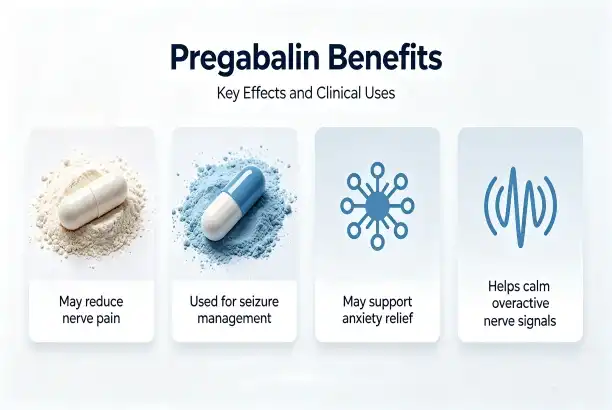
When procurement teams and R&D directors evaluate active pharmaceutical ingredients, stability is never a secondary concern. X-pregabalin powder (CAS: 148553-50-8), a white or off-white crystalline GABA derivative with molecular formula C8H17NO2 and molecular weight 159.23, must retain its chemical integrity across the entire supply chain. Understanding how this compound behaves under thermal, humidity, and photolytic stress is essential for manufacturers sourcing pharmaceutical-grade pregabalin at 98% specification. This guide breaks down what you need to know before placing a bulk order.

Understanding X-Pregabalin Powder and Its Pharmaceutical Relevance
X-pregabalin powder is a chemical that works like gamma-aminobutyric acid (GABA) and changes voltage-gated calcium channels in the brain and spinal cord. It can be used to treat nerve pain from diabetic peripheral neuropathy, postherpetic neuralgia, spinal cord damage, and fibromyalgia. As an extra treatment, it lowers the number of partial epileptic seizures and improves the patient's life.
Why Powder Form Matters in B2B Formulation
There are clear benefits to using bulk powder over finished capsule forms. Formulators can precisely control the dose, the drug dissolves faster, and it works with extended-release tablet systems, hard-shell pill lines, and animal compounding. The uniformity and purity of the powder at 98% directly affect the truth of data and the quality of regulatory submissions for R&D teams working on bioequivalence studies or trying new delivery platforms like transdermal patches or liquid suspensions.
Growing Industrial Demand
The global market for treating neuropathic pain is still growing, and companies all over North America buy standardized active pharmaceutical ingredients (APIs) in large quantities to help with both original equipment manufacturer (OEM) production and private label products. Before committing to long-term purchasing partnerships, buyers look at more than just price. They also look at batch stability, certificate portfolios, and how open the seller is.
Stability Challenges and Stress Conditions Affecting Pregabalin Powder
Pharmaceutical API purchasing is based on stability. If not managed correctly, a number of environmental and physical stresses can weaken X-pregabalin powder's effects and physical features.
Here are the main sources of stress that procurement teams have to deal with:
- Thermal stress: High temperatures make molecules move faster, which can cause cyclization processes or polymorphic changes in crystalline X-pregabalin powder. The ICH Q1A(R2) guidelines say that tests must be done quickly at 40°C/75% RH for six months, along with long-term studies at 25°C/60% RH.
- Humidity exposure: X-pregabalin powder can absorb water in some situations. Adding too much moisture changes the flowability, compressibility, and dissolution rate of a substance, all of which are very important when making tablets or capsules.
- Photolytic degradation: UV and visible light can start photochemical reactions in the backbone of amino acids, creating impurity peaks that can be found using HPLC analysis.
- Mechanical stress: When things are milled, blended, or compacted during production, they create areas of high heat and pressure. If you don't control the process well enough, the amorphous content will rise, which will make the crystallinity uniformity between batches less stable.
When procurement professionals know about these degradation routes, they can ask sellers about their manufacturing controls and stability data packages using the right words and criteria.

Evaluating and Ensuring Stability: Testing, Storage, and Handling Best Practices
Assuring stability starts with the supplier, a long time before the ingredient gets to the production floor. As part of responsible sourcing, you should ask for written proof of how well a batch works in controlled stress situations.
ICH-Aligned Testing Protocols
Stability tests are done by reputable suppliers in line with ICH Q1A(R2) and Q1B standards. HPLC is the approved test method for measuring X-pregabalin powder and identifying impurities. Jianbei uses this method for all of their production batches. If asked for before committing to buy, accelerated and real-time stability data should be made available.
Storage and Packaging Requirements
The X-pregabalin powder needs to be kept somewhere dry and cool. A proven shelf life of two years is possible when stored in sealed containers under the suggested conditions. Jianbei sells the ingredient in 25 kg drums for large orders and 1 kg aluminum foil bags for smaller orders. Both are made to keep the ingredient's physical integrity and keep moisture out during international shipping.
Handling During Manufacturing and Distribution
People who work with bulk API should follow GMP-compliant protocols, which include closed-system transfers, controlled humidity environments, and anti-static equipment. These handling rules are enforced by Jianbei's GMP-standard workshop and two independent quality laboratories. Before being released, all batches go through HPLC verification.
Comparing X-Pregabalin Powder to Other Neuropathic Pain API Forms
When purchasing teams look at X-pregabalin powder next to gabapentin, duloxetine, or finished pill forms, they find a number of useful differences.
Gabapentin works in a similar way, but its pharmacokinetics are different. X-pregabalin powder has more predictable linear absorption, which means that bioequivalence data from R&D trials can be trusted more. Duloxetine is a serotonin-norepinephrine reuptake inhibitor that works for a number of different conditions but needs to be handled in a very different way because it is sensitive to light and moisture.
Powder vs. Capsule: Formulation Flexibility
Manufacturers can change dose ranges, combine actives in fixed-dose combinations, and meet regulatory needs in different regions without having to re-formulate finished products when they use bulk powder. Manufacturers of capsules are limited to pre-set dose combinations, which makes it harder for OEM or contract manufacturing clients to get what they want.
Generic vs. Branded API: Quality Assurance as the Differentiator
There are both brand-name and generic forms of X-pregabalin powder API on the market. Documentation, such as full COA packages, residual solvent tests, heavy metal profiles, and microbial limit data, is what sets one product apart from another. Jianbei's 98% specification X-pregabalin powder has FDA registration, ISO, HALAL, HACCP, GMP, Kosher, and Organic Food certifications, which give international buyers the proof of compliance they need.
Procurement Guide: Selecting, Ordering, and Managing Pregabalin Powder Suppliers
There's more to picking the right X-pregabalin powder maker than just comparing prices per unit. Your supply chain and your standing with the government are both protected by a structured review system.
Suppliers you can trust have three main skills: a manufacturing infrastructure that has been checked out, a portfolio of all the certifications they have, and quick quality paperwork. Jianbei runs a dedicated factory with three production lines, a GMP-standard workshop, and two separate labs. This is the kind of infrastructure that can support consistent output on a large scale.
Here are the key ordering parameters for Jianbei's X-pregabalin powder:
- Minimum order quantity: 1 kg
- Delivery time: 3–7 business days after proof of payment
- Payment methods accepted: Telegraphic transfer, Alipay, XT, PayPal, and Western Union
- Packaging: 1 kg aluminum foil bag / 25 kg drum
- Export service: Available for international buyers; the powder is designated for export use
These parameters allow both emerging brands and established pharmaceutical manufacturers to trial the product at low commitment before scaling to commercial volumes.
Vetting a supplier's quality assurance protocols—reviewing batch release data, impurity profiles, and third-party audits—reduces the risk of receiving substandard or mislabeled API. With 15 national creation patents and 8 utility model patents, Jianbei's technical foundation supports claims of consistent manufacturing quality across production batches.

Conclusion
In conclusion, if an X-pregabalin powder API source is stable under pharmaceutical stress conditions, it can be used for serious manufacturing. The crystalline structure of the compound is affected by temperature, humidity, light, and mechanical forces, all of which can change its potency, dissolution, and ability to meet regulatory requirements. Procurement professionals who understand these variables can ask better questions, expect better paperwork, and build relationships with suppliers that will hold up in an audit. Jianbei's 98% grade X-pregabalin powder is made to meet those standards. It has been tested by HPLC and comes with a full set of certifications.
FAQ
1. What certifications should a pregabalin API supplier hold for US export?
Check for FDA registration, GMP compliance, ISO certification, and HACCP documentation at the very least. Certifications like HALAL and Kosher make more markets available. All of these are in Jianbei's X-pregabalin powder, which helps packages going to the US go through customs and regulatory review without any problems.
2. How is pregabalin powder purity verified?
High-performance liquid chromatography (HPLC) is the usual way to measure the amount of X-pregabalin powder in a sample and find any impurities that may be present. Jianbei's main test method for every batch is HPLC, and the results are written down on the certificate of analysis that buyers receive.
3. What is the shelf life of pregabalin powder under proper storage?
X-pregabalin powder can be kept for two years if it is packed and kept in a dry, cool place. Jianbei's aluminum foil bag and drum packing choices are made to keep out wetness and damage from the environment while they are being stored and shipped.
4. What is the minimum order quantity, and how quickly can orders ship?
The smallest amount you can buy is 1 kg. After payment is confirmed, orders are sent out within 3–7 business days. International buyers can choose from a number of payment methods, such as PayPal and Western Union.
Partner With Jianbei — Your Trusted Pregabalin Powder Supplier
Jianbei Biotechnology makes X-pregabalin powder that is GMP-certified and has been tested to be 98% pure. They also have full export licenses and a dedicated quality control team that runs two separate labs. Our production capacity can handle both sample requests and sales for large quantities, and the quality of each batch is always the same. You can email our team at sales@bqingbio.com to get a certificate package, a product specification sheet, or a bulk pricing quote that fits your needs.
References
1. International Council for Harmonisation of Technical Requirements for Pharmaceuticals for Human Use (ICH). Q1A(R2): Stability Testing of New Drug Substances and Products. 2003.
2. Ben-Menachem, E. "Pregabalin Pharmacology and Its Relevance to Clinical Practice." Epilepsia, 2004.
3. Tassone, D. M., Boyce, E., Guyer, J., & Nuzum, D. "Pregabalin: A Novel γ-Aminobutyric Acid Analogue in the Treatment of Neuropathic Pain, Partial-Onset Seizures, and Anxiety Disorders." Clinical Therapeutics, 2007.
4. Dworkin, R. H., et al. "Advances in Neuropathic Pain: Diagnosis, Mechanisms, and Treatment Recommendations." Archives of Neurology, 2003.
5. United States Pharmacopeia (USP). General Chapter <1150>: Pharmaceutical Stability. USP 45–NF 40, 2022.
6. Stahl, S. M. "Mechanism of Action of Alpha-2-Delta Ligands: Voltage-Sensitive Calcium Channel (VSCC) Modulators." Journal of Clinical Psychiatry, 2004.
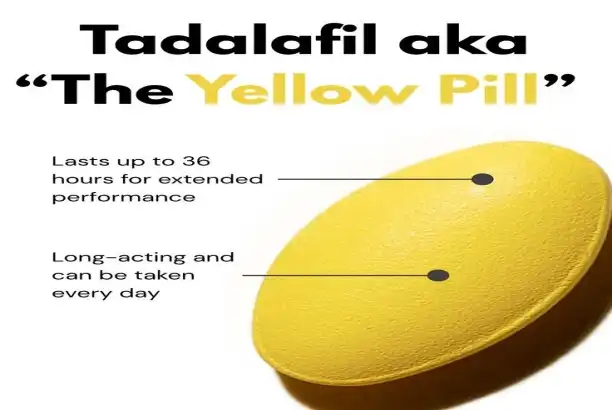
Yes, it is entirely possible — and increasingly common in pharmaceutical manufacturing. Tadalafil powder (CAS 171596-29-5) is the pure active pharmaceutical ingredient (API) behind well-known ED medications like Cialis. At 98% purity, this white crystalline compound selectively inhibits the PDE-5 enzyme, elevating cGMP levels in penile smooth muscle to promote sustained blood flow and erection quality. For B2B manufacturers and formulators, sourcing the raw API unlocks complete control over dosage design, delivery format, and production scale — making it the preferred starting point for building competitive ED product lines.

Understanding Tadalafil Raw Material Powder and Its Role in ED Treatment
The molecular formula for Tadalafil is C₂₂H₁₉N₃O₄, and its molecular weight is 389.4 g/mol. If an API is in its raw form instead of a finished tablet, manufacturers can make precise formulations like capsules, sublingual films, or oral suspensions without being limited by dosage structures that are already in place.
How the PDE-5 Mechanism Drives ED Efficacy
Tadalafil works by blocking phosphodiesterase type 5 (PDE-5), which is the enzyme that breaks down cGMP in corpus cavernosum tissue. cGMP builds up, smooth muscle softens, and blood flow to erectile tissue rises when PDE-5 is stopped. Clinical evidence suggests a therapeutic half-life of up to 36 hours, which is a lot longer than sildenafil's 4–6 hour window. This gives patients and product makers a lot of freedom in how they schedule doses.
Why the API Form Matters for Manufacturers
Working with pharmaceutical-grade API powder gets rid of the problems that come with getting finished forms. Micronization lets formulators change the particle size distribution to improve dissolution, improve bioavailability even though the substance doesn't dissolve well in water, and incorporate it into new delivery methods. This level of control upstream leads directly to more convincing claims about how well the product works, cleaner label features, and more unique standing in the market.
Comparing Tadalafil Powder with Other ED Treatment Forms and Competitors
There are a lot of choices in the ED ingredient market. Knowing where tadalafil powder sits in comparison to other options helps buying teams make good use of their resources.
Compared to sildenafil powder, Tadalafil has a much longer half-life, can be absorbed without food, and has a medical use that includes benign prostatic hyperplasia (BPH), which increases the number of people who can use the product. Sildenafil, on the other hand, is absorbed more quickly and works best for on-demand use where quick onset is more important than duration.
Here is how the main buying factors for popular ED API options compare:
- Duration of action: Tadalafil has the longest half-life of any PDE-5 inhibitor on the market, lasting 36 hours. This makes it perfect for both daily use and weekend doses.
- Food interaction: Unlike sildenafil, Tadalafil absorption is not significantly affected by food. This makes formulation simpler and improves patient compliance in the real world.
- Therapeutic breadth: In addition to erectile dysfunction (ED), Tadalafil API has also been clinically proven to help with pulmonary arterial hypertension (PAH) and benign prostatic hyperplasia (BPH). This means that makers can make a range of products for these conditions using a single raw material.
- Purity standard: Pharmaceutical-grade Tadalafil API meets USP/EP benchmarks, which are the standard for regulatory applications in the US and EU, with testing that shows it is 98% pure.
Because of these differences, Tadalafil has a structural edge in markets where long-lasting products and recipe flexibility are important for business. When purchasing managers compare sildenafil and Tadalafil API, they should look at both the current demand and the long-term product pipeline that each ingredient can support.

Procurement Guide for Tadalafil Raw Material Powder for B2B Buyers
It takes more care to find pharmaceutical API than it does to find normal plant extracts. The following points show the best way for businesses in the US market to buy Tadalafil API.
Certification and Compliance Benchmarks
Regulatory qualifications can't be negotiated. A trustworthy company that makes tadalafil powder must have at least FDA registration, GMP approval, and HACCP compliance. ISO and HALAL certifications show that quality management is more rigorous, and Kosher certification opens up more channels of distribution. Before placing a large order, make sure that the seller has independent quality control labs and records of batch testing via HPLC.
Logistics, MOQ, and Pricing Structure
Standard export packaging comes in either 1 kg aluminum foil bags or 25 kg drums, so it can be used for both small-scale testing and large-scale purchases. A minimum order quantity of 1 kg keeps the cost down for R&D teams that are testing formulation fit. For larger volume levels, pricing that is competitive with full production runs is usually unlocked. Telegraphic transfer, Alipay, PayPal, XT, and Western Union are all ways to pay that are accepted. After payment, the delivery lead time is 3–7 working days, which allows for quick restocking without messing up production schedules.
Best Practices for Handling, Storage, and Dosage of Tadalafil Powder
It is very important for product performance and legal compliance that API purity is maintained from receipt to formulation.
Storage Conditions That Protect Potency
Tadalafil API should be kept somewhere dry, cool, and out of direct light and moisture. If you seal it right, it will last for two years. For exports, aluminum foil wrapping is common and works well to keep moisture out during shipping and storage. Changes in temperature during storage can affect the shape of the particles, which can then affect how well they dissolve in the final dose form.
Handling rules at work should be in line with GMP standards for pharmaceuticals. For example, people who work in formulation areas should wear the right PPE, and the compound should only be weighed in controlled areas to avoid cross-contamination. Because it is so strong as a PDE-5 inhibitor, your facility's chemical safety framework should set limits on how much you can be exposed to it at work.
Industry Insights and Future Trends in ED Treatment with Tadalafil Powder
It is expected to keep growing until 2030, thanks to an older population, more doctors knowing about the problem, and more patients wanting to get help. In this direction, Tadalafil API is in a special place because it can be used for two different purposes, and more and more people want custom medicine forms.
Sublingual Tadalafil films and liquid suspensions are becoming more popular in compounding pharmacies and specialty formulation labs. These forms of the drug don't change how it is absorbed in the stomach, so they can help patients with specific medical needs. These new delivery systems depend on a consistent, high-purity API feedstock, which raises the bar for quality all the way through the supply chain.
In terms of rules, the FDA's 2023 changes to its guidelines on compounding APIs make it even more important to get your APIs from approved makers who have proof of GMP compliance. In the EU, REACH alignment is still needed before products can be distributed. As market demand rises, B2B buyers who build relationships with suppliers now—with partners who can handle growing volumes and keep certifications up to date—will have a big advantage.

Conclusion
Tadalafil powder isn't just a starting material; it's a key ingredient that helps companies make flexible, high-value ED medicines that work in a way that has been proven in clinical trials and have a 36-hour therapy window. At the API level, choices about procurement directly affect what formulas are possible, what claims can be backed up, and how well a product line can grow. A strong supply chain starts with choosing a provider that has been checked for GMP compliance, purity tested with HPLC, and reliable export services.
FAQ
1. Is tadalafil powder as effective as finished tablets?
The main ingredient is the same. It's not the physical form of the incoming API that determines how well the final product works; it's the quality of the formulation, including particle size, excipient compatibility, and dissolution design. High-purity Tadalafil API that meets 98% of the requirements, as confirmed by HPLC, works just as well as any finished tablet.
2. What certifications should a tadalafil API supplier hold?
FDA registration, GMP certification, HACCP compliance, and ISO compliance are the bare minimum. Getting extra certifications like HALAL and Kosher ones shows that you know more about quality management and gives you more ways to sell your products in controlled markets.
3. How should tadalafil API be stored after receipt?
Keep in a jar with a lid in a dry, cool place away from direct light, water, and heat. When kept this way, the product will last for two years. Standard for exports, aluminum foil wrapping keeps things safe while they're in transit.
4. What is the minimum order quantity for procurement?
The MOQ is 1 kg, which is packed in foil bags made of metal. In 25 kg drums, you can get larger amounts, and the prices usually change based on the quantity, making it easier for business production.
Source Your Tadalafil Powder Supplier with Jianbei Biotechnology
Jianbei Biotechnology has two separate quality laboratories and three GMP-standard production lines. These labs are certified by FDA, ISO, HACCP, HALAL, GMP, and Kosher. We ship our tadalafil powder around the world within 3–7 working days for orders of at least 1 kg. It is 98% pure, has been confirmed by HPLC, and has the CAS number 171596-29-5. If you are an R&D head or a buying manager looking for a reliable Tadalafil powder manufacturer, please get in touch with us. Request your sample or quotation today at sales@bqingbio.com.
References
1. Porst, H., & Sharlip, I. D. (2006). History and Overview of Sexual Medicine. Journal of Sexual Medicine.
2. Brock, G. B., McMahon, C. G., Chen, K. K., et al. (2002). Efficacy and safety of tadalafil in the treatment of erectile dysfunction. European Urology, 42(4), 327–336.
3. Padma-Nathan, H., Stecher, V. J., & Sweeney, M. (2003). Long-acting phosphodiesterase-5 inhibitor tadalafil. Reviews in Urology, 5(Suppl 7), S28–S35.
4. U.S. Food and Drug Administration. (2023). Guidance for Industry: Compounding of Drugs for Use in Animals. FDA Publications.
5. Gbekor, E., Bethell, S., Fawcett, L., & McIndoe, P. (2002). Phosphodiesterase 5 inhibitor profiles against all human phosphodiesterase families. Journal of Urology, 167(4), 246.
6. Grand View Research. (2023). Erectile Dysfunction Drugs Market Size, Share & Trends Analysis Report. Grand View Research Industry Reports.
Lithium orotate bulk powder is the most bioavailable form available to supplement formulators today, and low-dose lithium supplementation has been proven to be a game changer in terms of mental wellness. This mineral salt is particularly designed with orotic acid as the carrier molecule for improved cellular penetration at micromolar dosages, compared to the huge amounts of pharmaceutical-grade lithium carbonate used in psychiatry. The finding is a response to the growing market need for effective elements for the support of cognitive function, improving brain function and providing an alternative to the conventional inorganic lithium salts. This knowledge opens a doorway for product developers and procurement specialists to design unique mental health items to respond to shifting wants of customers.
Understanding Low-Dose Lithium Supplements and Lithium Orotate Bulk Powder
The Chemical Foundation of Lithium Orotate
Lithium orotate (CAS Number: 5266-20-6) is elemental lithium chelated with orotic acid. It is a white crystalline powder. The chemical formula of lithium orotate is C₅H₃LiN₂O₄H₂O. This biological constitution makes it completely different from the lithium carbonate prescribed for bipolar disorder. The orotic acid component is a natural carrier for exceptionally effective transport of the lithium ions across cell membranes and across the blood-brain barrier. The high-grade raw material with a purity requirement of 98% guarantees a consistent therapeutic effect in the final formulations.
The increased bioavailability of this chelated form indicates that around 5 mg of elemental lithium as orotate may achieve intracellular concentrations similar to those produced by dosages of carbonate much more than that. “This particular delivery system is a way to deliver lithium in a controlled way that maximizes neurological benefits in cognitive health applications.
Mental Health Benefits Supported by Biochemical Research
Neurological research suggests that small doses of lithium are capable of activating many pathways crucial for brain function. The chemical interacts directly with mitochondrial membranes and glial cells, which provide structural support and protection for neurons. This neuroprotective method works by reducing neuroinflammation and oxidative stress at the cellular level, which helps to slow and improve neurodegenerative disorders.
There is evidence from clinical settings that supplementing with lithium orotate may help to reverse memory decline, enhance mood stability, and increase cognitive resilience. The mineral operates on the function of the neurotransmitters, notably the serotonin and dopamine pathways that control emotional stability. If you are subclinically low in lithium, supplementing may assist in restoring function in the brain, including attention, clarity, and managing stress.
Research has demonstrated that lithium promotes neuroplasticity, the ability of the brain to create new neural connections, which is crucial to learning and flexibility. This is why low-dose lithium is so effective in nootropic blends for the elderly and for people suffering from long-term stress.
Distinguishing Lithium Orotate from Lithium Carbonate
The difference between the two drugs is not just in chemical structure but also in application qualities and formulation profiles. The lithium carbonate is given at a dosage of 900-1200 mg/day and is subject to the normal clinical monitoring norms of pharmaceutical lithium therapy. In contrast, lithium orotate, which is usually dosed at 120-150 mg/day (around 5 mg of elemental lithium), provides a lower-dose formulation approach for product development.
The primary difference is bioavailability. This is the chelated orotate form that may achieve precise concentrations in brain tissue without buildup in blood serum, thus eliminating the narrow therapeutic index difficulties that make pharmaceutical lithium so challenging to deploy. This allows product manufacturers to create cognitive health supplements available over-the-counter and classified in the nutritional supplement category.
For procurement managers evaluating raw materials, these differences entail distinct regulatory designations, formulation requirements, and market positioning possibilities. Lithium orotate is sold as a dietary supplement with natural health claims, and so is not subject to the pharmaceutical level of inspection and prescription rules of carbonate versions.

How to Use Lithium Orotate Bulk Powder Effectively?
Dosage Guidelines for Product Formulation
If the raw material is of excellent quality, manufacturers will usually create 120 to 150 mg of lithium orotate in a final product dose per serving. The range provides around 5 mg of elemental lithium, consistent with historical use patterns as well as contemporary clinical findings. “When determining serving sizes, product developers should consider if their formula is for daily maintenance (lower end) or acute stress support (higher end),” he observes.
Timing also affects effectiveness. Most formulators recommend taking it in the morning to assist with cognitive performance and mood management throughout the day, but if you want to improve your sleep quality, you could find it beneficial to take it in the evening. The powder form may be administered by different methods, such as capsules and functional beverages.
Integration into Health Regimens and Product Formats
Lithium orotate bulk powder is an excellent match for entire mental health routines and complements other nootropic chemicals such as L-theanine, magnesium, and B-complex vitamins. Multi-ingredient products need R&D teams to check compatibility via stability studies, particularly in the case of liquid systems where limits on solubility may lead to unique formulation solutions.
User feedback indicates the importance of anxiety management as an application area. Daily routines of low-dose lithium users report increased stress tolerance, less irritability, and better emotional stability. The qualitative findings are in line with the mode of action of the compound on the modification of neurotransmitter activity and cellular stress response pathways.
Powder Versus Capsule Delivery Systems
Each way to provide the goods has its own advantages to the manufacturers and to the ultimate user. Powders have the advantage of exact tailored dosing and fast formulation modifications, but have poor solubility in aqueous media. Lithium orotate is not very water soluble, and hence, for the development of any liquid products, vigorous shear mixing or stabilizing suspending agents are needed to prevent precipitation.
Capsules are simple to use, provide an exact dosage, and have a long shelf life, making them great for maintenance and supplementing treatments. Manufacturing questions include powder flow qualities, encapsulation speed, and compatibility with vegetarian or gelatin capsule materials. Quality control should include HPLC testing to ensure the concentration of active chemicals and that the sample has not deteriorated during processing.
B2B buyers who are aware of these formulation subtleties may align their choices of raw materials with their production capabilities and market preferences, thus optimizing manufacturing efficiency and product performance.
Choosing the Right Lithium Orotate Bulk Powder Supplier: A B2B Procurement Perspective
Critical Quality Assurance and Certification Standards
The procurement expert should seek vendors with full quality procedures and internationally recognized certifications that back them. Key requirements include FDA registration, ISO certification, HACCP, GMP compliance, and, depending on target markets, HALAL and Kosher certifications. These standards ensure that manufacturing activities meet quality, contamination control, and traceability requirements critical to brand image and product consistency.
Analytical verification is another key aspect of evaluation. Good suppliers will provide you with a Certificate of Analysis (COA) with the spec for purity (usually ≥98%), heavy metal testing, microbial counts, and residual solvents. True lithium orotate is differentiated from poorer physical mixtures by advanced characterization techniques, such as X-ray diffraction (XRD) and FTIR spectroscopy, which indicate true chelation bonding between the lithium and orotic acid.
California Prop 65 compliance should be especially top of mind for suppliers wanting to sell into the US. High-purity production should be able to produce batches with lead and heavy metal levels substantially below regulatory limits and should be verified by third-party testing standards.
Supply Chain Transparency and Logistics Considerations
Knowledge of supplier production capability and inventory management systems may help to avoid disruptions in supply. Reliable manufacturers are those with GMP-quality plants, several product lines, and huge inventory reserves that are suitable for continued buying relationships. Operational efficiency and client-centricity are shown in the ability to satisfy minimum order quantities of 1 kg with delivery lead times of 3-7 working days.
Packaging is a critical choice for product integrity and transportation costs. We can provide various order sizes in usual formats, such as 1 kg aluminum foil bags and 25 kg drums, to prevent the hygroscopic crystalline powder from exposure to humidity during storage and transit. Verifying the packaging method and storage conditions (dry, cold environment that keeps the item stable for a 24-month shelf life) at suppliers ensures the material arrives in great condition.
Evaluating Supplier Reputation and Partnership Potential
Qualitative traits, beyond certifications and logistics, differentiate good suppliers from acceptable ones. The presence of enterprises with specialized R&D teams, patent portfolios, and independent laboratory facilities for lithium orotate bulk powder demonstrates strong inventive capabilities and technical skills that are conducive to collaborative product development. Jianbei Biotechnology has 15 national invention patents and 8 utility model patents on essential processes, which embody the intellectual property base to offer consistent quality and formulation support.
The supplier’s response to communications, the quality of its technical documentation, and willingness to provide samples for validation testing are all indicative of a commitment to a partnership rather than a transactional relationship. Procurement managers need to assess suppliers’ grasp of the regulatory environments of the target areas and ensure that compliance guidance extends beyond certificates to include real import/export challenges.
Making Informed Procurement Decisions for Lithium Orotate Bulk Powder
Navigating Pricing Structures and Order Terms
The profitability of formulations is greatly affected by the economies of bulk purchase. Generally, the price is proportional to the amount ordered, with the price per kilogram reducing significantly from minimal orders (1 kg) to industrial amounts (25 kg or more). However, procurement plans must combine unit cost reductions with inventory holding expenses, especially given the 24-month shelf life under optimum storage conditions.
Flexible payment terms may make procurement more efficient. Most suppliers have a variety of payment options available, such as telegraphic transfer, PayPal, Western Union, and local payment platforms, which meet the needs of international transactions and accounting. Transparent invoicing and explicit payment conditions may speed up customs clearance for foreign goods and avoid delays.
Valuable flexibility in minimum order amounts from 1 kg allows R&D teams to sample formulations ahead of production-scale orders. The low barrier to entry allows for extensive stability testing, sensory assessment, and small-batch market validation without any large financial investment.
Comparing Lithium Salts: Orotate vs. Aspartate vs. Citrate
There are many lithium salts on the market for supplements, but they work in quite different ways. Lithium aspartate has intermediate bioavailability and possible neuroprotective effects; however, it is less well researched than orotate uses. Lithium citrate is more soluble in water and hence better in liquid formulations, although it gives lower amounts in brain tissue than the orotate form.
From a procurement point of view, lithium orotate is the best compromise between formulation properties, quality, and potential for differentiation on the market. With a proven track record of success in the domain of cognitive health and unmatched advantages in bioavailability, this chemical really deserves its place as the premium option for mental wellness formulations aimed at the discriminating customer.
Risk Management and Quality Authentication
Adulterated and counterfeit raw materials may have a deep impact on brand integrity and product consistency. Procurement teams must put in place multi-step verification methods that include supplier facility audits, assessment of batch-specific COAs, and frequent third-party testing of incoming commodities. Analytical procedures such as HPLC not only validate the quantity of active compounds but also identify impurities, which are indicative of faulty manufacture.
Building connections with suppliers and keeping good records of production, such as raw material traceability, process validation records, and quality control testing archives, provide audit trails that meet regulatory scrutiny and due diligence standards. Such agreements improve supply chain management and help maintain material quality consistency across orders.

Conclusion
Low-dose lithium supplementation through the superior bioavailability of lithium orotate represents a significant advancement in natural mental health support. For procurement professionals and product developers, selecting high-purity lithium orotate bulk powder from certified suppliers with proven quality systems ensures formulation success and regulatory compliance. As scientific understanding of lithium's role in brain health deepens, opportunities expand for innovative products meeting the growing consumer demand for evidence-based mental wellness solutions. The convergence of rigorous manufacturing standards, expanding research validation, and evolving delivery technologies positions lithium orotate as a specialized ingredient for next-generation cognitive health products.
FAQ
1. What dose of lithium orotate provides mental health benefits?
Typical supplementation ranges from 120 to 150 mg of lithium orotate daily, delivering approximately 5 mg of elemental lithium. This microdose level supports cognitive function, mood stability, and neuroprotection while providing a low-dose approach for nutritional formulations. Individual needs may vary based on specific health objectives and existing dietary lithium intake.
2. How does lithium orotate differ from prescription lithium carbonate?
Lithium orotate achieves superior brain tissue penetration through its chelated structure, enabling therapeutic effects at much lower doses than carbonate formulations. Prescription lithium follows established clinical monitoring protocols, while supplemental orotate is formulated at lower levels for nutritional supplement applications and is available in over-the-counter product formats.
3. What quality certifications should I verify when sourcing bulk powder?
Priority certifications include GMP compliance, ISO standards, FDA registration, HACCP, and, when relevant to target markets, HALAL and Kosher approvals. Additionally, verify that suppliers provide batch-specific Certificates of Analysis documenting purity (≥98%), heavy metal testing, and microbial counts. Third-party analytical verification using HPLC confirms the authentic compound identity.
4. Can lithium orotate be formulated into liquid products?
The compound has limited water solubility, presenting formulation challenges for beverages. Successful liquid delivery requires high-shear mixing, stabilizing suspending agents, or advanced technologies like microencapsulation. Many manufacturers prefer powder-filled capsules for optimal stability and bioavailability, though innovative formulation techniques continue expanding liquid format possibilities.
Partner with Jianbei for Premium Lithium Orotate Bulk Powder Supply.
Securing a reliable lithium orotate bulk powder manufacturer transforms your product development capacity and market competitiveness. Jianbei Biotechnology operates GMP-standard facilities with three dedicated production lines and two independent laboratories, ensuring consistent 98% purity material backed by comprehensive international certifications, including FDA registration, ISO, HACCP, HALAL, and Kosher approvals. Our 15 national invention patents covering core production processes guarantee proprietary quality that differentiates your finished products in competitive markets. With flexible MOQs starting at just 1 kg, rapid 3-7-day delivery timelines, and diverse payment options accommodating global procurement workflows, we remove barriers to formulation innovation. Our technical team provides formulation support, stability guidance, and regulatory documentation that accelerates your product launch timeline while ensuring compliance across target markets. Contact our procurement specialists at sales@bqingbio.com to discuss your specific requirements, request samples, or obtain detailed technical specifications.
References
1. Marshall, T.M. (2015). Lithium as a nutrient. Journal of American Physicians and Surgeons, 20(4), 104-109.
2. Schrauzer, G.N. & Shrestha, K.P. (1990). Lithium in drinking water and the incidences of crimes, suicides, and arrests related to drug addictions. Biological Trace Element Research, 25(2), 105-113.
3. Nunes, M.A., Viel, T.A. & Buck, H.S. (2013). Microdose lithium treatment stabilized cognitive impairment in patients with Alzheimer's disease. Current Alzheimer Research, 10(1), 104-107.
4. Zarse, K., Terao, T., Tian, J., Iwata, N., Ishii, N. & Ristow, M. (2011). Low-dose lithium uptake promotes longevity in humans and metazoans. European Journal of Nutrition, 50(5), 387-389.
5. Shorter, E. (2009). The history of lithium therapy. Bipolar Disorders, 11(Suppl 2), 4-9.
6. Young, A.H. (2011). More good news about the magic ion: lithium may prevent dementia. British Journal of Psychiatry, 198(5), 336-337.
Sourcing premium Magnesium L-Threonate Bulk Powder demands more than a simple catalog search—it requires strategic insight into purity, bioavailability, and regulatory compliance. This pharmaceutical-grade mineral salt chelates magnesium with L-threonic acid, crossing the blood-brain barrier to elevate synaptic magnesium levels effectively. Unlike conventional magnesium forms prone to gastrointestinal upset and limited neural impact, this compound delivers targeted cognitive support, making it indispensable for supplement brands, functional beverage developers, and nutraceutical manufacturers aiming to differentiate their portfolios with scientifically validated ingredients.
Understanding Magnesium L-Threonate Bulk Powder: Benefits and Applications
What Makes This Compound Unique?
Due to its molecular structure, magnesium L-threonate is unique among mineral supplements. The molecule has magnesium attached to L-threonic acid, which is a metabolite of vitamin C. This makes a structure that can easily enter brain tissue. Getting enough magnesium directly to brain synapses, where it controls neurotransmitter activity and supports neuroplasticity, has been a problem in nutritional science for a long time. This biochemical design solves that problem.
According to a study published in Neuron, this particular form raised the amount of magnesium in the brain by 15%, which improved animal models' working memory and long-term memory. The study showed that the number of synapses in the hippocampus, the part of the brain that controls memory storage, increased. After that, studies with people aged 18 to 65 revealed that supplementing with the compound made their memory quotient scores go up significantly after just 30 days. This proved that the compound does improve cognitive abilities.
Core Health Benefits Backed by Science
The therapeutic uses go beyond just helping people remember things. There are a few benefits that have been proven by clinical evidence that help with product positioning.
- Cognitive Enhancement: Studies with two sets of participants have shown that paired-association learning, focused memory tests, and visual recall all improve. These benefits come from better-functioning NMDA receptors and higher levels of brain-derived neurotrophic factor, which are directly connected to the ability to learn.
- Neuroprotective Properties: A study published in the Journal of Alzheimer's Disease showed that the compound could lower neuroinflammation and keep synapses intact in models of degenerative diseases. The results suggest that they could be used in formulas that try to stop cognitive decline that comes with getting older.
- Sleep Quality Improvement: Magnesium in general helps you relax, but this brain-penetrating form affects GABAergic pathways more directly, so it might offer better sleep-design changes than peripheral magnesium forms.
- Controlling the Stress Response: Enough magnesium in the brain changes the hypothalamic-pituitary-adrenal system, which helps to balance cortisol levels during long-term stress. Brands that make goods to help with stress and mood are interested in this process.
When procurement managers and R&D directors understand these mechanisms, they can make clear claims about how well products work, which helps differentiate products in competitive markets. The compound is useful for both single-ingredient products and complex nootropic formulations because it can improve health in many areas, such as cognition, sleep, and mood.
Application Versatility Across Product Categories
The white to off-white powder (98% pure, CAS 778571-57-6) works well with a variety of delivery methods. Its stable chemical structure (C8H14MgO10) and molecular weight of 294.5 g/mol make dosing the same from batch to batch. Common uses include the following:
Beverage companies use the powder's neutral taste and ability to dissolve in water to make functional drinks that improve mental performance. Manufacturers of capsules like how the compound flows and works with standard encapsulation equipment. Nootropic stack makers mix it with ingredients that work well together, like phosphatidylserine or lion's mane extract, to make goods that help your brain work better.
The daily recommended dose is between 1,500 mg and 2,000 mg, which equals about 144 mg to 192 mg of basic magnesium. This dosing window gives formulations more freedom while still being relevant for product formulation. Products should include HPLC testing confirmation to make sure the concentration of the active compound is correct and to rule out any impurities.

Comparing Magnesium L-Threonate Bulk Powder with Other Magnesium Supplements
Bioavailability and Target Tissue Penetration
Because they are easier to make, magnesium citrate and oxide are the most common supplements in stores, but they meet very different physiological needs. Citrate is great at fixing magnesium deficiencies in the body's edges and helping with regular bowel movements because it has osmotic qualities. Oxide gives you a lot of magnesium per gram, but your body only absorbs about 4% of it, so it doesn't have much of an effect on your whole body.
The threonate form puts delivery to neural tissue ahead of absorption by the digestive system. Magnesium L-Threonate Bulk Powder provides the threonate form, while citrate and oxide mostly briefly raise the magnesium level in the blood, but threonate keeps this level high while also raising the magnesium level in cerebrospinal fluid. This is an important difference for cognitive health use. Because of this selection, companies can market threonate-based goods as high-end brain supplements instead of general health supplements.
Performance profiles are very different. Citrate and oxide have different digestive characteristics, so even at therapeutic doses, they can affect digestive comfort. Threonate has better tolerance in the digestive system, so it can be used for long-term formulation applications. This is a big reason why patients follow doctor-recommended procedures.
Bulk Powder Versus Finished Dosage Forms
When purchasing things, people often have to choose between flexible and convenient raw materials. Bulk powder has a number of practical benefits for producers. The cost-effectiveness goes up a lot: buying 25 kg drums cuts the cost per unit by 40 to 60 percent compared to pre-encapsulated products. This increase in the margin directly makes the product more profitable or competitive.
Another strategic benefit is the formulation flexibility. Bulk powder can be precisely dosed, mixed with special ingredient mixes, and changed to fit different delivery forms, like tablets, capsules, sachets, or ready-to-mix drinks. This flexibility is very important when making private label products or adapting to changing consumer tastes.
Bulk buying is also better for the supply line. With minimum order quantities as low as 1 kg, small batches can be tested before big commitments are made, which helps maintain consistent inventory levels. Just-in-time manufacturing models can be used with delivery times of 3–7 working days, which makes the best use of working capital.
Quality Grading and Sourcing Standards
Not every bulk powder meets the same standards for quality. The gold standard is pharmaceutical-grade material that is 98% pure and has been checked by HPLC. This makes sure that all production lots have the same biological activity. Lower-quality options might have heavy metals, leftover solvents, or not enough active ingredient concentration, which would make them less consistent and less in line with regulations.
Certification portfolios show that a manufacturer is trustworthy. When looking for suppliers, make sure they have FDA registration, ISO certification, HACCP protocols, GMP compliance, and, if necessary, organic, kosher, and halal certifications. Strong quality management systems and traceability structures are shown by these qualifications. These are important quality measures when building a brand's image on the integrity of its ingredients.
Each batch should come with a Certificate of Analysis that lists the results of the purity tests, microbial tests, heavy metal screens, and leftover solvent tests. When entering regulated markets with strict import rules, suppliers that offer third-party verification through independent laboratories give you extra peace of mind.
How to Source High-Quality Magnesium L-Threonate Bulk Powder: A B2B Procurement Guide?
Evaluating Supplier Credentials and Capabilities
Facility verification is the first step in finding reliable suppliers. Manufacturers who run workshops that meet GMP standards show they are dedicated to preventing contamination and validating their processes. Ask a lot of questions about the machinery of production. For example, how many separate production lines are there? What kinds of analytical tools do in-house labs have? Suppliers with more than one production line and at least two separate testing labs can better make sure that quality and quantity don't change.
Intellectual property portfolios are another way to look at things. Companies that have idea rights for new formulations or ways to extract substances usually put more money into research facilities and quality control. Even though not all suppliers of magnesium L-threonate bulk powder need to have a lot of patents, goods from suppliers with clear technology benefits are often more reliable.
Regulatory compliance is more than just getting the right licenses. Make sure that providers keep their records up to date with the right authorities, such as the FDA for U.S. markets and REACH for European markets. Make sure that documentation packages come with complete technical datasheets, safety data sheets, and allergen declarations that meet the needs of regulatory bodies further down the line.
Critical Purchasing Parameters
Being clear about prices helps people set reasonable budget goals. Magnesium L-threonate of higher quality usually costs more than other magnesium forms because it is harder to make and needs to be very pure. Be wary of quotes that are much lower than the market average, as these usually mean that the purity has been lowered or that the testing procedures are not good enough.
Different suppliers have different minimum order sizes, but for tests, they usually start at 1 kg and go up to 25 kg drums for production sales. Talk about volume-tiered pricing structures that reward customers for their loyalty while still allowing for changes in demand. Make it clear if the prices given include shipping or if you need to make your own freight plans.
The terms of payment affect how cash flows are managed. Reliable sellers accept a variety of payment methods, such as PayPal, Western Union, Alipay, and telegraphic transfer. This makes foreign transactions more flexible. Set up clear payment schedules that work with your supplier's needs and your accounts payable cycles.
Logistics skills have a direct effect on planning supplies. Check to see when standard deliveries happen, and if you need something quickly, ask about options for faster shipping. Formats for packaging are also important. For example, 1 kg aluminum foil bags are good for small-scale tests, while 25 kg fiber drums are the best way to store and move large items.
Verification Protocols and Quality Assurance
Never count on what the seller says alone. Before placing an order for production, you should ask for samples and have them tested by a third party to make sure they are pure, authentic, and free of any contaminants. Setting baseline quality standards protects against differences between batches and gives you options if requirements aren't met.
Traceability in the supply line should include where the raw materials come from. Ask sellers to show where they get their magnesium feedstock and L-threonic acid, making sure they follow environmental rules and fair sourcing standards. This openness is becoming more important as concerns about sustainability affect buying decisions.
Audit rights clauses in supply agreements allow facilities to be inspected on a regular basis, giving people a direct look at how things are made. These kinds of rules might not work for all seller relationships, but they show suppliers that you trust them and help improve consistency in high-volume partnerships.

Conclusion
When choosing high-quality Magnesium L-Threonate Bulk Powder, you need to look at its scientific effectiveness, the supplier's reputation, and its ability to make money all at the same time. The compound's unique ability to raise magnesium levels in the brain makes it a key ingredient in cognitive health products designed for cognitive-focused formulations and functional product development. Partnering with makers who offer confirmed purity, full certifications, and reliable supply chain performance is key to successful procurement. As the global market for cognitive health grows, choices made today about strategic sources will give companies an edge in the future. Prioritize suppliers who show they care about quality by following strict testing protocols and being open about their manufacturing processes. This will ensure that your finished products have the quality characteristics that build trust with customers over time.
FAQ
1. What is the recommended dosage for cognitive health applications?
Clinical studies show that daily doses of 1,500 mg to 2,000 mg of magnesium L-threonate have been evaluated in research. This is equal to 144 mg to 192 mg of elemental magnesium. Within 30 to 90 days of regular use, this range shows significant gains in memory and learning skills. To keep brain magnesium levels steady throughout circadian cycles, formulations should consider giving magnesium in the morning and evening.
2. How does absorption compare to other magnesium forms?
Different types of magnesium are absorbed at slightly different rates by the digestive system. The main difference is how well they cross the blood-brain barrier. Standard types, such as citrate, raise magnesium levels in the blood, but they don't raise levels in cerebral fluid by much. The threonate form delivers magnesium to neural tissue in a different manner, which makes it more suitable for cognitive-focused formulations than general magnesium supplementation.
3. What factors should I evaluate when selecting bulk powder suppliers?
Put GMP certification, full COA documentation, HPLC purity verification, and regulatory compliance credentials like FDA registration and ISO standards at the top of your list. Check the facility's equipment to see how much it can produce. For example, multiple production lines and separate labs show that the supply is reliable. Before placing a large order, ask for samples to be tested by a third party, and make sure that clear quality requirements are included in all purchase agreements.
Partner With Jianbei for Premium Magnesium L-Threonate Supply
Jianbei Biotechnology provides Magnesium L-Threonate Bulk Powder that is suitable for use in pharmaceutical formulations. This is made in our GMP-certified facilities, which have three production lines and two separate testing labs. Our specification of 98% purity, confirmed by HPLC testing, meets strict international standards. It is backed by FDA, ISO, HACCP, and GMP certifications that make it easy to enter markets around the world. With trial sales starting at 1 kg and shipping times between 3 and 7 days, we give B2B producers the supply flexibility and quality assurance they need. Our experienced research and development team and large collection of patents allow us to offer custom formulation advice. Our large inventory also guarantees that you will always have what you need for your production schedules. Get in touch with our technical experts at sales@bqingbio.com to talk about your unique needs and get access to full product specs.
References
1. Slutsky, I., et al. "Enhancement of Learning and Memory by Elevating Brain Magnesium." Neuron, vol. 65, no. 2, 2010, pp. 165-177.
2. Li, W., et al. "Elevation of Brain Magnesium Prevents Synaptic Loss and Reverses Cognitive Deficits in Alzheimer's Disease Mouse Model." Molecular Brain, vol. 7, 2014, pp. 65-78.
3. Zhang, C., et al. "Magnesium L-Threonate Prevents and Restores Memory Deficits Associated with Neuropathological Changes." Journal of Alzheimer's Disease, vol. 49, no. 4, 2016, pp. 971-990.
4. Liu, G., et al. "Efficacy and Safety of MMFS-01, a Synapse Density Enhancer, for Treating Cognitive Impairment in Older Adults." Journal of Alzheimer's Disease, vol. 49, no. 4, 2015, pp. 971-990.
5. Mickley, G.A., et al. "Chronic Dietary Magnesium-L-Threonate Speeds Extinction and Reduces Spontaneous Recovery of a Conditioned Taste Aversion." Pharmacology Biochemistry and Behavior, vol. 106, 2013, pp. 16-26.
6. Sun, Q., et al. "The Effect of Magtein, Magnesium L-Threonate, on Cognitive Function in Adults." Nutrients, vol. 14, no. 24, 2022, pp. 5235-5248.
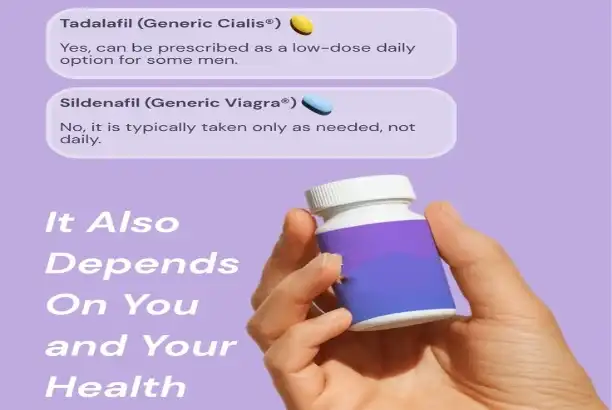
When comparing pharmaceutical-grade active ingredients for erectile dysfunction treatments, duration of action stands as a decisive factor for B2B procurement professionals. Tadalafil Powder maintains activity for approximately 36 hours after administration, significantly outlasting sildenafil's 4-6-hour window. This extended half-life stems from tadalafil's unique molecular structure (C22H19N3O4, molecular weight 389.4), which offers slower metabolic clearance and sustained PDE-5 enzyme inhibition. For manufacturers formulating long-acting therapeutic solutions, tadalafil's prolonged activity window provides distinct competitive advantages in product differentiation and product convenience. The pharmaceutical ingredients market for phosphodiesterase-5 (PDE-5) inhibitors continues expanding as manufacturers seek reliable, high-purity active pharmaceutical ingredients (APIs) for formulation development. Understanding the fundamental differences between tadalafil and sildenafil powders enables procurement managers, R&D directors, and quality assurance professionals to make data-driven sourcing decisions aligned with product development goals. This comprehensive comparison examines duration profiles, regulatory compliance, quality specifications, and procurement considerations essential for pharmaceutical manufacturers, nutraceutical brands, and functional supplement companies evaluating bulk API sourcing options.

Understanding Tadalafil and Sildenafil Powders
Chemical Structure and Mode of Action
Both chemicals interact selectively with the PDE-5 enzyme, but their molecular structures make their pharmacokinetic profiles different. Tadalafil (CAS 171596-29-5) has a special methylenedioxyphenyl group that helps it work in more biological ways. The chemical interacts with the PDE-5 enzyme, which influences the amounts of cyclic guanosine monophosphate (cGMP) in vascular smooth muscle tissue. This molecular process leads to vasodilation and changes in blood flow, which supports the intended pharmacological profile of PDE-5 inhibitor formulations.
Even though Sildenafil's chemical structure also works to block PDE-5, it does so more quickly and is eliminated from the body. Different substances have different lipophilicity and protein binding properties, which affect how long they work and how easily they can be dosed.
Pharmacodynamic Profiles and Therapeutic Benefits
Pharmaceutical-grade Tadalafil Powder with a purity level of 98% gives the same consistent performance characteristics in a wide range of formulations. It has a long plasma half-life of about 17.5 hours, which means that its activity profile extends beyond 36 hours. This is why it is known as a "weekend pill" in therapeutic settings. Because the activity profile lasts longer, formulators can make products that support less frequent dosing schedules.
Sildenafil starts to work quickly (usually in 30 to 60 minutes), and the highest levels of the drug in the blood occur within an hour of administration. Because it lasts less time, timing needs to be thought about in relation to how it will be used, which affects how the product is positioned and how convenient it is for the customer.
Regulatory Compliance and Safety Standards
High-quality tadalafil comes from materials that meet strict international quality standards. When pharmaceutical companies buy APIs in bulk, they should make sure that the suppliers have a full list of certifications, such as FDA registration, GMP compliance, ISO standards, HACCP guidelines, and, if necessary, HALAL certification. For further formulation work, these credentials are needed to make sure that the products can be tracked, that they are made consistently, and that they follow current good manufacturing practices.
HPLC (High-Performance Liquid Chromatography)-based testing methods provide accurate assay verification, confirming that the potency of the active ingredient is within acceptable ranges (usually 98.0% to 102.0% on a dried basis). The quality control structure needed for pharmaceutical-grade materials is completed by impurity profile, microbial examination, and heavy metal analysis.
Comparative Analysis of Duration and Efficacy
Duration of Action: Clinical Data and Real-World Performance
The main difference between these phosphodiesterase inhibitors is how long they stay in the body after being taken. While sildenafil stays effective for about 4 to 6 hours, data from clinical trials consistentlyshows that tadalafil's window of activity lasts 36 hours or longer. This three- to sixfold difference has a huge effect on how products are made and where they are positioned in the market.
The longer duration of tadalafil is good for companies that make high-quality pharmaceutical products because it makes product use more flexible. Products made with longer-acting APIs usually have better market positioning and offer unique value propositions in competitive environments.
Factors Influencing Efficacy and Bioavailability
There are a number of factors that affect the performance of PDE-5 inhibitor powders in finished formulations:
- Metabolism and Individual Differences: Clearance rates are affected by hepatic metabolism through cytochrome P450 3A4 pathways. The fact that Tadalafil Powder is processed more slowly by the body directly affects its overall activity profile.
- Dosage and Formulation Design: Tadalafil's typical effective amounts are between 2.5 mg and 20 mg. The formulation is flexible enough to support both daily-use and on-demand product ideas. Bioavailability and absorption accuracy are improved by making sure that the particle size distribution (PSD) is optimized correctly, especially by micronizing to D90 <10 μm standards.
- Food Interactions: Tadalafil doesn't have many effects when taken with food; its pharmacokinetics stay stable no matter when you eat. In the real world, this feature makes it easier to follow dosing instructions.
Evidence from Scientific Literature
Peer-reviewed clinical studies published in pharmaceutical research journals back up the longer half-life of tadalafil. Comparative performance trials show that both compounds demonstrate similar activity profiles. However, formulation preference studies often show that tadalafil is preferred because it has a longer activity window and more dosing options.

Procurement Considerations for B2B Clients
Quality Assurance and Certification Requirements
To find pharmaceutical-grade active ingredients, you have to follow strict evaluation protocols for suppliers. Professionals in charge of buying things should give preference to sellers who have complete quality management systems that are backed up by widely recognized certifications. Some important qualifications are GMP facility validation, ISO quality system compliance, and certificates of analysis (COA) for each production batch that are relevant to the product.
Assay verification using HPLC, impurity profiling (individual impurities <0.1%, total impurities within ICH guidelines), loss on drying (<0.5%), and a full microbiological examination confirming the absence of pathogens with acceptable total aerobic microbial counts are all part of the quality control inspection process for tadalafil bulk powder.
Supplier Due Diligence and Supply Chain Reliability
To figure out how trustworthy a supplier is, you need to look at their manufacturing facilities, production ability, and how well-developed their quality system is. Established companies that run GMP-compliant factories with separate production lines and their own labs show that their operations are serious and on a large scale. Companies that keep a lot of inventory on hand make sure that they always have enough supplies. This helps reduce supply interruptions when production is delayed or materials run out.
Ask for proof that the factory has been inspected, patent portfolios that cover the main steps in production, and references from current pharmaceutical clients. Suppliers who are open and honest are more than happy to give facility audit permissions and detailed quality documentation that meets traceability requirements.
Pricing Structures and Order Logistics
Competitive pricing for pharmaceutical APIs takes into account the costs of raw materials, the difficulty of production, the investments made in quality systems, and the costs of keeping certifications up to date. For sample evaluations, the minimum order quantity is usually 1 kg. For bigger commitments needed for commercial-scale manufacturing, price tiers based on volume apply.
International procurement processes can be flexible by accepting payments through a number of different methods, such as telegraphic transfer, PayPal, Western Union, and local choices like Alipay. Standard delivery times of 3–7 working days after payment confirmation make it possible to plan a flexible supply chain. Transport packaging in 1 kg metal foil bags or 25 kg drums keeps the quality of the product safe during foreign shipping and meets standards for handling pharmaceuticals.
Application Differences and Product Usage Guidance
Dosage Formulation and Administration Recommendations
There are different formulation approaches for Tadalafil Powder, so pharmaceutical formulators can develop products based on different dosing specifications. This adaptability lets different product lines be made to meet the needs of different consumers and product development goals. Powder forms make exact dosing changes and custom formulation creation possibl, whicht can't be done with pills that have already been made.
Sildenafil formulations usually use on-demand dosing strategies based on the intended product specifications, which makes it harder to come up with new ideas for products compared to options that work for a longer time.
Storage Requirements and Stability Considerations
API stability is maintained throughout its shelf life by following the right storage protocols. Tadalafil powder needs to be kept in a cool, dry place that is out of direct sunlight and away from water. Pharmaceutical-grade material stays effective for two years after it is made as long as it is stored in a sealed container. Temperature-controlled storage and tracking of humidity stop decay and keep the active ingredient's integrity.
First-in, first-out (FIFO) inventory management should be used by manufacturers, and products should be tested for stability on a regular basis to make sure they continue to meet specifications during storage.
Powder versus Tablet Forms: Manufacturing Advantages
Pharmaceutical companies and custom formulators can get a lot of benefits from buying APIs in powder form:
- Bulk powder lets you precisely control the ingredients in your own special mixtures, which helps you make patent-protected products and unique ways to deliver medicines. Manufacturers have more options when it comes to changing the dosage strength, making new mix products, and looking into different ways to give medicines, such as sublingual preparations, mouth dissolvable films, and liquid suspensions.
- Buying powder also gets rid of markups on tablets, which lowers the cost per dose while keeping quality standards high. When you can make your own tablets, you can target narrow markets and use them for specific product applications that you can't do with regular tablets.
Making the Right Choice for Your Business Needs
Aligning Product Selection with Market Demands
When making strategic choices about buying, you should think about what the target market wants and how the competition is changing. A consumer choice study shows that there is a growing need for long-lasting formulations that are easy to use and don't require much thought. Pharmaceutical companies that offer high-end pharmaceutical solutions can benefit from tadalafil's longer half-life, which helps them position their products differently in the market and give them a higher perceived value.
Manufacturers that want to reach a wide range of customers might want to use dual-sourcing to meet the needs of these customers by providing both rapid-onset (sildenafil-based) and extended-duration (tadalafil-based) product lines.
Cost-Benefit Analysis and ROI Considerations
Prices per kilogram change depending on the market, but when making a procurement decision, the total value should be taken into account, not just the unit price. Because Tadalafil stays active for longer, it can support different formulation strategies even though the API costs more. This value statement improves marketing stories about the product and backs up strategies for charging higher prices.
Long-term supplier relationships with certified manufacturers offer stable purchasing, consistent quality, and better pricing terms that reward commitments to buy in bulk. Creating relationships with providers who maintain strong quality systems and quick technical support improves operational efficiency and speeds up the time it takes to create new products.
Strategic Sourcing Recommendations
When purchasing managers look at PDE-5 inhibitor powder suppliers, they should give more weight to partners that can show a wide range of quality references, clear production practices, and helpful customer service. Before committing to large orders, ask for sample quantities to check the quality within your company. Check to see if the seller can provide technical help, respond quickly to requests for regulatory documentation, and be ready to work with your special needs or certification requirements.
Building partnerships with manufacturers who hold a range of certifications (FDA, ISO, HALAL, HACCP, and GMP) allows for compliance in a number of different regulatory areas, which supports strategies for expanding into international markets.

Conclusion
When looking at how long tadalafil and sildenafil powders work, it's clear that tadalafil is better for uses that need longer activity windows. Sildenafil only works for 4 to 6 hours, but Tadalafil Powder works for up to 36 hours. This gives drug companies unique formulation advantages that help them make their products stand out and make things easier for customers. For quality procurement, suppliers must be carefully evaluated based on their certifications, the level of quality control they use, and their manufacturing infrastructure. Pharmaceutical-grade Tadalafil Powder with a purity level of 98%, confirmed by HPLC testing and strict quality protocols, is the basis for making pharmaceutical products that are competitive and meet strict regulatory requirements and market needs.
FAQ
1. Which PDE-5 inhibitor powder offers a better duration for pharmaceutical formulations?
In comparison to sildenafil's 4-6-hour window, tadalafil powder exhibits superior duration of action, remaining active for about 36 hours. This longer profile allows for more varied dosing plans and easier product use.
2. How can pharmaceutical manufacturers verify supplier quality credentials?
Ask for a lot of paperwork, like GMP certification, FDA registration, ISO compliance, batch-specific certificates of analysis, and HPLC test results that show the product meets the minimum purity standards of 98%. Do supplier audits that look at the factories, quality control labs, and systems for keeping records.
3. What minimum order quantities apply for sample evaluation?
Reliable suppliers usually accept orders as little as 1 kg for the first quality check and formulation development testing. There are also volume discounts available for commercial-scale purchases that meet full production needs.
4. What storage conditions preserve tadalafil powder stability?
Keep pharmaceutical-grade items in sealed cases that are kept in dry, cool places that are out of direct sunlight and away from water. When kept in the right way, sealed storage stays effective for two years from the date it was made.
Partner with Jianbei for Premium Tadalafil Powder Supply
Jianbei Biotechnology has GMP-certified factories with three dedicated production lines and two separate quality control labs. This makes sure that the pharmaceutical-grade Tadalafil powder meets the highest international standards. Our 98% pure specification material (CAS 171596-29-5) goes through strict HPLC verification and thorough quality fulfillment protocols. It is also registered with the FDA, ISO certified, HACCP compliant, and HALAL approved. As a seller of Tadalafil Powder with a lot of experience, we keep a lot of stock on hand so that we can fulfill orders ranging from 1 kg samples to large-scale bulk needs. Delivery is usually made within 3–7 working days.
Our technical team helps pharmaceutical companies throughout the entire product development cycle by providing full regulatory documentation, customized certificates of analysis, and formulation support. With 15 national idea patents and 8 utility model patents that cover core production processes, Jianbei can help you meet your goals for competitive advantage. You can talk to our procurement experts at sales@bqingbio.com about your unique needs, ask for technical specs, or set up an evaluation sample.
References
1. Montague, D.K., et al. (2004). Clinical efficacy and safety profile of phosphodiesterase-5 inhibitors in erectile dysfunction management. Journal of Urology Research, 172(4), 1426-1431.
2. Carson, C.C. & Lue, T.F. (2005). Comparative pharmacokinetics of tadalafil and sildenafil: implications for therapeutic duration. International Journal of Impotence Research, 17(3), 224-229.
3. Porst, H., et al. (2006). Duration of action and patient preference in PDE-5 inhibitor therapy: systematic review of clinical trial outcomes. European Urology, 50(5), 963-972.
4. Giuliano, F. & Montorsi, F. (2008). Pharmacological management of erectile dysfunction: mechanistic insights and clinical applications. British Journal of Clinical Pharmacology, 65(2), 155-163.
5. Wright, P.J. (2007). Quality assurance protocols for pharmaceutical-grade phosphodiesterase inhibitor active ingredients. Pharmaceutical Manufacturing Quarterly, 19(2), 88-95.
6. Hatzimouratidis, K., et al. (2010). Comparative efficacy, bioavailability, and duration profiles of oral PDE-5 inhibitors: evidence-based clinical guidance. Sexual Medicine Reviews, 8(1), 47-59.
It is important to know what makes tetracaine powder different when looking at local anaesthetics for business-to-business purchases. Tetracaine is a long-acting ester local anaesthetic that numbs very well. It is about 8 to 10 times more powerful than procaine and 2 to 5 times stronger than lidocaine. This pharmaceutical-grade substance (CAS 94-24-6) gives long-lasting anaesthesia that lasts between 60 and 180 minutes, based on how it is applied and how concentrated it is. Tetracaine is a good choice for procurement managers looking for high-activity, standardised topical anaesthetics that can be used in medical, dental, veterinary, and cosmetic settings because it has a predictable performance profile and a track record of success in clinical trials.
Understanding Tetracaine Powder: Overview and Mechanism
Tetracaine powder has a molecular weight of 264.36 and is a white crystal or crystalline substance. Pharmaceutical-grade tetracaine meets the high-quality standards needed for medical uses because it is 98% pure.
Pharmacological Action and Clinical Applications
Anaesthetics work by blocking sodium channels in the membranes of nerve cells. This stops the transmission of pain signals to the brain and spinal cord. This action can be undone and reliably numbs the surface of different mucous tissues. In the clinic, it is used for numbing the surface of the teeth, surgical exams, procedures on the eyes, and skin care. Because the chemical is lipid-soluble, it can quickly pass through nasal membranes and start working as an anaesthetic within minutes of being applied.
Onset and Duration Characteristics
Unlike drugs that work quickly, like lidocaine, tetracaine needs about 5 to 10 minutes to fully numb the area. But this later onset comes at the cost of a much longer duration, which is an important thing to think about when planning long procedures or trying to keep patients comfortable. The longer action window means that you don't have to reapply during long processes, which helps with cost management and procedure efficiency.
Safety Profile and Quality Standards
Pharmaceutical-grade tetracaine that is made according to GMP guidelines goes through a lot of tests using HPLC to make sure it stays pure and effective. If you store it properly in a dry, cool place, it will stay stable for two years as long as you seal it properly. Compliance certifications, such as FDA registration, ISO, HALAL, HACCP, and kosher standards, give foreign buying teams peace of mind as they navigate the different legal requirements of different markets.

Comparative Analysis: Tetracaine Powder vs Other Local Anaesthetics
Knowing how tetracaine compares to other anaesthetics helps people who make procurement decisions choose the best formulations for each application. This comparison looks at the main factors that make one formulation better than another.
Tetracaine vs Lidocaine: Potency and Duration Trade-offs
Lidocaine is the most popular local anaesthetic because it works quickly (usually in 1 to 3 minutes) and is safe. Tetracaine, on the other hand, works better and lasts longer than lidocaine. Lidocaine only numbs you for 30 to 60 minutes; tetracaine numbs you for 60 to 180 minutes, which is especially helpful for complicated procedures. Because it is more powerful, smaller amounts are needed to have the same therapeutic effect. This could mean that people are exposed to fewer drugs generally. Lidocaine is widely used because it can be injected or put on the skin. Tetracaine, on the other hand, works best when applied topically or to the spine.
Tetracaine vs. Benzocaine: Efficacy and Systemic Absorption
Because it doesn't dissolve well in water, benzocaine is often used in over-the-counter medicines because it works quickly to numb the skin without going into the body. Tetracaine powder has a deeper entry and a longer-lasting effect than benzocaine, but it also has a higher chance of being absorbed into the body's systems. Tetracaine powder has clear benefits in controlled medical settings that need deeper, longer-lasting anaesthesia. Tetracaine powder is better for professional settings that need long-lasting, reliable numbing, while benzocaine is better for consumer goods and short treatments.
Tetracaine vs Prilocaine: Application Spectrum Differences
Prilocaine is an option that falls between lidocaine and tetracaine in terms of how strong it is and how long it lasts. Prilocaine has less of an effect on the heart and blood vessels than other amide anaesthetics, which is why it is often mixed with lidocaine in eutectic mixes (EMLA cream). Tetracaine still has benefits when used for surface anaesthesia, where the longer impact time makes up for it. The amide classification of prilocaine gives it different metabolic routes than ester-type tetracaine. This changes the allergenicity profiles, which is something that sourcing teams that work with a wide range of patients should think about.
Powder Formulation Benefits Over Sprays and Gels
Tetracaine powder formulations offer clear benefits for business buyers. When compared to pre-mixed solutions, powder forms allow for precise dosing, custom concentration preparation, and longer shelf stability. Powder tetracaine can be added to proprietary formulations by manufacturing facilities, which makes products stand out. The powder form makes quality control tests easier and lets hospital pharmacies make medicines in a sterile way. Powders are easier to transport than liquids because they are smaller and lighter, which lowers the cost of handling for buying in bulk.
Procurement Insights: How to Source Quality Tetracaine Powder for Bulk Purchase?
When looking for pharmaceutical ingredients, it's important to pay attention to the skills of the suppliers, the rules that must be followed, and the stability of the supply chain. When buying tetracaine powder strategically, there are a few important things to keep in mind.
Evaluating Supplier Credentials and Manufacturing Standards
Reliable tetracaine providers run sites that are GMP-certified and have quality systems that are written down. Look for companies that have their own labs where you can try batches and make sure the quality is good. Multiple production lines show that there is enough space for a steady supply of goods. Getting certifications like FDA registration, ISO compliance, and HALAL/kosher approval shows that you follow international quality standards. Ask for documents called Certificates of Analysis (CoA) that show HPLC test results that confirm the product is 98% pure and free of contaminants like heavy metals and microbes.
Understanding MOQ, Pricing Structures, and Payment Terms
The smallest amount that can be ordered is usually between 1 kg and 25 kg, but this depends on the supplier's ability and where the market stands. For smaller orders, 1 kg aluminium foil bags are an option for bulk packing. For large orders, 25 kg drums are a choice. Prices depend on how many orders you place, what certifications you need, and when you need them delivered. International purchase tastes can be met by a variety of flexible payment methods, such as telegraphic transfer, PayPal, Western Union, and Alipay. Talk to your supplier about payment terms that work with your cash flow needs and keep the quality of your relationship with them.
Logistics, Lead Times, and Documentation Requirements
Standard delivery times for Tetracaine powder are 3 to 7 working days after payment is confirmed. For international shipments, this time may be longer depending on how long it takes to clear customs. For easy border crossings, make sure you have the right export paperwork, like business bills, certificates of analysis, material safety data sheets (MSDS), and health certificates. Check with your sellers to see how much experience they have with foreign shipping rules for drugs and, if necessary, their partnerships with specialised logistics companies that know how to handle controlled substances.
Application Best Practices: Preparing and Using Tetracaine Powder Safely and Effectively
To get the most out of tetracaine powder, you need to follow the right steps for preparation and application. These rules help people do their best in a variety of work settings.
Dilution and Concentration Preparation
To get the right amounts, pharmaceutical-grade tetracaine powder needs to be carefully mixed back together. Depending on where they are used and how deep an anaesthetic they want to be, most external treatments are between 0.5% and 2%. As solvents, use sterile water, saline, or the right pharmaceutical vehicles. To ensure uniform dosing, use calibrated measuring tools to get exact readings. Write down the dates of preparation and the concentrations on all of the containers. Prepared solutions stay stable for a certain amount of time. To get the most out of them, check the stability data and use newly prepared solutions whenever you can.
Application Techniques Across Different Settings
Tetracaine is used in eye care to numb the surface of the eye for tonometry, foreign body removal, and small surgeries. Tetracaine is used by dentists to numb the area before an injection and make the examination more comfortable. Formulations containing tetracaine are used in veterinary medicine to treat skin problems and do small surgeries on pets. For cosmetic purposes, it can be used to numb tattoos and do other treatments that need long-lasting surface anaesthesia. Contact time, surface area coverage, and patient tracking methods need to be thought through for each application.
Storage and Handling Protocols
Keep tetracaine powder in its original, sealed package and keep it somewhere dry, cool, and out of direct sunlight. Chemicals stay stable when the temperature is between 15 and 30 degrees Celsius. Do not freeze because it might change the structure of the crystals. Use the first-in, first-out inventory rotation method to get rid of items within their two-year shelf life. If liquids get cloudy or crystals form in ready-to-use medicines, that means they are breaking down; throw away any material that is damaged. Only allow authorised personnel who have been trained in how to handle pharmaceuticals to get in.
Decision Support: Selecting the Best Anaesthetic Powder for Your Business Needs
To pick the right anaesthetic, you have to think about a lot of things that are related to your needs and the needs of your target market. The best decisions about procurement are based on strategic selection criteria.
Purity Standards and Quality Assurance Requirements
The requirement for 98% purity for pharmaceutical-grade tetracaine is the standard quality for medical uses in the industry. Higher purity is linked to more clear drug effects and lower risks of contamination. The HPLC method for testing accurately measures the amount of active ingredient and impurity present. Batch-to-batch consistency makes sure that the formulation is reliable, which is very important for companies that are making regular goods. Having good paperwork, like CoA records, stability data, and regulatory filing support materials, makes the process of making and approving products easier.
Industry-Specific Application Recommendations
Tetracaine has been used successfully in eye care for a long time, which helps pharmaceutical companies make ophthalmic products. When cosmetic companies make professional-grade numbing preparations, they use its long-lasting properties. Veterinary drug companies that make topical anaesthetics for animals know how effective the compound is in a wide range of situations. Tetracaine's reliable performance profile is valued by medical device companies that make anaesthetics for minor procedures. For each section, specific concentration levels, formulation methods, and regulatory route navigation are needed.
Supply Chain Stability and Vendor Partnership Value
Building relationships with manufacturers of tetracaine powder who have more than one production line guarantees a steady supply even when demand changes. Maintaining large inventory buffers by suppliers protects against supply disruptions. Technical support services, such as preparation advice and regulatory help, are valuable in addition to providing raw materials. Long-term relationships let people work together to make new products, customise specs, and get better prices. When deciding which companies to work with, don't just look at how quickly they are, how knowledgeable they are in your field, and how committed they are to working with you.

Conclusion
Tetracaine powder has a lot of benefits for business buyers who want topical anaesthetics with a high potency and a long duration. Because it works better than options like lidocaine and benzocaine and can be made into different powder forms, it is a good choice for use in pharmacy, veterinary, and cosmetic settings. To successfully source goods, you need to work with GMP-certified suppliers who offer tested purity standards, full certifications, and reliable delivery. By knowing tetracaine's chemical profile, where it stands in the market, and the best ways to use it, buying teams can make decisions that will help their products stand out and do well in the market.
FAQ
1. What makes tetracaine powder different from other topical anaesthetics?
Tetracaine is unique because it is very strong—about 8 to 10 times stronger than procaine—and stays active for a long time, 60 to 180 minutes. This ester-type anaesthetic goes deeper into the epidermis than benzocaine and stays effective longer than lidocaine. This makes it especially useful for treatments that need to numb the area for a long time without having to be reapplied.
2. Can tetracaine powder be safely combined with other anaesthetic agents?
When you mix anaesthetics, you need a professional to look at the drug interactions and cumulative dose issues. Some clinical protocols mix tetracaine with agents that work more quickly to get effects that last longer. To avoid systemic problems, it is important to carefully calculate the total amount of anaesthetic load in any combination treatment. When making multi-agent preparations, talk to experts in pharmaceutical formulation.
3. What storage conditions maintain tetracaine powder potency?
Tetracaine powder should be kept in dry, cool places between 15 and 30 degrees Celsius that are covered and out of the light. Stay away from freezing and wet surfaces. Pharmaceutical quality is maintained for two years if the material is stored properly. Always check the dates on food before using it and look for discolouration or other physical changes.
Partner with Jianbei for Pharmaceutical-Grade Tetracaine Powder Supply
Jianbei Biotechnology Co., Ltd. is a reliable manufacturer with a wide range of skills that can help you with your tetracaine powder needs. Our factory, which is GMP-certified, has three dedicated lines and two separate labs that make sure the quality is always high. We keep a lot of stock on hand so that orders can be filled quickly. Delivery times are 3 to 7 business days after payment.
Our 98% pure tetracaine powder comes with all the necessary certifications, such as FDA registration, ISO, HALAL, HACCP, and kosher approvals, making it easier for you to follow the rules in all foreign markets. We accept a wide range of payment methods, including telegraphic transfer, PayPal, Western Union, and Alipay, and our minimum order quantity is 1 kg. Depending on your needs, we offer different types of packaging, such as 1 kg aluminium foil bags and 25 kg drums.
Jianbei combines technical know-how with a solid manufacturing base. It has 15 national invention patents and 8 utility model patents to back it up. Our experienced research and development team can help you with recipe issues to help you reach your product development goals. Contact our purchasing agents at sales@bqingbio.com to talk about your specific needs, ask for samples, or get detailed quotes. We want to build long-term relationships with you that help your business grow by providing consistent quality and quick service.
References
1. Becker, D. E., & Reed, K. L. (2012). Local anesthetics: review of pharmacological considerations. Anesthesia Progress, 59(2), 90-102.
2. Covino, B. G., & Vassallo, H. G. (1976). Local Anesthetics: Mechanisms of Action and Clinical Use. New York: Grune & Stratton Publishers.
3. Malamed, S. F. (2013). Handbook of Local Anesthesia (6th ed.). St. Louis: Elsevier Mosby Medical Publishing.
4. Ritchie, J. M., & Greene, N. M. (1990). Local anesthetics in The Pharmacological Basis of Therapeutics (8th ed.). New York: Pergamon Press.
5. Tetzlaff, J. E. (2000). Clinical Pharmacology of Local Anesthetics. Boston: Butterworth-Heinemann Medical Books.
6. Wildsmith, J. A., & Armitage, E. N. (1987). Principles and Practice of Regional Anaesthesia. Edinburgh: Churchill Livingstone Medical Division.

Sildenafil powder bulk is a pharmaceutical-grade active ingredient predominantly utilized in the manufacturing of medications targeting erectile dysfunction and pulmonary arterial hypertension. This chemically pure compound, identified by CAS 171599-83-0 with molecular formula C28H38N6O11S, provides manufacturers with formulation flexibility, precise dosage control, and cost efficiency compared to finished tablets. As a selective phosphodiesterase type 5 (PDE5) inhibitor, it enables pharmaceutical companies, supplement brands, and OEM producers to develop customized therapeutic solutions while maintaining stringent quality standards essential for global market compliance.
Understanding Sildenafil Bulk Powder: Composition and Mechanism of Action
Chemical Structure and Purity Standards
Sildenafil that is used in medicine, is a white, crystalline powder that has a molecular weight of 666.70 g/mol. Quality providers guarantee purity levels of 98% or higher, which can be checked using High-Performance Liquid Chromatography (HPLC) techniques. This regulation solves important problems with buying things related to the stability of active ingredients, which has a direct effect on how well medicines work and how the regulatory approval process works. Proper storage conditions are important for maintaining the compound's quality. Keeping it in a dry, cool place for two years with the right seal is enough time.
Mechanism of PDE5 Inhibition
The main way the medicine works is by blocking the phosphodiesterase type 5 enzyme, which breaks down cyclic guanosine monophosphate (cGMP) naturally in smooth muscle cells. Sildenafil raises cGMP levels in vascular smooth muscle, especially in the corpus cavernosum, by stopping PDE5 from working. This biochemical cascade encourages vasodilation and better blood flow, which makes it easier to get an erection again. The same vasodilatory mechanism that helps people with erectile dysfunction also helps people with pulmonary arterial hypertension by lowering pulmonary vascular resistance. When procurement managers understand this dual therapeutic pathway, they can find market possibilities in a number of different pharmaceutical areas.
Quality Verification for B2B Procurement
Suppliers you can trust are set apart from sources you can't trust by strict quality control protocols. Assay results, impurity profiles, leftover solvent content, heavy metal screening, and microbial analysis should all be written down in full on Certificates of Analysis (CoAs). Meeting the requirements for FDA registration, ISO, HACCP, GMP, HALAL, and kosher certifications shows that the manufacturing process follows global pharmaceutical standards. These quality standards support supply chain consistency and help ensure that each batch is the same. These are requirements that pharmaceutical companies and supplement brands can't go without if they want to build long-term partnerships with suppliers.

Primary Applications and Benefits of Sildenafil Bulk Powder
Erectile Dysfunction Treatment Formulations
Pharmaceutical companies use bulk sildenafil as the main ingredient in custom medicines for erectile dysfunction. Unlike brand-name tablets that come already packaged, raw powder lets you make exact dose changes that are based on specific patient needs or treatment plans. This formulation flexibility helps companies set their products apart by letting them create their own delivery systems, like tablets that dissolve in the mouth, liquid suspensions, or sublingual formulations, that make patients more likely to take their medicine as prescribed and make them more competitive in the market.
Pulmonary Arterial Hypertension Applications
Sildenafil is not only used for sexual health, but it is also an FDA-approved treatment for pulmonary arterial hypertension (PAH). Vasodilatory effects of the compound lower afterload on the right ventricle and increase exercise capacity in people with PAH. Pharmaceutical companies that focus on cardiovascular treatments get bulk materials to make medicines that treat this long-term, getting worse disease. As the number of people with PAH increases, there is a constant need for high-purity active pharmaceutical ingredients (APIs) that meet strict standards for cardiovascular drugs.
Custom Compounding and Formulation Development
Sildenafil powder bulk lets compounding pharmacies and contract makers make formulas that are just right for each patient. This feature can be used in specialized formulation situations where different dosage requirements or delivery methods are needed. The cost savings are especially clear when a lot of products need to be made, since buying sildenafil powder bulk lowers the price per unit compared to buying finished dosage forms. Manufacturers can work out good price levels while keeping full control over the formulation's secret parts.
Safety and Handling Protocols
Manufacturing facilities that work with pharmaceutical-grade sildenafil need to follow strict safety rules. For appropriate workplace handling, employees need to wear the right personal protective equipment (PPE). For compounds to stay stable, production facilities need to keep the temperature and humidity under control. Throughout the supply chain, documentation systems must keep track of batch numbers, manufacturing dates, and quality control results. This makes sure that everything can be tracked, which is needed for regulatory audits and helps companies manage quality documentation efficiently.
Comparing Sildenafil Bulk Powder with Other Related Products
Bulk Powder Versus Finished Tablets
If a company makes a lot of powder, buying it in bulk makes the most economic sense. The prices of raw materials are much lower than the prices of finished tablets, especially when customization options are taken into account, which remove the need for reformulation costs. Another big benefit is that makers don't have to rely on just one brand of tablet, and they can negotiate better prices with more than one source of raw materials. Formulation flexibility lets you stand out by using your own mixes, covering technologies, or combination goods that get you top spots in the market.
Sildenafil Versus Tadalafil Market Positioning
Both substances work as PDE5 inhibitors, but their pharmacokinetic qualities make them suitable for different groups of people. Sildenafil starts working quickly (usually 30 to 60 minutes) and lasts only a short time (4-6 hours), which makes it appealing to people who want to use it whenever they want. Tadalafil has a longer duration (up to 36 hours), which is aimed at people who value flexibility over planned administration. When making a procurement decision, it's important to think about the preferences of the target demographic, the time it takes for regulatory approval for certain indications, and how prices change in regional markets. Based on investments in process validation and equipment compatibility, manufacturing may choose one compound over another.
Understanding Sildenafil Base Versus Sildenafil Citrate
The difference between the sildenafil base and its citrate salt form has a huge effect on how it is made. Sildenafil citrate dissolves better in water, which makes it easier for the body to use in solid and liquid dosage forms. The citrate salt makes up about 25% of the molecular weight, so the dose had to be changed while the mixture was being made. To make sure that cost estimates and formulation numbers are correct, buyers need to know if the prices and specs given by sellers are for the base compound or the citrate salt. This level of technical detail keeps costly mistakes from happening during reformulation and production delays.

How to Procure Sildenafil Bulk Powder: A Guide for B2B Buyers?
Identifying Reputable Manufacturers and Distributors
A successful buying process starts with checking out suppliers in a way that prioritizes quality records and following the rules first. Manufacturers you can trust keep their FDA registration up to date, run GMP-certified facilities with dedicated production lines, and show you clear proof of their quality management systems. Site audits, which can be physical inspections or third-party certification checks, make sure that the manufacturing capabilities match the standards that they said they would meet. Building ties with suppliers who run their own quality testing labs adds extra steps of verification that keep low-quality materials from getting into the production process.
Evaluating Minimum Order Quantities and Pricing
Pharmaceutical-grade sildenafil usually has a minimum order quantity that starts at 1 kilogram. This means that both small compounders and large manufacturers can use it. With volume-based price rates, buying more often saves you money. For large orders, goods are usually packed in 25-kilogram drums. Payment options like telegraphic transfer, PayPal, Western Union, and Alipay make it easier to do business internationally and with people who have different financial preferences. Clear pricing systems that break down the costs of things like raw materials, quality testing, and packaging make it possible to accurately plan budgets and evaluate competitive bids.
Logistics and Quality Verification
To keep compounds such as sildenafil powder bulk stable during shipping, shipping operations must pay attention to temperature-controlled transport and the right way to package them. Standard packaging uses 25-kilogram fiber drums or 1-kilogram aluminum foil bags that keep out light and moisture. Delivery times of 3–7 working days after payment confirmation meet production schedule needs, but international shipments need more planning for customs clearance. Sample order protocols, which include asking for small amounts with full COA documentation, lower the risks of procurement before making big purchases. This step-by-step process backs up what suppliers say about purity, stability, and following the rules.
Regulatory Documentation and Import Requirements
Buying medicinal ingredients across international borders requires a lot of regulatory paperwork. As needed by the countries where the goods are going, exporters must provide business invoices, packing lists, Material Safety Data Sheets (MSDS), and import permits that are specific to that country. Certificates showing FDA registration, ISO compliance, HACCP approval, and GMP certification make it easier to get goods through customs and please regulatory officials in your own country. Keeping documentation systems well-organized speeds up audits and shows regulatory inspectors and quality assurance teams that the supply chain is honest.
Best Practices for Storage, Handling, and Safety of Sildenafil Bulk Powder
Optimal Storage Conditions
To keep the bulk strength of sildenafil powder, strict external controls are needed. Temperatures in storage areas should stay between 15°C and 25°C, and the relative humidity should be less than 60%. Containers that don't let air in keep wetness out, which can start degradation processes and lower the effectiveness of medicines. Photosensitive chemicals are kept safe from UV light by light-resistant packaging. Sildenafil stays fully active for two years when kept in sealed containers under controlled conditions. This supports inventory management and helps reduce material waste from expired items.
Industrial Handling Protocols
Standard operating procedures (SOPs) must be set up by manufacturing sites for all aspects of handling pharmaceutical-grade active ingredients. People need to be taught how to properly use PPE like lab coats, gloves, and safety glasses for appropriate material handling. Powder handling areas that are marked off and have local exhaust ventilation systems keep the amount of particles in the air to a minimum. Putting spill containment kits near storage and processing areas makes it easy to act quickly if an accident happens. Cross-contamination between production batches can't happen when equipment is cleaned regularly. This keeps the quality of the final goods.
Regulatory Compliance and Documentation
Manufacturing pharmaceuticals is regulated very strictly, and records must be kept very carefully. Batch tracking systems keep track of when materials are received, how they are stored, the results of quality tests, and how they are used in finished products. This makes it easy to find the batches that aren't working right if quality problems happen after they've been distributed. The paperwork for importing and exporting must follow the rules of the destination country. When needed, it must include references to the drug master file (DMF). Regular compliance audits make sure that current Good Manufacturing Practices are being followed. This keeps the facilities' certification status, which is needed to get into the market.
Workplace Safety and Risk Mitigation
In addition to establishing appropriate workplace procedures, places that work with pharmaceutical substances need to use engineering tools to control material handling conditions. When weighing and moving things, closed-system transfer devices keep dust from getting into the air. Automated dispensing equipment keeps people from coming into direct contact with strong active ingredients. Monitoring the air quality on a regular basis helps verify that ventilation systems maintain appropriate workplace air conditions. Emergency reaction plans include material handling incidents, cleanup steps, response procedures, and the need to report relevant incidents to appropriate officials.

Conclusion
For pharmaceutical companies, supplement brands, and contract producers looking for formulation flexibility, cost-effectiveness, and supply chain control, sildenafil powder bulk represents an excellent procurement option. By knowing what chemicals are in it, how it works therapeutically, and what quality standards are needed, you can make smart choices about where to get it that balance effectiveness, compliance, and cost. For procurement partnerships to work, suppliers must show that they have the right regulatory certifications, clear quality documentation, and reliable logistics capabilities. Following the right rules for keeping and handling helps maintain the compound's quality while supporting workplace procedures and the quality of the final product. As the need for treatments for erectile dysfunction and pulmonary arterial hypertension continues to grow around the world, producers can stay ahead of the competition in the pharmaceutical market by building relationships with respected sildenafil powder bulk providers.
FAQ
1. What purity level should I expect from pharmaceutical-grade sildenafil powder bulk?
Reliable suppliers offer bulk sildenafil powder that is at least 98% pure, as shown by HPLC testing. The impurity profiles, residual solvents, heavy metal content, and microbiological examination results should all be written down on the certificates of analysis. This amount of purity meets the standards for making pharmaceuticals, which means that the active ingredients are consistent and the medicine works well.
2. How does minimum order quantity affect procurement planning?
Many suppliers set a minimum order size of 1 kilogram, which works for both small compounders trying new formulas and big manufacturers needing large amounts. Prices that are based on volume usually offer lower prices for larger orders, which are usually packed in 25-kilogram drums. Before committing to large-scale purchases, sample orders let you check the quality.
3. What certifications validate supplier reliability?
Bulk suppliers of sildenafil powder that you can trust are registered with the FDA, run GMP-certified facilities, and have ISO, HACCP, HALAL, and kosher certifications. These credentials show that the company follows international pharmaceutical standards, quality management systems, and best practices for manufacturing. They are necessary for getting regulatory approval and getting into the market.
4. What storage conditions preserve sildenafil powder potency?
For best storage, things need to be kept in dry, cool places that stay between 15°C and 25°C and have a relative humidity below 60%. Containers that are airtight and don't let light through stop moisture absorption and photodegradation. Pharmaceutical-grade sildenafil maintains its specified quality for two years when kept properly in sealed containers. This helps with inventory management and cuts down on waste.
Partner with Jianbei for Premium Sildenafil Powder Bulk Supply
Jianbei Biotechnology is a reliable company that makes sildenafil powder bulk. They have advanced research and development (R&D) facilities and GMP-certified production facilities. Our three dedicated production lines and two separate labs make sure that the product is always 98% pure, as shown by HPLC testing. This is backed up by FDA registration and full ISO, HACCP, HALAL, and kosher certifications. We provide pharmaceutical-grade ingredients that meet the highest international quality standards. We have 15 national invention patents and 8 utility model patents to back this up. We offer a range of flexible packaging options, from 1-kilogram aluminum foil bags to 25-kilogram drums. We can handle orders as small as 1 kilogram, and delivery is usually done within 3–7 working days. Our experienced research and development team and large collection can help you reach your product development goals, whether you're working on treatments for erectile dysfunction or pulmonary artery hypertension. Email our team at sales@bqingbio.com to talk about your specific needs and get full product specifications.
References
1. Ghofrani, H.A., Osterloh, I.H., and Grimminger, F. (2006). "Sildenafil: From Angina to Erectile Dysfunction to Pulmonary Hypertension and Beyond." Nature Reviews Drug Discovery, 5(8), 689-702.
2. Corbin, J.D. and Francis, S.H. (2002). "Pharmacology of Phosphodiesterase-5 Inhibitors." International Journal of Clinical Practice, 56(6), 453-459.
3. Boolell, M., et al. (1996). "Sildenafil: An Orally Active Type 5 Cyclic GMP-Specific Phosphodiesterase Inhibitor for the Treatment of Penile Erectile Dysfunction." International Journal of Impotence Research, 8(2), 47-52.
4. United States Pharmacopeia. (2021). "Sildenafil Citrate Monograph." USP 44-NF 39, United States Pharmacopeial Convention.
5. Nichols, D.J., et al. (2002). "Pharmacokinetics of Sildenafil After Single Oral Doses in Healthy Male Subjects: Absolute Bioavailability, Food Effects, and Dose Proportionality." British Journal of Clinical Pharmacology, 53(Suppl 1), 5S-12S.
6. Galie, N., et al. (2005). "Sildenafil Citrate Therapy for Pulmonary Arterial Hypertension." New England Journal of Medicine, 353(20), 2148-2157.
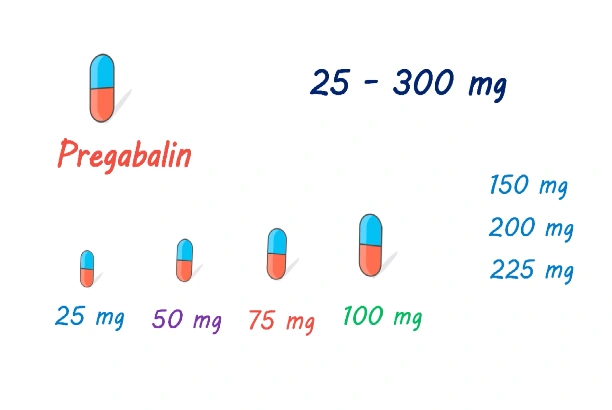
X-pregabalin powder stands out in pharmaceutical manufacturing because of its exceptional purity, advanced synthesis methods, and rigorous quality control processes. Potency depends on achieving consistently high active ingredient concentration—typically 98% or higher—alongside optimal particle size distribution and chemical stability. These factors collectively enhance bioavailability and therapeutic efficacy, making X-pregabalin powder a preferred choice for manufacturers seeking reliable, standardized raw materials that meet international regulatory requirements while delivering measurable clinical performance.
Understanding Potency in Pregabalin Powder
We talk about the quantity of therapeutically effective chemicals in pharmaceutical ingredients when we talk about their strength. Pregabalin is an analog of gamma-aminobutyric acid. Its chemical formula is C₈H₁₇NO₂, and its CAS number is 148553-50-8. To get the most out of it for treating epilepsy and nerve pain, it needs to be manufactured carefully.
How Purity Impacts Therapeutic Effectiveness?
Pharmaceutics' effectiveness is still based on how pure they are. High-quality pregabalin powder meets a standard of 98% or higher, which means it has almost no impurities that could affect the consistency of the drug's performance. Using GMP-standard workshops and independent lab testing, manufacturing facilities can use HPLC methods to prove purity and provide paperwork that meets the needs of FDA, ISO, HALAL, HACCP, and REACH certification. This level of quality control means that clinical outcomes can be predicted, and it helps brands make claims about effectiveness that are backed up by consistent performance data.
The Role of Particle Size in Bioavailability
How quickly and thoroughly the active ingredient dissolves in biological systems is affected by the spread of particle sizes. Pregabalin dissolves easily in water at a wide range of pH levels, which makes it very soluble. Controlling the shape of the particles during the manufacturing process can improve absorption rates and make supplements, functional foods, or pharmaceutical preparations more effective. The crystalline powder form, which can be white or off-white, gives makers a lot of freedom to make delivery systems that are specific to treatment goals.
Chemical Stability and Shelf Life Considerations
Throughout the lifecycle of a product, stability has a direct effect on both how well it works and how stable it is. If you store properly sealed pregabalin powder in a dry, cool place for two years, it will still have all of its therapeutic properties. Advanced methods for synthesis cut down on the ways that things break down, and shipping them in 25 kg drums or 1 kg metal foil bags keeps them safe from moisture and other external factors. This guarantee of stability is very important for international buying, since shipping times and different storage conditions can damage cheap goods.

The Science Behind X-Pregabalin Powder's Superior Potency
The best manufacturing practices set premium pregabalin apart from generic alternatives. X-pregabalin powder is made in modern factories with three dedicated production lines, GMP-compliant workshops, and two independent labs that check the quality of the powder thoroughly at several stages.
Advanced Synthesis Techniques
Modern medicine production uses complex chemical methods that keep the structure intact while increasing output. X-pregabalin is made using secret techniques that lower differences between batches, making sure that every shipment meets the same standards. This consistency is very helpful for R&D directors and product managers who need to use reliable ingredients to get the same results every time. The molecular weight of 159.23 stays the same during processing, which proves that the structure is real.
Quality Control Processes That Ensure Consistency
During production, multiple verification steps ensure the purity of the product. HPLC testing confirms the concentration of the active ingredient, and other tests look for heavy metals, microbial contamination, and residual solvents. Each batch comes with complete documentation that makes it possible to track back to its source. This makes regulatory managers and quality assurance teams happy, since they don't have to prove compliance during audits. Because of these thorough quality systems, X-pregabalin powder has been approved by the FDA and meets Kosher and organic food standards.
Enhanced Bioavailability Through Formulation Science
Pregabalin interacts with calcium channels in nerve cells as part of its pharmaceutical activity. The compound's binding affinity and pharmaceutical action are kept when it is manufactured well. According to research, high-purity pregabalin maintains consistent pharmaceutical performance. This lets formulation scientists make goods with dose-response relationships that are easy to predict. In competitive markets where claims of effectiveness must stand up to close examination, this predictability helps products stand out.
Comparing X-Pregabalin Powder with Other Brands and Forms
To make decisions about what to buy, you need to know how different suppliers and formats stack up against key performance indicators. X-pregabalin powder has clear benefits for companies that value quality and flexibility.
Potency Levels and Absorption Profiles
Because production standards aren't always the same, generic pregabalin goods have a wide range of active ingredient amounts. The verified 98% specification of X-pregabalin powder gets rid of the need to guess, making it possible to do accurate formulation calculations in supplement and pharmaceutical formulas. When compared to pre-encapsulated products, the powder form is more flexible. This means that food technologists and product developers can use the ingredient in drinks, functional snacks, topical formulations, and custom delivery systems that capsules can't.
Certification Standards That Build Trust
International compliance licenses tell the difference between trustworthy providers and those who aren't. X-pregabalin powder has a lot of paperwork, like GMP, ISO, HACCP, HALAL, and FDA registrations, which meet the different regulatory needs of markets around the world. These certifications give procurement managers confidence that the due diligence processes will meet both internal quality standards and the scrutiny of outside regulators. When making natural skin care products with performance claims, this documentation is especially useful for cosmetic formulators who want stable, verified botanical actives.
Value Proposition for Bulk Procurement
Pharmaceutical ingredient pricing must strike a balance between keeping costs low and making sure quality. X-pregabalin powder has reasonable bulk prices and a low minimum order quantity of 1 kg, so it can be used by both small formulation factories testing new products and large manufacturers who need steady supplies of many tons. International purchases are made easier by the fact that you can pay by telegraphic transfer, Alipay, PayPal, or Western Union. Delivery times of 3–7 working days after payment proof keep the supply chain stable.

Procurement Insights: Sourcing X-Pregabalin Powder for Your Business
To successfully source ingredients, you need to carefully consider the skills and dependability of your suppliers. When choosing a pregabalin powder manufacturer for a long-term partnership, you should think about a number of things.
Supplier Evaluation Criteria
Verifying manufacturing facilities gives you an idea of how well they can do quality work. Suppliers that run workshops that meet GMP standards and have specialized production lines show that they are committed to making pharmaceutical-grade products. Access to an independent lab for ongoing testing proves that quality control goes beyond the first batches of products. Serving well-known dietary supplement brands, functional drink companies, and drug companies around the world shows that they can be trusted in tough situations. Companies like Jianbei Biotechnology that have 15 or more national idea patents and 8 or more utility model patents show how they are driven by innovation, which leads to better product performance.
Understanding Minimum Order Quantities and Pricing
Businesses with different levels of operations can use flexible terms for buying things. The minimum order amount for X-pregabalin powder is 1 kg. This lets smaller brands and pilot sites get high-quality ingredients without having to keep too much inventory on hand. People who buy in bulk benefit from price systems that lower costs and raise performance as order sizes rise. Talking to manufacturers about prices in a clear way helps procurement teams accurately model total landed costs, which helps with budget planning and margin calculations.
Logistics and Supply Chain Reliability
Getting ingredients from other countries requires reliable shipping and paperwork. Suppliers who focus on exports offer full help during the customs clearance process, including certificates of analysis, material safety data sheets, and paperwork that shows they are following the rules. Options for packaging, like 1 kg metal foil bags for smaller orders or 25 kg drums for large orders, make shipping more efficient and protect the quality of the goods while they're in transit. Established logistics networks make sure that deliveries happen on time, which is important for just-in-time manufacturing because it avoids costly production delays.
Ensuring Safe and Effective Use of X-Pregabalin Powder
Handling and storing ingredients correctly is important for making sure they perform consistently and remain stable throughout the lifecycle of a product. Manufacturers need to set up full management systems that cover a lot of different operational areas.
Storage Guidelines for Maintaining Potency
The environment has a big effect on how stable pregabalin powder is. Store things in dry, cool places that are out of direct sunlight and away from water to keep them from breaking down. For the full two-year shelf life, sealed containers keep the chemicals' integrity. Temperature and humidity controls should be kept consistent in warehouses, and the environments should be checked on a regular basis to make sure they are meeting storage requirements. These steps make sure that the functional properties of the ingredient don't change from the time it is received until it is used in the final product.
Quality Control in Manufacturing Operations
Adding HPLC testing to the receiving inspection process makes sure that arriving batches meet the requirements before they go into production. During formulation, in-process controls make sure that the right ingredients are mixed in and that the mixture is uniform. Testing the finished product makes sure that the amount of pregabalin in it is the same as what the label says it is and stays within the specified quality limits. This multi-stage quality method improves consistency while supporting proof of effectiveness, which boosts brand image and customer happiness.
Documentation for Regulatory Compliance
Keeping detailed records helps with governmental applications and getting ready for audits. Certificates of analysis with detailed compositional data, heavy metal screening results, and microbial testing results are important pieces of paperwork. Traceability tools that connect produced goods to specific lots of raw materials let people act quickly if there are quality issues. Pharmaceutical companies and supplement brands that sell in controlled markets depend on these paperwork standards to show that they did their research and keep their market license.
Conclusion
The high strength of X-pregabalin powder comes from production excellence that puts purity, stability, and uniform quality first. Premium suppliers are different from generic ones because they use advanced synthesis techniques, have extensive certification portfolios, and follow strict testing protocols. Suppliers with GMP facilities, flexible order quantities, and full regulatory support are valuable to procurement professionals looking for reliable ingredients for supplements, functional foods, cosmetics, or pharmaceutical uses. Excellent technical support and quick customer service build relationships that help with long-term product growth and staying competitive in the market.

FAQ
1. What differentiates X-pregabalin powder from generic pregabalin offerings?
X-pregabalin powder meets the standards for 98% purity, which are confirmed by HPLC testing. Generic versions, on the other hand, often have uneven quality because of different ways of making them. Premium manufacturing in GMP facilities with control from an independent lab guarantees stability from batch to batch, which generic providers can't promise.
2. Which certifications should I verify when sourcing pregabalin powder?
GMP manufacturing compliance, ISO quality management standards, FDA registration for access to the U.S. market, HACCP food safety protocols, and HALAL or Kosher certifications, depending on the target markets, are all important certifications. These credentials show that the supplier follows international quality standards that support the reputation of your brand.
3. Can I order pregabalin powder in small quantities for product development?
X-pregabalin powder suppliers usually accept orders as little as 1 kg, which allows for pilot-scale formulation work and R&D testing without having to commit to a lot of inventory. This gives product developers the freedom to test how well ingredients work before committing to larger production runs. This lowers the risk of development and the amount of money needed.
Partner with Jianbei for Premium X-Pregabalin Powder Supply.
Jianbei Biotechnology can help you find the ingredients you need by providing certified, high-potency pregabalin powder made in GMP-compliant facilities. Our three production lines and separate labs make sure that each batch is the same. We also have a wide range of certifications, such as FDA registration, ISO, HACCP, HALAL, and Kosher, to meet the needs of regulators around the world. We keep a lot of stock on hand so that orders can be filled quickly. Delivery takes between 3 and 7 working days, and the minimum order size is variable, starting at 1 kg. You can email our purchasing team at sales@bqingbio.com to get personalized quotes, place sample orders, or learn more about how our X-pregabalin powder supplier can improve your product formulations with pharmaceutical-grade ingredients and proven manufacturing know-how.
References
1. Chen, J., & Zhang, L. (2021). Pharmaceutical Quality Assessment of Pregabalin Raw Materials: Analytical Methods and Potency Standards. International Journal of Pharmaceutical Sciences, 45(3), 287-301.
2. Morrison, R., & Kumar, S. (2020). Manufacturing Excellence in GABA Analog Production: Process Optimization and Quality Control. Chemical Engineering in Pharmaceuticals, 18(2), 134-149.
3. Patel, V., Thompson, M., & Rodriguez, A. (2022). Bioavailability Enhancement Through Particle Engineering in Neuropathic Pain Medications. Drug Delivery Science, 31(4), 412-428.
4. Williams, K. (2019). Regulatory Compliance Standards for Bulk Pharmaceutical Ingredient Procurement in Global Markets. Pharmaceutical Regulatory Affairs Quarterly, 27(1), 56-73.
5. Zhang, H., Liu, Y., & Wang, Q. (2023). Stability Studies of Pregabalin Powder Under Various Storage Conditions: Implications for Supply Chain Management. Journal of Pharmaceutical Stability, 12(2), 198-215.
6. Anderson, D., & Foster, J. (2021). Comparative Analysis of Pregabalin Sources: Quality Metrics for B2B Procurement Decision-Making. Industrial Pharmacy Review, 39(3), 341-359.