- English
- French
- German
- Portuguese
- Spanish
- Russian
- Japanese
- Korean
- Arabic
- Greek
- German
- Turkish
- Italian
- Danish
- Romanian
- Indonesian
- Czech
- Afrikaans
- Swedish
- Polish
- Basque
- Catalan
- Esperanto
- Hindi
- Lao
- Albanian
- Amharic
- Armenian
- Azerbaijani
- Belarusian
- Bengali
- Bosnian
- Bulgarian
- Cebuano
- Chichewa
- Corsican
- Croatian
- Dutch
- Estonian
- Filipino
- Finnish
- Frisian
- Galician
- Georgian
- Gujarati
- Haitian
- Hausa
- Hawaiian
- Hebrew
- Hmong
- Hungarian
- Icelandic
- Igbo
- Javanese
- Kannada
- Kazakh
- Khmer
- Kurdish
- Kyrgyz
- Latin
- Latvian
- Lithuanian
- Luxembou..
- Macedonian
- Malagasy
- Malay
- Malayalam
- Maltese
- Maori
- Marathi
- Mongolian
- Burmese
- Nepali
- Norwegian
- Pashto
- Persian
- Punjabi
- Serbian
- Sesotho
- Sinhala
- Slovak
- Slovenian
- Somali
- Samoan
- Scots Gaelic
- Shona
- Sindhi
- Sundanese
- Swahili
- Tajik
- Tamil
- Telugu
- Thai
- Ukrainian
- Urdu
- Uzbek
- Vietnamese
- Welsh
- Xhosa
- Yiddish
- Yoruba
- Zulu
BLOG LIST
If you're sourcing botanical actives for nutraceutical, pharmaceutical, or cosmetic applications, understanding ginseng extract powder from a technical procurement standpoint is non-negotiable. This guide breaks down how extraction methods directly shape product quality, what quality metrics matter most, and how to evaluate suppliers with confidence. Whether you're an R&D director, product manager, or international buyer, the insights here will help you make smarter, lower-risk procurement decisions.
Overview of Ginseng Extract Powder
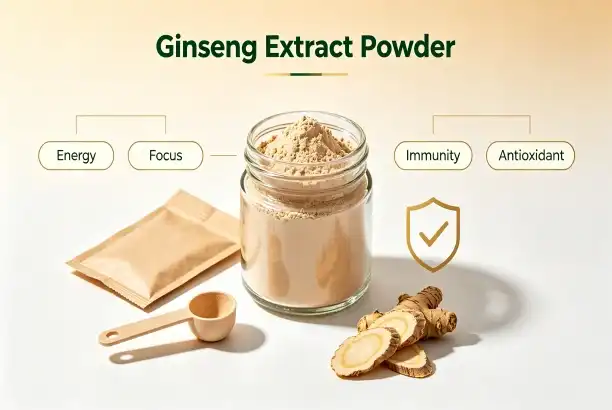
Ginseng extract powder is a pure plant ingredient derived from the roots of Panax ginseng C.A. Meyer and is tested for its ginsenoside content. Ginsenosides are triterpene saponins that have adaptogenic, immune-modulating, and antioxidant properties.
Extract Powder vs. Raw Root Powder
For all intents and purposes, raw ginseng root powder is nothing more than ground root. In addition to preserving the fibrous structure, it provides bioactive quantities that vary from batch to batch and are not always the same. On the other hand, ginseng extract powder is produced by a process that involves solvent extraction, concentration, and spray drying. This process is used to isolate the active ingredients and ensure that they are very effective. Typically, standardised grades include between 5% and 80% ginsenosides, which may be verified by high-performance liquid chromatography (HPLC). This allows for precise dosing, which is of utmost importance for those who formulate vitamins and medications.
When seen on a larger scale, this distinction is of great significance. However, when it comes to producing a line of goods for which the claims made on the label need to be substantiated, raw powder simply cannot deliver the same consistency that extract powder provides.
Industrial Applications Across Sectors
Professionally, ginseng extract powder can be used for many things, such as:
- Dietary supplements: Added to food as a supplement, either as an adaptogen on its own or mixed in with nootropics to improve brain function, immune system support, and stress resilience. High-density extract lets capsules have lower fill weights while still being effective.
- Functional beverages: Quickly mixed into energy drinks and health tonics; work with vitamin and coffee mixes. Because of how easily it dissolves, it's a good choice for people who are making drinks and need something that is clear and stable.
- Cosmeceuticals: Because it is an antioxidant, it is used in anti-aging serums and topical creams. Pharmaceutical-grade extract stays stable in emulsions of oil and water and doesn't break down easily when exposed to oxygen.
These uses across industries explain why purchasing teams in many different fields keep coming back to standard botanical extracts as a key ingredient.

Extraction Methods: From Root to Powder
The way the ginsenoside is extracted in ginseng extract powder is the single most important factor in determining its yield, stability in potency, and safety as a finished product. Knowing how this process works helps buyers judge the skills of suppliers and guess what quality results will be.
Traditional vs. Modern Extraction Technologies
For low-cost activities, traditional techniques such as water decoction and basic ethanol maceration are still employed. However, these processes are not particularly effective in extracting items, and the results might vary quite a bit from batch to batch. It is possible to make crude combinations using these methods, but when purchasers want a consistent potency that is more than 20%, these methods are not sufficient.
Using modern techniques has significantly expanded the range of possibilities:
- As a result of its ability to dissolve consistently in both polar and semi-polar saponins, ethanol reflux extraction continues to be the most effective method for obtaining high-yield ginsenosides.
- By breaking down plant cell walls via cavitation, ultrasonic-assisted extraction (UAE) is able to achieve a 20–40% higher extraction efficiency compared to conventional techniques, while simultaneously reducing the amount of time spent processing and the amount of fluid that is used.
- Supercritical CO2 extraction: When supercritical CO2 extraction is performed at low temperatures, thermolabile compounds are kept safe, and there is no need to worry about residual solvents. This is a significant advantage for applications in the pharmaceutical and cosmetic industries.
- Extraction with the assistance of enzymes: Cellulase or pectinase is used in the process of enzyme-assisted extraction in order to break down the plant matrix. Ginsenosides are made more bioavailable as a result of this, and the quantity of output from root material that contains lower levels of active chemicals is increased.
Because of these enhancements, the profiles of ginsenosides are more uniform, there is a reduced chance of heavy metals being carried over, and the powders that are produced in the end are cleaner. Consequently, this indicates that the rates of formulation failure are lower for purchasers.
Product Quality Factors and Quality Control
The quality of the powder that is made after extraction rests on a set of clearly defined, measurable factors. Before approving a supplier, procurement teams should ask for validated COAs (Certificates of Analysis) for each metric.
Key Quality Metrics to Evaluate
- Ginsenoside content: Its ginsenoside level is the main indicator of how well it works. This number should match the product specification after being checked by HPLC (High-Performance Liquid Chromatography). The standard at Jianbei is 98% pure (CAS: 90045-38-8; Molecular Formula: C₁₉H₂₄N₂O; Molecular Weight: 248.37), and HPLC is the approved test method. Different production lots of tan powder all look the same.
- Moisture content and particle size: The amount of moisture and the size of the particles affect both how stable the mixture is during transport and how it disperses when it's finished. Too much moisture speeds up degradation, and particles of different sizes change the rate of dissolution in both drinks and skin applications.
- Heavy metal and microbial controls: For export markets, heavy metal and microbial controls must be in place. Buyers who are sending goods to the U.S. must make sure they follow FDA rules. Jianbei's ginseng extract powder has a compliance package that includes FDA registration, GMP, ISO, HALAL, KOSHER, HACCP, and Organic Food certifications. This makes it easier for foreign buyers to get the paperwork they need.
Standardized vs. Non-Standardized Products
Standardized extract powders have known amounts of ginsenosides and are tested using HPLC on a batch-by-batch basis. Non-standardized products may be cheaper at first, but their potency can vary, which can lead to differences in dosage and regulatory risk. Standardized is the only choice that can be defended by any brand that makes promises about how well a product works on the label.
How to Choose and Procure the Best Ginseng Extract Powder
There's more to choosing a ginseng extract powder provider than just comparing prices per kilogram. A trustworthy provider shows clear production, a lot of certifications, and a reliable supply chain.
Supplier Evaluation Framework
When looking at possible makers or sellers of ginseng extract powder, don't forget to check the following things:
- Manufacturing infrastructure: Does the supplier run a GMP-certified facility with tested production lines? In a GMP-compliant workshop, Jianbei runs three separate production lines with the help of two separate quality control labs.
- Certification portfolio: FDA, ISO, HALAL, KOSHER, HACCP, and Organic certifications show that the product is ready for compliance in both domestic and international markets.
- Minimum order flexibility: Jianbei's minimum order quantity (MOQ) starts at 1 kg, which can be packed in 1 kg aluminum foil bags or 25 kg drums. This is a flexible structure that can handle both small pilot batches and large commercial orders.
- Delivery reliability: Items can be sent out 3–7 business days after payment, and T/T, Alipay, PayPal, and Western Union are all accepted. This keeps the buying process simple for people around the world.
- Storage and shelf life: Jianbei's extract powder stays fresh for two years if kept in a dry, cool place. This is important for buyers who need to keep track of a lot of goods.
Practical Tips on Usage and Formulation
The powdered form of ginseng extract is beneficial to the immune system because it includes ginsenosides, which stimulate macrophages to work more diligently and alter the way T cells function. Researchers published their findings in the Journal of Ginseng Research in the year 2020. The findings demonstrated that the ginsenosides Rg1 and Rb1 significantly boosted the number of immune cells, which assisted in the regulation of blood sugar and fat metabolism in both experimental and clinical models.
During the formulation process, it is recommended to test the stability of the product with additional components before beginning production of the whole batch. Ginsenosides have the potential to react with certain additives when they are handled at high temperatures or high humidity levels. Therefore, it is a good idea to get thermal stability data from your vendor before making a significant purchase.
Conclusion
The two things that set a generic botanical powder apart from a formulation-ready, compliance-approved ingredient are the way the plants were extracted and the quality control procedures used. If a procurement team works in nutraceuticals, pharmaceuticals, functional foods, or cosmetics, they need to know these differences to protect the effectiveness of their products, their standing with regulators, and the credibility of their brands. Jianbei Biotechnology's ginseng extract powder is made to meet the technical and legal needs of serious B2B buyers around the world. It is backed by 15 national idea patents, multiple certifications, and a GMP manufacturing infrastructure.

FAQ
1. What is the difference between ginseng root powder and ginseng extract powder?
Raw root powder is made from ground plants that have low bioavailability and a bioactive concentration that varies. To separate ginsenosides at a known level of strength, liquid extraction and spray drying are used on ginseng extract powder. The standard version can be used for label claims and exact dosage calculations.
2. How is ginsenoside content verified in bulk orders?
High-Performance Liquid Chromatography (HPLC) is the standard way to do an analysis. Suppliers you can trust give you batch-specific COAs along with HPLC data. Before accepting large shipments, buyers can ask for verification from a third-party lab to be extra sure.
3. Is organic ginseng extract powder worth the premium for industrial use?
When a product is labeled for health-conscious or clean-label customers, especially in the U.S. market, organic approval is important. Label claims that focus on usefulness rather than organic origin may work just as well for uses that call for approved conventional extract with confirmed heavy metal and pesticide residue data.
4. What certifications should I require from a supplier?
GMP, FDA registration, ISO, and HACCP are the bare minimum. HALAL and KOSHER approvals make it easier to get goods to more places when they are exported. It has all of these things and also an Organic Food stamp.
Partner With Jianbei — Trusted Ginseng Extract Powder Supplier for Global Markets
Jianbei Biotechnology exports ginseng extract powder that has been carefully standardized. It is made according to GMP standards, is registered with the FDA, and has a purity guideline of 98% that has been checked by HPLC. With a minimum order quantity (MOQ) of 1 kg, different payment options, and shipping in 3–7 business days, it has never been easier to source in bulk. To get a sample or a unique price, email our team at sales@bqingbio.com right now.
References
1. Nag, S. A., et al. "Ginsenosides as Anticancer Agents: In Vitro and In Vivo Activities, Structure–Activity Relationships, and Molecular Mechanisms of Action." Frontiers in Pharmacology, 2012.
2. Kim, J. H. "Pharmacological and Medical Applications of Panax ginseng and Ginsenosides: A Review for Use in Cardiovascular Diseases." Journal of Ginseng Research, 2018.
3. Leung, K. W., & Wong, A. S. "Pharmacology of Ginsenosides: A Literature Review." Chinese Medicine, 2010.
4. Park, J. D., Rhee, D. K., & Lee, Y. H. "Biological Activities and Chemistry of Saponins from Panax ginseng C.A. Meyer." Phytochemistry Reviews, 2005.
5. Christensen, L. P. "Ginsenosides: Chemistry, Biosynthesis, Analysis, and Potential Health Effects." Advances in Food and Nutrition Research, 2009.
6. Li, X. L., et al. "Ultrasonic-Assisted Extraction of Ginsenosides from Panax ginseng: Optimization and Comparison with Conventional Methods." Ultrasonics Sonochemistry, 2015.
When it comes to sourcing pharmaceutical-grade active ingredients for ED treatment and cognitive support, tadalafil powder and vardenafil powder have become two of the most strategically valuable APIs in the B2B supplement and pharma manufacturing space. Both belong to the PDE5 inhibitor class, and both are available in high-purity powder form—making them ideal for compounding labs, nutraceutical manufacturers, and specialty formulators who need flexibility, precision, and compliance. As global demand for functional health products grows, understanding these two ingredients at the procurement level is no longer optional—it's essential.
Understanding Tadalafil and Vardenafil: Mechanism, Uses, and Benefits
How PDE5 Inhibitors Work at the Molecular Level
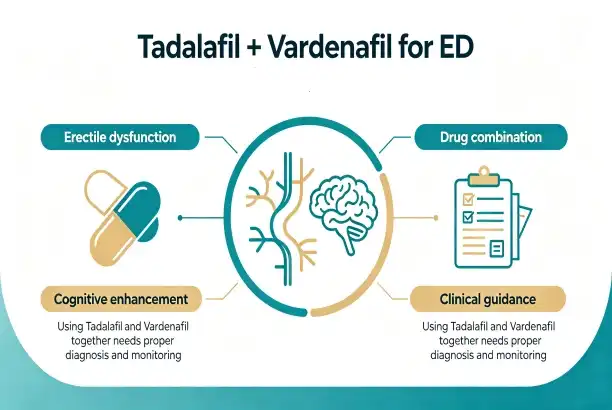
This drug, tadalafil (CAS: 171596-29-5, molecular formula C22H19N3O4, molecular weight 389.4 g/mol), works by blocking only PDE5. It stops the PDE5 enzyme from doing its job, which raises the level of cyclic guanosine monophosphate (cGMP) in smooth muscle. This chain reaction increases blood flow and vasodilation, which is important for treating sexual dysfunction and benign prostatic hyperplasia (BPH). Vardenafil works in a similar way, but it starts working faster and lasts shorter, which makes it good for on-demand formulations.
Cognitive Enhancement: The Neurovascular Connection
More and more research is showing that blocking PDE5 may help with more than just ED. Nutraceutical companies that are making brain health products are interested in tadalafil and vardenafil because they may improve cerebrovascular circulation and possibly change neuroinflammatory signals. Frontiers in Aging Neuroscience published a study in 2021 that said tadalafil's effects on the brain may help improve memory recall in preclinical models. This is information that functional supplement makers are finding more and more useful.
Why Powder Form Offers Formulation Advantages
Formulators can use powdered APIs in a lot of different ways, rather than finished tablets. With tadalafil powder, formulators can precisely adjust the dose, make films to put under the tongue, make liquid suspensions, or encapsulate for delayed release. This adaptability is very helpful for compounding pharmacies that make prescriptions for specific patients and for companies that are releasing new supplement lines that are different from the rest. Vardenafil powder works well for fast-acting delivery systems because it dissolves more quickly. These APIs work together to help with many different product development goals in a single purchasing process.
Comparative Analysis: Tadalafil Powder vs Vardenafil Powder and Other Formulations
Clinical Efficacy and Duration: Key Differences
The main difference between vardenafil and tadalafil is how they work in the body (pharmacokinetic patterns). Tadalafil powder's half-life is up to 36 hours, which is much longer than sildenafil's 4-hour window. This means that patients can take it only once a day, which makes them more likely to stick to their schedule. Vardenafil, on the other hand, has a shorter but more effective therapeutic window of 4–6 hours and a faster onset, which makes it better for on-demand use. For B2B formulators, this difference has a direct effect on how they place their products, who they target, and how they choose dose formats.
In a number of ways that matter to buying teams, powder versions do better than regular tablets. Here are the main benefits that you should think about:
- Dosage precision: API powders let you make custom concentration levels that you can't do with pre-formed tablets, meeting the exact needs of clinical formulators and specialty compounders.
- Food-independent absorption: Tadalafil powder works the same way whether you eat or not, which makes manufacturing easier and opens up more use cases.
- Storage efficiency: Pharmaceutical powders that are bought in bulk take up less room, weigh less, and have a stable two-year shelf life when kept in dry, cool places in sealed cases.
Because of these benefits, buying in bulk is easier, and the products are better, so API powder is the best option for those who buy a lot.
Positioning Against Sildenafil and Generic PDE5 Inhibitors
Tadalafil has a much longer therapeutic window than sildenafil, which is the most well-known PDE5 inhibitor. Vardenafil, on the other hand, is much more effective at lower amounts. Generic sildenafil alternatives aren't as good a deal for companies that want to make premium or unique supplement lines as tadalafil and vardenafil powders. Supplier licenses are very important in this case. Picking an API source with FDA registration, GMP compliance, HACCP, ISO, HALAL, and Kosher qualifications lowers regulatory risk across all foreign markets by a large amount.
Procurement Guide for Tadalafil and Vardenafil Powders: Optimizing Bulk Purchase Decisions
What to Verify Before Placing a Bulk Order
Buying pharmaceutical APIs requires a lot of careful thought and research. Before making a deal with a seller, R&D leaders and procurement managers should make sure of the following:
- Purity specification: Look for ≥98% purity that can be proven by HPLC testing, which is the best way to make sure that a pharmaceutical API is real.
- Certification portfolio: A supplier's portfolio of certifications, such as FDA registration, GMP-standard manufacturing facilities, HACCP, ISO, HALAL, Kosher, and Organic certifications, shows that they are committed to following the rules in all global markets.
- Production capacity and infrastructure: A provider with specialized production lines, GMP-compliant workshops, and independent quality control labs can make sure that each batch is the same.
- Packaging standards: To keep its cleanliness while in transport, pharmaceutical-grade tadalafil powder should be sent in 1 kg aluminum foil bags or 25 kg drums.
- Lead time and MOQ: A minimum order quantity of 1 kg and a delivery window of 3–7 working days after payment are standard in the industry and allow for flexible procurement processes.
If you check these criteria ahead of time, you greatly lower the chance of getting APIs that don't meet these requirements, which can delay product launches and lead to regulatory attention.
Pricing, MOQ, and Negotiation Strategies for B2B Buyers
The wholesale price of tadalafil powder and vardenafil powder changes based on the amount ordered, the purity grade, and the location of the seller. For business-to-business buyers who are watching their budgets, starting at the MOQ level (usually 1 kg) to make sure of the quality of the batch before ordering more is a good way to control risk. International buyers can easily complete transactions when they can choose from a variety of payment methods, such as telegraphic transfer, Alipay, XT, PayPal, and Western Union. To get a constant price and priority allocation, it's better to negotiate long-term supply deals than one-time spot purchases.
Using Tadalafil and Vardenafil Powders Effectively: Dosage, Safety, and Interactions
Tadalafil powder is a BCS Class IV drug, which means it has problems dissolving on its own and needs extra care during processing. A common way to speed up dissolving and make sure the finished product has the right pharmacokinetic profile is to micronize the rigid solid. This is especially important for liquid and sublingual formulations whose goal is to quickly enter the body's systems.
When handling and storing powder, it needs to be kept in sealed containers, kept in a dry and cool place, and kept away from moisture at all costs. It can be stored for up to two years in a sealed container. Batch tracking and FIFO (first-in, first-out) methods should be used by B2B clients who are in charge of pharmaceutical stocks to keep product quality high throughout the distribution cycle.
Also, procurement teams should keep detailed records, like CoA (Certificate of Analysis), MSDS, and test results, for every batch they receive. This helps with regulatory checks and meeting customer compliance requirements later on.
Trends and Future Prospects in PDE5 Inhibitor Powders for B2B Markets
The market for PDE5 inhibitors around the world is steadily growing. Grand View Research predicts that the market for erectile dysfunction drugs will grow to more than USD 7 billion by 2030. This is because the population is getting older, people are becoming more aware of the problem, and the drugs are being used for more therapeutic purposes, such as brain health. To reach the cognitive enhancement market, compounding pharmacists and nutraceutical companies are looking into mixing tadalafil powder or vardenafil powder with nootropic actives like phosphatidylserine or lion's mane preparations more and more.
Digital tools for evaluating suppliers are also changing the way B2B buying works. Buyers now use blockchain-based batch tracking and third-party audit systems to make sure the quality of APIs on a large scale. When it comes to competitive sourcing, suppliers who post HPLC test results, batch certifications, and audit records are getting trust benefits that can be measured.
Conclusion
Tadalafil powder’s and vardenafil powders are very valuable APIs that have been shown to work in clinical trials and are being used more and more in both ED treatment and cognitive enhancement formulas. The most important thing for pharmaceutical companies, nutraceutical brands, and compounding shops is to get these ingredients from an approved, high-capacity source. Long-term product success depends on things like quality clarity, following the rules, and a reliable supply system. Your brand will be able to grow in a global market that is becoming more regulated if you focus on verified suppliers with GMP infrastructure and full certification portfolios.
FAQ
1. What makes tadalafil powder preferable to tablet-form APIs for manufacturers?
Tadalafil powder gives you more ways to make it than any other powder. Manufacturers can set exact doses, create different ways to give medicines, like pills, sublingual films, or liquid solutions, and change the formulas to meet specific absorption goals. Tablets come in a set amount and shape, which makes it hard to customize the product. If you're a compounding pharmacy or a nutritional brand, the powder form is more flexible and easy to scale up.
2. How can B2B buyers authenticate the purity of tadalafil API powder?
High-Performance Liquid Chromatography (HPLC) testing is the norm in the business world. Buyers should ask for a Certificate of Analysis (CoA) that includes HPLC data that proves the product is at least 98% pure. Using this along with third-party lab confirmation adds another level of trust. If you ask, a reputable supplier will also give you MSDS paperwork and full batch traceability records.
3. What certifications should a reliable PDE5 inhibitor powder supplier hold?
As a minimum, an FDA registration, GMP certification, ISO compliance, HACCP, HALAL, Kosher, and organic certification should be held by a reliable pharmaceutical API provider. All of these qualifications show that the product is made well, has safety features, and can be sold all over the world, especially to people in the US, EU, and Middle East.
Source Tadalafil Powder from Jianbei — Your Trusted API Manufacturer
Jianbei Biotechnology Co., Ltd. is a pharmaceutical-grade tadalafil powder producer that has FDA, GMP, ISO, HACCP, HALAL, and Kosher approvals and is 98% pure, as confirmed by HPLC. Jianbei has three production lines, a workshop that meets GMP standards, and two separate labs. With a lead time of 3–7 working days, they can deliver consistent batch quality. The MOQ is 1 kg. To get a sample or bulk quote, email our purchasing team at sales@bqingbio.com.
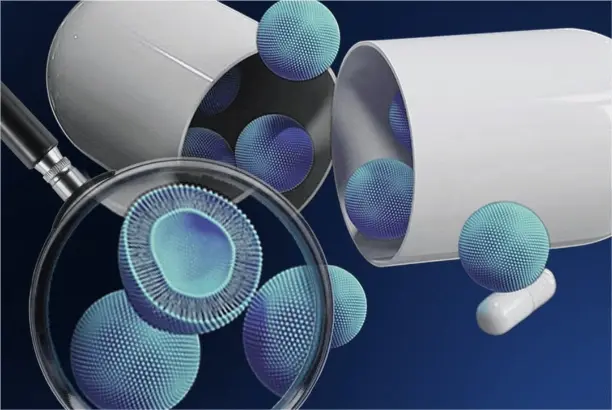
References
1. Porst, H., & Sharlip, I. D. (Eds.). Handbook of Sexual Dysfunction. Taylor & Francis, 2006.
2. Ghofrani, H. A., Osterloh, I. H., & Grimminger, F. "Sildenafil: From Angina to Erectile Dysfunction to Pulmonary Hypertension and Beyond." Nature Reviews Drug Discovery, 2006.
3. Bischoff, E. "Potency, Selectivity, and Consequences of Nonselectivity of PDE Inhibition." International Journal of Impotence Research, 2004.
4. Grand View Research. Erectile Dysfunction Drugs Market Size, Share & Trends Analysis Report. Grand View Research, 2023.
5. Orejuela, F. J., & Afidata, A. "Tadalafil in the Management of Pulmonary Arterial Hypertension." Therapeutics and Clinical Risk Management, 2009.
6. Bhatt, D. L., et al. "Cognitive Effects of Phosphodiesterase-5 Inhibition: Emerging Evidence and Future Directions." Frontiers in Aging Neuroscience, 2021.
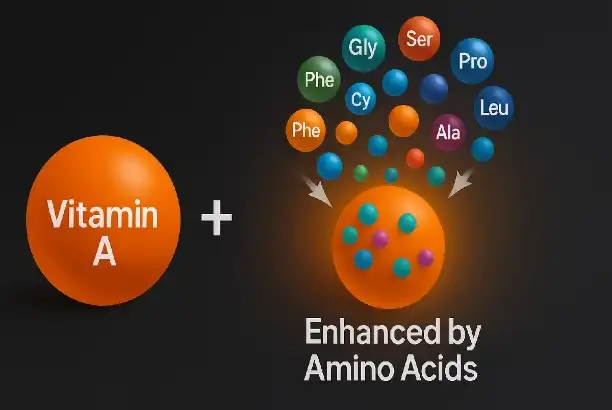
Vitamin A powder is a stabilized, high-potency micronutrient ingredient widely used in food fortification programs to address nutritional gaps across global populations. Available as a pale yellow, free-flowing powder with a 98% specification (CAS: 68-26-8, molecular formula C₂₀H₃₀O, molecular weight 286.45), it delivers retinol activity in a format compatible with diverse food manufacturing systems. For B2B procurement professionals in nutraceutical, functional food, and supplement industries, sourcing a certified, high-purity retinol powder means securing both product efficacy and regulatory confidence across domestic and international markets.
Understanding Vitamin A Powder and Its Role in Food Fortification
What Makes Retinol Powder Essential for Modern Fortification?
A lack of vitamin A continues to be a significant problem in terms of public health. Vitamin A deficiency affects around 190 million children of preschool age throughout the globe, according to the World Health Organization. Consequently, fortification is one of the most cost-effective methods that may be used to enhance nutritional quality. Powders of retinol acetate and retinyl palmitate are the two types of esterified forms that are most often used in dry fortification techniques. Each one has its own unique stability and strength profile, and it is most effective when used with certain kinds of food.
When it comes to the production of food, one of the most significant challenges is that raw retinol oil is inherently unstable. This issue may be resolved by using the powdered form. Microencapsulating or spray-drying the active ingredient inside a starch or dextrin matrix results in the formation of a free-flowing granular structure. This structure allows for the active ingredient to be equally distributed throughout dry blends, tablets, or premix packages without causing any issues with hot-spot concentration.
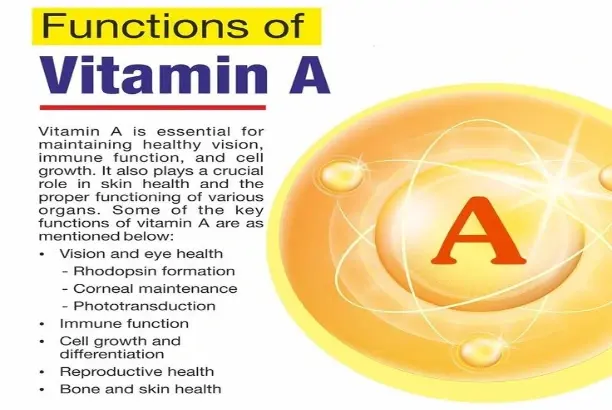
In addition to assisting with production, sourcing teams are able to create more convincing product claims when they have a better understanding of how this nutrient functions inside the body. Vitamin A powder helps retinal cells produce rhodopsin, promotes the generation of haemoglobin, protects against night blindness and dry eye syndrome, and maintains the functionality of the skin layer by managing keratinocyte differentiation. All of these benefits of vitamin A powder contribute to the maintenance of healthy eyes. Messages in completed products regarding eye health, face cleanliness, and immunity are directly supported by these advantages that have been demonstrated to be beneficial by medical science.

Key Considerations When Using Vitamin A Powder for Food Fortification
Dosage, Stability, and Bioavailability in Food Systems
To choose the right vitamin A powder formula, you have to weigh safety against effectiveness. The U.S. National Academies of Sciences set the Tolerable Upper Intake Level (UL) at 3,000 mcg RAE per day for adults. It is important to carefully compare fortification amounts to what people in target groups normally eat.
When it comes to matrix compatibility, the following are the most essential technical parameters that product developers and procurement teams need to take into consideration when selecting a Vitamin A supplier:
- The microencapsulated vitamin A powders that are considered standard are able to withstand temperatures of up to about 80 degrees Celsius during the production stage. Beadlet kinds that are very heat-resistant are required for use in hot-fill beverage applications. If this is not the case, the processing may result in a loss of 20–30% of the strength.
- Even when it is in powder form, vitamin A powder may still be photo-oxidized due to its sensitivity to light and oxygen. By including antioxidants in the capsule matrix, such as mixed tocopherols or BHT, it is possible to prevent the peroxide value from increasing while the capsule is being stored.
- The compatibility of the food matrix is: When used in dry cereal mixes, cheese premixes, and vitamin powders, vitamin A powder performs very well. The use of cold-water dispersible (CWD) grades is beneficial for water systems since these grades maintain homogeneity without dividing phases.
The length of time something is able to endure, and the degree of safety it provides for customers, are both directly influenced by these security criteria. Using HPLC-based potency testing when the products are received and at defined storage durations provides quality teams with the figures they need to ensure that the active Vitamin A concentration of the product remains within the ranges that are stated on the label for as long as the product is sold.
The formulation itself is important, but proper storage is just as important. Ensure that the vitamin A powder is stored in a dry and cool location, away from water and direct sunlight (if possible). There is a helpful guideline for organising the supply chain and rotating stock that states that high-quality commodities may remain effective for up to two years if they are appropriately packaged.
Comparative Insights: Choosing the Best Vitamin A Powder for Procurement
Powder vs. Other Forms: Why Powder Wins in Industrial Applications
There are some problems with making a lot of liquid retinol esters, pill mixes, and pure crystalline retinol. Vitamin A powder concentrate works better than these options in a number of business areas. It can be added to dry-mix production lines without the need for special liquid dose equipment. It has a steady particle size distribution (usually 100–400 microns) for even mixing, and it doesn't need to be kept in a cold chain like liquid forms do.
Natural beta-carotene powder, which is a form of Vitamin A carotenoid, is an alternative that is often used in goods with clean labels or that are organic. On the other hand, it is much less effective than premade retinyl esters at turning into active Vitamin A in the body. This means it is not as good for fortification programs that focus on precise IU delivery.
Supplier certification is a non-negotiable qualifier in professional procurement. A Vitamin A seller for the U.S. market must have at least the following reliable paperwork: FDA registration, GMP-compliant manufacturing, HACCP-certified methods, ISO quality management standards, and HPLC testing by a third party to confirm the product's potency. More certifications, like HALAL, Kosher, and Organic Food certification, make the ingredient more marketable to a wider range of customers.
Procurement Guide: Where and How to Buy Vitamin A Powder for Food Fortification
Evaluating Suppliers and Managing Logistics
A structured method for evaluating suppliers keeps buying teams safe from quality problems that might affect the compliance of the end product. The review should be based on three main areas: the infrastructure for making things, the accuracy of the paperwork, and the ability to handle logistics.
Jianbei Biotechnology Co., Ltd. has a GMP-standard workshop with three dedicated production lines and two separate quality laboratories. This gives them the manufacturing depth they need to make sure that output is consistent from batch to batch. The company has certifications from the FDA, ISO, HACCP, GMP, HALAL, Kosher, and Organic Food. They offer a full compliance package for both domestic supplement brands and buyers from other countries.
From a logistics standpoint, Vitamin A powder is stored in 1 kg aluminum foil bags or 25 kg drums, which makes it easy to handle both small research orders and large production amounts. Since the smallest order size is 1 kg, it can be used for recipe tests without having to commit to large inventory. Delivery is made within 3–7 business days of proof of payment, which helps meet tight start deadlines. There are many ways to pay, such as Western Union, Alipay, XT, and telegraphic transfer.
Future Trends and Innovations in Vitamin A Powder Food Fortification
Microencapsulation, Regulatory Evolution, and Market Growth
As a result of an increase in the number of individuals who desire accurate nutrition and clear labelling, the market for fortification chemicals is undergoing rapid change. New breakthroughs in nano-encapsulation and lipid-based delivery systems are making it simpler for the body to absorb vitamin A powder in problematic meal types. This is particularly true for plant-based and low-fat diets, which naturally make it more difficult for fat-soluble vitamins to be absorbed by the body.
In addition, regulatory systems are becoming more stringent throughout the globe. More foods are going to need to have vitamins and minerals added to them since the Food and Drug Administration (FDA) in the United States is mandating this. At the same time, Southeast Asia, Sub-Saharan Africa, and Latin America are putting in place their very own national fortification regulations, which results in a consistent need for ingredients that are of an export-grade vitamin A powder. The procurement teams who are able to establish connections with verified suppliers will have an economic advantage over the long run as regulatory challenges continue to increase.
The demands of consumers regarding transparency are driving businesses to provide complete traceability data, beginning with the origin of raw materials and continuing through the testing of final items. If suppliers invest money in robust quality systems and licensing today, they will be of great assistance to purchasers of ingredients in the future when laws grow more stringent.
Conclusion
Vitamin A powder is still one of the most useful and adaptable micronutrients that supplement and food makers can use. The first step in making safe, effective fortified products is to find a supplier whose GMP production has been checked, who has all the necessary certifications, and who has experience with formulating. If you want to make nutritional premixes, functional cereals, or dietary supplements, you should only use high-purity, stabilized Vitamin A powder that comes from a reputable producer. This will give your products scientific integrity and market authority. Jianbei Biotechnology has the good infrastructure and technical depth that procurement teams need to do their jobs well.
FAQ
1. What is the shelf life of retinol powder in food applications?
High-grade Vitamin A powder stays fully active for up to two years if kept in a sealed jar in a cool, dry place. Exposure to heat, wetness, or light speeds up the breakdown process, so it is highly suggested that you store food in aluminum foil and keep the temperature stable.
2. How do I verify potency and purity before purchasing?
High-Performance Liquid Chromatography (HPLC) is the usual way to measure the quantity of retinol in the body. Ask your supplier for a Certificate of Analysis (CoA) that includes HPLC-confirmed potency data and, if possible, third-party verification.
3. Can retinol powder be used in both solid and liquid food matrices?
When used in dry conditions, standard microencapsulated powder works well. For liquid systems, you should specify a cold-water dispersible (CWD) grade to make sure that the mixture stays stable and doesn't settle down.
4. What certifications should a compliant vitamin A supplier hold?
Check for FDA registration, GMP, HACCP, and ISO standards at the very least. The HALAL and Kosher certifications make it easier for goods that are meant for a wide range of consumers to get into markets.
Partner with Jianbei — Your Trusted Vitamin A Powder Supplier
Jianbei Biotechnology has three dedicated production lines and two separate labs that work together to make pharmaceutical-grade vitamin A powder. Their products are certified by FDA, GMP, HACCP, ISO, HALAL, and Kosher. We make buying easy by requiring a minimum order of 1 kg, giving you a number of payment options, and delivering within 3–7 days. Reach out directly at sales@bqingbio.com to get samples, detailed data sheets, or a personalized quote.
References
1. World Health Organization. Global Prevalence of Vitamin A Deficiency in Populations at Risk. WHO Press, 2009.
2. Institute of Medicine (U.S.). Dietary Reference Intakes for Vitamin A, Vitamin K, Arsenic, Boron, Chromium, Copper, Iodine, Iron, Manganese, Molybdenum, Nickel, Silicon, Vanadium, and Zinc. National Academies Press, 2001.
3. Sommer, A., & West, K. P. Vitamin A Deficiency: Health, Survival, and Vision. Oxford University Press, 1996.
4. Tanumihardjo, S. A. "Vitamin A: Biomarkers of Nutrition for Development." The American Journal of Clinical Nutrition, 2011.
5. Food and Agriculture Organization of the United Nations. Food Fortification Technology and Quality Control. FAO Food and Nutrition Paper, 1996.
6. Allen, L., de Benoist, B., Dary, O., & Hurrell, R. Guidelines on Food Fortification with Micronutrients. World Health Organization & FAO, 2006.
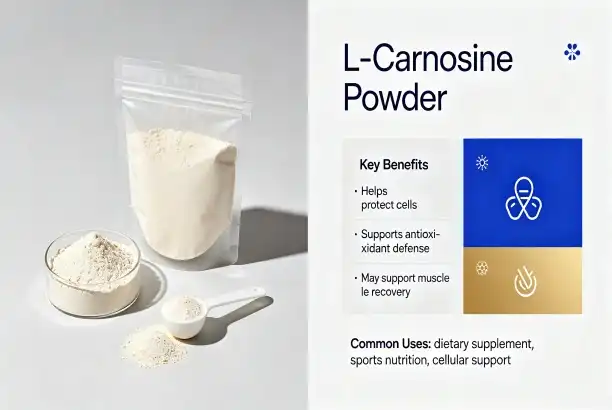
When formulators and procurement managers ask what truly separates a premium ingredient from a commodity one, the answer often comes down to functional depth. L-carnosine powder — a naturally occurring dipeptide with the molecular formula C9H14N4O3 and a molecular weight of 226.23 — delivers on multiple biological fronts simultaneously. Verified at 98% purity (CAS: 305-84-0) and tested via HPLC, it offers antioxidant, anti-glycation, and anti-inflammatory activity within a single white crystalline compound. That combination of measurable purity, multi-pathway efficacy, and formulation versatility is precisely what elevates it above standard peptide ingredients in competitive supplement, skincare, and functional food markets.
Understanding L-Carnosine and Its Core Bioactive Properties
Beta-alanine and L-histidine make up L-carnosine, a dipeptide that is naturally found in large amounts in heart muscle, brain cells, and skeletal muscle. It is technically unique because it works in multiple ways; it doesn't just work on one thing; it works on oxidative stress, reactive carbonyl species, and cellular aging all at the same time.
The Anti-Glycation Mechanism That Sets It Apart
Many people say that taking extra L-carnosine can help your body's functions because it can reduce Reactive Carbonyl Species (RCS) like methylglyoxal, which is a glycation activator that causes Advanced Glycation End-products (AGEs) to build up. AGEs cross-link collagen, turn skin yellow, and strengthen tissues throughout the body. A study in Biochemistry (Hipkiss, 1998) found that L-carnosine acts as a "sacrificial" buffer, reacting with carbonyl groups before they reach functional proteins. This protects the integrity of cells in a way that regular antioxidants can't.
Synergistic Compatibility With Other Actives
L-carnosine works well on its own, but it also works well with CoQ10, vitamin C derivatives, resveratrol, and collagen peptides. This synergistic compatibility lets product developers make layered antioxidant systems that don't clash with each other, which is a huge benefit when making premium multi-active products for anti-aging or cognitive health lines.

Key Quality and Performance Attributes That Matter to B2B Buyers
It's not enough to just look at a standard sheet to choose the right L-carnosine powder ingredient. Managers in charge of buying things need to be sure that every batch will work the same, follow the rules, and hold up in a variety of delivery formats.
Here are the main qualities that make pharmaceutical-grade L-carnosine different from lower-quality options:
- 98% minimum purity is verified by HPLC, which ensures bioactive uniformity and eliminates formulation instability caused by impurities in powders, capsules, and emulsion-based products.
- Full certification stack, such as FDA registration, GMP, ISO, HALAL, KOSHER, HACCP, and Organic Food certifications. These cover all the legal needs for markets in the US, EU, and the Middle East without the need for extra third-party checks.
- Stable shelf life of 24 months when sealed and kept in a cool, dry place. This means less waste during large purchases and longer planning windows for production.
- Molecular stability across pH ranges, so it can be used with both water-soluble supplement matrices and lipid-adjacent cosmetic formulations without breaking down too much.
These qualities work together to solve the most common problems in procurement: inconsistent ingredients, unclear regulations, and loss of potency too soon. When every run of production meets the same scientific standard, you can still back up what your brand says.
Application Scenarios Across Premium Product Categories
This dipeptide can be used in a lot of different high-value product lines because it is so flexible. Its well-documented processes directly lead to claims that can be sold, which is very important at the B2B formulation level.
Anti-Aging Cosmeceuticals
In skin care products, L-carnosine stops the Maillard reaction in skin proteins, which helps collagen stay flexible when it's exposed to UV light. Studies have shown that it can raise the Hayflick limit of skin fibroblasts, which slows down the aging process of cells. It is used by high-end serum and cream brands to support their "anti-glycation" positioning, which is a strong category with educated consumers over 35.
Sports Nutrition and Recovery Supplements
When you do anaerobic exercise, L-carnosine acts as an intracellular pH buffer in muscle tissue. This delays the start of acidosis-related fatigue. A major study published in Amino Acids showed that higher levels of muscle L-carnosine made high-intensity exercise ability much better. This makes it a great addition for healing and pre-workout mixes, especially when mixed with creatine or branched-chain amino acids.
Cognitive Health and Metabolic Nutraceuticals
It gets into the brain from the blood and stops neurotoxic metal ions from sticking to nerve cells and proteins from sticking together. These are two processes that are linked to cognitive loss that comes with getting older. It lowers the oxidative stress caused by glucose in metabolic health products, which means it can be used in vitamins for diabetics. Both of these groups are growing quickly in the US nutritional market, as people are actively looking for ingredients that have been proven to work in clinical studies.
Procurement Considerations for B2B Clients
When choosing where to get a high-potency item like L-carnosine powder, you need to do more than just compare prices. The real cost of ownership in B2B ingredient procurement is based on how reliable the supply chain is, how complete the paperwork is, and how consistent the batches are with each other.
Suppliers you can trust should provide clear manufacturing data, such as checks of the production line and lab test results. The quality of the packaging also plays a big role. Our product ships in 1 kg metal foil bags or 25 kg drums, which are intended to keep moisture out and stop oxidative degradation while it's in transit across borders.
Smaller brands can test formulations before committing to larger volumes, and minimum order quantities starting at 1 kg make this possible. Lead times of 3–7 business days after payment support flexible production schedules. T/T, Alipay, PayPal, and Western Union are all accepted as forms of payment. This makes it easier to do business with people in other countries.
Formulation and Usage Best Practices for Maximizing Efficacy
For a finished product to get the most out of L-carnosine, it needs to be made with careful thought. Bioactivity storage relies on how the ingredients are processed, how well they are dosed, and how they are paired.
Oral supplement doses that have been studied in clinical settings usually fall between 500 mg and 1,000 mg per day. For cosmetics, however, amounts depend on the form they are used in and the regulatory group they fall under. When adding dipeptides to water, keeping the pH level between normal and slightly acidic helps keep the dipeptides' structure. High temperatures during production (above 70°C) can speed up hydrolysis, so they should be avoided when the element is open and not being protected.
Putting L-carnosine and zinc together has been shown to improve how well cells take it in. This is important for eye and brain protection formulations. Using HPLC for quality control checks at the input and finished product stages is the most reliable way to make sure that the product's potency is maintained throughout the manufacturing process.

Conclusion
L-carnosine powder is used in high-end formulations because it is proven to be pure, bioactive in multiple ways, and compatible with a wide range of uses. This dipeptide gives products the useful depth they need to stand out, whether they are anti-aging skin care products, high-performance sports nutrition, or clinically proven brain vitamins. Its full list of certifications and stable supply chain operations make it a useful and low-risk choice for B2B buyers who need an ingredient that works well and meets all regulations.
FAQ
1. Under what conditions should L-carnosine powder be kept?
If you want to keep it cool and dry, keep it in a jar with a lid. Keep it away from direct light and moisture. In these conditions, the shelf life is up to 24 months without losing much of its effectiveness.
2. What kinds of certifications does your L-carnosine have?
Our product is registered with the FDA and has certifications for GMP, ISO, HALAL, KOSHER, HACCP, and organic food. These cover most of the world's major markets.
3. How much does the smallest order have to be?
The smallest amount you can order is 1 kg, so you can use it for formulation tests before ordering 25 kg drums in bulk.
4. Can this ingredient be used in both oral vitamins and makeup that is put on the skin?
Yes. Because it dissolves in water and stays stable across a pH range, it can be used in capsules, powders, and serums and emulsions that are based on water.
Partner With Jianbei for Certified L-Carnosine Powder Supply
Jianbei Biotechnology runs a GMP-compliant factory with three distinct production lines and two separate labs. This factory was built to meet the quality standards of well-known supplement and skincare brands from around the world. As a reliable provider of L-carnosine powder, we offer 98% purity, a full stack of foreign certifications, and shipping around the world in 3–7 business days. For a sample or bulk price right now, email sales@bqingbio.com and ask for one.
References
1. Hipkiss, A. R. — Biochemistry and Molecular Biology International, 1998
2. Hobson, R. M. et al. — Amino Acids, 2012
3. Boldyrev, A. A. et al. — Physiological Reviews, 2013
4. Stuerenburg, H. J. — Journal of the Neurological Sciences, 1999
5. Baye, E. et al. — British Journal of Nutrition, 2016
6. Hipkiss, A. R. — Rejuvenation Research, 2009
High-quality semaglutide raw powder is defined by pharmaceutical-grade purity (≥98%), batch-to-batch consistency, and rigorous third-party verification through methods such as HPLC. As a GLP-1 receptor agonist API with the molecular formula C₁₈₇H₂₉₁N₄₅O₅₉ and a molecular weight of 4113.58 g/mol (CAS: 910463-68-2), it must meet stringent standards for impurity control, chemical stability, and documentation transparency. For procurement professionals sourcing this peptide ingredient for weight management, glycemic control, or cardiovascular support formulations, quality assurance is not optional — it is the foundation of a defensible product pipeline.
Understanding Semaglutide Raw Powder: Core Attributes and Uses
In its raw powder form, semaglutide is a glucagon-like peptide-1 (GLP-1) receptor agonist that is produced by humans. Its activity lasts for a considerable amount of time and is characterised by its prolonged duration. The enzymes that is responsible for the fast consumption of endogenous GLP-1 are referred to as dipeptidyl peptidase-4 (DPP-4). On the other hand, this peptide active pharmaceutical ingredient (API) features a C18 fatty diacid side chain that provides albumin with the capacity to bind and unbind, which results in an increase in its half-life to around 165 hours. As a result of this alteration to the structure, it is now theoretically possible for the molecule to be supplied once per week in formulations that have been finished.
Pharmacological Relevance for Formulators
In the real world, the semaglutide peptide active pharmaceutical ingredient is mostly used for three medical purposes: regulating blood sugar levels, reducing body fat, and safeguarding the cardiovascular system. The management of post-meal hyperglycemia and the improvement of metabolism in those who are overweight or obese are two areas in which it is particularly effective. Because of these characteristics, it is a very enticing chemical for those who are in the process of developing novel metabolic health products, developing nutraceutical goods, or compounding their own medications.
Synthesis Route and Physical Properties
Recombinant DNA technology or solid-phase peptide synthesis (SPPS) are the two methods that are used in the production of pharmaceutical-grade semaglutide, which is a powder that is white in colour. It is possible to get a higher level of natural sequence correctness via the use of recombinant technologies, whereas SPPS makes it simpler to scale up and saves money. HPLC is used to verify that the active pharmaceutical ingredient (API) is at least 98% pure. In the process of peptide manufacturing, the test searches for regulated contaminants such as deletion sequences and D-amino acid isomers. These are two of the most essential quality indicators.

Critical Dimensions Defining High-Quality Semaglutide Raw Powder
Not every peptide API is made the same way. When purchasing a GLP-1 agonist bulk ingredient, teams must look at a number of quality factors that work together to decide if a batch is good enough for further preparation.
Purity, Stability, and Documentation Standards
Purity is the most important factor. The specification level at Jianbei Biotechnology for semaglutide raw powder is ≥98%, which was confirmed by HPLC testing, which is a method commonly used in pharmaceutical quality control to measure the amount of peptides present. Along with clarity, chemical stability during storage is also very important. Powder that has been properly lyophilized and kept in a dry, cool place will stay intact for up to two years (locked storage). Exposure to heat or wetness in the environment speeds up degradation. This means that packing is not just a matter of logistics, but also of quality.
Before putting in a big order, every buying team should make sure they have these basic documents:
- Certificate of Analysis (COA): confirms that each batch is pure and gives information about its molecular weight, appearance, and test method. Need to use HPLC data.
- Regulatory Certifications: FDA, GMP, ISO, HALAL, HACCP, and Kosher are some of the international certifications that are accepted. Jianbei Biotechnology has all of these.
- Impurity Reports: must include standards for single impurities, heavy metal levels, and microbial test results.
- Batch Traceability Records: allow tracking from finished goods to where the raw materials came from.
These standards for paperwork can't be changed for companies that work with controlled markets, like those in the US, EU, and other places that control the import of active pharmaceutical ingredients.
Comparing Semaglutide Raw Powder to Market Alternatives
Procurement managers often evaluate the GLP-1 peptide active pharmaceutical ingredient (API) in comparison to other chemicals or different methods of obtaining the drug. When you have a thorough understanding of these variances for semaglutide raw powder, it is much simpler to make judgements about sourcing that are in accordance with both the regulatory positions and the expectations for efficacy.
Semaglutide vs. Liraglutide: Key Differentiators
The GLP-1 agonist liraglutide is remarkably similar to semaglutide in its structure and function. In addition, it is acylated in order to attach to albumin. Semaglutide, on the other hand, has a half-life that is about 165 hours shorter than that of liraglutide, which implies that it can only be given once a week rather than every day. This is because semaglutide has approximately three times more receptor binding than liraglutide. For formulators who are working on long-acting metabolic medicines, this is a statistically significant difference from a clinical and economic standpoint.
Bulk API vs. Finished Injectable: Procurement Considerations
When businesses purchase semaglutide in its raw powder form rather than in its final injectable form, they have a greater degree of control over the formulation of the pharmaceuticals, the manner in which they are administered, and the amount of money. The powder is exclusively available for export from Jianbei Biotechnology, and the firm requires a minimum order quantity of one kilogram. This powder is available in either 1 kilogram metal foil bags or 25 kilogram drums, both of which are suited for testing on a small scale as well as manufacturing on a big scale. 3–7 business days are required for delivery following the confirmation of payment. A number of different payment methods, including XT, Western Union, PayPal, Alipay, and TT, are all allowed.
Procurement Strategies for High-Quality Semaglutide Raw Powder
It takes more than just looking at price sheets to find a reliable source of pharmaceutical-grade peptide API. Structured buying of semaglutide raw powder protects the quality of the product, the company's reputation with regulators, and the consistency of its long-term supply.
Supplier Qualification and Audit Framework
Procurement teams should do a systematic qualification review of all potential suppliers before making a decision. Jianbei Biotechnology runs a GMP-compliant workshop with three dedicated production lines and two separate labs. This setup helps with both quality control and increasing output. The business has 15 national idea patents and 8 utility model patents, which protect its unique peptide manufacturing process.
A well-planned audit of a supplier should look at:
- Status of GMP certification and records of site inspections
- The ability to do lab work in-house, especially HPLC testing equipment
- Batch release processes and how to issue a COA
- Export compliance paperwork and certificates from foreign regulatory bodies
- How quickly you answer technical questions and give samples
These factors together show if a supplier can be a reliable long-term partner instead of just a business seller.
Logistics, Storage, and Supply Chain Integrity
It is important to handle peptide APIs with care. To maintain potency, it is important to keep the cold chain intact during foreign transportation. Jianbei Biotechnology uses aluminum foil bags for smaller amounts and drums for larger amounts. These packaging formats are made to keep oxidation and moisture from happening during transport as little as possible. When items are received, procurement teams should make sure that the storage conditions (dry, cool environment) are followed right away, since degradation speeds up in humid environments.
Case Studies: Success Stories of Procuring High-Quality Semaglutide Raw Powder
One of the mid-sized nutraceutical brands in the United States that was searching for a GLP-1 peptide ingredient for a line of weight management products reported receiving varied purity findings for semaglutide raw powder from two distinct suppliers located outside of the country. After making the move to a source that had validated HPLC batch data and complete COA transparency, they saw a significant reduction in the percentage of materials that were rejected by quality control after only two manufacturing cycles. In addition, the modification made it simpler for them to record items for the FDA, which resulted in a reduction in the amount of time required for regulatory verification.
One of the pharmaceutical compounding companies in Southeast Asia discovered a flaw in their supply chain when the GMP test that was performed on their primary peptide API provider was unsuccessful. By pre-qualifying a backup supplier that has proven GMP certification and independent lab testing, they were able to keep production continuing. Having a diverse range of suppliers and establishing a system of frequent audits are both just as vital as the standards for the raw materials, as shown by this particular situation.

Conclusion
Defining high-quality semaglutide raw powder comes down to three converging pillars: verified purity (≥98% by HPLC), robust manufacturing infrastructure (GMP-certified, multi-line production), and comprehensive regulatory documentation (FDA, ISO, HACCP, and more). Procurement professionals who prioritize these standards reduce downstream risk and build products capable of competing in regulated global markets. Whether you are developing a weight management supplement, a metabolic health formulation, or a compounded injectable precursor, the quality of your peptide API is the variable that determines everything downstream.
FAQ
1. What purity level should I require for pharmaceutical-grade semaglutide API?
For pharmaceutical-grade peptide APIs, the standard is that they must be at least 98% pure as shown by HPLC. This level is met by Jianbei Biotechnology's semaglutide raw powder, which comes with full COA paperwork for each batch.
2. How should semaglutide bulk powder be stored after receipt?
Keep the product away from heat and moisture in a dry, cool place. If you seal it right, it will last for two years. When packaging is opened, it should be put back together right away and kept in a controlled environment.
3. What certifications should a reputable semaglutide supplier hold?
GMP, FDA, ISO, HACCP, HALAL, and Kosher are some of the most important standards. These prove that the place where the products are made and the ways they are checked for quality meet international standards for food and drug safety.
4. What is the minimum order quantity?
Jianbei Biotechnology's minimum order size is 1 kg, and they offer packing in 1 kg metal foil bags or 25 kg drums for buying in bulk.
Partner with Jianbei for Verified Semaglutide Raw Powder Supply
Jianbei Biotechnology offers a trusted semaglutide raw powder manufacturer pathway for global procurement teams seeking reliability, compliance, and scalable supply. With GMP-certified facilities, three production lines, dual independent laboratories, and a full portfolio of international certifications, Jianbei delivers consistent quality backed by 15 invention patents. Contact us today at sales@bqingbio.com to request a sample, COA, or bulk pricing proposal tailored to your formulation needs.
References
1. Marso, S. P., et al. — "Semaglutide and Cardiovascular Outcomes in Patients with Type 2 Diabetes." New England Journal of Medicine, 2016.
2. Wilding, J. P. H., et al. — "Once-Weekly Semaglutide in Adults with Overweight or Obesity." New England Journal of Medicine, 2021.
3. Lau, J., et al. — "Discovery of the Once-Weekly Glucagon-Like Peptide-1 (GLP-1) Analogue Semaglutide." Journal of Medicinal Chemistry, 2015.
4. International Council for Harmonisation of Technical Requirements for Pharmaceuticals — ICH Q6B: Specifications: Test Procedures and Acceptance Criteria for Biotechnological/Biological Products, 1999.
5. U.S. Food and Drug Administration — Guidance for Industry: ANDAs for Certain Highly Purified Synthetic Peptide Drug Products, 2021.
6. Drucker, D. J. — "Mechanisms of Action and Therapeutic Application of Glucagon-like Peptide-1." Cell Metabolism, 2018.
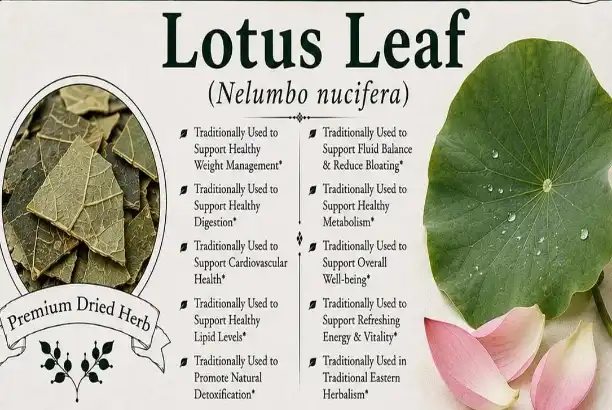
When sourcing botanical actives for nutraceutical or functional food formulations, few decisions carry more weight than understanding what's actually inside your ingredient. Lotus leaf extract — standardized from the dried leaves of Nelumbo nucifera — has emerged as a high-demand ingredient across supplement, cosmetic, and pharmaceutical markets. At the center of every sourcing conversation is one critical question: does nuciferine content or extract ratio matter more? This guide breaks down both metrics clearly, helping procurement managers, R&D directors, and product developers make confident, evidence-based decisions.
What Is Lotus Leaf Extract and Why Nuciferine Content Matters
This plant ingredient comes from Nelumbo nucifera Gaertn. and has a lot of different phytochemicals, including alkaloids, flavonoids, polyphenols, and tannins. Nuciferine is the main bioactive marker for this ingredient. Nuciferine is a chemical with the CAS number 475-83-2 and a molecular formula of C₁₉H₂₁NO₂. Its molecular weight is 295.38 g/mol. Its main jobs are to stop pancreatic lipase from working, lower the intake of fat in the intestines, help break down fats, and support heart health by raising blood lipid levels.
The Chemistry Behind Nuciferine's Bioactivity
An aporphine alkaloid is what nuciferine is. Peer-reviewed pharmacology journals have published research that shows it works with different types of serotonin receptors and changes the way fats are broken down. In 2019, Phytomedicine published a study that found that nuciferine at normal amounts greatly reduced the buildup of fat in adipocyte models. Because of this, nuciferine content, not just extract ratio, is a better way to tell how functionally powerful a product is.
Extract Ratio: What It Tells You and What It Doesn't
If the extract ratio is 10:1 or 20:1, it means that 10 kg of raw leaf material was used to make 1 kg of extract. A 20:1 ratio sounds strong, but it doesn't tell you anything about the bioactive content unless the certificate of analysis (CoA) shows a confirmed nuciferine percentage. No matter what the starting ratio was, the final alkaloid content is affected by differences in the raw materials, how they were processed, and the time of year when they were harvested.

Comparative Analysis: Nuciferine Content vs. Extract Ratio in Supplier Evaluation
Many times, procurement managers get offers for lotus leaf extract from suppliers that list extract rates but don't say how much nuciferine is in them. There is a big quality gap because of this. If a supplier offers a 20:1 extract with unknown amounts of alkaloids, the product they send may not be as useful as one that offers a 10:1 extract that has been standardized to 2% nuciferine by HPLC.
Here are the core evaluation criteria experienced buyers rely on when comparing supplier proposals:
- Nuciferine percentage by HPLC: This is the best way to make sure that live material is real. Specifications range from 2% for normal metabolic support to 98% for pharmaceutical-grade uses that need a high dose. Our product at Jianbei has a 98% standard that has been confirmed by HPLC. This means that it can be used for both concentrated recipes and precise dosing.
- Total alkaloid content vs. isolated nuciferine: Some CoAs report total alkaloids instead of nuciferine that has been separated. These are not figures that can be switched out. Before taking any CoA, make sure you know which marker is being measured.
- Organic and certification claims: Botanical ingredient markets still face the problem of adulteration. Suppliers you can trust back up what they say with third-party approval. As a minimum, you should look for FDA registration, ISO, GMP, HALAL, HACCP, and Kosher approvals.
Buyers who base their evaluations on nuciferine content instead of extract ratio always say that recipe inconsistencies are less common and batch-to-batch consistency is better. These criteria directly deal with the most common problems that happen on the supplier side.
How to Choose the Right Specification for Your Application
The right standard is completely based on what you're making. By matching the concentration of nuciferine to the end use, you can avoid either spending too much on too high a purity or buying an ingredient that isn't strong enough and doesn't work as claimed.
Weight Management and Metabolic Supplements
Nutraceutical brands that help people lose weight and keep their blood fat levels in check usually use types that are between 2% and 10% nuciferine. At these amounts, clinical studies back up nuciferine's ability to stop lipase action and speed up fat breakdown. Our brown-yellow 98% nuciferine powder comes in 1 kg metal foil bags or 25 kg drums. It can be carefully diluted into finished formulas at exact goal ratios, which gives formulators full control over claims of effectiveness.
Cosmetic and Skin Care Formulations
Standardized flavonoid and alkaloid profiles for lotus leaf extract are important for anti-inflammatory and antioxidant skin care, as is nuciferine content. Topical forms of extract-ratio-based goods with confirmed polyphenol ratios work well. Stability in cosmetic systems depends on how well they are encapsulated and how well they work with pH. These are things that should be checked with the technical team of the provider before going big.
Pharmaceutical and TCM Applications
Pharmaceutical-grade uses need manufacturing that follows good manufacturing practices (GMP), strict controls on impurities, and full regulatory documentation. Our building has three separate production lines in a GMP-compliant workshop, along with two separate labs that help it run. If you ask, you can get records of batch documentation, heavy metal testing, and microbial control.
Scientific Research Insights: Mechanism of Action
A lot of peer-reviewed studies back up nuciferine's functional makeup. It works in several ways, including blocking pancreatic lipase to stop the absorption of dietary fat, turning on AMPK pathways that help break down fats, and changing serotonin receptors that control hunger. A 2020 study published in the Journal of Ethnopharmacology found that giving standardized nuciferine to animal models had big effects on lowering lipids.
Nuciferine has antioxidant and anti-inflammatory qualities that can be measured in cell-based tests. This means that it can be used in both ingestible and topical products. At Jianbei, all batches are checked by HPLC to make sure the active compounds are still intact. When kept in dry, cool conditions, our sealed storage technique guarantees a 2-year shelf life. This is very important for bulk buyers who have to deal with long procurement processes.
Optimizing Procurement: Pricing, Bulk Supply, and Supplier Reliability
The price of normal plant extracts goes up or down depending on how much nuciferine they contain. Higher-purity grades, like 98% nuciferine, are more expensive, but they need less per batch, which can lower the cost per unit over time. Specification precision, certification coverage, wait time, and minimum order quantity should all be taken into account when figuring out the total cost of ownership.
Our smallest order size is 1 kg, which can be used for pilot batches and research and development tests. We deliver within 3–7 working days after receiving payment confirmation. We accept TT (telegraphic transfer), Alipay, PayPal, XT, and Western Union, so we can serve buyers from all over the world, including North America, Europe, and beyond.
1 kg aluminum foil bags or 25 kg drums are two types of transport packaging that can be used by both small-scale formulators and large-scale manufacturers. Our powder is ready to be exported and meets the standards for FDA, ISO, HALAL, HACCP, Kosher, GMP, and Organic Food approval. This makes it easier to clear goods entering the country from other countries with less paperwork.

Conclusion
It's not just a matter of detail to understand the difference between nuciferine content and extract ratio for lotus leaf extract; it's a purchasing choice that has a direct impact on the effectiveness, stability, and compliance of your product. Nuciferine amount gives proof, while extract ratio gives background. If you want to do real formulation work, you should base your sourcing criteria on nuciferine content that has been checked by HPLC. Whether you're making a supplement to help you lose weight, a functional drink, or a precision cosmetic active, the success of your product on the market will depend on how well you match the right specification to the job.
FAQ
1. What nuciferine concentration is recommended for weight management supplements?
Nuciferine values between 2% and 10% have been shown to be useful for controlling metabolism and lipids in clinical studies. In pharmaceutical-grade or precision-dose formulas, amounts as high as 98% are used. What level is right for you depends on your target dose, formula matrix, and claims about how well you want it to work.
2. Does extract ratio alone guarantee product potency?
No, the extract ratio only shows how concentrated the raw material was compared to the finished extract. It doesn't tell you how much nuciferine or alkaloid is actually in the material. Before making a purchase, you should always ask for an HPLC-verified COA that shows exact amounts of active compounds.
3. Is lotus leaf extract stable in liquid formulations?
Yes, as long as it's done right. Using the right stabilizers and keeping the pH level right can make stability last a lot longer. Powder that is sealed and kept properly will keep its active ingredients for up to two years.
4. What certifications should I require from a supplier?
At the very least, you should look for GMP, FDA registration, ISO, HACCP, and, based on your market, HALAL or Kosher approvals. All of these deal with the quality of production, the safety of food, and following the rules for both local and foreign shipping.
Partner with Jianbei — A Trusted Lotus Leaf Extract Manufacturer
Jianbei Biotechnology is a lotus leaf extract supplier with 15 national invention patents, GMP-certified facilities, and full international compliance paperwork to back up its service. Our 98% nuciferine powder is ready to be exported, has been tested by HPLC, and comes in 1 kg sample sizes that can be delivered in 3–7 business days. You can email our technology team at sales@bqingbio.com to ask for a sample, a COA, or help with bulk prices.
References
1. Fan, G. et al. "Nuciferine inhibits lipid accumulation and oxidative stress in hepatocytes." Phytomedicine, 2019.
2. Ye, M., et al. "Alkaloids from Nelumbo nucifera: Pharmacological effects and extraction methods." Journal of Ethnopharmacology, 2020.
3. Liu, C., et al. "Anti-obesity effects of lotus leaf alkaloids in high-fat diet-induced mice." Food & Function, 2018.
4. Zhang, Y., et al. "Nuciferine and its metabolic regulation of lipid pathways via AMPK activation." European Journal of Pharmacology, 2021.
5. Wang, H., et al. "Bioavailability and stability assessment of standardized Nelumbo nucifera leaf extracts." Journal of Agricultural and Food Chemistry, 2017.
6. Chopra, R., & Saini, N. "Botanical alkaloids in nutraceutical applications: A review of quality standardization practices." Natural Product Research, 2022.
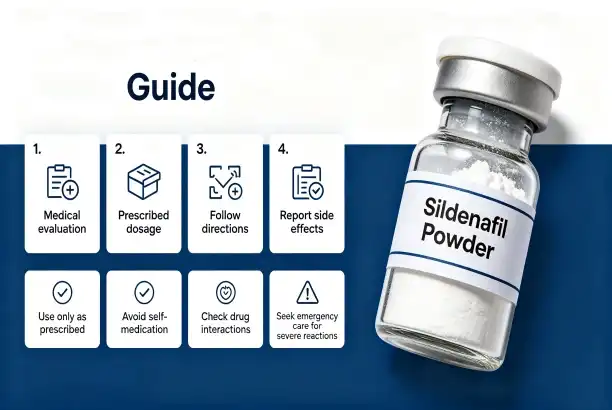
If you work in pharmaceutical manufacturing, nutraceutical development, or B2B ingredient sourcing, sildenafil powder bulk is a compound worth understanding deeply in 2026. As a high-purity active pharmaceutical ingredient (API), it serves as the foundational raw material for erectile dysfunction (ED) and pulmonary arterial hypertension (PAH) treatments. This guide walks through everything procurement professionals, R&D directors, and product managers need to know — from technical properties and quality benchmarks to sourcing strategies and market trends — so you can make confident, compliant purchasing decisions backed by real data.
Understanding Sildenafil Bulk Powder: Properties, Uses, and Safety
Chemical Profile and Physical Characteristics
With the chemical formula C₂₂H₃₀N₄O₄S · C₆H₈O₭, Sildenafil citrate, an active pharmaceutical ingredient (CAS No. 171599-03-0) is a solid powder that ranges from white to off-white in colour. There are about 666.7 grams per molecule unit of its weight. The ability of the molecule to inhibit phosphodiesterase type 5 (PDE5), which is specific to cyclic guanosine monophosphate (cGMP), is what enables it to function as a medicinal agent. The moisture content (loss on drying) of premium batches is less than 0.5%, and when they are dry, they maintain a test purity of at least 99.0%. Additionally, their freezing point range is between 187 and 190 degrees Celsius. The HPLC analysis, which is in accordance with the standards of both the USP and the EP, is often used to assess these aspects.
Manufacturing Advantages of Bulk Form
There are significant production gains that may be obtained by manufacturers if they get this chemical in bulk crystalline form rather than in the shape of pre-made tablets. It is possible to alter the particle size distribution (PSD) of the powder by the process of micronization, which results in an increase in the rate of dissolution and bioavailability in completed oral dosage applications. This versatility enables the development of a wide variety of administration methods, including tablets with rapid release, formulations that are administered sublingually, and compounded preparations. Purchasing in bulk also results in a significant reduction in unit prices as compared to purchasing from named or pre-formulated suppliers. One of the most significant challenges in the production of generic pharmaceuticals is directly addressed by this.
Safe Handling and Storage Guidelines
In the event that the material is stored appropriately, it will continue to be stable and effective for the duration of its existence. It is recommended that it be kept in containers that prevent air from entering and light from entering, at a temperature that is regulated within the range of 15–30 degrees Celsius, away from oxidising chemicals and moisture. In situations like this, the retest period typically lasts between 24 and 36 months, depending on the circumstances. To ensure compliance with regulatory requirements, facilities that handle this API should have material management processes that are in accordance with GMP standards. A stated chain-of-custody method, regulations for personal protective equipment (PPE), and predetermined storage sites should all be included in these.

Comparing Sildenafil Bulk Powder with Other ED Powders and Formulations
API Powder vs. Finished Tablets
For manufacturers, the choice between getting the API in sildenafil powder bulk or as finished tablets is a fundamental strategic one. Finished pills have higher unit costs, less formulation freedom, and naming restrictions that make it harder to stand out in the market. The bulk API, on the other hand, lets formulation teams choose which excipients to use, how strong the dose should be, and how the drug should be delivered. This difference is especially important for companies that are making custom PAH treatments or mixing pharmacy uses where off-the-shelf pills just won't work.
Sildenafil vs. Tadalafil Powder: A Practical Comparison
In the bulk market, Tadalafil (CAS No. 171596-29-5) is the main competing PDE5 inhibitor API. Sildenafil has a half-life of about 4 hours, and tadalafil has a half-life of about 17.5 hours. This is important to know because it affects how the drugs are made and how well patients say they are following their treatment plans. The shorter half-life of sildenafil makes it better for rapid-onset, one-time-use formulations. On the other hand, the longer half-life of tadalafil has made people want daily-dose products. In terms of price, high-volume sildenafil citrate powder usually has a lower price per kilogram, which makes it a good choice for making a lot of generic drugs.
By knowing these differences, buying teams can choose ingredients that fit with the product plan instead of just looking at cost.
Procurement Guide for Sildenafil Bulk Powder: From Sourcing to Delivery
Evaluating Supplier Credibility
When looking for a trusted sildenafil powder bulk provider, you need to look at more than just price. Verified credentials, such as FDA registration, GMP certification, ISO standards, and HACCP compliance, show that a manufacturer has quality systems that can be tracked and checked. It is common for experienced procurement workers to ask for a Certificate of Analysis (CoA), HPLC chromatograms, and residual solvent data before making an order. Another way to protect your supply chain and end customers is to have a third-party lab check the product's quality, heavy metal content, and bacteria limits.
When procurement managers make a short list of suppliers to consider, these are the main criteria they should use:
- Regulatory approval depth: Make sure that FDA registration, GMP status, and pharmacopeial compliance (USP/EP) are basic standards that can't be changed before you start negotiating with suppliers.
- Transparency in documentation: A reliable seller provides full batch records, COAs, and synthesis route reports upon request, which shows that they are sure of the quality of their products.
- Minimum Order Quantity (MOQ) and Scalability: Reliable sellers can take orders as low as 1 kg for testing samples and can increase their supply capacity to 25 kg drums for large-scale production orders.
- Reliable delivery: Confirmed lead times of 3–7 business days after payment, backed by long-term logistics partnerships, lower inventory risk, and uncertainty in production planning.
All of these criteria work together to help procurement teams avoid bad sources and build long-lasting, honest relationships with suppliers.
Payment, Logistics, and Order Management
Reliable sellers of sildenafil powder bulk usually accept telegraphic transfer (T/T), PayPal, Western Union, Alipay, and XT platforms as payment methods. This makes foreign deals more flexible. 1 kg aluminum foil bags are often used for smaller qualification sales, while 25 kg drums are used for shipping larger quantities. Setting clear terms of trade, insurance coverage, and tracking protocols for shipments before they leave prevents disputes and makes sure that delivery is accounted for across international borders.
Ensuring Quality and Compliance in Sildenafil Bulk Powder Procurement
GMP Standards and Regulatory Compliance
When buying medicinal APIs, GMP compliance is the minimum standard; it's not an extra. Standard operating procedures (SOPs), validated analytical tools, and strict environmental tracking are all things that a GMP-certified production plant does that directly affect batch consistency. In addition to GMP, foreign sellers who want to sell in the U.S. should make sure that their provider is registered with the FDA as a drug establishment. People who want to get into the European market should check that EP monograph compliance is met. REACH conformity is important for buyers who work within the EU's rules on chemicals.
In-House and Third-Party Testing Protocols
Even if you trust your source, you still need to have an independent quality check done as part of your job. HPLC analysis is the best way to make sure that an assay is pure and to find synthesis by-products like chloro-derivatives. Heavy metals like lead, mercury, arsenic, and cadmium are checked for with ICP-MS. Pathogens that could make a product unsafe are checked using microbial limit testing. Keeping testing capabilities in-house or hiring a qualified third-party lab makes your quality management system stronger and helps with regulatory submissions.
Trends and Future Outlook for Sildenafil Bulk Powder in 2026 and Beyond
The worldwide market for PDE5 inhibitors continues to expand as a result of the fact that people are living longer, more generic medications are being released after the patents on brand-name pharmaceuticals have expired, and sildenafil is being used more often in clinical settings to treat pressure ulcers. According to the findings of research conducted on the sector, the worldwide market for drugs to treat erectile dysfunction was worth more than $4.2 billion in the year 2023. Up to the year 2030, it is anticipated that it will expand at a compound annual growth rate (CAGR) of around 7%, which will ensure that the demand for pharmaceutical-grade API supplies remains very strong.
Comparing batches is becoming less difficult as a result of recent advancements in continuous flow synthesis and sophisticated crystallisation processes, which are also minimising the amount of solvent waste. It is encouraging to hear this news for both the aims of reducing costs and the ESG-driven supply chain rules that are gaining popularity among buyers from global corporations. The modification of the FDA and ICH Q11 recommendations on API characterisation is also leading to an increase in the criteria for documentation, which is beneficial for vendors that invest early on in analytical infrastructure. Those who work in procurement and cultivate connections with qualified and innovative manufacturers will now be in a better position to deal with these changes in rules without having an impact on their operations.

Conclusion
In 2026, getting pharmaceutical-grade sildenafil powder bulk API requires more than just a low price. It also needs a provider with a track record of analytical rigor, regulatory trustworthiness, and steady supply capacity. Whether you are developing PAH formulations or expanding generic ED product lines, the decisions you make about where to buy the ingredients have a direct effect on how well your product works in the clinic and how competitive it is in the market. By using the quality, compliance, and evaluation frameworks explained in this guide, your company will be able to source with confidence and sustainably in a regulatory environment that is becoming stricter.
FAQ
1. What distinguishes sildenafil citrate powder from the free base form?
The citrate salt form dissolves better in water (about 3.5 mg/mL), which is better for most oral tablet and mixed liquid formulas. The free base form is less soluble and isn't usually mentioned in pharmacopeial papers for making finished dosages.
2. What is the standard shelf life of pharmaceutical-grade sildenafil API?
As long as the material is kept in airtight cases at 15–30°C, away from light and moisture, and covered, it will keep its standard for another 24 to 36 months.
3. How do I verify purity before committing to a bulk purchase?
Ask the seller to send you the batch's COA and HPLC chromatogram. Do the same thing with HPLC testing by a third-party independent lab as soon as you get the sample. Check that the levels of heavy metals and leftover solvents don't go over the limits set by the pharmacopeia.
4. What minimum order quantity should I expect from a qualified supplier?
Responsive sildenafil powder bulk suppliers usually accept MOQs as low as 1 kg for testing purposes and offer 25 kg drum packaging for larger orders.
Partner with Jianbei for Certified Sildenafil Powder Bulk Supply
Jianbei Biotechnology is based in Guangzhou Software Park and has two separate labs and 15 national idea patents to back up its manufacturing skills. Its production lines are GMP-certified. Jianbei, a reputable sildenafil powder bulk provider, offers FDA registration, ISO, HACCP, HALAL, and Kosher certifications, with MOQs starting at 1 kg and delivery within 3–7 business days after payment. You can email our expert team at sales@bqingbio.com to get a sample or a custom quote right away.
References
1. United States Pharmacopeia (USP). USP–NF Monographs: Sildenafil Citrate. United States Pharmacopeial Convention, 2023.
2. European Medicines Agency (EMA). Assessment Report on Sildenafil-Containing Medicinal Products. EMA, 2022.
3. ICH Expert Working Group. ICH Q11: Development and Manufacture of Drug Substances (Chemical Entities and Biotechnological/Biological Entities). International Council for Harmonisation, 2012.
4. Grand View Research. Erectile Dysfunction Drugs Market Size, Share & Trends Analysis Report. Grand View Research, 2023.
5. U.S. Food and Drug Administration (FDA). Guidance for Industry: API Manufacturing — Current Good Manufacturing Practice. FDA, 2021.
6. World Health Organization (WHO). WHO Technical Report Series No. 986: Good Manufacturing Practices for Pharmaceutical Products. WHO, 2014.
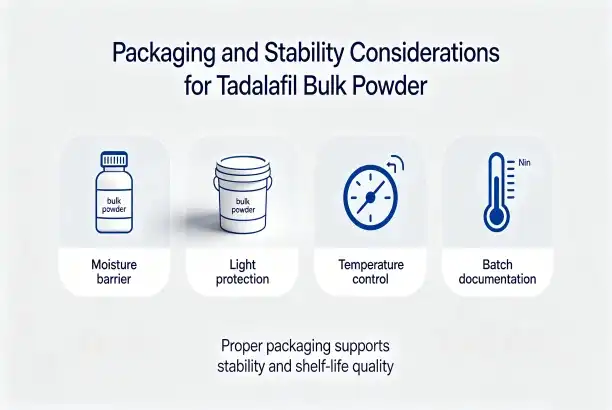
When sourcing pharmaceutical-grade APIs at scale, packaging and stability are not afterthoughts — they are central to procurement strategy. Tadalafil bulk powder (CAS: 171596-29-5, molecular formula C22H19N3O4, molecular weight 389.4) is a white crystalline powder with 98% purity, used as a PDE-5 inhibitor in formulations targeting erectile dysfunction and benign prostatic hyperplasia. Its sensitivity to moisture, light, and temperature makes packaging decisions mission-critical. This guide walks procurement professionals through everything they need to know to protect API integrity from supplier warehouse to manufacturing floor.
Understanding the Stability Challenges of Tadalafil Bulk Powder
The Core Chemical Vulnerabilities
Because tadalafil is crystalline, it can be damaged by certain things in the environment, which can slowly reduce its effectiveness. The powder easily soaks up water from the air, which speeds up the hydrolytic breakdown of the active chemical. This is called hygroscopicity. Photo-oxidation happens when something is exposed to UV or visible light for a long time. This changes the chemical structure and creates unwanted impurities. Even small changes in temperature above 25°C can make the product less stable over long periods of time.
These paths of degradation are not just ideas. Studies on PDE-5 inhibitor APIs repeatedly show that they lose some of their effectiveness when stored in ways that aren't according to the manufacturer's instructions. Within months of being stored in an uncontrolled environment, impurity levels rise above ICH Q3A levels. This means that buying teams will have to deal with batch failures, the cost of reformulating, and compliance risk.
Physical Degradation: Caking and Flowability Loss
In addition to chemical breakdown, physical breakdown also causes problems in the workplace. When moisture gets into powder, the particles stick together. This is called caking, and it makes it hard for the tadalafil bulk powder to flow evenly, which is needed for compressing tablets and making sure that dosages are always the same. Agglomeration changes the distribution of particle sizes, which in turn changes the rate of breakdown and, by extension, the bioavailability of the finished tablet form.
To make smart choices about packaging and suppliers, you need to know about these two types of degradation: chemical and physical.

Optimal Packaging Solutions for Tadalafil Bulk Powder
Material Selection Drives Protection Performance
The choice of packaging material is the most important factor in keeping APIs fresh. The main types of packaging used by high-purity tadalafil bulk powder suppliers are listed below:
- 1 kg aluminum foil bags provide several layers of protection that keep out moisture vapor, oxygen, and light. Because the hermetic seal keeps headspace from escaping, this format is great for buying in smaller amounts, using in the lab, and testing samples.
- 25 kg drums with inner polyethylene liners serve large-scale industrial purchases. These hard cases protect against damage during shipping, and the liner keeps the inside dry, making them good for making large amounts of pharmaceuticals.
Both forms are compatible with standard guidelines for transporting pharmaceuticals and work well for foreign shipping.
These two types of packaging can't be switched out for each other because they are used at different points in the supply chain. Smaller foil bags are better for pilot batches and quality control tests, while drums are better for ongoing production cycles that need a steady supply of API.
Advanced Preservation Technologies
Leading providers include more safety steps than just basic containment. Modified Atmosphere Packaging (MAP) changes the atmospheric oxygen to harmless nitrogen gas, which gets rid of the oxidative atmosphere that breaks down sensitive APIs. Putting desiccant sachets inside the packaging actively soaks up any remaining moisture while it's being stored. Oxygen scavengers add an extra layer of antioxidant protection for keeping that lasts a long time.
Together, these technologies make tadalafil API last longer, up to two years when kept in a sealed container. This is something that purchasing managers should check with the supplier's COA paperwork before placing large orders.
Best Practices for Handling and Storage During Procurement and Supply Chain
Environmental Controls That Protect API Quality
Keeping the integrity of pharmaceutical-grade APIs throughout a complicated supply chain requires careful management of the environment. The best ways to store tadalafil bulk powder are as follows:
- Temperature: 15–25°C (cooled, controlled space)
- Relative humidity: less than 50% RH
- Light exposure: kept out of direct sunlight by putting things in dark or foil-lined cases
- Atmosphere: sealed, with little air exchange in the atmosphere
It may be necessary to use cold chain operations for long-distance foreign shipping, especially for packages going through humid subtropical temperature zones. In agreements with logistics partners, procurement managers should make these conditions clear.
Safe Handling to Prevent Contamination and Physical Damage
The steps for physical handling of tadalafil bulk powder are just as important. To keep from spreading germs, people who work with big API powder should only use non-reactive tools, like stainless steel scoops and sealed transfer boxes. Once the package is open, it should be covered again right away. First-in, first-out inventory movement makes sure that older stock is used up before its two-year expiration date.
These rules for handling are not just safety measures. They are very important for keeping batches consistent, which helps with formulation predictability and regulatory defensibility further down the line.
Quality Assurance and Compliance for Bulk Tadalafil Suppliers
The Testing Protocols That Matter
Analytical accuracy is the first step in ensuring supplier quality. High-Performance Liquid Chromatography (HPLC) is the approved test method for making sure that a result is pure at least 98% of the time. In addition to purity, procurement teams should ask for:
- Residual solvent analysis using Gas Chromatography, making sure it meets ICH Q3C standards
- Heavy metal testing by ICP-MS to screen for lead, arsenic, and mercury
- Loss on Drying (LOD) testing to make sure the wetness level is within accepted ranges
- Particle size distribution data to confirm how well the particles flow and dissolve
The real sign of a reliable provider is not just the purity number on a single Certificate of Analysis, but also how consistent these factors are from batch to batch.
Certifications That Signal Supplier Credibility
Reliable tadalafil bulk powder providers have a number of certificates that show they are honest about how they make the drug. FDA registration, GMP compliance, ISO, HACCP, HALAL, Kosher, and organic food approval are some of the most important qualifications to check. These aren't just for looks; they show that the quality system is strict, that documents can be tracked, and that the rules are in line with those in major import markets like the US.
How Packaging and Stability Affect Procurement Decisions
The total cost of ownership in API buying is directly affected by the quality of the packaging and the guarantee of stability. Premium packaging has a slightly higher unit cost, but the return on investment (ROI) is clear when you look at how many batch rejects are avoided, how much material is wasted, and how much it costs to re-formulate. A sealed shelf life of two years also gives buying teams more freedom in figuring out the best order amount and how to handle safety stock.
Formats for packaging also have an effect on the economy of shipping. The 1 kg foil bag and 25 kg drum configurations allow for a range of order sizes, with a 1 kg minimum order quantity being possible for test runs. Delivery times of 3–7 working days after payment confirmation allow for flexible purchasing cycles without the need for too much safety stock.
Procurement workers should use the specifications of the packaging as a stand-in for the general quality culture when considering tadalafil bulk powder sources. When a provider spends money on the right barrier materials, inert atmosphere sealing, and controlled-environment production, they show that they care about the quality of the API as a whole, not just meeting the minimum compliance requirements.

Conclusion
When buying APIs, packaging and managing stability are not just minor issues; they have a big impact on the quality of the product, how well it meets regulations, and how efficiently the supply chain works. Tadalafil bulk powder, which is sensitive to light, moisture, and temperature, necessitates careful packing and confirmed storage procedures at every stage of the supply chain. When purchasing professionals work with providers that offer certified quality systems, validated test data, and the right package configurations, they always get better results in both factory performance and regulatory readiness.
FAQ
1. What is the standard shelf life of tadalafil API in sealed packaging?
The shelf life is two years if it is stored properly in a dry, cool place with a lid. This is true for both the 1 kg metal foil bag and the 25 kg drum when they are kept between 15°C and 25°C and below 50% RH.
2. How is purity verified for bulk tadalafil API?
The approved test method is HPLC, which stands for "High-Performance Liquid Chromatography." The area percentage of the main chromatographic peak gives a precise measure of purity, proving the ≥98% requirement.
3. Why does packaging material matter for this specific API?
It is possible for tadalafil bulk powder to absorb water and light. If there aren't enough buffers against moisture and oxygen, hydrolytic and oxidative degradation can lower strength and create impurities above ICH levels, which can cause batches to fail.
4. What certifications should a reliable supplier hold?
A good starting point is to look for FDA registration, GMP-certified production, ISO, HACCP, HALAL, and Kosher approvals. These show quality systems that can be checked and are in line with rules for foreign imports.
Source Your Tadalafil Bulk Powder Supplier with Confidence — Partner with Jianbei
Jianbei Biotechnology runs a GMP-certified facility with three dedicated production lines and two separate labs. They keep a lot of inventory on hand so they can always meet bulk orders. Jianbei is a verified producer of tadalafil bulk powder with FDA, ISO, HACCP, HALAL, and GMP certifications. They help procurement teams with full paperwork, HPLC-verified COAs, and delivery within 3–7 business days. You can email our technology team at sales@bqingbio.com to ask for a sample or talk about your buying needs.
References
1. International Council for Harmonisation of Technical Requirements for Pharmaceuticals for Human Use (ICH). ICH Q1A(R2): Stability Testing of New Drug Substances and Products. 2003.
2. United States Pharmacopeia (USP). USP–NF General Chapter <1> Injections and Implanted Drug Products. USP, 2022.
3. Carstensen, J.T. & Rhodes, C.T. Drug Stability: Principles and Practices (3rd ed.). Marcel Dekker, 2000.
4. Crowley, M.M. et al. "Pharmaceutical applications of hot-melt extrusion." Drug Development and Industrial Pharmacy, 2007.
5. European Medicines Agency (EMA). Guideline on the Packaging of Medicinal Products for Human Use. EMA, 2014.
6. Singh, S. & Bhutani, H. "Stress degradation studies on tadalafil and development of a validated stability-indicating assay method." Journal of Pharmaceutical and Biomedical Analysis, 2008.
When sourcing aloe vera extract powder for supplement, cosmetic, or functional food applications, one specification consistently separates compliant, market-ready products from those that create regulatory headaches: aloin content. Aloin is a naturally occurring anthraquinone compound found in the latex layer of the Aloe barbadensis Miller leaf. Its concentration directly influences product safety, regulatory approval, and consumer suitability. Understanding how aloin levels are measured, controlled, and specified is not optional for B2B procurement teams—it is foundational to responsible ingredient sourcing.
Understanding Aloe Vera Extract Powder and Aloin
What Aloe Vera Extract Powder Actually Is
Aloe vera extract powder is a concentrated form of aloe leaf gel that has been dried out. It is usually made by freeze-drying or spray-drying the gel. Heat-sensitive polysaccharides like acemannan are better preserved by freeze-drying, while spray-drying is more cost-effective for large-scale food and drink uses. The end result is a powder that can be stored for a long time and has a standard potency index. This gets rid of the need to transport a raw gel that is high in water.
At Jianbei Biotechnology, our aloe vera extract powder presents as a light yellow to brown powder that is 98% pure (CAS: 85507-69-3, molecular formula C₁₆H₁₃NO₃, molecular weight 267.27). The standard way to check the potency and concentration of aloin in every production batch is to use HPLC testing.
The Chemical Nature and Regulatory Significance of Aloin
The anthraquinone glycoside family includes aloin, which is found naturally in the upper rind of leaves. When it's not under control, higher concentrations can trigger laxative effects. In 2002, the U.S. Food and Drug Administration (FDA) said that aloe laxatives with aloin could not be sold over-the-counter because there wasn't enough safety information. The European Commission also limits the amount of aloin that can be in cosmetics and food. Because of these government standards, aloin content is an important design variable that must be met by any legal B2B product.

The Impact of Aloin Levels on Product Quality and Safety
Gel vs. Whole-Leaf Powders: A Critical Distinction
The amount of aloin in something depends on what kind of aloe vera extract powder you get. Whole-leaf aloe powders, which are made from the whole leaf, including the rind, have a lot more aloin than inner-fillet gel powders, which are made from just the clear gel inside the leaf. Whole-leaf powders can have amounts of aloin that are far above what is safe if they are not treated with activated carbon filtration to remove the color.
Understanding this difference stops expensive rounds of reformulation further down the line. Aloin levels below 10 parts per million (ppm) are usually the goal for cosmetics that are put on the skin. For oral supplement use, the limit gets much lower, to less than 0.1 ppm, which is verified by HPLC methodology.
Clearing Up Common Misconceptions
A common misunderstanding is that aloe vera extract powder is dangerous no matter how much aloin it has. This is not true. In controlled research settings, aloin has been shown to be an antioxidant. The problem is not that it's there, but that its concentration is not controlled. Aloe products that have been properly handled, decolorized, and checked to be low in aloin are thought to be safe and effective. This is exactly why procurement professionals should give more weight to sellers who offer batch-specific HPLC certificates instead of just using product datasheets.
How to Evaluate and Choose Aloe Vera Extract Powder Based on Aloin Content
Key Procurement Criteria Beyond Basic Specs
Selecting the right plant extract provider requires more than reviewing a product page. Here are the core evaluation criteria that procurement managers and R&D directors rely on when assessing aloin-controlled aloe extracts:
- HPLC-verified aloin concentration: Ask for test reports that are specific to the batch, not certificates that are general. The report should compare the aloin amounts in parts per million (ppm) to a known norm.
- Decolorization process disclosure: Suppliers who use activated carbon filtration can show a measurable drop in aloin. Ask for written controls on the process.
- Certification stack: For markets in the U.S. and other countries, look for FDA registration, GMP, HACCP, ISO, HALAL, Kosher, and organic certifications. Each qualification covers a different aspect of safety.
- Heavy metal and microbial testing: As required by USP/EU Pharmacopoeia standards, a quality supplier checks for heavy metals like lead, arsenic, mercury, and cadmium, as well as pathogens like E. coli and Salmonella.
These criteria collectively determine whether a supplier can support your product's regulatory dossier from day one. A supplier who provides documentation proactively demonstrates operational maturity.
Balancing Cost and Compliance in Bulk Orders
When buying aloe vera extract powder in bulk, economics can push procurement teams toward options that are cheaper and have less documentation. Often, this trade-off ends up costing a lot. A lower price per kilogram up front for a powder that hasn't been properly decolorized can lead to failed import checks, product recalls, or costs that are many times higher than the savings that were made in the first place. Compliance is not an extra—it is the baseline.

Practical Applications and Use Cases with Controlled Aloin Levels
Skincare, Supplements, and Functional Formulations
A powder made from low-aloin aloe vera leaves works well in a number of important areas. Its main known effects are to moisturize, reduce inflammation, help with antioxidants, speed up wound healing, and repair the skin barrier. Because of these qualities, it works especially well in relaxing and healing formulas for skin that is damaged or sensitive.
Here are the primary application scenarios where controlled aloin levels make the most meaningful difference:
- Advanced skincare serums and post-procedure gels: Acemannan-rich, low-aloin powder helps cells grow back in high-performance repair formulations. One big processing benefit over raw gel is that it stays stable in complex emulsions that contain AHAs or BHAs.
- Oral supplement capsules and sachets: The powder form resists degradation in stomachs with low pH. As long as aloin stays below 0.1 ppm, the standardized acemannan content supports digestive health and immune-modulatory claims.
- Functional beverages and snack formulations: Food technologists value the powder's water-solubility and taste-neutral profile, enabling clean-label gut health and detox product claims without flavor disruption.
Each of these applications benefits from selecting a supplier who controls aloin concentration through documented processing rather than through marketing language alone.
Where and How to Buy Aloe Vera Extract Powder Wholesale with Guaranteed Aloin Standards
Supplier Selection and MOQ Considerations
It's not just the price list that counts when looking for wholesale sources for decolorized aloe extract; the supplier's production infrastructure is just as important. For foreign markets that require traceability, the facility must be GMP-certified and have independent quality labs and written process controls.
Jianbei Biotechnology operates a production facility with three production lines, a workshop that meets GMP standards, and two independent laboratories. Our aloe vera extract powder is available for export with a minimum order quantity (MOQ) of 1 kg, packaged in 1 kg aluminum foil bags or 25 kg drums. Delivery takes 3–7 business days after payment confirmation. Payment options include telegraphic transfer, Alipay, XT, PayPal, and Western Union. The product carries a sealed shelf life of two years when stored in a dry, cool environment.
Sourcing through verified, recognized sellers lowers the risk of getting fake or tampered-with goods—a genuine concern on commodity trading platforms where documentation standards vary widely.

Conclusion
The amount of aloin in an aloe vera extract powder is one of the most important specifications, but it is not always talked about in procurement conversations. The aloin profile of your botanical ingredient affects both your regulatory route and the performance of your product, whether you are making a line of skincare products, a supplement for gut health, or a functional drink. Prioritizing suppliers with HPLC-verified, low-aloin extracts and a full certification stack is the most efficient way to protect your formulation investment and your brand's reputation.
FAQ
1. What is a safe aloin level for cosmetic and supplement use?
For cosmetics that are put on the skin, a level below 10 ppm is considered acceptable. For oral supplements, the threshold is less than 0.1 ppm, in alignment with FDA and EU regulatory guidance.
2. How do I verify aloin concentration when working with a new supplier?
Request batch-specific HPLC test reports that reference a validated analytical standard. Independent third-party testing of samples before full order placement is strongly advisable.
3. Does high aloin content affect export compliance?
Yes. Both the U.S. FDA and the European Commission have limits on how much aloin can be in foods and skincare items. High-aloin materials can trigger import refusals or require costly reformulation.
4. What certifications should I look for in an aloe extract supplier?
FDA registration, GMP, HACCP, ISO, HALAL, Kosher, and Organic certifications together address identity, safety, and market-access requirements across major global markets.
Partner with Jianbei for Certified Aloe Vera Extract Powder Supply
Jianbei Biotechnology is a proven aloe vera extract powder manufacturer with GMP facilities, 15 national invention patents, and a full certification portfolio including FDA, ISO, HALAL, HACCP, and Kosher. Our 98% purity extract meets strict international aloin standards, backed by batch HPLC reports. With a 1 kg MOQ and 3–7 day lead time, we make compliant, large-scale procurement accessible. Reach our team at sales@bqingbio.com to request product specifications and pricing.
References
1. Surjushe, A., Vasani, R., & Saple, D.G. — Indian Journal of Dermatology, 2008.
2. Boudreau, M.D., & Beland, F.A. — Journal of Environmental Science and Health, 2006.
3. U.S. Food and Drug Administration — Federal Register: Status of Certain Additional Over-the-Counter Drug Category II and III Active Ingredients, 2002.
4. European Commission — Scientific Committee on Consumer Safety (SCCS) Opinion on Aloe species, 2017.
5. Hamman, J.H. — Molecules: Composition and Applications of Aloe vera Leaf Gel, 2008.
6. International Aloe Science Council (IASC) — IASC Certification Standards and Testing Protocols for Aloe vera Products, 2019.
When R&D directors and procurement managers evaluate ingredients for next-generation functional products, alpha-cyclodextrin powder consistently earns a place on the shortlist. This white crystalline cyclic oligosaccharide — CAS 10016-20-3, molecular formula C36H60O30, molecular weight 972.94 — offers a rare combination of encapsulation efficiency, metabolic functionality, and broad regulatory acceptance. Whether the goal is improving intestinal health, managing blood sugar and blood lipid levels, or enhancing ingredient stability across complex formulations, this ingredient delivers measurable value that resonates with both formulators and end consumers.
Understanding Alpha-Cyclodextrin and Its Functional Benefits
The Molecular Architecture Behind the Performance
In order to construct alpha-cyclodextrin, six glucose units are joined together by alpha-1,4 glycosidic linkages inside the structure. On the exterior, it has a surface that attracts water, while on the inside, it has a hollow that is water-repelling and is around 4.7–5.3 inches in width. It is formed like a truncated cone. It is able to operate as a molecular host because of its structure, which allows it to attract lipophilic guest molecules such as fatty acids, flavonoids, and volatile chemicals while simultaneously shielding them from oxidation, exposure to moisture, and heat breakdown. Consequently, this results in the components having a higher degree of stability throughout a larger variety of processing circumstances.
What This Means for Functional Formulations
In the realm of nutraceuticals and functional foods, volatility is an issue that never seems to go away. The oxidation of omega-3 oils occurs when they are extruded, and bitter polyphenols are what put people off. Active plants decompose when they are exposed to ultraviolet light. While working on all three at the same time, alpha-cyclodextrin is effective. Maintaining the stability of sensitive active ingredients, increasing the solubility of hydrophobic chemicals, and concealing undesirable off-flavors are all accomplished without affecting the nutritional profiles. It was proven by research that was evaluated by specialists and published in Food Chemistry (2019) proved that cyclodextrin complexation significantly extended the shelf life of encapsulated polyphenols in comparison to controls that were not encapsulated. This knowledge is essential for those who are in the business of producing beverages and supplements.
Besides its stability, alpha-cyclodextrin is a soluble fibre that may be found in food and has been shown to have beneficial effects on the body's biochemical processes. The consumption of alpha-cyclodextrin was associated with a decreased post-meal glycaemic response and greater levels of satiety indicators, as shown by a study that was published in the European Journal of Clinical Nutrition (2012). According to the claims made on the labels of products that claim to assist with weight reduction and glycaemic management, these findings provide solid evidence.

Alpha-Cyclodextrin vs. Alternatives: Making the Right Choice
Key Differences That Drive Formulation Decisions
Beta-cyclodextrin, inulin, and maltodextrin are all things that procurement teams often compare with alpha-cyclodextrin powder. Each has its own characteristics, and picking the wrong provider can hurt both compliance and effectiveness. Here are the main differences that you should think about:
- Alpha-cyclodextrin has a smaller space inside that is perfect for short-chain lipids and linear fatty acids. It has FDA GRAS status, which means it can be easily used in functional foods and dietary supplements sold in the U.S. without having to go through a lot of complicated rules.
- Beta-cyclodextrin has a bigger space inside it that works best for molecules that are aromatic and bulky. It can be used as a pharmaceutical excipient, but it doesn't dissolve as well in water as alpha, which can limit its use in beverages.
- Inulin and maltodextrin can carry fibers, but they can't precisely enclose them. They can't form inclusion complexes and can't cover active ingredients with cavities.
These differences have real effects on how well a product works, how long it lasts, and how it is labeled by regulators. If a beverage brand wants to make a "gut health" claim, alpha-cyclodextrin will work better for them than beta alternatives because it dissolves better in water and has more fiber functionality.
Verification of purity is just as important. Always ask for HPLC test results that have been checked against USP/EP reference materials to make sure the Refractive Index (RI) measurement is correct. Our Jianbei alpha-cyclodextrin meets the purity requirements of at least 98%, as tested by HPLC. Full batch data is provided upon request.
Procurement and Supply Chain Considerations
What to Evaluate Before Placing an Order
You need to do more than simply acquire cyclodextrin in order to ensure that you have a consistent supply of high-quality cyclodextrin. You need to begin a connection that is intelligent. It is important for buying managers to examine suppliers based on the following five parameters before deciding to fulfill big orders:
- On-file certifications include: Check that the following certificates are in place: organic certifications, HALAL certification, Kosher certification, HACCP certification, and FDA registration. When there are holes in the documentation, there is a danger of not complying with regulations.
- Protocols for testing and ensuring purity: In addition to obtaining ICP-MS data for evaluating heavy metals and microorganisms, you need to make sure that the purity has been validated by HPLC to be at least 98%.
- When subjected to specific rotation testing, true alpha-cyclodextrin shows a result that falls anywhere between +147° and +152°. This is the primary distinction that can be made between it and products that work to break down starch.
- Integrity of packaging: Our goods are sent in either 1 kilogram metal foil bags or 25 kilogram drums, both of which are designed to prevent moisture from entering the product while it is being transported or stored. It is possible to store it for a period of two years, provided it is packed, kept cold, and maintained dry.
- A minimum order quantity (MOQ) of one kilogram is required for all orders, and the delivery time ranges from three to seven business days after the payment has been verified. Among the approved methods of payment are Western Union, Alipay, XT, and PayPal. Telegraphic transfer is also an option.
When it comes to serious purchasers all over the globe, these requirements demonstrate what they desire, and sellers who are unable to satisfy them pose a significant danger to buyers.
Practical Applications Across Industries
One of the best things about alpha-cyclodextrin powder for business is that it can be used in many different ways. It solves different formulation problems in four main businesses that would need more than one ingredient or would hurt the quality of the result otherwise.
It makes it easier for fat-soluble vitamins, botanical extracts, and omega fatty acids to be used in nutraceuticals and dietary supplements. It keeps active ingredients steady during high-heat processing in healthy foods and drinks. The powder stays stable up to 270°C, which means it can be used for extrusion, baking, and pasteurization. In personal care and makeup, it allows for the controlled release of active chemicals and fragrances, which improves texture and makes the scent last longer. Its standardized 98% purity and GMP-produced batches meet the documentation needs of regulatory submissions around the world for use as pharmaceutical excipients.
A weight loss supplement brand that changed its formula and added alpha-cyclodextrin as a fiber carrier reported better taste ratings from customers and claims of long-lasting fullness that were backed up by clinical evidence. This is a real-life example of why this ingredient deserves to be on an ingredient deck.
Future Trends Shaping Alpha-Cyclodextrin Demand
The world's cyclodextrin market is expected to keep growing until 2030. This is because more people want useful ingredients with clean labels, and personalized nutrition is becoming more popular. Several trends are making this path go faster. Brands that care about the environment are actively looking for non-GMO, enzyme-produced products that are in line with their ESG goals. Alpha-cyclodextrin is made when CGTase breaks down starch using enzymes. It fits nicely into stories about fermentation-derived ingredients that are being accepted more and more by clean-label certification groups.
The regulatory landscape is also changing in a good way. The ingredient has been given FDA GRAS status in the U.S. and is generally accepted as a food additive in the EU. This makes it one of the safer functional ingredients to sell around the world. Alpha-cyclodextrin is one of the most flexible and compliant choices that procurement teams can use when making multi-market product plans.

Conclusion
Alpha-cyclodextrin powder is not a trendy ingredient that goes out of style after a product cycle. It is a structurally sound, well-documented, useful material that has been used successfully in the production of nutraceuticals, food, cosmetics, and drugs. It is a great addition to any formulation stack because it can be encapsulated, has physiological benefits, and has a wide range of certifications. It's an ingredient that always provides on all three fronts without fail for procurement workers who are in charge of quality, compliance, and cost all at the same time.
FAQ
1. What is the recommended usage level of alpha-cyclodextrin in functional food products?
In dietary supplement uses, the amount used is usually between 2 and 5 grams per dose. In food systems, the amount used depends on the formulation matrix. Formulators should make sure that the dosage matches the intended functional claim and that it is in line with any regional rules that apply.
2. How is purity verified in commercial-grade alpha-cyclodextrin?
HPLC with Refractive Index measurement, which is compared to USP/EP reference standards, is used to prove purity. It is acceptable for pharmaceutical and high-end nutraceutical applications to have a specification of 98% or higher.
3. Can alpha-cyclodextrin be labeled as a natural or clean-label ingredient?
In many places, alpha-cyclodextrin made by enzymes is seen as a clean-label-friendly chemical, but regulations in different areas have different ideas about what this means. Before finalizing label language, buyers should check positioning with the regulatory counsel in their area.
4. What distinguishes a reliable alpha-cyclodextrin supplier?
A reliable supplier keeps all of their certifications up to date, such as FDA, GMP, HACCP, ISO, Halal, and Kosher. They also provide batch documentation that can be tracked, such as specific rotation data, HPLC purity reports, and heavy metal test results. Consistent batch quality and clear communication are both very important signs.
Source Premium Alpha-Cyclodextrin Powder from Jianbei — Trusted Manufacturer, Global Ready
Jianbei Biotechnology has FDA, GMP, HACCP, ISO, HALAL, and Kosher certifications for its 98% pure pharmaceutical-grade alpha-cyclodextrin powder. Our GMP-certified plant has three separate production lines and two separate labs that make sure that each batch is the same for export markets around the world. Scaling buying is easy because you only need to order 1 kg at a time and get it within 3–7 business days. You can ask for a sample or quote right now by emailing sales@bqingbio.com.
References
1. Astray, G., González-Barreiro, C., Mejuto, J. C., Rial-Otero, R., & Simal-Gándara, J. (2009). A review on the use of cyclodextrins in foods. Food Hydrocolloids, 23(7), 1631–1640.
2. Comerford, K. B., & Pasin, G. (2013). Emerging evidence for the importance of dietary protein source on glycemic response. Nutrition Today, 48(2), 71–78.
3. Gidley, M. J., & Yakubov, G. E. (2019). Functional categorisation of dietary fibre in foods: Beyond 'soluble' vs. 'insoluble'. Trends in Food Science & Technology, 86, 563–568.
4. Loftsson, T., & Brewster, M. E. (2010). Pharmaceutical applications of cyclodextrins: Basic science and product development. Journal of Pharmacy and Pharmacology, 62(11), 1607–1621.
5. Szejtli, J. (1998). Introduction and general overview of cyclodextrin chemistry. Chemical Reviews, 98(5), 1743–1754.
6. Uekama, K., Hirayama, F., & Irie, T. (1998). Cyclodextrin drug carrier systems. Chemical Reviews, 98(5), 2045–2076.
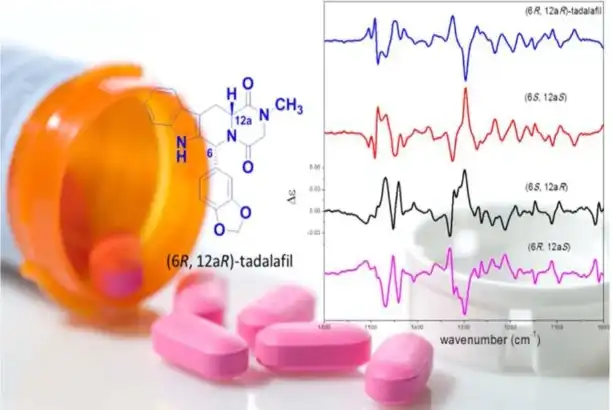
Proper storage and handling of tadalafil bulk powder directly determines whether your finished product delivers consistent, verified potency. As a high-purity API (CAS: 171596-29-5, molecular formula C22H19N3O4, molecular weight 389.4), this white crystalline powder achieves 98% purity when tested via HPLC — but only when handled correctly throughout the supply chain. Whether you are a nutraceutical manufacturer, pharmaceutical formulator, or international distributor, understanding the precise environmental controls this material demands is non-negotiable for maintaining compliance and product efficacy.
Understanding Tadalafil Bulk Powder and Its Sensitivities
As a phosphodiesterase-5 (PDE-5) inhibitor, tadalafil is able to perform its purpose. It does this by increasing the levels of cGMP in smooth muscle tissue, widening blood vessels, and improving blood flow by inhibiting the activity of the PDE-5 enzyme. As a result, it is the primary active pharmaceutical ingredient (API) for drugs that treat erectile dysfunction (ED) and benign prostatic hyperplasia (BPH).
Chemical and Physical Vulnerabilities
Even though it is physiologically stable at therapeutic doses, the raw active pharmaceutical ingredient (API) in powder form has been tested to be sensitive. Moisture causes the crystalline lattice to become disorganised, which in turn accelerates the hydrolytic breakdown process. The impurity profile of the molecule is altered as a result of photo-oxidation, which is caused by prolonged exposure to light, particularly radiation with ultraviolet wavelengths.
Damage to molecules may also occur when they come into contact with oxygen and when temperatures rise beyond 25 degrees Celsius. This has a direct impact on the purity findings of the assay that is performed during HPLC testing. The discovery of these sensitivities at an early stage helps to avoid expensive batch failures. These vulnerabilities must be taken into consideration at every level of the procurement process, from the factory dispatch to the warehouse reception and the internal processing. Procurement managers who source this material are responsible for that.

Storage Best Practices for Tadalafil Bulk Powder
When stored properly, this active pharmaceutical ingredient (API) maintains its 98% purity and may be stored for a full two years. The usable life of tadalafil bulk powder may be dramatically reduced if the conditions are not optimal, which can result in an increase in the price of procurement and a disruption of production plans.
The most significant storage regulations that teams responsible for procurement and warehouse operations should adhere to are as follows:
- For optimal temperature management, maintain the storage compartment in a temperature range of 15°C to 25°C (59°F to 77°F). It is important to avoid regions that are in close proximity to heating equipment, areas that get intense sunshine, or outside walls that are not well sealed. Deterioration is accelerated in a manner that can be observed when the temperature rises over 30 degrees Celsius.
- Management of humidity: The relative humidity should be maintained at or below sixty percent. The formation of caking and the proliferation of microorganisms are both facilitated by high-humidity environments, which makes it more difficult to make appropriate use of raw resources. When desiccant packs are placed into secondary containers, an additional layer of protection against moisture is added.
- Durability of the packaging: Jianbei offers this active pharmaceutical ingredient (API) for sale in aluminium foil bags weighing 1 kilogram and in drums weighing 25 kilograms. Both kinds make use of moisture-barrier polymers that are specifically designed for medical active pharmaceutical ingredients. After the item has been opened, it should be resealed as soon as possible using processes that include an inert environment, if at all feasible. Plastic containers that allow vapour to travel through them should be avoided at all costs.
- Exclusion of light: Containers should be stored in rooms that are reserved exclusively for dark stuff or placed in packaging that is very opaque. It is not recommended to utilise transparent shelves in well-lit buildings.
All of these factors for tadalafil bulk powder work together to protect the sealed shelf life of two years written in the product paperwork. Monitoring storage conditions with calibrated data loggers and doing regular HPLC spot checks on samples that have been kept adds an extra layer of quality assurance that both regulators and internal quality control teams like.
Handling Procedures to Ensure Safety and Quality
When working with raw APIs, it is necessary to do so in a manner that ensures the safety of both individuals and the structure of the product. The presence of even a minute quantity of contamination from a chemical that is very pure might produce regulatory non-conformances in production settings or cause batches that are next to each other to become contaminated.
Personal Protective Equipment (PPE) Requirements
When working with this powder, individuals are required to use protective gear such as rubber gloves, safety goggles, and a mask that is rated at N95 or above. If you receive concentrated active pharmaceutical ingredients (API) on your skin, you need to wash it off as soon as possible with soap and water. Fine pharmaceutical powders might really be hazardous to breathe in while you are at work. Weighing stations are often installed in buildings that comply with GMP standards, and these stations typically have doors that shut and local exhaust ventilation.
Contamination Control and Dosing Accuracy
In facilities that produce more than one product, the most significant issue that arises is the risk of cross-contamination. Only this application programming interface (API) should be used with weighing instruments, scoops, and transfer containers. Recording each cleaning cycle in clean-in-place (CIP) validation logs is something that should be done. It is particularly crucial to make use of precise analytical scales that are accurate to 0.01 g when manufacturing low-dose tablet formulations. This is because precise analytical scales allow for precise dosing. When you utilise the same dosage each and every time, the bioavailability will be the same from batch to batch, which is what the FDA and GMP rules anticipate would happen.
Comparing Bulk Powder Storage and Tablet Forms
It is common practice for procurement specialists to consider if it is more advantageous to obtain completed tablets or raw API powder, such as tadalafil bulk powder. When used on a wide scale, the difference has significant implications for the cost structures, storage logistics, and formulation flexibility of the resulting product. Powdered API in bulk provides producers with more flexibility. You are the one who decides which excipients to use, how powerful the dosage should be, and how the administration system should be manufactured, whether it be pills, oral films, or blended solutions. The sealed shelf life of two years helps with strategic inventory management without the quick expiry pressures that occur with completed dosage items. This is because the shelf life is two years when it is stored correctly. On the other hand, it needs more labour in order to function properly: regulated storage locations, skilled handling workers, and comprehensive quality control records are all important components.
It is simpler to separate product lines when finished tablets are used, but they also make it more difficult to discern between various product lines. Finished tablets make logistics easier farther down the line. Purchasing raw active pharmaceutical ingredients (API) is the most effective long-term approach for a firm that wishes to compete on formulation innovation or service a particular therapeutic area. This decision is supported by these quality criteria. Purchase teams are able to be certain of the documentation in a manner that is seldom feasible when purchasing completed tablets. This is because the use of HPLC-verified purity at 98% or above, together with GC testing for residual solvents and ICP-MS screening for heavy metals, guarantees the paperwork. An audit-ready paperwork bundle that supports both local compliance and international export clearance is provided by suppliers that have qualifications such as Good Manufacturing Practice (GMP), ISO, FDA, HACCP, HALAL, and Kosher certifications.
Selecting the Right Supplier for Tadalafil Bulk Powder
There are several businesses that claim to supply pharmaceutical-grade API, but not all of them can provide evidence to support their claim. In order to differentiate between sources that are reputable and those that are not dependable, a process of review that is organised is required. The vendors that maintain their manufacturing facilities in accordance with GMP standards and who have their own quality laboratories should be given primary consideration. In addition to having two independent laboratories and three specialised manufacturing lines, Jianbei has a workshop that is certified as GMP. Maintaining a consistent batch quality and accelerating testing for lot release are both made easier by this configuration. With permits from the United States Food and Drug Administration (FDA), ISO, HACCP, HALAL, Kosher, and Organic Food organisations, the company is able to fulfil both domestic and international requirements.
In addition, the low minimum order size of 1 kilogram, which is suitable for research and development or test runs, the rapid delivery period of three to seven working days following the confirmation of payment, and the availability of payment methods such as T/T, Alipay, PayPal, XT, or Western Union are all essential practical considerations. Suppliers that provide samples, complete certificates of authority, and prompt expert assistance reduce the risk associated with procurement and shorten the amount of time required for certification.

Conclusion
It is not hard to keep the quality of tadalafil bulk powder API powder up throughout its supply chain lifecycle, but neglect can be very bad. Controls for temperature, humidity, light, and contamination are the absolute minimum that must be met. When you combine those requirements with a supplier who can back up claims of purity with HPLC data, GMP certification, and clear documentation, you get rid of the main reasons why procurement fails. Investing in good storage and reliable suppliers pays off in the long run through steady product performance, legal compliance, and manufacturing efficiency.
FAQ
1. What is the optimal storage temperature for this API?
Keep the powder in a dry, dark place between 15°C and 25°C. Stay away from changes in temperature, as they can put stress on the molecular structure even when temperatures stay the same on average.
2. How do I verify purity before using a new batch?
High-Performance Liquid Chromatography (HPLC) is the standard way to check. Assay compliance is proven by a CoA that shows a main peak area percentage of at least 98% compared to a USP/EP reference standard. Using your eyes alone to judge colors is not scientifically sufficient.
3. What safety precautions are mandatory during handling?
Protect your eyes, nose, and throat with N95 or higher respirators and rubber gloves. Use weighing stations that are sealed and have local exhaust ventilation. Set aside special tools to keep compounds from getting mixed up in sites that make more than one thing.
4. What is the shelf life of factory-sealed material?
The product can be stored for up to two years from the date it was made as long as it is kept sealed, dry, cool, and dark.
Partner with Jianbei for Reliable Tadalafil Bulk Powder Supply
Jianbei Biotechnology brings GMP-certified manufacturing, three dedicated production lines, and dual independent laboratories to every order of tadalafil bulk powder. Our capabilities cover export documentation, variable minimum order quantities starting at 1 kg, and full certification support for FDA, ISO, HACCP, and HALAL. Reach our procurement team directly at sales@bqingbio.com to request a product sample, review batch CoA documentation, and discuss your formulation requirements with our technical specialists.
References
1. United States Pharmacopeia (USP). USP–NF Monographs: Tadalafil. United States Pharmacopeial Convention, 2022.
2. International Conference on Harmonisation (ICH). Q3C(R8): Guideline for Residual Solvents. ICH, 2021.
3. World Health Organization. WHO Guidelines on Good Manufacturing Practices for Pharmaceutical Products. WHO Technical Report Series, 2022.
4. European Medicines Agency (EMA). Guideline on the Specification Limits for Residues of Metal Catalysts or Metal Reagents. EMA, 2020.
5. Shindel, A. W., & Lue, T. F. "Physiology of Penile Erection and Pathophysiology of Erectile Dysfunction." Campbell-Walsh Urology, Elsevier, 2021.
6. U.S. Food and Drug Administration. Guidance for Industry: Q1A(R2) Stability Testing of New Drug Substances and Products. FDA, 2003.
Pregabalin powder—formally documented under CAS 148553-50-8 with molecular formula C8H17NO2 and molecular weight 159.23—represents one of the most precisely engineered active pharmaceutical ingredients (APIs) in today's neuropathic pain market. X-pregabalin powder is a white or off-white crystalline powder synthesized as a gamma-aminobutyric acid (GABA) derivative. Its controlled manufacturing process, from raw material selection through final API crystallization, directly determines the purity, bioavailability, and clinical reliability that bulk pharmaceutical buyers, nutraceutical manufacturers, and international distributors require when selecting a dependable long-term supplier.
Understanding the X-Pregabalin Powder Synthesis Process
The process of making pregabalin is very clear and involves several steps. Starting with precursors made from isobutyraldehyde, the reaction sequence uses asymmetric synthesis to make the (S)-enantiomer, which is the active form in drugs. At this point, chiral resolution is a must because the inactive (R)-enantiomer doesn't help with therapy and makes impurity profiles bigger.
Key Chemical Reactions and Critical Control Points
The synthesis is based on a Michael addition and then chemical or enzyme resolution. Some important control points are the reaction temperature, the pH level, and the choice of solvent. Each of these factors has a direct effect on the yield and the accuracy of the stereochemistry. After it is made, the crude pregabalin goes through processes of recrystallization and washing to meet the 98% level that pharmaceutical buyers require. Before being released, every batch made at Jianbei Biotechnology's GMP-certified workshop goes through HPLC testing, which is the main analytical method used to prove both the chemical identity and content regularity.
Mechanism of Action and Pharmacokinetic Relevance to Formulation
Pregabalin preferentially binds to the alpha-2-delta subunit of voltage-gated calcium channels in the brain and spinal cord. This stops the release of chemicals that make nerve cells excited. This is how it works in the real world to help with neuropathic pain, partial-onset epilepsy, and fibromyalgia. The powder form is ideal for capsule filling, extended-release tablet pressing, and new delivery research that includes transdermal and liquid suspension systems because it is highly bioavailable when taken by mouth (approximately 90% at lower doses) and its pharmacokinetics are linear.

Quality Control and Safety Measures in Pregabalin Powder Production
People who buy a lot of APIs like X-pregabalin powder know that quality assurance isn't just one stop, but a process that's built into every step of the production process. Jianbei Biotechnology has three dedicated production lines in a GMP-standard workshop that are supported by two separate labs. This lets them test things at the same time without stopping production.
Analytical Validation and Certification Framework
HPLC is still the best way to make sure that pregabalin is pure, meeting the 98% requirement. Spectroscopic methods, such as IR and NMR analysis, check the structure at the molecular level to make sure it is solid. Heavy metal screening and bacterial limit tests check for safety factors that are important for pharmaceutical-grade compliance. The product comes with a long list of certifications:
Jianbei's pregabalin API is registered with the FDA and meets ISO, GMP, HALAL, KOSHER, HACCP, and Organic Food standards. This wide range of certifications ensures that buyers who want to sell in the US, EU, Middle East, and Southeast Asia can meet the rules in those areas without having to find products from more than one seller. This collection of compliance documents makes due diligence a lot easier for foreign buyers and speeds up the time it takes to enter a new market.
These quality controls get rid of batch inconsistency, which is the biggest risk in buying pharmaceuticals from other businesses, and give R&D directors, QC managers, and regulatory affairs teams the recorded tracking they need.
Comparing X-Pregabalin Powder to Other Forms and Competitors
Looking at X-pregabalin powder against other types and brands.
Powder vs. Finished Dosage Forms: Why Bulk API Matters
Pharmaceutical-grade pregabalin powder is much easier for OEM manufacturers and formulators to work with than capsules or tablets that have already been made. The bulk API style gives you full control over the dosage strength, choice of excipients, and planning of the release profile. This adaptability lets both immediate-release and extended-release formulas be made in the same manufacturing process, which is very important for businesses that have a lot of different products.
Pregabalin vs. Gabapentin: A Procurement Perspective
The older drug, gabapentin, has non-linear metabolism and is less bioavailable when taken by mouth than pregabalin. When procurement workers compare these two APIs, they should look at the difference in dose efficiency. Pregabalin has similar pain-relieving effects at lower total doses, which often means it is more cost-effective at scale, even though it costs more per kilogram. Because pregabalin's absorption rate is consistent, it is easier to figure out the right dose for veterinary medicines that treat chronic pain in small animals.
Since Lyrica's patent expired, generic pregabalin bulk powder has made it much easier for more people to get it. However, the purity specifications, stereospecific content, and impurity profiles of different generic providers are very different. Buyers should give more weight to suppliers who include a certificate of analysis (CoA) with every batch, not just when asked.

Procurement Insights: Sourcing X-Pregabalin Powder in Bulk
A structured supplier evaluation process is needed for reliable API procurement of X-pregabalin powder. In the mass market for pregabalin, the following factors set reliable producers apart from commodity brokers:
- Regulatory Certification Depth: Along with market-specific approvals, suppliers should have GMP certification that can be checked. Jianbei Biotechnology's FDA registration and dual-laboratory facilities directly meet the paperwork needs of both the US and EU imports.
- Minimum Order Flexibility: A minimum order quantity of 1 kg lets you test a pilot batch before committing to larger volumes. This lowers the risk of buying for new partnerships.
- Packaging Integrity: Pregabalin powder is sent in either 1 kg aluminum foil bags or 25 kg drums. Both are made to stay stable while traveling across borders and meet pharmaceutical packaging standards.
- Delivery Reliability: A 3–7 working day dispatch window after payment, with options for T/T, Alipay, PayPal, Western Union, and XT, gives procurement teams operational predictability for planning production schedules.
Logistics handling is just as important as the quality of the product. Pregabalin bulk API needs to be kept in a cool, dry place and has a two-year protected shelf life. Supply chain responsibility is shown by suppliers who give clear cold-chain instructions and packing that fits these conditions. Jianbei's export-only powder service is set up to quickly and easily serve buyers from other countries who buy pharmaceuticals and nutraceuticals.
Future Trends and Innovation in Pregabalin Powder Production
The market for medicines that treat neuropathic pain is still growing, and pregabalin is still in high demand in North America, Europe, and the Asia-Pacific region. Efforts to harmonize regulations, especially those that match ICH Q7 API GMP rules with local standards, are raising the quality bar across all producing regions. This is good for buyers who have already worked with certified makers.
New developments in synthesis are centered on green chemistry methods, such as lowering the amount of liquid waste, making catalysts more efficient in chiral resolution, and lowering the amount of energy used during crystallization. Not only do these improvements help the environment, but they also lower the cost of making each unit. This is a clear benefit that goes up the supply chain and is passed on to bulk buyers who are discussing long-term contracts.
Quality control at the production level is changing because of digitization. In GMP workshops, AI-assisted spectral analysis and IoT-enabled environmental tracking are moving from being pilot projects to becoming normal practice. When suppliers use these technologies together, they can offer real-time batch release data and remote auditing, which are tools that global procurement teams are asking for more and more as part of supplier qualification checks.

Conclusion
X-pregabalin powder, which is made in GMP-certified facilities and is 98% pure, is an example of an API group that is technically mature but always changing. Every part of quality production, from the carefully managed asymmetric synthesis to the multi-certification compliance system, has a direct effect on how well the mixture works and how well it meets regulatory requirements. Purchasing managers who look at sources based on more than just price—like how many certifications they have, how well they do their analysis, and how open their supply chains are—set their companies up for long-term product quality and regulatory trust.
FAQ
1. What is the difference between X-pregabalin powder and pregabalin capsules for bulk procurement?
As an unformulated API, X-pregabalin powder is used by manufacturers to make finished dosage forms like capsules, tablets, and new delivery systems. Buying powder in bulk gives you full control over the formulation parameters, the compatibility of the excipients, and the dosage design, which you can't do with pre-made capsules. Bulk API is the usual starting material for OEM manufacturers and R&D teams that are trying out new ways to deliver content.
2. What certifications should a pregabalin API supplier hold for US and EU markets?
To get into the US market, providers should at least have GMP approval and FDA registration. The HACCP food safety management standards and ISO quality management certification add to the support for compliance documentation. All of these, along with HALAL, KOSHER, and Organic Food certifications, are held by Jianbei Biotechnology. This gives them access to a wide range of markets in North America, Europe, and the Middle East.
3. What are the optimal storage conditions for pregabalin bulk powder?
The crystallized powder form of pregabalin should be kept somewhere dry, cool, and out of direct light and moisture. When sealed, food stays fresh for two years longer. Aluminum foil bags for 1 kg units and drums for 25 kg amounts can both meet these storage needs while in transit and while being held in a building.
Partner with Jianbei for Certified Pregabalin API Supply
Jianbei Biotechnology has a mature research and development team, three GMP production lines, and a wide range of certifications to serve pharmaceutical companies and nutritional brands all over the world. We are a reliable source for X-pregabalin powder, and we offer export-ready API with full instructions, customizable MOQs starting at 1 KG, and 3–7-day shipping. Contact our procurement team directly at sales@bqingbio.com to request a batch-specific CoA and competitive bulk quote today.
References
1. Bryans, J. S., & Wustrow, D. J. (1999). 3-Substituted GABA analogs with central nervous system activity: A review. Medicinal Research Reviews, 19(2), 149–177.
2. Dworkin, R. H., et al. (2003). Advances in neuropathic pain: Diagnosis, mechanisms, and treatment recommendations. Archives of Neurology, 60(11), 1524–1534.
3. Taylor, C. P., Angelotti, T., & Fauman, E. (2007). Pharmacology and mechanism of action of pregabalin: The calcium channel alpha2-delta subunit as a target for drug discovery. Epilepsy Research, 73(2), 137–150.
4. ICH Harmonised Guideline Q7: Good Manufacturing Practice Guide for Active Pharmaceutical Ingredients. International Council for Harmonisation of Technical Requirements for Pharmaceuticals for Human Use, 2000.
5. Stahl, S. M. (2004). Anticonvulsants as anxiolytics, part 2: Pregabalin and gabapentin as alpha(2)delta ligands at voltage-gated calcium channels. Journal of Clinical Psychiatry, 65(4), 460–461.
6. Moore, R. A., et al. (2009). Pregabalin for acute and chronic pain in adults. Cochrane Database of Systematic Reviews, Issue 3, CD007076.