- English
- French
- German
- Portuguese
- Spanish
- Russian
- Japanese
- Korean
- Arabic
- Greek
- German
- Turkish
- Italian
- Danish
- Romanian
- Indonesian
- Czech
- Afrikaans
- Swedish
- Polish
- Basque
- Catalan
- Esperanto
- Hindi
- Lao
- Albanian
- Amharic
- Armenian
- Azerbaijani
- Belarusian
- Bengali
- Bosnian
- Bulgarian
- Cebuano
- Chichewa
- Corsican
- Croatian
- Dutch
- Estonian
- Filipino
- Finnish
- Frisian
- Galician
- Georgian
- Gujarati
- Haitian
- Hausa
- Hawaiian
- Hebrew
- Hmong
- Hungarian
- Icelandic
- Igbo
- Javanese
- Kannada
- Kazakh
- Khmer
- Kurdish
- Kyrgyz
- Latin
- Latvian
- Lithuanian
- Luxembou..
- Macedonian
- Malagasy
- Malay
- Malayalam
- Maltese
- Maori
- Marathi
- Mongolian
- Burmese
- Nepali
- Norwegian
- Pashto
- Persian
- Punjabi
- Serbian
- Sesotho
- Sinhala
- Slovak
- Slovenian
- Somali
- Samoan
- Scots Gaelic
- Shona
- Sindhi
- Sundanese
- Swahili
- Tajik
- Tamil
- Telugu
- Thai
- Ukrainian
- Urdu
- Uzbek
- Vietnamese
- Welsh
- Xhosa
- Yiddish
- Yoruba
- Zulu
Ginseng extract powder is a concentrated plant-based ingredient that comes from the roots of Panax ginseng (Asian ginseng) or Panax quinquefolius (American ginseng). The roots are extracted, filtered, and spray-dried in a normal way. This dark powder is a very good source of ginsenosides, which are the main bioactive saponins in the plant that give it its adaptogenic qualities. Unlike raw ginseng root, which has a wide range of active compound concentrations, this extract is strictly standardised until it reaches 98% purity. This ensures consistency from batch to batch, which is important for dietary supplements, functional foods, cosmetic formulations, and pharmaceutical uses. The extraction gets rid of plant matter that is fibrous while keeping beneficial molecules. This makes finished goods more soluble and bioavailable.
Understanding Ginseng Extract Powder
Ginseng extract is made using complex methods that turn raw plant material into an ingredient that is safe for use in medicines. Modern extraction uses ethanol-water solvent systems to separate ginsenosides while reducing heavy metals and chemical leftovers, which are important for international trade compliance. This process takes into account the biological unpredictability that comes with farming raw materials, which has been a problem in the past for companies that needed to control exact formulations.
Species and Processing Variations
Chemical profiles are different for each type of ginseng. Asian ginseng, also known as Panax ginseng, usually has higher amounts of ginsenosides Rb1 and Rg1, which are chemicals that help the nervous system and brain function. The saponin ratio in American ginseng (Panax quinquefolius) is different, which gives it cooling qualities that are valued in traditional medicine. When red ginseng is steamed and then dried, ginsenosides are chemically changed into new metabolites that are better at fighting free radicals. White ginseng is processed as little as possible, so its original complex structure is kept. These processing choices have a direct effect on how well the extract works in final apps.
Standardisation and Active Compounds
Ginsenosides make up about 2% to 3% of raw ginseng root, but they can be concentrated to 5% to 80% in extract powders by purifying them in several steps. Our 98% standard product (CAS 90045-38-8) goes through HPLC testing at Jianbei Biotechnology to make sure it has the right amount of ginsenoside, which is important for pharmaceutical stability. The measured active fraction is made up of molecules with the formula C₁₅H₂₄N₂O and a weight of 248.37. Standardisation fixes manufacturing problems by making it possible to accurately calculate dosages. For example, a 500mg capsule of 20% extract contains 100mg of active ginsenosides, while a lot more raw powder would be needed to get the same effect.
Industrial Applications Across Sectors
There are a lot of different businesses that can use ginseng extract powder. Its compressibility and bulk density make it easy to package and tablet in dietary supplements. Functional beverage makers use grades that dissolve in water and stay steady in acidic environments (pH < 4.0), which keeps energy drinks from precipitating. Cosmeceutical formulators use the extract to make anti-ageing serums. The polyphenols in the extract help make collagen and improve blood flow to cells. Pharmaceutical companies use GMP-grade products as fillers or active ingredients in plant medicines. Ginsenosides are in high demand across many industries because they have been shown to boost defence cells, keep glucose levels in check, and improve heart health in a lot of clinical studies.
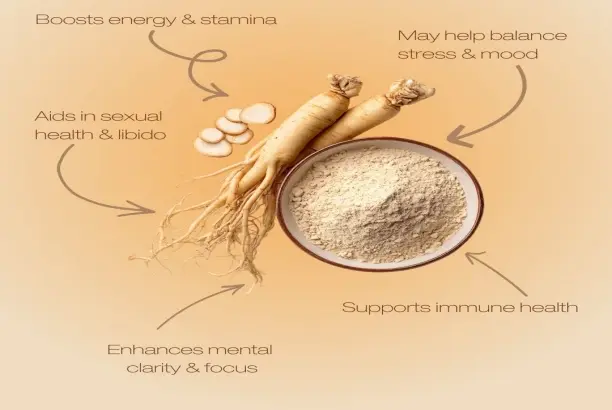
Comparing Types and Quality of Ginseng Extract Powder
To make good purchasing choices, you need to know the subtle differences between the different types of extract, as each is best for a different manufacturing situation and a different way of placing the product in the market.
Red vs. White Ginseng Extracts
When red ginseng is steamed, it makes Maillard reaction products and changes native ginsenosides into rare compounds like Rg₃ and Rh₂, which have higher effects on the immune system. Red ginseng products are very expensive because they have more bioactivity and a lot of clinical evidence to back them up. White ginseng extracts keep the original ginsenoside profile of the plant, so they have lower adaptogenic benefits that are good for everyday health items. Companies that make high-performance sports nutrition or clinical-grade supplements tend to choose red ginseng. On the other hand, companies that make multivitamins for the mass market tend to choose white ginseng because it is cheaper without losing basic utility.
Organic Certification and Purity Standards
Organic ginseng extracts and ginseng extract powder are popular with natural product brands and high-end consumers because they meet strict farming rules that don't allow man-made chemicals and fertilisers. These approved products go through extra tests to look for over 200 pesticide residues and meet the standards set by the USDA, the EU, and JAS. Our sites have FDA registration, ISO, HALAL, HACCP, and GMP standards, which lets them sell their products all over the world. Even though conventional extracts are cheaper, they still have to be tested for heavy metal screening like lead, cadmium, mercury, and arsenic, as well as microbes, to make sure they meet pharmacopeial standards. The price difference between organic and standard types is usually between 30 and 60%. This is because the supply chain has to be carefully checked, and farmers can only grow so much food.
Powder vs. Capsule Forms for Manufacturing
OEM and private-label producers who are making their own recipes have the most options when they use bulk powder. The dark powder mixes easily with other ingredients, so the amount can be changed precisely when it is mixed with plants that work well together, like Rhodiola or Ginkgo biloba. Pre-encapsulated products can make their supply lines easier with smaller names, but they can't be changed in terms of the formulation. Powder also comes in a variety of delivery forms, such as sachets, effervescent pills, and skin treatments. Capsules, on the other hand, can only be taken by mouth. Granulated powders make it easier for high-speed sealing equipment to work, which cuts down on production slowdown and improves the accuracy of fill weight. These technology issues have a big effect on how efficiently products are made and how much they cost in the end.
Quality Assessment Protocols
Reviewing the supplier's certificates is the first step in figuring out how good they are. In addition to ISO certification, you should also check for GMP compliance with plant products, which means controlled environmental conditions and proven cleaning methods. Ask for Certificates of Analysis (CoA) that show ginsenoside profiles through HPLC, not just total saponin levels, since that can include drugs that don't do anything. Third-party testing, like those done by Eurofins or SGS, is an objective way to check that purity claims are true. Check the stability of your source by looking at their audit and recall history. Well-known makers keep full batch traceability that connects the finished product to the field harvest. With three production lines and two separate labs, we can keep an eye on quality in real time and make sure that every 25 kg drum or 1 kg metal foil bag meets the requirements before it is shipped.
Safe Usage and Dosage Guidelines for Ginseng Extract Powder
Standard Dosing Across Product Categories
For brain and immune system benefits, clinical studies usually use 200-400 mg per day of a standardised substance that has 4-7% ginsenosides. Higher concentrations (8–20% ginsenosides) at 100–200 mg doses are often used in energy products to get quick benefits without using too much. Cosmetic formulas use 0.5 to 2% extract content in finished creams or serums, which strikes a balance between stability and effectiveness. Our ginsenoside-rich extract allows for smaller serving sizes, which is a big plus when making portable forms like travel-friendly sachets or single-serve beverage shots where ingredient addition is limited by volume.
Formulation Best Practices
Ginseng extract powder is very stable when kept in a cool, dry place. If properly sealed, it will stay effective for two years. During production, don't mix ginsenosides with strong oxidising agents, because they break down in pH levels below or above 9.0. For use in drinks, add the extract after it has been pasteurised to keep the thermolabile chemicals safe. Antioxidant systems, like vitamin E and rosemary extract, help cosmetics keep their ginsenosides safe while they're on the shelf. Maltodextrin and other water-soluble ingredients help quick drink mixes mix better. Our mature R&D team has a lot of experience formulating a wide range of products, which is where these technical ideas come from.
Regulatory Compliance Considerations
Under DSHEA, the FDA rules ginseng extracts as dietary ingredients. Without pre-market approval, producers must make sure that their products are safe and that the labels are correct. But promises about structure-function must be backed up, and disease treatment terms should be avoided. For some ginsenoside concentrations, European markets need Novel Food clearance, while Health Canada's Natural Health Products Directorate needs product licence. Our wide range of certifications, such as kosher and halal, makes it easier to get into niche areas. Exporters also have to deal with heavy metal limits and microbial requirements that are specific to each country. Our GMP standard workshop and approved testing methods make sure that all global regulatory frameworks are followed consistently.
How to Choose and Source Ginseng Extract Powder for Your Business?
Making strategic buying choices that combine quality assurance, supply chain dependability, and cost optimisation are all important for staying competitive.
Supplier Selection Criteria
Give more weight to makers whose vertically integrated operations are fully merged, from growing the plants to extracting the oil. This makes sure that the quality is consistent and can be tracked. Check the analytical capabilities of the seller by asking for method validation data for ginsenoside quantification. Suppliers who use old spectrophotometric methods instead of HPLC don't have the accuracy needed for pharmaceutical uses. Check how much can be made by inspecting the factory or getting a report from a third party. For example, our factory has three dedicated production lines that can handle orders from 1 kg to many tonnes without affecting the quality of each batch. Check how quickly they respond to customer service requests and how much technical support they offer. Our team can help with recipe advice and stability testing, which adds value beyond just providing basic ingredients.
Pricing Structures and Bulk Benefits
Ginseng extract prices depend on a number of factors, including the species (Asian ginseng costs more), the ginsenoside concentration (purer ginseng costs more), the type of certification status (organic certification adds 30–50%), and the order volume. When you buy in bulk, you can save 15–25% on prices, but the minimum order requirements vary from seller to dealer. Our competitive price plan works for both new brands that want to try us out with 1 kg orders and well-known names that need a steady supply of many tonnes. Different types of businesses can use payment options like telegraphic transfer, Alipay, PayPal, and Western Union. Quote methods that are clear and break down the costs of raw materials, processing, testing, and transportation help people make smart budget decisions and avoid surprises during scaling.
Logistics and Lead Time Management
Standard shipping times of 3-7 working days after payment support just-in-time inventory tactics, which lower the cost of storing goods. But foreign shipping adds factors—like clearing customs, meeting paperwork needs, and choosing a freight forwarder—that can make schedules longer. Our service model for exports includes help with paperwork like certificates of origin, hygiene certificates, and certificates of assay, which speeds up the customs process. Different packaging options, like 1 kg metal foil bags for samples and 25 kg drums for production, make the most of freight economy while keeping the quality of the product safe during transport. Having relationships with several qualified suppliers lowers your risk when there are problems with your supplies. However, sticking with one main seller will usually get you better technical help and better terms.
Direct Sourcing vs. Marketplace Platforms
Direct manufacturer relationships give you more information about how products are made, how they meet quality standards, and where the ingredients like ginseng extract powder, come from, which is very important for regulatory checks that need supply chain paperwork. Platforms bring together sellers, but they may hide the details of how the goods are made and add markups for the middlemen. Direct sourcing lets you make changes, like changing the profiles of ginsenosides or processing ginseng extract powder together with other products that work well together. Working directly with technology teams that know what your application needs makes communication go more smoothly. Our offices in Guangzhou Software Park use cutting-edge IoT technology to keep an eye on production in real time. This gives customers a unique view of the state of their orders and quality checkpoints at all times during the manufacturing process.
Conclusion
To choose the right ginseng extract powder, you need to weigh the technical specs, quality approvals, and supplier's abilities against your product needs and where you want to place it in the market. Standardised ginsenoside content ensures constant biological activity, which makes the extract useful in a wide range of nutraceutical, cosmetic, and medicinal uses. When procurement workers know the differences between species, processing methods, and purity grades, they can make choices that improve both product performance and cost efficiency. Examining a supplier's licenses, analysis skills, and production infrastructure in a thorough way lowers supply chain risks and makes sure that regulations are followed in all global markets. More and more people want botanical products that have been proven to work. To stay ahead of the competition, work with makers that offer full technical support, flexible order amounts, and clear quality systems.
FAQ
1. Is ginseng extract powder safe for all product applications?
Ginseng extract powder exhibits excellent safety ratings across dietary supplements, functional foods, and cosmetic applications when purchased from approved producers that meet FDA, ISO, and GMP standards. Our 98% pure standard is checked carefully for heavy metals, chemical residues, and microbial contamination to make sure it meets international safety standards. Using the right ingredients in the right amounts helps companies follow the rules and gives customers trust.
2. How does ginseng extract powder differ from raw ginseng root?
Two to three per cent of raw ginseng root is made up of ginsenosides, but the amount varies a lot from batch to batch because of how it was grown, when it was harvested, and how it was stored. Extract powder brings these active substances to standard levels (usually 5–98%), gets rid of plant fibres that get in the way of bioavailability, and lets you make exact dosages. This standardisation gets rid of the variations that come with farming materials, making them reliable enough for industrial manufacturing at a pharmaceutical level.
3. What methods verify extract authenticity and purity?
HPLC analysis is still the best way to measure ginsenoside levels because it gives accurate results that prove the species identity and find fakes. Asking for third-party COAs from approved labs proves what the seller says. Microscopy can find pollutants in plant tissue, but DNA barcoding is the only way to be sure of the species. These tests are done on every batch of our products by two separate labs, and the results can be seen by customers who want to check them.
Partner with Jianbei for Premium Ginseng Extract Powder Supply
Jianbei Biotechnology uses cutting-edge extraction technology and thorough quality control systems to make ginseng extract powder that is pharmaceutical-grade and meets the strictest global standards. Our GMP-certified facility has three dedicated production lines and two separate labs that work with them to make sure that every package, from 1 kg samples to large orders, meets the 98% purity standard written in our COA. We are technically different from commodity sellers because we have 15 national idea patents and 8 utility model patents that cover core extraction processes. Our experienced research and development team can help you come up with the best ways to use this flexible plant in food supplements, functional drinks, cosmetics, or medicines. With our FDA registration, ISO, HALAL, HACCP, and kosher certifications, we make it easier for companies that want to sell ginseng extract powder in North America, Europe, and the Middle East to follow all foreign rules. You can talk to our team at sales@bqingbio.com about your specific needs, ask for samples, or look into our cheap bulk price structures that are made for both new and established nutraceutical businesses. Delivery in 3–7 business days and a variety of payment choices help keep buying rounds running smoothly.
References
1. Kim, J.H., et al. (2018). "Pharmacological and Therapeutic Applications of Panax ginseng and Ginsenosides: A Review for Use in Cardiovascular Diseases." Journal of Ginseng Research, 42(3), 264-269.
2. Leung, K.W. & Wong, A.S. (2021). "Ginseng Extracts and Compounds: Molecular Mechanisms of Their Beneficial Effects in Metabolic Syndrome." Current Pharmaceutical Design, 27(12), 1453-1465.
3. Park, S.K., et al. (2020). "Quality Control and Standardization of Ginseng Products: Analytical Approaches and Regulatory Considerations." Planta Medica, 86(4), 223-238.
4. Yun, T.K. (2019). "Experimental and Epidemiological Evidence on Non-Organ Specific Cancer Preventive Effect of Korean Ginseng and Identification of Active Compounds." Mutation Research, 768(2), 118-128.
5. Ramalingam, S. & Kim, S.J. (2022). "Standardization and Quality Assessment of Botanical Extracts: Case Studies in Ginseng Processing Technologies." Food Chemistry, 385, 132614.
6. Chen, W., et al. (2020). "Industrial Production and Quality Assurance of Panax ginseng Extracts: From Raw Material to Finished Product." Journal of Pharmaceutical and Biomedical Analysis, 178, 112924.