- English
- French
- German
- Portuguese
- Spanish
- Russian
- Japanese
- Korean
- Arabic
- Greek
- German
- Turkish
- Italian
- Danish
- Romanian
- Indonesian
- Czech
- Afrikaans
- Swedish
- Polish
- Basque
- Catalan
- Esperanto
- Hindi
- Lao
- Albanian
- Amharic
- Armenian
- Azerbaijani
- Belarusian
- Bengali
- Bosnian
- Bulgarian
- Cebuano
- Chichewa
- Corsican
- Croatian
- Dutch
- Estonian
- Filipino
- Finnish
- Frisian
- Galician
- Georgian
- Gujarati
- Haitian
- Hausa
- Hawaiian
- Hebrew
- Hmong
- Hungarian
- Icelandic
- Igbo
- Javanese
- Kannada
- Kazakh
- Khmer
- Kurdish
- Kyrgyz
- Latin
- Latvian
- Lithuanian
- Luxembou..
- Macedonian
- Malagasy
- Malay
- Malayalam
- Maltese
- Maori
- Marathi
- Mongolian
- Burmese
- Nepali
- Norwegian
- Pashto
- Persian
- Punjabi
- Serbian
- Sesotho
- Sinhala
- Slovak
- Slovenian
- Somali
- Samoan
- Scots Gaelic
- Shona
- Sindhi
- Sundanese
- Swahili
- Tajik
- Tamil
- Telugu
- Thai
- Ukrainian
- Urdu
- Uzbek
- Vietnamese
- Welsh
- Xhosa
- Yiddish
- Yoruba
- Zulu
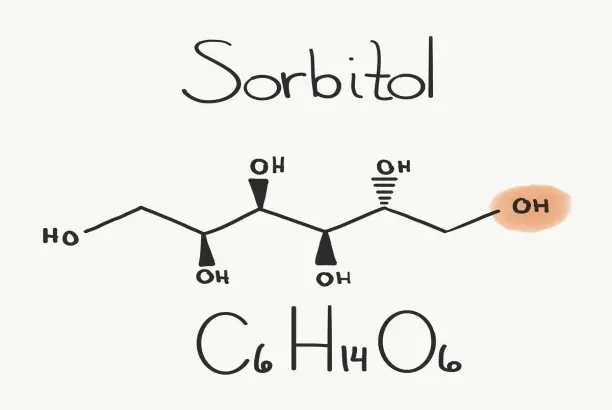
As long as it is used the right way, sorbitol powder is safe to eat. Regulatory groups such as the FDA and EFSA have said that food-grade sorbitol is usually safe for people to eat (GRAS). If you want to buy sorbitol powder bulk for your business, you should make sure that it is approved, extremely pure, and meets standards for food or medicine. Something called C6H14O6 makes sure that all kinds of things work the same way, from medicine tablets to sugar-free candies.
What Is Sorbitol Powder Bulk and What Are Its Common Uses?
Drug businesses that want to make new medicines that work well and don't cost a lot of money need to use sorbitol powder bulk. When buying teams know about the properties of an item and how it can be used, they can make choices that meet output goals and legal requirements.
Production Process and Chemical Profile
With the help of a catalyst, glucose from corn starch or tapioca is hydrogenated to make sorbitol (D-Glucitol, CAS 50-70-4). Factory settings like ours use enzymes to break down glucose and then nickel-based catalysts for high-pressure catalytic hydrogenation to make glucose. The solution is then turned into crystals, cleaned by using activated carbon to remove colour, and dried in a vacuum until there is less than 1% wetness left. A white solid powder with a molecular weight of 182.17 is made by this controlled process. This keeps the powder the same from one batch to the next, which is important for factories that make a lot of different things. GMP rules are followed in our workshop and three production lines, and HPLC tests are used to make sure they are clean. They give standards for 98% purity that meet international rules.
Functional Applications Across Industries
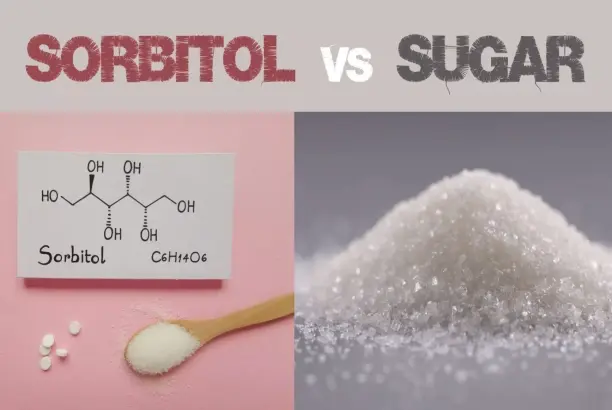
D-Glucitol is useful in many fields because it can be used to fix certain issues in manufacturing. In the drug business, it is a key filler and solvent for making direct compression tablets. Because it is very easy to crush, pills become harder while still breaking down quickly. Sugar-free sweets need it because it doesn't make carbs and gives about 60% of the sweetness of sucrose with only 2.6 kcal/g, while sugar has 4 kcal/g. Because it keeps wetness in, it helps baked goods and frozen treats last longer in the food business. It does this by acting as a cryoprotectant, which means that proteins don't get broken down when they freeze and thaw. It is used as a humectant and texturiser in makeup to keep the product firm and keep creams and lotions from drying out.
Differentiating Sugar Alcohols in Formulation
Figuring out the differences between polyols will help you pick the best one for your product. Xylitol is sweeter and cools better than sorbitol powder bulk, but sorbitol powder bulk is better at controlling how wet something is and staying stable at high temperatures while it is being processed. The sweetness of maltitol is almost the same as that of sugar, but it crystallises in a different way. Mannitol is better at cooling things down, but it's not good at keeping moisture in, which is what humectants are used for. Simply replacing an ingredient is not as smart when it comes to taste, mouthfeel, and processing factors. Instead, choosing the right ingredient is the smart thing to do.
Is Sorbitol Powder Bulk Safe to Consume?
One responsible way to buy ingredients is to make sure they are safe. This is especially important for things that people will eat or use in medicine. People believe that the production of sorbitol powder on a large scale can be integrated when the government and scientists back it up.
Global Regulatory Framework and Certifications
International governing bodies have carefully looked into sorbitol's safety using in-depth chemistry studies and data from decades of real-world use. The FDA gave it GRAS status, and the EFSA set an ADI of "not specified", which means that normal amounts of use don't pose any safety risks. Our sorbitol powder bulk is safe to use all over the world because it has many certifications, including FDA registration, ISO, HALAL, HACCP, GMP, Kosher, and organic food approvals. It's clear from these credentials that the company follows strict rules when making things, like where to get raw materials, how to keep the workplace safe, and how to make sure the products are of good quality. Each batch comes with a Certificate of Analysis that shows the levels of purity, the results of the heavy metal screening, and the results of the microbial tests. Because it shows a clear line of proof, this is important for quality checks and reports to the government.
Consumption Guidelines and Tolerance Levels
Sorbitol is very safe, but to make the best recipe decisions, you need to know how it affects the body. Due to the fact that the polyol isn't fully absorbed in the small intestine, eating too much of it may cause short-term stomach pain in people who are sensitive. Researchers have found that everyone has a different amount of tolerance. Ten to twenty grammes of weed a day, split into two or three doses, is safe for most people to use. When it comes to making products, this means carefully planning the sizes that are both useful and comfortable for the customer. Higher doses of the substance are used for medical reasons because it makes people go to the bathroom more often. Medical-grade sorbitol helps people who are constipated by making the body more hydrated and speeding up the movement of food through the intestines. Being both a useful material and a medicine shows how important it is to know the exact amount when making new things.
Quality Assurance in Bulk Procurement
It is always important to follow safety rules, from picking the right service to keeping and treating things the right way. A lot of high-purity sorbitol powder bulk cuts down on the flaws and other things that could make a product dangerous or not follow the rules. We use closed-loop processing methods at our plant to keep the area clean, and an outside lab checks the work at different stages of production. Because this stuff soaks up water quickly, it needs to be kept in dry, cool places, ideally in sealed aluminium foil bags or fibre drums that keep water out. Buying teams can get the most out of their inventory management because the goods will last for two years if they are stored properly. Checking seller certifications, asking for proof of third-party testing, and doing regular quality checks are all parts of quality assurance systems that protect brand image and customer safety.
How to Use Sorbitol Powder in Bulk Safely in Industrial Applications?
When adding sorbitol powder bulk to industrial processes, it's important to follow the rules for handling, formulating, and quality control. This will make sure that the products always work correctly and follow the rules.
Storage and Handling Best Practices
Sorbitol powder easily absorbs water, so it needs to be kept dry at all times during the supply chain. As soon as the goods arrive, check that the packaging is stable and move them to climate-controlled storage areas where the temperature stays between 15°C and 25°C and the humidity stays below 60%. When containers are closed, water can't get inside and cause things to clump or cake, which can make automatic pouring systems less useful. Rotate your collection so that first-in, first-out (FIFO) items are used before they go bad after two years. When working shifts, people who work with powder should wear the right safety gear, like dust masks, because tiny particles can make the lungs hurt. By using special tools made just for that job, materials that don't work with polyol don't get mixed in. Batch codes make it easy to keep track of a specific lot and act quickly if there are quality issues. This protects both the manufacturer's liability and the customer's safety.
Formulation Integration Strategies
It is important to know how sorbitol works with other ingredients before it can be used in products. It is common for the amount of active ingredients mixed in when making pharmaceutical tablets to be between 25 and 75% by weight. Getting the right hardness and dissolving profiles for the active pharmaceutical ingredients, binders, and disintegrants is how this is done. Many sugar-free candies may have between 40 and 60% sorbitol mixed in with other polyols to make them taste better and lower the ability to make you go to the bathroom. When you bake, 5 to 15% less sugar is good because it keeps the dough moist without making it too sweet. About 2 to 10 per cent is what cosmetics use to get the humectant benefits without leaving a sticky film. To make sure that a formula is stable, it is tested in conditions that are similar to those that will be used for storage. Studies that speed up the ageing process show any issues that might come up with crystallisation or phase separation. You can speed up the development process by working with ingredient providers that offer technical help. You can also use their knowledge of formulation to avoid making common mistakes.
Quality Verification and Documentation
For each shipment of sorbitol powder bulk that comes in, receiving inspection procedures should be used to make sure that the specs match the order agreements. The Certificate of Analysis (COA) lists the tests that were done to check for heavy metals, the amount of moisture, the range of particle sizes, and the number of microbes that were present. Keep these papers in case the government audits or looks into how to track things. Independent lab results are regularly compared to maker specs by a third party, which backs up what suppliers say. When you use Supplier Quality Agreements (SQAs), it's clear what standards and testing methods are expected, as well as how to let others know about changes to specs and make things right. Facilities that make goods for controlled markets keep detailed batch records that link certain lots of raw materials to finished goods. This lets you quickly send things back if they don't work. This method for keeping records shows officials that the right steps were taken and protects people legally in case they are found responsible.
Conclusion
It is safe, useful, and inexpensive to buy sorbitol powder in bulk. This powder can be used in many places, like industries, foods, medicines, and cosmetics. It has been fully approved by regulators and has been used in the real world for decades. This gives responsible product makers the safety promise they need. Knowing how it works compared to other sweeteners helps formulators make smart decisions that improve the performance and marketing of their products in the market. To buy something, you need to carefully look at the sellers, follow the rules for quality control, and make sure that the supply chain stays open by coordinating processes. Because of how safe the compound is and how it should be handled and dosed, it can be put to many goods that people all over the world buy.
FAQ
1. What daily intake level is considered safe for sorbitol?
The EFSA and other regulatory groups have not set a clear Acceptable Daily Intake (ADI) limit for sorbitol. This means that normal amounts of use are safe. Anywhere from 10 to 20 grammes a day is fine for most people, but everyone has a different limit. To make sure users have a good experience, people who make products should think about how much people usually use and how they usually serve it.
2. How does sorbitol compare to sugar in sweetness?
Sorbitol can be used when form and bulk are more important than sweetness. This is because it has about 60% of the sweetness of sugar. This level of mild sweetness lets formulators get the balance of taste they want while still getting useful benefits like keeping moisture in and not causing cavities.
3. What documentation should B2B buyers request from suppliers?
Certificates of Analysis that show purity standards, results from heavy metal screens, and results from microbe tests are all important pieces of paper. It is clear that production standards are met when there are regulatory licences like GMP, HACCP, ISO, HALAL, and Kosher, as well as FDA registration. To keep things safe, Material Safety Data Sheets (MSDS) tell you how to handle them. Food statements and country-of-origin certificates help you follow the rules and get your goods into the country.
Partner with Jianbei for Premium Sorbitol Powder Bulk Supply
Jianbei Biotechnology, a reputable supplier of sorbitol powder bulk, blends cutting-edge production expertise with a commitment to quality that never wavers. There are three separate production lines and two separate labs at our GMP-certified company. These work together to make sure that the 98% quality standards are always met. HPLC tests prove this to be true. We keep a lot of stock on hand so that we can send quickly (3–7 days after payment). This keeps supply chain issues from getting in the way of production plans. When you have full certificates, such as FDA registration, ISO, HALAL, HACCP, GMP, and Kosher credentials, you can sell your goods all over the world, and officials will believe you. Our skilled research and development team can help you come up with new ingredients that will make your goods stand out and help you improve the way they are made. Due to the fact that everyone has different shopping habits, payment options such as telegraphic transfer, PayPal, Western Union, and Alipay are adaptable. You can email our team at sales@bqingbio.com to get personalised prices, technical information, and Certificates of Analysis that show how sure we are of our work. If you want your supply chain to work really well, do what the big food and drug companies do and choose Jianbei as your sorbitol powder bulk maker.
References
1. Grembecka, M. (2015). Sugar alcohols—their role in the modern world of sweeteners: A review. European Food Research and Technology, 241(1), 1-14.
2. Livesey, G. (2003). Health potential of polyols as sugar replacers, with emphasis on low glycaemic properties. Nutrition Research Reviews, 16(2), 163-191.
3. Munro, I. C., Berndt, W. O., Borzelleca, J. F., Flamm, G., Lynch, B. S., Kennepohl, E., ... & Modderman, J. (2003). Erythritol: an interpretive summary of biochemical, metabolic, toxicological and clinical data. Food and Chemical Toxicology, 41(11), 1539-1553.
4. Rice, P. J. (2009). Technological advances in sugar-free confectionery manufacturing. The Manufacturing Confectioner, 89(10), 35-44.
5. Schiffman, S. S., & Rother, K. I. (2013). Sucralose, a synthetic organochlorine sweetener: overview of biological issues. Journal of Toxicology and Environmental Health, Part B, 16(7), 399-451.
6. Wen, P., Tao, Y., Li, L., Wang, H., & Hu, Z. (2019). Application and safety evaluation of sorbitol in pharmaceutical formulations. Journal of Pharmaceutical Sciences and Research, 11(4), 1523-1528.