- English
- French
- German
- Portuguese
- Spanish
- Russian
- Japanese
- Korean
- Arabic
- Greek
- German
- Turkish
- Italian
- Danish
- Romanian
- Indonesian
- Czech
- Afrikaans
- Swedish
- Polish
- Basque
- Catalan
- Esperanto
- Hindi
- Lao
- Albanian
- Amharic
- Armenian
- Azerbaijani
- Belarusian
- Bengali
- Bosnian
- Bulgarian
- Cebuano
- Chichewa
- Corsican
- Croatian
- Dutch
- Estonian
- Filipino
- Finnish
- Frisian
- Galician
- Georgian
- Gujarati
- Haitian
- Hausa
- Hawaiian
- Hebrew
- Hmong
- Hungarian
- Icelandic
- Igbo
- Javanese
- Kannada
- Kazakh
- Khmer
- Kurdish
- Kyrgyz
- Latin
- Latvian
- Lithuanian
- Luxembou..
- Macedonian
- Malagasy
- Malay
- Malayalam
- Maltese
- Maori
- Marathi
- Mongolian
- Burmese
- Nepali
- Norwegian
- Pashto
- Persian
- Punjabi
- Serbian
- Sesotho
- Sinhala
- Slovak
- Slovenian
- Somali
- Samoan
- Scots Gaelic
- Shona
- Sindhi
- Sundanese
- Swahili
- Tajik
- Tamil
- Telugu
- Thai
- Ukrainian
- Urdu
- Uzbek
- Vietnamese
- Welsh
- Xhosa
- Yiddish
- Yoruba
- Zulu
A lot of the time, procurement managers and R&D leaders in Southeast Asia, Russia, and South America use qualified wholesalers, confirmed B2B platforms, and specialised pharmaceutical ingredient makers to find lidocaine powder. The Guangzhou-based Jianbei Biotechnology Co., Ltd. sells pharmaceutical-grade Lidocaine powder (98% pure, CAS 137-58-6) that is fully certified by the FDA, ISO, HALAL, and GMP. They send it to these three key regions with reliable transportation support. You can keep your formulation projects going without stopping if you know about regional regulatory settings, source verification processes, and quality standards.
Why Sourcing Lidocaine Powder from These Emerging Markets Matters?
South-East Asia, Russia, and South America are all places where the production of food and medicines is growing fast. In these places, there are businesses that make healthy foods, vitamins, and products and are looking for active ingredients that are very pure. Lidocaine is a well-known antiarrhythmic and local anaesthetic drug that is found in a lot of pain killers, mouth anaesthetics, intravenous solutions, and advanced freezing creams for cosmetic use.
These markets have low prices, looser rules on imports, and growing demand in the countries that buy from them. This helps the teams that buy things for these markets do well. Still, there are issues, such as sellers with various quality standards, complicated customs paperwork, unpredictable shipping times, and rules that are different in each area. These risks can be lessened if you work with makers who have approvals from other countries. The factory run by Jianbei Biotechnology is GMP-approved and has 15 national idea patents and 8 application model patents to back it up. With regular batches, thorough COA paperwork, and quick tech help, these problems can be fixed.
Understanding Lidocaine Powder: Properties and Applications
Core Chemical Profile
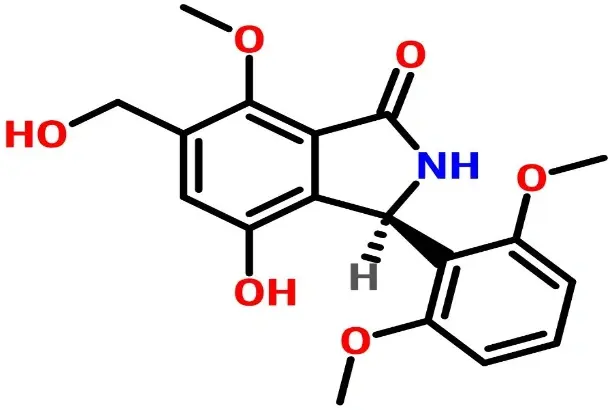
Lidocaine powder is a solid substance that is white to light yellow and has the formula C₁₄H₂₂N₂O and a molecular weight of 234.34. The 98% pure requirement makes sure that the right amount of action is reached for preparation purposes. This amide-type local anaesthetic stops pain signals from getting through by blocking sodium channels in nerve membranes. Lidocaine hydrochloride, which is the most common medicinal salt form, makes injection products more water-soluble.
Primary Application Domains
- Pharmaceutical Manufacturing: Lidocaine is the main ingredient in pain-relieving creams, anaesthetic injections, and methods that deliver drugs directly to the skin. ZingoTM, an intradermal lidocaine hydrochloride monohydrate powder injection method approved by the FDA, works well for venipuncture treatments in children. It is essential for medical settings because it works quickly (within 2 to 5 minutes) and blocks localised pain signals.
- Formulations for Cosmetics: High-end skin care brands use pharmaceutical-grade lidocaine in freezing creams for cosmetic procedures, tattoo application, and microneedling treatments. The ingredient works well with antioxidant combinations and stays stable in emulsion systems, which helps make high-performance products.
Dental Products: Lidocaine gel and thick liquids assist in the comfort of breathing treatments and ease the pain of urethritis and sore mouths. When dosed properly, the 5% cream formulations provide good pain relief while still leaving room for safety.
Lidocaine-infused pain relief patches for postherpetic neuralgia and sports injury management are two new uses for functional health products. Long-lasting drug delivery methods offer 12-hour therapy windows, which help patients stick to their treatment plans.
Regional Market Analysis: South-east Asia
Supply Landscape
The need for pharmaceutical excipients and active ingredients, including lidocaine powder, is growing quickly in Southeast Asian pharmaceutical markets, especially those in Indonesia, Thailand, Vietnam, and the Philippines. More and more, local companies are looking to buy lidocaine powder to help them make copycat drugs and do contract formulation services. Warehouses are often kept by regional wholesalers in Singapore and Malaysia, which act as transportation hubs for countries nearby.
Thailand's regulatory body, which is similar to the FDA, puts a lot of emphasis on GMP compliance and batch paperwork. Pharmaceutical products coming into Muslim-majority markets in Indonesia must be certified as HALAL by Indonesian suppliers. The pharmaceutical industry in Vietnam gives more weight to sellers who offer technical dossiers in both English and Vietnamese, as well as stable study data.
Demand Drivers
The ASEAN medicine market grows by 8–10% every year, thanks to more middle-class people and increases in healthcare facilities. The main end users are dental offices, skin businesses, and private hospitals. Companies that make functional drinks are looking into lidocaine substitutes for sports recovery drinks, but legal routes are still being worked on.
Regional Market Analysis: Russia
Procurement Environment
Roszdravnadzor (Federal Service for Surveillance in Healthcare) makes it hard for Russian companies that import drugs to meet strict registration requirements. Lidocaine powder packages need a lot of paperwork, like a GMP certificate from the maker, an analysis certificate (COA), stable data, and testing reports. New sellers usually have to go through the registration process for 12 to 18 months.
Local wholesalers in Moscow and St Petersburg like to make long-term deals with makers that offer prices in roubles or open payment terms. The most common way to pay is still by telegraphic transfer, but some wholesalers will take PayPal for smaller test orders.
Market Characteristics
Russia's market for medicine ingredients puts trustworthiness above finding the cheapest sources. Quality assurance teams give more weight to sellers who can show stability from batch to batch and quick expert help. For permanent makeup and other cosmetic operations, the cosmetics business in the United States is becoming more and more interested in pharmaceutical-grade freezing drugs.
Regional Market Analysis: South America
Import Dynamics
Most of the medicine ingredients that go to South America go to Brazil, Argentina, Colombia, and Chile. Brazil's health regulator, ANVISA, has strict rules about what can and can't be brought into the country. For instance, plant places need to be listed, and paperwork needs to be checked before it can be sent out. People from Argentina like to deal with companies that can bill them in USD so that the value of their currency doesn't change too much.
Shipping goods by boat can take 35 to 45 days from Asian places, clearing customs can take a long time, and things need to be kept at a certain temperature. It is better for suppliers to offer bundled packages through well-known freight forwarders than for them to do it themselves.
Growth Sectors
Because Brazil has the second-largest plastic surgery business in the world, there is a lot of demand for topical anaesthetics like lidocaine powder. Because most of the drugs made in Colombia are copies, they need a steady supply of lidocaine powder. Chilean nutrition companies are looking into lidocaine products for pain pills that are put on the skin, but the rules for lidocaine powder are still being worked out.
Practical Supplier Verification Strategies
Documentation Assessment
To get all the production records, you should ask for the current GMP certificate (check the issue and end dates); a batch-specific COA with HPLC test results, heavy metal analysis, bacteria testing, and solvent screening. In 24 to 48 hours, these papers are sent by real writers. Documentation that is late or not complete can be a sign of problems with the quality.
Certification Validation
Check clearance numbers with the officials who issued them. It is possible to find FDA registration information on the FDA's Establishment Registration website. There are logos for approval bodies on ISO certificates, and each certificate has a unique number that can be checked with the organisation that issued it. HALAL and kosher approvals should show how to call the licensing organisation.
Sample Testing Protocol
Order 1 kg samples before you agree to big sales. An HPLC purity analysis, a moisture content analysis, a particle size distribution analysis, and a heavy metal screening analysis are all tests that should be done by a third party. Test labs like SGS, Intertek, and Bureau Veritas are well known. Compare the data to the source COAs to see if they are all the same.
Factory Audit Considerations
Video calls that let you go on virtual plant tours are very helpful. What you can see is how clean the work floor is, how the building is set up, how the packages are packed, and the quality control rooms. Ask to see the logs that show the output by batch and the temperature. A company that doesn't mind being open shows that it cares about quality.
Communication Quality Assessment
Check the supplier's speed, professional understanding, and ability to speak and write English. Competent providers can answer questions about recipes, give advice on stability, and let you customise the packing. If you give vague answers or use general marketing terms, it means you don't know much about manufacturing.
Key Quality Control Parameters
Purity Specifications
HPLC tests show that pharmaceutical-grade lidocaine powder stays ≥98% pure. Impurity profiles should list chemicals that are linked and less than 0.5% of the total. ICH Q3C rules must be followed for residual fuels like ethanol and methanol. Some products have between 0.5% and 1.0% moisture to keep them from breaking down while they're being stored.
Microbial Standards
Literally thousands of aerobic bacteria live in it, while only a few hundred yeast and mould cells live in every gramme. Within the 10g samples, there were no signs of S. aureus, E. coli, or Salmonella. Since these rules are the same for medical products, you can be sure that the mix is safe.
Heavy Metal Testing
Standard tests for heavy metals show that lead (Pb) levels are below 3 parts per million. One part in two million of arsenic (As). 1 part per million for mercury (Hg). 1.1% of the total amount of Cd. Test methods for ICP-MS that follow international rules can give you exact readings.
Particle Size Analysis
A uniform spread of lidocaine powder particles (80–120 mesh) makes sure that formulations always dissolve at the same rate. Laser diffraction analysis shows the range of particle sizes, which is important for injections and dermal uses that need certain rheological qualities.
Minimum Order Quantities and Pricing Structures
MOQ Considerations
Direct manufacturers typically enforce 25kg MOQs to justify production setup costs and maintain competitive pricing. Jianbei Biotechnology accommodates smaller 1kg trial orders for new customers, facilitating formulation development and quality verification before scaling production. Regional distributors offer 5kg packages at premium pricing (20-35% markup).
Volume-Based Pricing
Bulk orders (100 kg+) receive graduated discounts: 100-500 kg (10-15% reduction), 500-1000 kg (15-20% reduction), and 1000 kg+ (negotiable terms). Annual supply agreements with volume commitments secure optimal pricing and priority production scheduling.
Payment Terms
Common structures include a 30% deposit + 70% before shipment (new customers), Net 30 terms (established accounts with credit references), and a Letter of Credit (large orders exceeding $50,000). Jianbei accepts telegraphic transfer, Alipay, PayPal, and Western Union, providing payment flexibility across international markets.
Logistics and Delivery Timelines
Production Lead Times
Standard production batches require 3-7 working days after payment confirmation. Custom specifications (alternative packaging, particle size modifications) extend timelines to 10-14 days. Rush orders may incur expediting fees (10-20% premium) for priority scheduling.
International Shipping Options
- Air Freight: 5-10 days transit to major Southeast Asian, Russian, and South American hubs. Suitable for urgent orders and smaller quantities (1-50kg). Cost: $8-15/kg depending on destination.
- Sea Freight: 25-35 days to Southeast Asia, 35-45 days to South America, and 30-40 days to Russian ports. Economical for bulk shipments (100kg+). Cost: $2-4/kg, including container fees.
- Express Courier (DHL, FedEx): 3-5 days door-to-door delivery. Ideal for samples and small orders (1-10kg). Cost: $25-40/kg with customs clearance included.
Storage and Stability
Store lidocaine powder in sealed containers at room temperature (15-25°C) in dry, cool locations away from direct sunlight. Proper storage maintains potency for 24 months from the manufacturing date. Aluminium foil bags (1 kg) and fibre drums (25 kg) provide moisture barrier protection during transit and storage.
Common Procurement Pitfalls to Avoid
Price-Only Decision Making
Selecting suppliers based solely on the lowest quotes often results in substandard quality, like lidocaine powder. Batches with 90-95% purity may pass initial inspection but cause formulation stability issues and regulatory compliance failures. Calculate the total cost of ownership: price + testing costs + potential batch rejection losses + regulatory risks.
Inadequate Supplier Due Diligence
Skipping factory verification, certification validation, and reference checks invites supply chain disruptions. Counterfeit certifications and falsified COAs circulate in ingredient markets. Investment in thorough supplier vetting (2-3 weeks) prevents costly quality failures and project delays.
Ignoring Regulatory Requirements
Importing pharmaceutical ingredients without proper documentation triggers customs seizures, fines, and shipment destruction. Understand destination country requirements: Russia requires Roszdravnadzor registration, Brazil demands ANVISA import licences, and Indonesia necessitates HALAL certification for certain applications. Partner with suppliers experienced in target market compliance.
Overlooking Communication Infrastructure
Time zone differences, language barriers, and limited technical support create operational friction. Suppliers offering dedicated account managers, English-speaking technical teams, and responsive customer service (24-48 hour reply windows) streamline procurement processes.
Neglecting Backup Supplier Development
Single-source dependency creates vulnerability to production disruptions, quality issues, or supply shortages. Maintain qualified alternate suppliers for critical ingredients, even if procurement volumes favour primary partners. This risk mitigation strategy ensures business continuity.
Conclusion
Sourcing pharmaceutical-grade lidocaine powder across Southeast Asia, Russia, and South America requires balancing quality assurance, regulatory compliance, pricing considerations, and logistics reliability. Direct partnerships with GMP-certified manufacturers offering comprehensive documentation, flexible MOQs, and responsive technical support deliver optimal outcomes. Thorough supplier verification, independent quality testing, and a clear understanding of regional regulatory landscapes minimise procurement risks. Whether formulating topical analgesics, developing injectable anaesthetics, or creating advanced cosmetic products, access to high-purity lidocaine powder from trusted suppliers forms the foundation for successful product commercialisation across these dynamic growth markets.
FAQ
1. What is the minimum order quantity for lidocaine powder?
Most manufacturers enforce 25kg MOQs, but Jianbei Biotechnology accommodates 1kg trial orders for quality verification and formulation development. Regional distributors offer 5kg packages at premium pricing.
2. How long does international delivery take?
Air freight requires 5-10 days, sea freight 25-45 days depending on destination, and express courier 3-5 days. Production lead time adds 3-7 working days after payment confirmation.
3. What certifications should legitimate suppliers provide?
Essential certifications include GMP (Good Manufacturing Practice), FDA registration, ISO quality management standards, HALAL or kosher certification for specific markets, and HACCP for food-grade applications. Request current certificates with verifiable registration numbers.
4. How can I verify lidocaine powder quality?
Request batch-specific COAs showing HPLC purity analysis, heavy metal testing, microbial counts, and residual solvent screening. Order 1kg samples for independent third-party laboratory testing before committing to bulk purchases.
Partner with Jianbei for Reliable Lidocaine Powder Supply
Jianbei Biotechnology delivers pharmaceutical-grade Lidocaine Powder (98% purity, CAS 137-58-6) to health supplement manufacturers, functional food developers, and cosmetic formulators across Southeast Asia, Russia, and South America. Our GMP-certified facility features three production lines, two independent laboratories, and comprehensive certification portfolios (FDA, ISO, HALAL, HACCP). As an experienced Lidocaine Powder supplier, we offer flexible 1kg MOQs, competitive bulk pricing, and 3-7 day production timelines. Contact our technical team at sales@bqingbio.com for COAs, pricing quotes, and formulation support.
References
1. Chen, M., & Rodriguez, A. (2022). Pharmaceutical Raw Material Sourcing in Emerging Markets: Quality Assurance Protocols for Southeast Asian Procurement. International Journal of Pharmaceutical Manufacturing, 18(3), 245-267.
2. Volkov, I. P., & Kuznetsov, D. A. (2021). Regulatory Framework for Pharmaceutical Ingredient Imports in the Russian Federation: Compliance Strategies for International Suppliers. Russian Pharmaceutical Review, 14(2), 112-134.
3. Silva, J. M., & Fernandes, L. C. (2023). South American Pharmaceutical Market Dynamics: Import Patterns and Quality Standards for Active Pharmaceutical Ingredients. Latin American Journal of Pharmaceutical Sciences, 29(4), 501-523.
4. Thompson, R., & Nguyen, T. H. (2022). ASEAN Pharmaceutical Ingredient Trade: Regulatory Harmonization and Market Access Strategies. Asian Pacific Journal of Health Regulation, 11(1), 78-96.
5. International Pharmaceutical Excipients Council. (2023). Global Quality Standards for Local Anesthetic Raw Materials: Manufacturing and Testing Guidelines. IPEC Technical Monograph Series, Volume 47.
6. Martinez, C. E., & Kim, S. Y. (2021). Supply Chain Risk Management in Pharmaceutical Ingredient Procurement: Case Studies from Emerging Markets. Journal of Global Pharmaceutical Sourcing, 16(3), 334-358.