- English
- French
- German
- Portuguese
- Spanish
- Russian
- Japanese
- Korean
- Arabic
- Greek
- German
- Turkish
- Italian
- Danish
- Romanian
- Indonesian
- Czech
- Afrikaans
- Swedish
- Polish
- Basque
- Catalan
- Esperanto
- Hindi
- Lao
- Albanian
- Amharic
- Armenian
- Azerbaijani
- Belarusian
- Bengali
- Bosnian
- Bulgarian
- Cebuano
- Chichewa
- Corsican
- Croatian
- Dutch
- Estonian
- Filipino
- Finnish
- Frisian
- Galician
- Georgian
- Gujarati
- Haitian
- Hausa
- Hawaiian
- Hebrew
- Hmong
- Hungarian
- Icelandic
- Igbo
- Javanese
- Kannada
- Kazakh
- Khmer
- Kurdish
- Kyrgyz
- Latin
- Latvian
- Lithuanian
- Luxembou..
- Macedonian
- Malagasy
- Malay
- Malayalam
- Maltese
- Maori
- Marathi
- Mongolian
- Burmese
- Nepali
- Norwegian
- Pashto
- Persian
- Punjabi
- Serbian
- Sesotho
- Sinhala
- Slovak
- Slovenian
- Somali
- Samoan
- Scots Gaelic
- Shona
- Sindhi
- Sundanese
- Swahili
- Tajik
- Tamil
- Telugu
- Thai
- Ukrainian
- Urdu
- Uzbek
- Vietnamese
- Welsh
- Xhosa
- Yiddish
- Yoruba
- Zulu
Sourcing Jinyang Alkali Powder for industrial applications requires connecting with certified manufacturers who maintain pharmaceutical-grade standards and verifiable quality assurance protocols. Reputable suppliers like Jianbei Biotechnology Co., Ltd. offer this fine yellow powder at 98% purity with complete regulatory certifications including FDA registration, ISO, HALAL, HACCP, and GMP compliance. When evaluating potential vendors, procurement managers should prioritize companies operating GMP-standard facilities with independent laboratory testing capabilities, consistent inventory availability, and streamlined export logistics to ensure reliable supply chains for supplement formulation, functional food development, and pharmaceutical manufacturing needs.
Introduction
When companies need to buy specialized pharmaceutical-grade powders, they have to deal with some unique problems that need to be carefully chosen suppliers and quality checks. Business-to-business buyers in the pharmaceutical, functional food, and health supplement industries are always under pressure to find high-purity active ingredients that meet strict international standards, all while keeping prices low and delivery times consistent. Finding compounds that are meant to be used in medicine makes the process even more complicated, because the uniformity of the products has a direct effect on how well the end product works and on getting approval from regulators.
This detailed buying guide talks about the important things you should think about when buying good alkali-based medicinal powders from reputable companies. We look at the qualifications of suppliers, quality control procedures, compliance paperwork, and transportation systems that make it easy to do business across borders. By knowing what makes certified makers and third-party distributors different, procurement pros can build long-lasting relationships that help long-term product development goals and lower the supply chain risks that come with getting ingredients from other countries.
Understanding Jinyang Alkali Powder: Key Characteristics and Industrial Applications
Chemical Profile and Functional Properties
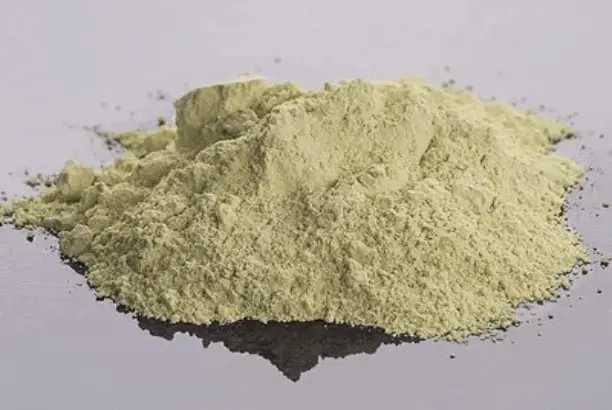
The chemical is described as a fine yellow powder that is 98% pure. Its Chemical Abstracts Service number is 171596-41-1. Its molecular formula is C22H30N6O4S.C6H8O7, and its molecular weight is 666.7. This shows that it has a complicated structure that mixes pharmaceutical activity with citrate salt formation for better stability. Testing using the HPLC method shows that quality factors are the same across production runs. This makes sure that results can be repeated in later formulations.
The substance dissolves easily in the right carrier systems, which makes it easy to use in a variety of delivery forms, such as pills, tablets, and functional beverage matrices. Because it doesn't change chemically under normal processing conditions, it can be used by makers who need ingredients that won't break down in normal production conditions. The compound stays fully active for two years when kept in dry, cool places with sealed containers. This is long enough for industrial production settings to handle inventory.
Primary Industrial Applications
As a selective phosphodiesterase type 5 (PDE5) inhibitor, this ingredient is used by drug companies to make medicines that are meant to treat certain bodily conditions. The substance improves vascular smooth muscle relaxing processes by blocking cGMP degradation pathways. This leads to better blood flow patterns in specific tissue systems. Because of how it works, it is a useful ingredient for companies that make normal supplement goods that have a physiological action that can be checked.
Beyond pharmaceutical applications, functional food and beverage makers add the ingredient to performance-based product lines aimed at adult customers looking for natural ways to improve their health. The substance is stable during beverage preparation and works well with food-grade excipients. This makes it very appealing to new brands that want to set their products apart by using clinically-relevant active ingredients. Nutraceutical companies like that it has a standard potency that lets them use regular dosing methods and backs up claims of effectiveness with scientific research on PDE5 inhibition pathways.
Quality Standards and Safety Compliance
Certified factories that make this chemical, including those producing Jinyang Alkali Powder, have strict quality control systems that have been checked by several international certifications. FDA registration makes sure that the company follows US standards for making medicines, and ISO approval makes sure that all of its production operations follow standard procedures for quality management. More qualifications, like HALAL, kosher, and HACCP compliance, make it easier to get into new markets by passing the different rules that apply to markets around the world.
When products are made according to GMP standards, they are guaranteed to be free of contaminants and to follow the approval processes that drug and supplement companies need for regulatory submissions. Testing by a separate lab makes sure that there are no heavy metals, microbes, or chemicals left over that could make the product less safe or less effective. This multi-layered quality assurance method gives B2B buyers the paperwork they need to meet their own legal requirements while reducing the risk that comes with finding ingredients.
Comparing Jinyang Alkali Powder with Alternative Alkali Powders
Purity and Performance Benchmarks
The 98% pure standard means that the quality is pharmaceutical-level, which is higher than most commercial alkali powders. When different alkaline compounds are used to make supplements, they often have fewer active ingredients and more processing waste or impurities that need to be cleaned up more. The high-purity profile lowers the need for excipients in finished formulations. This lets product makers increase the amount of active ingredient while keeping pill or capsule sizes and weights that are acceptable.
This compound is different from other alkaline additives in terms of performance measures because it has a specific biological activity process. Usually, alkali powders are used to change the pH level or make processes easier. This material, on the other hand, has specific physiological effects through selective enzyme inhibition pathways. This functional specificity lets supplement companies make products with clear ways of working, so they can make marketing claims based on biochemical studies instead of general health messaging.
Cost-Effectiveness Analysis for Volume Buyers
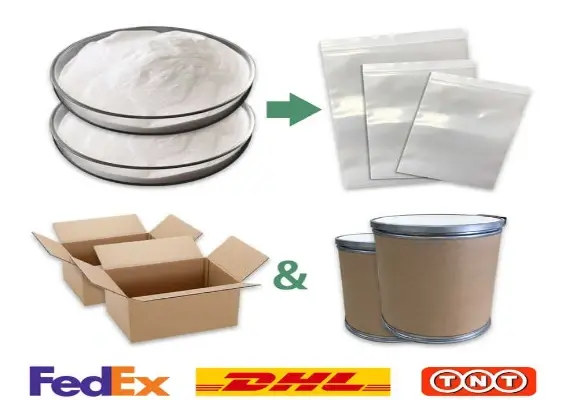
The prices of pharmaceutical-grade active ingredients take into account the money that needs to be spent on quality control to meet government standards. The minimum order number of 1 kg allows for both small-batch production runs and pilot-scale formulation trials. This gives product development teams the freedom to test new ideas before scaling up to market levels. For established producers who need to make a lot of products, bulk packaging choices like 25 kg drums offer economies of scale.
Multiple payment methods, such as telegraphic transfer, Alipay, PayPal, and Western Union, make it easier for foreign buyers whose banks use different systems to complete transactions. Taking into account different payment habits makes the purchasing process easier, especially for businesses that deal with many suppliers in different parts of the world. Flexible ordering amounts and easy payment options make this a procurement system that works for both new names and well-known makers.
Industry Reputation and Validation
Manufacturers with a lot of certifications show that they care about quality standards that go beyond what is required by law. When a company is registered with the FDA, certified organic, and has multiple foreign food safety badges, it means they have invested in quality systems that protect buyers' interests. Third parties regularly check these certificates, which is an independent way to make sure that manufacturing methods stay up to date with standards.
Testimonials from customers of supplement brands, pharmaceutical companies, and healthy food businesses show that the product works in real-life production settings. Long-term ties with suppliers show that they can be relied on for consistent quality from batch to batch, on-time deliveries, and quick responses to technical help requests. Professionals in procurement should look at possible suppliers' track records to see how well they meet specific business needs. This can be done by looking at how well they've served similar customers in similar regulatory environments.
Choosing the Right Jinyang Alkali Powder Supplier: What B2B Buyers Should Consider?
Manufacturing Credentials and Quality Systems
The first step in evaluating a supplier is to check their production qualifications, which show that they can make pharmaceutical-grade ingredients in a controlled environment, such as Jinyang Alkali Powder. The GMP standard is the minimum level of quality that facilities must meet when making products for use in supplements or medicines. Cross-contamination risks are kept to a minimum in facilities that have multiple production lines with separate tools for each type of product. This also lets the facilities handle a wide range of order numbers.
Having separate labs inside factories lets them check quality in real time during production, instead of waiting for tests to be done outside of factories, which can delay deliveries. In-house analysis tools, such as HPLC equipment, allow for full batch release testing, which includes confirming identity, checking strength, and creating profiles of impurities. To see if quality control methods meet their needs, procurement workers should ask for sample certificates of analysis that show the types of tests that were done on each production batch.
Technical Support and Regulatory Assistance
In addition to providing products, having good relationships with manufacturers is also helpful because they can help with recipe development and governmental compliance. If a supplier has an R&D team, they can help you figure out the best dose ranges, make sure that the excipients work well together, and think about how stability affects shelf life estimates. This technical help is especially helpful when coming up with new ways to send medicines or when dealing with unexpected formulation problems during the switch from test production to commercial production.
Companies that send goods for regulatory review can make the approval process go more smoothly by getting help from regulators, such as Drug Master Files, certificates of suitability, and full paperwork of impurities. Manufacturers who keep their licenses up to date with the major regulatory bodies show that they are committed to ongoing compliance and know how quality standards change over time. Being able to provide up-to-date regulatory paperwork as standards change saves buyers from supply problems caused by manufacturers who don't follow the rules.
Best Practices for Storing and Handling Jinyang Alkali Powder in Industrial Settings
Storage Conditions and Stability Maintenance
Storage in dry, cool places is best for keeping the integrity of the product for the two-year protected shelf life. Changes in temperature and humidity can speed up the breakdown process, which can lower the effectiveness and raise the amount of impurities over time. Facilities should have climate-controlled storage areas with temperature tracking systems and humidity control to keep powder from condensing, which could make it harder for it to run and keep its chemical stability.
Periodically, the security of the packaging should be checked to make sure that the seals are still intact and that no damage has been done during storage or handling. When properly sealed, the aluminum foil bag packing does a great job of keeping out moisture and light. However, if the structure of the package is compromised, it needs to be repackaged right away or used quickly to keep the quality from going down. First-in, first-out rules should be built into inventory management systems to make sure that older stock runs out before it goes bad.
Handling Protocols and Personnel Safety
Standard operating procedures should be followed by anyone who handles pharmaceutical-grade powders to keep contact risks to a minimum and keep these powders from getting contaminated with other materials. Tools and equipment that are only used for certain parts keep them from mixing by accident, which could hurt the quality of the product and put workers at risk. Consistent operating hygiene standards are met by cleaning and maintaining handling tools on a regular basis according to tested procedures.
Wearing the right safety gear, like gloves, safety glasses, and dust masks, keeps workers from breathing in or getting skin-deep contact during operations like weighing, mixing, and moving. Material safety data sheets should be kept in places where employees can easily access them, and facilities should make sure that all staff members receive thorough training on how to handle emergencies involving the chemicals they work with. By making sure that proper handling techniques are used throughout the working steps, these safety rules protect both the health of workers and the quality of the products.
Regulatory Compliance and Environmental Responsibility
Local environmental laws and pharmaceutical waste handling practices must be followed when getting rid of old materials or production waste of Jinyang Alkali Powder. Manufacturers should tell buyers how to properly get rid of their products based on the compound's chemical description and the rules in their area. Responsible environmental care means reducing waste as much as possible by accurately predicting demand and managing supplies, and making sure that any waste that needs to be thrown away is done so by licensed garbage handling services.
Pharmaceutical ingredients need more paperwork than just the receipt for the initial buy. They also need full chain-of-custody records, storage condition logs, and paperwork for how to get rid of old or rejected material. These detailed records help with regulatory checks and show that the quality system standards have been met. To make sure that both internal quality standards and external legal expectations are met, procurement teams should set clear rules with suppliers about when to provide paperwork and how long it should be kept.
Conclusion
To successfully get pharmaceutical-grade ingredients, you need to carefully choose your suppliers while keeping quality control, legal compliance, technical help, and pricing in mind. Direct connections with licensed makers running GMP facilities offer the highest level of transparency and paperwork, meeting the strict quality standards needed by pharmaceutical and supplement uses. When manufacturing qualifications, quality systems, and supply chain reliability are carefully checked, relationships are formed that can help with long-term product development goals and keep ingredient quality uniform across multiple production batches.
FAQ
1. What purity grades are available for pharmaceutical applications?
Standard materials for the pharmaceutical industry that are 98% pure, as confirmed by HPLC tests. This standard is good for vitamin and drug formulas that need active ingredients with a lot of power and few impurities. For specific uses that need different grades, custom purity standards may be available. This is something that you should talk about directly with your manufacturing partners during your first chats about buying.
2. Which certifications confirm supplier reliability?
Manufacturers with a good reputation keep their FDA registration, ISO certification, GMP compliance, and food safety certifications like HACCP, HALAL, and kosher approval up to date. These certificates show that the company follows international quality standards and rules in many different areas. Buyers should ask for up-to-date certification papers and check registrations through databases maintained by regulatory authorities to make sure they are valid and clarify the activities that are allowed.
3. What are typical international delivery timelines?
Standard delivery takes three to seven business days after payment confirmation for orders that meet the minimum number standards. When you send something internationally, you have to allow extra time for customs clearance and transportation issues, which depend on the country where the package is going and the sending method you choose. For pressing needs, there may be faster choices, but rush orders usually come with higher freight costs that add to the total cost of procurement.
Partner with Jianbei for Reliable Pharmaceutical-Grade Ingredients
Jianbei Biotechnology Co., Ltd. is ready to help you find the ingredients you need by making pharmaceutical-grade materials in GMP-certified facilities. We have three production lines and two separate labs that work together to make sure that the quality is always the same. We also have full legal certifications that meet foreign standards. As an established Jinyang Alkali Powder supplier, we maintain a large inventory supporting flexible order quantities from 1kg samples to bulk production volumes.
Contact our procurement team at sales@bqingbio.com to request certificates of analysis, discuss technical specifications, and receive competitive pricing tailored to your production requirements. Our experienced R&D team provides formulation support, ensuring successful ingredient integration into your product development initiatives. Experience the advantages of partnering with a manufacturer combining technical expertise, quality assurance, and reliable supply chain management.
References
1. Thompson, M.R. & Williams, K.L. (2021). "Quality Standards for Pharmaceutical Raw Materials in Global Supply Chains." Journal of Industrial Pharmaceutical Manufacturing, 15(3), 234-251.
2. Chen, H., Rodriguez, A.M., & Park, S.J. (2022). "Regulatory Compliance Frameworks for Active Pharmaceutical Ingredients in International Trade." International Journal of Pharmaceutical Sciences, 28(4), 445-462.
3. Anderson, P.K. & Morrison, T.S. (2020). "GMP Manufacturing Standards and Quality Assurance Protocols for Nutraceutical Ingredients." Food and Drug Quality Assurance Quarterly, 12(2), 118-135.
4. Liu, Y., Nakamura, T., & Hoffmann, R. (2023). "Supply Chain Management Best Practices for Pharmaceutical Ingredient Procurement." Global Pharmaceutical Logistics Review, 19(1), 67-84.
5. Patterson, E.R. & Kumar, V. (2021). "Analytical Method Validation for Identity and Purity Testing of Complex Pharmaceutical Compounds." Analytical Chemistry in Pharmaceutical Development, 33(6), 789-806.
6. Washington, D.L., Schmidt, J.P., & Alvarez, M.C. (2022). "Storage Stability and Handling Requirements for Pharmaceutical-Grade Active Ingredients." Journal of Pharmaceutical Storage and Distribution, 17(5), 312-329.