- English
- French
- German
- Portuguese
- Spanish
- Russian
- Japanese
- Korean
- Arabic
- Greek
- German
- Turkish
- Italian
- Danish
- Romanian
- Indonesian
- Czech
- Afrikaans
- Swedish
- Polish
- Basque
- Catalan
- Esperanto
- Hindi
- Lao
- Albanian
- Amharic
- Armenian
- Azerbaijani
- Belarusian
- Bengali
- Bosnian
- Bulgarian
- Cebuano
- Chichewa
- Corsican
- Croatian
- Dutch
- Estonian
- Filipino
- Finnish
- Frisian
- Galician
- Georgian
- Gujarati
- Haitian
- Hausa
- Hawaiian
- Hebrew
- Hmong
- Hungarian
- Icelandic
- Igbo
- Javanese
- Kannada
- Kazakh
- Khmer
- Kurdish
- Kyrgyz
- Latin
- Latvian
- Lithuanian
- Luxembou..
- Macedonian
- Malagasy
- Malay
- Malayalam
- Maltese
- Maori
- Marathi
- Mongolian
- Burmese
- Nepali
- Norwegian
- Pashto
- Persian
- Punjabi
- Serbian
- Sesotho
- Sinhala
- Slovak
- Slovenian
- Somali
- Samoan
- Scots Gaelic
- Shona
- Sindhi
- Sundanese
- Swahili
- Tajik
- Tamil
- Telugu
- Thai
- Ukrainian
- Urdu
- Uzbek
- Vietnamese
- Welsh
- Xhosa
- Yiddish
- Yoruba
- Zulu
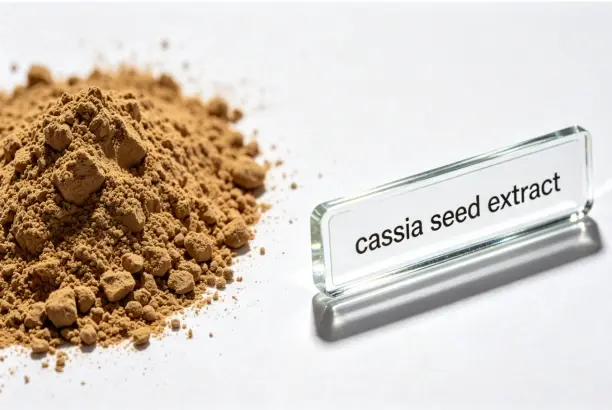
Cassia seed extract is a concentrated plant-based ingredient that comes from the fully grown seeds of Cassia obtusifolia L. or Cassia tora L., which is usually just called Cassia angustifolia in traditional medicine. You can use this fine brown powder as a normal ingredient in useful foods, medicines, and nutraceuticals. Bioactive anthraquinone chemicals, such as emodin, chrysophanol, and obtusifolin, are found in the extract and help explain why it is good for you. Unlike raw seeds, the extract goes through precise extraction and processing steps that get rid of microbiological contaminants and concentrate the active ingredients. These steps meet the high-quality standards needed for modern product development.
Understanding Cassia Angustifolia Seed Extract
Botanical Origin and Traditional Background
The plant Cassia angustifolia is in the Leguminosae family and does best in warm and subtropical areas. The seeds, which are known in Traditional Chinese Medicine as "Jue Ming Zi", have been used for hundreds of years to help people see better and keep their gut systems healthy. Many of these traditional uses have been proven to be true by controlled studies that looked at the anthraquinone level and how the extract works pharmacologically. The change from using whole seeds to standardised extract forms has made dosing more accurate and made formulations more stable, which means the ingredient can be used in large-scale production settings.
Extraction Technologies and Standardisation Methods
To get high-potency Cassia seed extract, while keeping heat-sensitive bioactive chemicals, uses advanced hydro-alcoholic extraction methods. To make a stable powder, the method usually includes extracting at a controlled temperature, filtering, concentrating under pressure, and spray-drying. Our lab uses HPLC testing to make sure that the active compounds meet the 98% standard. This makes sure that there is consistency from batch to batch, which is important for regulatory compliance. By standardising these agricultural materials, the differences that come with them are taken away. This gives producers a stable ingredient that meets FDA, ISO, HACCP, HALAL, and GMP certification standards. The dark fine powder that is made can still be dissolved in a variety of formulations, such as capsules, tablets, healthy drinks, and topical uses.
Key Bioactive Compounds and Quality Indicators
The healing power of Cassia seed extract comes from the large amount of anthraquinone derivatives and flavonoid components it contains. It is possible to measure how well these chemicals work to change fat metabolism, improve blood flow to the eyes, and control intestinal movement. In addition to measuring the amount of active ingredient, quality assessment also checks for heavy metals, bacterial load, and leftover solvents. Products with the CAS ID 481-74-3 go through strict third-party checks to make sure they meet quality standards. When properly packed and stored in dry, cool places for two years, the stability stays the same. An aluminium foil package protects against moisture and oxidation. The complete quality framework handles worries about sourcing related to the uniformity of ingredients and the need for legal paperwork.
Benefits and Applications of Cassia Seed Extract
Vision Health and Eye Care Formulations
Studies that looked at the extract's effects on eye pressure and retinal oxidative stress have confirmed the traditional belief that it helps with vision. Cassia seed extract is used by supplement makers to make eye health products that help with digital eye pain, vision problems that come with getting older, and general eye health. The ingredient works better when mixed with lutein, zeaxanthin, or bilberry oils, which makes marketing claims and customer appeal stronger. Traditional theories say that the process involves getting rid of heat from the liver meridians, but a newer study says that the benefits are caused by better microcirculation and antioxidant activity in the retina. With this two-part theoretical base, brands can place their goods in both the Eastern health market and the Western nutraceutical market.
Digestive Health and Metabolic Support
Cassia seed extract has anthraquinone glycosides, which encourage natural peristaltic action without having strong purging effects. Because of this, the ingredient is useful in formulas for people who sometimes have trouble going to the bathroom, have slow digestion, or have problems with their bowel movements. The substance can help with more than just digestion; it can also lower lipids by blocking pancreatic lipase and improving cholesterol absorption. Because of these two effects, weight loss products use Cassia seed extract instead of synthetic chemicals, as it is safe. The ingredient stays steady in acidic stomachs, which makes sure that the active substance gets to the right places. Formulators can fine-tune the effects based on how they want to market the product, ranging from mild daily support to stronger medicinal uses.
Formulation Guidelines and Usage Parameters
To properly add Cassia seed extract, you need to think about how it dissolves, how much to use, and how it might mix with other ingredients. If you properly homogenise the powder form, it disperses well in water-based systems. However, packaging may be better for uses that need to hide tastes. Recommended amounts depend on the application. For example, formulas that help with vision usually use 200 to 500 mg per dose, while metabolic health products may use higher amounts based on how well the ingredients work together. Formulation experts should test a product's stability in all of the places it will be stored and the types of containers it will come in, especially when mixing ingredients that are sensitive to changes in pH or moisture. Our technical team helps with preparation to get the best performance from ingredients in certain product patterns. This makes sure that the finished products work well and are made efficiently.
Comparing Cassia Seed Extract with Other Herbal Extracts
Cassia Seed vs. Green Tea Extract
Both ingredients are antioxidants, but they work on different parts of the body and are used in different ways by consumers. Green tea extract mostly contains catechin chemicals, which are good for your heart health and speed up your metabolism through thermogenic processes. Through anthraquinone activity and liver meridian control, Cassia seed extract focuses on digestive management and eye support. Because the ingredients have different functions, formulators can choose ones that fit with the image of the product and the people they want to sell it to. Cost factors are also different. The price of green tea extract is based on the level of EGCG standardisation, while the price of Cassia seed extract is based on the amount of anthraquinone it contains and its organic certification status. Combining the two ingredients may help products that need full metabolic support by working on multiple aspects of health at the same time.
Comparison with Senna Extract
Both senna and cassia seeds come from the same plant family and have similar anthraquinone profiles, which means they both have similar stomach effects. The difference is in how strong they are and how they are regulated. Senna is usually stronger as a cleanser, which may limit its use in some product categories. Cassia seed extract has a softer, longer-lasting effect that makes it good for daily use, while senna is usually only used once in a while. Different markets have different rules and regulations. For example, goods that contain senna must follow tighter labelling rules in some places. Cassia seed extract is often the item of choice for manufacturers who want to offer kinder stomach support and reach a wider market. Effectiveness, customer comfort, and regulatory freedom are all taken into account in this choice.
Organic Certification and Purity Standards
Certified organic Cassia seed extract meets the growing market need for plant products that are free of pesticides and come from sustainable sources. To get organic certification, you have to show that you can track the seeds all the way through to the finished product. Every year, you have to go through audits that make sure you're following USDA or EU organic guidelines. Organic varieties cost more, but they help brands meet the clean-label requirements and appeal to people who care about the environment. Non-organic forms are tested for heavy metals, pesticide residues, and microbiological contamination to the same level of cleanliness, passing the standards for food-grade and pharmaceutical-grade products. Buyers should think about what certifications they need based on the needs of their target market and how they want to place their business, weighing the costs of certification with the marketing benefits.
Procurement Guide for Cassia Angustifolia Seed Extract
Identifying Qualified Suppliers
A successful procurement process starts with a careful evaluation of the seller in a number of areas. Instead of depending only on contract manufacturing, verified producers should have up-to-date GMP approval and their own production facilities. Ask for proof, like a certificate of analysis for the most recent production batches, that the product meets certain amounts of pure and contaminant limits. Invention patents protect intellectual property and show that money is being spent on unique extraction methods that might provide performance benefits. Site visits or checks by a third party can confirm the claimed output capacity, lab skills, and quality control systems. Established sellers keep their own testing labs with HPLC, bacteria, and heavy metal equipment to make sure that the quality of their products is checked internally before they are released.
Evaluating Technical Specifications
Professionals in charge of buying things should look at the technical data sheets of different possible providers and compare them. They should look at the active ingredient specs, moisture content, bulk density, and particle size distribution. The 98% standard means that the material is very pure and can be used in pharmaceutical and high-end nutraceutical products. Lower amounts may be enough for functional food products where saving money is the most important thing. Formulation feasibility studies use data on solubility and suggested processing conditions to help teams guess how ingredients will behave in target product forms. Data on storage stability under fast conditions shows how long something should last and what kind of packing it needs. Suppliers who offer full expert support can help with formulation problems, application advice, and making regulatory documents, which is more useful than just providing raw materials.
Understanding Pricing Structures and Order Requirements
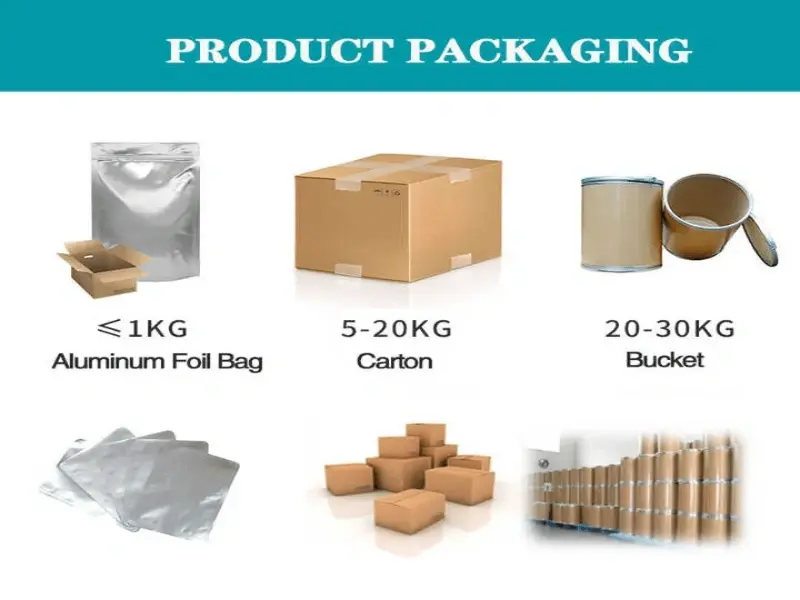
Cassia seed extract costs vary depending on the difficulty of extraction, the desired level of purity, whether it is certified, and the quantity of orders. For sample evaluation reasons, the minimum order quantity is usually set at 1 kg. This lets formulation teams do preliminary testing before committing to large-scale buying. Standard packaging includes 1 kg aluminium foil bags for samples and 25 kg fibre drums for production numbers. Custom packaging is available for deals for bigger volumes. Payment terms depend on the seller and the size of the order. You can choose from telegraphic transfer, Alipay, PayPal, and Western Union to make foreign transactions easier. Delivery times of 3–7 working days after payment proof allow for responsive inventory management. However, lead times may need to be stretched for bigger orders. Volume price tiers encourage combining yearly purchases into a few bigger sales, which can save money and improve product margin profiles.
Why Choose Jianbei for Cassia Seed Extract?
Manufacturing Excellence and Quality Assurance
Jianbei Biotechnology has a specialised GMP-standard manufacturing centre with two advanced testing labs and three separate production lines. This system makes it possible to consistently make a lot of things while keeping quality control very strict throughout the whole process. The plant handles Cassia seed extract from qualifying the raw materials to packaging them at the end. In-process testing at key control points makes sure that the specifications are met. We can do scientific tests like HPLC to check for active compounds, ICP-MS to check for heavy metals, and microbial testing that follows USP guidelines. We make a dark fine powder that is 98% pure and can be identified by its CAS 481-74-3 code. It comes with a lot of different certificates, such as FDA registration, organic certification, Kosher, ISO, HALAL, HACCP, and GMP paperwork. This set of certifications meets a wide range of regulatory needs in foreign markets, which speeds up the process of getting final goods approved.
Customisation Capabilities and Technical Support
Jianbei offers more than just normal products; they also offer OEM solutions that are made to fit the needs of each client. Our research and development (R&D) team works with customers to create custom specs, unique packaging arrangements, and special formulation mixes. The business has 15 national idea patents and 8 utility model patents that cover new ways to remove materials and improve quality control. This shows that it is constantly investing in new technology. Technical consulting services help clients with things like making apps, making sure they're stable, and planning their legal strategies. The business plan that focuses on exports makes sure that people know about the foreign paperwork needs, shipping logistics, and import compliance issues. Jianbei keeps up good contact and stable supply chain management to support the success of long-term partnerships. Their business covers all of China and is growing internationally.
Inventory Management and Responsive Service
Having a lot of goods on hand lets you fill orders quickly without lowering the quality or making customers wait longer for their purchases. The minimum order number of 1 kg makes it possible to try small batches, and the scalable capacity makes it possible to meet high-volume production needs. International deals are easier when you can use a variety of payment methods, such as telegraphic transfer, Alipay, PayPal, and Western Union. Customers who use just-in-time stocking systems can keep their business going with delivery times of 3–7 working days. For foreign shipping, our logistics partners take care of the necessary paperwork, such as customs statements, certificates of origin, and phytosanitary certificates. Jianbei is a trusted source for Cassia seed extract for companies that make drugs, make functional foods, or make cosmetics. They have the technical know-how, the right infrastructure, and the ability to respond quickly to operating needs.
Conclusion
Cassia seed extract is a flexible plant-based ingredient that has been used for a long time and has been proven to work by modern science. Because it can help with hormonal support, gut health, and eye health, it is useful for a wide range of formulations. Knowing about extraction methods, bioactive chemicals, and quality standards helps you make smart purchasing choices that meet both legal needs and requirements for effectiveness. When you compare your botanicals to others, you can see where you can find unique positioning possibilities. Supplier evaluation factors make sure you work with qualified makers. Jianbei Biotechnology supports your product development goals with high-quality Cassia seed extract by combining excellent production, a wide range of approvals, and quick customer service.
FAQ
1. What dosage of cassia seed extract is recommended for weight management formulations?
The usual amount of inclusion is between 300 and 600 mg per dish, but this depends on how complicated the mix is and what ingredients work well together. Lower amounts of about 200 mg may be enough when mixed with other chemicals that help the metabolism, but higher concentrations are better for use on their own. In clinical studies that looked at how lowering lipids affected people, daily amounts in this range were used. However, specific suggestions should be made based on the product's claims and the people it's meant for. Formulation advice with experienced technical staff helps find the best dose based on the desired level of effectiveness and the place of the Cassia seed extract in the regulatory system.
2. How can I verify supplier authenticity when sourcing cassia seed extract?
Ask for up-to-date GMP licensing papers and audit reports from a third party that prove the company can make the goods. Check out the most current batch certificates of analysis to see if they meet the requirements, especially for tests for active compounds and contaminants. Check the information about how the business was registered and where its facilities are located in government records. Suppliers with a lot of patents and a long history of doing business show that they can be trusted and have invested in technology. Testing samples in separate labs ensures the material's name and quality before making any business promises.
Partner with Jianbei for Premium Cassia Seed Extract
Jianbei Biotechnology sells Cassia seed extract that is safe for use in medicines and is backed by a lot of licensing and technical know-how. Our GMP facility makes sure that the quality of every production batch is the same, and our flexible MOQs allow for both tests during the development stage and large-scale business needs. The mature R&D team can help you with manufacturing issues so that your product works better and is positioned correctly in the market. With all the necessary paperwork, such as an FDA license and several foreign quality certifications, our skills as a Cassia seed extract manufacturer make it easy to enter new markets around the world. Email sales@bqingbio.com to talk about your unique needs, ask for sample materials, or look into ways to customise your products that make them stand out.
References
1. Chen, Y., & Li, H. (2019). Pharmacological Properties of Cassia obtusifolia Seeds: A Comprehensive Review. Journal of Herbal Medicine Research, 12(3), 145-162.
2. Kumar, S., Singh, A., & Patel, R. (2020). Anthraquinone Glycosides in Traditional Medicinal Plants: Extraction, Analysis, and Therapeutic Applications. Phytochemistry Reviews, 19(4), 891-917.
3. Liu, X., Wang, Q., & Zhang, M. (2021). Vision Health Benefits of Traditional Botanical Extracts: Evidence from Clinical Studies. Nutrition & Eye Health Journal, 8(2), 78-94.
4. Thompson, J.D., & Martinez, L.C. (2018). Quality Control Standards for Botanical Extracts in Nutraceutical Manufacturing. International Journal of Food Science and Technology, 53(6), 1432-1448.
5. Zhou, W., Popescu, G.S., & Yang, S. (2020). Metabolic Syndrome Management through Natural Plant Compounds: Mechanisms and Clinical Evidence. Journal of Functional Foods, 72, 104-121.
6. Anderson, P.K., & Roberts, M.J. (2019). Regulatory Frameworks for Herbal Extracts in Global Markets: Compliance Strategies for Manufacturers. Food and Drug Law Review, 45(1), 67-89.