- English
- French
- German
- Portuguese
- Spanish
- Russian
- Japanese
- Korean
- Arabic
- Greek
- German
- Turkish
- Italian
- Danish
- Romanian
- Indonesian
- Czech
- Afrikaans
- Swedish
- Polish
- Basque
- Catalan
- Esperanto
- Hindi
- Lao
- Albanian
- Amharic
- Armenian
- Azerbaijani
- Belarusian
- Bengali
- Bosnian
- Bulgarian
- Cebuano
- Chichewa
- Corsican
- Croatian
- Dutch
- Estonian
- Filipino
- Finnish
- Frisian
- Galician
- Georgian
- Gujarati
- Haitian
- Hausa
- Hawaiian
- Hebrew
- Hmong
- Hungarian
- Icelandic
- Igbo
- Javanese
- Kannada
- Kazakh
- Khmer
- Kurdish
- Kyrgyz
- Latin
- Latvian
- Lithuanian
- Luxembou..
- Macedonian
- Malagasy
- Malay
- Malayalam
- Maltese
- Maori
- Marathi
- Mongolian
- Burmese
- Nepali
- Norwegian
- Pashto
- Persian
- Punjabi
- Serbian
- Sesotho
- Sinhala
- Slovak
- Slovenian
- Somali
- Samoan
- Scots Gaelic
- Shona
- Sindhi
- Sundanese
- Swahili
- Tajik
- Tamil
- Telugu
- Thai
- Ukrainian
- Urdu
- Uzbek
- Vietnamese
- Welsh
- Xhosa
- Yiddish
- Yoruba
- Zulu
BLOG LIST
When procurement teams evaluate thioctic acid for supplement formulations, two technical parameters consistently determine product success: solubility and bioavailability. Alpha lipoic acid powder (CAS: 62-46-4, molecular formula C8H14O2S2) functions as a universal antioxidant capable of operating in both aqueous and lipid cellular environments. Yet its practical performance in finished products depends heavily on how well formulators address its inherent dissolution limitations and absorption efficiency. This guide breaks down both concepts clearly, helping R&D directors, product managers, and procurement specialists make confident sourcing decisions.
Understanding Alpha Lipoic Acid Powder: Key Properties and Uses
The powdered form of alpha lipoic acid, which is synonymous with thioctic acid, has a molecular weight of 206.33 grams per molecular unit. It is a chemical that contains organosulfur. By appearance, it seems to be a solid powder that is light yellow in colour and has a strong smell of sulphur. Due to the presence of a disulfide inside its dithiolane ring, it has a high level of redox activity. Because of this, it is a well-liked antioxidant component in cosmetics, nutraceuticals, and functional foods.
Natural R-Form vs. Synthetic RS-Form
The naturally occurring R-lipoic acid enantiomer is the form that is thought to be physiologically active. This form is produced spontaneously in mitochondria. In most cases, the substance that is offered to the mainstream market is the racemic RS-mixture, which contains equal proportions of both the R and S enantiomers. In 2010, research was conducted and published in the journal Free Radical Biology and Medicine. The findings of this investigation indicated that R-lipoic acid had much higher levels of bioactivity and affinity for mitochondria compared to the synthetic racemic mix. For high-end supplement formulations that make claims of decreasing blood sugar, protecting neurones, or slowing down the ageing process, specifying the R-form in procurement criteria has a direct impact on the label claims and clinical relevance of the product.
Industrial Applications Across Sectors
Due to the fact that it functions as a dual-phase antioxidant, ALA is able to exhibit significant flexibility. In general, it improves the ability of complex formulations to deal with oxidative stress by restoring antioxidants such as vitamin C and vitamin E that have been depleted. Here are some key areas of application:
- Standardised capsules, pills, and powdered mixes are examples of dietary supplements. These supplements are intended to promote metabolic health and provide better management of blood sugar levels. When it comes to clinical research settings, the typical dosage that is administered per serving ranges from 300 mg to 600 mg.
- Cosmeceuticals are topical skincare products such as serums and creams that use the anti-glycation and skin-brightening characteristics of ALA. The effectiveness of the ingredient is directly influenced by the purity of the substance.
- Antioxidant-enriched powder blends that are compatible with beverage matrices when solubility challenges are properly managed through formulation engineering are examples of functional foods and beverages.
Due to the fact that it may be used in a wide variety of contexts, ALA is among the most advantageous antioxidants that pharmaceutical businesses can utilise in the present generation.

Solubility vs Bioavailability: Core Concepts and Their Impact on Efficacy
Any formulation engineer looking for this compound needs to know the difference between solubility and bioavailability. The ability of a chemical to dissolve in a medium, such as water or fat, is called its solubility. The amount of a dose that gets into the body's bloodstream in an active form is called bioavailability.
Why ALA's Solubility Profile Creates Formulation Challenges
Standard alpha lipoic acid powder doesn't dissolve very well in neutral pH water, but it does dissolve pretty well in ethanol, methanol, and chloroform. This creates a specific problem: most oral supplement delivery systems are based on water. When alpha lipoic acid powder is incorporated without being dissolved first, it dissolves in the digestive tract, which slows down the absorption process.
Bioavailability Determinants in Powder vs. Encapsulated Forms
Due to the fact that it is rapidly broken down by the liver and does not entirely dissolve in the stomach, standard racemic alpha lipoic acid powder has an oral absorption of around 30–40%. Taking ALA with meals was shown to reduce peak plasma levels by around thirty percent, according to research that was published in the Journal of Clinical Pharmacology in the year 2008. It would seem from this that administering ALA when fasting is beneficial to digestion. By making it simpler for water to combine with encapsulated micronised ALA or salt forms (such as sodium lipoate), it is possible to dramatically boost absorption. This is accomplished by facilitating the process of water absorption in the intestines. In the process of defining the mesh size and particle distribution data of raw materials, procurement teams have a direct impact on the degree to which their completed items are bioavailable.
Evaluating Alpha Lipoic Acid Powder for Procurement: Key Quality and Performance Metrics
Selecting the right supplier goes beyond price comparison. Quality assurance at the raw material stage determines the entire product lifecycle's performance and compliance standing.
Purity, Testing Standards, and Certification Requirements
Through the use of HPLC, Jianbei's thioctic acid powder has been determined to be 98% pure, which is exactly what the firm requires. By maintaining this level of standardisation, the potency of each manufacturing batch is guaranteed to be consistent. Product certifications include those for the Food and Drug Administration (FDA) of the United States, Organic Food, Kosher, ISO, HALAL, HACCP, and Good Manufacturing Practice (GMP) standards. This comprehensive collection of compliances is designed to fulfill the requirements of multinational enterprises that are interested in selling their products to consumers in the Middle East, the European Union, and North America.
When looking at any potential supply of alpha lipoic acid powder raw materials, purchasers should make certain that the following fundamental procurement norms are taken into consideration:
- Purity assay: a minimum of 98% by high-performance liquid chromatography (HPLC), and every batch is accompanied by an analysis certificate.
- During the crystallisation process, it is important to adhere to the USP Class 2 solvent restrictions, particularly for cyclohexane and toluene, which are considered residual solvents.
- In the case of heavy metals and microorganisms, the findings of the tests were documented and compared to the pharmacopeial thresholds.
- The integrity of the packaging includes 1 kilogram aluminium foil bags for small orders and 25 kilogram fibre drums for bulk supplies. Both of these containers are intended to limit exposure to light and moisture.
Taking all of these aspects into consideration, a norm for purchasing that can be justified is created. Procurement experts are able to acquire the evidential basis that is necessary to support FDA registration applications, third-party audits, and store compliance surveys when these measures are reviewed and written down.
Physical Form Comparison: Powder vs. Capsules for B2B Buyers
When it comes to formulation, bulk powder always gives you more options than pre-encapsulated forms. For each delivery method, R&D teams can change the particle size, blend ratios, and compatibility of the excipients. Powder also has a lower unit cost when bought in bulk, which is why mid- to large-sized nutritional makers prefer it.
Practical Application and Optimization: How to Maximize Bioavailability Through Formulation
Addressing alpha lipoic acid powder's natural solubility problems during the formulation process is the most reliable way to make sure that goods have uniform, measurable effectiveness.
Formulation Strategies That Improve Dissolution and Absorption
There are a few tried-and-true ways to deal with alpha lipoic acid powder's low solubility in water. Changing the compound to a sodium or potassium salt form makes it much easier for water to mix with liquid product systems. Peer-reviewed formulation studies have also shown that cyclodextrin complexation and self-emulsifying drug delivery systems (SEDDS) can make alpha lipoic acid powder more bioavailable. Micronization, which reduces the size of particles to less than 10 microns, increases surface area and speeds up the rate at which they dissolve in GI fluid.
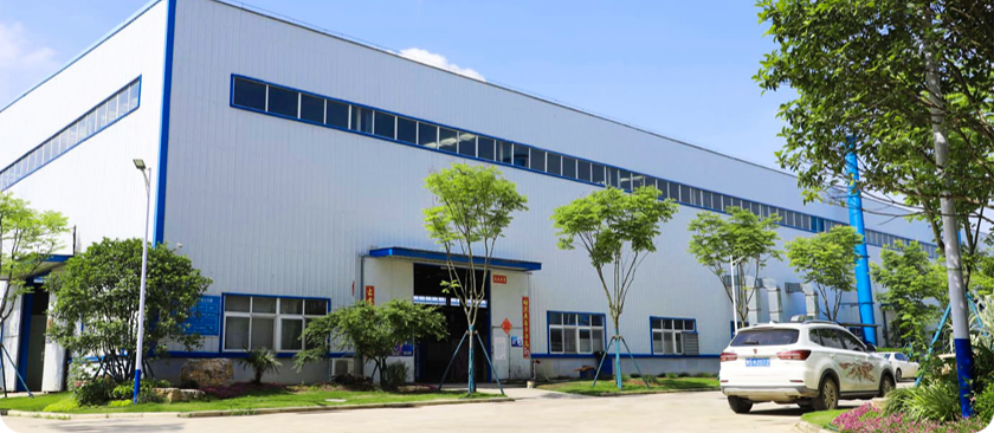
Jianbei's factory operates three production lines in a GMP-certified workshop with the help of two separate quality control labs. This gives them exact control over the spread of particle sizes and the consistency of each batch. If you keep properly packed goods in a dry, cool place for two years, they will stay potent throughout the supply chain.
Market Insights and Trends in Alpha Lipoic Acid Powder Procurement
The global market for antioxidant ingredients is growing, and alpha lipoic acid powder is still a top performer. This is because more and more people are interested in metabolic health, longevity, and neuroprotection. In the U.S. retail market, brands like NOW Foods and BulkSupplements have made ALA more well-known. Meanwhile, B2B demand is increasingly oriented toward traceable, certified, and sustainably produced raw materials.
It's clear that supplement companies are moving toward suppliers who can provide dual certification for vegan and organic compliance at the same time. This is because health-conscious end customers want products that meet both standards. With delivery times of 3–7 working days after payment confirmation and minimum order quantities starting at 1 kg, smaller brands and pilot-scale manufacturers can start quality evaluations without overextending procurement budgets. Telegraphic transfer, Alipay, XT, PayPal, and Western Union are all accepted as forms of payment. This gives international buyers a lot of options for how to complete their transactions.

Conclusion
Solubility and absorption are not just vague science ideas; they are the real-world factors that tell good alpha lipoic acid powder products from bad ones. If procurement professionals know how these two factors affect each other, they can source smarter, formulate better, and deliver products that meet efficacy claims. Serious supplement makers need high-purity thioctic acid powder that has been tested using HPLC, has all the necessary certifications, and is made in a way that follows good manufacturing practices (GMPs). Jianbei's export-ready alpha lipoic acid powder is positioned to support global nutraceutical supply chains with standardized quality and responsive logistics.
FAQ
1. What is the recommended dosage of ALA powder for supplement manufacturing?
Clinical research most commonly references dosages between 300 mg and 600 mg per day for metabolic and antioxidant applications of alpha lipoic acid powder. These ranges are usually followed when making the product, but the final dosage will depend on what the product claims to do and who it is meant for.
2. Does ALA powder absorb better than capsules?
Bioavailability depends on particle size, formulation matrix, and delivery system rather than physical format alone. When mixed with the right solubilizing agents, micronized bulk powder can work just as well as or better than standard capsules at absorption.
3. How do I obtain a sample with certification documentation?
The minimum order quantity starts at 1 kg, and certified samples with full COA, HPLC data, and compliance documentation can be arranged for qualified buyers.
4. Is this ALA powder compliant with FDA requirements for export to the U.S.?
Yes. The thioctic acid powder from Jianbei is registered with the FDA and has also been certified as ISO, GMP, HACCP, HALAL, Kosher, and Organic Food. This means that it meets the basic requirements for dietary supplement ingredients coming into the U.S.
Partner With Jianbei for Certified Alpha Lipoic Acid Powder Supply
Jianbei Biotechnology is a GMP-certified alpha lipoic acid powder manufacturer backed by 15 national invention patents, three dedicated production lines, and a full suite of international certifications. Whether you need pilot quantities or high-volume bulk orders, our team delivers standardized, export-ready product with documentation. Reach our team at sales@bqingbio.com to request your sample today.
References
1. Packer, L., Witt, E. H., & Tritschler, H. J. — Free Radical Biology and Medicine, 1995
2. Biewenga, G. P., Haenen, G. R., & Bast, A. — General Pharmacology: The Vascular System, 1997
3. Teichert, J., & Preiss, R. — Journal of Clinical Pharmacology, 2008
4. Shay, K. P., Moreau, R. F., Smith, E. J., Smith, A. R., & Hagen, T. M. — Biochimica et Biophysica Acta, 2009
5. Golbidi, S., Badran, M., & Laher, I. — Pharmacology & Therapeutics, 2011
6. Smith, A. R., Shenvi, S. V., Widlansky, M., Suh, J. H., & Hagen, T. M. — Current Medicinal Chemistry, 2004

When procurement managers and R&D directors search for reliable PDE5 inhibitor raw materials, understanding the performance factors behind a product becomes non-negotiable. Jinyang alkali powder — chemically identified as CAS 171596-41-1 with the molecular formula C22H30N6O4S·C6H8O7 and a molecular weight of 666.7 — is a pharmaceutical-grade fine yellow powder standardized at 98% purity by HPLC. Its role in supplement manufacturing, functional formulation, and pharmaceutical synthesis makes it a sought-after ingredient across multiple B2B sectors. This guide walks through its composition, processing performance, sourcing strategy, and market positioning to support confident procurement decisions.
Understanding Jinyang Alkali Powder: Composition, Properties, and Uses
Core Chemical Profile and Technical Specifications
Jinyang alkali powder has an exact chemical structure that makes it highly soluble and bioavailable in a wide range of carrier systems. Its 98% purity guarantee, confirmed by HPLC testing, makes sure that each batch is the same, which is very important for companies that make nutraceuticals and medicines that can't have active compounds that vary. Because it looks like a fine yellow powder, it can be mixed evenly in both solid and liquid delivery methods. The sealed shelf life of two years in cool, dry storage conditions gives producers more confidence in their ability to handle long stocking cycles.
Functional Mechanism and Industrial Relevance
Specifically blocking phosphodiesterase type 5 (PDE5) stops the breakdown of cyclic guanosine monophosphate (cGMP). This is what makes the process work. By keeping cGMP levels high, the compound helps relax the vascular smooth muscles in the corpus cavernosum, which directly improves erectile function. This uniform method gives companies that make supplements for guys a reliable way to back up their claims about how well the supplements work. Unlike plant preparations, which can vary in how strong they are, this ingredient has a clear pharmacological profile that makes it easier to make doses and fill out regulatory paperwork.
Application Scenarios Across Industry Segments
This ingredient is useful in three different production settings within the B2B buying sectors. Knowing where it performs best helps buying teams make decisions about where to buy things that are in line with their goals for product development:
- Solid dosage manufacturing: The fine particle distribution helps with even mixing when capsules and tablets are compressed, so the active ingredient stays intact even when there is a lot of mechanical pressure. Separation risk in powder mixes is lower when particles are all the same size. This is a constant worry for making large batches of tablets.
- Functional supplement powders: This ingredient mixes well with other ingredients like microcrystalline cellulose and maltodextrin in nutritional powders that target male energy and heart health. Its low moisture level keeps the powder's flow qualities and keeps it from sticking together during filling.
- Liquid and tincture systems: Because it dissolves well in organic liquids, it can be used to make alcohol-based tinctures, which is a growing market for functional drinks and plant health products.
These uses cover the main needs of companies that make health supplements, functional foods, and medicines, which makes jinyang alkali powder a flexible target for buyers.

Performance Optimization of Jinyang Alkali Powder in Industrial Processes
Factors That Govern Processing Efficiency
To get reliable output quality with any fine pharmaceutical powder, you need to pay attention to processing factors that aren't always taken into account when the powder is bought. Controlling the temperature while blending has a direct effect on how easily the powder flows. Too much heat can change the surface features of the particles and make the finished product less consistent in how it dissolves. Concentration management is also important. Formulators who precisely calibrate the ratios of active ingredients to excipients achieve higher content uniformity, which is something that regulators are looking at more closely in dietary supplement audits.
When you mix dynamics, you add another variable. When high-shear blenders are used for long periods of time, they can damage delicate chemical structures because they use kinetic energy. For Jinyang alkali powder, keeping moderate shear parameters protects the structure of its citrate salt form, which has a direct effect on how quickly it dissolves in the stomach.
Practical Strategies for Maximizing Yield and Stability
A few not-so-obvious things that manufacturers who consistently get great results do are worth mentioning. Mixing the active powder with some of the liquid ahead of adding the rest of the ingredients makes the mixing more efficient and less likely to separate. Controlling the humidity below 40% RH during production stops moisture absorption. This is especially important for this ingredient, which works best when kept shut in a cool, dry place. When quality teams use HPLC checks during the process at regular intervals for mixing, they can catch potency drift before it gets to the finished product stage.
Comparing Jinyang Alkali Powder with Other Alkali Powders
Chemical Properties and Performance Benchmarks
If you compare Jinyang alkali powder to other PDE5 inhibitor analogs or other common alkaline excipients, its citrate salt formulation makes it stand out. The citrate counterion makes it easier for the analogs to dissolve in water compared to base-form analogs. This means that oral dosage forms dissolve faster. Soda ash and sodium bicarbonate are used to neutralize things in other industries, but they don't have the same bioactive effect. This means that the comparison is less about chemical resemblance and more about how they work when it comes to pharmaceutical-grade ingredient sources.
Certification Standards and Supplier Credibility
More and more, procurement workers are using certification portfolios as a substitute for how reliable a seller is. Jianbei Biotechnology's jinyang alkali powder has a lot of different certifications, such as FDA registration, GMP, ISO, HALAL, HACCP, Kosher, and Organic Food certification. This large amount of compliance paperwork directly addresses the problems that foreign buyers face when they have to handle sales in more than one market and make sure that a single ingredient meets the rules in all of those markets at the same time.
Client Feedback and Sourcing Experience
Buyers who have switched from less standardized sources of raw materials always say that the quality of the paperwork and regularity of the batches help their internal quality control pass rates. Having HPLC test results for each batch available makes it easier to do testing in-house, which cuts operational costs for procurement teams that are trying to meet tight production schedules.
Procurement Guide: How to Source Jinyang Alkali Powder for Industrial Use
Ordering Parameters and Logistics
Jianbei Biotechnology lets you buy in a variety of ways, and the smallest order is just 1 kg, which can be packed in 1 kg aluminum foil bags or 25 kg drums for large orders. Three to seven business days after payment is confirmed is when the Jinyang alkali powder is delivered. This time frame works for companies with flexible production plans. The product can only be exported, making it perfect for foreign B2B buyers looking for a GMP-certified Chinese manufacturer to offer them.
Payment and Supplier Verification
Telegraphic transfer, Alipay, XT, PayPal, and Western Union are all accepted as ways to pay, giving buyers from all over the world more options. Before making large orders, procurement managers should ask for the certificate of analysis (COA), the HPLC test report, and any relevant regulatory licenses to check the supplier's qualifications. Jianbei's three production lines, GMP-compliant workshop, and two separate labs give large buyers the production capacity and quality infrastructure they need.
Future Trends and Innovations Impacting Jinyang Alkali Powder Usage
Tougher rules on ingredients in men's health supplements are changing how companies get their raw materials. The FDA is paying more attention to active ingredients in dietary supplements that aren't being disclosed. This has increased the need for pharmaceutical-grade ingredients that are fully recorded and clearly sourced. When manufacturers deliberately add well-characterized, certified raw materials, they get a measured compliance edge.
Leading nutraceutical facilities are starting to use automation for powder mixing and in-line HPLC tracking as standard. This is causing a new need for ingredients with precise particle size requirements and predictable dissolution profiles. As the industry moves toward stricter process analytical technology (PAT) frameworks, suppliers that put money into consistent particle engineering and thorough batch recording will have a strategic edge. For example, Jianbei does this across all of its production lines for Jinyang alkali powder.

Conclusion
Jinyang alkali powder has a clear production process, strict quality standards, and a wide range of certifications that meet the needs of companies that make health supplements, make medicines, and sell their products around the world. Its working performance is controlled by factors like temperature, mixing settings, and humidity, which can be easily improved by production teams with a lot of experience. Getting your ingredients from a GMP-certified, multi-patented supplier like Jianbei Biotechnology guarantees both the quality of the ingredients and their readiness for regulatory approval. This gives procurement professionals a reliable raw material base for differentiating their products and staying competitive in the market.
FAQ
1. What is the recommended storage condition for this ingredient?
Keep away from direct sunlight and water in a cool, dry place. The product stays fully active for up to two years if it is kept in its original, sealed packaging.
2. How is purity verified?
The purity is checked using High-Performance Liquid Chromatography (HPLC), and each batch is checked to make sure it meets the 98% requirement.
3. What is the minimum order quantity?
The smallest amount you can buy is 1 kg. It usually takes 3 to 7 business days after payment for bulk orders to arrive in 25 kg drums.
4. Which certifications does the product carry?
The item has certifications from the FDA, GMP, ISO, HALAL, HACCP, Kosher, and Organic Food, which help it comply with foreign rules in many places.
Partner with Jianbei — Your Trusted Jinyang Alkali Powder Supplier
Jianbei Biotechnology is a manufacturer that is GMP-approved and has 15 national invention patents, three production lines, and two separate quality labs. As a verified manufacturer of jinyang alkali powder, we offer pharmaceutical-grade material that is 98% pure and comes with all the necessary certification paperwork from organizations like FDA, ISO, HALAL, HACCP, and more. Your buying process stays quick and safe as long as you order at least 1 kg and get it in 3 to 7 business days. To get a COA, technical datasheet, or competitive quote right away, email sales@bqingbio.com.
References
1. Corbin, J. D. (2004). Mechanisms of action of PDE5 inhibition in erectile dysfunction. International Journal of Impotence Research, 16(S1).
2. Ghofrani, H. A., Osterloh, I. H., & Grimminger, F. (2006). Sildenafil: From angina to erectile dysfunction to pulmonary hypertension and beyond. Nature Reviews Drug Discovery, 5(8).
3. European Medicines Agency. (2012). Guideline on the specification limits for residues of metal catalysts or metal reagents. EMA/CHMP/SWP/4446/2000.
4. United States Pharmacopeia. (2023). General Chapter <621>: Chromatography — HPLC Methods for Pharmaceutical Raw Materials. USP–NF.
5. International Council for Harmonisation. (2020). ICH Q6A: Specifications — Test Procedures and Acceptance Criteria for New Drug Substances and New Drug Products. ICH Harmonised Guideline.
6. Grand View Research. (2023). Dietary Supplements Market Size, Share & Trends Analysis Report by Ingredient, Application, End-User, Distribution Channel, Region, and Segment Forecasts, 2023–2030.
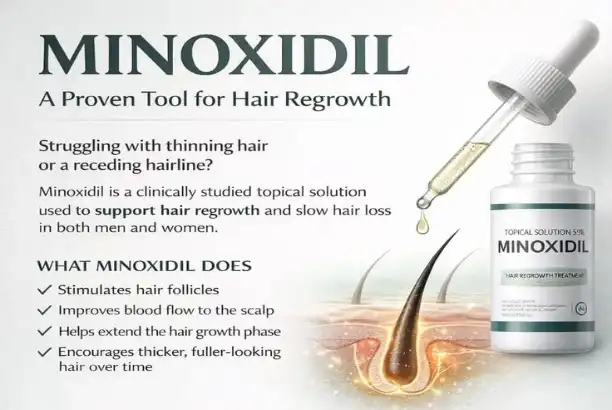
When sourcing active pharmaceutical ingredients for hair growth formulations, the physical characteristics of the raw material matter just as much as its chemical identity. Minoxidil powder (CAS 38304-91-5, molecular formula C9H15N5O) is a white or off-white crystalline API used globally to treat androgenetic alopecia and alopecia areata. Its particle properties—size distribution, morphology, purity, and flowability—directly govern solubility, bioavailability, and formulation stability. For R&D directors, product managers, and procurement professionals, understanding these attributes is the foundation of a reliable supply strategy.
Understanding Minoxidil Powder and Its Particle Properties
What Defines a "Particle Property" in Pharmaceutical Powders?
The capacity to flow, the particle size distribution (PSD), the surface morphology, the bulk density, and the moisture content are the physical qualities that may be measured for a crystalline material. Every single one of these elements has an impact on the subsequent stages of the manufacturing process for medicines. When you combine a large quantity of an active pharmaceutical ingredient (API) that, for instance, has an irregular form, it will behave in unexpected ways, which will directly impair the regularity of the dosage.
There is a specific molecular structure of minoxidil powder, which was evaluated using high-performance liquid chromatography (HPLC) and determined to be at least 98% pure. The molecular weight of this substance is 209.25 g/mol, and its structure is referred to as piperidinopyrimidine. Because of this, it is considered to be weakly lipophilic, which means that it dissolves in ethanol and propylene glycol but hardly dissolves in water (about 2 mg/mL). The solubility profile is closely connected to the particle size. Smaller particles dissolve more rapidly and completely than larger particles, which enables bigger quantities to be employed in topical vehicles and enhances penetration into hair follicles.
Sensitivity to moisture and flowability are both highly significant characteristics to consider. When kept in conditions that are less than optimum, minoxidil powder has the ability to absorb water. You may preserve the crystals for a period of two years by carefully sealing them in aluminium foil bags or 25-kilogram drums for bulk orders and keeping them in a dry and cold location. This will ensure that the crystals remain intact. If the moisture content of the powder is altered in any way, it will result in a change in its bulk density and inclination to clump, which will prevent the automated pouring lines from functioning properly.

Comparison of Minoxidil Powder with Other Forms: Why Particle Properties Are a Decisive Factor
Powder vs. Ready-Made Formulations: A Procurement Perspective
Minoxidil is sold in a number of finished forms, including foams, topical treatments, and pills that have been mixed together. Formulators are locked into a set concentration and carrier system with each format. Raw crystalline minoxidil powder, on the other hand, gives producers full flexibility in how they make their products. They can aim for the normal over-the-counter concentrations of 2% or 5%, make high-potency mixes up to 15%, or add active ingredients that work well together, like finasteride.
Particle quality becomes the decisive variable in this comparison. Take a look at these differences that procurement teams often look at:
- Topical solutions need the API to dissolve completely. Coarser particle sizes don't dissolve evenly, leaving behind solids that change the concentration listed on the label and cause quality control problems during the fill-finish check.
- Foam and spray aerosols require micronized grades (d90 < 10 µm) to keep the valves from getting clogged and to make sure that the active material is spread out evenly during each actuation.
- Compounding applications need precise control over crystal habit to make sure stability in complex solvent settings with citric acid, lactic acid, or co-solvent mixes.
These differences show why particle specification, not just chemical purity, should be a big part of every checklist for qualifying suppliers. When you pay more up front for well-characterized, certified-grade crystalline material, you get fewer batches that are rejected, lower rework costs, and faster regulatory clearance. When compared to buying cheaper options, that equation makes the total cost of ownership a lot better for OEM brands and foreign distributors.
Optimizing Procurement: Why Particle Properties Should Guide Your Sourcing Decisions
Certifications and Quality Standards That Signal Reliable Particle Control
Documentation is the first step in qualifying a supplier. A reliable minoxidil powder provider should give you a Certificate of Analysis (COA) with HPLC purity data, a full Material Safety Data Sheet, and proof that the powder was made in a way that follows good production practices. FDA registration, ISO, HALAL, HACCP, Kosher, and Organic Food certification are all examples of certifications that check production standards on their own.
A lot of suppliers don't do a good job with particle stability from batch to batch. A provider with dedicated production lines in a GMP workshop and independent testing labs is the best way to be sure that PSD is consistent. Jianbei Biotechnology has three production lines, a GMP-standard workshop, and two separate labs. This infrastructure is designed to keep particle uniformity even when doing small pilot runs or large commercial volumes.
Logistics and wait time depend on the quality of the particles as well. If the batch is well-milled and dried, it will ship regularly. If the processing isn't consistent, the batch may cake while in transit, making the material useless when it gets there. Procurement teams can plan their inventory cycles without any problems because the minimum order size is 1 kg, shipping times are 3–7 working days after payment, and there are multiple payment methods, such as T/T, Alipay, PayPal, and Western Union. The powder can only be exported, which makes it a great place for buyers from North America, Europe, and the Asia-Pacific area to find it.
Practical Guide: How to Use and Mix Minoxidil Powder Effectively Considering Particle Properties
Dissolution, Dispersion, and Handling Protocols for Formulators
To make a stable, uniform minoxidil powder formulation, you must first understand how the API dissolves. Most topical solutions use an ethanol-propylene glycol co-solvent system because water doesn't dissolve them well. Before adding the crystalline powder, slowly heating the solvent to about 50°C speeds up the breakdown process and lowers the chance of crystals forming when the mixture cools.
The most common problems that come up during large-scale processes are powder clumping and caking. Most of the time, these problems happen when the humidity level in the air is higher than what is recommended for storage, or when the material is moved in bulk and exposed to changes in temperature. Some practical steps to reduce the risk are:
- Equilibrating the sealed container to ambient temperature before opening, to prevent condensation on the crystalline surface.
- Using closed-system dispensing equipment to limit atmospheric moisture exposure during weighing.
- Incorporating a high-shear mixing stage when preparing suspensions or foam concentrates, ensuring micronized particles remain evenly dispersed throughout the vehicle.
Particle purity has a direct effect on how accurate the dosage is. Volumetric or gravimetric dispensing gives the same amount of active ingredient per unit dose as long as the crystals are whole and the PSD is tight. This level of uniformity is a must for any product that makes clinical effectiveness claims, whether it's sold over-the-counter, through subscription hair health brands, or through compounding pharmacies.
Future Trends and Innovation in Minoxidil Powder Particle Engineering
Nano-Sizing, Controlled Release, and Sustainable Manufacturing
Particle engineering is making fast progress in the hair growth field. Nano-crystalline minoxidil technology is showing changes in how well it is absorbed through the skin, which means that formulators can get the same therapeutic results with lower active concentrations. Controlled-release granular systems, such as microencapsulation, lipid nanoparticles, and cyclodextrin complexes, are making follicular contact last longer without having to be applied more often.
At the same time, goals for sustainability are coming together with high-purity production methods. Global procurement teams looking at long-term supplier partnerships are starting to expect green chemistry synthesis routes, waste-stream reduction protocols, and solvent recovery systems. For procurement workers, engaging in particle analytics like dynamic light scattering, laser diffraction, and scanning electron microscopy, and keeping in close contact with technically skilled suppliers puts a brand ahead of new rules and consumer demands for openness.
Conclusion
The qualities of particles are not extra details; they are the engineering base on which all successful hair growth formulas are made. The way minoxidil powder is made affects how well it dissolves, how accurately it is dosed, how stable it is during processing, and how well it meets regulatory requirements. These physical properties affect every step of the manufacturing process. Teams that use PSD, morphology, and purity as their main sourcing criteria will always do better than teams that only look at price. Working with a provider that is properly qualified and GMP-certified will make sure that the quality of the particles stays the same from the lab prototype to mass production.

FAQ
1. How does particle size affect minoxidil's effectiveness in topical formulations?
Smaller particles dissolve more fully in co-solvents, which means that the follicular unit gets higher amounts of active substances. For foam and spray forms, micronized grades are needed to keep the phases from separating and the valves from getting clogged.
2. What is the difference between standard and micronized crystalline grades?
Crystalline materials that are standard work well in liquid solutions where the API dissolves completely. Micronized material (d90 < 10 µm) is needed for spray and liquid systems that need to spread particles evenly without settling.
3. What compliance documents should accompany a bulk shipment?
A full validation packet has a Certificate of Analysis (COA), an MSDS/SDS, a GMP certificate, and stability data that proves the batch meets the requirements of the USP or EP monograph.
4. Why does minoxidil solution sometimes show crystal precipitation?
Precipitation usually happens when the co-solvent ratio isn't right or when the temperature drops while the mixture is being stored. This problem can be avoided by finding the best propylene glycol-ethanol ratio and slowly heating the solvent while it dissolves.
Partner with Jianbei — Certified Minoxidil Powder Supplier for Global Manufacturers
Jianbei Biotechnology provides pharmaceutical-grade crystalline minoxidil powder that is certified by FDA, GMP, ISO, HALAL, HACCP, and Kosher—supported by three dedicated production lines and two separate testing labs. Our team is ready to offer customized specs, COA paperwork, and reasonable prices, whether you need a 1 kg test sample or large quantities for mass production. Reach out to our technical team at sales@bqingbio.com to request a quote for minoxidil powder today.
References
1. Messenger, A. G., & Rundegren, J. (2004). Minoxidil: Mechanisms of action on hair growth. British Journal of Dermatology, 150(2), 186–194.
2. Suchonwanit, P., Thammarucha, S., & Leerunyakul, K. (2019). Minoxidil and its use in hair disorders: A review. Drug Design, Development and Therapy, 13, 2777–2786.
3. Villanueva-Bedoya, S., et al. (2022). Solubility and dissolution enhancement strategies for BCS Class III drugs including topical APIs. International Journal of Pharmaceutics, 617, 121615.
4. Aulton, M. E., & Taylor, K. M. G. (2018). Aulton's Pharmaceutics: The Design and Manufacture of Medicines (5th ed.). Elsevier.
5. Banker, G. S., & Rhodes, C. T. (Eds.). (2002). Modern Pharmaceutics (4th ed.). Marcel Dekker.
6. European Pharmacopoeia Commission. (2023). European Pharmacopoeia (11th ed.). Council of Europe.
Sourcing tadalafil bulk powder at scale demands more than a quick supplier search. As procurement professionals, R&D directors, and product managers working in pharmaceutical manufacturing or nutraceuticals, we face a consistent challenge: securing a high-purity, compliant API that holds up under rigorous formulation demands. This guide walks through every critical stage of the procurement process — from understanding what separates quality material from substandard alternatives, to building supplier relationships that sustain long-term supply chain stability.
Understanding Tadalafil Bulk Powder and Its Procurement Challenges
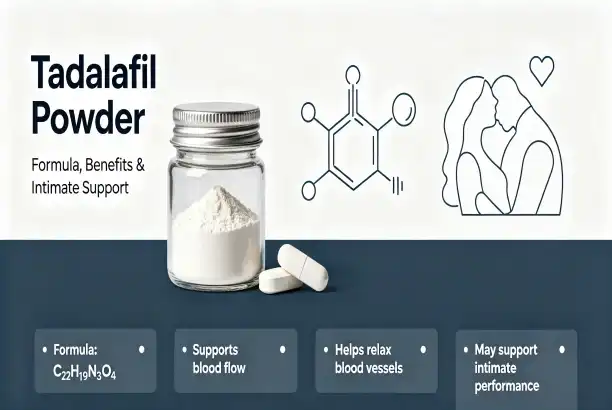
Tadalafil is a drug that inhibits phosphodiesterase type 5 (PDE-5). Its chemical formula is 171596-29-5, and it is manufactured by a pharmaceutical company. The molecular weight of this substance is 389.4 grams per molecular unit, and its chemical formula is C₂₂H₁₉. To be considered pure, it must be at least 98% pure and have the consistency of a white powder that is solid. This active pharmaceutical ingredient (API), which may be found in several drugs, has the potential to cure a number of illnesses, including benign prostatic hyperplasia (BPH) and erectile dysfunction (ED). In the smooth muscle of the penile area, it induces a rise in the concentration of cGMP. This is because it inhibits the PDE-5 enzyme, which is responsible for the process. This, in turn, makes it possible for the blood vessels to grow while yet maintaining their movement.
Why Procurement Gets Complicated
When compared to makers of finished-dose tablets, manufacturers of powdered active pharmaceutical ingredients have full control over the formulation of their products. This includes the capability to change the amount, choose the distribution mode, and increase the batch size before the product is sent. It is important to note, however, that this liberty is accompanied by a great danger of sourcing. On the global market for PDE5 inhibitors, there is a large number of retailers, and the companies that offer these inhibitors have quality records that are quite different from one another. There are a number of frequent problems that procurement teams face on a daily basis. Some of these problems include inconsistent purity claims, missing regulatory documentation, and counterfeit commodities that are incorrectly advertized as being from the pharmaceutical industry. In addition to the United States of America, the European Union, and rising economies, there are customs restrictions that make it even more difficult to transfer goods. When buying teams are aware of these concerns in advance, they are better equipped to develop more specific criteria for tadalafil bulk powder before commencing the assessment process with manufacturers. This allows them to make more informed decisions.

Essential Quality Criteria for Evaluating API Suppliers
There are different standards that different companies that sell tadalafil bulk powder follow. When I look at a possible API source, I focus on five quality factors that I will not compromise on:
- HPLC-verified purity at ≥98%: High-Performance Liquid Chromatography is the scientifically accepted way to confirm test purity, and it can confirm purity at ≥98%. For real purchase due diligence, a Certificate of Analysis (COA) without HPLC chromatogram data is not enough.
- Residual solvent profile: Gas chromatography must show that manufacturing solvents like methanol or toluene are within the limits set by ICH Q3C.
- Heavy metal screening: ICP-MS testing for lead, arsenic, and mercury makes sure the item meets worldwide pharmacopeial standards.
- Loss on Drying (LOD): Keeping the amount of moisture in check is important for keeping the shelf life stable. If you keep Jianbei's tadalafil powder in a dry, cool place, it will last for two years after it is sealed.
- IR Spectroscopy & Optical Rotation confirmation: The IR Spectroscopy and Optical Rotation confirmation tests protect against analogs that look like pure tadalafil but are not bioavailable. They work like molecular fingerprints.
You don't have to check these conditions if you don't want to. They are the actual basis of honest pharmaceutical buying. You should immediately remove from your shortlist any suppliers who can't provide third-party validation reports or who are unwilling to share full batch documentation.
Certifications That Signal Credibility
In addition to test results, a supplier's licenses show what kind of production they do. API providers you can trust have factories that meet GMP standards, are registered with the FDA, are ISO certified, follow HACCP rules, and are certified to make organic foods. These qualifications show that quality control is built into the production process and not just added after the fact.
Comparing Tadalafil Bulk Powder With Alternative Forms and Competitors
Bulk Powder vs. Finished Tablets
Finished pills are useful, but they can't be changed. When companies are making special formulas, like standard oral tablets, oral films, or compounding solutions, tadalafil bulk powder gives them a lot more options and lower costs per unit. On the other hand, strict internal quality control infrastructure is needed. However, for medium to large pharmaceutical and nutrition companies, investing in process control gives them big benefits in differentiating their products from the competition.
Tadalafil vs. Other PDE5 Inhibitors
When looking at tadalafil API vs. sildenafil or vardenafil in bulk powder form, there are three differences that affect how you buy them. The therapeutic window for tadalafil is up to 36 hours, while the therapeutic window for sildenafil is only 4–6 hours. This trait affects the design of the dosing mixture and how the finished product is positioned in the market. For transportation purposes, tadalafil powder doesn't like water, so it needs helpers in the form of surfactants like Polysorbate 80 to mix with water. The size of the particles is also important. Micronized powder with particles smaller than 10 microns greatly improves absorption by making the breakdown surface area bigger.

Strategic Steps to Source High-Quality Tadalafil Bulk Powder
A structured strategy for buying tadalafil bulk powder lowers risk at every step. When starting a new relationship with a seller, these are the main steps that procurement managers who have done this before do:
- Define procurement specifications clearly: set the minimum purity (≥98%), the range of accepted particle sizes, the type of packing (1 kg aluminum foil bag or 25 kg drum), and the regional compliance paperwork before sending out any RFQs.
- Audit supplier capacity and infrastructure: Check the seller's infrastructure and capability. Make sure the supplier has a verified GMP-standard workshop, independent quality labs, and enough production lines to meet your volume needs.
- Request and test samples before committing to bulk orders: Before placing a bulk order, ask for and try samples. A minimum order quantity of 1KG makes it easy for buying teams to check the quality of materials against their own specification sheets with little risk.
- Clarify logistics and lead times: Make logistics and wait times clear. Reliable providers agree to clear delivery windows. For example, Jianbei delivers within 3–7 business days after receiving confirmation of payment. T/T, Alipay, XT, PayPal, and Western Union are all accepted.
- Review compliance documentation for your target market: Check the legal paperwork for the market you want to reach. For packages going to the US, FDA registration is required. For markets in the EU or Southeast Asia, you may need to fill out more REACH or local import paperwork.
These steps create a framework for purchasing that can be used again and again to protect both the quality of the product and the budget.
Logistics and Storage Considerations
Tadalafil API needs to be kept somewhere dry and cool, away from light and water. When stored properly, factory-sealed 25 kg drums stay stable for up to 24 months. When looking at different providers, make sure that they check the integrity of the packaging as part of their quality control process and that cold-chain or moisture-control methods are used as needed during transport.
How to Establish Long-Term Partnerships With Trusted Suppliers
Finding cialis bulk powder is not a task focused on business; rather, it is a task that is based on relationships. The providers that consistently fulfil your quality standards, comply with your regulations, and provide a prompt response become an essential component of your production strategy.
When it comes to matters such as batch scheduling, changes to regulations, and formulation assistance, long-term partnerships function best when both sides maintain an open and honest communication style. Key performance indicators (KPIs) should be established for the purpose of ensuring that deliveries are accurate, that COAs are consistent between batches, and that quality queries are answered. It is possible to detect quality drift before it becomes an issue in the supply chain by conducting facility audits once or twice a year and continuous batch re-verification by independent laboratories.
Located in Guangzhou Software Park, Jianbei Biotechnology Co., Ltd. has a facility that is GMP-certified and features two distinct laboratories in addition to three manufacturing lines that are solely devoted to the creation of their products. The fact that the firm owns 15 national innovation patents and 8 utility model patents that cover essential manufacturing processes demonstrates that it has the technological depth necessary to guarantee a consistent supply of APIs for an extended period of time.
Conclusion
Finding a reliable source of pharmaceutical-grade tadalafil bulk powder requires careful consideration, including checking the purity using HPLC and making sure the seller has the right licenses and permits, as well as planning transportation and managing relationships with suppliers. When procurement professionals use these standards, they protect their recipes, their legal status, and the image of their brand. Following the steps in this guide is a useful framework that can be used by both small and big nutritional businesses. When you find the right supplier, they don't just send you materials; they become a technical partner in the success of your product.

FAQ
1. What purity level should I require for pharmaceutical-grade tadalafil API?
The bar for pharmaceutical-grade material is a purity of at least 98%, which can be checked by HPLC. You should always ask for a COA that comes with a chromatogram that shows the main peak area percentage, not just a list of specifications.
2. How can I verify that a supplier's tadalafil powder is authentic and not an analogue?
Liquid chromatography-mass spectrometry, or LC-MS/MS, is the most reliable way to find things. The real tadalafil records at 389.4 g/mol, which is the molecular weight of 389.4 g/mol. Any difference shows a structural analogy or material that has been tampered with.
3. What certifications should a credible tadalafil API supplier hold?
As a minimum, look for FDA registration, GMP approval, ISO compliance, and HACCP paperwork. HALAL and KOSHER certifications are also useful for businesses that sell to international customers who have religious rules to follow.
4. What is the minimum order quantity and how quickly can I receive a sample?
Jianbei's minimum order size is 1KG, and they deliver within 3–7 business days after receiving payment. This lets procurement teams check the quality of the goods themselves before committing to bigger orders in bulk.
Partner With Jianbei for Reliable Tadalafil Bulk Powder Supply
Jianbei Biotechnology is a reliable company that makes tadalafil bulk powder. They have three specialized lines, GMP-certified production, and all kinds of certifications, such as FDA, ISO, HALAL, and HACCP. Our infrastructure is based on research and development, and we keep a lot of inventory on hand, so we can handle consistent, high-volume fulfillment without lowering the quality. Are you ready to ask for a sample or talk about a custom large order? You can reach us at sales@bqingbio.com to see all of our APIs.
References
1. Boolell, M., & Gepi-Attee, S. — British Journal of Urology, 1996.
2. Porst, H., et al. — "The Efficacy and Tolerability of Vardenafil, a New Oral Selective PDE5 Inhibitor" — International Journal of Impotence Research, 2001.
3. Forgue, S.T., et al. — "Tadalafil Pharmacokinetics in Healthy Subjects" — British Journal of Clinical Pharmacology, 2006.
4. U.S. Food and Drug Administration — Guidance for Industry: Q3C — Impurities: Residual Solvents, FDA, 2012.
5. International Council for Harmonisation of Technical Requirements for Pharmaceuticals for Human Use — ICH Q7: Good Manufacturing Practice Guide for Active Pharmaceutical Ingredients, ICH, 2000.
6. Corbin, J.D., & Francis, S.H. — "Pharmacology of Phosphodiesterase-5 Inhibitors" — International Journal of Clinical Practice, 2002.
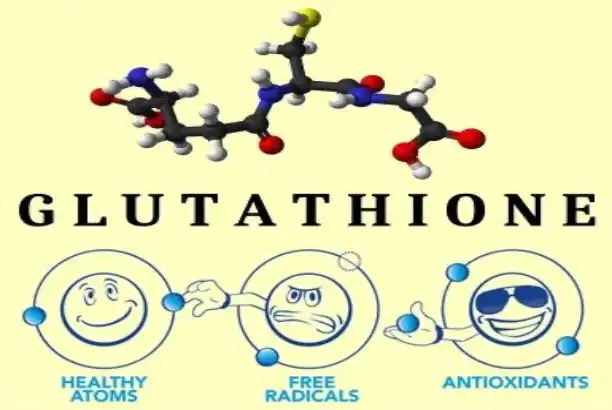
L-glutathione powder, known as the "Master Antioxidant," is a reduced-form tripeptide (GSH) composed of glutamic acid, cysteine, and glycine. With CAS No. 70-18-8 and a molecular formula of C10H17N3O6S, it plays a central role in cellular defense, liver detoxification, and skin brightening by scavenging free radicals and inhibiting tyrosinase activity. As global B2B demand surges across nutraceuticals, cosmetics, and pharmaceuticals, liposomal delivery technologies have emerged as a transformative advancement—protecting this sensitive molecule and maximizing bioavailability across diverse formulation platforms.
Understanding L-Glutathione Powder and Its Applications
It is known as glutathione, and it still has a free thiol group (-SH) on the cysteine residue that it possesses. The fact that it is still physically active distinguishes it from GSSG, which has undergone oxidation compared to this substance. Because of the way it is constructed, it is able to provide electrons that may facilitate the elimination of reactive oxygen species (ROS) at the level of cells. For the purpose of producing the highest quality grades, non-GMO Saccharomyces cerevisiae is fermented with enzymes. The company guarantees that the product is devoid of any impurities that originate from animals, that it is vegan, and that it is pure in both enantiomers. The marketplaces that offer supplements with clean labels should pay attention to all of these factors.
Key Industrial Applications
It is a material that is beneficial in many different fields since it can accomplish many different things, including the following:
- Because it is an antioxidant and beneficial to the liver, glutathione (GSH) is a component of nutraceuticals and functional supplements. It is available in powder and tablet form, and it is taken orally. It is simple to include in lines of products that support the immune system, detoxify the body, and combat ageing since it is at least 98% pure, as determined by HPLC testing. Because it contains sulfhydryl groups, it functions almost exactly like a vitamin and has a direct connection to the metabolic process.
- Skincare and Dermo-Cosmetics: GSH prevents tyrosinase from performing its function in the dermatology and cosmetics industries. Pheomelanin, which is lighter than melanin, is produced as a result of this alteration in their development. As a result, the bleaching compounds found in serums, creams, and masks are able to perform more effectively. This is because it reduces the damage that UV radiation does to cells. In order to be successful, cosmetics need ingredients that are consistent from batch to batch, do not smell like sulphur, and contain no sulphur.
- Pharmaceutical Adjuncts: High-purity GSH that is regulated for endotoxins is utilised as an active ingredient in hepatoprotective formulations and clinical detoxification processes that need documentation at the GMP level and microbiological controls.
The oxidative instability that occurs during the processing, storage, or delivery of all of these applications is a technological difficulty that is shared by all of them. Liposomal encapsulation brings about a whole other set of circumstances when it comes to that particular issue.

Liposomal Delivery Technology for L-Glutathione Powder
L-glutathione powder taken by mouth has a problem with absorption that has been studied a lot. In 2014, the European Journal of Nutrition published research that showed that taking GSH by mouth does raise glutathione levels in the blood. However, digestive enzymes break down regular powder capsules before they can get into the systemic circulation. This is the main issue that liposomal technology was created to address.
How Liposomal Encapsulation Works
Liposomes are examples of very small bubbles that are composed of phospholipids and have a form that is similar to that of the membranes that surround human cells. When GSH is contained inside these vesicles, it is protected from being degraded by the enzymes and acid that are produced by the stomach. Due to the presence of the phospholipid shell, some cells are able to take it in directly via the process of membrane fusion. By doing so, the typical absorption pathways in the stomach are bypassed. Both the management of the particle size (which is typically between 100 and 300 nm) and the stability of the zeta potential are critical elements that influence how effectively a product functions while it is being manufactured.
When it comes to those who manufacture B2B goods, liposomal GSH might be of assistance. When compared to powder that is not sealed, it is much more stable in ready-to-drink (RTD) liquid variants that include water. The dermis is penetrated more deeply by skin care serums that are based on nanoliposomal GSH. Through the process of heating functional foods, the odour of sulphur may be concealed, while the beneficial qualities of the meal are preserved.
If you want to be absolutely certain that liposomal GSH is of high quality, it is necessary to examine it for particle size distribution, oxidation indicators, and the degree to which it encapsulates objects under circumstances of quick stability. In order to sell their goods in the United States or the European Union, original equipment manufacturers (OEMs) and brands are required to comply with these regulations.
Comparing L-Glutathione Powder Forms and Supplement Options
To pick the best L-glutathione Powder form, you need to think about how bioavailable it is, how hard it is to make, how much it costs, and how well it meets regulatory requirements. When it comes to buying from businesses, these are how the main forms compare.
Of all the ways to make a lot of something, powder is still the most customizable and cheap. It is possible to make pills, sachets, liposomal solutions, and skin actives from the white crystalline powder as long as it is 98% pure (HPLC). One kg is the smallest order size that can be used for pilot production. It can also be used for large OEM runs that come in 25 kg drums.
Powder vs. Capsules vs. Tablets
Each type of batch has its own pros and cons. You can make more complex mixtures with powder, and it costs less per unit. However, you have to be careful not to let it absorb water, because powder is hygroscopic. Enteric-coated capsules are better for surgery on the stomach, but they take longer to make. When you make tablets, you need glues that don't break down when they get hot. For most business-to-business uses that need freedom and paperwork that is ready for compliance, high-purity GSH powder is still the best place to start.
Synergistic Formulation Strategies
It is known that when you mix L-glutathione powder with vitamin C (ascorbic acid), you get a regeneration cycle. When glutathione is damaged, vitamin C changes it back into its active form. This makes the whole system more protective. NAC is a GSH precursor that is often found in foods that are good for the liver. People who make products that are unique, work well, and have a strong market are most likely to be interested in these combinations.
Strategic Procurement of L-Glutathione Powder for B2B Clients
When it comes to purchasing beneficial items such as L-glutathione Powder, the price per unit is not the only factor that is taken into consideration. Whether a seller connection can last for an extended period of time is contingent upon the stability of their operations, the number of certifications they possess, and the ease with which they can be monitored for their products.
Certification and Quality Verification
Taking a look at the provider's collection of certificates is one of the most effective methods to determine whether or not you can rely on them. Certified organic sources, as well as certifications from the FDA, GMP, ISO, HACCP, HALAL, and KOSHER, are all hallmarks of a reputable company. In the Middle East, the European Union, and the United States, each of these must adhere to a different set of regulations. In order to guarantee that the strength is accurately stated, the HPLC-based testing procedure is used. The Certificates of Analysis (COA) for each batch, as well as the results of tests for heavy metals and microorganisms, should be requested by purchasers.
In addition to the significance of papers, the physical infrastructure is also of great importance. In comparison to purchasing from a trading firm that relies on third-party suppliers, it is far more secure to purchase from a vendor that possesses specialised GMP manufacturing lines, in-house laboratories, and quality systems that are capable of being audited.
Logistics and Storage Considerations
It is possible to utilise L-glutathione Powder for a period of two years without it going bad if it is stored in a dry and cold environment. Putting items in drums weighing 25 kilograms or metal foil bags weighing one kilogram may be used to make things on a big scale, in addition to doing minor experiments. Considering that the delivery timeframes range from three to seven business days following payment, you are able to immediately schedule your purchase. Due to the fact that they allow a variety of payment methods, including T/T, PayPal, Western Union, Alipay, and XT, individuals are able to employ a variety of strategies for making purchases in other countries. In situations when merchants make these logistical aspects explicit, it is much simpler to purchase products. Accurate demand projections may also be made by original equipment manufacturers (OEMs) and delivery partners that are working with tight production schedules.

Conclusion
L-glutathione powder that is ≥98% pure is one of the most useful ingredients that B2B buyers around the world can get right now. This makes it a useful nutrient for nutraceuticals, cosmetics, and drugs because it fights free radicals, cleans the liver, and makes the skin look better. Liposomal delivery technology makes it even more effective by getting around the problems that come with taking it by mouth. Top of the list for purchasing managers should be certified sources, tight quality paperwork, and formulation-ready materials. This way, they can make finished goods that are competitive, legal, and effective to meet the needs of a growing market.
Frequently Asked Questions (FAQ)
1. Is reduced glutathione the same as L-glutathione?
Yes, L-glutathione and L-glutathione Powder (GSH) are both names for the same type that works in the body. This is not the same as oxidized glutathione (GSSG), which is not an antioxidant. "Reduced" refers to the active thiol state.
2. Why is liposomal glutathione considered more effective than standard powder capsules?
Putting GSH in liposomes keeps it from breaking down in the gut and helps cells take it in directly through phospholipid membrane fusion. This makes it more accessible throughout the body than oral forms that aren't encapsulated.
3. What certifications should I verify before sourcing glutathione powder?
It is important to make sure that the product has been approved by GMP, ISO, HACCP, HALAL, KOSHER, and the FDA. All of these have to do with quality, safety, and meeting global standards for use in drugs, supplements, and makeup.
4. How should bulk glutathione powder be stored?
Store unopened boxes in a cool, dry place below 25°C, away from water and direct sunlight. It will last for two years if you seal it properly.
Partner with Jianbei for Certified L-Glutathione Powder Supply
Jianbei Biotechnology has L-glutathione powder that is 98% pure and is approved by the FDA, GMP, HALAL, KOSHER, and HACCP. Three separate production lines, two different labs, and our GMP workshop all work together to keep quality high and make it easy to check on a big scale. We deliver within 3–7 business days because we are a reliable company that makes the product for people all over the world. Send our team an email at sales@bqingbio.com to get samples or large deals.
References
1. Richie, J.P. et al. — European Journal of Nutrition, 2014
2. Weschawalit, S. et al. — Clinical, Cosmetic and Investigational Dermatology, 2017
3. Allen, J. & Bradley, R.D. — Alternative Medicine Review, 2011
4. Pizzorno, J. — Integrative Medicine: A Clinician's Journal, 2014
5. Forman, H.J., Zhang, H., & Rinna, A. — Molecular Aspects of Medicine, 2009
6. Gaucher, C. et al. — Antioxidants, 2018
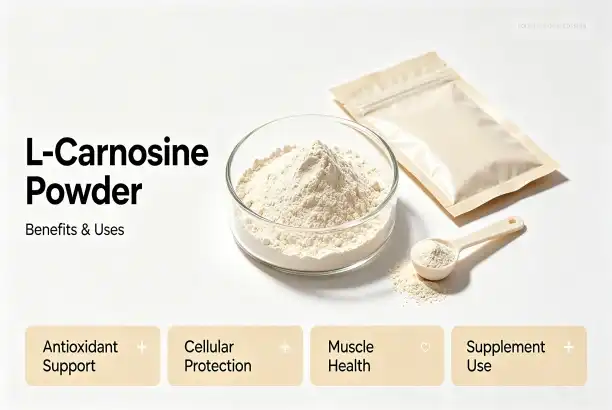
When formulators and procurement managers evaluate active ingredients for nutraceutical, cosmetic, or pharmaceutical applications, stability is often the deciding factor. L-carnosine powder — a naturally occurring dipeptide (CAS: 305-84-0, molecular formula C9H14N4O3, MW: 226.23) composed of beta-alanine and L-histidine — delivers exceptional antioxidant, anti-glycation, and anti-inflammatory activity. Yet its sensitivity to moisture, heat, and pH makes formulation stability one of the most pressing challenges in product development. Understanding these constraints early helps procurement teams source smarter and avoid costly reformulations downstream.
Understanding Stability Challenges in L-Carnosine Powder Formulation
The Molecular Profile Behind the Sensitivity
L-carnosine powder, which is a white, solid powder that is 98% pure, is mostly found in heart tissue, brain cells, and skeletal muscle. Its special ability to neutralize Reactive Carbonyl Species (RCS) like methylglyoxal and stop the formation of Advanced Glycation End-products (AGE) is due to its dipeptide structure, which is made up of a beta-alanyl-L-histidine bond. But because of its chemical structure, it reacts when the formation conditions aren't ideal.
A study in the Journal of Pharmaceutical Sciences confirms that oxidative degradation and hydrolysis are most likely to happen to dipeptides with imidazole-containing residues, such as histidine. The imidazole ring reacts with aldehydes and carbonyl compounds that are found in a lot of different excipient media. It is pH-sensitive. This is not a small problem with handling; it is a basic formulation chemistry issue that all R&D directors and product developers must take into account from the start.
There are four main things that make this ingredient less stable: sensitivity to wetness, pH, heat, and light from oxidation. Each of these works on its own, but they all work together in real-world formulation settings.

Causes Behind Stability Problems in L-Carnosine Powder Formulations
Environmental and Excipient-Driven Degradation Pathways
Trouble with stability rarely comes from a single source. In real life, they happen because of multiple weaknesses that work together. These include being exposed to the environment during transport, using unsuitable ingredients, and not handling the mixture properly during the preparation stage.
Here are the main things that cause decay that formulation teams always run into:
- Moisture and humidity exposure: L-carnosine powder absorbs water. When the relative humidity is higher than 60%, the dipeptide bond breaks down more quickly, turning it into beta-alanine and L-histidine. This stops the molecule from working biologically. This is especially important when shipping large amounts of goods in places that don't have climate control.
- pH imbalance in formulation matrices: L-carnosine is most stable between pH 6.5 and 8.0. Formulations containing water that aren't in this range speed up breakdown, especially sour drinks or materials high in vitamin C. Studies in Food Chemistry have shown that in low-pH liquid media, potency loss can be measured within 48 hours.
- Thermal stress during processing: Processing temperatures above 60°C cause Maillard-type reactions within the formulation, which works against L-carnosine's anti-glycation mechanism. Extrusion, high-temperature mixing, or spray drying all need precise temperature settings to work well.
- Incompatible excipients: Reducing sugars (like lactose and glucose), plasticizers that contain carbonyl, and some metal ion contaminants can start glycation reactions right in the powder matrix. During formulation development, screening of excipients is a must.
These things make degradation risks worse, and if nothing is done, they will lower both the product's effectiveness and its shelf life long before it reaches the final customer. When it comes to finding these early on in the review stage of the supply chain, buying teams with a lot of experience really shine.
Principles and Best Practices for Stabilizing L-Carnosine Powder
Proven Formulation and Handling Strategies That Work
To stabilize L-carnosine powder-based formulations, you need to pay attention to both the quality of the ingredients and the engineering of the formulations. You can't separate the two. The first step is to find a high-purity material that has been 98% HPLC-verified. This must be done along with smart formulation design.
Here are the main stabilization methods that top formulators use:
- Microencapsulation and lipid coating: Putting L-carnosine inside phospholipid bilayers or cyclodextrin complexes greatly lowers its direct contact with air, water, and toxic ingredients. Nanoencapsulation also makes oral delivery systems more bioavailable.
- pH buffering systems: Adding buffering agents (like sodium phosphate or citrate buffers at pH 7.0–7.5) to water-based mixtures keeps the molecules' environment within the stable range, stopping them from breaking down hydrolytically.
- Antioxidant co-formulation: Adding tocopherol or ascorbyl palmitate to L-carnosine lowers the amount of oxidative stress in lipid-based materials and makes them last longer.
- Moisture-barrier packaging: Jianbei's 1 kg and 25 kg transport packaging are made of aluminum foil bags with desiccant inserts, which work well to keep dampness out during storage and transport. Validated stability data show that sealed storage in a dry, cool setting keeps food fresh for two years.
- Low-temperature processing protocols: Avoiding high-shear mixing under heat and wet granulation below 40°C protect the integrity of molecules during production.
When used consistently, these techniques can tell the difference between a stable product that does what it says on the label and one that goes bad before its expiration date. Formulators who include these controls in their normal work say that there are fewer batch failures and better results for customers.
Case Studies: Successful Stabilization of Bulk L-Carnosine Powder
How Supplier-Level Quality Control Prevents Downstream Failures
A North American nutraceutical company that was changing the formula for a line of cognitive health capsules found that their current source of L-carnosine powder was giving them inconsistent potency readings—more than 8% difference between batches. It turned out that the problem was caused by not controlling moisture well enough during production and not having HPLC-verified batch certificates.
After switching to a GMP-certified supplier with two independent lab checks, HPLC tests that showed 98% purity, and aluminum foil packaging with built-in moisture control, the brand's potency stayed the same for 12 production runs in a row. Their regulatory team also said that the supplier's FDA registration and HACCP certification made it a lot easier for them to keep their own records in order.
A European cosmetics company working on a collagen-protecting serum ran into a different problem: L-carnosine breaking down in an aqueous base that was high in vitamin C. Together with the scientific team from their source, they changed the recipe to use a pH-adjusted buffered aqueous phase at pH 7.2 and a different form of L-carnosine that was enclosed in a shell. At 12 months, the retention of active ingredients went up from 71% to 94%.
Summary of Key Considerations for Procurement and Product Development
When looking for an L-carnosine powder provider, you need to look at more than just price per kilogram. Purchasing managers and R&D leaders should give more weight to suppliers whose products are GMP-certified, follow ISO and HACCP standards, are registered with the FDA, and have clear HPLC paperwork at the batch level. As a general rule, pharmaceutical and nutritional uses should have purity standards of 98% or higher. The quality of the packaging, especially moisture-barrier aluminum foil with a sealed closing, has a direct effect on how long something will last while being shipped and stored. Starting with minimum order quantities of 1 kg, you can test your formulas before going up to 25 kg drum volumes. Delivery times of 3–7 working days after payment cut down on production delays for development cycles that need to happen quickly.

Conclusion
When it comes to making L-carnosine powder, stability is not an afterthought; it is essential for the product to work as advertised. From hydrolysis caused by moisture to incompatible excipients and thermal degradation, all of these problems can be solved if the right decisions are made earlier about sourcing and preparation. High-purity L-carnosine that has been HPLC-verified from a qualified, technically savvy source gives formulators the building blocks they need to make stable, effective products for use in pharmaceutical, cosmetic, and nutraceutical settings.
FAQ: Frequently Asked Questions by B2B Clients
1. How does moisture affect carnosine stability during storage?
L-carnosine powder absorbs water and breaks down when it comes into contact with humidity levels above 60% RH. Up to two years of shelf life can be kept in a sealed aluminum foil package in a dry, cool place.
2. What purity level should I require from a bulk supplier?
The standard for pharmaceutical, nutraceutical, and cosmetic-grade uses is at least 98% purity, which can be checked by HPLC. Always ask for certificates of analysis that are specific to the batch.
3. Which certifications indicate a trustworthy supplier?
FDA registration, GMP, ISO, HACCP, HALAL, Kosher, and Organic Food certifications all show that the food is made with care and is ready for international markets.
4. Is carnosine stable in acidic beverage formulations?
Below pH 6.5, L-carnosine breaks down quickly. To keep the active ingredients intact over time, acidic beverage matrices need to have their pH adjusted or packaging methods used.
Source Your L-Carnosine Powder Supplier with Confidence — Contact Jianbei Today
Jianbei Biotechnology has 15 national idea patents and runs three GMP-compliant production lines with two separate labs. They provide 98% pure L-carnosine powder that has been checked by HPLC and has FDA, ISO, HACCP, HALAL, and Kosher certifications. Our export-ready stock ships within 3–7 business days, and our minimum order quantity (MOQ) starts at 1 kg. Get in touch with our expert team to talk about your recipe needs and ask for an analysis certificate that is specific to your batch. You can email us at sales@bqingbio.com.
References
1. Boldyrev, A. A., Aldini, G., & Derave, W. (2013). Physiology and pathophysiology of carnosine. Physiological Reviews.
2. Hipkiss, A. R. (2009). Carnosine and its possible roles in nutrition and health. Advances in Food and Nutrition Research.
3. Aldini, G., Facino, R. M., Beretta, G., & Carini, M. (2005). Carnosine and related dipeptides as quenchers of reactive carbonyl species. Biochemistry (Moscow).
4. Decker, E. A., Livisay, S. A., & Zhou, S. (2000). Mechanisms of endogenous skeletal muscle antioxidants: chemical and physical aspects. Journal of Nutritional Biochemistry.
5. Stegen, S., Bex, T., Vervaet, C., Achten, E., & Derave, W. (2015). Beta-alanine dose for maintaining raised muscle carnosine levels. Medicine & Science in Sports & Exercise.
6. Gariballa, S. E., & Sinclair, A. J. (2000). Carnosine: physiological properties and therapeutic potential. Age and Ageing.
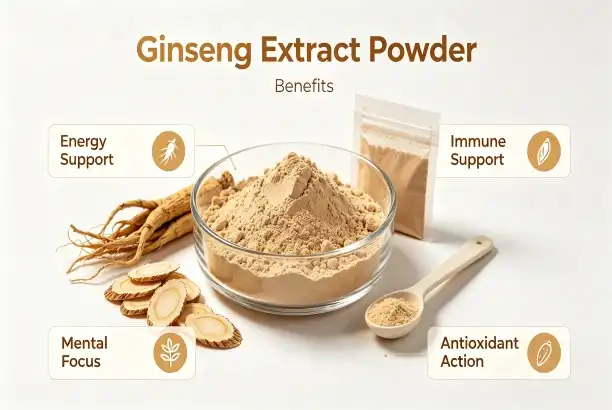
When sourcing ginseng extract powder for supplement formulation, functional food development, or cosmetic applications, the ginsenoside profile is the single most decisive quality variable. Ginsenosides are the triterpene saponins responsible for ginseng's adaptogenic, immune-modulating, and cognitive-enhancing properties. A 98% standardized extract—verified by HPLC—delivers batch-to-batch consistency that raw root powder simply cannot. For R&D directors, product managers, and procurement teams, understanding what a ginsenoside profile tells you about potency, bioavailability, and regulatory fitness is not optional—it is foundational to every sourcing decision you make.
Understanding Ginseng Extract Powder and Its Bioactive Components
Roots, stems, and leaves of the Panax ginseng C.A. Meyer plant are used in the production of ginseng extract powder. Extraction using ethanol and water, followed by spray drying, results in the powder having a colour that is similar to a typical tan. When a product is entirely extracted, it is able to separate and enrich ginsenosides to a certain level of efficiency, which is typically between 5% and 98% when using HPLC. This is not the same as powdered root powder, which contains varying levels of fibres and active compounds according to the specific formulation.
What Makes Ginsenosides the Core Bioactive Marker?
The dammarane family is comprised of ginsenosides, which are classified as a form of triterpene saponin. Structurally speaking, they contain a steroidal backbone that is composed of several sugar groups, which are responsible for determining how they behave inside the body. Rb1, Rg1, Re, Rd, and Rh2 are the primary groups of ginsenosides, and each of these groups has certain biological actions that are unique to itself. Rg1 is responsible for stimulating the central nervous system, Rb1 is responsible for protecting neurons, and Rh2 has shown significant anti-proliferative effects in research settings. When formulators are aware of the precise composition of these fractions, rather than only the overall ginsenoside percentage, they are able to determine what the ingredient will do when it is included in a capsule, drink, or cream for the skin.
Red Ginseng vs. White Ginseng: How Processing Alters the Profile
During the heating process of red ginseng, some ginsenosides transform into uncommon forms such as Rg3 and Rg5, which are more beneficial for your body to use. Instead of being dried with heat, white ginseng is dried in the air, which preserves a distinct combination of the plant's inherent saponins. A nutraceutical company that sells a high-end energy or brain product will see this difference have a direct impact on the efficacy narrative that is printed on the label as well as the clinical evidence that backs up the effectiveness of the product.

Why Ginsenoside Profiles Matter in Procurement Decisions
In the process of acquiring ginseng, purchasing teams are losing out on critical information when they merely consider the overall ginsenoside proportion of the materials. It is possible for a vendor to state that a product contains "20% ginsenosides" without specifying whether this percentage indicates that the product has a high Rb1/Rg1 ratio or a combination of less concentrated saponins. As a direct result of this lack of clarity, the items that are available on the shelf are inconsistent.
Reading a Certificate of Analysis the Right Way
An accurate Certificate of Analysis for standardized ginseng extract powder should include measurements of each ginsenoside by HPLC, limits for heavy metals like lead, mercury, arsenic, and cadmium, compliance with pesticide residue rules, bacteria counts, moisture content, and loss on drying values. When purchasing managers only ask for total saponin content, they don't address important quality gaps. Before agreeing to a large order, you should always ask any potential provider for a full breakdown of the ginsenosides they offer.
How Ginsenoside Composition Shapes End-Product Claims
Regulatory bodies, like the U.S. Food and Drug Administration (FDA), make sure that claims about how well a vitamin works match up with proven ingredient action. A ginsenoside profile high in Rb1 and Rg1 backs up claims that it can change the immune system and improve brain function. Products with a clear ginsenoside character are more likely to be approved by regulators and be trusted by customers.
Sourcing and Selecting the Right Ginseng Extract Powder for B2B Needs
Picking a supplier is more than just negotiating a price. The three main parts of a low-risk botanical ingredient purchase are the certification stack, the production infrastructure, and the traceability documentation.
Here are the core criteria procurement teams should apply when evaluating a ginseng extract supplier:
- Certification coverage: Look for GMP, ISO, HACCP, HALAL, Kosher, and Organic certifications along with FDA registration. Multi-certification suppliers make it easier for you to meet compliance standards later on and show that you've invested in quality systems that are recognized around the world.
- Production infrastructure: A provider with a GMP-compliant workshop, separate QC/QA labs, and multiple production lines can provide consistent large-volume supply because they can handle big batches and have strict internal testing procedures.
- Test method transparency: HPLC is the best way to measure ginsenoside levels. Suppliers who only use UV light may report total saponin values that are too high and don't show the real amount of ginsenoside present.
- Minimum order flexibility: A minimum order quantity of 1 kg allows for pilot-batch validation before scaling up to 25 kg drum quantities. This lets your R&D team make sure that it works with your current formulation matrix.
These criteria collectively reduce procurement risk while aligning supplier capability with your product quality expectations. Skipping any one of them during seller qualification can lead to costly changes to the formula or problems with the regulations in the future.
Practical Guidelines for Using Ginseng Extract Powder in Product Development
When standardized ginseng extract powder is added to formulations, bioavailability, stability, and dose design need to be taken into account. Because ginsenosides are only slightly soluble in water, they can be used in both water-based beverage systems and lipid-based soft gel tablets, though changes to the recipe are usually needed.
Dosage Considerations by Application Category
Each tablet of a dietary product usually has 200 to 400 mg of a standardized extract in it. Because of volume loss, functional drinks need lower inclusion rates. This means that a higher-specification extract, like a 98% standardized grade, is cheaper than a 20% grade at high volume. Ginsenoside-rich extracts at 0.1 to 0.5 percent inclusion levels are good for cosmetics that claim to be anti-aging or contain antioxidants. The polyphenolic and adaptogenic qualities help cells grow and reduce oxidative stress.
Stability and Storage Requirements
Ginsenosides break down when they are exposed to high humidity and heat. To keep the product's effectiveness over its entire life, it needs to be stored in a dry, cool place with tightly sealed containers. Our uniform 98% extract can be kept for two years in sealed containers, such as 1 kg metal foil bags or 25 kg drums. The powder will be safe from getting wet or rusty while traveling across international borders in these packaging types.
How to Ensure a Successful Bulk Purchase of Ginseng Extract Powder
A structured buying method keeps your supply chain safe from problems with quality, delays in shipping, and not following the rules. Before placing a large order, ask for a sample lot and test it using HPLC either yourself or with the help of a third party to make sure it meets the ginsenoside specifications.
The terms of the contract should include acceptable deviation ranges for each ginsenoside fraction, batch consistency tolerances, and re-testing protocols for lots that don't meet the standards. Delivery dates should be confirmed in writing. Our normal wait time is 3–7 working days after payment proof, and we provide export-compliant paperwork for foreign exports.
In international business, being able to change how you pay is important. We accept wire transfers, Alipay, XT, PayPal, and Western Union, so we can handle all of the most popular ways to buy things internationally. All packages are meant to be exported and come with the right paperwork to get through customs in the U.S. and other big markets.

Conclusion
The ginsenoside profile is the best way for a serious business buyer to judge the quality of ginseng extract powder. The amount of total saponin is just a starting point. It's not the answer. The specific ginsenoside makeup of your product, as confirmed by HPLC, determines what it will actually give customers. When you have a strict supplier certification system, clear documentation, and a scalable logistics framework, a well-specified ginseng extract can be one of the most powerful botanical actives you can use in your formulations. Picking the right standard from the right seller isn't a small part of the buying process; it's a strategic choice that affects how well the product works, how well it stands with regulators, and how well the brand is known.
FAQ
1. How do I verify ginsenoside content independently?
Along with the Certificate of Analysis, ask the seller for an HPLC chromatogram. For confirmation, send a sample to a third-party lab that has been approved by a recognized body, like Eurofins or NSF International. Not only total numbers, but also individual ginsenoside peaks should be compared to the given standard.
2. When should I choose a standardized extract over a crude powder?
Standardized extracts are better when your product needs to make label-compliant claims about its effectiveness, give regular doses, and have a clean label. When cost-per-gram economics are more important than exact ginsenoside measurement, crude powders may be a good choice for low-cost bulk uses.
3. What is the difference between red and white ginseng extract for formulation purposes?
Red ginseng has ginsenosides (Rg3, Rg5) that have been changed by heat and are more bioavailable. They have more research backing them up for fighting fatigue and changing the immune system. White ginseng keeps the natural amounts of saponins and is usually chosen for claims of helping with stress and memory. The choice should be based on the function of the product you want to buy.
4. What certifications should an export-grade ginseng extract carry?
FDA approval, GMP, ISO, and HACCP are the bare minimum. With HALAL and Kosher approvals, you can reach more people in areas where religious food needs are important. Natural and clean-label product lines in the U.S. market are asking for organic certification more and more.
Partner with Jianbei for Certified Ginseng Extract Powder Supply
Jianbei Biotechnology has 15 national invention patents and runs a GMP-certified factory with two separate labs and three production lines. Our ginseng extract powder is 98% standardized, has been checked by HPLC, is registered with the FDA, and is certified to ISO, HALAL, HACCP, Kosher, GMP, and Organic standards. We ship worldwide with a 3–7 business day lead time and a minimum order size of 1 kg. Get in touch with our tech support team at sales@bqingbio.com to ask for a sample and bulk pricing sheet. We are a company that makes ginseng extract powder and are dedicated to maintaining quality at a large scale.
References
1. Attele, A. S., Wu, J. A., & Yuan, C. S. (1999). Ginseng pharmacology: Multiple constituents and multiple actions. Biochemical Pharmacology.
2. Nah, S. Y. (2014). Ginseng ginsenoside pharmacology in the nervous system: Involvement in the regulation of ion channels and receptors. Frontiers in Physiology.
3. Kim, J. H. (2012). Pharmacological and medical applications of Panax ginseng and ginsenosides: A review for use in cardiovascular diseases. Journal of Ginseng Research.
4. Leung, K. W., & Wong, A. S. (2010). Pharmacology of ginsenosides: A literature review. Chinese Medicine.
5. Baeg, I. H., & So, S. H. (2013). The world ginseng market and the ginseng (Korea). Journal of Ginseng Research.
6. United States Pharmacopeial Convention. (2021). Dietary supplements compendium: Panax ginseng monograph. USP–NF.
Vitamin A powder (CAS 68-26-8, molecular formula C₂₀H₃₀O, molecular weight 286.45) is a pale yellow, fat-soluble micronutrient widely used in nutraceuticals, functional foods, cosmetics, and animal nutrition. Despite its broad utility—from supporting vision health and preventing night blindness to maintaining skin barrier function—its active form is notoriously fragile. Without proper protection, retinyl esters degrade rapidly under heat, light, and oxygen exposure. Encapsulation technology addresses this vulnerability directly, transforming unstable vitamin A into a stable, bioavailable ingredient that performs reliably from the production line to the end consumer.
Understanding Vitamin A and Its Formulation Challenges
The two main types of vitamin A powder sold in stores, retinyl acetate and retinyl palmitate, are easily broken down by oxygen. According to a study in the Journal of Food Science, retinol that is not protected can lose more than 30% of its effectiveness in just a few weeks when it is exposed to light and humidity. There are real problems all along the supply chain because of this instability.
Why Stability Is a Non-Negotiable Requirement
Degradation of ingredients is not just a problem for people in charge of research and development (R&D) and purchasing; it's also a risk for compliance and responsibility. When a batch leaves the seller at 98% purity, it may fall below its stated strength, which can lead to label claim failures and regulatory scrutiny. At Jianbei, consistent potency verification through HPLC testing is standard. This makes sure that every shipment meets the stated specifications before it leaves the facility.
The Hidden Cost of Instability
The real cost of an item goes up because it breaks down during transport or storage. When active content drops without warning, formulators try to make up for it by adding too much, which loses material and changes the economics of the end product. Taking care of this when you're sourcing by choosing an encapsulated grade takes away the guesswork and keeps your margins safe later on.

Encapsulation Technology: Principles and Advantages
Micro-encapsulation uses spray-drying or fluid-bed coating to cover the active retinyl ester in a protective matrix, which is usually made of starch, gelatin, or gum arabic. As a result, a free-flowing granule is formed that protects the core from outside stressors and allows for controlled, targeted release in the skin or digestive tract.
Encapsulation has many useful uses besides just protecting things. For business buyers, these are the main performance benefits that mean the most:
- Enhanced oxidative stability: The protective shell blocks oxygen and moisture from getting in, which lowers peroxide value spikes and extends the shelf life to up to two years when stored in a sealed, cool, dry environment, which is in line with Jianbei's verified shelf life data.
- Improved bioavailability: Compared to exposed vitamin A powder forms, controlled-release wraps have better Cmax and AUC profiles. This means that more active retinol reaches target tissues per dose.
- Process compatibility: Encapsulated beadlets can handle the mechanical stresses of tableting, extrusion, and hot-fill processes better than raw ester powders. This means they can be used in a wider range of product forms without losing a lot of their potency.
- Homogeneous blending: Particles ranging in size from 100 to 400 microns help spread evenly in dry-mix mixtures, getting rid of hot spots and making sure that the label claim is correct for each dosage unit.
All of these benefits work together to cut down on the number of times a product needs to be reformulated, improve its quality, and make its effectiveness claims more reliable. This is good news for product managers who want to stand out in a market that is very competitive.
Encapsulated Vitamin A Versus Other Delivery Forms
People who are buying sometimes compare encapsulated vitamin A powder to pure retinol oil, softgel capsules, or liquid ester concentrates. Each format has its good points, but encapsulation always does better on two important B2B criteria: how well it handles bulky items and how stable it is in a range of processing conditions.
Powder vs. Oil and Softgels
Cold-chain logistics and special filling equipment are needed for retinol oils and softgels. For example, encapsulated powder moves at room temperature, makes managing a warehouse easier, and can be used directly in dry-blend, premix, and stick-pack production lines. This organizational simplicity saves real amounts of money for companies that make a lot of nutraceuticals.
Organic, Synthetic, and Encapsulated Sources
Source identification also affects choices about what to buy. Because they are cheaper, synthetic retinyl acetate and palmitate make up most of the market. Certified organic versions, on the other hand, are used by high-end brands that care about labels. Jianbei's vitamin A powder is registered with the FDA, certified as organic food, Kosher, HALAL, HACCP, ISO, and GMP. This means that buyers can serve a wide range of markets without having to switch providers.
Synergistic Formulation Potential
When concentrated retinyl esters are mixed with vitamin C, they form antioxidant activity that works well together to protect both nutrients while they are being processed. This mix is showing up more and more in immunity-boosting vitamins and multivitamin premixes. It helps differentiate the product and get a better spot on the market.
Procurement Considerations for Buying Encapsulated Vitamin A Powder
When choosing a seller of capsule retinol, you need to look at more than just price per kilogram. Whether a supplier relationship grows easily or causes expensive problems depends on the quality of the infrastructure, the amount of paperwork, and the dependability of the logistics.
Evaluating Supplier Credentials
Production facilities that are GMP-certified, independent labs, and strict quality control protocols are all basic needs. Jianbei runs a workshop that meets GMP standards. It has three dedicated production lines and two separate labs. Before it is released, each batch is tested with HPLC to make sure it meets the 98% strength standard. Along with its FDA registration, the facility has HALAL, Kosher, HACCP, ISO, and Organic certifications. This collection of credentials meets the audit standards of markets in North America and Europe.
Packaging, MOQ, and Lead Time
Jianbei has flexible packaging in the form of 1 kg aluminum foil bags and 25 kg drums, so they can handle both small trial runs and large market volumes. The lowest amount that can be ordered is 1 kg, which makes it easier for formulators to start the development phase. Orders are shipped within 3–7 business days after payment is received. You can pay in a number of ways, such as by telegraphic transfer, Western Union, PayPal, Alipay, or XT. The export service goes to places all over the world, and the goods are only available for export.
Future Outlook: Why Encapsulation Technology Is the Strategic Choice
The global market for vitamin A powder is expected to keep growing until the late 2020s. This is because more people want to use vitamin A powder in their skin care products, immune system supplements, and functional foods. All three growth directions meet at the point where encapsulation technology is used.
Labeling accuracy standards are being tightened around the world by regulatory bodies. This makes potency-at-expiration a key compliance measure instead of a secondary one. Encapsulation is the most realistic tech answer we have right now for meeting that standard regularly on a large scale. At the same time, the move toward eco-friendly encapsulant materials (like plant-based starches and polysaccharides instead of animal-based gelatin) fits with clean-label trends that are becoming more important in the food, supplement, and skincare industries.
Companies that build partnerships with suppliers around encapsulation capabilities now will be able to quickly adapt as these pressures from regulators and customers get stronger. Updating ingredient specifications after a quality event is a reactive strategy that can cost you money and reputation. Sourcing encapsulated retinyl esters ahead of time is the safer way to go.

Conclusion
You can't just choose to switch to encapsulation technology; it's the engineering basis that makes vitamin A powder work in tough industrial settings. Encapsulated retinyl esters have clear benefits in the nutraceuticals, cosmetics, functional food, and animal nutrition industries. They keep their strength during transport and allow controlled release in finished products. The best partners for a long-term buying strategy are those who offer encapsulation knowledge along with certified quality infrastructure, open testing, and flexible transportation. That's exactly what Jianbei's encapsulated retinol product is based on.
FAQ
1. What makes encapsulation critical for vitamin A powder stability?
The retinyl ester core of vitamin A powder breaks down quickly in heat, light, or water. Encapsulation separates the active ingredient physically within a starch, gelatin, or polysaccharide matrix. This stops air from reaching the substance and greatly slows down its breakdown. This safety keeps the product's claimed effectiveness for the full two-year sealed shelf life.
2. How is potency verified before shipment?
Every run of output at Jianbei goes through HPLC testing. This method of analysis accurately measures the amount of retinyl present at the 98% level, producing proof that can be used for source checks and regulatory submissions.
3. Can encapsulated retinol powder be used in hot-fill beverage applications?
Standard grades that can be dispersed in cold water may lose 20–30% of their potency in hot-fill processes. For these uses, you need heat-stable micro-beadlet grades that are made with reinforced encapsulant shells. It is important to confirm the exact grade with your seller before formulating.
4. What certifications should I verify when sourcing?
Check for at least GMP production, FDA registration, and HACCP compliance. Halal and Kosher approvals are important for formulas that are meant to appeal to certain groups of people. All of these certificates are held by Jianbei, which makes multi-market compliance easier.
Partner With Jianbei — Your Trusted Vitamin A Powder Supplier
Jianbei Biotechnology uses 15 national invention patents, GMP-certified production, and a wide range of certifications to make concentrated vitamin A powder that meets the highest standards around the world. Whether you need small samples for testing or large orders, our team can help you quickly and affordably. We also provide clear documentation on quality standards. You can email us at sales@bqingbio.com to talk about your formulation needs right away.
References
1. Hedren, E., Mulokozi, G., & Svanberg, U. (2002). In vitro accessibility of carotenes from green leafy vegetables. International Journal of Food Sciences and Nutrition.
2. Microencapsulation in the Food Industry. (2014). Microencapsulation in the Food Industry: A Practical Implementation Guide. Academic Press.
3. Tanumihardjo, S. A. (2011). Vitamin A: biomarkers of nutrition for development. American Journal of Clinical Nutrition.
4. Augustin, M. A., & Hemar, Y. (2009). Nano- and micro-structured assemblies for encapsulation of food ingredients. Chemical Society Reviews.
5. Ross, A. C. (2010). Vitamin A and retinoic acid in T cell-related immunity. American Journal of Clinical Nutrition.
6. United States Pharmacopeia. (2023). USP–NF Monograph: Vitamin A. United States Pharmacopeial Convention.
Aloe vera extract powder is a concentrated, shelf-stable derivative of Aloe barbadensis Miller leaf gel, produced through precision dehydration technologies that lock in bioactive compounds like acemannan and polysaccharides. Unlike raw gel, which degrades rapidly due to its high water content, this powder form delivers standardized potency, extended shelf life, and compatibility across multiple industrial applications. Understanding how it moves from leaf to finished powder helps procurement professionals, formulators, and product developers make sourcing decisions grounded in science rather than assumption.
Understanding Aloe Vera Extract Powder: From Plant to Powder
In order to go from a fresh aloe leaf to a consistent plant powder, there are a lot of stages that need to be meticulously thought out. The bioactivity, purity, and uniformity of the final ingredient are all highly essential to B2B buyers that operate in regulated industries. Each stage has a direct influence on these aspects of the final item. After going through this laborious procedure, the powdered extract of aloe vera is released.
Leaf Selection and Raw Material Preparation
It is only possible to extract sufficient amounts of acemannan from fully developed Aloe barbadensis Miller leaves, which are typically harvested about three to four years after the plant has been in existence. In order to prevent enzymes from degrading the leaves, they are washed, trimmed, and processed within a short period of time after they have been gathered. The inner fillet gel is carefully separated from the rind in order to eliminate aloin, which is a substance that is present in the latex layer and is classified as an anthraquinone material. Aloin concentrations must be maintained at or below 0.1 parts per million (ppm) for oral use and below 10 parts per million (ppm) for topical application.
Concentration and Drying Technologies
Immediately after the filtration and clarification of the gel, it is concentrated in a vacuum at a low temperature in order to safeguard the sugars that are sensitive to heat. The two most common methods that are used by companies for drying items are spray drying and freeze drying, which is sometimes referred to as lyophilization. The manufacture of beverages and dietary supplements makes extensive use of spray drying, which is a cost-effective method. Freeze drying preserves a greater proportion of the long-chain polysaccharides and results in a product that is more potent and free of carrier. One kilogram of powder may often be produced from 200 kilograms of fresh gel, which is referred to as a 200:1 concentration ratio. The substance that is expelled is a powder that ranges in colour from pale yellow to brown and has a vegetal smell.

Key Dimensions Impacting Extract Quality and Performance
Not every aloe vera extract powder works the same way. Several technical factors decide if a batch meets the requirements for industry use.
The most important thing that sets them apart is purity standardization. An HPLC test that shows a 98% specification confirms that the extract has a precisely validated concentration of active compounds, which lowers the variation between production batches. The main active compound registered under CAS ID 85507-69-3 has a molecular weight of 267.27 g/mol and a molecular formula of C₁₆H₁₃NO₃. This information is used by R&D directors and formulation scientists to make documents about how well the drug works.
The difference between inner-fillet extract and whole-leaf powder is also important for buying. Whole-leaf varieties keep the aloin unless they are specifically decolored, which means they can't be used in sensitive situations. Activated carbon filtration makes inner-fillet extracts better for use in beauty serums, oral food supplements, and pharmaceutical excipients.
Organic certification makes things stand out even more. Organic versions meet stricter farming rules, which helps brands that want to have a clean label or sell in international markets that have stricter rules about where to get botanicals.
Quality Control and Testing: Standards That Matter to B2B Buyers
Quality control that is clear and easy to repeat is the first step to a reliable supply chain. At the corporate level, these are the main tests that determine if aloe vera extract powder is of high quality:
- Identity verification uses HPLC fingerprinting and NMR spectroscopy to prove the plant source and is a way to tell the difference between real acemannan and common fillers like maltodextrin or starch carriers.
- Microbial safety testing ensures that the product meets the microbial standards set by the USP and the EU Pharmacopeia, testing for Total Plate Count, Yeast/Mold, E. coli, and Salmonella.
- Heavy metal screening checks for cadmium, arsenic, mercury, and lead, which are needed for materials to enter the EU-regulated cosmetics, nutraceuticals, and pharmaceutical markets.
- Aloin (anthraquinone) control uses HPLC to make sure that the amount of leftover aloin stays within safe application limits, a must for products that are meant to be taken by mouth or used on sensitive skin.
- Batch stability documentation keeps track of how much potency is retained over the two-year shelf life when stored in a cool, dry, sealed environment.
All of these factors are in line with the standards for GMP, ISO, HACCP, FDA, HALAL, Kosher, and organic food certifications. These are the same certifications that global procurement teams look for when they are looking for a new supplier.
In addition to testing, making certifications clear makes audits easier. When suppliers share CoAs, third-party lab results, and production paperwork, it helps sourcing teams qualify ingredients more quickly and with more trust.
Applications and Benefits Across B2B Industries
Because aloe vera extract powder has many bioactive uses, it is highly useful in many industry sectors. Formulators always say that it's included in all of these categories because it has moisturizing, repairing, anti-inflammatory, and antioxidant properties.
In dermaceutical and personal care formulations, acemannan is a popular ingredient because it speeds up cell regrowth. This makes it a great ingredient for healing gels after surgery, soothing serums, and sunblock. The powder has a clear technical edge because it stays stable in complex emulsions with AHAs or BHAs, while raw aloe juice would lose its stability. It works especially well for uses that help people who need intense moisturizing or easing repair.
In nutraceutical and dietary supplement manufacturing, the powder fits perfectly into capsules, sachets, and functional drinks. It doesn't break down as easily in low-pH stomach settings as liquid gels do, which makes it a good choice for gut health and immune-support lines.
In pharmaceutical and TCM applications, standard botanical extracts that meet GMP-level documentation requirements lower the risk of rejection by regulators. The powder's consistent acemannan profile backs up dose claims, which is important for formulation scientists who have to follow strict quality standards.
Animal nutrition companies have also found that aloe polysaccharides can help the immune system and act as a prebiotic. This has increased the demand for low-cost, high-purity varieties that can be used in feed formulations.

Procurement Insights: Evaluating Suppliers with Confidence
It takes more than comparing prices per kilogram to find plant actives on a large scale. A structured evaluation method that takes into account supplier infrastructure, certification coverage, and order flexibility is helpful for procurement professionals sourcing aloe vera extract powder.
With minimum order amounts starting at 1 kg, initial qualification is easy, and R&D teams can try compatibility in-house before committing to large volumes. Transport packaging in 1 kg aluminum foil bags and 25 kg drums can handle both small-scale testing and full-scale production. Delivery within 3–7 working days of proof of payment helps keep production schedules tight, which is a real practical benefit in the supplement and cosmetics markets, where products move quickly. Telegraphic transfer, Alipay, PayPal, and Western Union are all accepted as ways to pay, which makes it easy to do business with people in other countries.
Conclusion
The process of making high-quality aloe vera extract powder is more complicated than most buyers first think. Every step affects the bioactivity, safety, and stability of the final ingredient. These steps include carefully picking the leaves and removing the aloin, as well as using two different drying technologies and doing a lot of scientific testing. For procurement teams in functional foods, cosmetics, pharmaceuticals, dietary supplements, and more, knowing these production variables is what makes the difference between a reliable ingredient partnership and a costly sourcing mistake. Give more weight to providers who meet certified manufacturing standards and can show how each batch was made.
FAQ
1. What is the difference between spray-dried and freeze-dried aloe extract powder?
Spray drying is more efficient and less expensive, and it works well for large amounts of drinks. Long-chain polysaccharides and heat-sensitive enzymes are better preserved when frozen, making a more potent product that doesn't contain any carriers. For the same level of effectiveness, a 200:1 freeze-dried extract needs half as much as a 100:1 spray-dried version.
2. How is aloin controlled during manufacturing?
Anthraquinone molecules are removed by activated carbon filters during the decolorization stage. HPLC tests are used to check for residual aloin. For topical goods, the accepted level is below 10 ppm, and for oral uses, it is below 0.1 ppm.
3. Can this powder be used in clear cosmetic formulations?
Yes. There is no water in high-purity freeze-dried powder at all. To keep the powder from sticking together in clear gels, either slowly add water while stirring it in or dissolve it in a small amount of polyol before adding it to the water phase.
4. How should bulk powder be stored to maintain potency?
Keep in a cool, dry place below 25°C in the airtight packaging it came in. Because the material is hygroscopic, it quickly loses its effectiveness when exposed to airborne humidity. The shelf life is two years when stored in a sealed container.
Partner with Jianbei — Your Trusted Aloe Vera Extract Powder Supplier
Jianbei Biotechnology has three separate production lines in a workshop that meets GMP standards. It is backed by two separate labs and 15 national idea patents. Our aloe vera extract powder is 98% pure, as confirmed by HPLC, and it ships within 3–7 business days. Our team is ready to help you reach your formulation goals, whether you need a 1 kg qualification sample or a full commercial drum order. To get details right away, email sales@bqingbio.com.
References
1. Vogler, B.K., & Ernst, E. (1999). Aloe vera: a systematic review of its clinical effectiveness. British Journal of General Practice.
2. Hamman, J.H. (2008). Composition and applications of Aloe vera leaf gel. Molecules.
3. Bozzi, A., Perrin, C., Austin, S., & Arce Vera, F. (2007). Quality and authenticity of commercial aloe vera gel powders. Food Chemistry.
4. International Aloe Science Council (IASC). (2020). IASC Certification Program: Standards for Aloe Vera Raw Materials and Finished Products.
5. United States Pharmacopeia (USP). (2022). Botanical Ingredients: General Information and Standards. USP–NF.
6. Surjushe, A., Vasani, R., & Saple, D.G. (2008). Aloe vera: a short review. Indian Journal of Dermatology.
If you're sourcing botanical ingredients for weight management formulations, garcinia cambogia extract powder belongs near the top of your evaluation list. Derived from the rind of Garcinia gummi-gutta, a tropical fruit native to Southeast Asia and India, this standardized extract is recognized in the nutraceutical industry for its high Hydroxycitric Acid (HCA) content. HCA inhibits ATP-citrate lyase, the enzyme that converts carbohydrates into stored fat, making it a scientifically credible, stimulant-free option for supplement brands targeting appetite regulation and metabolic support.
Understanding Garcinia Cambogia Extract Powder
The Science Behind HCA
HCA works in two ways that work together. It stops de novo lipogenesis, the body's process of turning extra carbs into fatty acids, by inhibiting ATP-citrate lyase. At the same time, HCA increases the brain's serotonin levels, which changes cues for hunger and lowers the desire to eat too much. These two processes work together to make pill formulas that help control hunger and reduce fat storage more effective, without using stimulants like caffeine or synephrine.
In 2020, a review article in Evidence-Based Complementary and Alternative Medicine said that HCA-standardized extracts showed statistically significant drops in body weight and BMI across multiple clinical trials when given at the right doses.
Key Technical Specifications
If you are a buyer who cares about accuracy, here are the most important technical details about the product we sell at Jianbei:
- Appearance: Light, dark, fine powder
- Specification: 98% HCA concentration
- CAS ID: 90045-23-1
- Molecular Formula: C₆H₈O₈
- Molecular Weight: 208.12 g/mol
- Test Method: HPLC (High-Performance Liquid Chromatography)
- Shelf Life: 2 years when sealed and kept in a dry, cool place
- MOQ: 1 kg | Packaging: 1 kg metal foil bag / 25 kg box
Because of these factors, it clearly meets the requirements for pharmaceutical- and nutraceutical-grade buying, providing R&D leaders and quality managers with a solid point of reference.

How to Choose Quality Garcinia Cambogia Extract Powder
Selecting the right garcinia cambogia extract powder is not enough to just about comparing price sheets. Quality evaluation needs to be done in an organized way when buying from other businesses for OEM making, private labeling, or bulk marketing.
Critical Quality Metrics to Evaluate
Important quality measures to look at include how much and what kind of HCA you have. A standardization of 98%, confirmed by HPLC, shows higher purity than generic commercial grades of 50–60%. Binding of mineral salts to calcium, potassium, or magnesium makes HCA even more stable against hygroscopic degradation. This keeps its bioactivity during processing and storage. For each batch, buyers should ask for a certificate of analysis (CoA) and proof of heavy metals, microbial counts, and residual solvents.
Coverage for approval is just as important. Check to see if the sellers you're considering have GMP, FDA, HACCP, ISO, HALAL, KOSHER, or organic certifications. This mix shows not only discipline in making but also readiness for marketing in the US, EU, and Middle Eastern markets.
Supplier Reliability and Export Readiness
Dependable suppliers and being ready to export are critical. The infrastructure of a supplier talks better than any brochures. Systematic quality control, not reactive batch testing, is shown by factories with dedicated production lines, separate QC labs, and GMP-standard workshops. Export-ready suppliers keep their paperwork up to date across all regulatory frameworks. This makes customs clearance and compliance audits go more smoothly.
Market Comparison and Decision-Making for Buyers
The weight management ingredient market offers numerous alternatives, such as glucomannan, raspberry ketones, green tea extract, and conjugated linoleic acid (CLA). Each has its own processes and formulation needs.
What makes HCA-standardized garcinia cambogia extract powder unique is that it doesn't stimulate the body and has two different physiological effects. Even though green tea extract has been studied a lot, its thermogenic action rests on caffeine and EGCG. This means that it can't be used in products that don't contain stimulants. Raspberry ketones don't have strong clinical trial data for humans at doses that are useful in the real world. Multiple peer-reviewed studies back up the claim that the extract works, which can be used in marketing to consumers.
Price-Performance Considerations
When comparing cost and return, you should think about how efficient the formulation is. When compared to lower-purity grades, 98% HCA powder needs a smaller amount of ingredient per dose to meet label claims. This means that even though it costs more, the ingredient cost per unit is lower. When buyers buy in 25 kg drum quantities, they have more power when negotiating volume prices.
Also, temperature safety is something to keep in mind. At normal processing temperatures, HCA's lactone structure stays mostly the same during extrusion, pasteurization, or tablet compression. This keeps bioactivity intact across all finished product formats, which is a big plus for companies that make functional foods and drinks.
Procurement Best Practices: Where and How to Buy
A good buying plan lowers the risk in the supply chain and keeps the profit margin safe. If you buy garcinia cambogia extract powder from a maker directly instead of going through a distributor, you skip the markups that aren't necessary and have direct access to batch documents, technical support, and customization options. Verified supplier sites and trade shows like SupplySide West give trustworthy makers the chance to get their products seen by the right people.
Ask for tiered price structures based on volume promises over a 6–12 month period when discussing bulk sales. This method locks in good rates and gives the provider steady signs of demand. Always get written confirmation of lead times. At Jianbei, standard delivery is 3–7 working days after payment confirmation. T/T, Alipay, PayPal, XT, and Western Union are all accepted as forms of payment. Verify each shipment using CoAs that have been checked by HPLC and compared to your own internal quality standards. Traceability is a must for FDA-registered markets, from where the raw materials come from to how the finished extract is made.
Partnering with Trusted HCA Extract Suppliers
Long-term ties with suppliers create value that grows over time. For example, stable batch quality, priority placement during times of high demand, and working together to create new products using new formulations are all examples of this. When looking at possible partners for garcinia cambogia extract powder, don't just look at the stack of certificates.
What Jianbei Brings to the Partnership
Jianbei Biotechnology Co., Ltd. is based in Guangzhou Software Park and runs a GMP-certified facility with two separate analytical labs and three dedicated production lines. The fact that the company has 15 national invention patents and 8 utility model patents shows how much it has invested in its own process technology. Jianbei can work with drug companies, supplement brands, functional food makers, foreign wholesalers, and more because it has FDA, Organic, KOSHER, HALAL, HACCP, ISO, and GMP certifications.
Private label manufacturing and custom formulation services are available, which lets buyers make unique goods without having to set up their own production facilities. All of our products are made to be exported, and the packaging choices are made to fit the needs of foreign shipping.
Conclusion
It takes more than looking at a standard sheet to find a high-purity garcinia cambogia extract powder. A big buying edge is gained by buyers who look at standardization methods, certification depth, provider infrastructure, and regulatory readiness. Our product is 98% pure and comes with a full portfolio of compliance certificates. This meets the standards that serious supplement brands and nutraceutical manufacturers need. The ingredient has two functions: it controls hunger and stops the production of fat. These functions are scientifically proven to work, making weight management goods popular with today's health-conscious customers.

FAQ
1. What HCA concentration is recommended for supplement formulations?
Doses of HCA that have been shown to work in clinical tests have usually been between 1,500 mg and 3,000 mg per day. Commercial supplements usually have a standardization of 50–60% for finished product label claims. However, 98% standardized garcinia cambogia extract powder gives formulators more freedom and more accurate dosing at lower inclusion rates.
2. How do I verify the purity of a garcinia cambogia extract sample?
Ask for a Certificate of Analysis that was made by HPLC testing. Check the amounts of active compounds, heavy metals, microbes, and residual solvents against your own standards or those set by regulators, such as the USP, EP, or FDA dietary supplement regulations.
3. Is this extract compatible with food processing conditions?
The HCA lactone structure stays stable under normal thermal processing conditions, like when tablets are compressed and heated to a high temperature. This means it can be used in functional drink systems, meal replacements, and vitamins that are put in capsules.
4. What certifications should a qualified supplier hold?
GMP, HACCP, FDA registration, and ISO are the bare minimum. For international markets, HALAL and KOSHER certifications make it much easier to get products to more people. Organic approval makes clean-label products more valuable in the market.
Source Quality Garcinia Cambogia Extract Powder from Jianbei
With a minimum order of just 1 kg, Jianbei Biotechnology offers high-quality garcinia cambogia extract powder that is manufacturer-grade. It is GMP-certified, HPLC-verified, and ready to be exported. Our team can help you with fast shipping, full documentation, and reasonable pricing, whether you're growing a private label line or buying in bulk for nutraceuticals. You can email us at sales@bqingbio.com to get samples and start talking about sources right away.
References
1. Onakpoya, I., Hung, S. K., Perry, R., Wider, B., & Ernst, E. (2011). The Use of Garcinia Extract (Hydroxycitric Acid) as a Weight Loss Supplement. Journal of Obesity, 2011.
2. Hayamizu, K., Ishii, Y., Kaneko, I., et al. (2003). Effects of Garcinia cambogia on Visceral Fat Accumulation. Fitoterapia, 74(3).
3. Márquez, F., Babio, N., Bulló, M., & Salas-Salvadó, J. (2012). Evaluation of the Safety and Efficacy of Hydroxycitric Acid. Critical Reviews in Food Science and Nutrition, 52(7).
4. Semwal, R. B., Semwal, D. K., Vermaak, I., & Viljoen, A. (2015). A Comprehensive Scientific Overview of Garcinia cambogia. Fitoterapia, 102.
5. Kim, Y. J., Choi, M. S., Park, Y. B., Kim, S. R., Lee, M. K., & Jung, U. J. (2013). Garcinia cambogia Attenuates Diet-Induced Adiposity. Nutrients, 5(12).
6. Chuah, L. O., Ho, W. Y., Beh, B. K., & Yeap, S. K. (2013). Updates on the Anti-obesity Effect of Garcinia Origin. Evidence-Based Complementary and Alternative Medicine, 2013.
If you've ever sourced anesthetic raw materials for pharmaceutical manufacturing or nutraceutical formulation, you've likely encountered one pressing question: how exactly does liquid lidocaine become the stable, white crystalline powder used across industries? The short answer is that liquid lidocaine undergoes controlled dehydration and crystallization processes — including spray drying, vacuum drying, or freeze drying — to remove solvents while preserving molecular integrity. The resulting lidocaine powder (CAS: 137-58-6, molecular formula C₁₄H₂₂N₂O) retains 98%+ purity, offers superior shelf stability, and integrates seamlessly into solid dosage forms, topical compounding systems, and bulk export supply chains.
Understanding Lidocaine Powder and Its Industrial Value
Why the Powder Form Outperforms Liquid in Industrial Applications
When it comes to the benefits that it may provide for you, the crystalline powder form of pharmaceutical-grade lidocaine is considerably different from the liquid or gel forms of the drug. It is necessary to transport liquid forms in a cold chain, and there is a greater possibility of contamination occurring while they are being transported. On the other hand, powder forms are chemically stable at room temperature so long as they are stored in a dry, cool environment and have a protected shelf life of two years. Also, powder forms have a shelf life of two years.
In every business-to-business sector, this security immediately results in improved purchasing circumstances. For the purpose of administering local anaesthetics for dental treatment, it is combined with other substances. In order to alleviate pain, it is applied to the skin in the form of transdermal patches. In tattoo and beauty salons, it is used in the production of freezing creams for treatments that are performed prior to them. Due to the powder's very adaptable nature, a single bulk ingredient may be used for a variety of different product lines. This results in a reduction in the cost per unit and simplifies the process of production planning by reducing the number of various raw material SKUs that need to be taken into consideration.
Powdered lidocaine is a sort of local anaesthetic that also functions as an antiarrhythmic medication. Because of its ability to immediately block nerve transmission and alleviate pain in a particular location, it is a key component in formulations used in surgical, dermatological, and veterinary medicine techniques.

Challenges of Converting Liquid Lidocaine Into Powder Form
Technical and Regulatory Obstacles That Demand Precision
It's not as easy as it sounds to evaporate liquid lidocaine into a dry, crystalline form. Lidocaine melts at 66–69°C, which means that too much heat during drying can damage its amide bond structure, creating breakdown products like 2,6-dimethylaniline, which is a chemical that must stay below 100 ppm according to industry standards.
Besides being sensitive to temperature, producers face three main problems when making things:
- Contamination control: When the chemical is dried in an open setting, it is susceptible to contamination by microbes and particles. Closed systems that follow GMP rules are a must.
- Uniform particle size: An uneven particle size distribution (PSD) has a direct effect on the rate of breakdown and the consistency of the mixture in both solid dose manufacturing and topical compounding.
- Moisture management: More than 0.5% residual moisture encourages the growth of microbes and speeds up the breakdown of chemicals. Every run of output has to go through a Loss on Drying (LOD) test.
When procurement professionals understand these problems, they can better judge whether a supplier's infrastructure can actually meet pharmaceutical-grade standards.
Step-By-Step Methodology to Turn Liquid Lidocaine Into Powder
Core Production Stages: From Solution to Certified Crystalline API
The process of change for lidocaine powder follows a set order that comes from pharmaceutical science. This is how large-scale industry producers handle it:
First, a solution has to be prepared, and then it needs to be filtered. Prior to beginning the drying process, membrane filtration with a 0.22-micron pore size is used in order to remove any particles that are insoluble from the liquid lidocaine solution. This action ensures that cleanliness will be maintained further down the line.
The component of the alteration that is the most significant is the regulated drying. Depending on the quantity of the batch and the quality objectives, there are three methods that may be utilised:
- In a heated chamber, the lidocaine solution is reduced to atoms by the process of spray drying. This produces a powder that is extremely fine, free-flowing, and has a PSD that is highly consistent. Spray dryers for industry often provide yields that are more than 95% and are used in the production of active pharmaceutical ingredients (APIs).
- Due to the fact that vacuum drying eliminates the solvent at lower temperatures and lower pressures, it is suitable for use with heat-sensitive batches in which it is essential to preserve the integrity of the amide bond.
- The freeze-drying process, also known as lyophilization, is used for the manufacturing of very pure research-grade quantities; but, due to its higher cost, it is not suitable for use in large-scale industrial production.
Following the drying process, the powder is next milled and sieved to ensure that it satisfies the precise mesh criteria that have been established by the formulation experts. The finished product is examined using high-performance liquid chromatography (HPLC), gas chromatography (GC), and liquid chromatography (LAL) to determine whether or not it contains endotoxins in quantities that are safe for injection. After passing all of the quality inspections, the material is only supplied with the intention of being packaged into metal foil bags weighing 1 kilogram or drums weighing 25 kilograms for export.
By using the appropriate packing, dampness may be prevented during long-distance transportation. This is of utmost significance for international purchasers who are required to cope with lead times ranging from three to seven working days.
Comparing Lidocaine Powder to Other Lidocaine Forms and Anesthetics
Choosing the Right Form for Your Formulation Needs
It is common practice for purchasing managers in the pharmaceutical, cosmetics, and veterinary sectors to compare Lidocaine Powder to many alternative anaesthetics and forms of the substance. In the real world, the comparison does not really play out in this manner.
The basic form of oil-soluble lidocaine powder is ideal for utilisation in the formulation of solid mixes, ointments, and creams. Because it dissolves in water, lidocaine hydrochloride, which is the hydrochloride salt of lidocaine, is most effective when used in gels and injections. The solvent matrix of the delivery system has to be considered while deciding which one to employ.
In addition, prilocaine is risk-free; nonetheless, it is only applicable to a limited range of cosmetic dermatological operations now available. Powdered lidocaine provides the optimal combination of rapid onset (two to five minutes), extended duration, and compatibility with other components for the majority of business-to-business applications, such as numbing the skin and creating surgical sprays for animals.
Procurement Guidance for Lidocaine Powder: How to Source and Evaluate Suppliers
What Separates a Reliable Supplier from a Risk in Your Supply Chain
When looking for large amounts of crystalline lidocaine, the purity level is not the end goal but the starting point. A trustworthy lidocaine powder supplier should have certifications that can be checked, such as FDA registration, GMP compliance, ISO, HACCP, HALAL, Kosher, and organic food certifications. Each approval adds a level of quality infrastructure that keeps your final product safe.
Being ready for an audit is just as important as having the right paperwork. Suppliers with on-site GMP workshops, independent quality labs, and HPLC-based testing methods show that they have the operating discipline needed to keep quality uniform from batch to batch.
Some important factors for judging a purchase are:
- Purity grade: Material for pharmaceutical use should have heavy metal residues below 10 parts per million (ppm) and moisture content below 0.5%, as measured by HPLC.
- Minimum order quantity and scalability: Suppliers with MOQs starting at 1 kg and the ability to scale up to 25 kg drum volumes can help with both small samples for product development and full-scale production.
- Documentation package: International buyers must get the full documentation package, which includes the COA, MSDS, and help with filing for FDA, REACH, and customs compliance.
- Packaging and lead time: Export-ready packaging in sealed aluminum foil bags or drums, with delivery within 3–7 business days of payment confirmation, makes the supply chain less uncertain.
When negotiating bulk prices, the total landing cost, not just the unit price, should be taken into account. Reliable sellers offer a range of payment methods, such as T/T, PayPal, Western Union, Alipay, and XT, to accommodate different ways of doing business across borders.

Conclusion
Changing liquid lidocaine into a stable crystalline lidocaine powder needs careful engineering, strict quality control, and compliance with pharmaceutical standards at every stage of production. For people who work in B2B buying, knowing how this process works is what makes a good seller and a bad one. Because it is more stable, easier to work with, and easier to transport, powder is the best option for the pharmaceutical, cosmetic, veterinary, and nutritional industries. The most reliable way to ensure stable product quality and long-term supply chain stability is to work with a provider that has valid certifications and runs sites that follow good manufacturing practices (GMPs).
FAQ
1. Is lidocaine powder safe for topical and dental applications?
Yes. Pharmaceutical-grade Lidocaine Powder is widely used for topical anesthesia in dental, dermatological, and cosmetic treatments as long as it is mixed according to set dosage standards.
2. What are the optimal storage conditions for crystalline lidocaine?
Keep away from light and moisture in a dry, cool place. Keeping the containers closed and at a steady room temperature (20–25°C) stops the amide bond from oxidizing and stops moisture from breaking it down.
3. How long does lidocaine powder remain stable?
Pharmaceutical-Grade Lidocaine Powder is effective for up to two years when stored in a sealed container. For batches that are getting close to or past this time, HPLC retesting is suggested.
4. What is the minimum order quantity for export procurement?
The usual minimum order size is 1 kg, and it comes in sealed metal foil bags. For large production processes, orders are sent in 25 kg drums.
Partner with Jianbei — Your Trusted Lidocaine Powder Manufacturer
Jianbei Biotechnology has three GMP production lines and two separate quality laboratories. They offer FDA, ISO, HACCP, GMP, HALAL, and Kosher-certified lidocaine powder that is used in medicine. Jianbei supports both small-scale R&D purchases and large-scale commercial purchases. It has 15 national invention patents and a minimum order quantity that starts at 1 kg. You can email our supply team at sales@bqingbio.com to get a sample or talk about buying in bulk right now.
References
1. Butterworth, J.F. & Strichartz, G.R. — Molecular Mechanisms of Local Anesthesia: A Review. Anesthesiology, 1990.
2. United States Pharmacopeia (USP) — USP Monograph: Lidocaine. USP-NF, 2022.
3. Tucker, G.T. & Mather, L.E. — Pharmacokinetics of Local Anaesthetic Agents. British Journal of Anaesthesia, 1975.
4. Mura, P. et al. — Characterization of Lidocaine Solid-State Forms for Pharmaceutical Applications. Journal of Pharmaceutical Sciences, 2003.
5. Becker, D.E. & Reed, K.L. — Local Anesthetics: Review of Pharmacological Considerations. Anesthesia Progress, 2012.
6. European Medicines Agency (EMA) — Guideline on Residual Solvents in Pharmaceutical Products (ICH Q3C). EMA, 2019.
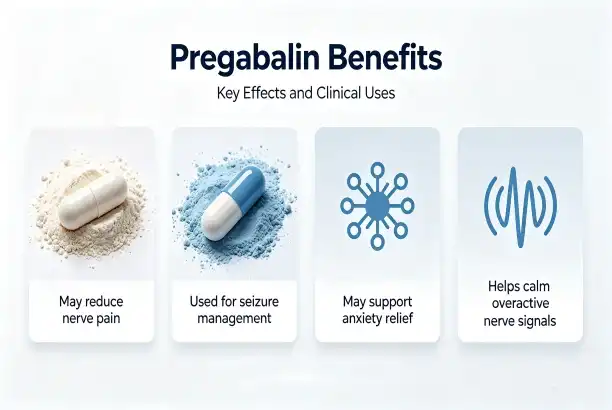
When procurement teams and R&D directors evaluate active pharmaceutical ingredients, stability is never a secondary concern. X-pregabalin powder (CAS: 148553-50-8), a white or off-white crystalline GABA derivative with molecular formula C8H17NO2 and molecular weight 159.23, must retain its chemical integrity across the entire supply chain. Understanding how this compound behaves under thermal, humidity, and photolytic stress is essential for manufacturers sourcing pharmaceutical-grade pregabalin at 98% specification. This guide breaks down what you need to know before placing a bulk order.

Understanding X-Pregabalin Powder and Its Pharmaceutical Relevance
X-pregabalin powder is a chemical that works like gamma-aminobutyric acid (GABA) and changes voltage-gated calcium channels in the brain and spinal cord. It can be used to treat nerve pain from diabetic peripheral neuropathy, postherpetic neuralgia, spinal cord damage, and fibromyalgia. As an extra treatment, it lowers the number of partial epileptic seizures and improves the patient's life.
Why Powder Form Matters in B2B Formulation
There are clear benefits to using bulk powder over finished capsule forms. Formulators can precisely control the dose, the drug dissolves faster, and it works with extended-release tablet systems, hard-shell pill lines, and animal compounding. The uniformity and purity of the powder at 98% directly affect the truth of data and the quality of regulatory submissions for R&D teams working on bioequivalence studies or trying new delivery platforms like transdermal patches or liquid suspensions.
Growing Industrial Demand
The global market for treating neuropathic pain is still growing, and companies all over North America buy standardized active pharmaceutical ingredients (APIs) in large quantities to help with both original equipment manufacturer (OEM) production and private label products. Before committing to long-term purchasing partnerships, buyers look at more than just price. They also look at batch stability, certificate portfolios, and how open the seller is.
Stability Challenges and Stress Conditions Affecting Pregabalin Powder
Pharmaceutical API purchasing is based on stability. If not managed correctly, a number of environmental and physical stresses can weaken X-pregabalin powder's effects and physical features.
Here are the main sources of stress that procurement teams have to deal with:
- Thermal stress: High temperatures make molecules move faster, which can cause cyclization processes or polymorphic changes in crystalline X-pregabalin powder. The ICH Q1A(R2) guidelines say that tests must be done quickly at 40°C/75% RH for six months, along with long-term studies at 25°C/60% RH.
- Humidity exposure: X-pregabalin powder can absorb water in some situations. Adding too much moisture changes the flowability, compressibility, and dissolution rate of a substance, all of which are very important when making tablets or capsules.
- Photolytic degradation: UV and visible light can start photochemical reactions in the backbone of amino acids, creating impurity peaks that can be found using HPLC analysis.
- Mechanical stress: When things are milled, blended, or compacted during production, they create areas of high heat and pressure. If you don't control the process well enough, the amorphous content will rise, which will make the crystallinity uniformity between batches less stable.
When procurement professionals know about these degradation routes, they can ask sellers about their manufacturing controls and stability data packages using the right words and criteria.

Evaluating and Ensuring Stability: Testing, Storage, and Handling Best Practices
Assuring stability starts with the supplier, a long time before the ingredient gets to the production floor. As part of responsible sourcing, you should ask for written proof of how well a batch works in controlled stress situations.
ICH-Aligned Testing Protocols
Stability tests are done by reputable suppliers in line with ICH Q1A(R2) and Q1B standards. HPLC is the approved test method for measuring X-pregabalin powder and identifying impurities. Jianbei uses this method for all of their production batches. If asked for before committing to buy, accelerated and real-time stability data should be made available.
Storage and Packaging Requirements
The X-pregabalin powder needs to be kept somewhere dry and cool. A proven shelf life of two years is possible when stored in sealed containers under the suggested conditions. Jianbei sells the ingredient in 25 kg drums for large orders and 1 kg aluminum foil bags for smaller orders. Both are made to keep the ingredient's physical integrity and keep moisture out during international shipping.
Handling During Manufacturing and Distribution
People who work with bulk API should follow GMP-compliant protocols, which include closed-system transfers, controlled humidity environments, and anti-static equipment. These handling rules are enforced by Jianbei's GMP-standard workshop and two independent quality laboratories. Before being released, all batches go through HPLC verification.
Comparing X-Pregabalin Powder to Other Neuropathic Pain API Forms
When purchasing teams look at X-pregabalin powder next to gabapentin, duloxetine, or finished pill forms, they find a number of useful differences.
Gabapentin works in a similar way, but its pharmacokinetics are different. X-pregabalin powder has more predictable linear absorption, which means that bioequivalence data from R&D trials can be trusted more. Duloxetine is a serotonin-norepinephrine reuptake inhibitor that works for a number of different conditions but needs to be handled in a very different way because it is sensitive to light and moisture.
Powder vs. Capsule: Formulation Flexibility
Manufacturers can change dose ranges, combine actives in fixed-dose combinations, and meet regulatory needs in different regions without having to re-formulate finished products when they use bulk powder. Manufacturers of capsules are limited to pre-set dose combinations, which makes it harder for OEM or contract manufacturing clients to get what they want.
Generic vs. Branded API: Quality Assurance as the Differentiator
There are both brand-name and generic forms of X-pregabalin powder API on the market. Documentation, such as full COA packages, residual solvent tests, heavy metal profiles, and microbial limit data, is what sets one product apart from another. Jianbei's 98% specification X-pregabalin powder has FDA registration, ISO, HALAL, HACCP, GMP, Kosher, and Organic Food certifications, which give international buyers the proof of compliance they need.
Procurement Guide: Selecting, Ordering, and Managing Pregabalin Powder Suppliers
There's more to picking the right X-pregabalin powder maker than just comparing prices per unit. Your supply chain and your standing with the government are both protected by a structured review system.
Suppliers you can trust have three main skills: a manufacturing infrastructure that has been checked out, a portfolio of all the certifications they have, and quick quality paperwork. Jianbei runs a dedicated factory with three production lines, a GMP-standard workshop, and two separate labs. This is the kind of infrastructure that can support consistent output on a large scale.
Here are the key ordering parameters for Jianbei's X-pregabalin powder:
- Minimum order quantity: 1 kg
- Delivery time: 3–7 business days after proof of payment
- Payment methods accepted: Telegraphic transfer, Alipay, XT, PayPal, and Western Union
- Packaging: 1 kg aluminum foil bag / 25 kg drum
- Export service: Available for international buyers; the powder is designated for export use
These parameters allow both emerging brands and established pharmaceutical manufacturers to trial the product at low commitment before scaling to commercial volumes.
Vetting a supplier's quality assurance protocols—reviewing batch release data, impurity profiles, and third-party audits—reduces the risk of receiving substandard or mislabeled API. With 15 national creation patents and 8 utility model patents, Jianbei's technical foundation supports claims of consistent manufacturing quality across production batches.

Conclusion
In conclusion, if an X-pregabalin powder API source is stable under pharmaceutical stress conditions, it can be used for serious manufacturing. The crystalline structure of the compound is affected by temperature, humidity, light, and mechanical forces, all of which can change its potency, dissolution, and ability to meet regulatory requirements. Procurement professionals who understand these variables can ask better questions, expect better paperwork, and build relationships with suppliers that will hold up in an audit. Jianbei's 98% grade X-pregabalin powder is made to meet those standards. It has been tested by HPLC and comes with a full set of certifications.
FAQ
1. What certifications should a pregabalin API supplier hold for US export?
Check for FDA registration, GMP compliance, ISO certification, and HACCP documentation at the very least. Certifications like HALAL and Kosher make more markets available. All of these are in Jianbei's X-pregabalin powder, which helps packages going to the US go through customs and regulatory review without any problems.
2. How is pregabalin powder purity verified?
High-performance liquid chromatography (HPLC) is the usual way to measure the amount of X-pregabalin powder in a sample and find any impurities that may be present. Jianbei's main test method for every batch is HPLC, and the results are written down on the certificate of analysis that buyers receive.
3. What is the shelf life of pregabalin powder under proper storage?
X-pregabalin powder can be kept for two years if it is packed and kept in a dry, cool place. Jianbei's aluminum foil bag and drum packing choices are made to keep out wetness and damage from the environment while they are being stored and shipped.
4. What is the minimum order quantity, and how quickly can orders ship?
The smallest amount you can buy is 1 kg. After payment is confirmed, orders are sent out within 3–7 business days. International buyers can choose from a number of payment methods, such as PayPal and Western Union.
Partner With Jianbei — Your Trusted Pregabalin Powder Supplier
Jianbei Biotechnology makes X-pregabalin powder that is GMP-certified and has been tested to be 98% pure. They also have full export licenses and a dedicated quality control team that runs two separate labs. Our production capacity can handle both sample requests and sales for large quantities, and the quality of each batch is always the same. You can email our team at sales@bqingbio.com to get a certificate package, a product specification sheet, or a bulk pricing quote that fits your needs.
References
1. International Council for Harmonisation of Technical Requirements for Pharmaceuticals for Human Use (ICH). Q1A(R2): Stability Testing of New Drug Substances and Products. 2003.
2. Ben-Menachem, E. "Pregabalin Pharmacology and Its Relevance to Clinical Practice." Epilepsia, 2004.
3. Tassone, D. M., Boyce, E., Guyer, J., & Nuzum, D. "Pregabalin: A Novel γ-Aminobutyric Acid Analogue in the Treatment of Neuropathic Pain, Partial-Onset Seizures, and Anxiety Disorders." Clinical Therapeutics, 2007.
4. Dworkin, R. H., et al. "Advances in Neuropathic Pain: Diagnosis, Mechanisms, and Treatment Recommendations." Archives of Neurology, 2003.
5. United States Pharmacopeia (USP). General Chapter <1150>: Pharmaceutical Stability. USP 45–NF 40, 2022.
6. Stahl, S. M. "Mechanism of Action of Alpha-2-Delta Ligands: Voltage-Sensitive Calcium Channel (VSCC) Modulators." Journal of Clinical Psychiatry, 2004.