- English
- French
- German
- Portuguese
- Spanish
- Russian
- Japanese
- Korean
- Arabic
- Greek
- German
- Turkish
- Italian
- Danish
- Romanian
- Indonesian
- Czech
- Afrikaans
- Swedish
- Polish
- Basque
- Catalan
- Esperanto
- Hindi
- Lao
- Albanian
- Amharic
- Armenian
- Azerbaijani
- Belarusian
- Bengali
- Bosnian
- Bulgarian
- Cebuano
- Chichewa
- Corsican
- Croatian
- Dutch
- Estonian
- Filipino
- Finnish
- Frisian
- Galician
- Georgian
- Gujarati
- Haitian
- Hausa
- Hawaiian
- Hebrew
- Hmong
- Hungarian
- Icelandic
- Igbo
- Javanese
- Kannada
- Kazakh
- Khmer
- Kurdish
- Kyrgyz
- Latin
- Latvian
- Lithuanian
- Luxembou..
- Macedonian
- Malagasy
- Malay
- Malayalam
- Maltese
- Maori
- Marathi
- Mongolian
- Burmese
- Nepali
- Norwegian
- Pashto
- Persian
- Punjabi
- Serbian
- Sesotho
- Sinhala
- Slovak
- Slovenian
- Somali
- Samoan
- Scots Gaelic
- Shona
- Sindhi
- Sundanese
- Swahili
- Tajik
- Tamil
- Telugu
- Thai
- Ukrainian
- Urdu
- Uzbek
- Vietnamese
- Welsh
- Xhosa
- Yiddish
- Yoruba
- Zulu
What is the difference between thiamine and benfotiamine? Benfotiamine bulk powder dissolves in fat and is highly effective. It was created to help the body take in thiamine, which breaks down in water. Thiamine hydrochloride, which is used in medicine, dissolves quickly in water and is quickly flushed out of the body through urine. Benfotiamine, on the other hand, is better at getting across cell membranes because it likes fats. This means it is about 3.6 times better for your body than regular B1 supplements. Benfotiamine is great for formulas that want to improve metabolic health, protect neurones, and stop advanced glycation end-products because it can get into cells more easily. All of these are important things for businesses that make good health supplements and useful foods to think about.
Introduction
The nutritional and pharmaceutical markets are very competitive right now, so it's important for people who work in buying to know the difference between thiamine and benfotiamine. Both molecules are important for how cells use energy, but they have very different chemical structures, ways of being absorbed, and uses in the business world. This makes a big difference in how well products work, how well they follow the rules, and where they stand in the market for R&D directors, product managers, and procurement specialists who are looking for ingredients for medicine formulas, dietary supplements, or functional foods.
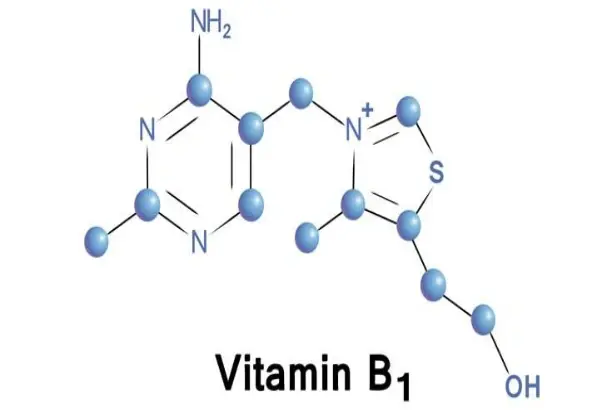
Thiamine, which is also known as vitamin B1, can be found in whole grains, beans, and foods that have had it added to them. It helps the body break down carbs and keep the nervous system running because it dissolves in water. But it leaves the body quickly and doesn't stay in tissues very well, which makes it hard to use in treatments. If you want to avoid these problems, you can make benfotiamine in a lab. It is easy for it to pass through the walls of the intestines because its thiazole ring shape is open. This leads to more tissue and cellular action that lasts longer.
Benfotiamine is useful for businesses that want to make drugs that are regulated and very pure. The processing is more stable, it can be delivered in more ways, and the claims that it works are stronger and backed up by clinical study. This detailed study looks at the properties, functions, and ways to get both compounds. It tells companies useful things they can use to choose smart suppliers that meet quality standards, legal requirements, and health goals for end users.
Understanding Benfotiamine and Thiamine: Chemical and Functional Overview
The Molecular Architecture of Thiamine
The chemical formula for thiamine is C12H17N4OS. It is a key coenzyme that helps make energy. The body changes thiamine into thiamine pyrophosphate. This makes the enzymes that break down glucose and make neurotransmitters work faster. Even though thiamine hydrochloride is very important for living things, the supplement form it comes in is not very bioavailable. It is hard for the intestines to absorb because it is polar and dissolves in water. When used in therapeutic amounts, less than 15% of it is usually absorbed. The kidneys quickly get rid of any extra, leaving only small amounts in the cells that need them the most to help the metabolism.
Benfotiamine's Synthetic Advantages
The structure of Benfotiamine (CAS 22457-89-2, molecular formula C19H23N4O6PS, molecular weight 466.45) was made to be better than the normal structure of Thiamine. The material is 98% pure and looks like a white, crystalline powder. This means it is safe to use as medicine. An S-acyl derivative has been made from it, which is why it dissolves in fats. It can then pass through lipid membranes without the need for active transport systems. Benfotiamine is absorbed and changes into thiamine inside cells. This is where it works better than when taken by mouth as a normal B1 dose.
This better way to move things helps companies in the real world. It's good for formulators that benfotiamine stays stable when the pH level and temperature change during the making process. The substance works just as well when it is capsuled, tableted, or mixed with powder. It doesn't have any of the problems that come with water-soluble vitamins. It has been shown in clinical trials that benfotiamine works better than thiamine at lower milligramme doses. In other words, cheaper ways of formulating can be used to get better health outcomes.
Mechanisms Driving Industrial Preference
Solubility patterns that are not the same lead to different pharmacokinetic habits. Active transport systems in the small intestine must be able to work at full capacity for thiamine to be absorbed. In this case, the benefits get weaker as the dose goes up, creating a ceiling effect. Benfotiamine bulk powder gets around these issues by passively diffusing, which means that its linear absorption relationships stay the same across a wider dose range. Tests on plasma show that benfotiamine raises thiamine levels five times more than thiamine levels that are equal to each other. Its long half-life helps living things work for a long time.
Comparing Benfotiamine Bulk Powder and Thiamine for B2B Applications
Bioavailability and Absorption Kinetics
It is clear that benfotiamine is more systemically available than other drugs, as shown by quantitative pharmacological tests. Standard thiamine tablets are only absorbed by the intestines 10-15% of the time. As the dose goes up, the rate of absorption goes down. The lipophilic route of benfotiamine bulk powder ensures steady uptake at appropriate levels, with a rate of 25–40%. In direct terms, this means that manufacturers who want to reach certain blood-contraction levels in tests of effectiveness will need fewer raw materials.
Benfotiamine's plasma half-life is 6 to 8 hours, while thiamine's is only 2 to 4 hours. So, it can only be taken once a day. This makes it easy for people to see what they need to do. There are different claims that companies that make functional drinks and nutritional shakes can make about their products. For example, they can say that their products help the body's digestion and provide long-lasting benefits.
Efficacy in Targeted Health Applications
Many people with diabetes have problems that can be helped by benfotiamine. This is an area of the market that is growing quickly. A study found that the substance lowers the production of advanced glycation end-products (AGEs). AGEs are protein-glucose complexes that are linked to diabetic neuropathy, retinopathy, and kidney issues. Benfotiamine is better than thiamine at protecting neurons and lowering inflammation because it activates transketolase enzymes more effectively. Clinical tests have shown that it does this by taking glucose metabolism away from routes that are bad for you.
One more thing that makes them unique is that they are antioxidants. In a way that is different from how it turns into thiamine, benfotiamine can fight free radicals directly. This helps keep cells safe, which is important for goods that fight ageing and keep the brain healthy. Due to the wide range of benefits, these products allow brands to sell their products in high-end health areas.
Safety and Regulatory Considerations
There are safe upper intake values set for both compounds, which means they are generally safe. Safety groups all over the world have said that thiamine is "Generally Recognised As Safe" (GRAS). If you are a doctor in Europe, you've been able to safely use the man-made chemical benfotiamine for decades. It's also becoming more popular in the US. Good sellers have full approval, which includes FDA registration, ISO standards, HACCP compliance, and confirmation that the food is kosher or halal. This is important paperwork for things that will be sold in other countries.
Procurement Considerations for Benfotiamine Bulk Powder vs Thiamine
Quality Assurance and Specification Standards
The first thing that you need to do when choosing a source is to set clear quality standards. A premium benfotiamine bulk powder should have an HPLC purity of at least 98%. What comes with the Certificate of Analysis should show the molecular identity (CAS 22457-89-2), heavy metal limits that meet USP standards, microbial counts that are good for food additives, and liquid analysis for chemically made products that have been left over. Providers whose facilities are GMP-certified and have been checked by a different lab can give you the data you need for quality control and regulatory reports.
When you need thiamine, you generally have to choose between thiamine hydrochloride and thiamine mononitrate. These two forms dissolve and stay solid in different ways. Most of the time, thiamine costs less per kilogram than benfotiamine. However, because it needs to be used in larger amounts, the difference in price isn't that big in finished goods. So that buying teams can make more accurate ROI predictions, they shouldn't just look at the prices of raw materials. They should also figure out how much it costs to use them.
Packaging and Logistics for Bulk Shipments
The quality of the products stays safe throughout the supply chain when they are packed in the right way. Benfotiamine arrives from reliable makers, usually in cases that keep moisture out, like 1 kg aluminium foil bags for testing or 25 kg fibre drums for making more. To keep food fresh for 24 months, keep it in a cool, dry place out of direct sunlight and in a package that won't leak. For makers who deal with more than one line of ingredients, these rules affect how stores are set up and how stock is rotated.
Minimum order quantities change how you plan to buy things. Established sellers usually take orders as little as 1 kg, which lets teams working on new recipes make sure the ingredients are stable and work well together before buying a lot of them. Three to seven business days after payment is the lead time, which makes supply chain management fluid. But because international shipping isn't always reliable, manufacturers need to plan for buffer stocks to keep production going.
Supplier Evaluation and Partnership Criteria
If you want to find good food partners, you should do a lot more than just check prices. When providers you can trust let site audits happen, use batch tracking systems, and have helpful technical support teams, they make things clear. It shows that a company cares about quality by having dedicated GMP workshops with multiple production lines and separate quality control labs. This is important for brands that want to build long-term product portfolios.
Payment freedom is good for many types of business partnerships. Options like bank transfers, PayPal, Western Union, and local platforms like Alipay make it easier to buy things from other countries. If you want to check certifications like FDA registration numbers, organic certifications where promised, and up-to-date GMP audit reports, the terms of payment should never get in the way of that. Before committing to a buy, getting samples with full analytical paperwork is the best way to avoid quality issues that could delay output or cause regulatory concerns.
Practical Applications and Usage Guidelines for Benfotiamine Bulk Powder
Formulation Integration Strategies
There are things that need to be thought about when adding benfotiamine bulk powder to supplement matrices. If you store the substance for 24 months, it will still work in pills made of veggie cellulose or gelatine shells, which are very stable. Benfotiamine is a crystalline powder that can be successfully pressed into tablets with regular filling and without the need for extra binding agents. Particle size matching and anti-caking techniques make sure that protein shakes, meal replacements, and functional drink mixes have powder blends that are spread out evenly.
Dosage recommendations typically range from 150 mg to 600 mg daily for general health. For certain metabolic support routines, it goes up to 300 mg to 900 mg. According to peer-reviewed research, these amounts are still a long way below the highest levels that are thought to be safe. They have also been shown to have real health effects. If formulators want to know how to use benfotiamine in products so that it works better with alpha-lipoic acid, methylcobalamin, or certain antioxidant complexes, a new study on synergistic combos can help them do that.
Compliance with International Standards
It takes a lot of paperwork to follow the rules set by governments around the world. You should get Material Safety Data Sheets (MSDS) from the providers that tell you how to handle the product, give first aid, and protect the surroundings. Having a Certificate of Origin makes it easier for packages from other countries to get through customs. When goods come into the U.S. market, they must follow 21 CFR supplement GMPs and make sure that an FDA plant is registered. When selling novel foods in Europe, you have to follow the rules. Benfotiamine, on the other hand, has been on the market for a long time, which makes getting approval easy.
The tests for Benfotiamine bulk powder should follow the same rules as the guidelines. Standards in the business world, like HPLC testing, USP papers, or the European Pharmacopoeia, make it possible to consistently evaluate quality. When an internal quality system is validated by a third-party lab, it has more weight. Brands that want to get awards from groups like NSF International or the Informed-Choice programmes need to do this the most.
Conclusion
When deciding between Benfotiamine bulk powder and Thiamine, you should think about more than just price. Some of these are the benefits of bioavailability, the freedom of formulation, following the rules, and marketing strategies. When it comes to absorption, tissue penetration, and clinical effectiveness, benfotiamine is the best when it comes to metabolic health and neuroprotection. When it comes to budgets, procurement experts have to weigh these useful benefits against the total cost of the formulation rather than the prices of the individual ingredients. To make a good product, you need to buy from qualified makers who offer full-quality paperwork, reliable logistics, and expert support. If you want to make dietary supplements, functional drinks, or pharmaceutical-grade nutritional products, understanding these differences will help you pick the right ingredients that will help your business reach its goals and protect the health of the end user.
FAQ
1. How does benfotiamine differ in manufacturing applications compared to standard thiamine?
Benfotiamine is a crystalline powder that is 98% pure and can be used in many production steps, such as filling capsules, pressing pills, and mixing powders. The type of thiamine that dissolves in fat is more stable during processing than the type that dissolves in water. It's less likely to break down when it gets hot, wet, or the pH changes. Because it is stable, the product will stay good for longer and keep working the same way it did at first.
2. What dosage considerations apply when formulating with Benfotiamine bulk powder?
Daily doses of 150 mg to 600 mg have been shown to be good for your health, and 300 mg to 900 mg are used in therapeutic programmes to help the metabolism. Because benfotiamine bulk powder is more soluble, only milligrams are needed to get the same or higher levels of thiamine in the blood as normal thiamine. This makes it possible for formulation methods that are low-cost to work while still supporting strong claims of success with scientific research.
Partner with Jianbei for Premium Benfotiamine Bulk Powder Supply.
Pharmaceutical-grade Benfotiamine bulk powder is sent by Jianbei Biotechnology to businesses around the world that make, sell, or create medicines. Our GMP-approved companies have three different lines and two labs that make sure the 98% purity standards are always met. HPLC can be used to check this. We have 15 national invention patents and a lot of international certifications, such as FDA registration, ISO, HACCP, and kosher/halal verification, to back up the quality assurance paperwork you need to sell your products all over the world.
When you buy from us, you can get the best deals: you can order as little as 1 kg for testing during the development phase, and for large-scale production, you can get bulk packaging in 1 kg aluminium foil bags or 25 kg drums. This is a great deal because the bulk prices are low and there are many ways to pay, including major platforms, wire transfers, and PayPal. The supply chain works well because of the quick shipping times (3–7 days), and expert help with following the rules and integrating formulations is available.
Our skilled team can make high-end functional drinks, recipes to protect neurons, or goods that help people with diabetes. They are reliable and skilled, which is what your buying strategy needs. You can email our sales team at sales@bqingbio.com to get samples with full analytical paperwork, talk about custom packing options, or find out how to work with a trustworthy company that makes Benfotiamine bulk powder and wants your business to succeed.
References
1. Balakumar, P., Rohilla, A., & Mahadevan, N. (2010). Pleiotropic actions of benfotiamine in cardiovascular and metabolic disorders: a promising therapeutic intervention. Pharmacological Research, 63(4), 256-265.
2. Hammes, H. P., Du, X., & Edelstein, D. (2003). Benfotiamine blocks three major pathways of hyperglycemic damage and prevents experimental diabetic retinopathy. Nature Medicine, 9(3), 294-299.
3. Loew, D. (1996). Pharmacokinetics of thiamine derivatives especially of benfotiamine. International Journal of Clinical Pharmacology and Therapeutics, 34(2), 47-50.
4. Schmid, U., Stopper, H., & Heidland, A. (2008). Benfotiamine exhibits direct antioxidative capacity and prevents induction of DNA damage in vitro. Diabetes/Metabolism Research and Reviews, 24(5), 371-377.
5. Stracke, H., Gaus, W., & Achenbach, U. (2008). Benfotiamine in diabetic polyneuropathy: a randomized, double-blind, placebo-controlled clinical trial. Experimental and Clinical Endocrinology & Diabetes, 116(10), 600-605.
6. Xie, F., Cheng, Z., & Li, S. (2014). Pharmacokinetic study of benfotiamine and the bioavailability assessment compared to thiamine hydrochloride. Journal of Clinical Pharmacology, 54(6), 688-695.