- English
- French
- German
- Portuguese
- Spanish
- Russian
- Japanese
- Korean
- Arabic
- Greek
- German
- Turkish
- Italian
- Danish
- Romanian
- Indonesian
- Czech
- Afrikaans
- Swedish
- Polish
- Basque
- Catalan
- Esperanto
- Hindi
- Lao
- Albanian
- Amharic
- Armenian
- Azerbaijani
- Belarusian
- Bengali
- Bosnian
- Bulgarian
- Cebuano
- Chichewa
- Corsican
- Croatian
- Dutch
- Estonian
- Filipino
- Finnish
- Frisian
- Galician
- Georgian
- Gujarati
- Haitian
- Hausa
- Hawaiian
- Hebrew
- Hmong
- Hungarian
- Icelandic
- Igbo
- Javanese
- Kannada
- Kazakh
- Khmer
- Kurdish
- Kyrgyz
- Latin
- Latvian
- Lithuanian
- Luxembou..
- Macedonian
- Malagasy
- Malay
- Malayalam
- Maltese
- Maori
- Marathi
- Mongolian
- Burmese
- Nepali
- Norwegian
- Pashto
- Persian
- Punjabi
- Serbian
- Sesotho
- Sinhala
- Slovak
- Slovenian
- Somali
- Samoan
- Scots Gaelic
- Shona
- Sindhi
- Sundanese
- Swahili
- Tajik
- Tamil
- Telugu
- Thai
- Ukrainian
- Urdu
- Uzbek
- Vietnamese
- Welsh
- Xhosa
- Yiddish
- Yoruba
- Zulu
To use Vitamin C Bulk Powder correctly, you must first know that it is made of L-ascorbic acid (C6H8O6), which is a white to slightly yellow crystalline powder that is usually 98% pure. To keep its effectiveness, procurement teams should make sure it dissolves in water, that it works with their specific pH levels, and that it is stored in a dry, cool place. Different businesses have different rules about how much to use. For example, supplements usually use 500 to 2000 mg per dose, makeup use 5 to 20 percent concentrations, and functional foods need exact ratios to balance how well they work with how they taste. Best practices for handling include limiting oxygen contact during preparation and using the right packing to keep the antioxidant activity of the product high throughout its life.
Understanding Vitamin C Bulk Powder: Key Concepts for Procurement
What Makes High-Purity Ascorbic Acid Essential for Industrial Use?
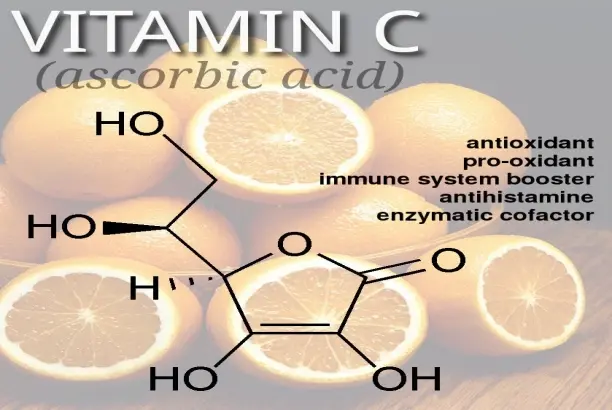
From dietary supplements to cosmetic formulations, Vitamin C Bulk Powder is a key ingredient in a wide range of products. The drug-grade substance, which is also called L-ascorbic acid, has the formula C6H8O6 and a molecular weight of 176.12. This important water-soluble vitamin is a strong antioxidant that fights free radicals, lowers oxidative stress, and keeps cell structures from getting damaged.
Buyers need to be able to tell the difference between pure ascorbic acid and versions that are sold in stores that are diluted. Pure grades keep 98–100% of their active ingredients, so you can be sure that the finished goods will work as expected. The substance looks like a white to slightly yellowish crystalline powder, and there are strict quality standards that make sure the color stays the same, it dissolves quickly, and there are no contaminants. Microbial limits, heavy metal thresholds, and residual solvent levels are all subject to strict testing protocols that use HPLC.
Quality Certifications That Matter in Global Sourcing
When buying ascorbic acid for international markets, buyers must follow strict rules. Real suppliers show proof that they are registered with the FDA, have ISO certifications, are HALAL and Kosher-approved, follow HACCP protocols, and follow GMP manufacturing standards. These certifications are more than just pieces of paper; they stand for quality assurance systems, production processes that can be tracked, and systems that protect both manufacturers and consumers.
Testing results from a third-party support the amounts of purity, the lack of illegal substances, and the storage stability data. Reliable sellers make sure that each batch meets the pharmacopoeial standards set out in USP, EP, and BP guidelines by having an independent laboratory check it. This paperwork is very important when regulatory agencies check out production sites or when export paperwork needs proof that REACH rules were followed.
The antioxidant properties of Vitamin C Bulk Powder and high-purity ascorbic acid make it useful in many situations. In nutritional forms, it helps the defense system work and the production of collagen. It is used in cosmetics because it can even out skin tone and speed up cell repair. Manufacturers of food like it because it adds protein and keeps food fresh longer without adding any artificial ingredients.
How to Use Vitamin C Bulk Powder Effectively: A Step-by-Step Guide?
Application-Specific Dosage Guidelines Across Industries
Adding ascorbic acid to industrial processes needs to be done with great care and attention to the specific needs of each business. Supplement companies usually make products with 500 mg to 2000 mg per dose, which is in line with daily suggested amounts and takes bioavailability factors into account. Cosmetic formulators use concentrations of 5 to 20 percent, depending on the type of product. For example, serums can have higher percentages than emulsified creams. The people who make functional drinks have to balance their goals for effectiveness with their customers' tastes. Usually, they stay below 250 mg per dose to avoid making the drinks too tart.
Different places have different regulatory systems. In the US, vitamin C can be used as both a nutrient supplement and a GRAS (Generally Recognized As Safe) food additive, according to FDA rules. Labelling must be specific when amounts go over certain limits set by European law. Knowing these lines keeps you from having to wait for expensive re-formulations and makes sure you can reach customers in all of your target countries.
Solubility Management and pH Balancing Techniques
Ascorbic acid dissolves easily in water (about 33 g per 100 mL at room temperature), but its safety depends a lot on the conditions in which it is stored. The compound is most stable between pH 4 and 6, and it breaks down quickly in alkaline conditions. When formulators work with basic or neutral systems, they often choose derivative forms like sodium ascorbate or neutralizing agents.
Oxygen speeds up oxidation, which turns active ascorbic acid into inactive dehydroascorbic acid. As much air contact as possible should be avoided during mixing, nitrogen purging should be used when possible, and packing materials should have the right oxygen shield qualities. To get rid of trace metals that speed up degradation reactions, chelating agents like EDTA can be added.
Controlling the temperature during handling keeps the strength safe. Ascorbic acid stays stable below 40°C, but it loses its effectiveness at high temperatures like those used in pasteurization or sterilization. Methods of cold processing or post-thermal adding keep the most biological activity in the produced goods.
Storage and Packaging Solutions for Supply Chain Integrity
The performance of a product in the distribution network is directly affected by how it is stored. Vitamin C Bulk Powder needs to be kept in a dry, cool place that is ideally less than 15°C and has a relative humidity of less than 60%. When you seal containers, they don't let moisture in, which causes clumps and speeds up chemical breakdown.
For samples or small batches, standard packaging includes 1 kg of aluminum foil bags. For high-volume production, standard packaging includes 25 kg fiber drums. Aluminum foil is a great way to keep out light and moisture, and drums that are properly sealed make moving materials around in factories more efficient. Under ideal sealed storage conditions, the shelf life is two years, but regular testing makes sure that the product stays effective during that time.
Changes in temperature during the shipping of Vitamin C Bulk Powder should be taken into account by transportation systems. Material quality can be harmed before it even gets to the production lines by being exposed to summer heat or warehouse conditions that can't be controlled. Working with sellers who know how to handle the logistics of the cold chain and offer temperature-controlled shipping choices will protect your investment and make sure that the quality of your raw materials stays the same.
Comparing Vitamin C Bulk Powder Options: Making an Informed Choice
Bulk Powder Versus Pre-Formulated Alternatives
Choosing between buying raw ascorbic acid powder and finished dose forms has a big effect on the freedom and cost structures of manufacturing. Vitamin C Bulk Powder is very flexible, so formulators can change concentrations exactly for each product line instead of being limited by ratios that are set in stone, like in tablets or capsules. This flexibility is especially helpful for businesses that are making a lot of different SKUs or changing recipes for private label clients.
A cost analysis shows that buying in bulk has big benefits. The price per gram of the pure active ingredient is always lower than the price per gram of the finished forms, which include fillers, packaging materials, and other processing costs. When manufacturers make a lot of tablets, they can take advantage of economies of scale that tablet buyers can't match. This can directly increase their profit margins or make store prices more competitive.
Customization options go beyond just changing the concentration. Formulators can use Vitamin C Bulk Powder to mix ascorbic acid with ingredients that work well together, like bioflavonoids, rose hips, and acerola cherry extracts. This makes blends that stand out in busy markets. This freedom in formulation helps brand marketing tactics that aim at certain groups of customers or health claims.
Synthetic Production Methods and Certification Considerations
The modified Reichstein method, a complex synthetic route that starts with glucose fermentation, is mostly used to make ascorbic acid for commercial use. Some people say they prefer "natural" sources, but synthetic L-ascorbic acid is chemically the same as ascorbic acid taken from fruits. There are no structural or functional differences. The biological action and safety features of both forms are the same.
When it comes to manufactured vitamins, the rules for getting an organic license are different. In the US, USDA Organic standards say that synthetic ascorbic acid can't be in certified organic products, but there are some situations where it can be used. The rules for European biological structures are the same. Ascorbic acid from organic maize glucose is usually sourced by suppliers with organic certifications. It is made through approved fermentation methods and costs more because of the certification fees and smaller production amounts.
Market trends show that there is a growing need for formulations with clean labels. Brands are looking for non-GMO-verified raw materials and sources that can show they use sustainable buying methods more and more, even when organic approval isn't required. This change, caused by consumers, affects buying choices in more ways than just technical details. Buyers now have to look at how transparent suppliers are about farming inputs and manufacturing processes.
Supplier Evaluation Criteria for Long-Term Partnerships
When looking for trusted ascorbic acid providers, you need to look at more than just prices. Verifying the validity of a certificate keeps you from making mistakes that cost a lot of money. Asking for original documents from certifying bodies instead of taking copies that might not be real saves you money. The name of a supplier in industry networks can tell you things that written evidence can't. For example, it can show a history of consistent quality, quick technical help, and on-time delivery.
Pricing structures need to be carefully looked at. When you choose the cheapest choice, quality control may be lowered or supply lines may not work as planned. When you figure out the total cost of ownership, you have to take into account things like rejection rates from poor quality, production downtime from late shipments, and missed opportunities from running out of stock. When these secret costs are taken into account, mid-range prices from well-known sellers often offer better value.
Both transportation and legislative alignment are affected by where Vitamin C Bulk Powder things are located. When suppliers work in big markets like the US and Europe, they usually have stricter quality control systems and make it easy to fill out legal paperwork. But new manufacturing hubs in Asia offer low prices and higher quality standards. This means that careful research is needed no matter where the supplier is located.

Conclusion
For ascorbic acid to be successfully added to industrial formulations, technical understanding and practical methods for getting the acid must be balanced. By learning about the material's chemical qualities, how stable it needs to be, and any application-specific issues, formulators can get the best performance at the lowest cost. Tough supplier evaluations that look at certifications, production skills, and quality systems make sure that the quality of the materials stays constant, which protects the brand's image and keeps customers safe.
Planning for volume, coordinating transportation, and building relationships with trusted production partners are all parts of strategic procurement. Companies that use Vitamin C Bulk Powder's formulation flexibility and cost benefits while putting in place strong quality control measures will be able to stay ahead of the competition in the health and wellness markets, which are changing quickly.
FAQ
1. What is the minimum order quantity for pharmaceutical-grade ascorbic acid?
Most industrial suppliers have minimum order sizes that start at 1 kg. This way, they can meet the needs of both small-batch production and research and development. Companies can use this easy-to-reach level to see if a material works with their current formulas before making bigger purchases. Bulk orders are usually placed in 25 kg chunks, which is the same size as a standard drum.
2. How can I verify the purity and quality of purchased material?
Ask providers for full Certificates of Analysis that include HPLC test results, microbial counts, heavy metal levels, and leftover solvent analysis. Testing by a lab that is not connected to the company gives extra proof. Reputable manufacturers keep copies of their FDA registration, ISO certifications, and GMP compliance paperwork that can be looked at during the supplier qualification process.
3. Can the same bulk powder work across supplement, food, and cosmetic applications?
Many businesses need high-purity L-ascorbic acid, but the grade standards are different. Pharmaceutical- and food-grade materials are very pure and can be used in products that people eat. Cosmetic uses may be able to handle a little less strict requirements. Making sure the grade is right for the job when buying it keeps things from getting complicated with regulations and ensures the best performance in finished products.
Partner with a Certified Vitamin C Bulk Powder Supplier
Jianbei Biotechnology sells L-ascorbic acid that is safe for use in medicines. They have many certifications to back this up, such as FDA registration, ISO standards, HALAL, Kosher, HACCP, and GMP compliance. Our factory in Guangzhou has three dedicated production lines that work in GMP-compliant workshops. Two separate labs help make sure of the consistency between batches. We can handle both small development projects and large-scale production needs because our minimum orders start at just 1 kg, and we deliver within 3–7 working days.
Our experienced research and development team has 15 national idea patents that cover core production processes. They have the technical knowledge to help you with your formulation problems. Having a lot of inventory on hand makes sure that you always have what you need, and our full range of certifications makes it easier to follow the rules in all global markets. Contact our purchasing agents at sales@bqingbio.com to talk about your unique needs and find out how working with a well-known Vitamin C Bulk Powder maker can help you make better products and be more competitive in the market.
References
1. Padayatty, S.J., et al. (2003). "Vitamin C as an Antioxidant: Evaluation of Its Role in Disease Prevention." Journal of the American College of Nutrition, 22(1), 18-35.
2. Carr, A.C. & Vissers, M.C.M. (2013). "Synthetic or Food-Derived Vitamin C—Are They Equally Bioavailable?" Nutrients, 5(11), 4284-4304.
3. Pullar, J.M., et al. (2017). "The Roles of Vitamin C in Skin Health." Nutrients, 9(8), 866.
4. United States Pharmacopeia. (2022). "Ascorbic Acid Monograph." USP 45-NF 40, United States Pharmacopeial Convention.
5. European Food Safety Authority. (2015). "Scientific Opinion on Dietary Reference Values for Vitamin C." EFSA Journal, 13(10), 4418.
6. Phillips, K.M., et al. (2010). "Stability of Vitamin C in Frozen Raw Fruit and Vegetable Homogenates." Journal of Food Composition and Analysis, 23(3), 253-259.