- English
- French
- German
- Portuguese
- Spanish
- Russian
- Japanese
- Korean
- Arabic
- Greek
- German
- Turkish
- Italian
- Danish
- Romanian
- Indonesian
- Czech
- Afrikaans
- Swedish
- Polish
- Basque
- Catalan
- Esperanto
- Hindi
- Lao
- Albanian
- Amharic
- Armenian
- Azerbaijani
- Belarusian
- Bengali
- Bosnian
- Bulgarian
- Cebuano
- Chichewa
- Corsican
- Croatian
- Dutch
- Estonian
- Filipino
- Finnish
- Frisian
- Galician
- Georgian
- Gujarati
- Haitian
- Hausa
- Hawaiian
- Hebrew
- Hmong
- Hungarian
- Icelandic
- Igbo
- Javanese
- Kannada
- Kazakh
- Khmer
- Kurdish
- Kyrgyz
- Latin
- Latvian
- Lithuanian
- Luxembou..
- Macedonian
- Malagasy
- Malay
- Malayalam
- Maltese
- Maori
- Marathi
- Mongolian
- Burmese
- Nepali
- Norwegian
- Pashto
- Persian
- Punjabi
- Serbian
- Sesotho
- Sinhala
- Slovak
- Slovenian
- Somali
- Samoan
- Scots Gaelic
- Shona
- Sindhi
- Sundanese
- Swahili
- Tajik
- Tamil
- Telugu
- Thai
- Ukrainian
- Urdu
- Uzbek
- Vietnamese
- Welsh
- Xhosa
- Yiddish
- Yoruba
- Zulu
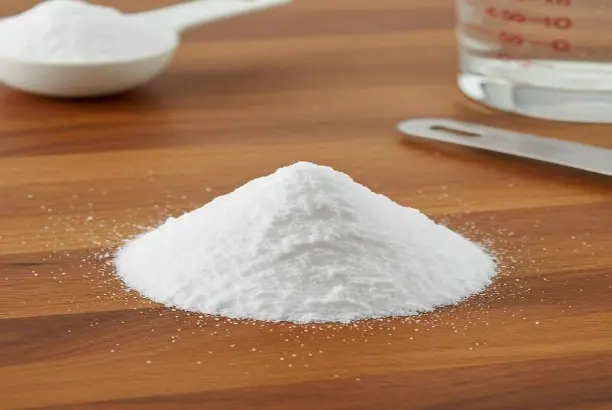
Understanding the onset time of active ingredients is very important for product developers and procurement managers who are making products that need to be good local anaesthetics. The numbing effects of tetracaine powder, a strong ester-based local anaesthetic, usually start to show 2 to 10 minutes after it is applied topically. This depends on a number of factors, such as the formulation concentration, the characteristics of the application site, and the preparation methods used. This compound, which has the CAS number 94-24-6 and the molecular formula C₁₅H₂₄N₂O₂, is becoming more and more valuable to companies that make nutraceuticals, cosmetics, and functional products that need high-purity anaesthetic ingredients. The 98% standard white crystalline tetracaine powder works consistently when mixed properly, which is why companies making pain-relieving creams, products to help with beauty procedures, or specialised medical formulations need to think about it.
Understanding Tetracaine Powder and Its Mechanism of Action
The way this local anaesthetic works through drugs is by stopping nerve signals from going to the treatment spot. Tetracaine powder is an ester-type anaesthetic compound that briefly blocks sodium channels in nerve cell membranes. This stops pain messages from getting to the brain and spinal cord. This process works well to provide surface anaesthesia that is best for mucosal uses and skin preparations.
Chemical Structure and Pharmacological Properties
This molecule has a molecular weight of 264.36, and its chemical structure lets it pass through cellular membranes and stay stable in a variety of formulation media. The high purity (98% confirmed by HPLC testing) and white crystal look make sure that the product will work the same way in all of its uses. Because this ingredient's makeup is standard white crystalline tetracaine powder, it makes quality control and legal compliance easier for the companies that use it.
Comparative Analysis with Alternative Anaesthetics
Tetracaine powder has different pharmacokinetic qualities than lidocaine and benzocaine, which affect choices about product development. Lidocaine usually works faster (within 1 to 3 minutes), but tetracaine powder has a longer-lasting anaesthetic effect, lasting 30 to 60 minutes or even longer, depending on how it is made. Benzocaine works quickly on the skin but only lasts for a short time, so it can be used in a variety of situations. When procurement professionals look at these choices, they should remember that Tetracaine powder's longer-lasting profile may mean that end-use goods don't need to be reapplied as often, which could make customers happier and help the product stand out in competitive markets.
Application Relevance Across Industries
Health supplement companies are looking into topical pain-relief formulations like tetracaine powder because it can be used in a lot of different ways. Cosmetic companies that are making numbing products for procedures like that work well with cosmetic-grade carriers and excipients. Because the ingredient is stable, it can be mixed into creams, gels, solutions, and even special powder mixes if the right manufacturing methods are used. Knowing these use situations helps R&D directors make sure that the ingredients they choose are in line with their goals for product performance and their strategies for positioning the product in the market.
How Long Does Tetracaine Powder Take to Work? Factors Influencing Onset Time
The time it takes for anaesthetic effects to start depends on a lot of factors that are all linked and must be carefully considered by buying teams and formulation scientists during the product development stages.
Concentration and Formulation Design
Higher concentrations usually shorten the time it takes to start working while making the effects last longer. However, the best concentration levels must balance safety concerns with effectiveness. Products with amounts between 0.5% and 2% are common therapeutic levels for topical use. The exact numbers used depend on the product's intended use and the rules that govern it. Formulation vehicles have a big effect on how well the active ingredient gets to the nerve ends it's meant to reach. These include emulsifier systems, penetration enhancers, and pH changes.
Application Site Characteristics
Absorption rates of tetracaine powder are directly affected by the thickness, level of moisture, and number of blood vessels at the application site. Most of the time, mucosal surfaces show a faster onset (2–5 minutes) than intact skin on the extremities (5–10 minutes). In places where skin defences are weak, the substance may be absorbed faster, so formulation techniques need to be changed to keep safety gaps. When making products for certain parts of the body, the people who make them should test them in those areas to get accurate start dates for their marketing and labelling.
Environmental and Storage Factors
The way ingredients are stored has a big effect on how stable they are and how well the finished product works. The substance needs to be kept in dry, cool places with tightly sealed packages so that it stays effective for two years. Heat, moisture, or light can break down the active ingredient, which could make it take longer to work or not work at all. Procurement managers should set up strong supply chain rules that ensure proper warehousing and services that keep things at the right temperature. This is especially important for foreign shipments, where conditions and travel times can change a lot. These risks are kept to a minimum in GMP-certified factories that have good quality control systems in place. These factories test their products for stability and use the right packaging, like 1 kg aluminium foil bags or 25 kg drums that are safe for the environment.
Safe Usage and Dosage Instructions for Tetracaine Powder
Responsible ways of making products and clear instructions on how to use them are the keys to making sure that products do well in regulated markets.
Recommended Application Parameters
Topical forms usually only work on small parts of skin and need to be reapplied at certain times to keep the body from absorbing too much of the active ingredient. The smallest effective amount principle leads responsible product development—formulations should have enough of an anaesthetic effect without giving too much, which would increase exposure for no reason. When compared to professional-grade formulations used under clinical supervision, products meant for consumers need to be dosed more cautiously.
Quality Assurance and Regulatory Compliance
Finding ingredients that meet strict certification standards ensures that both the quality of the product and its compliance with regulations are met in all target markets. Getting finished products approved by the government is a lot easier now that you can get FDA registration, ISO certification, HACCP compliance, GMP proof, and other certifications like Halal and Kosher. These certificates show that the maker is dedicated to quality systems, preventing contamination, and using standard methods for production. During the supplier evaluation process, procurement professionals should check these credentials by asking for up-to-date paperwork and audit reports that back up the claimed certifications.
Handling and Preparation Protocols
The safety of both the product and the people working on it is protected by following the right handling methods. The tetracaine powder form needs to be dispensed in a controlled way in a manufacturing environment with enough airflow and safety gear for workers. Different types of end products need different ways to dissolve and incorporate ingredients. For example, oil-based ointments or emulsion systems need different ways to be prepared than water-based solutions. During formulation development, technical support from ingredient providers is very helpful. It helps product developers find the best processing settings and fix problems with how different formula components work together.
Comparing Tetracaine Powder with Other Local Anaesthetics for Procurement Decisions
When choosing strategic ingredients, you need to look at their performance, cost, and how they will affect your market positioning.
Efficacy and Duration Profiles
Tetracaine powder has a longer period of anaesthetic action than many other options, numbing effectively for 30 to 60 minutes after a single dose. This prolonged action may lower the number of times that consumer products need to be reapplied, making them easier for users and possibly increasing compliance in therapeutic applications. Lidocaine starts working faster but usually only lasts for 15 to 30 minutes. Benzocaine, on the other hand, works quickly on the surface but doesn't go deep into the body. Product designers have to make sure that these pharmacological profiles are right for each use case. For example, for numbing before a treatment, a faster start is better, while for long-term pain relief, a longer period is better.
Cost-Efficiency and Supply Chain Considerations
The prices of pharmaceutical-grade tetracaine powder are based on how pure they are, what certifications they have, and how much the supplier makes. Bulk buying with minimum order quantities starting at 1 kg makes it easy to test new products, and 25 kg drum options make it possible to make things on a commercial scale. Different buying processes can be accommodated by the ability to pay in a number of different ways, such as through telegraphic transfer, PayPal, and Western Union. Response-oriented supply chain management is possible with delivery times of 3–7 working days after payment proof. However, procurement teams should keep enough safety stock on hand to account for the unknowns of foreign shipping and the time it takes to process customs.
Application Scope and Market Opportunities
Based on their regulatory status, safety profiles, and traditional use patterns, different anaesthetic compounds cater to different groups of people. Tetracaine powder has been used in medicine for a long time, which gives the product credibility in health-related markets. Cosmetic companies are making numbing products for professionals, and supplement companies looking into pain-relieving products for the skin see chances in its useful features, like how well it works. When procurement professionals understand these market factors, they can make sure that the ingredients they choose are in line with their company's business strategy and brand positioning goals.
Procuring Tetracaine Powder: What B2B Buyers Need to Know?
To build trusting partnerships for supplying ingredients, you need to carefully look at the skills, quality systems, and service infrastructure of potential suppliers.
Supplier Qualification and Certification Verification
Partnering with manufacturers who run GMP-compliant factories with separate production lines and testing labs that are not part of the manufacturer guarantees consistent product quality. Companies with different production lines show that they can expand their capacity to meet the needs of growing business relationships. Independent labs, on the other hand, show that they are committed to quality checks that go above and beyond what is required by law. The framework of the factory, which includes specialised R&D facilities, makes it easier for technicians to work together on formulation problems that are unique to each application. Before signing a supply deal, procurement teams should either do their own checks of the suppliers or look at audit reports from a third party to make sure that the claimed certifications and production capabilities are real.
Regulatory Documentation and Compliance Support
Full portfolios of certificates that include FDA registration, ISO standards, HACCP guidelines, and speciality licences make it easier for finished products to be approved in a wide range of markets. When suppliers give detailed technical documents like Certificates of Analysis (CoA), specification sheets, safety data sheets (SDS), and regulatory status letters, it makes the work of the procurement and regulatory affairs teams easier. Having access to DMF (Drug Master File) registration or similar regulatory dossiers speeds up the development of new products even more by giving regulatory officials ready-made safety and quality data.
Logistics and Inventory Management
Cross-border purchasing of tetracaine powder is easier when you buy from suppliers who focus on exports and have established international shipping networks. When you know about shipping limits, customs classification codes, and paperwork needs, you can avoid costly delays in the import process. Proper packaging in aluminium foil bags or fibre drums keeps the integrity of the product while it's being shipped and meets many shipping regulations. During the seller qualification stages, procurement managers should set clear requirements for labelling requirements, package formats, and paperwork to make sure that supply operations run smoothly going forward.
Conclusion
Knowing the onset times and performance variables for local anaesthetic ingredients helps you make smart purchasing decisions that meet the needs of the market and product development goals. The start window for tetracaine powder is between 2 and 10 minutes. Its long length and high purity make it a useful ingredient for a wide range of products, including cosmetics, health supplements, and specialised functional formulations. For sourcing strategies to work, they need to focus on qualifying suppliers, checking all of their certifications, and building strong quality systems that make sure ingredients always work well. When procurement teams work with makers that have GMP facilities, a lot of testing options, and quick technical support, they can make sure they have reliable supply lines that help them come up with new products and be successful in competitive markets.
FAQ
1. How quickly does topical anaesthetic powder begin working after application?
Depending on the formulation concentration, application site, and product design, onset usually happens between 2 and 10 minutes. In general, mucosal treatments work faster than skin areas that are still intact. Predictable start patterns are made possible by using the right penetration boosters and the right concentration levels in the formulation.
2. What factors affect the working time of local anaesthetic ingredients?
The amount of concentration, the properties of the formulation vehicle, the properties of the application site, the state of the skin, and the outdoor storage conditions can all change how quickly and effectively the product works. Products that are kept in cool, dry places, as suggested, keep working at their best throughout their shelf life.
3. Can this anaesthetic ingredient replace lidocaine in product formulations?
Both work as local anaesthetics, but their metabolic profiles are different, so they can't be directly switched out without being reformulated. Lidocaine works faster but lasts shorter, while tetracaine powder lasts longer but starts working a little slower. When formulating new products, the people who make them should compare these differences to the needs of each application and test the products' stability and performance as needed.
Source high-quality tetracaine powder from Jianbei.
You can trust Jianbei Biotechnology as a provider of tetracaine powder because it has both modern manufacturing infrastructure and full quality assurance systems. Our GMP-approved factories have three dedicated lines and two separate labs that make sure every batch meets strict 98% purity standards, which are confirmed by HPLC testing. We have 15 national idea patents and 8 utility model patents, which show that we have the technical know-how to help you with formulation creation.
Our range of certifications, such as FDA registration, ISO, HACCP, GMP, HALAL, and Kosher certifications, meets the different legal needs of foreign markets and makes the process of getting your product approved easier. We keep a lot of stock on hand so that we can quickly fill orders and send them within 3–7 working days after receiving payment. This includes both small orders (1 kg minimum) for testing purposes and large orders for production (25 kg drums). Our export-focused service model and open payment choices make it easy for supplement makers, cosmetic formulators, and functional product creators all over the world to buy from us.
Work with Jianbei's skilled staff to get technical advice on formulation problems that are unique to your application, regulatory guidance, and custom supply solutions. Email our sourcing experts at sales@bqingbio.com to talk about how our pharmaceutical-grade ingredients and fast service infrastructure can help you create new products and make your supply chain more reliable.
References
1. Becker, D.E., and Reed, K.L. (2012). "Local Anesthetics: Review of Pharmacological Considerations." Anesthesia Progress, 59(2), 90-102.
2. Covino, B.G., and Wildsmith, J.A. (1998). "Clinical Pharmacology of Local Anesthetic Agents." British Journal of Anaesthesia, 81(3), 388-401.
3. Franz-Montan, M., et al. (2012). "Recent Advances in Topical Anesthetics." Journal of Pharmacy and Pharmaceutical Sciences, 15(5), 592-605.
4. Katzung, B.G., and Trevor, A.J. (2015). "Basic and Clinical Pharmacology, 13th Edition." McGraw-Hill Education, New York, Chapter 26: Local Anesthetics.
5. McLure, H.A., and Rubin, A.P. (2005). "Review of Local Anaesthetic Agents." Minerva Anestesiologica, 71(3), 59-74.
6. Tetzlaff, J.E. (2000). "Clinical Pharmacology of Local Anesthetics." Butterworth-Heinemann Medical, Boston, Massachusetts.