- English
- French
- German
- Portuguese
- Spanish
- Russian
- Japanese
- Korean
- Arabic
- Greek
- German
- Turkish
- Italian
- Danish
- Romanian
- Indonesian
- Czech
- Afrikaans
- Swedish
- Polish
- Basque
- Catalan
- Esperanto
- Hindi
- Lao
- Albanian
- Amharic
- Armenian
- Azerbaijani
- Belarusian
- Bengali
- Bosnian
- Bulgarian
- Cebuano
- Chichewa
- Corsican
- Croatian
- Dutch
- Estonian
- Filipino
- Finnish
- Frisian
- Galician
- Georgian
- Gujarati
- Haitian
- Hausa
- Hawaiian
- Hebrew
- Hmong
- Hungarian
- Icelandic
- Igbo
- Javanese
- Kannada
- Kazakh
- Khmer
- Kurdish
- Kyrgyz
- Latin
- Latvian
- Lithuanian
- Luxembou..
- Macedonian
- Malagasy
- Malay
- Malayalam
- Maltese
- Maori
- Marathi
- Mongolian
- Burmese
- Nepali
- Norwegian
- Pashto
- Persian
- Punjabi
- Serbian
- Sesotho
- Sinhala
- Slovak
- Slovenian
- Somali
- Samoan
- Scots Gaelic
- Shona
- Sindhi
- Sundanese
- Swahili
- Tajik
- Tamil
- Telugu
- Thai
- Ukrainian
- Urdu
- Uzbek
- Vietnamese
- Welsh
- Xhosa
- Yiddish
- Yoruba
- Zulu
Taking zinc L-carnosine powder correctly can make the difference between achieving optimal gastrointestinal health and wasting your investment. This chelated compound combines zinc with the dipeptide L-carnosine, offering unique gastric mucosal protection and enhanced bioavailability compared to standard zinc supplements. Many procurement managers and product developers underestimate how storage conditions, dosage precision, and supplier quality affect the compound's therapeutic efficacy. Understanding these factors helps you avoid costly mistakes and deliver consistent results to your end users.
Understanding Zinc L-Carnosine Powder and Its Benefits
What Makes This Compound Unique
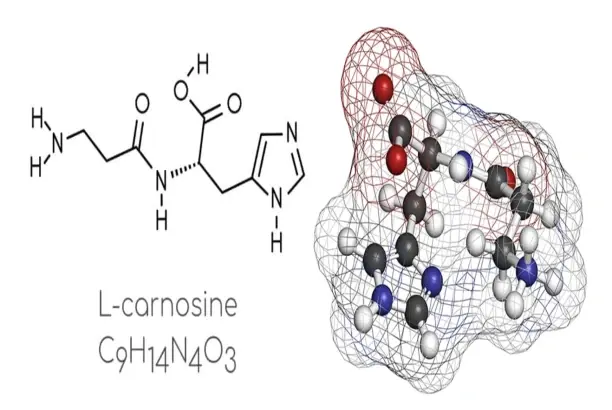
Zinc L-carnosine, which is also called polaprezinc (CAS 107667-60-7), is very different from other zinc supplements because it has a structure that is made up of many polymeric chelated molecules. A stable compound with a molecular weight of 289.61 g/mol is made from the molecular formula C9H12N4O3Zn. This white crystalline powder is very stable at high temperatures and doesn't dissolve in neutral water. However, it does break apart in acidic stomach environments (pH 1.0–4.0). Chelation keeps the compound whole longer in stomach juices, so it can stay in contact with stomach lining tissues for longer.
Clinical Benefits Validated by Research
This molecule is a powerful antioxidant that gets rid of free radicals and lowers reactive stress at the cellular level. It has been shown through research that this chelated form protects cells better than other types of antioxidants. The process works in several ways, including protecting the health of the stomach mucosa, speeding up the healing of ulcers, and improving the function of the intestinal barrier. Studies that looked at how to support the immune system suggest that taking supplements regularly may help some people recover faster from common respiratory problems.
Gastrointestinal Health Applications
Polaprezinc zinc L-carnosine powder is great at improving gut health by directly supporting tissues. According to clinical studies, people who are having stomach pain may feel a measurable difference when they use this chelated product instead of other zinc types. The chemical sticks to cells that line the stomach, making a safe space that helps the body's natural mending processes. This targeted delivery is why purchasing managers put this ingredient at the top of the list for digestive health products instead of general zinc supplements.
Common Mistakes When Taking Zinc L-Carnosine Powder
Incorrect Dosage and Timing Errors
Many end users take too much because they think that bigger doses will make the effects last longer. However, this makes absorption less effective. To get the best gastric adhesion and tissue contact duration, the compound needs to be dosed in a way that is coordinated with meal times. In acidic environments, taking the powder on an empty stomach or right after a big meal changes the way it is supposed to be released. Product designers must include clear directions on how to use their products, including the best times to eat.
Confusing Different Zinc Forms
A common mistake is to use zinc citrate, zinc oxide, or another common form instead of zinc L-carnosine powder. These options don't have the polymeric chelated structure that lets the drug stay in the stomach for a longer time. Even though zinc citrate is highly bioavailable and zinc oxide is a cheap way to add extra zinc, neither of them has the tissue-adhering properties that are needed for gut-targeted applications. Stakeholders need to be taught by procurement teams that "zinc content" alone doesn't show how different molecular forms work.
Overlooking Product Purity and Supplier Verification
Differences in quality between sources have a big effect on how well therapy works. Some low-quality goods might not have the right chelation ratios, which means that free zinc and L-carnosine don't connect properly with each other. High-Performance Liquid Chromatography (HPLC) testing confirms that the chelation is real and that the product meets the 98% purity standard needed for medical uses. If distributors don't check for GMP certification, FDA registration, ISO compliance, HALAL, and HACCP standards, they might send out batches that aren't all the same, which can hurt the performance of the formulation.
Improper Storage Practices
Zinc L-carnosine powder loses its solid structure when the temperature changes or when it comes in contact with water. For the substance to keep its two-year shelf life when properly packed, it needs to be stored in a dry, cool place with controlled humidity levels. Leaving containers open in factories or putting goods in warehouses that don't have temperature control speeds up the breakdown process. This mistake costs B2B buyers a lot of money because whole batches may lose their effectiveness before they get to end users.
How to Avoid These Mistakes: Best Practices for B2B Procurement and Use
Supplier Evaluation Criteria
When choosing a zinc L-carnosine powder maker, you need to do a lot more research than just compare prices. Check that the providers run GMP-compliant workshops with separate labs that can do atomic absorption spectroscopy (AAS) to measure the amount of metal and FTIR analysis to prove that the zinc-ligand bond is stable. Ask for proof that the company is registered with the FDA, follows ISO standards, and has been tested by a third party for heavy metals (Lead < 0.1 ppm, Arsenic < 0.1 ppm). This standard is set by Jianbei Biotechnology, which has three production lines, two separate labs, and full approval that includes HALAL and kosher testing to make sure that every batch meets the rules set by international regulators.
Inventory and Logistics Management
Proper handling starts when the goods are received and goes on until they are distributed. Transport packaging is very important. 1 kg aluminium foil bags protect small orders, and 25 kg drums serve bulk buyers. Both need moisture barriers. Set up temperature-controlled storage rules and first-in, first-out rotation methods to keep goods from going bad. Keep track of the conditions of storage all along the supply chain. Humidity and heat can damage products during shipping, before they even get to your location.
Technical Documentation for End Users
Making clear instructions for how to use a product cuts down on application mistakes that slow it down. Give the best times to take the medicine, explain why the timing in relation to meals is important, and be clear about how to reconstitute the medicine if needed. Giving formulators and quality control teams technical data sheets that talk about the HPLC testing method and the 98% purity standard boosts their trust. This information should make it clear that the compound's breakdown depends on pH and needs certain conditions to work in order to protect the stomach.
Building Long-term Supplier Partnerships
For consistency across batches, solid ties with suppliers are needed instead of switching suppliers all the time based on price. Quality can be expected from well-known companies with strong R&D departments and lots of patents, like those with 15 national invention patents covering core processes for zinc L-carnosine powder. To speed up the buying process, agree on minimum order amounts (1 kg is a good starting point for trying before going bigger), delivery times (3–7 working days is normal), and multiple payment methods (telegraphic transfer, Alipay, PayPal, Western Union).
Comparison Insights: Zinc L-Carnosine Powder vs Other Supplements
Bioavailability Differences
Zinc bisglycinate powder is very good at being absorbed in neutral intestinal pH, but it doesn't have the same gastric-specific adhesion properties as zinc L-carnosine powder. Bisglycinate works great in formulas that aim to give zinc to the whole body without focusing on the digestive tract. This makes it a good choice for baby supplements and sports nutrition where minerals that are antagonistic with calcium or magnesium need to be avoided. The chelated carnosine part in zinc L-carnosine powder has a very different treatment effect that is focused on supporting the gut lining instead of giving you extra minerals.
Application-Specific Advantages
Zinc oxide and zinc citrate are both good for you in many ways, but they can't protect tissues like polaprezinc does. In clinical tests that directly looked at reducing gastric ulcers, zinc L-carnosine powder showed improvements that weren't seen when the same amount of zinc was taken from citrate or oxide sources. This specificity is very important for people who make gut health supplements, digestive enzymes, or ulcer-support products whose claims need to be backed up by evidence from the ingredients.
Complementary Use with Probiotics
Putting zinc L-carnosine powder and probiotic strains together makes gut health tactics that work better together. The chemical improves the function of the intestinal barrier, and probiotics change the balance of microbes. These two actions work together to improve gut health. This combination works really well in functional foods and healing products that aim to help the digestive system in more than one way, rather than just one.
Purity Standards and Brand Selection
Particle size distribution (D50/D90 analysis) changes how evenly dry mixes blend, and full chelation tests using FTIR show that the bond between the zinc and ligand stays intact. Premium providers test for E. coli, Salmonella, and yeasts and moulds, which goes beyond basic cleanliness standards to make sure food safety rules are followed. When comparing suppliers, give more weight to those who provide full testing paperwork over those who only provide certificates, since real batch testing shows stability in quality.

Conclusion
If you want to avoid common mistakes when using zinc L-carnosine powder, you need to know about its unique chelated structure, store it correctly, and only buy it from approved makers with proven quality systems. The compound's effectiveness depends on keeping its molecular integrity from production to use. This means that choosing the right supplier is just as important as getting the right dose. When purchasing managers put GMP certification, full testing paperwork, and solid supplier relationships at the top of their list of priorities, they get consistent treatment results that support charging more in competitive markets. With careful handling, clear instructions on how to use, and strict quality checks, this unique ingredient can become a reliable base for gastrointestinal health products.
FAQ
1. What is the optimal daily dosage?
Doses that work best are usually between 75 mg and 150 mg per day, spread out over two doses taken between meals. The exact amount depends on the formulation goals and the needs of the end user. When setting product standards, procurement managers should look at clinical literature that is relevant to the uses they want to use the product for.
2. How does chelation affect absorption compared to regular zinc?
Because it is chelated, the substance stays together longer in stomach acid than zinc salts that have been broken apart. This longer residence time lets the zinc L-carnosine form come into direct contact with the gut lining tissues, causing protective benefits that regular zinc forms can't match, even at higher rates of systemic absorption.
3. Can this ingredient be used in beverage formulations?
The powder doesn't mix well with water at normal pH, which makes it hard to use in clear drinks. However, it works well in acidic drinks or goods that are meant to be reconstituted. Formulators should test the stability of their drinks in the conditions they expect them to be stored in order to make sure they work well in certain situations.
Partner with a Trusted Zinc L-Carnosine Powder Supplier
Jianbei Biotechnology sells polaprezinc zinc L carnosine powder that is safe for use in medicines. They have 15 national invention patents and many certifications, such as FDA registration, ISO, HALAL, HACCP, and GMP standards. With three production lines and two separate labs, we make sure that every batch is 98% pure, which is proven by HPLC testing, and that the amounts of heavy metals are well below what is considered safe for international trade. We can help with both small-scale production needs and trial formulas because the minimum order amount is only 1 kg and delivery is made within 3–7 working days. Get in touch with our technical team at sales@bqingbio.com to talk about buying in bulk and unique packaging choices.
References
1. Mahmood A, FitzGerald AJ, Marchbank T, et al. Zinc carnosine, a health food supplement that stabilizes small bowel integrity and stimulates gut repair processes. Gut. 2007;56(2):168-175.
2. Hewlings SJ, Kalman DS. A Review of Zinc-L-Carnosine and Its Positive Effects on Oral Mucositis, Taste Disorders, and Gastrointestinal Disorders. Nutrients. 2020;12(3):665.
3. Watari I, Oka S, Tanaka S, et al. Effectiveness of polaprezinc for low-dose aspirin-induced small-bowel mucosal injuries as evaluated by capsule endoscopy: a pilot randomized controlled study. BMC Gastroenterology. 2013;13:108.
4. Yoshikawa T, Naito Y, Tanigawa T, et al. The antioxidant properties of a novel zinc-carnosine chelate compound. Biochemical and Biophysical Research Communications. 1991;177(3):1091-1096.
5. Kashimura H, Suzuki K, Hassan M, et al. Polaprezinc, a mucosal protective agent, in combination with lansoprazole, amoxycillin and clarithromycin increases the cure rate of Helicobacter pylori infection. Alimentary Pharmacology & Therapeutics. 1999;13(4):483-487.
6. Shimada T, Watanabe N, Ohtsuka Y, et al. Polaprezinc down-regulates proinflammatory cytokine-induced nuclear factor-kappaB activation and interleukin-8 expression in gastric epithelial cells. Journal of Pharmacological Sciences. 1999;84(4):480-488.