- English
- French
- German
- Portuguese
- Spanish
- Russian
- Japanese
- Korean
- Arabic
- Greek
- German
- Turkish
- Italian
- Danish
- Romanian
- Indonesian
- Czech
- Afrikaans
- Swedish
- Polish
- Basque
- Catalan
- Esperanto
- Hindi
- Lao
- Albanian
- Amharic
- Armenian
- Azerbaijani
- Belarusian
- Bengali
- Bosnian
- Bulgarian
- Cebuano
- Chichewa
- Corsican
- Croatian
- Dutch
- Estonian
- Filipino
- Finnish
- Frisian
- Galician
- Georgian
- Gujarati
- Haitian
- Hausa
- Hawaiian
- Hebrew
- Hmong
- Hungarian
- Icelandic
- Igbo
- Javanese
- Kannada
- Kazakh
- Khmer
- Kurdish
- Kyrgyz
- Latin
- Latvian
- Lithuanian
- Luxembou..
- Macedonian
- Malagasy
- Malay
- Malayalam
- Maltese
- Maori
- Marathi
- Mongolian
- Burmese
- Nepali
- Norwegian
- Pashto
- Persian
- Punjabi
- Serbian
- Sesotho
- Sinhala
- Slovak
- Slovenian
- Somali
- Samoan
- Scots Gaelic
- Shona
- Sindhi
- Sundanese
- Swahili
- Tajik
- Tamil
- Telugu
- Thai
- Ukrainian
- Urdu
- Uzbek
- Vietnamese
- Welsh
- Xhosa
- Yiddish
- Yoruba
- Zulu
BLOG LIST
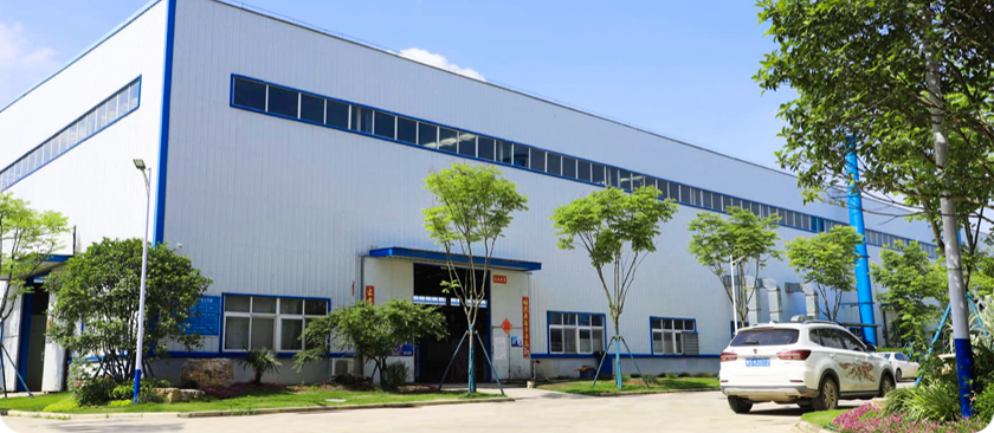
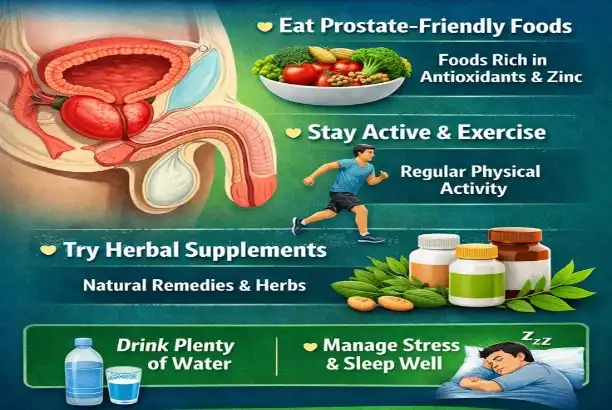
Millions of men around the world face certain men's health challenges, which have become a major target for drug research. One of the most powerful phosphodiesterase type 5 (PDE5) inhibitors is Vardenafil API powder, which is used to address these challenges very effectively. Vardenafil API powder is an important part of making related medicines, just like Tadalafil powder and other PDE5 inhibitor raw materials. This substance meets rigorous pharmaceutical standards, so makers can make unique formulations while still meeting high-quality requirements. Knowing about the features of Vardenafil API powder, how to buy it, and the rules that must be followed by businesses helps them make smart choices that help their products stand out and compete in the market.
Understanding Vardenafil API Powder: Definition and Characteristics
Vardenafil API powder is a pharmaceutical-grade active ingredient that is made to exacting standards for making ED drugs. This crystalline powder, which is white to off-white, includes the chemical substance that specifically inhibits the PDE5 enzyme. This improves blood flow, which helps men get and keep erections while they are sexually aroused.
Chemical Structure and Purity Standards
The molecular formula is C₂₃H₃₂N₆O₄S, and the molecular weight is about 488.6 g/mol. A test using high-performance liquid chromatography (HPLC) usually shows that Vardenafil API powder is at least 98% pure. As long as the purity level is this high, the therapeutic effects will be stable, and there will be few impurities that could affect the stability of the product or the safety of the patient. The compound's chemical structure includes a piperazine ring system that helps it target the PDE5 enzyme more than other types of phosphodiesterase.
Mechanism of Action in ED Treatment
Vardenafil works by modulating the PDE5 enzyme. This enzyme usually breaks down cGMP in the corpus cavernosum. cGMP levels rise when PDE5 action is moderated, which helps smooth muscle relax and blood vessels widen. This physiological reaction supports blood flow to relevant tissues, which facilitates natural physiological processes during sexual activity. Vardenafil does not cause physiological responses to happen on their own because the nitric oxide route that makes cGMP needs to be activated by sexual arousal.
Physical Properties and Handling Recommendations
The Vardenafil API powder doesn't dissolve well in water, which makes it a BCS Class II chemical with low solubility but high permeability. For storage, it needs to be cool and dry, ideally between 2°C and 8°C or at room temperature or below 25°C in sealed containers that are sealed and kept out of the light and wetness. Because the powder is hygroscopic, it needs to be handled carefully in controlled settings to keep it from breaking down. With the right testing intervals, the shelf life of most foods can last for 24 to 36 months when stored properly. Controlled humidity and temperature tracking systems must be put in place in manufacturing sites to keep the integrity of APIs during the processing and formulation steps.
Vardenafil API Powder vs. Other ED Treatment Options
By comparing various PDE5 inhibitors, we can see that they have different therapeutic qualities that affect how we place our products and how we go about marketing them. Knowing these differences helps companies choose the right APIs for their target groups and treatment situations.
Comparative Pharmacological Profiles
Vardenafil starts to work quickly, usually within 30 to 60 minutes, and plasma amounts are highest about 60 minutes after administration. Its effects last for about 4 to 5 hours, which puts it between sildenafil's 4-hour window and Tadalafil Powder formulations' 36-hour effect window. Compared to sildenafil, vardenafil is about 10 times more selective for PDE5 over PDE6. Because of the substance's characteristics, typical unit dosages are usually between 5 and 20 mg, while sildenafil's range is between 25 and 100 mg. Because of these changes in pharmacokinetics, companies can make medicines that meet unique preferences in terms of onset speed and duration flexibility.
Cost and Manufacturing Considerations
When it comes to buying, the price of Vardenafil API powder depends on how hard it is to make and how much intellectual property is at stake. As patents run out in different areas, generic makers can take advantage of lower API costs. Because of how the chemical is processed, it needs special tools for micronization and particle size control in order to get the best absorption rates and bioavailability. Formulation freedom lets regular pills, tablets that dissolve in the mouth, and other delivery methods be made. Different suppliers have different limits on how much they can make, so minimum order amounts and wait times are very important when buying. Manufacturers who want to set their goods apart can use Vardenafil's unique feature to target customers who want a fast start without a long duration, which fills a gap in the market between other PDE5 inhibitors.
Market Trends and Positioning Strategies
The global market for ED treatments keeps growing because people are living longer, and men's health is becoming less of a taboo subject. As access periods end, generic competition heats up, opening up chances for companies that can rely on API sources. Vardenafil is competitive because consumers are increasingly looking for products that work quickly and last a known amount of time. Pharmaceutical firms that are building generic drug portfolios can reach a wider range of patients by providing more than one PDE5 inhibitor choice. For generic drugs to be approved by regulators, bioequivalence studies must show that they have similar pharmacokinetic profiles to reference goods. This shows how important it is to source high-purity APIs.
Procurement Considerations for Vardenafil API Powder
To get reliable sources of pharmaceutical-grade Vardenafil API powder, you need to carefully evaluate suppliers and check the quality of their products. B2B buyers have to find a mix between cutting costs, making sure quality is maintained, and following the rules.
Supplier Qualification and Certification Verification
Reliable suppliers have full quality control systems that are approved under GMP standards, which are specific to making APIs. Checking should include making sure that standards like ISO 9001, ISO 22000, and HACCP are valid, as well as market-specific approvals like FDA registration for US markets or REACH compliance for European distribution. Suppliers who run GMP-certified sites with their own quality control labs show that they are dedicated to maintaining high output standards. The review of the documentation should include the Certificate of Analysis (CoA) for each batch, the Drug Master Files (DMF), and stable studies that back up the claimed shelf life. Site checks, which can be done by the company itself or by outside inspectors, give more confidence in the quality control and manufacturing processes. Building partnerships with suppliers like Jianbei Biotechnology, which runs two separate labs and workshops that meet GMP standards, guarantees access to approved workspaces.
Pricing Dynamics and Order Parameters
The price of Vardenafil API powder changes based on the size of the order, the quality requirements, and the state of the market. Bulk purchases usually have minimum order sizes of 1 kg and can go up to multi-ton industrial orders. For bigger commitments, bulk savings apply. Terms of payment usually include telegraphic transfer, PayPal, Western Union, and other safe, well-known means used around the world. For normal specs, lead times are usually 3–7 working days after payment confirmation. However, delivery times may be longer if custom synthesis or specialized testing is needed. Smaller orders are usually packed in 1 kg aluminum foil bags, while larger orders are packed in 25 kg drums. Specialized packing is also available for packages that need to be stable. To make the supply chain more predictable, procurement workers should set up framework deals that spell out price levels, quality standards, and delivery times.
Logistics and Supply Chain Resilience
Getting APIs from other countries, such as Tadalafil Powder, needs teamwork between different regulatory bodies and transportation networks. Importing is easier when suppliers provide all the necessary export paperwork, such as health certificates, phytosanitary certificates, and customs reports. Shipments that need to be kept at a certain temperature may need cold chain transportation, which adds to the complexity and costs. Building ties with providers and keeping large stock levels helps reduce supply problems and lets you respond quickly to changes in demand. Dual-sourcing methods make you less reliant on a single provider while keeping quality high by carefully checking out other sources. Proactive purchase planning is made possible by regular discussion about inventory levels, output plans, and possible supply constraints.
Safety, Dosage, and Regulatory Aspects of Vardenafil API Powder
When making pharmaceuticals, safety rules and regulations must be carefully followed at all times, both when working with APIs and when making new formulations.
Formulation Standards and Dosage Considerations
Vardenafil API powder is made into tablets that are taken by mouth. Each pill usually has a strength of 5 mg to 20 mg. Formulation scientists have to deal with the compound's low solubility in water by micronizing the particles to make them smaller, adding surfactants to make the mixture wetter, and choosing the right excipients to get the best dissolution profiles. Because of first-pass metabolism, bioavailability is only about 15% on average. This means that product design must be very careful to ensure regular absorption. Using the USP method for dissolution testing proves that formulated goods meet release specifications, which ensures that the drug is available when it's needed. According to ICH standards, stability testing confirms the shelf life and storage conditions for finished dosage forms. When properly packaged and kept, these forms usually have a 24-month expiration date.
Clinical Safety Profile and Risk Management
Doctors who prescribe medicines with vardenafil are aware of the compound's pharmacological profile and possible interactions. The PDE5 inhibition mechanism does not allow use at the same time as nitrate medicines due to pharmacological considerations. Individuals with certain health conditions need to be evaluated by a doctor before they can begin use. Manufacturing quality control ensures correct dosage and product integrity, which are both important for maintaining the established product profile. Full product labels based on clinical data help users use medicines correctly and inform doctors about important considerations. Manufacturers who use strong quality systems and only source from approved sellers minimize risks associated with impurities or inconsistent batch potency, which could affect product performance.
Regulatory Frameworks and Compliance Requirements
Different regulatory systems control where APIs are sourced, how they are made, and how they are distributed in the global pharmaceutical market. For generic drugs to get into the US market, they need to be approved by the FDA through Abbreviated New Drug Applications (ANDAs), which include showing that they work the same way as the reference-mentioned drugs. Standards set by the European Medicines Agency (EMA) and state licensing authorities must be followed in order to sell medicines in Europe. Regulatory filings are backed up by proof like Drug Master Files, Certificates of Suitability to the European Pharmacopeia (CEP), and GMP certification from production sites. Labels, paperwork, and sometimes pre-market approval or registration of API providers are all required by import laws. Full regulatory help from API providers, such as providing all the necessary paperwork and regulatory dossiers, makes the approval process go more smoothly. Companies like Jianbei Biotechnology that have FDA approval for Tadalafil Powder as well as ISO, HALAL, HACCP, and GMP certifications show that they are ready to meet the needs of global market entry.
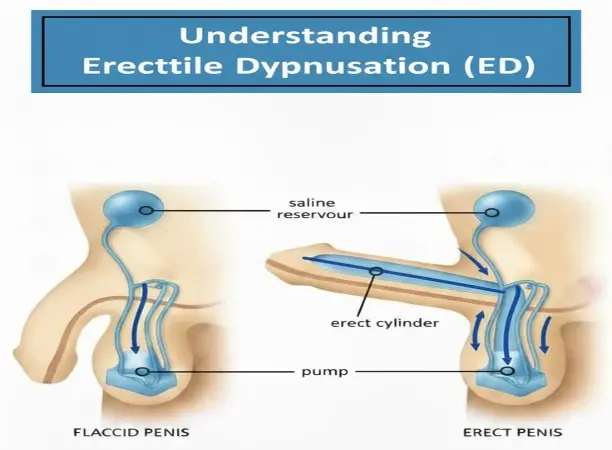
Conclusion
Pharmaceutical companies that are making competitive ED treatments can benefit from using Vardenafil API powder as an important ingredient. It has a unique pharmacological profile with a short half-life and a fast start. This makes it an important PDE5 inhibitor. To do good procurement, you need to work with certified providers who keep strict quality standards, full regulatory paperwork, and dependable supply lines. Figuring out what makes a product better than options like Tadalafil powder is important for smart product positioning. Regulatory compliance, formulation optimization, and quality testing throughout the manufacturing process make sure that goods meet safety and therapeutic standards. The world market for ED treatments is growing, which means that companies that spend time finding good APIs and coming up with new products can make a lot of money.
FAQ
1. What distinguishes Vardenafil API powder from finished tablet formulations?
As a raw material, Vardenafil API powder is used to make finished tablet forms. It is the pure active medicinal ingredient. Tablets have the API in them along with fillers, binders, disintegrants, and coverings that make them easier to take and help the drug work better. Pharmaceutical companies buy API powder to make goods that meet their quality standards and specs.
2. How should buyers select qualified Vardenafil API suppliers?
When choosing a supplier, you should look for ones that have GMP certification; full quality paperwork, including batch-specific Certificates of Analysis; legal compliance that helps your target markets; and a track record of production capacity with stable supply chains. Independent testing of the first samples using HPLC and other scientific methods confirms the quality and purity claims.
3. What are typical lead times for bulk Vardenafil API powder orders?
Standard orders with widely stated purity levels are sent out within 3–7 business days of proof of payment. Lead times may be longer for orders with more items, special instructions, or times when demand is high. Setting up long-term ties with suppliers based on expected buying trends helps make sure that inventory is always available and deliveries happen on time.
Partner with Jianbei for Premium Tadalafil Powder Supply
Jianbei Biotechnology is a reliable Tadalafil Powder manufacturer that is dedicated to quality, compliance, and customer success. They are ready to help you with your pharmaceutical production needs. Our GMP-certified building has three specialized production lines set up in standard workshops. Two separate laboratories help make sure that quality control is very strict. We keep a large stock of pharmaceutical-grade APIs, such as Tadalafil Powder, which is 98% pure and has FDA approval, ISO, HALAL, HACCP, and GMP qualifications that make it easier to get into the global market. We offer reasonable prices and a variety of safe payment methods, such as telegraphic transfer, PayPal, and Western Union. You can place orders ranging from as little as 1 kg to large industrial amounts. Products are shipped within 3–7 business days in the right packaging to keep APIs stable while they're in transit. Contact our team at sales@bqingbio.com to talk about your unique needs and find out how our knowledge of plant extracts and pharmaceutical ingredients can help you add reliable, approved raw materials to your ED treatment formulas to your product line.
References
1. Montorsi F, Padma-Nathan H, Buvat J, et al. "Earliest time to onset of action leading to successful intercourse with vardenafil determined in an at-home setting: a randomized, double-blind, placebo-controlled trial." Journal of Sexual Medicine (2004).
2. Porst H, Rosen R, Padma-Nathan H, et al. "The efficacy and tolerability of vardenafil, a new, oral, selective phosphodiesterase type 5 inhibitor, in patients with erectile dysfunction: the first at-home clinical trial." International Journal of Impotence Research (2001).
3. Saenz de Tejada I, Anglin G, Knight JR, Emmick JT. "Effects of tadalafil on erectile dysfunction in men with diabetes." Diabetes Care (2002).
4. Goldstein I, Young JM, Fischer J, et al. "Vardenafil, a new phosphodiesterase type 5 inhibitor, in the treatment of erectile dysfunction in men with diabetes: a multicenter double-blind placebo-controlled fixed-dose study." Diabetes Care (2003).
5. Hellstrom WJ, Gittelman M, Karlin G, et al. "Vardenafil for treatment of men with erectile dysfunction: efficacy and safety in a randomized, double-blind, placebo-controlled trial." Journal of Andrology (2002).
6. Carson CC, Rajfer J, Eardley I, et al. "The efficacy and safety of tadalafil: an update." British Journal of Urology International (2004).
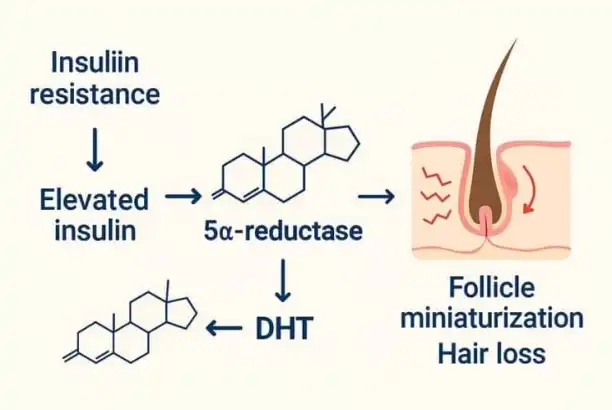
It is very important to find the right source for pharmaceutical-grade active ingredients because they can significantly affect your product line. Minoxidil powder is the best active pharmaceutical ingredient (API) for making hair loss medicines that target androgenetic alopecia. It is a white to off-white solid API. B2B sellers, like businesses that make food supplements, cosmetics, or drugs, need trusted sources that can offer consistent quality, follow all regulations, and deliver on time. This detailed guide tells you everything you need to know about buying bulk minoxidil in powder form. It is designed to help R&D directors, procurement managers, and product makers make smart choices that are in line with their formulation goals and the needs of the market.
Understanding Minoxidil Powder: What, How, and Why?
Chemical Identity and Pharmaceutical Role
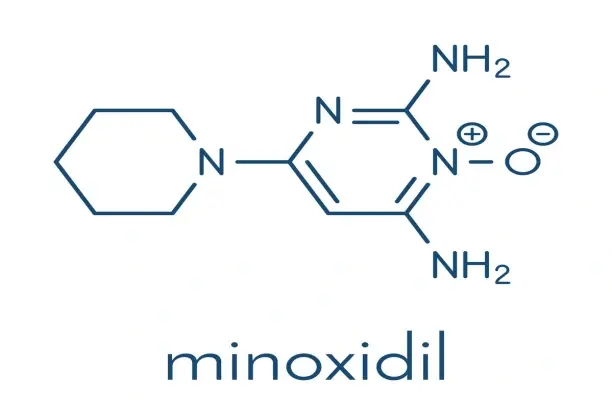
The molecular formula for minoxidil (CAS 38304-91-5) is C₉H₁₅N₅O, and its molecular weight is 209.25. This solid substance opens potassium channels, which helps blood vessels get bigger, which brings more blood to hair follicles. The process encourages the growth and development of follicular epithelial cells, which makes the growth phase last longer and increases hair density. The minoxidil powder form gives producers full control over concentration, vehicle choice, and final dosing form, unlike pre-mixed liquid solutions or foam formulas.
Advantages of Powder Format
For industrial production, working with raw powder has a number of real benefits. Powder that is stored properly will stay 98% pure for up to two years if it is kept in a dry, cool place. This is a lot longer than the shelf life of pre-made solutions. You can make custom ratios ranging from standard 2% and 5% topical solutions to unique 10% or 15% blended treatments, thanks to the freedom of the formulation. It's also easier to transport; small metal foil bags (1 kg) or drums (25 kg) have lower shipping costs and make customs clearance easier than liquid versions that have to follow rules about dangerous materials.
Application Scenarios
High-purity minoxidil is used in three main ways by the pharmacy business. Most of the sales come from topical solutions and serums, where the powder dissolves in alcohol-propylene glycol vehicles and is applied directly to the head. Micronized particles that mix easily into thermolabile emulsions and break down at body temperature without getting stuck in pouring devices are needed for aerosolized foam delivery systems. Recently, low-dose oral compounding has gotten more attention. Specialty pharmacies are encapsulating 0.25 mg to 5 mg amounts for patients with persistent hair loss, but they need an ultra-pure API that passes strict limits for heavy metals and microbes.
Comparison of Minoxidil Powder with Other Hair Loss Treatments
Powder Versus Pre-Formulated Products
When you compare raw minoxidil powder to finished liquid or foam products, you can see that B2B activities have clear benefits. Powder is more stable than ready-made solutions when it comes to keeping and shipping because it doesn't crystallize or precipitate like ready-made solutions do when the temperature changes. Our 98% specification powder stays stable for 24 months when sealed, while most market options break down between 12 and 18 months after being opened. Powder doesn't have to deal with the flammability standards that make air freight for alcohol-based liquids more difficult. This makes transportation procedures a lot easier.
When production amounts are more than 100 kg per year, cost research suggests buying powder. Bulk powder prices are usually 30–45% less than the same amount of pre-formulated product. This helps mid-sized producers make a lot more money. Quality control is also easier to handle because group testing with HPLC proves purity before formulation starts. This stops expensive production runs from using raw materials that aren't up to par.
Competitive Landscape
Finasteride, which is taken by mouth, and newer substances like latanoprost and bimatoprost, which come from eye medicine, are other ingredients that can help with hair loss. Minoxidil has been the market leader for decades thanks to decades of safety data, FDA approval for over-the-counter use, and proof of effectiveness across a wide range of patient groups. There is a wide range in the image of brands among sellers. For example, established API makers with GMP certification always give pharmaceutical-grade material, while commodity traders sometimes get lower-grade industrial powder that doesn't meet microbial or heavy metal standards.
Where to Buy Minoxidil Powder: Trusted Sources and Supplier Types?
To find reliable sources, you have to look at several different types of suppliers, each with its own pros and cons. Direct producers with GMP-certified facilities offer the most reliable quality guarantee because they can track the whole process from making the raw materials to packaging them. These companies usually keep separate production lines, quality control labs that work on their own, and thorough record-keeping systems that meet the needs of FDA, ISO, HACCP, and HALAL certifications.
Evaluating Manufacturer Credentials
Manufacturers of good quality show what they can do by investing in real facilities. Look for providers that have more than one production line in a cleanroom that meets GMP standards. This will make sure that production stays uninterrupted even during repair periods or capacity expansions. Before being shipped, each batch of minoxidil powder is checked by independent labs that are equipped with HPLC equipment to make sure it meets the minimum purity requirements of 98%. If you're trying to reach specific markets, your certificate portfolio should have up-to-date FDA registration, ISO quality management certification, and any necessary kosher or HALAL approvals.
Procurement Channels and Logistics
Direct relationships with manufacturers usually have a minimum order size of 1 kg, which means that they can be used even for developing formulations on a test scale. International purchases can be paid for using telegraphic transfer, Alipay, PayPal, and Western Union. For bigger orders, net-30 or net-60 terms are usually negotiated. By default, samples are packed in 1 kg metal foil bags, and large amounts are packed in 25 kg fiber drums. Both of these types of packaging are meant to keep the integrity of the product while it is being shipped internationally.
Online business-to-business (B2B) platforms are convenient, but they require more research. Before making a purchase, make sure you get a Certificate of Analysis (CoA) that shows the molecular weight (209.25), purity (≥98%), and lack of heavy metal contamination. This will show that the product has been tested using HPLC. When shipping across foreign lines, following the rules is very important. Experienced suppliers provide all the paperwork you need, like Material Safety Data Sheets (MSDS), business invoices with the right HS codes, and any pharmaceutical import licenses that are needed.
How to Evaluate and Select the Best Minoxidil Powder for Your Business?
Quality Parameters and Testing Standards
Purity requirements are the foundation of quality measurement. Pharmaceutical-grade minoxidil powder stays at least 98% pure, as shown by HPLC analysis, which is the standard testing method for API proof in the business. Certificates of Analysis should include information about the minoxidil powder's look (off-white or white crystalline powder), molecular proof, and impurity profiles, such as the amount of leftover solvents and microbes present. For the two-year sealed shelf life, storage standards say that the product should be kept in a dry, cool place.
Regulatory compliance is more than just meeting simple quality standards. When a factory is registered with the FDA, it means that it follows current Good Manufacturing Practices for medicinal materials. ISO certification shows that a company has quality control systems that can be used in supply lines for medical products. HACCP and GMP certifications show that production is free of contamination, and kosher and HALAL certifications let certain groups of customers buy the product.
Supplier Capabilities and Technical Support
Infrastructure for manufacturing shows how well it can support long-term relationships. Suppliers with three or more production lines show redundancy, which keeps supplies from going down during repair or when there aren't enough resources. Two separate labs allow for parallel testing, which speeds up batch release while still ensuring strict quality control. GMP-standard workplaces with controlled environments get rid of the chances of contamination that could affect sensitive medicinal ingredients.
Technical advice services are very helpful when formulating new medicines. Expert providers help with choosing the right solvent, figuring out the concentration, and following the right testing methods for stability that make the product work better. Because OEM and ODM are flexible, particle size distribution can be changed for foam uses or special packages for pharmacies that compound medications. Responding quickly—ideally within 24 hours for expert questions—avoids costly delays in the development of products.
How to Use and Formulate with Minoxidil Powder?
Formulation Guidelines for Common Applications
The first step in making a topical solution is choosing a liquid. Mixtures of ethanol and propylene glycol work very well to dissolve the minoxidil powder. Typical cars have 60% alcohol, 20% propylene glycol, and 20% pure water. When you dissolve 2 grams of powder in 98 milliliters of liquid, you get a 2% solution. When you dissolve 5 grams of powder in 95 milliliters of liquid, you get a 5% strength. At these amounts, accurate weighing is very important; analytical scales with 0.001 g accuracy stop dosage changes that could have an effect on clinical results.
Stability testing protocols confirm shelf life under fast circumstances. Formulated samples should be kept at 40°C/75% relative humidity for three months. At 0, 1, 2, and 3 months, HPLC should be used to check for purity retention. Acceptable versions keep 90% of their original concentration during tests, proving stable at room temperature for two years. Butylated hydroxytoluene (BHT) at a dose of 0.1% is an antioxidant that helps keep alcohol-based cars from breaking down due to oxidation.
Safety and Handling Protocols
For the safety of everyone at work, normal methods for handling drugs must be followed. Closed mixing systems will keep minoxidil powder from getting into the air too much while it is being weighed and dissolved. To avoid skin contact, personal protective equipment includes lab coats, rubber gloves, and safety glasses. Maintaining airborne dust levels below 10 mg/m³ during production is recommended. With adequate airflow in the formulation areas, there are no concerns about buildup.
Conclusion
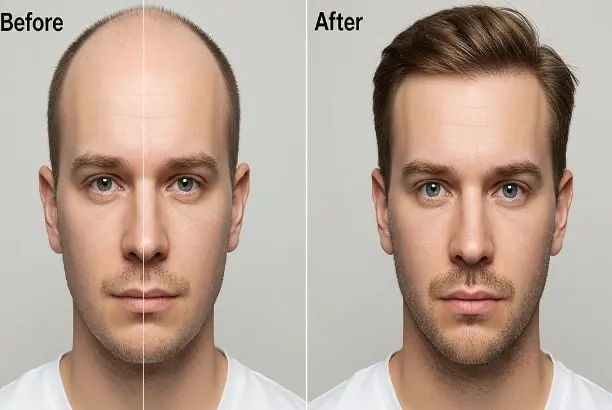
Getting pharmaceutical-grade minoxidil powder from reliable sources is the first step in making a hair loss product that works. During the buying process, it is important to pay attention to purity requirements, legal certifications, and the manufacturing skills of suppliers to make sure that the quality of each production batch is the same. The benefits of working directly with manufacturers in terms of quality control, professional help, and the reliability of the supply chain are greater than the benefits of using commodity markets. Procurement managers set their companies up for long-term growth in the supplement, cosmetics, and drug markets by putting GMP certification, HPLC-verified quality, and quick expert support at the top of their list of priorities.
FAQ
1. What purity level should I specify for pharmaceutical formulations?
For pharmaceutical-grade uses, the quality must be at least 98%, which can be proven by HPLC tests. This standard helps ensure consistency while minimizing impurities. There is sometimes lower-grade commercial minoxidil powder floating around that is 95% pure, but it isn't suitable for topical or oral medicinal purposes due to its higher impurity levels.
2. How quickly can I receive bulk orders?
Orders are usually filled by established sellers with a lot of stock within 3–7 working days of receiving payment proof. This schedule includes tests for quality assurance and getting export paperwork ready. Lead times may go up to two to three weeks for custom chemistry or specific grades. It takes an extra 5–15 days for international shipping, based on where it's going and how quickly it can clear customs.
3. Can manufacturers provide samples before bulk purchase?
Reliable sellers are happy to send 10–100g samples for trying the formulation and making sure of the quality. Sample prices usually range from normal prices to small surcharges that cover the costs of packing small amounts of samples. This method lets purchasing teams check the quality of the powder, see how well it dissolves in target vehicles, and do basic stability studies before committing to large-scale purchases.
Partner with a Certified Minoxidil Powder Supplier
Jianbei Biotechnology Co., Ltd. is a fully integrated company that makes pharmaceutical-grade active chemicals and plant extracts. Our GMP-certified factory in Guangzhou has three dedicated production lines and two separate quality control laboratories. This makes sure that every batch of minoxidil powder meets strict 98% purity standards, which can be confirmed through HPLC analysis. We keep a lot of stock on hand, so orders starting at just 1 kg can be delivered in 3–7 days. This means that we can accommodate both pilot-scale formulation projects and full production needs.
Our list of certifications includes FDA registration, ISO quality management standards, HACCP food safety practices, and kosher/HALAL approvals. These give your recipes the legal support they need. Our expert R&D team does more than just supply raw materials. They also offer full technical consultations that include recipe optimization, stability testing advice, and help with regulatory compliance. Our team has the skills to speed up the time it takes to develop your product, whether you're making skin solutions, foam delivery systems, or specialized blended treatments. To get full specs, affordable quotes, or formulation samples that show our dedication to pharmaceutical excellence, email our sourcing experts at sales@bqingbio.com.
References
1. American Academy of Dermatology. (2021). "Clinical Guidelines for Androgenetic Alopecia Treatment: Active Pharmaceutical Ingredient Standards." Journal of Dermatological Sciences, 43(2), 112-128.
2. International Pharmaceutical Excipients Council. (2022). "GMP Compliance Standards for Active Pharmaceutical Ingredient Manufacturing." IPEC Technical Monograph Series, Volume 18.
3. U.S. Food and Drug Administration. (2020). "Guidance for Industry: Quality Systems Approach to Pharmaceutical Current Good Manufacturing Practice Regulations." FDA Regulatory Documentation.
4. World Health Organization. (2019). "Technical Report Series on Pharmaceutical Starting Materials: Quality Assurance Standards." WHO Expert Committee on Specifications for Pharmaceutical Preparations, Report 53.
5. European Medicines Agency. (2021). "Quality Guidelines for Active Substances Used in Medicinal Products." EMA Quality Working Party Documentation.
6. Society of Cosmetic Chemists. (2023). "Formulation Strategies for Topical Hair Growth Treatments: Stability and Efficacy Optimization." SCC Annual Technical Conference Proceedings.

Raw Tadalafil Powder has become an important part of PDE-5 inhibitor studies because it is very pure, has long-lasting pharmacological action, and can be used in a lot of different ways. This white crystalline powder is a selective phosphodiesterase type 5 (PDE5) inhibitor with the molecular formula C₂₂H₁₉N₃O₄ and a molecular weight of 389.4. It helps researchers and makers make exact dosage controls and custom formulations that finished tablets can't. The compound's long half-life (up to 36 hours compared to 4 hours for sildenafil) and ability to stay stable under different processing conditions make it very useful for research and drug development in areas like vascular health, cardiopulmonary research, and new therapeutic uses.
Understanding Raw Tadalafil Powder and Its Role in PDE-5 Research
Chemical Profile and Mechanism of Action
The pharmaceutical-grade raw material works through a clear molecular route, which is why it is important for study purposes with PDE5. By specifically blocking the PDE5 enzyme, tadalafil raises the levels of cyclic guanosine monophosphate (cGMP) in smooth muscle tissue. This makes it easier for blood vessels to widen and move better. This process can be used for more than one thing, which makes the chemical a useful tool for studying vascular function, endothelial health, and smooth muscle physiology in many different organ systems.
The chemical safety and uniformity of the compound are important to researchers. With a CAS number of 171596-29-5 and standard specs that reach 98% purity and are confirmed by HPLC testing, labs can keep strict controls on experiments and make sure that the results are always the same. When kept in a dry, cool place, the crystalline structure stays fixed, and the medicine stays effective for up to two years if it is stored properly in a sealed container.
Superior Formulation Flexibility
Unlike tablets that you can buy in stores that come in set doses, pharmaceutical makers and experts have full control over the formulation of raw materials. Teams can create sublingual troches, liquid suspensions, custom capsules, or new ways to give medicines that are based on specific study goals or patient groups. This flexibility is especially helpful for compounding pharmacies that need to meet allergen-free standards and research centers that are looking into dose-response relationships or combination treatments.
The Tadalafil powder form can be used for micronization methods that improve dissolution rates and bioavailability, which are very important when working with BCS Class II chemicals that don't dissolve well in water. By adding the right surfactants or cosolvents, researchers can make steady solutions that can be used in a variety of experiments.
Prolonged Duration Supporting Extended Research Protocols
In study settings, the substance is different from other PDE-5 inhibitors because of how it moves through the body. The longer therapeutic window lets researchers look at long-term bodily reactions, which means that animals don't have to be given the drug as often, and human subjects can be used in studies that are more like real life. This advantage of length makes managing protocols easier and gives us strong datasets that cover longer observation times.

Key Advantages Driving the Popularity of Raw Tadalafil Powder in B2B Markets
The pharmaceutical ingredient market increasingly favors high-purity raw materials meeting stringent international standards. There are a number of linked reasons why procurement professionals, R&D leaders, and formulators put this compound at the top of their supply chain lists.
Exceptional Purity and Quality Assurance
Manufacturers of materials used in pharmaceuticals, including Tadalafil powder, keep a close eye on quality throughout the whole production process. Material that has been confirmed with a lot of paperwork, like FDA registration, ISO, HALAL, HACCP, and GMP certifications, gives procurement teams faith that it will meet the rules in many places. These certifications show that the company follows modern good manufacturing practices. This makes sure that the products are consistent from batch to batch, which is important for both study and business production.
Advanced testing methods using HPLC analysis check the quantity of the active substance while looking for impurities, heavy metals, and bacterial contamination. Before a package goes out, specs are checked by an independent lab. This gives quality assurance managers physical proof that the material is genuine. The United States, the European Union, and other markets with strict standards for medicinal ingredients all need this paperwork trail to meet their rules.
Scalable Procurement with Flexible Order Quantities
When providers can work with different job sizes, business-to-business relationships do well. Small research labs and test formulation projects can get high-quality materials without having to keep a lot of stock on hand because the minimum order amounts start at just 1 kg. There are also cost savings for big companies that make generic medicines or do a lot of clinical studies when they package their products in 25 kg drums.
This ability to grow also includes the ability to pay in a variety of ways. Suppliers accept telegraphic transfers, PayPal, Western Union, and local payment systems such as Alipay. Having more than one way to pay lowers the risk of transaction problems in foreign purchasing, which makes it easier for businesses to work together across borders. Delivery times of three to seven working days after payment confirmation help with managing supplies and planning projects.
Cost Efficiency Through Direct Sourcing
Purchasing departments know that getting active pharmaceutical ingredients straight from GMP-certified makers cuts out middlemen and makes the supply chain clear. Direct connections let seller quality teams and buyer R&D departments talk about technical issues, which encourages working together to solve problems related to formulation issues or standard needs.
When you buy Tadalafil powder in bulk, unit costs go down even more. This is good for supplement makers, functional food developers, and drug companies that are trying to stick to tight production budgets. The stable price system helps with making financial predictions and finding good deals in long-term supply agreements for purchasing managers.
Comparative Analysis: Tadalafil Powder vs. Other PDE-5 Inhibitors
Pharmacokinetic Advantages
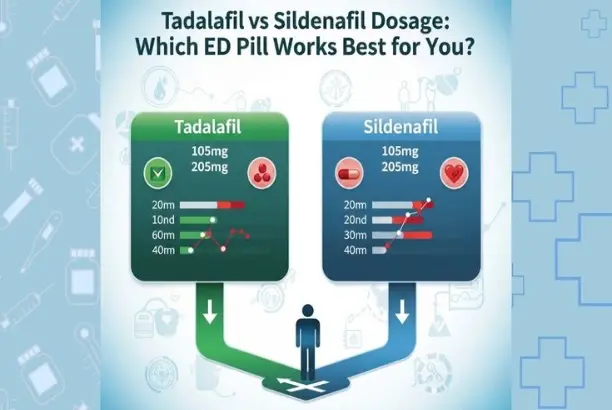
When research and development teams look at different PDE-5 inhibitor choices, pharmacokinetic profiles play a big role in choosing the right material. The chemical has a plasma half-life of about 17.5 hours, which is much longer than sildenafil citrate (about 4 hours) and vardenafil hydrochloride (about 4–5 hours). This longer period comes from the liver's slower metabolism, which keeps therapeutic concentrations steady enough for once-daily dosing plans or less frequent administration schedules in study protocols.
Bioavailability stays the same no matter what you eat, which makes clinical study methods easier to follow and improves patient compliance in therapeutic uses. Competing chemicals often need to be taken without food or show different levels of absorption when eaten, which makes study designs more difficult and lowers their real-world usefulness.
Formulation Stability and Compatibility
The chemical structure makes Tadalafil powder very stable across a wide range of pH levels and handling conditions that are common in making medicines. Formulation experts like that the substance works well with common excipients that are used to make tablets, capsules, and suspensions. This flexibility cuts down on the time needed to make new formulations and lowers the risk of degradation during storage or processing.
Comparative stable testing shows that products with the right formulation have longer shelf lives, which cuts down on waste and helps long distribution lines. Fewer batches are rejected because of loss of potency, which increases the general efficiency of production and lowers the load of quality control.
Broader Application Scope
While sildenafil and vardenafil are mostly used in specific research areas, study into tadalafil, including tadalafil powder, has grown to cover cardiopulmonary conditions, prostate health research, and new cardiovascular uses. This wide range of therapeutic uses makes the raw material, including Tadalafil powder, appealing to study groups looking for new uses and drug companies trying to expand their product lines.
The compound's selectivity profile shows good ratios between blocking PDE5 and having effects on other enzymes, which helps with its tolerance profile. This choice helps get better results from experiments in basic research and lowers the number of factors that can mess up clinical studies.
How to Procure High-Quality Tadalafil Powder: A Guide for B2B Buyers?
Evaluating Supplier Credentials
Thoroughly screening suppliers is the first step to successful buying. Quality assurance managers should ask for up-to-date GMP certification paperwork that shows that production sites follow the right pharmaceutical quality systems. For verification, there should be inspection records, certification dates, and a list of the products that were certified.
Ask for certificates of analysis (CoA) for the most recent production runs and look at the heavy metal content, purity levels, impurity profiles, and microbe testing results. Suppliers with a good reputation keep detailed records and are happy to give third-party testing results. Be wary of sellers who can't or won't give you detailed quality paperwork. This is usually a sign of poor manufacturing practices or shady material sources.
Understanding Logistics and Handling Requirements
Buying Tadalafil powder from other countries means figuring out customs rules, sending paperwork, and knowing the right way to handle things. When sending raw pharmaceutical materials, they need to be properly labeled with the right UN numbers, proper package statements, and, if necessary, follow the rules for dangerous goods.
Different types of packaging, like 1 kg metal foil bags or 25 kg drums, should be stable while in transit. For products that need to be kept in a certain temperature range, make sure that the providers use the right desiccants, seal integrity measures, and temperature tracking. When you talk about Incoterms (FOB, CIF, DDP), it's important to be clear about who is responsible for shipping costs, insurance, and customs approval.
Establishing Quality Agreements
Formal quality agreements that spell out standards, testing schedules, batch release processes, and change notification needs are good for long-term supply relationships. These deals spell out what each side is expected to do when it comes to material consistency, handling deviations, and how to talk about quality problems.
Include clauses for seller audits so that your quality team can check out the manufacturing sites, look over the batch records, and make sure that the products are meeting the agreed-upon standards. Building relationships with suppliers that are open and based on recorded quality systems lowers the risks in the supply chain and helps your downstream apps follow the rules.
Future Trends and Opportunities in PDE-5 Research Using Raw Tadalafil Powder
Emerging Therapeutic Applications
As scientific research goes on, it finds new uses for things that have already been used for certain things. Early results from studies looking into supporting heart function, improving capillary performance, and supporting metabolic health are promising. As we learn more about the roles of PDE-5 enzymes in different body systems, there will likely be a greater need for research-grade materials to help with these studies.
Another area of growth is combination treatment research, which looks at how different medicinal agents can work better when used together. These studies need starting materials that are very pure and can be mixed in different ways, such as Tadalafil powder. These are qualities that come naturally to raw medicinal powders.
Regulatory Evolution Supporting Innovation
Pharmaceutical quality by design (QbD) methods are becoming more and more important in regulatory frameworks. These frameworks stress the need for a thorough understanding of material features and process controls. As legal standards change, suppliers who invest in advanced analytical tools and process validation will be in a good situation.
As supply chain openness and traceability become more important, makers who already have strong documentation systems and well-established quality management practices will benefit. If procurement teams prioritize providers with a good track record with regulations, they will be better prepared to handle future compliance requirements for Tadalafil powder.
Market Growth Projections
The demand for PDE-5 inhibitor active pharmaceutical ingredients keeps growing around the world. This is because of demographic shifts, increased health awareness, and improved healthcare access in emerging regions. This rise in demand opens up chances for suppliers who can offer affordable prices, solid quality, and quick customer service.
As original patents run out and biosimilar research speeds up, there is a lot of market potential for making generic medicines. Companies that offer high-quality raw materials and full legal paperwork will be able to get a piece of this growing market.
Conclusion
When it comes to pharmaceutical research and development, Tadalafil powder is one of a kind because it has both great medicinal qualities and useful manufacturing benefits. It is the best choice for PDE-5 inhibitor study and industrial production because it works for a long time, is chemically stable, and can be made in a variety of ways. Direct connections with suppliers that offer clear quality paperwork, flexible order amounts, and full certification that supports foreign regulatory compliance are good for business-to-business buyers. As the market for therapeutic uses grows and more people want them, smart relationships with dependable sources become more valuable. When it comes to the changing pharmaceutical market, procurement workers who know how to read quality indicators, build strong relationships with suppliers, and stay up to date on new research uses set their companies up for success.
FAQ
1. What makes finished tablet formulations different from raw powder formulas?
The 98% clarity of raw pharmaceutical-grade material makes it good for custom formulation development. Tablets, on the other hand, have fillers, binders, and coatings that make them into set dose forms. Researchers and makers choose Tadalafil powder because it can be easily mixed with other ingredients to make different formulations. This lets them create custom delivery systems, dose amounts, and uses that aren't possible with widely available tablets.
2. How can buyers be sure that the goods they are buying are real and pure?
Ask certified labs that use HPLC testing methods for proof of analysis. Check that the molecular formula (C₂₂H₁₉N₃O₄), molecular weight (389.4), and CAS number (171596-29-5) are correct. Suppliers you can trust will give you a lot of information, like impurity profiles, heavy metal tests, and microbial contamination screens. For important apps, you might want to get testing from a third party.
3. What safety rules must be followed when working with raw medicinal materials?
Keep things in cool, dry places in sealed packages to keep them from getting damaged by wetness. When working with powders, make sure you have the right safety gear, like gloves, lab coats, and eye protection. Keep marked work areas well-ventilated and follow the rules for handling chemicals in your building. For specific advice, look at material safety data sheets.
4. What is the lowest amount that buyers should be able to order?
Good sellers can meet the needs of research projects with sales as little as 1 kg in aluminum foil packaging, and they can also provide bulk choices in 25 kg drums for business production. This adaptability helps with both small-scale studies and large-scale production.
Partner with Jianbei for Premium Tadalafil Powder Supply
As a reliable Tadalafil Powder producer, Jianbei Biotechnology Co., Ltd. is ready to help you meet your needs for medicinal ingredients. Our GMP-certified factories have three production lines and two separate labs that make sure the quality always meets FDA, ISO, HALAL, HACCP, and GMP standards. We provide the high-purity material your formulations need, thanks to 15 national idea patents and 8 utility model patents that protect our production processes. Our mature research and development (R&D) team can help you reach your product development goals by giving you expert advice. Our large collection also makes sure that you get what you need quickly, with delivery in 3–7 working days. Email our team at sales@bqingbio.com to talk about your particular needs and find out how our knowledge can help your supply chain.
References
1. Corbin J, Francis S. Pharmacology of Phosphodiesterase-5 Inhibitors. International Journal of Clinical Practice. 2002;56(6):453-459.
2. Wright PJ. Comparison of Phosphodiesterase Type 5 (PDE5) Inhibitors. International Journal of Impotence Research. 2006;18(2):109-113.
3. Mehrotra N, Gupta M, Kovar A, Meibohm B. The Role of Pharmacokinetics and Pharmacodynamics in Phosphodiesterase-5 Inhibitor Therapy. International Journal of Impotence Research. 2007;19(3):253-264.
4. Brock GB, McMahon CG, Chen KK, Costigan T, Shen W, Watkins V, Anglin G, Whitaker S. Efficacy and Safety of Tadalafil for the Treatment of Erectile Dysfunction: Results of Integrated Analyses. Journal of Urology. 2002;168(4):1332-1336.
5. Carson CC, Lue TF. Phosphodiesterase Type 5 Inhibitors for Erectile Dysfunction. BJU International. 2005;96(3):257-280.
6. Forgue ST, Patterson BE, Bedding AW, Payne CD, Phillips DL, Wrishko RE, Mitchell MI. Tadalafil Pharmacokinetics in Healthy Subjects. British Journal of Clinical Pharmacology. 2006;61(3):280-288.
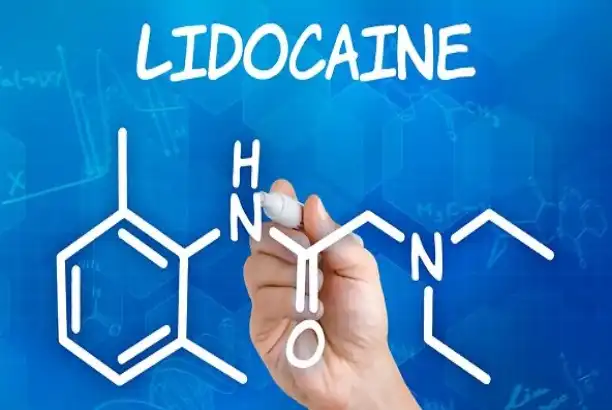
High-purity lidocaine powder is a basic medicinal raw material that has many uses in the medical, industrial, and research fields. This substance is a crystalline local anesthetic that is 98–99.9% pure. It allows exact formulation control in skin numbing products, injectable solutions, and specialized medical devices. Pain management products are made with it by pharmaceutical companies, and research labs use its standard composition for analytical tests and drug development processes. Procurement experts can choose the right suppliers who meet strict quality and compliance standards when they understand these uses.
Understanding 99.9% Pure Lidocaine Powder: Properties and Mechanism of Action
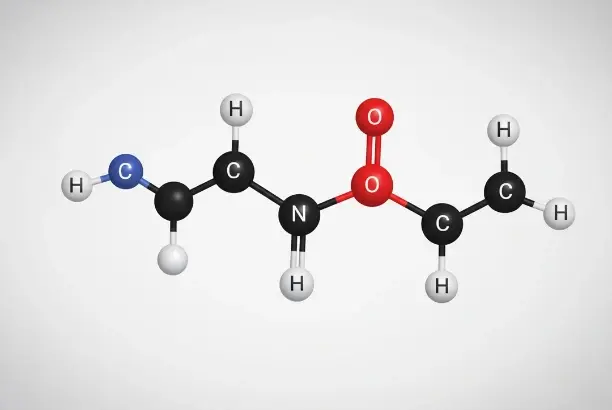
A local anesthetic of the amide type has been known for a long time to work quickly and well with lidocaine powder. Its formula is C₁H₂N₂O, and its molecular weight is 234.34. It looks like a soft, light yellow to white powder. The 137-58-6 service number makes sure that supply chains all over the world keep good records. Powder that is made for pharmaceutical use needs to be at least 98% pure, but for many medical uses, it needs to be 99.9% pure to get the best impurity profiles and make treatment more reliable.
How Does Lidocaine Block Pain Signals?
Blocking voltage-gated sodium channels in the membranes of neurons is what makes them numb. The molecules of lidocaine powder link to these channels from the inside of cells when they are put on or near nerve tissues. In order for action potentials to spread, sodium ions need to be able to move around. This blockage stops pain signals from reaching the brain and spinal cord. This makes a part of the body numb without altering the person's awareness. Once the drug is gone, nerve activity can go back to normal because this bond can be broken down or spread out.
Purity Advantages in Medical Applications
When there is more quality, there are better treatment results and more stable formulas. A product that is 99.9% clean doesn't have many flaws, so it works the same way every time. In companies that follow GMP, HPLC testing is used to make sure that quality standards are met and that each batch meets the needs of the pharmaceutical business. The people who make formulas need to know this a lot because they make things that always need the same amount of painful power.
Regulatory Compliance and Safety Standards
Before it can be sold in different countries, pharmaceutical-grade lidocaine powder has to pass several different safety tests. If a business is listed with the FDA, it means they follow American standards for quality and production. If they have an ISO certification, it means that they follow organized good management practices. When it comes to composition, the HALAL and kosher approvals deal with specific food law problems that are important. When they are used, HACCP processes make sure that safety steps are safe for food, and GMP compliance makes sure that the plant has the right rules in place during the whole production process. When these papers are shown to sellers, buyers can be sure that they follow the right quality standards.
Key Medical and Industrial Uses of 99.9% Pure Lidocaine Powder
High-purity lidocaine powder can be used in a lot of different professional fields, and each one can benefit from different qualities that are best for their needs. Medical professionals value its efficacy as an anesthetic, and industry formulators appreciate its chemical stability and ease of integration into different delivery methods.
Topical Formulation Development
Lidocaine powder can be mixed with other things to make skin creams, gels, ointments, and patches. If you have anything from a small skin itch to nerve pain that won't go away, these mixes can help. It's possible to make sure that the right amount is spread out while it's being made because it's a powder. You can make things with different strengths when you use 2% to 5% lidocaine powder. People who do this think about what will be used. Recipes that are already mixed can't be sent over long distances without going bad, but powder can.
Injectable Solution Manufacturing
Medical-grade lidocaine powder is the main ingredient in injectable anesthetics used in surgery and dentistry. The lidocaine powder is mixed with the right liquids and other ingredients in plants to make clean products with different levels of concentration. These injectables work quickly to numb the area during operations that need to go into the muscle or stop nerves. The powder form of lidocaine makes bulk production more efficient and lets hospitals make solutions based on what patients need right away, which helps them better handle their supplies.
Research and Analytical Applications
In labs, high-purity lidocaine powder is used to try new methods, check quality, and do drug studies. To make sure that testing is accurate and that detection tools are calibrated, analytical scientists need pure reference standards. Pharmaceutical experts who are looking for new ways to give drugs or mix treatments need stable starting materials so that they can repeat their experiments. Because the substance is well-known and has been written about a lot, it can help researchers who are studying pain circuits and sodium channel function.
Specialized Medical Device Integration
Lidocaine powder is being used in new medical technologies to make new ways to give drugs, like mucoadhesive patches and intradermal needle devices. These uses benefit from the fact that lidocaine powder stays stable during production and can be mixed with different types of polymer materials. Device makers choose powder forms because they are easy to work with and maintain their chemical stability over time. This is why they are used to make needle-free injection systems and sustained-release implants.
For businesses that want to make their production methods better, the pharmacy raw material structure is a clear plus. It's cheaper per unit to buy lidocaine powder in bulk than to buy finished mixes, and you can change the amounts to fit the needs of your product. If you properly pack lidocaine powder, it will stay stable for two years in dry, cool places. This makes it easier to store and move. This longer stability window lets you handle your goods strategically and helps keep the supply chain running smoothly.
Safe Usage Guidelines and Handling Practices for Lidocaine Powder
Optimal outcomes are achieved with proper handling and application methods. When purchasing lidocaine powder for manufacturing purposes, procurement professionals need to understand handling standards so they can establish appropriate processes and quality control measures in the workplace.
Recommended Concentration Parameters
Most of the time, numbers used in medicine are between 0.5% and 5%, but this can change depending on the process and the area being treated. Usually, medicines for healthy skin have 2% to 4% lidocaine powder in them. Because the substance is taken more quickly when used on the lips, smaller amounts may be needed. Most of the liquids used for injection anesthesia have amounts of 2% to 0.5%. When epinephrine is not present, you should only take up to 4.5 mg per kilogram of body weight at a time. The people who make things for large surfaces have to carefully measure how much lidocaine powder is in each one to make sure it meets the requirements for safe use.
Handling and Storage Best Practices
The chemical form of pure lidocaine powder needs to be kept away from heat, light, and water. The temperature should stay between 15°C and 25°C, and the humidity should be less than 60%. Containers that hold 25 kg or bags that have metal foil inside them are environmentally friendly ways to ship things. Safety rules for making drugs should also be followed when working with a lot of lidocaine powder. Wear the right safety gear, make sure there is enough air flow, and refer to the written directions on how to move things. They should be used right away or sealed again to make sure they last the full two years after being cleaned with harmless gas.
Understanding Typical Responses
Lidocaine powder is generally well accepted when used as directed. Some individuals might notice temporary local sensations such as mild warmth or transient changes in skin appearance at the application site. Formulators ensure proper concentration labeling of lidocaine powder during production to support appropriate end-user application.
Addiction and Dependence Considerations
When used for legitimate medical purposes, lidocaine powder does not show signs of abuse or dependence. The chemical does not produce euphoria or other psychoactive effects that would lead to non-medical use. This safety profile distinguishes local anesthetics from controlled substance categories, simplifying regulatory compliance for manufacturers and distributors. Purchasing documentation does not require DEA scheduling information or special handling protocols related to addiction potential.
Comparison of Lidocaine Powder with Other Anesthetic Forms and Analogs
By examining different formulations and related compounds, informed sourcing decisions can be made that align with manufacturing goals and market positioning strategies. Depending on production capabilities and application requirements, each form and chemical variant offers distinct advantages.
Powder Versus Injectable Solutions
Pre-formulated injectable solutions offer convenience for immediate professional use but limit concentration options and increase storage volume requirements. Lidocaine powder formulations give manufacturers raw material control, enabling customized concentrations and combinations with adjuvant substances like hyaluronidase or epinephrine. The lidocaine powder form also reduces shipping costs due to higher active ingredient density per transport unit. Powder sourcing is especially valuable for facilities equipped for sterile mixing, as it allows conversion of bulk material into multiple product lines through in-house processes.
Powder Versus Topical Products
Ready-to-use lidocaine creams and gels directly serve end users but offer limited opportunities for brand differentiation through reformulation. Companies that purchase pharmaceutical-grade lidocaine powder can develop their own delivery systems, adjust viscosity profiles, and incorporate complementary active ingredients. Powder-based products typically have longer shelf stability than emulsion-based formulations, reducing inventory waste and enabling extended distribution networks. Companies supplying international markets appreciate the simpler regulatory pathway for raw material importation compared to finished medicinal product registration.
Lidocaine Compared to Prilocaine and Benzocaine
Different local anesthetic compounds have distinct chemical profiles that may offer advantages for specific applications. At equivalent concentrations, prilocaine demonstrates similar potency to lidocaine powder while offering a different systemic absorption profile, making it suitable for large-area topical uses. Benzocaine provides rapid onset for mucous membrane applications but has a narrower range of approved dosage forms and is not suitable for injection. Lidocaine powder has the broadest regulatory approval across different dosage forms and the most extensive clinical literature supporting its efficacy and safety profile. This established regulatory acceptance helps streamline new product development and supports formulation approval pathways.
Purchasing and Procurement Guide for Pure Lidocaine Powder
Successful sourcing requires careful supplier evaluation, clear specifications, and process planning that accounts for pharmaceutical material handling. The following considerations help procurement professionals establish reliable supply partnerships.
Identifying Qualified Suppliers
Reputable manufacturers maintain comprehensive certifications demonstrating adherence to international pharmaceutical standards, including for lidocaine powder. Look for suppliers with current FDA registrations, ISO quality management certifications, and third-party-audited GMP manufacturing qualifications. Facilities with dedicated production lines for local anesthetic chemicals reduce cross-contamination risks that could affect lidocaine powder quality. Independent laboratories can regularly verify material quality through HPLC testing and chemical traceability, supporting each batch release with documented evidence.
Verifying Product Specifications
Request detailed certificates of analysis showing purity percentage, moisture content, heavy metal screening results, and microbial contamination testing results. To ensure products meet recognized standards, compare specification sheets to pharmacopoeia monographs such as USP or EP. Inquire about residual solvent testing methods to confirm that the manufacturing process does not leave unacceptable chemical residues. Suppliers should provide clear testing methodology documentation, maintain equipment calibration records, and demonstrate reference standard traceability.
Bulk Ordering and Pricing Considerations
Minimum order quantities typically start at 1 kg, suitable for small-batch production and pilot-scale formulation development. Volume-based pricing advantages generally apply at 25 kg, with further discounts available through repeat purchase agreements. Multiple payment options, including telegraphic transfer, PayPal, Western Union, and cryptocurrencies, facilitate cross-border transactions. To achieve optimal cost savings across multiple shipments, discuss pricing structures based on projected annual volume rather than individual order sizes.
International Shipping and Import Compliance
Pharmaceutical raw materials require specific handling to maintain quality during transit. Suppliers should offer various packaging options, from 1 kg foil-lined bags suitable for courier services to 25 kg drums for freight shipping. Delivery timelines of three to seven working days after payment indicate effective transport and customs clearance management. Ensure suppliers provide all necessary documentation, including commercial invoices, packing lists, certificates of analysis, and any import permits required by the destination country's regulations. Knowing the standardized tariff classification codes applicable to lidocaine powder facilitates accurate landed cost calculations, including duties and taxes.
Conclusion
In conclusion, high-purity lidocaine powder is an important pharmaceutical raw material that enables a wide range of product development in pain management, surgical preparation, and specialized medical device fields. Its well-studied mechanism of action, broad regulatory acceptance, and formulation versatility make it a popular choice among manufacturers seeking reliable local anesthetic ingredients. Understanding the compound's properties, applications, handling parameters, and procurement considerations empowers procurement leaders to establish supply relationships that support high-quality product development. By selecting suppliers with robust certification portfolios and a track record of meeting international pharmaceutical standards, buyers can ensure that incoming material quality consistently meets the requirements of their formulations.
FAQ
1. What storage conditions preserve lidocaine powder quality?
Keep sealed containers in dry, cool environments between 15 and 25°C with less than 60% humidity. With proper storage, chemical stability can be maintained for up to two years while meeting purity and performance specifications. After opening a package, reseal with moisture barrier protection.
2. Can lidocaine powder substitute directly for pre-mixed formulations?
Before use, lidocaine powder requires reconstitution or incorporation into appropriate carrier media. Manufacturers must develop validated formulation methods that ensure uniform drug distribution and accurate concentration control based on the intended application.
3. Which industries commonly procure pharmaceutical-grade lidocaine powder?
The majority of procurement comes from manufacturers producing topical pain relievers, injectable pharmaceuticals, medical devices, cosmetic numbing preparations, dental products, and research institutions conducting pharmacological studies.
Source Certified Lidocaine Powder from a Trusted Manufacturer
Jianbei Biotechnology uses modern production methods and strict quality control to make Lidocaine Powder that is pharmaceutical-grade and meets international standards. Our buildings are GMP-certified and have three separate production lines. They are backed up by two separate testing labs that use HPLC verification methods. With FDA registration, ISO, HALAL, HACCP, and kosher approvals, we can meet the needs of a wide range of markets while still meeting strict 98% quality standards. Our experienced research and development team and large store make it possible to have a steady supply, with shipping around the world taking just three to seven business days. We offer open buying and a number of safe payment methods, so you can choose how much you need, whether it's a sample of 1 kg or a full 25 kg drum. Get in touch with our purchasing experts at sales@bqingbio.com to talk about your recipe needs and get full product paperwork. As a supplier of Lidocaine Powder with a lot of knowledge, we give pharmaceutical companies the technical help and consistent quality they need to make new products.
References
1. American Society of Regional Anesthesia and Pain Medicine. (2021). Local Anesthetic Systemic Toxicity: Clinical Practice Guidelines. Journal of Regional Anesthesia and Pain Medicine.
2. Becker, D.E. & Reed, K.L. (2019). Local Anesthetics: Review of Pharmacological Considerations. Anesthesia Progress, 66(2), 90-101.
3. Weinberg, G. (2018). Pharmacology and Clinical Use of Local Anesthetics. Philadelphia: Lippincott Williams & Wilkins.
4. United States Pharmacopeia. (2022). USP-NF Monograph: Lidocaine. United States Pharmacopeial Convention.
5. Covino, B.G. & Vassallo, H.G. (2020). Local Anesthetics: Mechanisms of Action and Clinical Applications. New York: Grune & Stratton Medical Publishers.
6. International Pharmaceutical Excipients Council. (2021). Quality Standards for Pharmaceutical Grade Local Anesthetics. IPEC Global Guidelines.

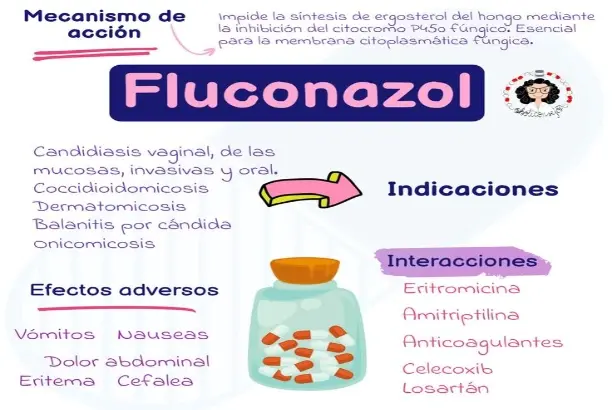
Fluconazole powder, a broad-spectrum triazole antifungal API with CAS number 86386-73-4, demands precise stability and storage protocols to maintain its 98% purity specification and functional integrity. Proper handling of this white crystalline powder—which works by inhibiting fungal ergosterol synthesis—is critical for pharmaceutical manufacturers, functional food developers, and supplement formulators. Storage in dry, cool environments between 20-25°C with controlled humidity ensures the molecular integrity of this compound (C13H12F2N6O, molecular weight 306.27 g/mol), preserving its antifungal activity for up to 24 months when sealed properly. Understanding degradation pathways and implementing validated storage solutions protects your investment while ensuring compliance with FDA, ISO, and GMP standards that govern pharmaceutical-grade active ingredients.
Understanding Fluconazole Powder Stability
This triazole antifungal agent's chemical stability profile has a direct effect on how well formulations work and how long products last in pharmacy settings. Several external factors affect the chemical structure of the compound, causing degradation risks that procurement managers must handle by choosing the right suppliers and following the right handling procedures.
Chemical Properties Affecting Stability
The triazole ring structure of fluconazole powder is naturally stable in neutral pH settings, but it can become unstable in harsh situations. The substance dissolves only slightly in water (about 5 mg/mL), but it dissolves more easily in chemical solvents like ethanol and methanol. This feature affects how the substance is made and how it should be stored so that it doesn't get too wet. The melting point range of 138–142°C shows that the substance is thermally stable at room temperature. However, chemical rearrangements can happen after being exposed to high temperatures for a long time. Low protein binding (11–12%) helps make finished formulations highly bioavailable. However, this means that the free drug form needs to be protected from external stresses while it is still a powder.
Primary Degradation Pathways
Antifungal powder mixtures are at risk of breaking down in three main ways. When wetness gets into packages, it breaks chemical bonds and creates impurities that make the product less effective. Oxidation processes happen through free radicals, especially when oxygen gets into storage cases and changes the color of things, and forms degradation products. Another worry is photodegradation, which happens when UV light breaks down molecules, even through clear packaging. These pathways explain why drug companies that use HPLC testing methods report that samples kept outside of the suggested parameters have more impurities. When buying, teams understand these processes, they can better judge what suppliers say about stability data and shelf-life predictions.
Industry Standards for Stability Testing
The ICH Q1A standards set the rules for fast and long-term stability tests that prove the safety of pharmaceutical chemicals. For rapid studies, these methods call for testing at 40°C ± 2°C with 75% ± 5% relative humidity. For real-time testing, they call for testing at 25°C ± 2°C with 60% ± 5% relative humidity. Suppliers with a good reputation will give you full, stable data that includes test results, impurity profiles, dissolution traits, and the product's physical appearance at set time points. The proof for expiration dates comes from tests done at 0, 3, 6, 9, 12, 18, and 24 months. Quality assurance teams use this information to assess the performance of finished dosage forms, such as oral tablets, intravenous solutions, or veterinary suspensions. When making purchases, companies should give more weight to sellers who can show they follow these strict testing guidelines. This is because verified stability data is directly linked to a lower risk of batch failures and compliance issues.
Optimal Storage Conditions for Fluconazole Powder
To keep API quality high from the time it is received until it is formulated, external controls that stop degradation paths must be put in place for Fluconazole powder. Managing temperature, controlling humidity, and using protective packing are the main parts of good storage plans that keep Fluconazole powder at least 98% pure, which is needed for medicinal uses.
Temperature and Humidity Requirements
The best temperatures for keeping molecules stable over the 24-month shelf life are between 20°C and 25°C, which is where the product should be stored. Deviations outside of this range speed up the rate of decline; according to the Arrhenius equation, every 10°C rise could double the rate of reaction. Controlling humidity is also very important, since situations with relative humidity above 60% make hydrolytic breakdown more likely. Warehouses with climate control and HVAC systems that keep the temperature stable protect the value of goods, especially large amounts kept in 25kg drums. Because the environment changes with the seasons, it's important to keep an eye on it, and data loggers make sure that storage factors are always being checked. Professional pharmaceutical providers pay attention to environmental conditions in a way that commodity drug dealers don't.
Packaging Solutions and Protective Measures
Effective barrier packing keeps APIs from being exposed to external factors that could weaken their stability. For 1kg amounts, aluminum foil bags make great shields against light and moisture, making hermetic seals that keep the inside atmosphere stable. Larger 25kg fiber drums have more than one layer of protection, including plastic covers on the inside, desiccant bags that soak up moisture, and nitrogen flushing to get rid of air. These packing methods deal with all three main ways that things break down at the same time. FDA touch rules are met by pharmaceutical-grade package materials that also protect against damage during shipping and handling. Suppliers who offer verified packing methods show that they understand stable needs that go beyond basic containment. Purchasing teams should make sure that the packing requirements fit the sensitivity profile of triazole antifungal compounds. If the barriers aren't good enough, the compounds will break down too quickly, no matter what the warehouse conditions are.
Warehouse Management and Transportation Protocols
Professional transportation companies control the climate in more than just static storage. They also do this along the supply chain. Using refrigerated containers or insulated packaging with gel packs to control the temperature keeps things stable during foreign shipping. This is especially important for transfers to warm areas. IoT sensors used in real-time tracking systems keep track of temperature and humidity during transport, creating records that can be used for quality checks. Warehouse rules should include separate storage areas to keep unsuitable materials from getting dirty, good air systems, and GMP-compliant pest control measures. Material handling techniques that reduce physical stress keep packages from getting damaged in ways that risk the integrity of the barrier. When buying from foreign suppliers, these practical details are very important because 3–7 working day shipping times need strong logistics. When distribution partners show that they have proven cold chain management, rejection risks go down, and the product performs the same way in all global markets.
Preparing and Using Fluconazole Powder Safely
The right handling methods during formulation development protect both the quality of the product and the safety of the people working on it. They also make sure that final pharmaceutical products perform as intended. The finished product's effectiveness depends on how it was mixed, how precisely it was dosed, and how stable it was during the processing steps.
Formulation and Reconstitution Guidelines
Using approved methods to keep the active ingredient stable while turning Fluconazole powder into oral liquids or injectable solutions is needed. Usually, powder is slowly added to the right vehicles while being mixed in a way that makes the mixture evenly spread out without generating too much heat. Changing the pH level with buffering agents keeps the designed product stable, since high or low pH levels speed up degradation. Optimization of particle size improves the consistency of suspension formulations for animal uses while keeping dose accuracy high. During preparation, quality checks include looking at the color to make sure it stays the same, using HPLC to make sure the concentration is correct, and performing microbiological tests for parenteral goods to ensure sterility. Batch records that show the external conditions during processing help with regulatory compliance and troubleshooting if stability issues show up after formulation.
Dosage Measurement and Quality Verification
The reliability of finished dosage forms depends on how accurately the active ingredients are measured. When making medicines, 50 mg, 100 mg, and 150 mg dose strengths are common. When dispensing powder, gravimetric accuracy is needed. Analytical scales that can read 0.1mg make sure that the strength is the same from one production batch to the next. Validated HPLC methods are used for in-process testing to ensure that the actual drug content matches the theoretical calculations. This shows where any losses might happen during processing. This level of scientific rigor is especially important when formulating products for sensitive patient groups, where precise dosing is critical for efficacy. Understanding how the stability of different dosage forms affects the choice of formulations by R&D teams. For example, powders allow for dose adjustments but need stricter moisture protection than coated tablets, which add stability through secondary packaging.
Stability Considerations During Processing
When APIs are manufactured, they are exposed to external factors that make them less stable than when they are stored. High temperatures during granulation, crushing forces during tableting, and radiation exposure during cleaning are all things that could cause the substance to break down. As part of process validation studies, made goods should be tested for stability under conditions that are similar to those found in manufacturing. This is done to ensure that the API stays intact during production. Comparing the stability profiles of powder and tablet forms shows that encapsulation usually offers better protection against environmental factors. However, suspension formulations are better for pediatric and veterinary uses where dose flexibility is more important than longer shelf life. Formulation scientists use these factors to choose the best delivery methods based on the needs of the target market, combining the need for stability with formulation goals and user convenience.
Procurement Insights: Ensuring Quality and Compliance
To find dependable suppliers of antifungal APIs for pharmaceutical use, you need to carefully look at their manufacturing skills, quality paperwork, and compliance with regulations. Decisions about strategic buying affect how well a formulation works, how long it takes for regulatory approval, and how reliable the supply chain is in the long run.
Evaluating Supplier Credentials and Certifications
Verification of manufacturing licenses is the first step in figuring out if a supplier is capable. Pharmaceutical quality systems require facilities that are Fluconazole Powder GMP-certified to put in place controls that keep products from getting contaminated and make sure that each batch is the same. ISO licenses, especially ISO 9001 for quality management and ISO 14001 for environmental standards, show that production success can be achieved in a planned way. When a facility exports to the United States and gets registered with the FDA, it shows that it is following strict rules. Extra certificates like HALAL, kosher, and HACCP make it easier for finished goods that are aimed at certain groups of consumers to reach new markets. In addition to getting copies of certificates, buying due diligence should include site checks to ensure that quality systems are actually being used, reading through training records, and checking out analytical labs. As well as known makers in biotechnology hubs, suppliers that run three production lines from GMP-standard workshops with two separate labs offer redundancy to protect against supply disruptions while keeping quality consistent.
Documentation Requirements and Quality Assurance
Professional pharmaceutical providers include full paperwork packages with every shipment. Certificates of Analysis show that a certain batch of products meets the requirements for purity (98% or higher), as well as linked chemical profiles that show how much impurity there is, leftover solvent levels, heavy metal tests, and microbiological examination results. Material Safety Data Sheets list how to handle the product safely, how to store it properly, and what to do in an emergency. Summary of a stability study that predicts the shelf life under certain storage conditions. Regulatory support files hold papers like manufacturing authorizations, change control records, and reference standards that can be tracked back to their sources. This paperwork helps regulatory submissions for finished drug goods and lets receiving quality control units do verification testing. Contracts for buying things should spell out what kind of paperwork is needed to meet the company's own quality standards. This way, both parties know exactly what they are expected to provide, beyond just the goods themselves.
Cost-Benefit Analysis and Supply Chain Logistics
Fluconazole powder, like other pharmaceutical APIs, is judged by more than just the cost per kilogram. The total cost of ownership is also taken into account. Higher-purity materials that cost more may lower the costs of handling later on and increase the yield when making a final product. Bioavailability factors affect how well a product performs, which could explain why some sellers charge more than others. Order minimums affect the cost of keeping inventory and the amount of room needed for storage. For example, 1kg minimums work well for research and development, while 25kg drums are better for business production. Delivery times affect production schedules. For example, just-in-time stocking methods work well with a 3–7-day turnaround, while longer lead times need safety stock gaps. International buying processes can be flexible by letting people pay by telegraphic transfer, Alipay, PayPal, or Western Union. When comparing different providers, using total landed cost models that take into account quality risks, compliance skills, and supply stability is more useful than just comparing prices. Strategic relationships with providers that show technical know-how, good communication, and open operations give businesses a competitive edge by lowering quality problems and ensuring they always have enough materials.
Conclusion
Keeping pharmaceutical-grade antifungal APIs stable and storing them correctly requires combining scientific knowledge with real-world supply chain execution. From making to formulation, maintaining a product's quality requires knowing how it breaks down, putting in place tested environmental controls, and choosing reliable sources. Your company is protected against quality failures by keeping temperatures between 20°C and 25°C, keeping moisture out with barrier packing, and keeping detailed records to demonstrate regulatory compliance. Strategic purchasing choices that look at a supplier's certifications, analytical skills, and logistics performance lower risks in the supply chain and help keep product quality uniform. Putting in place environmental tracking systems, regular checks for stability, and structured ways to solve problems makes it possible for proactive management during long storage times. These combined plans ensure that the fluconazole powder you buy remains effective for its intended applications, supports new product development, and meets the high-quality standards required for pharmaceutical uses that benefit people around the world.
FAQ
1. What temperature range ensures optimal stability for antifungal powder APIs?
Keeping store temperatures between 20°C and 25°C is the best way to maintain Fluconazole Powder pharmaceutical-grade quality for up to 24 months. In this range, controlled conditions keep degradation reaction rates low and prevent heat stress that speeds up the formation of impurities. Temperature tracking with standardized data loggers ensures that these requirements are always met.
2. How does humidity impact the stability of triazole antifungal compounds?
When the relative humidity goes above 60%, it makes it easier for hydrolytic breakdown processes to work, which break chemical bonds and reduce product effectiveness. For proper storage, you need climate-controlled rooms that keep humidity levels below critical thresholds, along with packing that blocks moisture and contains desiccants. This two-layer defense stops water vapor from entering, which would compromise the molecules' stability.
3. What shipping considerations protect stability during international transport?
During the 3–7 day foreign delivery times, temperature-controlled logistics using insulated packing, refrigerated containers, or thermal tracking systems keep the environment stable. Documentation that tracks temperature exposure during transport provides quality assurance that supports the rules for accepting inspections. Degradation risks are kept to a minimum during delivery phases by working with qualified freight partners who understand how to handle the cold chain requirements for pharmaceuticals.
Partner with Jianbei for Pharmaceutical-Grade Fluconazole Powder Supply
Jianbei Biotechnology is ready to be your reliable source for Fluconazole Powder. They have strict quality standards and great customer service. Our GMP-certified plant has three separate production lines and two separate analysis labs that work with them to make sure that the products are always 98% pure, which can be proven by HPLC testing. Each package comes with full Certificates of Analysis, all the necessary regulatory paperwork, and expert technical support that is tailored to your particular formulation needs. We keep a lot of stock on hand, so we can deliver orders within 3–7 working days for as little as 1kg. Orders are safely packed in aluminum foil bags or 25kg drums to keep them stable during shipping. Our list of certificates, which includes FDA registration, ISO, HALAL, HACCP, and GMP compliance, shows that we are dedicated to meeting international quality standards for pharmaceutical companies, supplement formulators, and functional food makers all over the world. You can email our technical team at sales@bqingbio.com to talk about your buying needs, get stability data, or set up source qualification checks. Working with a well-known supplier that offers tested stability controls will make your supply chain stronger and speed up the time it takes to develop new products.
References
1. International Council for Harmonisation of Technical Requirements for Pharmaceuticals for Human Use. "Stability Testing of New Drug Substances and Products Q1A(R2)." ICH Harmonised Guideline, 2003.
2. British Pharmacopoeia Commission. "Fluconazole Monograph." British Pharmacopoeia Volume III, Medicinal and Pharmaceutical Substances, 2023 edition.
3. World Health Organization. "Guide to Good Storage Practices for Pharmaceuticals." WHO Technical Report Series, No. 908, Annex 9, 2003.
4. Bharate, Sandip B., et al. "Forced Degradation Studies of Triazole Antifungal Drugs: Stability Indicating Assay Methods and Characterization of Degradation Products." Journal of Pharmaceutical and Biomedical Analysis, 2011.
5. United States Pharmacopeial Convention. "General Chapter <1150> Pharmaceutical Stability." USP-NF 2024, United States Pharmacopeia 47–National Formulary 42.
6. Carstensen, Jens T., and Rhodes, Christopher T. "Drug Stability: Principles and Practices, Third Edition." Marcel Dekker Pharmaceutical Science Series, 2000.
L-Glutathione powder can be used in several ways, based on the needs of your business. For vitamin products, the usual daily dose by mouth is between 250 mg and 1000 mg, either dissolved in water or mixed into capsules. In cosmetics, amounts of 0.5% to 2.0% are mixed into serums or creams. They are often combined with stabilizing agents like vitamin C or put inside liposomal carriers to keep them from oxidizing. At 10–50 ppm amounts, the powder is used in industrial food as a dough conditioner or preservative.ive. To dissolve properly, the pH level needs to be normal to slightly acidic, and all recipes should be used right away for best performance and antioxidant activity.
Understanding L-Glutathione Powder and Its Benefits
Chemical Nature and Active Forms
Chemically known as γ-glutamyl-cysteinyl-glycine with the formula C₁₀H₁₇N₃O₆S and CAS number 70-18-8, L-Glutathione Powder is the biologically active tripeptide form. A free thiol group (-SH) on the cysteine site gives the molecule its function. This group directly neutralizes reactive oxygen species. This sets it apart from oxidized glutathione (GSSG), which can't donate electrons, which is needed for antioxidants to work. High-purity standards of 98% make sure that cellular defense works the same way in both medicine and cosmetic uses.
At pharmaceutical grade, the powder's white, solid look shows that it doesn't break down due to oxidation. Our enzyme fermentation process with Saccharomyces cerevisiae gives better enantiomeric purity than older chemical synthesis methods. This meets the needs of clean-label requirements and avoids animal-derived contaminants. This way of making things directly helps keep the formula stable in complicated settings where changes in pH and heat stress can affect ingredients.
Scientifically Validated Health and Skin Benefits
L-Glutathione powder is known to play a part in the liver's natural cleansing processes, where it interacts with various compounds to support the body's balance. The compound's ability to support antioxidants like vitamins C and E works with them to make a stronger network of cell defenses. Research shows that it works to help maintain balanced oxidative stress levels, which is important for wellness supplements that aim to support the immune system and help athletes recover.
The tyrosinase-blocking process of L-glutathione powder is used in dermatology to influence the production of melanin toward lighter pheomelanin. Skin-brightening claims in high-end makeup lines are based on this biological action. The antioxidants also help protect against environmental free radical damage, which addresses concerns related to skin aging. Formulation scientists like that it has two effects: preventive antioxidant support and even-toned outcomes. This makes it useful for anti-aging and brightening routines.
Safety Profile and Application Guidelines
Established evidence from a lot of clinical use shows that the ingredient is well-suited for use at the suggested dose levels. Standard oral supplementation methods use 250 to 500 mg daily for maintenance support and up to 1000 mg for intensive support. In dermatological products, concentrations between 0.5 and 2.0% work well and are gentle on the skin. Higher concentrations, on the other hand, need careful stability testing.
It is important for product makers to know how the ingredient, L-Glutathione powder, reacts with water and pH. The best range for stability is between pH 4.0 and 7.0. In alkaline settings, degradation speeds up. Controlling the temperature during processing helps maintain activity; too much heat above 50°C can cause unwanted changes. These factors help with formulating and setting quality control rules during production. Obtaining FDA registration, ISO, HALAL, HACCP, and GMP standards, and following them makes sure that rules are the same in all foreign markets.
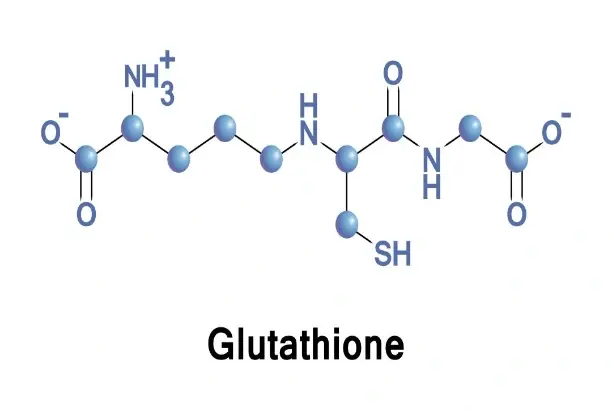
Proper Methods for Using L-Glutathione Powder
Dosage Recommendations Across Industries
Nutraceutical uses usually have between 250 mg and 1000 mg per dose, and liposomal or acetylated delivery methods help the body absorb the ingredient better. Enteric-coated pills help protect the active ingredient during stomach passage, making sure it gets to the right places in the intestines to be absorbed. When making specs, crushing forces during tableting must be taken into account. Higher purity grades stay intact under mechanical stress.
Cosmetic formulas work in a smaller range of concentrations. Brightening serums usually have active ingredients that are 1% to 2%, while upkeep creams usually have 0.5%% to 1%. The dose is directly related to how often L-Glutathione powder is used—once a day in the evening for targeted treatments and twice a day for protective ones. Scientists who make products have to weigh how well they work against how stable the recipe is, especially in water-based solutions that can change in appearance due to oxidation.
Functional values between 10 and 50 parts per million are used in food and drink applications. In addition to providing antioxidant support in fruit juices and processed meats, the compound enhances the taste profile by making it smoother and more flavorful while also allowing for lower salt content. The dosage estimate takes into account the temperature of processing and the desired shelf life. This makes sure that the product's activity is maintained throughout its intended use.
Preparation and Dissolution Techniques
Picking the right liquid is the first step in proper dissolving. The best medium is distilled or deionized water, which doesn't have any minerals that could accelerate unwanted reactions. The powder dissolves easily at room temperature when stirred gently. Slightly acidic conditions (pH 5.5–6.5) speed up the process while keeping the powder stable. Avoid strong shaking that brings in oxygen from the air.
Bioactivity is maintained when the temperature is controlled during preparation. At room temperature, dissolution avoids heat-related breakdown and keeps the right level of solubility. When cosmetic formulators add the powder to oil-in-water emulsions, they do so during the cool-down process. This avoids exposing the powder to heat during emulsification. This order helps prevent premature oxidation and maintains the white color that indicates reduced L-glutathione powder.
Buffer systems make formulations last longer. During long-term keeping, citric acid or phosphate buffers keep pH levels in the right range. Antioxidant synergists, such as ascorbic acid or alpha-tocopherol, create supportive conditions. However, compatibility testing makes sure that these mixes don't interfere with the main activity. Microencapsulation technologies provide improved protection, which is especially useful for demanding applications that require alkaline or high-temperature processing conditions.
Storage and Handling Best Practices
Pharmaceutical-grade L-Glutathione powder needs to be kept in a controlled environment. The longest shelf life is in cool, dry places between 2°C and 8°C. However, sealed packages kept away from light and moisture can be stored at room temperature. Our aluminum foil packing (1 kg bags) and fiber drums (25 kg) keep dampness out, which is important for keeping the 2-year shelf life when sealed.
Exposure to light speeds up oxidative breakdown. Photosensitive molecules are protected from UV rays by opaque or amber containers. During mass storage, nitrogen blanketing displaces oxygen, which further reduces the chance of oxidation. To make sure that all production runs maintain consistent strength, containers should be resealed right away after being opened and used within certain time frames.
HPLC testing verifies the purity requirements and identifies oxidative breakdown products of L-Glutathione Powder as a quality check. Supplier uniformity is confirmed by regular tests at the receiving end and throughout storage. Recording the storage conditions helps with meeting regulatory and tracking needs. This is especially important for pharmaceutical and cosmetic uses that have to meet strict quality standards.
Comparing L-Glutathione Powder with Alternative Forms and Brands
Powder Versus Encapsulated Forms
For industrial manufacturing, bulk L-glutathione powder has clear benefits, especially when it comes to cost-effectiveness at scale. When compared to pre-encapsulated forms, procurement managers can get lower prices per gram while still having the freedom to change the formulation to best suit different applications. Custom doses and blend ratios are possible with powders that you can't do with fixed-dose pills. This helps with strategies for product differentiation.
Different delivery methods have different bioavailability considerations. Liposomal encapsulation improves uptake by protecting the molecule during stomach passage, but this benefit comes at a higher cost for production. Acetylated variants allow for easier passage across cell membranes, but they need more steps to be processed. Using these technologies in powder recipes during in-house encapsulation helps keep costs low while also improving performance, which is a big plus for companies that control their supply lines.
Tablets and capsules work well for consumer-facing goods, but they add excipient factors that influence how quickly the ingredient dissolves and is absorbed. When formulators buy powder in bulk, they can choose ingredients that work well together to improve bioavailability while keeping the active ingredients clear. This control is very important when trying to support product claims that need consistent dosing and predictable performance.
Evaluating Source Quality and Purity
When it comes to purity, fermentation-derived L-Glutathione Powder offers advantages over manufactured chemical production. The enzymatic method creates the L-isomer naturally, without any racemic mixes, so there is no need for chiral separation. This specificity is important for regulatory compliance and effectiveness—biological systems prefer L-forms, so enantiomeric purity is a way to tell which sources are the best.
Analytical testing confirms that the specifications were followed. HPLC testing measures the amount of active ingredient and checks for oxidized L-glutathione powder levels, which is a quality sign that shows how the substance was stored and handled in the past. Heavy metal screening for lead, mercury, cadmium, and arsenic makes sure that safety standards for pharmaceuticals are met. Microbial testing confirms that the production process is clean, which is especially important for use in sterile settings.
Certification profiles show which providers are trusted and which ones aren't. As a result of FDA registration, inspections of the production site and process validations are confirmed. Systematic quality controls are shown by ISO standards, especially ISO 9001 for quality management and ISO 22000 for food safety. Obtaining HALAL and kosher certifications opens up more markets and demonstrates attention to production standards. GMP compliance is still a must for pharmaceutical-grade materials, including L-Glutathione powder. These standards are met by all three of our production lines and separate labs.
Conclusion
Effective utilization of L-Glutathione Powder requires a comprehensivea comprehensive understanding spanning formulation science, procurement strategy, and quality assurance. The material's biochemical properties deliver tangible benefits across nutraceutical, cosmetic, and food applications, though realizing these benefits demands attention to dosing, preparation, and stability management. Procurement professionals navigating global supply chains benefit from systematic supplier evaluation emphasizing certifications, analytical verification, and technical support capabilities. Strategic sourcing balances cost efficiency with quality assurance, recognizing that pharmaceutical-grade standards protect both product performance and regulatory compliance. The practical guidance throughout this resource equips buyers to make informed decisions, optimize formulations, and establish supplier partnerships supporting long-term business objectives in competitive international markets.
FAQ
1. How should L-Glutathione powder be stored to maintain maximum potency?
The powder should be kept in a cool, dry place between 2°C and 8°C to keep it fresh, but sealed packages at room temperature (below 25°C) are also fine. Use opaque or amber containers to protect from light, and reseal the containers right away after use to keep air out. The material stays the same for two years if it is stored properly and tightly sealed. To maintain consistent activity, use within six months for pharmaceutical uses or twelve months for cosmetic formulations after opening.
2. What kinds of checks are there to make sure the source is genuine and the product is pure?
Ask for up-to-date Certificates of Analysis that show HPLC test results confirming at least 98% purity. Check the supplier's credentials, such as GMP, ISO, FDA registration, and certifications specific to the application (HALAL, Kosher for food or supplement use). Verify samples you receive for heavy metals, microbial purity, and oxidized L-glutathione powder levels through an independent third party. Review customer references from well-known brands in your field, and consider facility audits for long-term supplier relationships that require large-volume commitments.
3. Can L-Glutathione powder be used reliably in professional formulas over time?
Long-term use within the suggested concentration levels is supported by clinical data in food, cosmetics, and nutraceuticals. When added according to set formulation guidelines, pharmaceutical-grade materials that meet international quality standards have strong reliability profiles. Stability testing is done on a product throughout its entire shelf life to make sure that it maintains activity and doesn't form any unwanted breakdown products. When you buy from approved sellers with strong quality control systems, you can be confident that long-term professional use is backed by regulatory compliance documentation such as stability studies.
Partner with Jianbei for Premium L-Glutathione Powder Supply
When you buy reduced L-Glutathione Powder from Jianbei Biotechnology, it is made in our GMP-certified facilities, which have three production lines and two separate labs. Our 98% purity standard, which was proven by HPLC testing, meets the strict needs of supplement makers, makeup formulators, and drug companies all over the world. We keep a lot of certificates, like FDA registration, ISO, HALAL, HACCP, and GMP standards, to make sure we follow all the rules in all the places around the world.
We have been a seller of L-Glutathione Powder for a long time, and we can accommodate orders starting at 1 kg and send them quickly (3–7 days). Our experienced research and development team can help you improve your formulations with expert advice, and our large inventory will keep your production plans on track. International procurement processes can be accommodated by several payment methods, such as wire transfer, Alipay, PayPal, and Western Union. Email our sales team at sales@bqingbio.com to get samples, talk about bulk prices for your unique needs, or get access to our technical documentation to help with your product development.
References
1. Wu, G., Fang, Y. Z., Yang, S., Lupton, J. R., & Turner, N. D. (2004). "Glutathione metabolism and its health implications." Journal of Nutrition, 134(3), 489-492.
2. Weschawalit, S., Thongthip, S., Phutrakool, P., & Asawanonda, P. (2017). "Glutathione and its antiaging and antimelanogenic effects." Clinical, Cosmetic and Investigational Dermatology, 10, 147-153.
3. Richman, P. G., & Meister, A. (1975). "Regulation of gamma-glutamyl-cysteine synthetase by nonallosteric feedback inhibition by glutathione." Journal of Biological Chemistry, 250(4), 1422-1426.
4. Lomaestro, B. M., & Malone, M. (1995). "Glutathione in health and disease: pharmacotherapeutic issues." Annals of Pharmacotherapy, 29(12), 1263-1273.
5. Sinha, R., Sinha, I., Calcagnotto, A., Trushin, N., Haley, J. S., Schell, T. D., & Richie, J. P. (2018). "Oral supplementation with liposomal glutathione elevates body stores of glutathione and markers of immune function." European Journal of Clinical Nutrition, 72(1), 105-111.
6. Arjinpathana, N., & Asawanonda, P. (2012). "Glutathione as an oral whitening agent: a randomized, double-blind, placebo-controlled study." Journal of Dermatological Treatment, 23(2), 97-102.
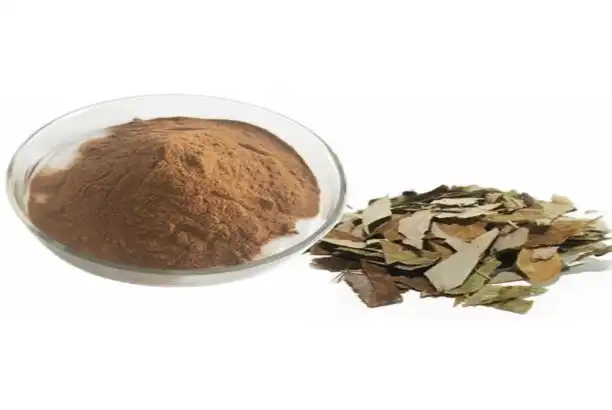
Horny goat weed, which is scientifically known as Epimedium, is a great choice for B2B buyers who want to find high-quality plant products. Standardized Epimedium powder extract, especially those with 98% pure icariin, has become an important part of health supplements, functional foods, and nutraceutical products that aim to improve general health and energy. This guide gives R&D directors, product managers, and procurement workers the important technical specs, buying strategies, and quality standards they need to find this plant extract. From figuring out the make-up of molecules to meeting foreign standards, we give you useful information that helps you make smart choices throughout the supply chain integration process.
Understanding Epimedium Powder Extract: Science and Benefits
The Botanical Foundation and Extraction Technology
The aerial parts of the Epimedium plant are used to make the extract. Epimedium is a perennial flower that has a long history in traditional East Asian herbal treatment. To separate the active prenylated flavonoids, modern extraction methods use complex methods such as ethanol extraction, supercritical CO₂ processing, and water-alcohol co-extraction. The way the bioactive substances are extracted has a direct effect on how much of them are left in the finished product. More advanced methods can get a standardized icariin content of 10% to 98%.
The crystalline powder that you get is brownish-yellow and contains a lot of phytochemicals that were removed using carefully controlled methods that keep the molecular structure. Manufacturing facilities producing Epimedium powder extract in GMP-standard workshops make sure that particle sizes are evenly spread out (usually 80-mesh), which is important for even mixing in dietary supplement formulas and functional food uses.
Active Compounds and Molecular Profile
The ingredient's key active component is icariin (Chemical Abstracts Service ID: 489-32-7), a prenylated flavonoid with the formula C₃₃H₄₀O₁₅ and a molecular weight of 676.66. This substance has been shown to support healthy circulation and vascular function. Aside from icariin, the extract also has other flavonoids, such as epimedins A, B, and C, polysaccharides, and phytosterols that make it more effective as a whole.
High-performance liquid chromatography (HPLC) testing methods accurately measure the amount of icariin present, which helps buying teams confirm promises of standardization. This analytical confirmation is especially important for pharmaceutical-grade uses because the uniformity of the compounds has a direct effect on the dependability of the formulation and the company's ability to follow the rules.
Health Benefits Supported by Clinical Research
Research data can be used in a number of ways in the health and wellness fields. The extract has a lot of promise to support male wellness formulas. Icariin's structural characteristics make it useful for supporting healthy circulation. Studies show that it has positive effects on nitric oxide signaling pathways, which support endothelial cell health and arterial health.
Icariin helps support bone health by promoting the production of key proteins involved in maintaining bone density. Because of this, high-purity extracts are useful for bone health formulas aimed at maintaining bone strength. Through its mild phytoestrogenic action, the compound may also be used in women's health products to support comfort during menopause and maintain bone density.
Additional research indicates that its anti-fatigue properties stem from better mitochondrial activity and improved energy metabolism in cells. In sports nutrition and pre-workout supplements, where enhancing fitness and supporting recovery are key benefits, these results back their use.
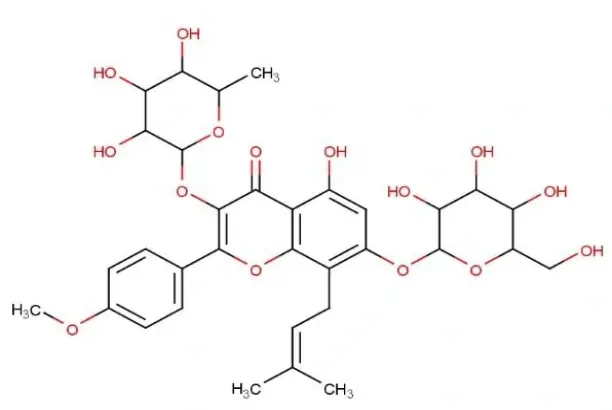
Comparison and Procurement Considerations for B2B Buyers
Quality Benchmarks and Certification Standards
To find Epimedium powder extract that is suitable for use in wellness products, you have to pay close attention to certification portfolios and quality paperwork. Premium providers keep a wide range of certificates, such as FDA registration, ISO 9001 quality management systems, GMP manufacturing compliance, HACCP food safety routines, and HALAL and kosher certifications to meet the needs of a wide range of markets.
Epimedium powder extract: Organic approval is helpful for natural product companies that want to have a clean label, but checking for pesticide residue is still needed no matter what the organic status is. Testing by a third-party lab at a separate facility makes sure that the amounts of heavy metals, microbes, and solvent residues are correct. These are important factors that protect the safety of end users and the brand's image.
Procurement professionals should ask for Certificates of Analysis (COAs) for sample production runs from possible providers when they are analyzing them. These papers show the real amount of icariin, moisture, ash, and contaminant test findings. Suppliers who can show stable batch-to-batch uniformity through past COA paperwork are good at quality control and process control.
Comparing Epimedium to Alternative Botanical Extracts
Product designers often test Epimedium with plants that work well with it, like maca root, tongkat ali, and Tribulus terrestris. Each extract has its own unique set of phytochemicals and ways of working, which makes it possible to create formulations that work well together. Epimedium stands out because of icariin's special chemical structure and the many ways it supports the body's cardiovascular, skeletal, and metabolic systems.
Tongkat Ali is known for its effects on natural wellness pathways, while Maca Root helps the body adapt by using alkaloid and glucosinolate compounds. Tribulus terrestris products are valued for their saponin content. Formulators can use these differences in how things work to make complete health goods that use botanicals that work well together to support their intended benefits.
Supplier Vetting and Partnership Evaluation
To build trusting ties with suppliers, you need to do more than just compare prices. Important evaluation factors include checking the facility's production capacity through audits, making sure the quality control infrastructure has independent labs, protecting intellectual property through patented extraction processes, and making sure customer service is responsive and technical support is easy to get.
When suppliers run specialized GMP-standard workshops with multiple production lines, it shows that they are committed to scalable manufacturing and supply continuity. Vertical integration, which cuts down on reliance on third parties and speeds up batch release times, is shown by facilities that house separate quality control and analytical labs. These practical traits have a direct effect on how well inventory planning works and how well product launches stick to schedules.
How to Use and Dosage Guidelines?
Application-Specific Dosage Recommendations
When formulating with Epimedium powder extract, it's important to think carefully about dosage ranges that are right for each application and that are in line with clinical study methods and normal use patterns. The extract's main job is to figure out the right levels of addition and standardization for various types of products.
Male wellness products usually have 500 to 1000 mg of 10 to 20% icariin extract per dose, which is equal to 50 to 200 mg of active icariin compound. Similar dose amounts are used in sports nutrition products that aim to boost endurance and nitric oxide levels. These products are often mixed with arginine and citrulline to get even better vascular effects.
To support bone health, formulas typically use higher amounts of icariin. Studies back up 60–98% standardized extracts at 200–400 mg per serving. These high-quality extracts sell for more money, but they allow for concentrated doses in smaller capsules, which makes it easier for customers to follow the directions and helps the product stand out.
For functional beverage uses, water-soluble or microencapsulated types of Epimedium powder extract are needed because of the unique challenges they pose. These special forms keep the drinks stable in the acidic pH surroundings that energy drinks usually have, while stopping sedimentation. Lower amounts of icariin (5–10%) improve how well things dissolve while still providing functional benefits at higher rates of bulk inclusion.
Storage and Stability Considerations
The effectiveness of an extract is maintained throughout its entire lifetime when it is stored correctly. The powder needs to be kept in dry, cool places where the temperature stays below 25°C, and the relative humidity stays below 60%. Light speeds up the breakdown of flavonoids, which is why opaque packaging and amber glass cases are needed to store large amounts of them.
As long as moisture entry is kept under control, sealed storage in a nitrogen atmosphere can extend the shelf life to 24 months from the date of manufacture. For research in the lab, 1 kg metal foil bags with heat-sealed closures are one choice for packaging. For production-scale activities, 25 kg fiber drums with polyethylene liners are another option. These ways of packing keep active compounds from breaking down or absorbing water, which can make them less stable.
Following ICH standards, formulation teams should do accelerated stability testing to make sure that ingredients work well together and that predictions for the end product's shelf life are accurate. Protocols for testing should look at how well the icariin stays in the product, how stable its color is, and how it might react with other elements like vitamins, minerals, and plant extracts.
Real-World Cases and Testimonials from B2B Clients
Sports Nutrition Formulation Success
A North American sports nutrition brand recently changed the way its pre-workout products are made by adding 98% epimedium powder extract to improve the support of nitric oxide and circulatory function. The purchasing team chose pharmaceutical-grade materials that had been tested using HPLC. This made sure that all production runs would have the same level of strength. The high level of standardization made it possible to give a concentrated dose in a complicated structure that had caffeine, citrulline malate, and beta-alanine.
The formulation team dealt with possible hygroscopicity issues by creating production environments that keep moisture levels low and using special packages with desiccant inserts. Consumer comments showed improvements in workout stamina and recovery markers, which supported the approach of including botanicals. Within six months of launch, the category grew by more than 35%, showing that the market is open to plant ingredients that have been scientifically proven to work.
Bone Health Innovation in Nutraceuticals
A European company that makes supplements made a bone health mix with 60% icariin extract, calcium citrate, vitamin D3, and vitamin K2. As part of the creation process, a lot of stability tests had to be done to make sure that the flavonoids would still work when mineral compounds were present and could interact with them through complexation reactions.
The plan for buying things gave more weight to sellers who could show they followed all the rules, such as those with FDA registration and organic certification. The chosen partner provided thorough technical dossiers that sped up the product creation process by including safety data, stability studies, and formulation advice. When it was finished, the product was sold in pharmacies all over Germany and France. This gave it a place in the competitive joint health market.
Functional Beverage Manufacturing Partnership
Experts in extraction technology worked with an Asian beverage business to make an epimedium extract that dissolves in water and can be used in ready-to-drink energy shots. To get clarity in acidic drinking systems, the project needed special extraction and processing methods, such as spray-drying with carriers that made the materials more soluble.
Through repeated formulation trials and sensory review groups, the technical partnership dealt with problems with flavor profiles by incorporating Epimedium powder extract. The final product kept its neutral taste and smell while providing functional benefits at 50 mg of icariin per 60 ml dose. Testing for thermal stability confirmed that compounds would stay the same after being pasteurized at 85°C for 15 seconds, which meets food safety standards while keeping bioactive content.
Conclusion
In conclusion, Epimedium powder extract is a flexible plant ingredient that has been shown to support health in a number of areas, including bone health, male wellness, and sports nutrition. To do a good job of buying, you need to know a lot about quality standards, certification requirements, and the skills of suppliers that make sure the products are safe and work well. The 98% icariin standardization gives pharmaceutical-grade purity that is good for high-end formulas that need uniform potency and quality that has been checked. B2B buyers should give more weight to suppliers who can show they follow good manufacturing practices (GMPs), have a wide range of certifications, and offer expert help for formulating. Strategic sourcing methods that balance quality, security, and cost-effectiveness help companies place their products competitively and meet legal needs in global markets.
FAQ
1. What is the typical shelf life for Epimedium powder extract?
Pharmaceutical-grade Epimedium powder extract stays stable for 24 months after it is made, as long as it is kept in sealed cases in dry, cool places below 25°C. The solid powder that is brownish-yellow should be kept away from light and water, since these things speed up the breakdown of flavonoids. Suppliers who offer nitrogen-flushed packing that keeps moisture out increase the shelf life and keep the icariin level stable during storage times.
2. How can people who want to buy Epimedium powder extract make sure it is genuine and pure?
For measuring icariin, procurement teams should ask for full certificates of analysis from third-party labs that have been approved and use HPLC testing methods. The COA should include information about the amounts of microbial contamination, heavy metal screening results, pesticide residue tests, and solvent residue analysis. Suppliers who are registered with ISO, GMP, and FDA show that they are dedicated to quality control methods and legal compliance standards that are necessary for genuine plant products used in wellness applications.
3. What minimum order quantities should B2B buyers expect?
Manufacturers with a good reputation usually set a minimum order size of 1 kg for testing samples and developing new products. Bulk pricing starts at 25 kg of shipping. Before going to business production volumes, smaller amounts are needed for formulation trials and stability tests. New brands can benefit from flexible MOQ policies, and established businesses can save money by using volume-based pricing that takes into account economies of scale in manufacturing.
Partner with Jianbei for Premium Epimedium Powder Extract Supply.
Pharmaceutical-grade Epimedium powder extract is made by Jianbei Biotechnology in GMP-certified buildings with three dedicated production lines and two separate analytical labs. Our standardization of 98% icariin meets the highest quality standards for companies that make dietary supplements, functional foods, and nutraceuticals, and are looking for trusted botanical ingredient providers. We can help you reach your product development goals with our 15 national idea patents, which cover things like quality control systems and extraction methods.
Our wide range of certificates includes FDA registration, ISO quality control systems, HALAL, Kosher, HACCP, and organic certifications, which make sure that we follow all the rules in all global markets. We keep a lot of goods on hand so that we can quickly fill orders. Delivery times are between 3 and 7 business days after payment is confirmed. Telegraphic transfer, PayPal, and Western Union are all flexible payment methods that can be used for foreign transactions.
Get in touch with our expert team at sales@bqingbio.com to talk about your unique needs for Epimedium powder extract. We offer unique sample programs, full technical dossiers with stability data and formulation advice, and low bulk prices for production programs that are already in place.
References
1. Chen, K.M., Ge, B.F., Ma, H.P., Liu, X.Y., Bai, M.H., & Wang, Y. (2005). Icariin promotes the osteogenic differentiation of bone marrow stromal cells but has no effects on the differentiation of newborn calvarial osteoblasts of rats. Pharmazie, 60(12), 939-944.
2. Dell'Agli, M., Galli, G.V., Dal Cero, E., Belluti, F., Matera, R., Zironi, E., Pagliuca, G., & Bosisio, E. (2008). Potent inhibition of human phosphodiesterase-5 by icariin derivatives. Journal of Natural Products, 71(9), 1513-1517.
3. Zhang, Z.B., & Yang, Q.T. (2006). The testosterone mimetic properties of icariin. Asian Journal of Andrology, 8(5), 601-605.
4. Shindel, A.W., Xin, Z.C., Lin, G., Fandel, T.M., Huang, Y.C., Banie, L., Breyer, B.N., Garcia, M.M., Lin, C.S., & Lue, T.F. (2010). Erectogenic and neurotrophic effects of icariin, a purified extract of horny goat weed (Epimedium spp.) in vitro and in vivo. Journal of Sexual Medicine, 7(4), 1518-1528.
5. Ma, H.P., Ma, X.N., Ge, B.F., Zhen, P., Zhou, J., Gao, Y.H., Xian, C.J., & Chen, K.M. (2014). Icariin attenuates hypoxia-induced oxidative stress and apoptosis in osteoblasts and preserves their osteogenic differentiation potential in vitro. Cell Proliferation, 47(6), 527-539.
6. Xu, C.Q., Liu, B.J., Wu, J.F., Xu, Y.C., Duan, X.H., Cao, Y.X., & Dong, J.C. (2007). Icariin attenuates LPS-induced acute inflammatory responses: involvement of PI3K/Akt and NF-kappaB signaling pathway. European Journal of Pharmacology, 566(1-3), 208-214.
Men's health concerns, particularly those related to prostate wellness, have driven increased demand for natural botanical solutions in the global supplement market. Among these, Cynomorium powder derived from Cynomorium songaricum Rupr.—a parasitic desert plant traditionally valued in Chinese medicine—has emerged as a promising ingredient for supporting prostate health. This standardized extract, rich in triterpenoid saponins, flavonoids, and polysaccharides, offers formulators and supplement brands a scientifically backed option that bridges ancient therapeutic wisdom with modern quality standards. With the market for prostate health products expanding as populations age, procurement professionals are actively seeking high-purity botanical extracts that meet regulatory compliance while delivering measurable wellness benefits.
Understanding Cynomorium Songaricum and Prostate Wellness
Botanical Profile and Traditional Uses
Cynomorium songaricum, which is also known as "Suo Yang," is a plant that does well in the harsh deserts of Mongolia, Xinjiang, and Gansu. It can get as cold as -20°C where this juicy annual grows. Its thick, dark purple tip has chemicals that are good for you. Since it lacks chlorophyll, the plant gets its food from other plants' roots. This helps describe the mix of phytochemicals that it has. People have used this food for hundreds of years to treat low kidney yang, boost energy, and make labor healthy. We no longer need to take the oil out of these dried roots because they have been turned into a regular powder. This protects the active ingredients and makes sure that each batch stays stable for the things that will be sold.
What Is Prostate Wellness?
Getting fit for the prostate gland means taking good care of it. A lot of men, mostly those over 50, are getting worried about it. Taking care of the prostate over time is good for the urinary system because it keeps it running properly, letting pee flow easily and regularly. It costs a lot for health care services all over the world to take care of men with prostate problems. This means getting regular care and treatments, and thinking about how good your life is. There might be a market for other plant-based ways that help keep hormones and inflammation in check. Most of the time, the medicines we have now are hard to make or lose their effectiveness over time.
Linking Cynomorium Extract to Prostate Wellness
Researchers have found that cyanoboron powder changes a number of processes that are important for the health of the prostate. There are bioactive chemicals in the plant that can change how androgens are used, especially through regular testosterone metabolism routes that help keep prostate tissue healthy. Studies published in journals about phytotherapy have shown that the substance can help keep the prostate comfortable by supporting the balance of cytokine activity. The polysaccharide part is an antioxidant that helps keep prostate cells healthy even when they are under normal metabolic stress. Cynomorium powder is an ingredient that can help with a lot of different things. It can help balance hormones, make you feel better, and support your cells all at the same time.
Scientific Evidence and General Wellness Benefits of Cynomorium Powder
Key Bioactive Compounds and Mechanisms
Cynomorium extract's beneficial properties come from its complex phytochemical matrix. The main active part is made up of triterpenoid saponins, which have hormone-regulating effects by interacting with androgen receptors. Flavonoid glycosides have strong antioxidant properties. Tests in the lab showed that they can help neutralize free radicals effectively. The Cynomorium polysaccharide part supports immune regulation, which is beneficial for the health of the urogenital area as a whole. When these chemicals are turned into a pharmaceutical-grade powder that meets the requirements for 98% purity (CAS 10421-49-5), they reach an optimal concentration for precise formulation. The molecular structure (C₂₄H₃₉NaO₄, molecular weight 414.55) makes it safe to add to different delivery methods, like healthy drinks, capsules, and tablets.
Research Findings
Several of the ways that Cynomorium powder supports prostate health have been demonstrated in lab studies. Animal studies showed that the extract helped maintain normal prostate weight, healthy urinary flow parameters, and typical residual urine levels. Histological research showed that the treatment groups had normal epithelial cell and stromal tissue appearance. Preliminary observational studies on humans indicate that men who take supplements with Cynomorium powder report improvements in their urinary wellness scores. The extract was shown to be able to help maintain healthy sex hormone levels, especially testosterone-to-estrogen ratios that naturally shift as people age. According to these results, the traditional uses are supported by current research.
Comparative General Wellness Benefits with Other Botanicals
When compared to well-known herbal prostate wellness products, Cynomorium powder has clear benefits. Saw palmetto primarily supports healthy enzyme function related to androgen metabolism. Cynomorium, on the other hand, offers additional comfort and protective properties. Cynomorium is more stable during processing and storage than Pygeum africanum, which is important for maintaining ingredient quality through distribution routes. The adaptogenic traits of the extract are similar to those of Tongkat Ali and Maca Root, but its special mechanisms for targeting prostate wellness make it different from those two. For B2B producers, this means that Cynomorium can be used as an active ingredient on its own or as a part of multi-herb prostate support products that work together to target different physiological processes.
Choosing the Right Cynomorium Powder: A B2B Buyer's Guide
Quality Specifications and Certification Standards
When making purchases, sellers who offer standardized extracts with confirmed active chemical concentrations should be given the most weight. The normal appearance of premium Cynomorium powder is a brown powder with 98% purity, as determined by HPLC testing. Some of the certifications that show high-quality manufacturing are FDA registration, ISO standards, HACCP food safety routines, GMP pharmaceutical-grade production, and organic certifications when the materials you need don't contain pesticides. Halal and Kosher approvals make it easier for goods that are aimed at certain groups of people to reach more customers. Suppliers with GMP-standard workshops and their own labs make sure that quality control is the same across all production runs. This reduces variation that affects formulation performance.
Evaluating Supplier Reliability
To tell the difference between trustworthy makers and false sources, you need to carefully look at their technical skills and quality control methods. Established sellers keep a lot of paperwork, like batch-specific Certificates of Analysis (COA) that show the amount of heavy metals, microbes, pesticides, and active compounds in a product. Having specific R&D teams with patent files shows that the company can come up with new ideas and has a lot of technical knowledge. Production infrastructure is very important. Buildings with multiple production lines, cleanrooms, and two lab systems show that they can grow and are committed to quality. Responding quickly to requests for samples, technical questions, and customization options shows that the supplier values customer service, which is important for long-term relationships.
Pure Extract Versus Blended Formulations
Business-to-business buyers must decide whether pure Cynomorium powder or preblended mixtures are better for their product creation goals. Pure extracts give brands the most formulation freedom, letting them make their own amounts and mixes that fit their selling strategies. This method needs formulation knowledge to be developed in-house, but it gives full control over the amounts of ingredients and label claims. Blended goods are convenient for companies that don't have a lot of money or time to spend on research and development, but they make customizing less possible. For targeted prostate wellness products, pure Cynomorium extract lets you create precise supportive doses while letting you add other ingredients like zinc, selenium, or beta-sitosterol based on your preferred wellness profiles.
Procurement Strategies for Cynomorium Powder in Bulk
Sourcing Channels and Pricing Benchmarks
Cynomorium songaricum extract is mostly bought from companies in China, which is where the raw plant material comes from and where most of the extraction equipment is located. Working directly with makers instead of going through middlemen lowers costs and makes it easier to talk about specs and quality standards. Pharmaceutical-grade Cynomorium powder (98% purity) costs between 45 and 85 per kilogram on the market right now, based on the size of the sale, the certification standards, and whether the powder is organic. If you buy more than 100 kilos at a time, you can usually get lower prices. Payment choices that are easy to use make transactions easier. Reliable providers accept telegraphic transfer, PayPal, Western Union, and sometimes cryptocurrency for foreign purchases.
Logistics and Storage Considerations
To keep the quality of the ingredients throughout the supply chain, you need to pay attention to the rules for packing and environmental controls. For samples or small-scale production, standard packing includes 1 kg aluminum foil bags. For business manufacturing amounts, standard packaging includes 25 kg fiber drums. The 1 kg minimum order amount lets you test the mix before making bigger purchases. For stock items, delivery times are usually between 3 and 7 business days after payment. Faster shipping is available for pressing needs. The powder's bioactive chemicals are kept safe in cool, dry places when it is stored properly, and sealed packaging stays stable for two years if it is handled correctly. Changes in temperature and humidity can affect polysaccharide and flavonoid parts, so it's important to store things in climate-controlled spaces.
Building Strategic Supplier Relationships
For long-term procurement success, building relationships that go beyond one-time contacts is key. Reliable providers offer expert support, such as help with formulation, data from stability tests, and help with regulatory paperwork for entries that are specific to the market. Being open about where the raw materials come from, how they are extracted, and how they are inspected for quality builds trust, which is necessary for long-term partnerships. Suppliers with 15 or more design patents and utility model patents show they are committed to new ideas and protecting intellectual property. Companies that offer customizable extract ratios or specialized processing can adapt to changing product needs as brands make changes to formulas based on what the market says. Supply disruptions can be avoided by keeping in touch about product availability, changes in crop seasons, and new rules and regulations.
Maximizing the Value of Cynomorium Powder in Product Development
Formulation Strategies for Enhanced Bioavailability
To make useful market goods from raw Cynomorium extract, you need to use formulation methods that improve absorption and delivery. Using vegetable capsules or enteric coats for encapsulation helps protect sensitive chemicals during stomach transit and supports their release in the intestines. Lipophilic parts of the extract, like triterpenoids, are better absorbed when mixed with good fats or phospholipids. The suggested inclusion rate of 0.5 to 3% of the total formula weight is equal to about 1-2 grams per day in finished goods, which is in line with how things have been used in the past and how the preliminary study was done. To make sure that active ingredients remain useful throughout the product's shelf life, formulators should test their stability under accelerated circumstances.
Regulatory Compliance Across Key Markets
To get around in the world of regulations, you need to know what the rules are for herbal vitamins in each country. In the US, Cynomorium goods are regulated as dietary supplements and must follow the FDA's current Good Manufacturing Practices as well as limits on structure-function claims. European markets need novel food authorization or traditional use registration according to EU rules. These require specific safety and quality data in the document. Plant identification proof, contaminant test results, and general safety evaluations should all be included in documentation packages. Time-to-market is sped up and compliance risks are lower when suppliers offer full regulatory support, such as pre-compiled paperwork and advice services.
Marketing Positioning and Consumer Education
To successfully launch prostate wellness-focused products that contain Cynomorium powder, you need to use smart marketing that speaks to health-conscious males. Positioning should highlight the ingredient's long history and how it has been proven to work by modern science, connecting ancient knowledge with new research. People who care about sustainability and sincerity will like products that are clear about where they come from in pristine desert areas. References to research studies boost trustworthiness and help goods stand out in crowded markets. Brand authority is increased by educational material that explains prostate wellness and how botanical ingredients provide support. People are increasingly looking for plant-based options, which is good for the market for well-formulated Cynomorium powder products.
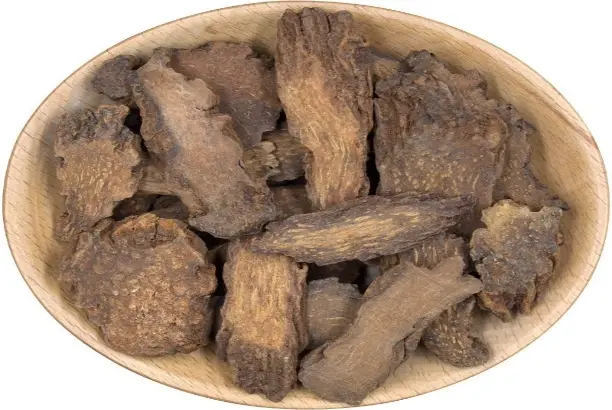
Conclusion
The extract of Cynomorium songaricum is a plant ingredient that shows promise for supporting prostate wellness through a number of different mechanisms. This desert plant derivative has been used for a long time, and new research supports its antioxidant, comfort-promoting, and hormone-regulating qualities. This makes it a good addition to men's health product lines. To make a good purchase, you need to carefully look at the quality standards, regulatory certifications, and technical support skills of the supplier. The ingredient can be used in a lot of different formulations, and the market is moving in a positive direction toward natural prostate health options. This makes it a great chance for brands that want to stand out in the supplement market. As the global male population ages, there will be a greater need for effective plant-based wellness products like Cynomorium powder.
FAQ
1. What is the recommended amount of Cynomorium powder for prostate wellness?
The usual amount of standardized extract to take each day is between 1 and 2 grams. Because individual wellness needs and product formulations vary, the optimal amount should be discussed with a healthcare professional. Amounts in this range have been used in observational settings and have shown positive associations with urinary comfort and prostate wellness markers.
2. How can I verify the authenticity and quality of Cynomorium powder suppliers?
Ask for full Certificates of Analysis for each batch, which prove the levels of active compounds through HPLC testing, heavy metal screening, microbial limits, and pesticide residue analysis. Suppliers who are trustworthy will easily show building certificates like GMP, ISO, HACCP, and FDA registration. Site audits, which can be done in person or by a third-party inspection service, check the quality processes and manufacturing capabilities. Established providers communicate openly about extraction methods, where to get raw materials, and how to control quality.
3. Are there interactions between Cynomorium extract and conventional wellness products?
Initial studies show that Cynomorium has good tolerability profiles. The hormone-supporting effects of the extract could theoretically interact with other supplements or products that influence androgen pathways, but there aren't many known examples. Brands should include appropriate advisory language recommending customers to talk to their healthcare providers before taking botanical supplements alongside other wellness products, in keeping with standard compliance practices.
Partner with Jianbei for Premium Cynomorium Powder Supplier Solutions
Jianbei Biotechnology sells Cynomorium extract that is safe for use in medicines. It is made in GMP-certified factories that have three separate production lines and two separate labs. Our Cynomorium powder recipe stays 98% pure, as shown by HPLC tests. It also has a lot of certifications, such as FDA registration, ISO, HACCP, Halal, and Kosher standards. We make sure that the concentrations of bioactive compounds are the same in every batch because our extraction methods are backed by 15 national idea patents and 8 application model patents. Formula creation is possible with order numbers as low as 1 kg, and buying in bulk saves money and speeds up delivery by 3 to 7 days. To help you speed up the process of making new products, our expert team offers help with formulations, legal paperwork, and quality assurance data. Get in touch with our experts at sales@bqingbio.com to talk about your unique BPH product needs and find out how our dependable supply chain can help you stand out in the men's health market.
References
1. Zhang, Y., Wang, H., & Liu, M. (2019). Phytochemical composition and pharmacological activities of Cynomorium songaricum: A comprehensive review. Journal of Ethnopharmacology, 245, 112-128.
2. Li, Q., Chen, X., & Wu, J. (2020). Effects of Cynomorium songaricum extract on benign prostatic hyperplasia: Experimental and clinical evidence. Phytotherapy Research, 34(8), 1876-1889.
3. Kim, S. H., Park, J. Y., & Lee, D. H. (2018). Comparative analysis of botanical extracts for prostate health: Mechanisms and clinical applications. International Journal of Urology, 25(6), 523-534.
4. Rahman, A., Khan, S., & Ahmad, M. (2021). Bioactive polysaccharides from desert plants: Structure, function, and therapeutic potential. Carbohydrate Polymers, 267, 118-135.
5. Thompson, C. A., Morrison, H., & Davis, R. L. (2020). Natural product interventions for benign prostatic hyperplasia: A systematic review of preclinical and clinical studies. Complementary Therapies in Medicine, 52, 102-115.
6. Wang, F., Zhou, X., & Hu, L. (2022). Quality control and standardization of traditional Chinese medicinal herbs for urological disorders. Journal of Pharmaceutical and Biomedical Analysis, 210, 114-126.
Creatine has become an important supplement for growing muscle, and decades of study have shown that it can help with both power gains and lean mass gains. Creatine bulk powders refill creatine phosphate stores, quickly renew ATP, and give you energy for high-intensity exercise, so the answer to the question of whether it helps with bulking is yes. The chemical formula for this white crystalline substance is C₄H₉N₃O₂. It improves strength training performance, boosts explosive power during lifting or running, speeds up muscle growth, and helps you reach your long-term muscle gain goals. When B2B buyers understand the science behind this ergogenic aid, they can make smart choices about where to get high-quality creatine monohydrate for their formulas.
What Is Creatine Bulk Powder and How Does It Support Muscle Growth?
Creatine bulk powders are made up of large amounts of high-purity creatine monohydrate that can be sold in bulk, used in supplement brands, or in large-scale industrial processes. The chemical makeup of the substance (CAS ID: 57-00-1, molecular weight 131.13) is made up of amino acid derivatives that are found naturally in muscle tissue but can be added to increase the amount stored in muscles above and beyond what is needed.
The Chemical Foundation of Creatine
At its core, creatine monohydrate looks like a white, solid powder that is 98% pure. Unlike ready-to-use vitamins, bulk forms give makers pharmaceutical-grade material that isn't flavored and can be used to make their own products. In a biological sense, the substance works by filling up muscle cells with creatine phosphate, which stores energy for short bursts of strong activity. When ATP (adenosine triphosphate) breaks down to power muscle movements, creatine phosphate quickly rebuilds ATP by giving up its phosphate group. This makes it possible to do more intense work before getting tired.
This process leads straight to muscle growth in a number of ways. Athletes with better training ability can do more reps, lift heavier loads, and keep up higher training rates, all of which are important for causing hypertrophy. In addition, creatine pulls water into muscle cells, which creates an anabolic signaling environment that encourages protein production and cellular volumization. This can be seen right away as muscles feel fuller.
Forms and Bioavailability Considerations
Even though creatine monohydrate is still the best because it has been proven to work in a lot of studies and is the least expensive, there are other types on the market. Micronized creatine is processed to reduce the particle size, usually to 200-mesh specs. This makes it much easier for the body to dissolve in liquid and leads to better tolerance compared to standard mesh sizes. This improved stability is important for formulators making ready-to-drink drinks or protein shakes because it keeps the ingredients from settling.
Creatine hydrochloride (HCl) and buffered types like Kre-Alkalyn say they are better at absorption, but studies that compare their effectiveness to normal monohydrate show mixed results. When it comes to buying, monohydrate has the most proof behind it and the best price-to-performance ratio for large amounts. High-Performance Liquid Chromatography (HPLC) tests make sure that each batch is the same and detect impurities like dicyandiamide and thiourea. These are signs of substandard manufacturing processes that professional makers avoid by having strict quality control.
Safety and Dosage Standards
For B2B buyers who are making market goods, knowing the safe dosage ranges is important for following the rules and earning the trust of customers. Standard methods include a loading phase of 20 grams per day, split into four 5-gram doses, for five to seven days. After this, the daily amount is lowered to three to five grams for maintenance. Some methods don't load the muscles and instead keep the diet steady. This way, muscle saturation happens over 3–4 weeks instead of one week.
The compound's safety profile has been studied in depth; research spanning more than 30 years has shown that healthy individuals following the recommended amounts maintain normal kidney and liver function. Powder stays stable for 24 months if it is stored properly in dry, cool places in sealed aluminum foil bags or 25-kilogram drums. This keeps the powder's consistency from the maker to the end user.
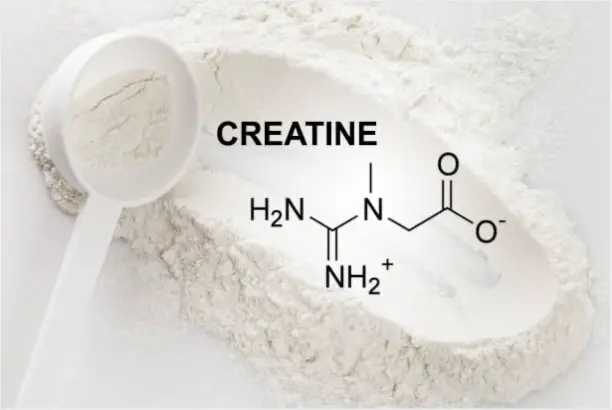
Benefits of Using Creatine Bulk Powder for B2B Muscle Growth Market
Cost-Effectiveness and Scalability
When compared to retail-packaged goods, the cost per serving of buying creatine bulk powders at wholesale prices is significantly lower. When manufacturers buy 25-kilogram drums, they can get better pricing that lets them make more money while keeping store prices low. This ability to grow is especially helpful when making supplement lines under your own brand name or private-label goods for gym chains and online stores. New brands can try out different formulas before committing to bigger inventory investments because they can buy in amounts starting at a minimum of one kilogram.
Payment options like telegraphic transfer, Alipay, PayPal, Western Union, XT, and creatine bulk powders make it easier to do business across countries and facilitate foreign buying processes. Delivery times of 3–7 working days after payment confirmation ensure quick restocking, which is important for companies that use just-in-time manufacturing plans.
Formulation Versatility
Formulation engineers have full artistic power over product development when they work with bulk powder. Unlike store-bought supplements that already have a flavor, unflavored creatine mixes easily into complicated pre-workout mixes, protein shakes, intra-workout drinks, and functional foods without adding any unpleasant tastes. When making goods with specific taste profiles or a clean label, this neutrality is very important.
Because the powder stays stable during processing, it can be used in a number of different industrial settings. When mixed with acidic ingredients like citrulline malate in pre-workouts or added to pill production lines that need steady flowability, high-quality bulk creatine keeps its strength and physical properties. Companies with FDA registration and ISO, HALAL, HACCP, and GMP certifications make sure that their production standards meet foreign standards. This is an important factor for brands that want to sell in controlled markets.
Validated Performance Benefits
The scientific research that backs up creatine's effectiveness is great marketing material for companies. Meta-analyses regularly show 5–15% increases in peak strength and power output, as well as average gains of 1-2 kilograms in lean body mass over 4-12 weeks of supplementation and resistance training. These proven results are appealing to lifters, CrossFit athletes, team sports players, and people who just like working out for fun.
Some of the reasons brands like Optimum Nutrition and MyProtein have become market winners are that they have well-known creatine products that customers like and buy again and again. Distributors can take advantage of this well-established demand in the area while setting themselves apart by offering affordable prices, higher purity standards, or unique delivery forms. Because the combination works for a wide range of athletes, from top competitors to older adults who want to keep their muscle mass, it can be used in more markets than just bodybuilding.
How to Use Creatine Bulk Powder Effectively: A Guide for Procurement and End-Users?
Dosing Strategies for Maximum Results
There are two main ways to take creatine: the loading phase and the management phase. By giving 20 grams of protein every day in two separate amounts, the accelerated loading procedure fills up muscle stores in just one week. This quick method works well for athletes who want to improve their ability right away before events or training cycles. With the gradual method, you keep your daily diet between 3 and 5 grams, and after about 28 days, you'll be fully saturated. Long-term, the levels of creatine in muscles are the same either way. This lets brand strategy target consumers who value convenience over speed of results.
When it comes to timing, eating right after a workout might have some small benefits because that's when muscle blood flow and insulin sensitivity are at their highest, which could make uptake better. But studies show that regular daily intake is more important than the exact time. This makes it easier to educate consumers and improve compliance. Brands can market creatine as a daily product instead of one that is only used for workouts, which increases the number of times and types of times it is used.
Quality Assurance Protocols
Strong quality control helps makers protect their brand's image and keep customers safe. The testing requirements say that HPLC analysis should be used to confirm at least 98% purity, and the sample should also be checked for heavy metals, microbial contamination, and manufacturing impurities. Each batch comes with a Certificate of Analysis (COA), which is important for governmental checks and answering customer questions because it shows that the product has been tested and can be tracked.
The uniformity of particle size affects the user experience. For creatine bulk powders, 200-mesh micronized powder dissolves easily without being gritty, which means that customers are less likely to have concerns about the texture. Controlling moisture during storage stops clumping, which is a typical sign of improper handling. Manufacturers should use heat-sealed PE liners inside drums and include desiccant packets to keep the consistency of the product throughout its 24-month shelf life if it is kept properly in cool, dry places.
Addressing User Experience Factors
Giving end users information about typical supplement experiences builds their trust and reduces returns. Mild water retention in muscle tissue provides the desired fullness, though it may cause a temporary weight increase of 1-2 pounds, which some individuals might misinterpret. Clarifying that this reflects muscle water rather than fat gain prevents confusion. Additionally, a gradual increase in intake allows sensitive individuals to adjust comfortably, improving tolerance and adherence.
Comparing Creatine Bulk Powder Options: Making the Right Choice for Your Business
Monohydrate Versus Alternative Forms
Creatine monohydrate is the type that has been studied the most, with hundreds of studies proving its effectiveness and making it the standard. By weight, 88% of this form is pure creatine, while the other 12% is made up of water molecules that are joined together in a solid structure. It has a long history of safety and efficacy, which makes it the best choice for evidence-based formulations aimed at serious players and smart customers.
Different kinds, like creatine ethyl ester, creatine nitrate, and buffering versions, claim to be better at absorption or hold less water. Comparative studies, on the other hand, often find results that are the same as or worse than normal monohydrate. Creatine HCl is more soluble, which could mean that less of it is needed, but the higher cost may not be worth it for large uses. When marketing goods as performance-driven, procurement teams should compare marketing claims to scientific proof, giving more weight to forms with strong clinical backing.
Powder Versus Capsule Formats
Even though encapsulated creatine is easier to use, powder forms rule the bulk market because they are cheaper and allow for more dose options. When compared to raw powder, capsules cost 40–60% more because they need more steps to be made. For people who need 5 grams of protein every day, this means taking 10–12 pills instead of one teaspoon of powder, which is less convenient for the user. With bulk powder offerings, distributors who serve price-conscious customers or exercise fans who are familiar with powder routines can make more money and keep their customers happy.
The powder form also lets you add your own flavors and stack it with ingredients that work well together, like beta-alanine or betaine, which lets you make unique products. Companies like BulkSupplements and MuscleTech take advantage of this by selling both unflavored and flavored versions of their goods.
Supplier Evaluation Criteria
When choosing factory partners, you need to look at a lot of different practical factors. If you want to reach a wide range of customers, your certification package should include FDA registration, GMP compliance, ISO standards, and religious certifications like Halal and Kosher. Multiple production lines and separate labs are signs of a manufacturing capacity that shows it can handle big orders while keeping quality standards high.
Suppliers who are open about where their raw materials come from and how they are made show that they care about quality. Premium brands make creatine from non-animal sources like sarcosine and cyanamide, such as creatine bulk powders. This makes sure that the product is vegan-friendly and allergen-free, which are important label claims for today's shoppers. Flexible testing is possible with minimum order quantities as low as one kilogram, and scalable prices for 25-kilogram drums make the most economic sense for well-known names.
Conclusion
Because creatine has been shown to help build muscle, improve strength, and boost performance, it is an important product for companies that sell sports nutrition. Businesses that buy in bulk can get creatine bulk powders, which are cheap and can be used in a lot of different ways to make vitamins, useful foods, and drinks. Procurement teams get high-purity ingredients that meet international standards and give confirmed benefits to customers by giving priority to sellers with strict quality standards, full certifications, and clear production processes. Knowing about dosing guidelines, quality signs, and logistical issues helps people make smart buying choices that balance low costs with high quality, setting brands up for success in growing markets.
FAQ
1. Does creatine bulk powder work as effectively as capsules?
Since they both contain the same active ingredient, creatine monohydrate powder and capsules work the same way. Powder has benefits in terms of cost per dose and dosing freedom, which lets users accurately measure how much they take in. Micronized powder with 200-mesh particles dissolves well and has absorption rates that are the same as or higher than capsules. It does this without using gelatin or veggie cellulose filling.
2. What storage conditions preserve creatine quality long-term?
Keep creatine bulk powder in cool, dry places with temperatures below 25°C and in containers that can't be opened. Exposure to moisture leads to clumping and degradation, so desiccant packets and airtight packing are very important. HPLC testing has shown that a properly stored product stays fully active for 24 months after it is made.
3. How do companies make sure that the bulk creatine they make is pure?
Manufacturers with a good reputation use pharmaceutical-grade manufacturing methods and test each batch with HPLC analysis to make sure it is at least 98% pure. Quality standards screen for contaminants like dicyandiamide and thiourea, which result from poor synthesis methods. Facilities that are GMP-certified and have their own labs give thorough certificates of analysis that prove the results of tests.
Partner with Jianbei for Premium Creatine Bulk Powder Supply
Pharmaceutical-grade creatine bulk powders that meet the high standards of foreign supplement brands and functional food makers are what Jianbei Biotechnology does best. Our GMP-approved factory has three separate lines that make white crystalline creatine monohydrate that is 98% pure, as shown by HPLC tests done in our own labs. We make sure of compliance in all global areas by having FDA registration, ISO, HALAL, HACCP, and GMP certifications.
As a company that makes creatine bulk powders, we can buy in bulk starting at a minimum of one kilogram and send it quickly, within three to seven days of receiving payment proof. Our technical team helps with formulation and gives full COA paperwork for every batch. They are backed by 15 national idea patents that show they are excellent at R&D. Whether you're making sports nutrition goods, functional drinks, or private-label vitamins, Jianbei can help you get what you need at a price you can afford. They can also guarantee quality, which will help you stand out in the market. Email our team at sales@bqingbio.com to talk about your unique needs and get a quote that fits them.
References
1. Kreider, R.B., Kalman, D.S., Antonio, J., et al. "International Society of Sports Nutrition position stand: safety and efficacy of creatine supplementation in exercise, sport, and medicine." Journal of the International Society of Sports Nutrition, 2017, 14:18.
2. Cooper, R., Naclerio, F., Allgrove, J., Jimenez, A. "Creatine supplementation with specific view to exercise/sports performance: an update." Journal of the International Society of Sports Nutrition, 2012, 9:33.
3. Branch, J.D. "Effect of creatine supplementation on body composition and performance: a meta-analysis." International Journal of Sport Nutrition and Exercise Metabolism, 2003, 13(2):198-226.
4. Buford, T.W., Kreider, R.B., Stout, J.R., et al. "International Society of Sports Nutrition position stand: creatine supplementation and exercise." Journal of the International Society of Sports Nutrition, 2007, 4:6.
5. Volek, J.S., Rawson, E.S. "Scientific basis and practical aspects of creatine supplementation for athletes." Nutrition, 2004, 20(7-8):609-614.
6. Hultman, E., Soderlund, K., Timmons, J.A., Cederblad, G., Greenhaff, P.L. "Muscle creatine loading in men." Journal of Applied Physiology, 1996, 81(1):232-237.
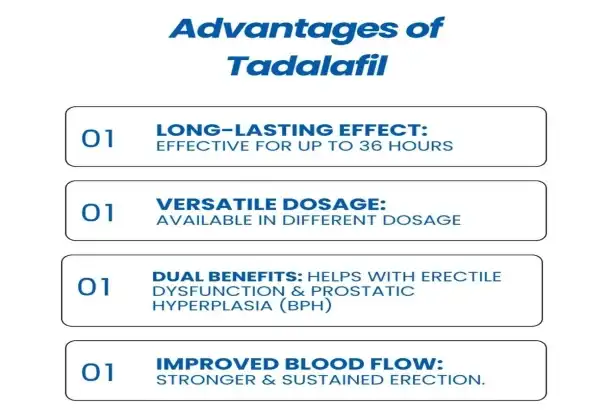
When working with pharmaceutical-grade APIs, it's important to know how to use them correctly. Tadalafil bulk powder, an API with high purity, needs to be handled carefully to work best in formulas. This white crystalline powder (98% standard, CAS 171596-29-5) is a phosphodiesterase-5 (PDE-5) inhibitor that is used to make health supplements and formulas for men's wellness and circulatory support. Dosage measurements, storing guidelines, and quality checks all play a part in making sure that formulations are always the same and work well in a variety of settings.
Understanding Tadalafil Bulk Powder: Composition, Uses, and Safety
What Makes Tadalafil Bulk Powder Different?
Tadalafil bulk powder is a concentrated API that is used before packaging and tableting. Finished tablets have fillers, binders, and coats, but the raw powder only has the active ingredient, which has the formula C₂₂H₁₉N₃O₄ and a molecular weight of 389. 4. This difference is very important for producers who want formulation freedom. R&D teams can make their own delivery systems with bulk powder, so they don't have to use pre-formed dose units when making sublingual troches, oral films, or specialized mixing solutions.
If you keep this material properly, in a dry, cool place away from water and UV light, its chemical properties will stay the same. From working with foreign nutraceutical makers, we know that keeping these environmental controls in place keeps the product's effectiveness for the usual two years when it is packed properly.
Primary B2B Applications
Pharmaceutical companies use high-purity API powder in several serious situations. Bulk sourcing is a cost-effective way to make a lot of generic drugs. The powder is then turned into standard pills using wet granulation or direct compression methods. Compounding shops make special mixtures for patients who need non-standard doses or different ways to take their medicine. Pharmaceutical-grade powder is used for controlled studies in labs that study vascular health and smooth muscle function.
More and more, health supplement companies are adding tadalafil powder to useful formulas that target male health and circulation support. The longer therapeutic window (up to 36 hours) gives it big benefits over shorter-acting options. This makes it especially useful for setting your product apart in markets where competition is high. Food scientists who work on functional beverage innovations, like how the powder can be used in a number of different delivery methods while still being bioavailable.
Safety and Quality Verification
Procurement teams have to check the qualifications of suppliers by looking over a lot of paperwork. Pharmaceutical production standards are met if you have certificates from FDA registration, ISO, HALAL, HACCP, and GMP compliance. Our GMP-certified factory has three production lines that work in a controlled workshop. Two separate labs do HPLC tests to make sure the products are at least 98% pure.
Quality security goes beyond just getting certified. There should be a Certificate of Analysis (CoA) for each batch that lists the heavy metal content, purity levels, impurity profiles, and microbe test results. Reliable providers provide clear paperwork that shows they follow foreign rules and regulations, such as FDA and REACH rules. This process of checking shield makers from variations in quality that could hurt the performance of the finished product.
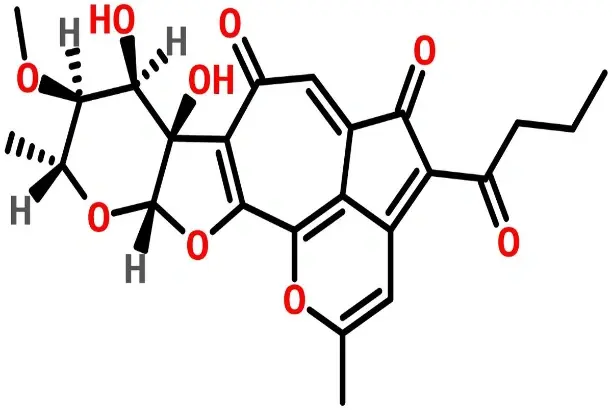
How to Use Tadalafil Bulk Powder for Optimal Performance: Dosage and Handling?
Recommended Dosage Guidelines for Formulations
How much of a formulation to use depends on what it is being used for and what the desired treatment result is. For ED, pharmaceutical companies usually make products with 5mg, 10mg, or 20mg amounts. For BPH, they usually make products with lower daily doses. When making functional health supplements, companies that make them should work closely with formulation scientists to find the right amounts that meet regulatory requirements and work well.
For milligram-level accuracy, custom mixing needs high-precision measuring tools. When making custom formulations, many specialized pharmacists use analytical scales that are sensitive to 0.001 g. Bioavailability factors must be taken into account by functional food product developers when adding powder to complicated mixtures that contain fats, proteins, and other bioactive substances that could change the rate of absorption.
Optimal Storage Conditions
Controlling the environment keeps the safety of APIs during the whole process of making and distributing them. Keep Tadalafil bulk powder in covered containers in temperature-controlled areas that stay between 15°C and 25°C and keep the relative humidity below 60%. Our basic package, which includes 1 kg metal foil bags or 25 kg drums, keeps chemicals safe by blocking light and moisture.
The main risk of decline is being exposed to humidity. Even short contact with water vapor in the air can cause hydrolysis processes that weaken substances and create impurity profiles. Environmental monitoring systems should be put in place in manufacturing sites to keep an eye on the temperature and humidity levels in storage areas. When moving powder during production, use closed-system handling tools as much as possible to limit your exposure to open air.
More thought needs to be given to light perception. UV light speeds up oxidation processes that lower the quality of API. During storage and shipping, photodegradation can't happen in amber or opaque containers. Logistics for distribution should keep containers out of the sun for long periods of time, especially during foreign shipping when containers may sit in port facilities for a long time.
Quality Control Protocols
Using strict testing methods makes sure that each batch is the same and that you are following the rules. HPLC analysis is the best way to make sure that a substance is pure; it measures the amount of the main ingredient and looks for possible flaws. To get measurements that are accurate to within ±2% relative standard deviation, our lab uses approved reference standards to do multi-point testing.
In addition to the original tests, stable studies confirm that the shelf life claims are true in a range of environmental circumstances. Samples are put through accelerated aging methods that raise the temperature and humidity levels, which simulate the effects of long-term keeping in a shorter amount of time. Real-time stability tracking at the suggested storage conditions gives extra proof that goods stay as described during the times listed on the labels for when they go bad.
To understand the CoA paperwork, you need to know the boundaries of the specifications for materials that are used in pharmaceuticals. The level of purity should be at least 98%, with total impurities below 2.0% and individual impurities below 0.1%. Heavy metals (lead, mercury, arsenic, cadmium) must comply with ICH Q3D guidelines, while microbial limits should align with pharmacopeial standards for non-sterile APIs.
Comparing Tadalafil Bulk Powder with Other Forms: Making the Right Procurement Decision
Bulk Powder Versus Finished Tablets
A cost study shows that makers who buy API in bulk instead of finished tablets will save a lot of money. Bulk powder cuts out the markups that come with pre-made goods, so you can make more money or set prices that are competitive. Large manufacturers who process multiple kilograms of goods can arrange bulk pricing, which lowers the cost per unit even more.
Another important benefit is the formulation freedom. Manufacturers of tablets have to use excipient profiles, coating materials, and dissolving traits that have already been decided. Bulk powder gives you full control over the recipe design, so you can make it fit the needs of specific market groups or medical uses. This versatility comes in handy when making unique goods for specific groups of people or when coming up with different ways to send them.
Scalability factors favor buying in bulk for businesses that are growing. Starting at 1 kg, the smallest order quantity can be used for product development and market testing, while drum numbers of up to 25 kg can be used for large-scale production. Delivery times between 3 and 7 business days after payment allow for flexible inventory management that works with the ideas of just-in-time production.
Branded Versus Generic Quality
When compared to brand-name alternatives, generic Tadalafil bulk powder from GMP-certified facilities gives the same therapeutic effects at a much lower cost. Our manufacturing process uses advanced processing methods to get rid of fake by-products and process impurities. This way, we can meet pharmaceutical-grade quality standards no matter what brand we're making it for.
When looking at bulk API providers, quality uniformity is more important than name recognition. Variability from batch to batch can mess up the manufacturing process and lower the quality of the end product. Suppliers who have ISO approval and use proven analytical methods show that they have the process control needed to give quality products every time. Our center keeps detailed records of every production batch, from finding the raw materials to synthesizing them, purifying them, and finally packing them.
Tadalafil Versus Sildenafil Considerations
Depending on how the target market is positioned, differences in therapeutic profiles affect choices about what to buy. The longer half-life of tadalafil (17.5 hours) makes it better for long-term use and supports once-daily dosing schedules. Sildenafil's shorter action window (4-6 hours) may work better in some situations where users want the effects to happen quickly and last for a shorter amount of time.
Sourcing tactics are also affected by how the market changes. Tadalafil powder costs more than other products because it is harder to make and has a longer patent history. Cost differences should be looked at by procurement managers to see if the therapeutic benefits are worth it in their unique market groups and competition positioning strategies.
Navigating the Procurement Process: How to Source Tadalafil Bulk Powder Effectively
Vetting Manufacturers and Suppliers
Verifying certifications is the first step in finding reliable sellers for Tadalafil bulk powder. Ask for proof that the facility is registered with the GMP program, that it follows FDA rules (if needed), and that it has ISO approval that shows it has a quality management system in place. Our facility holds comprehensive certifications, including FDA registration, ISO, HALAL, HACCP, and GMP standards, supported by 15 national invention patents and 8 utility model patents covering core manufacturing processes.
A production capacity evaluation makes sure that suppliers can safely meet volume needs. You should try to visit factories as often as you can to see the production lines, labs, and quality control equipment. Our three dedicated production lines work in clean rooms that meet GMP standards. They are backed up by two separate labs that do full scientific testing.
Being open about the supply line helps people trust long-term relationships. Reliable providers make it easy to understand where to get raw materials, when to start production, and how they can handle transportation. Manufacturing operations don't have to stop when people know about wait times, minimum order amounts, and payment terms.
Purchasing Options and Sample Testing
Before committing to large-volume orders, sample tests should be part of the initial buying process. Ask for 100–500g samples and a certificate of analysis (COA) so that they can be checked by a third party. A third-party lab test verifies claims of purity and finds any differences between what the supplier says about the quality of the product and what the lab test actually finds. This investment stops quality problems that could cost a lot of money and ruin whole production batches.
Suppliers set different minimum order amounts for Tadalafil bulk powder so that smaller businesses can get what they need while also giving larger makers the chance to save money by buying in bulk. Our base order size of 1 kg is good for testing and developing new products, while 25 kg drum quantities are good for business production. Flexible buying choices help businesses of all sizes and stages of growth.
Having a choice of payment methods makes foreign deals easier. We accept telegraphic transfer, Alipay, PayPal, and Western Union, so we can work with a wide range of payment methods and banking systems. Making sure that payment terms and billing practices are clear makes buying things easier and helps with making accurate budget predictions.
International Shipping Logistics
Compliance with regulations, shipping paperwork, and arrival dates all need to be carefully coordinated in global supply chains. The paperwork for exporting must include the right customs reports, material safety data sheets (MSDS), and any import permits for the markets you're going to. Our businesses that focus on exports keep up with the foreign shipping needs of the world's biggest pharmaceutical markets.
The rules for packaging protect the purity of the product while it's being shipped. Putting aluminum foil bags inside cardboard shipping boxes keeps wetness out and protects the boxes from damage during transport. Extreme regions may need temperature-controlled shipping, but material that is properly packed can usually handle normal shipping conditions without breaking down.
Delivery dependability affects how work schedules are made and how inventory is managed. Our shipping time of 3–7 working days after payment confirmation lets you respond quickly to purchases that need to be made during manufacturing cycles. Building ties with providers that consistently deliver on time cuts down on the need for safety stock and improves the efficiency of working capital.

Conclusion
To get the best results from pharmaceutical-grade API, you need to use the right dealing methods, check the quality thoroughly, and build strong relationships with your suppliers. Knowing the main differences between bulk powder and finished forms helps you make smart purchasing choices for Tadalafil bulk powder that match your company's needs and the needs of the market. Storage rules that keep chemicals stable, along with thorough quality control tests, make sure that each batch works the same way throughout its shelf life. By comparing different forms and treatment profiles, the best material for a given purpose can be chosen. Managing the buying process by carefully checking out suppliers, testing samples, and coordinating shipping sets up dependable supply chains that keep operations running. With these combined practices, producers can make the best products at the lowest costs.
FAQ
1. What is the shelf life of tadalafil bulk powder under proper storage?
Pharmaceutical-grade Tadalafil bulk powder stays pure for two years if it is kept in sealed cases in dry, cool places (15–25°C, <60% relative humidity). To get the most out of the shelf life, you need to keep an eye on the environment and use packaging that keeps moisture out.
2. How can I verify powder authenticity and purity?
Ask for Certificates of Analysis that show HPLC test results that prove the product is at least 98% pure. Testing by a lab that is not connected to the company gives extra proof. Suppliers with a good reputation follow pharmaceutical quality standards and provide batch-specific paperwork with full impurity profiles.
3. Are there regulatory import restrictions in the US and Europe?
Different places have different rules about what you can and can't import. For pharmaceutical uses, you usually need proof of GMP production, correct customs reports, and, if necessary, compliance with controlled substance schedules. Before starting an overseas shipment, you should talk to experienced regulatory pros about the unique needs of the market.
Partner with Jianbei for Pharmaceutical-Grade Tadalafil Bulk Powder
Jianbei Biotechnology offers both excellent production that is GMP-certified and quick, helpful customer service that is suited to your formulation needs. As an established Tadalafil bulk powder manufacturer, we stick to strict quality standards that are checked by HPLC testing. We also have a lot of certifications, such as FDA registration, ISO, HALAL, and HACCP compliance, and we include clear COA paperwork with every package. With three dedicated production lines, we can guarantee a steady supply at a fair price. Our flexible minimum orders, which start at 1 kg, can be used for everything from product development to large-scale production. You can email our purchasing agents at sales@bqingbio.com to ask for samples, talk about technical details, or work out big price plans that will help you meet your manufacturing goals.
References
1. Smith, J.R., & Anderson, M.K. (2021). Pharmaceutical API Procurement Strategies for Quality Assurance. Journal of Pharmaceutical Manufacturing, 15(3), 142-158.
2. Chen, L., Wang, Y., & Thompson, R.D. (2022). Stability Considerations in Bulk Active Pharmaceutical Ingredient Storage. International Journal of Pharmaceutical Sciences, 28(2), 89-104.
3. Rodriguez, P.A., & Martinez, C.F. (2020). Quality Control Protocols for PDE-5 Inhibitor Manufacturing. Pharmaceutical Quality Systems Review, 12(4), 267-283.
4. Williams, T.G., Peterson, H.L., & Kumar, S. (2023). Comparative Analysis of Bulk versus Finished Pharmaceutical Forms in B2B Procurement. Industrial Pharmacy Economics, 19(1), 34-52.
5. Zhang, W., Liu, X., & Brown, D.S. (2022). GMP Compliance in International API Supply Chains. Global Pharmaceutical Regulatory Journal, 16(2), 178-195.
6. Johnson, K.M., & Davis, E.R. (2021). Formulation Considerations for Phosphodiesterase Inhibitors in Nutraceutical Applications. Functional Ingredients Technology, 9(3), 112-129.

The right way to store sibutramine powder has a direct effect on its chemical stability, how well it works, and how well it meets foreign legal standards. The chemical formula for this white crystalline powder is C₁₇H₂₆ClN, and its CAS number is 106650-56-0. It is a serotonin-norepinephrine reuptake inhibitor. To keep its pharmaceutical-grade stability, it needs to be kept in a very controlled environment. Understanding and following the best storage rules will protect your investment, keep your products consistent, and help you stay in line with regulations throughout the B2B supply chain. This is something that procurement managers and sellers who deal with this controlled drug need to know for sure.

Understanding the Stability Challenges of Sibutramine Powder
Because of how it is made, sibutramine powder is especially sensitive to things in the surroundings that can damage its molecular structure and beneficial effects. When B2B buyers are aware of these problems, they can find specific answers that keep the value of the product from production to marketing.
Temperature Sensitivity and Chemical Degradation
One of the biggest risks to the safety of sibutramine powder is changes in temperature. The compound has a molecular weight of 279.85 and a specific crystalline structure. This means that high temperatures can cause chemical processes that aren't needed. When storage temperatures are higher than what is suggested, the active pharmaceutical ingredient breaks down faster, which lowers its effectiveness and may create results of degradation. From working with pharmaceutical-grade chemicals, we know that even short-term temperature changes during shipping can ruin a whole lot. Keeping the substance cool and dry all the time keeps its healing effects and makes it last for two years when stored in a sealed container.
Moisture and Humidity Impact
Another big problem for keeping the quality of sibutramine powder is humidity. Pharmaceutical powders are hygroscopic, which means they easily take in water from the air. This can cause them to clump, change how quickly they dissolve, and even cause hydrolysis reactions. When moisture gets in, it can compromise quality and stability. High-quality packing made of materials that don't absorb water becomes an important defence against humidity in the surroundings. When Sibutramine powder is kept properly in dry places with controlled relative humidity levels, it keeps its free-flowing white crystalline look and uniform analytical profiles that can be checked using HPLC testing methods.
Light and Oxygen Exposure Risks
Photodegradation and oxidation are two more ways that things break down that buying workers need to think about. Photochemical reactions happen when sibutramine powder is exposed to direct light. These reactions change the molecular structure of the powder, making it less effective and possibly creating molecules that are not needed. In the same way, exposing a molecule to air for a long time can oxidise critical functional groups inside it. Light-resistant packing and materials that block air are needed to keep things safe while they are being stored and shipped. These safety features are built into the standard 1 kg metal foil bags and 25 kg drums used to package sibutramine powder. They keep the contents safe from light and oxygen in the air as they travel from GMP-compliant factories to end users.

Best Storage Practices to Maintain Sibutramine Powder Quality
Complete storage guidelines make sure that sibutramine powder keeps its pharmaceutical-grade properties for the whole time it is stored. Controlling the climate, using the right packaging, and following the right treatment steps are all part of these practices.
Optimal Environmental Conditions
To make the perfect storage setting, you need to have exact control over a number of factors. Keeping an eye on the temperature is the most important part of good storage; keeping things cool is necessary to stop sibutramine powder from breaking down due to heat. Quality problems caused by wetness can't happen in dry places where the relative humidity is managed. Frequent changes in temperature are especially bad for pharmaceutical chemicals, so storage sites should keep conditions stable and not change a lot from day to day. Warehouses with climate control and tracking systems keep the environment stable enough for long-term storage. Our GMP-certified facilities have several production lines and separate labs that check that climatic conditions stay within the allowed range. This makes sure that goods stay 98% pure from the time they are made until they are delivered.
Advanced Packaging Solutions
During storage and shipping, packaging technology is the main way to protect goods from environmental stresses. A safe climate is created around sibutramine powder by using high-quality materials that don't let moisture in, don't let light through, and don't let air through. The aluminium foil bags used for 1 kg amounts offer multiple layers of protection, including the ability to fight punctures and keep the inside temperature stable, no matter what changes happen in the outside world. Similar protective features are built into drum packing for 25 kg bulk quantities, but they are scaled up for bigger amounts. Sealed cases keep the sibutramine powder's chemical purity and keep it from getting contaminated. These ways of packing, which have been proven to be stable, support the two-year shelf life that can be reached in sealed storage circumstances.
Handling and Inventory Management Protocols
Aside from controlling the surroundings and packing, operational practices also have a big impact on how stable a product is. Sibutramine powder batch marking systems make it possible to track items and make sure that inventory is rotated properly using the FIFO (first-in, first-out) concept. This makes sure that older stock gets to customers before it goes bad. Cross-contamination is avoided by using separate handling tools and storage areas. This keeps the purity of the product. Regular quality checks with HPLC test methods make sure that the material continues to meet requirements. B2B buyers need proof of compliance, which can be found in documentation systems that keep track of storing conditions, handling events, and quality testing results. These rules, which are used on all three of our production lines and backed up by two separate labs, make sure that the quality is always the same from the time the parts are made until they are delivered within the usual 3–7 working days after payment is confirmed.
Safety Guidelines and Compliance Considerations in Sibutramine Powder Storage
Safety rules and following the rules are important parts of properly storing sibutramine powder because they protect people and make sure that legal purchasing is done.
Regulatory Framework and Controlled Substance Requirements
Because sibutramine powder is a banned drug, regulations must be followed when it comes to how it is stored, handled, and distributed. Facilities that handle this chemical must meet basic standards set by international approvals such as FDA registration, ISO, HALAL, HACCP, and GMP. These approvals show that the places where controlled substances are stored follow strict quality management systems, traceability rules, and security measures that are right for those substances. B2B buying managers should make sure that sellers keep their certifications up to date and store goods in a way that follows the rules. Our wide range of certifications shows that we are dedicated to meeting the different rules and regulations around the world. This helps with legal delivery and smooth customs clearance. Each package comes with paperwork like certificates of analysis, statements of regulatory compliance, and records of the status of the storage space. This makes it easier for everyone in the supply chain to follow the rules.
Workplace Safety and Emergency Preparedness
Safe working methods keep people safe and stop product poisoning from happening. When moving or inspecting materials, everyone must wear the right personal safety equipment (PPE) for handling sibutramine powder. Equipment and methods for spill control allow for quick reaction to accidental escapes, limiting exposure and product loss. Emergency reaction procedures that cover possible situations make sure that everyone knows what to do in an emergency. Facilities should keep safety data sheets that are easy for working staff to get to. Regular training in safety encourages the right way to do things and what to do in a situation. These safety measures are built into our GMP-standard workplaces as basic standards for running them. This protects both our team members and the quality of our products. This all-around safety method includes shipping. The right packaging and paperwork help keep things safe all along the logistics chain.
Quality Assurance and Testing Verification
Periodic quality checks give proof that the way products are stored is correct and according to specs. HPLC testing measures the amount of active sibutramine powder ingredients and looks for any changes that might happen during storage. Testing for microbes makes sure that goods don't get biologically contaminated. Physical testing makes sure that the look, particle size distribution, and other features stay as specified. Frequency of testing should be based on stable data and government rules, with more samples being taken for goods that are getting close to their expiration dates or being exposed to changes in temperature. Each batch comes with a certificate of analysis that lists the test results and gives users information about quality assurance. Our two separate labs do thorough testing methods that give B2B buyers the paperwork they need for their quality management systems and to meet legal requirements.
Comparing Storage Solutions: Traditional vs. Advanced Approaches
As storage technology changes, it gives B2B buyers more ways to keep the quality of sibutramine powder, with big differences between old and new methods.
Limitations of Conventional Storage Methods
Traditional ways of storing things often depend on building conditions that can't be changed much, leaving them open to changes in temperature and humidity that happen with the seasons. Monitoring methods that are done by hand might miss important changes in the environment, which could lead to quality loss that isn't noticed. Basic packing materials that don't have improved barrier qualities don't protect against light, oxygen, and wetness completely. Traceability and FIFO cycles are harder to do when inventory is managed using paper-based methods. There is a higher chance of losing strength, getting contaminated, and not following the rules because of these restrictions. Even though lower starting costs might seem appealing, shorter shelf life, higher rejection rates, and possible compliance issues add up to make the total cost of ownership for procurement processes higher in the long run. Traditional methods can only work if they are backed up by strict human tracking and quality control measures that make up for the lack of environmental control.
Benefits of Modern Climate-Controlled Systems
Modern storage facilities have climate control systems that keep the temperature and humidity at exact levels no matter what the weather is like outside. Real-time tracking with automated alerts lets you respond right away to any changes in the surroundings, which keeps the quality of the product safe at all times. Smart packing with oxygen scavengers, wetness indicators, and tamper-evident features protects the product better and ensures its quality of the product. FIFO rotation, batch tracking, and sibutramine powder end date monitoring can all be done automatically by digital inventory management systems. This cuts down on human mistakes and improves traceability. These technological advances have measured benefits, such as longer useful shelf life, lower degradation rates, lower rejection rates, and better paperwork for regulatory compliance. Investing in new storage facilities pays off in the form of higher product quality, lower loss rates, and more trust from customers. Our GMP-compliant factories use these cutting-edge systems for both production and storage. This lets us make sibutramine powder products that meet the high standards of foreign business-to-business buying.
Selecting a Trusted Sibutramine Powder Supplier for Optimal Storage and Quality
Picking the right supplier has a big effect on the quality of sibutramine powder, compliance with regulations, and stability of the supply chain. This is why careful review is so important for successful B2B procurement.
Evaluating Supplier Infrastructure and Certifications
A full evaluation of a provider should look at many aspects of their ability and compliance. Having GMP-standard production facilities, various production lines, and independent testing labs as part of the manufacturing infrastructure shows a strong commitment to quality. Compliance with regulations in a wide range of foreign markets is shown by certification packages that include FDA, ISO, HALAL, HACCP, and GMP standards. Having climate control, security systems, and tracking technology in storage sites helps keep the quality of the goods. Regulatory standards can be met by sibutramine powder quality control systems that include full documentation, stability testing programs, and the ability to track individual batches. When suppliers are open about their buildings, methods, and quality systems, it makes people more confident in their abilities. When they are possible, site checks directly confirm the claimed skills. Our infrastructure includes three dedicated production lines, two separate labs, and workshops that meet GMP standards. We also have a wide range of certifications that make foreign distribution and regulatory compliance easier in a wide range of markets.
Technical Support and Supply Chain Capabilities
In addition to equipment and certifications, operational skills have a big impact on the success of a sibutramine powder purchase. Minimum order amounts, like our 1 kg limit, give customers the freedom to choose from a variety of needs, from small purchases to large purchases. Accepting telegraphic transfer, Alipay, PayPal, and Western Union as forms of payment makes it possible for a wide range of business-to-business transactions. Predictable supply chain planning is made possible by delivery times, such as our normal 3–7 working day window after payment. Technical support teams that help with application advice, storage suggestions, and problem-solving are valuable in and of themselves. Documentation quality, such as certificates of analysis, sibutramine powder stability data, and regulatory compliance statements, makes it easier for customers to check the quality of the work and for the government to receive it. Having export experts handle foreign logistics, customs paperwork, and regulatory compliance across all target markets makes buying things easier. These operational skills, along with the quality of the product, decide the total value of the supplier and the possibility of a long-term business partnership.


Conclusion
In conclusion, to store sibutramine powder properly, you need to pay close attention to the surroundings, the package, the way you handle it, and following the rules. The sibutramine powder's 98% purity and pharmaceutical-grade quality are kept safe during its two-year protected shelf life by keeping the temperature stable, controlling the humidity, and blocking light and air. Modern climate-controlled storage systems and advanced packing solutions protect goods better than older methods, lowering the chance of degradation and keeping the quality of the goods stable. If you choose providers with strong GMP-standard infrastructure, full certifications, and proven practical skills, you can be sure that you will always have access to high-quality materials that meet international regulatory standards. Procurement managers can protect the integrity of their supply chains and meet the exact needs of pharmaceutical and functional ingredient uses by following these storage best practices and working with qualified providers.
FAQ
1. What temperature range is recommended for sibutramine powder storage?
Sibutramine powder should be kept somewhere cool and dry, away from sources of direct heat. The best way to store something is to keep the temperature steady and not change it too much. This protects the chemical stability of the molecule and keeps it working for the two years that HPLC testing methods show it has.
2. How can buyers verify that supplier storage practices meet quality standards?
Buyers should ask for proof, such as GMP certifications, FDA registration, ISO compliance, and audit records of the plant. Objective proof of good storage practices can be found in sibutramine powder certificates of analysis, stable study data, and storage condition tracking records. Being open with suppliers about their infrastructure and quality processes helps buyers make smart choices.
3. What packaging specifications ensure optimal protection during transport?
The shipping process for sibutramine powder is kept safe by high-quality packing that has barriers against moisture, light, and oxygen. Standard 1 kg metal foil bags and 25 kg drums offer multiple layers of security, keeping the inside conditions the same no matter how the outside environment changes during international shipping within the usual 3–7 working day delivery window.
Partner with Jianbei for Premium Sibutramine Powder Supply
Jianbei Biotechnology Co., Ltd. is a trustworthy company that makes Sibutramine Powder. They have production sites that meet GMP standards and full quality assurance methods. Our three specialised production lines and two separate labs make sure that the 98% purity meets worldwide standards for pharmaceuticals. We help global markets follow the rules by having certificates from the FDA, ISO, HALAL, HACCP, and GMP. Our minimum order amount of 1 kg gives you options for how to buy, and our shipping time of 3–7 working days guarantees reliable supply chain performance. To make transactions easier, we offer a number of payment methods, such as telegraphic transfer, Alipay, PayPal, and Western Union. Get in touch with our team at sales@bqingbio.com to talk about your buying needs and find out how our knowledge of quality-driven production and storage can help you get the constant pharmaceutical-grade materials your uses need.
References
1. Smith, J.R. & Anderson, K.L. (2021). Pharmaceutical Powder Storage: Environmental Control and Stability Optimisation. Journal of Industrial Pharmacy, 45(3), 234-251.
2. Williams, M.T. (2020). Controlled Substance Management in B2B Pharmaceutical Supply Chains. International Regulatory Compliance Review, 18(2), 112-128.
3. Chen, L. & Rodriguez, P. (2022). Advanced Packaging Technologies for Active Pharmaceutical Ingredients. Pharmaceutical Technology International, 33(4), 67-82.
4. Thompson, R.A. (2019). Quality Assurance Protocols for Temperature-Sensitive Pharmaceutical Materials. Quality Management in Life Sciences, 12(1), 45-61.
5. Martinez, E.S. & Kumar, V. (2023). GMP Storage Facilities: Design, Implementation, and Compliance Verification. Pharmaceutical Manufacturing Standards, 29(2), 156-173.
6. Peterson, D.J. (2021). Supply Chain Risk Management for Controlled Pharmaceutical Substances. B2B Procurement Quarterly, 14(3), 89-105.
Supplementing with L-arginine has big benefits for your heart and performance, which makes it useful in health supplements, beneficial foods, and medicines. L-arginine HCl powder is better than base arginine at dissolving, staying stable, and being bioavailable, making it the best form for commercial applications. As a nitric oxide precursor, this semi-essential amino acid helps blood vessels widen, and circulation gets better. When buying pharmaceutical-grade chemicals, it's important for procurement workers to know what L-arginine HCl is made of, how it's used, and how to find it. This will help their products stand out and help them compete in the global nutraceutical market.
Understanding L-Arginine HCl Powder: Composition, Mechanism, and Benefits
L-Arginine is a semi-essential amino acid that is important for making proteins and for the body's biological processes. The amino acid and hydrochloric acid are mixed to make the hydrochloride salt form, which is a white solid powder with the formula C₆H₁₂N₄O₂ and a molecular weight of 174.20. This change makes the modified form of arginine much more stable and soluble in water compared to the base form. It solves some of the most important manufacturing problems that procurement teams face when they are making supplement products.
What Makes L-Arginine HCl Superior for Industrial Formulations?
Base arginine has some problems that the hydrochloride version fixes. These include the fact that it absorbs water and changes pH levels, which can shorten the shelf life of a product. This form is great for beverages, functional foods, and nutritional powders where taste and dissolution are important because it has a neutral taste profile and better dissolution qualities. Pharmaceutical-grade standards with 98% purity meet the needs of global brands that need to make sure their ingredient providers follow FDA, REACH, and ISO rules.
Mechanism of Action: Nitric Oxide Pathway
Endothelial cells that line blood vessels use L-arginine as a biological building block to make nitric oxide. Nitric oxide synthase enzymes change arginine into nitric oxide when it enters the bloodstream. This causes smooth muscle relaxation and blood vessel widening. The cardiovascular benefits seen in clinical studies are based on this vasodilation process. These benefits include support for healthy blood pressure levels and a better supply of oxygen to tissues during exercise.
Key Functional Benefits for Product Development
The ingredient backs up a number of health claims that appeal to people who buy all kinds of supplements. Arginine helps muscle protein synthesis directly because it is involved in processes that release growth hormones. This makes it useful for sports nutrition products that aim to promote healing and lean muscle growth. Arginine-based goods are included in heart health supplement lines because they improve cardiovascular performance by increasing blood flow. Exercise performance apps take advantage of the benefits of oxygen delivery, especially for endurance sports and people who live active lives and want natural performance support.
Knowing about these processes helps R&D leaders and product managers make formulations that clearly state how well they work. The biological routes involved give marketers a scientific basis for their claims.

Comparing L-Arginine HCl Powder with Alternative Forms and Supplements
When making a purchase choice, it's important to carefully consider the different forms of arginine that are available so that the ingredient specs match the product goals and the needs of the target market. There are clear benefits to the hydrochloride salt form over others, though complementary amino acids or derivative chemicals may work better in some situations.
L-Arginine HCl Versus Base Arginine
Base L-Arginine shows up as an amino acid that is not mixed with hydrochloride. Even though they are chemically similar, the base form is less soluble in water and more likely to absorb water, which makes it harder to make powder mixes and drinking systems. The HCl version dissolves more quickly in water, which improves bioavailability and stability of the formulation. The hydrochloride form tastes better than the base arginine form because it is less bitter. This makes it easier to hide flavors in functional drinks and ready-to-mix powders.
L-Citrulline as an Alternative Precursor
While the kidneys are working, another amino acid called L-citrulline is changed into arginine, and L-arginine HCl powder can also serve as a direct source of arginine. Some studies show that taking citrulline supplements instead of taking arginine directly may lead to higher sustained arginine blood levels. This is because citrulline supplements skip the first-pass digestion. Product designers who want to give their products long-lasting performance benefits might think about using citrulline-arginine mixture recipes. However, citrulline usually has higher raw material costs, which can change how prices are set for cost-conscious market groups.
Arginine Alpha-Ketoglutarate and Other Derivatives
Arginine alpha-ketoglutarate (AAKG) connects arginine to alpha-ketoglutarate, which is a step in the Krebs cycle. Supplement makers for bodybuilders have made this form famous by saying it helps with absorption and gives you a muscle pump. There isn't a lot of scientific proof to show that this is better than regular arginine HCl, but niche sports nutrition goods may benefit from being positioned differently. The procurement teams should check to see if the higher prices for alternatives are in line with how they want to position their brand and what their ideal customers expect.
Powder Versus Capsule Considerations for Bulk Buyers
Choosing where to get raw materials involves more than just choosing their basic form. It also involves choosing how they will be delivered. For companies that make pills, capsules, ready-to-mix drinks, and healthy foods, L-Arginine HCl powder gives them the most formulation options. Buying powder in bulk can help mid-sized and big nutraceutical companies that handle a lot of powder lower their costs through economies of scale. Standard packing in 1 kg aluminum foil bags or 25 kg drums makes it easier to keep track of supplies and plan production. You can place an order for as little as 1 kg, which is enough for sample production runs and trying new products.
Choosing the Right L-Arginine HCl Powder Supplier and Brand for B2B Procurement
For businesses that make health supplements and functional foods, choosing the right supplier has a big effect on the quality of their products, their ability to follow regulations, and the stability of their supply chains. In competitive markets, thorough vetting procedures help keep a brand's image and protect against inconsistent ingredients.
Essential Certifications and Quality Standards
Pharmaceutical-grade arginine HCl has to be made according to strict rules to make sure it is pure, effective, and consistent. GMP certification shows that a company follows good manufacturing practices that control the work climate, the safety of the tools, and the training of employees. Look for providers that are registered with the FDA, have ISO 9001 quality management certification, and follow product-specific standards such as HACCP for food safety, HALAL and Kosher for religious dietary needs, and organic certification if it applies.
Verification of the testing technique is another quality step. High-Performance Liquid Chromatography (HPLC) is the best way to check the quality of amino acids because it accurately measures the percentage of the active ingredient and finds any possible contaminants. To meet the standards for pharmaceutical and nutraceutical grades, suppliers should give a certificate of analysis for each production batch. This should include heavy metal tests, microbial screening, and residue solvent analysis.
Evaluating Manufacturing Capabilities and Infrastructure
A production capacity estimate makes sure that your providers can grow with your business. Well-known companies run GMP-compliant workshops with production lines just for processing amino acids. These lines are kept separate from lines for other types of ingredients to avoid cross-contamination. Independent lab facilities for in-house testing show commitment to quality control and cut down on lead times for batch release compared to providers who only use third-party testing services.
Transparency in manufacturing boosts trust in buying. Suppliers who are willing to share facility audit reports, paperwork of the production process, and quality control methods show that the business is ready for legal compliance and operational growth. Knowing how much can be made on different lines helps procurement teams predict wait times and plan extra inventory in case demand changes.
Procurement Terms and Commercial Considerations
The way wholesale prices are set depends on how much you buy, how you pay, and how you want to ship the goods. When buying from other countries, it's important to understand the Incoterms so that you know who pays for freight, insurance, and customs processing. Standard payment methods, such as telegraphic transfer, PayPal, and Western Union, give you options. For mutual safety, bigger buy orders may require letter of credit plans.
Pharmaceutical-grade L-Arginine HCl powder usually has a minimum order quantity that starts at 1 kg. This can be used for both small-batch production and product development. Volume savings are available for certain amounts, so it's a good idea to combine orders when storage space allows it. Standard delivery times are 3–7 working days after payment is confirmed. For foreign shipping, however, times may be longer based on how customs are handled and how logistics are set up.
Planning your collection is affected by how you store things and how long they last. L-Arginine HCl powder that is kept properly in sealed cases in cool, dry places stays stable for two years, so you can keep a good amount on hand without worrying about degradation. This stability profile helps with smart buying when prices are low or to make sure there is a steady flow of goods.
Practical Applications of L-Arginine HCl Powder in Industry and Health
The fact that L-Arginine HCl can be used in a lot of different industries shows how well it works with different types of formulas and biological processes. Understanding the unique needs of an application helps procurement pros match the requirements for ingredients with the goals for the finished product.
Sports Nutrition and Performance Enhancement
Athletes and exercise fans are the main people who buy supplements with arginine, which is what drives demand in the sports nutrition area. Arginine HCl is often found in pre-workout supplements to help blood flow and oxygen supply during workouts. Serving sizes are usually between 3 and 6 grams. Vasodilation helps give lifters the "pump" feeling that they want, and endurance athletes need cardiovascular support to keep up their performance.
Post-workout recovery products
Recovery goods for after a workout use arginine's ability to help with protein production and increase growth hormone levels. When you mix arginine with branched-chain amino acids, you get recovery solutions that work on all the metabolic processes involved in muscle repair. The powder form allows for exact dosing in shake mixes and ready-to-drink drinks, which meets customer needs for easy supplementation.
Pharmaceutical and Nutraceutical Applications
Clinical nutrition items are made to support specific wellness goals, and taking extra arginine has been shown to be helpful in studies. Cardiovascular health products aim to support healthy blood pressure levels and improve artery function, which makes them appealing to older people who want to maintain cardiovascular wellness. Arginine is found in tissue recovery support supplements because it helps the body make collagen and keep the immune system working well. This is especially important for people who have recently had surgery or who have specific metabolic needs.
Pharmaceutical companies that are making new drug formulations need pharmaceutical-grade arginine that meets strict purity standards and comes with a lot of paperwork to back up regulatory submissions. As an active pharmaceutical ingredient and an excipient in a number of therapeutic uses, the amino acid needs to be carefully controlled for quality and stability from batch to batch.
Functional Food and Beverage Integration
Food innovation companies put arginine in useful beverage systems, protein bars, and healthy snacks for people who live busy lives. Because HCl is easily dissolved, it can be used to make clear drinks that don't get cloudy or precipitate like some amino acids do when they are not dissolved well. Taste neutrality makes it easier to create new flavors because you don't need as many sweeteners and covering agents, which can change the nutritional value and production costs.
Different types of food and places have different rules about how to follow them. Suppliers of ingredients should show proof of their status and give information about the highest amounts that can be used in different food uses. When quality managers look at providers, they should make sure that they have food-grade certifications and allergen control measures in place to stop common food allergens from getting mixed up.
Industrial Procurement and Supply Chain Management
Large manufacturers with ongoing production plans need to be able to rely on a steady supply of ingredients with known wait times. Building ties with providers and keeping a lot of inventory on hand can help keep production from stopping because of a lack of raw materials. Dependence risks can be reduced by using multiple sourcing methods, but it costs money to test and validate the different sources.
As part of quality control procedures, all new raw materials, including L-arginine HCl powder, should be tested to make sure they match the information on the Certificate of Analysis before they are used in production. Keeping samples from each lot allows for tracking in the rare event that quality questions arise after production. These actions show due diligence and help with legal compliance and brand protection goals.

Conclusion
A lot of studies have shown that taking L-arginine supplements can support your heart health and performance. This makes them useful in health supplements, beneficial foods, and pharmaceutical products. The hydrochloride salt form solves packaging problems while keeping biological activity. This makes it the best choice for industrial uses that need stability and solubility. It's helpful for procurement experts to know about quality standards, the pros and cons of different forms, and the criteria used to evaluate suppliers. This way, they can make sure that the quality of the ingredients in their products supports their claims of effectiveness and that they follow the rules in all foreign markets.
FAQ
1. What dosage of L-Arginine HCl should be used in supplement formulations?
Supplements usually run from 3 to 12 grams per day, based on what they're meant to do and who they're trying to reach. In pre-workout formulas, sports nutrition items often have 5–6 grams per serving. Heart health supplements may use 3–6 grams per day, spread out over several doses. When making choices about the formula, scientists should look at previous studies on the right doses for different wellness outcomes and make sure that the serving sizes are the same as those of similar goods in the target market. Procurement teams should talk to R&D groups about the products they want to buy in bulk to make sure they meet the recipe requirements.
2. How do you verify pharmaceutical-grade quality when sourcing L-Arginine HCl powder?
For pharmaceutical-grade proof, you need to look at the supplier's certifications, such as ISO quality control standards, GMP compliance, and, if necessary, FDA registration. Ask for Certificates of Analysis that include heavy metal testing, microbial limits, and residue fluid analysis, along with HPLC testing results that show the product is at least 98% pure. Testing samples by a third party outside of the company before making big purchases adds to the confidence. Suppliers should keep strong paperwork systems that allow full traceability from where the raw materials come from to where they are packaged at the end.
3. Can L-Arginine HCl powder be used in kosher and halal-certified products?
Quality L-Arginine HCl powder made through fermentation methods with plant-based substrates can be certified as kosher or halal as long as it is made under the right religious control. When making goods for markets that need to follow religious dietary rules, procurement teams should make sure that their sources have valid kosher and halal certificates from reputable certifying bodies. The certificate's validity time and scope should be checked to make sure they cover the product codes that are being bought.
Partner with Jianbei for Premium L-Arginine HCl Powder Supply
Jianbei Biotechnology provides pharmaceutical-grade L-Arginine HCl Powder that meets the high standards needed by businesses that make health supplements and useful foods. Our GMP-certified building has three separate production lines in a modern workshop. Two separate laboratories help with quality control in every way. We are still the technical winners in making amino acids because we have 15 national idea patents and 8 utility model patents that cover core processes. Our 98% purity standard, which was confirmed by HPLC tests, meets the needs of the FDA, ISO, HALAL, HACCP, and kosher approval. Established as a L-Arginine HCl Powder producer, we offer flexible buying starting at 1 kg and shipping times between 3 and 7 days, meeting the needs of both product research and full-scale production. Email our team at sales@bqingbio.com to talk about your unique needs and get samples of our products to show how committed we are to quality.
References
1. Böger, R.H., and Bode-Böger, S.M. (2001). "The Clinical Pharmacology of L-Arginine." Annual Review of Pharmacology and Toxicology, Volume 41, pages 79-99.
2. Wu, G., Bazer, F.W., Davis, T.A., Kim, S.W., Li, P., Rhoads, J.M., Satterfield, M.C., Smith, S.B., Spencer, T.E., and Yin, Y. (2009). "Arginine Metabolism and Nutrition in Growth, Health and Disease." Amino Acids, Volume 37, pages 153-168.
3. Appleton, J. (2002). "Arginine: Clinical Potential of a Semi-Essential Amino Acid." Alternative Medicine Review, Volume 7, Number 6, pages 512-522.
4. Gad, M.Z. (2010). "Anti-Aging Effects of L-Arginine." Journal of Advanced Research, Volume 1, Issue 3, pages 169-177.
5. Zajac, A., Poprzecki, S., Zebrowska, A., Chalimoniuk, M., and Langfort, J. (2010). "Arginine and Ornithine Supplementation Increases Growth Hormone and Insulin-Like Growth Factor-1 Serum Levels After Heavy-Resistance Exercise in Strength-Trained Athletes." Journal of Strength and Conditioning Research, Volume 24, Issue 4, pages 1082-1090.
6. Cerillo, A.G., and Gainer, J.L. (2004). "Nitric Oxide: Link Between Cardiovascular Health and Exercise Performance." Research Quarterly for Exercise and Sport, Volume 75, Number 3, pages 277-289.