- English
- French
- German
- Portuguese
- Spanish
- Russian
- Japanese
- Korean
- Arabic
- Greek
- German
- Turkish
- Italian
- Danish
- Romanian
- Indonesian
- Czech
- Afrikaans
- Swedish
- Polish
- Basque
- Catalan
- Esperanto
- Hindi
- Lao
- Albanian
- Amharic
- Armenian
- Azerbaijani
- Belarusian
- Bengali
- Bosnian
- Bulgarian
- Cebuano
- Chichewa
- Corsican
- Croatian
- Dutch
- Estonian
- Filipino
- Finnish
- Frisian
- Galician
- Georgian
- Gujarati
- Haitian
- Hausa
- Hawaiian
- Hebrew
- Hmong
- Hungarian
- Icelandic
- Igbo
- Javanese
- Kannada
- Kazakh
- Khmer
- Kurdish
- Kyrgyz
- Latin
- Latvian
- Lithuanian
- Luxembou..
- Macedonian
- Malagasy
- Malay
- Malayalam
- Maltese
- Maori
- Marathi
- Mongolian
- Burmese
- Nepali
- Norwegian
- Pashto
- Persian
- Punjabi
- Serbian
- Sesotho
- Sinhala
- Slovak
- Slovenian
- Somali
- Samoan
- Scots Gaelic
- Shona
- Sindhi
- Sundanese
- Swahili
- Tajik
- Tamil
- Telugu
- Thai
- Ukrainian
- Urdu
- Uzbek
- Vietnamese
- Welsh
- Xhosa
- Yiddish
- Yoruba
- Zulu
L-Glutathione powder can be used in several ways, based on the needs of your business. For vitamin products, the usual daily dose by mouth is between 250 mg and 1000 mg, either dissolved in water or mixed into capsules. In cosmetics, amounts of 0.5% to 2.0% are mixed into serums or creams. They are often combined with stabilizing agents like vitamin C or put inside liposomal carriers to keep them from oxidizing. At 10–50 ppm amounts, the powder is used in industrial food as a dough conditioner or preservative.ive. To dissolve properly, the pH level needs to be normal to slightly acidic, and all recipes should be used right away for best performance and antioxidant activity.
Understanding L-Glutathione Powder and Its Benefits
Chemical Nature and Active Forms
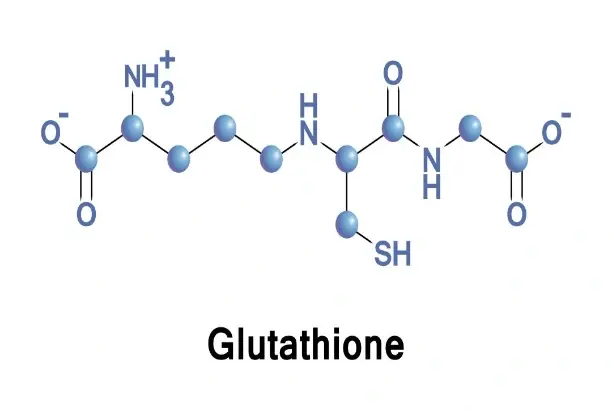
Chemically known as γ-glutamyl-cysteinyl-glycine with the formula C₁₀H₁₇N₃O₆S and CAS number 70-18-8, L-Glutathione Powder is the biologically active tripeptide form. A free thiol group (-SH) on the cysteine site gives the molecule its function. This group directly neutralizes reactive oxygen species. This sets it apart from oxidized glutathione (GSSG), which can't donate electrons, which is needed for antioxidants to work. High-purity standards of 98% make sure that cellular defense works the same way in both medicine and cosmetic uses.
At pharmaceutical grade, the powder's white, solid look shows that it doesn't break down due to oxidation. Our enzyme fermentation process with Saccharomyces cerevisiae gives better enantiomeric purity than older chemical synthesis methods. This meets the needs of clean-label requirements and avoids animal-derived contaminants. This way of making things directly helps keep the formula stable in complicated settings where changes in pH and heat stress can affect ingredients.
Scientifically Validated Health and Skin Benefits
L-Glutathione powder is known to play a part in the liver's natural cleansing processes, where it interacts with various compounds to support the body's balance. The compound's ability to support antioxidants like vitamins C and E works with them to make a stronger network of cell defenses. Research shows that it works to help maintain balanced oxidative stress levels, which is important for wellness supplements that aim to support the immune system and help athletes recover.
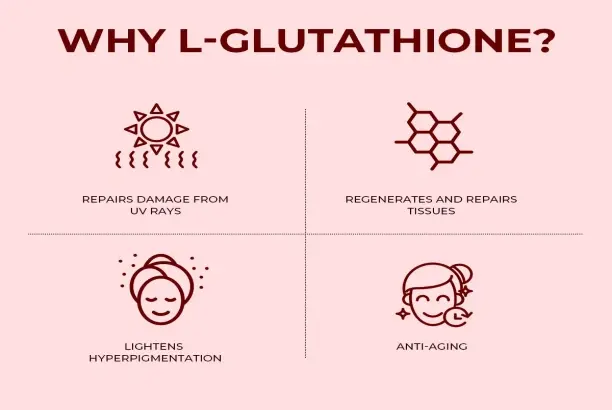
The tyrosinase-blocking process of L-glutathione powder is used in dermatology to influence the production of melanin toward lighter pheomelanin. Skin-brightening claims in high-end makeup lines are based on this biological action. The antioxidants also help protect against environmental free radical damage, which addresses concerns related to skin aging. Formulation scientists like that it has two effects: preventive antioxidant support and even-toned outcomes. This makes it useful for anti-aging and brightening routines.
Safety Profile and Application Guidelines
Established evidence from a lot of clinical use shows that the ingredient is well-suited for use at the suggested dose levels. Standard oral supplementation methods use 250 to 500 mg daily for maintenance support and up to 1000 mg for intensive support. In dermatological products, concentrations between 0.5 and 2.0% work well and are gentle on the skin. Higher concentrations, on the other hand, need careful stability testing.
It is important for product makers to know how the ingredient, L-Glutathione powder, reacts with water and pH. The best range for stability is between pH 4.0 and 7.0. In alkaline settings, degradation speeds up. Controlling the temperature during processing helps maintain activity; too much heat above 50°C can cause unwanted changes. These factors help with formulating and setting quality control rules during production. Obtaining FDA registration, ISO, HALAL, HACCP, and GMP standards, and following them makes sure that rules are the same in all foreign markets.
Proper Methods for Using L-Glutathione Powder
Dosage Recommendations Across Industries
Nutraceutical uses usually have between 250 mg and 1000 mg per dose, and liposomal or acetylated delivery methods help the body absorb the ingredient better. Enteric-coated pills help protect the active ingredient during stomach passage, making sure it gets to the right places in the intestines to be absorbed. When making specs, crushing forces during tableting must be taken into account. Higher purity grades stay intact under mechanical stress.
Cosmetic formulas work in a smaller range of concentrations. Brightening serums usually have active ingredients that are 1% to 2%, while upkeep creams usually have 0.5%% to 1%. The dose is directly related to how often L-Glutathione powder is used—once a day in the evening for targeted treatments and twice a day for protective ones. Scientists who make products have to weigh how well they work against how stable the recipe is, especially in water-based solutions that can change in appearance due to oxidation.
Functional values between 10 and 50 parts per million are used in food and drink applications. In addition to providing antioxidant support in fruit juices and processed meats, the compound enhances the taste profile by making it smoother and more flavorful while also allowing for lower salt content. The dosage estimate takes into account the temperature of processing and the desired shelf life. This makes sure that the product's activity is maintained throughout its intended use.
Preparation and Dissolution Techniques
Picking the right liquid is the first step in proper dissolving. The best medium is distilled or deionized water, which doesn't have any minerals that could accelerate unwanted reactions. The powder dissolves easily at room temperature when stirred gently. Slightly acidic conditions (pH 5.5–6.5) speed up the process while keeping the powder stable. Avoid strong shaking that brings in oxygen from the air.
Bioactivity is maintained when the temperature is controlled during preparation. At room temperature, dissolution avoids heat-related breakdown and keeps the right level of solubility. When cosmetic formulators add the powder to oil-in-water emulsions, they do so during the cool-down process. This avoids exposing the powder to heat during emulsification. This order helps prevent premature oxidation and maintains the white color that indicates reduced L-glutathione powder.
Buffer systems make formulations last longer. During long-term keeping, citric acid or phosphate buffers keep pH levels in the right range. Antioxidant synergists, such as ascorbic acid or alpha-tocopherol, create supportive conditions. However, compatibility testing makes sure that these mixes don't interfere with the main activity. Microencapsulation technologies provide improved protection, which is especially useful for demanding applications that require alkaline or high-temperature processing conditions.
Storage and Handling Best Practices
Pharmaceutical-grade L-Glutathione powder needs to be kept in a controlled environment. The longest shelf life is in cool, dry places between 2°C and 8°C. However, sealed packages kept away from light and moisture can be stored at room temperature. Our aluminum foil packing (1 kg bags) and fiber drums (25 kg) keep dampness out, which is important for keeping the 2-year shelf life when sealed.
Exposure to light speeds up oxidative breakdown. Photosensitive molecules are protected from UV rays by opaque or amber containers. During mass storage, nitrogen blanketing displaces oxygen, which further reduces the chance of oxidation. To make sure that all production runs maintain consistent strength, containers should be resealed right away after being opened and used within certain time frames.
HPLC testing verifies the purity requirements and identifies oxidative breakdown products of L-Glutathione Powder as a quality check. Supplier uniformity is confirmed by regular tests at the receiving end and throughout storage. Recording the storage conditions helps with meeting regulatory and tracking needs. This is especially important for pharmaceutical and cosmetic uses that have to meet strict quality standards.
Comparing L-Glutathione Powder with Alternative Forms and Brands
Powder Versus Encapsulated Forms
For industrial manufacturing, bulk L-glutathione powder has clear benefits, especially when it comes to cost-effectiveness at scale. When compared to pre-encapsulated forms, procurement managers can get lower prices per gram while still having the freedom to change the formulation to best suit different applications. Custom doses and blend ratios are possible with powders that you can't do with fixed-dose pills. This helps with strategies for product differentiation.
Different delivery methods have different bioavailability considerations. Liposomal encapsulation improves uptake by protecting the molecule during stomach passage, but this benefit comes at a higher cost for production. Acetylated variants allow for easier passage across cell membranes, but they need more steps to be processed. Using these technologies in powder recipes during in-house encapsulation helps keep costs low while also improving performance, which is a big plus for companies that control their supply lines.
Tablets and capsules work well for consumer-facing goods, but they add excipient factors that influence how quickly the ingredient dissolves and is absorbed. When formulators buy powder in bulk, they can choose ingredients that work well together to improve bioavailability while keeping the active ingredients clear. This control is very important when trying to support product claims that need consistent dosing and predictable performance.
Evaluating Source Quality and Purity
When it comes to purity, fermentation-derived L-Glutathione Powder offers advantages over manufactured chemical production. The enzymatic method creates the L-isomer naturally, without any racemic mixes, so there is no need for chiral separation. This specificity is important for regulatory compliance and effectiveness—biological systems prefer L-forms, so enantiomeric purity is a way to tell which sources are the best.
Analytical testing confirms that the specifications were followed. HPLC testing measures the amount of active ingredient and checks for oxidized L-glutathione powder levels, which is a quality sign that shows how the substance was stored and handled in the past. Heavy metal screening for lead, mercury, cadmium, and arsenic makes sure that safety standards for pharmaceuticals are met. Microbial testing confirms that the production process is clean, which is especially important for use in sterile settings.
Certification profiles show which providers are trusted and which ones aren't. As a result of FDA registration, inspections of the production site and process validations are confirmed. Systematic quality controls are shown by ISO standards, especially ISO 9001 for quality management and ISO 22000 for food safety. Obtaining HALAL and kosher certifications opens up more markets and demonstrates attention to production standards. GMP compliance is still a must for pharmaceutical-grade materials, including L-Glutathione powder. These standards are met by all three of our production lines and separate labs.
Conclusion
Effective utilization of L-Glutathione Powder requires a comprehensivea comprehensive understanding spanning formulation science, procurement strategy, and quality assurance. The material's biochemical properties deliver tangible benefits across nutraceutical, cosmetic, and food applications, though realizing these benefits demands attention to dosing, preparation, and stability management. Procurement professionals navigating global supply chains benefit from systematic supplier evaluation emphasizing certifications, analytical verification, and technical support capabilities. Strategic sourcing balances cost efficiency with quality assurance, recognizing that pharmaceutical-grade standards protect both product performance and regulatory compliance. The practical guidance throughout this resource equips buyers to make informed decisions, optimize formulations, and establish supplier partnerships supporting long-term business objectives in competitive international markets.
FAQ
1. How should L-Glutathione powder be stored to maintain maximum potency?
The powder should be kept in a cool, dry place between 2°C and 8°C to keep it fresh, but sealed packages at room temperature (below 25°C) are also fine. Use opaque or amber containers to protect from light, and reseal the containers right away after use to keep air out. The material stays the same for two years if it is stored properly and tightly sealed. To maintain consistent activity, use within six months for pharmaceutical uses or twelve months for cosmetic formulations after opening.
2. What kinds of checks are there to make sure the source is genuine and the product is pure?
Ask for up-to-date Certificates of Analysis that show HPLC test results confirming at least 98% purity. Check the supplier's credentials, such as GMP, ISO, FDA registration, and certifications specific to the application (HALAL, Kosher for food or supplement use). Verify samples you receive for heavy metals, microbial purity, and oxidized L-glutathione powder levels through an independent third party. Review customer references from well-known brands in your field, and consider facility audits for long-term supplier relationships that require large-volume commitments.
3. Can L-Glutathione powder be used reliably in professional formulas over time?
Long-term use within the suggested concentration levels is supported by clinical data in food, cosmetics, and nutraceuticals. When added according to set formulation guidelines, pharmaceutical-grade materials that meet international quality standards have strong reliability profiles. Stability testing is done on a product throughout its entire shelf life to make sure that it maintains activity and doesn't form any unwanted breakdown products. When you buy from approved sellers with strong quality control systems, you can be confident that long-term professional use is backed by regulatory compliance documentation such as stability studies.
Partner with Jianbei for Premium L-Glutathione Powder Supply
When you buy reduced L-Glutathione Powder from Jianbei Biotechnology, it is made in our GMP-certified facilities, which have three production lines and two separate labs. Our 98% purity standard, which was proven by HPLC testing, meets the strict needs of supplement makers, makeup formulators, and drug companies all over the world. We keep a lot of certificates, like FDA registration, ISO, HALAL, HACCP, and GMP standards, to make sure we follow all the rules in all the places around the world.
We have been a seller of L-Glutathione Powder for a long time, and we can accommodate orders starting at 1 kg and send them quickly (3–7 days). Our experienced research and development team can help you improve your formulations with expert advice, and our large inventory will keep your production plans on track. International procurement processes can be accommodated by several payment methods, such as wire transfer, Alipay, PayPal, and Western Union. Email our sales team at sales@bqingbio.com to get samples, talk about bulk prices for your unique needs, or get access to our technical documentation to help with your product development.
References
1. Wu, G., Fang, Y. Z., Yang, S., Lupton, J. R., & Turner, N. D. (2004). "Glutathione metabolism and its health implications." Journal of Nutrition, 134(3), 489-492.
2. Weschawalit, S., Thongthip, S., Phutrakool, P., & Asawanonda, P. (2017). "Glutathione and its antiaging and antimelanogenic effects." Clinical, Cosmetic and Investigational Dermatology, 10, 147-153.
3. Richman, P. G., & Meister, A. (1975). "Regulation of gamma-glutamyl-cysteine synthetase by nonallosteric feedback inhibition by glutathione." Journal of Biological Chemistry, 250(4), 1422-1426.
4. Lomaestro, B. M., & Malone, M. (1995). "Glutathione in health and disease: pharmacotherapeutic issues." Annals of Pharmacotherapy, 29(12), 1263-1273.
5. Sinha, R., Sinha, I., Calcagnotto, A., Trushin, N., Haley, J. S., Schell, T. D., & Richie, J. P. (2018). "Oral supplementation with liposomal glutathione elevates body stores of glutathione and markers of immune function." European Journal of Clinical Nutrition, 72(1), 105-111.
6. Arjinpathana, N., & Asawanonda, P. (2012). "Glutathione as an oral whitening agent: a randomized, double-blind, placebo-controlled study." Journal of Dermatological Treatment, 23(2), 97-102.