- English
- French
- German
- Portuguese
- Spanish
- Russian
- Japanese
- Korean
- Arabic
- Greek
- German
- Turkish
- Italian
- Danish
- Romanian
- Indonesian
- Czech
- Afrikaans
- Swedish
- Polish
- Basque
- Catalan
- Esperanto
- Hindi
- Lao
- Albanian
- Amharic
- Armenian
- Azerbaijani
- Belarusian
- Bengali
- Bosnian
- Bulgarian
- Cebuano
- Chichewa
- Corsican
- Croatian
- Dutch
- Estonian
- Filipino
- Finnish
- Frisian
- Galician
- Georgian
- Gujarati
- Haitian
- Hausa
- Hawaiian
- Hebrew
- Hmong
- Hungarian
- Icelandic
- Igbo
- Javanese
- Kannada
- Kazakh
- Khmer
- Kurdish
- Kyrgyz
- Latin
- Latvian
- Lithuanian
- Luxembou..
- Macedonian
- Malagasy
- Malay
- Malayalam
- Maltese
- Maori
- Marathi
- Mongolian
- Burmese
- Nepali
- Norwegian
- Pashto
- Persian
- Punjabi
- Serbian
- Sesotho
- Sinhala
- Slovak
- Slovenian
- Somali
- Samoan
- Scots Gaelic
- Shona
- Sindhi
- Sundanese
- Swahili
- Tajik
- Tamil
- Telugu
- Thai
- Ukrainian
- Urdu
- Uzbek
- Vietnamese
- Welsh
- Xhosa
- Yiddish
- Yoruba
- Zulu
High-purity lidocaine powder is a basic medicinal raw material that has many uses in the medical, industrial, and research fields. This substance is a crystalline local anesthetic that is 98–99.9% pure. It allows exact formulation control in skin numbing products, injectable solutions, and specialized medical devices. Pain management products are made with it by pharmaceutical companies, and research labs use its standard composition for analytical tests and drug development processes. Procurement experts can choose the right suppliers who meet strict quality and compliance standards when they understand these uses.
Understanding 99.9% Pure Lidocaine Powder: Properties and Mechanism of Action
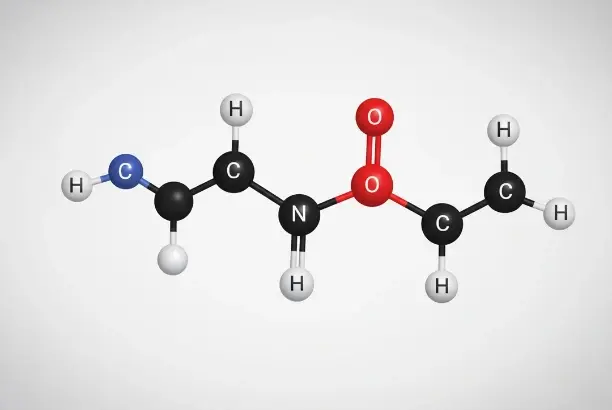
A local anesthetic of the amide type has been known for a long time to work quickly and well with lidocaine powder. Its formula is C₁H₂N₂O, and its molecular weight is 234.34. It looks like a soft, light yellow to white powder. The 137-58-6 service number makes sure that supply chains all over the world keep good records. Powder that is made for pharmaceutical use needs to be at least 98% pure, but for many medical uses, it needs to be 99.9% pure to get the best impurity profiles and make treatment more reliable.
How Does Lidocaine Block Pain Signals?
Blocking voltage-gated sodium channels in the membranes of neurons is what makes them numb. The molecules of lidocaine powder link to these channels from the inside of cells when they are put on or near nerve tissues. In order for action potentials to spread, sodium ions need to be able to move around. This blockage stops pain signals from reaching the brain and spinal cord. This makes a part of the body numb without altering the person's awareness. Once the drug is gone, nerve activity can go back to normal because this bond can be broken down or spread out.
Purity Advantages in Medical Applications
When there is more quality, there are better treatment results and more stable formulas. A product that is 99.9% clean doesn't have many flaws, so it works the same way every time. In companies that follow GMP, HPLC testing is used to make sure that quality standards are met and that each batch meets the needs of the pharmaceutical business. The people who make formulas need to know this a lot because they make things that always need the same amount of painful power.
Regulatory Compliance and Safety Standards
Before it can be sold in different countries, pharmaceutical-grade lidocaine powder has to pass several different safety tests. If a business is listed with the FDA, it means they follow American standards for quality and production. If they have an ISO certification, it means that they follow organized good management practices. When it comes to composition, the HALAL and kosher approvals deal with specific food law problems that are important. When they are used, HACCP processes make sure that safety steps are safe for food, and GMP compliance makes sure that the plant has the right rules in place during the whole production process. When these papers are shown to sellers, buyers can be sure that they follow the right quality standards.
Key Medical and Industrial Uses of 99.9% Pure Lidocaine Powder
High-purity lidocaine powder can be used in a lot of different professional fields, and each one can benefit from different qualities that are best for their needs. Medical professionals value its efficacy as an anesthetic, and industry formulators appreciate its chemical stability and ease of integration into different delivery methods.
Topical Formulation Development
Lidocaine powder can be mixed with other things to make skin creams, gels, ointments, and patches. If you have anything from a small skin itch to nerve pain that won't go away, these mixes can help. It's possible to make sure that the right amount is spread out while it's being made because it's a powder. You can make things with different strengths when you use 2% to 5% lidocaine powder. People who do this think about what will be used. Recipes that are already mixed can't be sent over long distances without going bad, but powder can.
Injectable Solution Manufacturing
Medical-grade lidocaine powder is the main ingredient in injectable anesthetics used in surgery and dentistry. The lidocaine powder is mixed with the right liquids and other ingredients in plants to make clean products with different levels of concentration. These injectables work quickly to numb the area during operations that need to go into the muscle or stop nerves. The powder form of lidocaine makes bulk production more efficient and lets hospitals make solutions based on what patients need right away, which helps them better handle their supplies.
Research and Analytical Applications
In labs, high-purity lidocaine powder is used to try new methods, check quality, and do drug studies. To make sure that testing is accurate and that detection tools are calibrated, analytical scientists need pure reference standards. Pharmaceutical experts who are looking for new ways to give drugs or mix treatments need stable starting materials so that they can repeat their experiments. Because the substance is well-known and has been written about a lot, it can help researchers who are studying pain circuits and sodium channel function.
Specialized Medical Device Integration
Lidocaine powder is being used in new medical technologies to make new ways to give drugs, like mucoadhesive patches and intradermal needle devices. These uses benefit from the fact that lidocaine powder stays stable during production and can be mixed with different types of polymer materials. Device makers choose powder forms because they are easy to work with and maintain their chemical stability over time. This is why they are used to make needle-free injection systems and sustained-release implants.
For businesses that want to make their production methods better, the pharmacy raw material structure is a clear plus. It's cheaper per unit to buy lidocaine powder in bulk than to buy finished mixes, and you can change the amounts to fit the needs of your product. If you properly pack lidocaine powder, it will stay stable for two years in dry, cool places. This makes it easier to store and move. This longer stability window lets you handle your goods strategically and helps keep the supply chain running smoothly.
Safe Usage Guidelines and Handling Practices for Lidocaine Powder
Optimal outcomes are achieved with proper handling and application methods. When purchasing lidocaine powder for manufacturing purposes, procurement professionals need to understand handling standards so they can establish appropriate processes and quality control measures in the workplace.
Recommended Concentration Parameters
Most of the time, numbers used in medicine are between 0.5% and 5%, but this can change depending on the process and the area being treated. Usually, medicines for healthy skin have 2% to 4% lidocaine powder in them. Because the substance is taken more quickly when used on the lips, smaller amounts may be needed. Most of the liquids used for injection anesthesia have amounts of 2% to 0.5%. When epinephrine is not present, you should only take up to 4.5 mg per kilogram of body weight at a time. The people who make things for large surfaces have to carefully measure how much lidocaine powder is in each one to make sure it meets the requirements for safe use.
Handling and Storage Best Practices
The chemical form of pure lidocaine powder needs to be kept away from heat, light, and water. The temperature should stay between 15°C and 25°C, and the humidity should be less than 60%. Containers that hold 25 kg or bags that have metal foil inside them are environmentally friendly ways to ship things. Safety rules for making drugs should also be followed when working with a lot of lidocaine powder. Wear the right safety gear, make sure there is enough air flow, and refer to the written directions on how to move things. They should be used right away or sealed again to make sure they last the full two years after being cleaned with harmless gas.
Understanding Typical Responses
Lidocaine powder is generally well accepted when used as directed. Some individuals might notice temporary local sensations such as mild warmth or transient changes in skin appearance at the application site. Formulators ensure proper concentration labeling of lidocaine powder during production to support appropriate end-user application.
Addiction and Dependence Considerations
When used for legitimate medical purposes, lidocaine powder does not show signs of abuse or dependence. The chemical does not produce euphoria or other psychoactive effects that would lead to non-medical use. This safety profile distinguishes local anesthetics from controlled substance categories, simplifying regulatory compliance for manufacturers and distributors. Purchasing documentation does not require DEA scheduling information or special handling protocols related to addiction potential.
Comparison of Lidocaine Powder with Other Anesthetic Forms and Analogs
By examining different formulations and related compounds, informed sourcing decisions can be made that align with manufacturing goals and market positioning strategies. Depending on production capabilities and application requirements, each form and chemical variant offers distinct advantages.
Powder Versus Injectable Solutions
Pre-formulated injectable solutions offer convenience for immediate professional use but limit concentration options and increase storage volume requirements. Lidocaine powder formulations give manufacturers raw material control, enabling customized concentrations and combinations with adjuvant substances like hyaluronidase or epinephrine. The lidocaine powder form also reduces shipping costs due to higher active ingredient density per transport unit. Powder sourcing is especially valuable for facilities equipped for sterile mixing, as it allows conversion of bulk material into multiple product lines through in-house processes.
Powder Versus Topical Products
Ready-to-use lidocaine creams and gels directly serve end users but offer limited opportunities for brand differentiation through reformulation. Companies that purchase pharmaceutical-grade lidocaine powder can develop their own delivery systems, adjust viscosity profiles, and incorporate complementary active ingredients. Powder-based products typically have longer shelf stability than emulsion-based formulations, reducing inventory waste and enabling extended distribution networks. Companies supplying international markets appreciate the simpler regulatory pathway for raw material importation compared to finished medicinal product registration.
Lidocaine Compared to Prilocaine and Benzocaine
Different local anesthetic compounds have distinct chemical profiles that may offer advantages for specific applications. At equivalent concentrations, prilocaine demonstrates similar potency to lidocaine powder while offering a different systemic absorption profile, making it suitable for large-area topical uses. Benzocaine provides rapid onset for mucous membrane applications but has a narrower range of approved dosage forms and is not suitable for injection. Lidocaine powder has the broadest regulatory approval across different dosage forms and the most extensive clinical literature supporting its efficacy and safety profile. This established regulatory acceptance helps streamline new product development and supports formulation approval pathways.
Purchasing and Procurement Guide for Pure Lidocaine Powder
Successful sourcing requires careful supplier evaluation, clear specifications, and process planning that accounts for pharmaceutical material handling. The following considerations help procurement professionals establish reliable supply partnerships.
Identifying Qualified Suppliers
Reputable manufacturers maintain comprehensive certifications demonstrating adherence to international pharmaceutical standards, including for lidocaine powder. Look for suppliers with current FDA registrations, ISO quality management certifications, and third-party-audited GMP manufacturing qualifications. Facilities with dedicated production lines for local anesthetic chemicals reduce cross-contamination risks that could affect lidocaine powder quality. Independent laboratories can regularly verify material quality through HPLC testing and chemical traceability, supporting each batch release with documented evidence.
Verifying Product Specifications
Request detailed certificates of analysis showing purity percentage, moisture content, heavy metal screening results, and microbial contamination testing results. To ensure products meet recognized standards, compare specification sheets to pharmacopoeia monographs such as USP or EP. Inquire about residual solvent testing methods to confirm that the manufacturing process does not leave unacceptable chemical residues. Suppliers should provide clear testing methodology documentation, maintain equipment calibration records, and demonstrate reference standard traceability.
Bulk Ordering and Pricing Considerations
Minimum order quantities typically start at 1 kg, suitable for small-batch production and pilot-scale formulation development. Volume-based pricing advantages generally apply at 25 kg, with further discounts available through repeat purchase agreements. Multiple payment options, including telegraphic transfer, PayPal, Western Union, and cryptocurrencies, facilitate cross-border transactions. To achieve optimal cost savings across multiple shipments, discuss pricing structures based on projected annual volume rather than individual order sizes.
International Shipping and Import Compliance
Pharmaceutical raw materials require specific handling to maintain quality during transit. Suppliers should offer various packaging options, from 1 kg foil-lined bags suitable for courier services to 25 kg drums for freight shipping. Delivery timelines of three to seven working days after payment indicate effective transport and customs clearance management. Ensure suppliers provide all necessary documentation, including commercial invoices, packing lists, certificates of analysis, and any import permits required by the destination country's regulations. Knowing the standardized tariff classification codes applicable to lidocaine powder facilitates accurate landed cost calculations, including duties and taxes.
Conclusion
In conclusion, high-purity lidocaine powder is an important pharmaceutical raw material that enables a wide range of product development in pain management, surgical preparation, and specialized medical device fields. Its well-studied mechanism of action, broad regulatory acceptance, and formulation versatility make it a popular choice among manufacturers seeking reliable local anesthetic ingredients. Understanding the compound's properties, applications, handling parameters, and procurement considerations empowers procurement leaders to establish supply relationships that support high-quality product development. By selecting suppliers with robust certification portfolios and a track record of meeting international pharmaceutical standards, buyers can ensure that incoming material quality consistently meets the requirements of their formulations.
FAQ
1. What storage conditions preserve lidocaine powder quality?
Keep sealed containers in dry, cool environments between 15 and 25°C with less than 60% humidity. With proper storage, chemical stability can be maintained for up to two years while meeting purity and performance specifications. After opening a package, reseal with moisture barrier protection.
2. Can lidocaine powder substitute directly for pre-mixed formulations?
Before use, lidocaine powder requires reconstitution or incorporation into appropriate carrier media. Manufacturers must develop validated formulation methods that ensure uniform drug distribution and accurate concentration control based on the intended application.
3. Which industries commonly procure pharmaceutical-grade lidocaine powder?
The majority of procurement comes from manufacturers producing topical pain relievers, injectable pharmaceuticals, medical devices, cosmetic numbing preparations, dental products, and research institutions conducting pharmacological studies.
Source Certified Lidocaine Powder from a Trusted Manufacturer
Jianbei Biotechnology uses modern production methods and strict quality control to make Lidocaine Powder that is pharmaceutical-grade and meets international standards. Our buildings are GMP-certified and have three separate production lines. They are backed up by two separate testing labs that use HPLC verification methods. With FDA registration, ISO, HALAL, HACCP, and kosher approvals, we can meet the needs of a wide range of markets while still meeting strict 98% quality standards. Our experienced research and development team and large store make it possible to have a steady supply, with shipping around the world taking just three to seven business days. We offer open buying and a number of safe payment methods, so you can choose how much you need, whether it's a sample of 1 kg or a full 25 kg drum. Get in touch with our purchasing experts at sales@bqingbio.com to talk about your recipe needs and get full product paperwork. As a supplier of Lidocaine Powder with a lot of knowledge, we give pharmaceutical companies the technical help and consistent quality they need to make new products.
References
1. American Society of Regional Anesthesia and Pain Medicine. (2021). Local Anesthetic Systemic Toxicity: Clinical Practice Guidelines. Journal of Regional Anesthesia and Pain Medicine.
2. Becker, D.E. & Reed, K.L. (2019). Local Anesthetics: Review of Pharmacological Considerations. Anesthesia Progress, 66(2), 90-101.
3. Weinberg, G. (2018). Pharmacology and Clinical Use of Local Anesthetics. Philadelphia: Lippincott Williams & Wilkins.
4. United States Pharmacopeia. (2022). USP-NF Monograph: Lidocaine. United States Pharmacopeial Convention.
5. Covino, B.G. & Vassallo, H.G. (2020). Local Anesthetics: Mechanisms of Action and Clinical Applications. New York: Grune & Stratton Medical Publishers.
6. International Pharmaceutical Excipients Council. (2021). Quality Standards for Pharmaceutical Grade Local Anesthetics. IPEC Global Guidelines.