- English
- French
- German
- Portuguese
- Spanish
- Russian
- Japanese
- Korean
- Arabic
- Greek
- German
- Turkish
- Italian
- Danish
- Romanian
- Indonesian
- Czech
- Afrikaans
- Swedish
- Polish
- Basque
- Catalan
- Esperanto
- Hindi
- Lao
- Albanian
- Amharic
- Armenian
- Azerbaijani
- Belarusian
- Bengali
- Bosnian
- Bulgarian
- Cebuano
- Chichewa
- Corsican
- Croatian
- Dutch
- Estonian
- Filipino
- Finnish
- Frisian
- Galician
- Georgian
- Gujarati
- Haitian
- Hausa
- Hawaiian
- Hebrew
- Hmong
- Hungarian
- Icelandic
- Igbo
- Javanese
- Kannada
- Kazakh
- Khmer
- Kurdish
- Kyrgyz
- Latin
- Latvian
- Lithuanian
- Luxembou..
- Macedonian
- Malagasy
- Malay
- Malayalam
- Maltese
- Maori
- Marathi
- Mongolian
- Burmese
- Nepali
- Norwegian
- Pashto
- Persian
- Punjabi
- Serbian
- Sesotho
- Sinhala
- Slovak
- Slovenian
- Somali
- Samoan
- Scots Gaelic
- Shona
- Sindhi
- Sundanese
- Swahili
- Tajik
- Tamil
- Telugu
- Thai
- Ukrainian
- Urdu
- Uzbek
- Vietnamese
- Welsh
- Xhosa
- Yiddish
- Yoruba
- Zulu
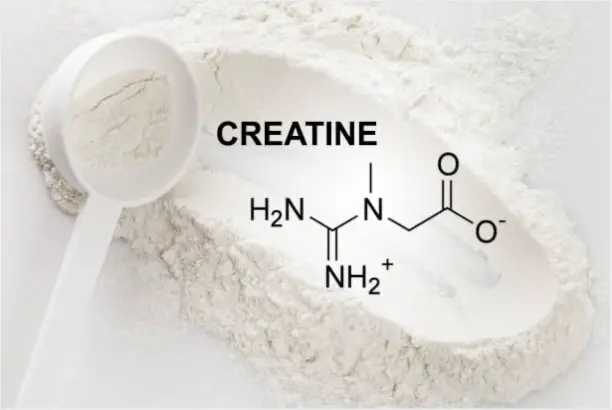
Creatine has become an important supplement for growing muscle, and decades of study have shown that it can help with both power gains and lean mass gains. Creatine bulk powders refill creatine phosphate stores, quickly renew ATP, and give you energy for high-intensity exercise, so the answer to the question of whether it helps with bulking is yes. The chemical formula for this white crystalline substance is C₄H₉N₃O₂. It improves strength training performance, boosts explosive power during lifting or running, speeds up muscle growth, and helps you reach your long-term muscle gain goals. When B2B buyers understand the science behind this ergogenic aid, they can make smart choices about where to get high-quality creatine monohydrate for their formulas.
What Is Creatine Bulk Powder and How Does It Support Muscle Growth?
Creatine bulk powders are made up of large amounts of high-purity creatine monohydrate that can be sold in bulk, used in supplement brands, or in large-scale industrial processes. The chemical makeup of the substance (CAS ID: 57-00-1, molecular weight 131.13) is made up of amino acid derivatives that are found naturally in muscle tissue but can be added to increase the amount stored in muscles above and beyond what is needed.
The Chemical Foundation of Creatine
At its core, creatine monohydrate looks like a white, solid powder that is 98% pure. Unlike ready-to-use vitamins, bulk forms give makers pharmaceutical-grade material that isn't flavored and can be used to make their own products. In a biological sense, the substance works by filling up muscle cells with creatine phosphate, which stores energy for short bursts of strong activity. When ATP (adenosine triphosphate) breaks down to power muscle movements, creatine phosphate quickly rebuilds ATP by giving up its phosphate group. This makes it possible to do more intense work before getting tired.
This process leads straight to muscle growth in a number of ways. Athletes with better training ability can do more reps, lift heavier loads, and keep up higher training rates, all of which are important for causing hypertrophy. In addition, creatine pulls water into muscle cells, which creates an anabolic signaling environment that encourages protein production and cellular volumization. This can be seen right away as muscles feel fuller.
Forms and Bioavailability Considerations
Even though creatine monohydrate is still the best because it has been proven to work in a lot of studies and is the least expensive, there are other types on the market. Micronized creatine is processed to reduce the particle size, usually to 200-mesh specs. This makes it much easier for the body to dissolve in liquid and leads to better tolerance compared to standard mesh sizes. This improved stability is important for formulators making ready-to-drink drinks or protein shakes because it keeps the ingredients from settling.
Creatine hydrochloride (HCl) and buffered types like Kre-Alkalyn say they are better at absorption, but studies that compare their effectiveness to normal monohydrate show mixed results. When it comes to buying, monohydrate has the most proof behind it and the best price-to-performance ratio for large amounts. High-Performance Liquid Chromatography (HPLC) tests make sure that each batch is the same and detect impurities like dicyandiamide and thiourea. These are signs of substandard manufacturing processes that professional makers avoid by having strict quality control.
Safety and Dosage Standards
For B2B buyers who are making market goods, knowing the safe dosage ranges is important for following the rules and earning the trust of customers. Standard methods include a loading phase of 20 grams per day, split into four 5-gram doses, for five to seven days. After this, the daily amount is lowered to three to five grams for maintenance. Some methods don't load the muscles and instead keep the diet steady. This way, muscle saturation happens over 3–4 weeks instead of one week.
The compound's safety profile has been studied in depth; research spanning more than 30 years has shown that healthy individuals following the recommended amounts maintain normal kidney and liver function. Powder stays stable for 24 months if it is stored properly in dry, cool places in sealed aluminum foil bags or 25-kilogram drums. This keeps the powder's consistency from the maker to the end user.
Benefits of Using Creatine Bulk Powder for B2B Muscle Growth Market
Cost-Effectiveness and Scalability
When compared to retail-packaged goods, the cost per serving of buying creatine bulk powders at wholesale prices is significantly lower. When manufacturers buy 25-kilogram drums, they can get better pricing that lets them make more money while keeping store prices low. This ability to grow is especially helpful when making supplement lines under your own brand name or private-label goods for gym chains and online stores. New brands can try out different formulas before committing to bigger inventory investments because they can buy in amounts starting at a minimum of one kilogram.
Payment options like telegraphic transfer, Alipay, PayPal, Western Union, XT, and creatine bulk powders make it easier to do business across countries and facilitate foreign buying processes. Delivery times of 3–7 working days after payment confirmation ensure quick restocking, which is important for companies that use just-in-time manufacturing plans.
Formulation Versatility
Formulation engineers have full artistic power over product development when they work with bulk powder. Unlike store-bought supplements that already have a flavor, unflavored creatine mixes easily into complicated pre-workout mixes, protein shakes, intra-workout drinks, and functional foods without adding any unpleasant tastes. When making goods with specific taste profiles or a clean label, this neutrality is very important.
Because the powder stays stable during processing, it can be used in a number of different industrial settings. When mixed with acidic ingredients like citrulline malate in pre-workouts or added to pill production lines that need steady flowability, high-quality bulk creatine keeps its strength and physical properties. Companies with FDA registration and ISO, HALAL, HACCP, and GMP certifications make sure that their production standards meet foreign standards. This is an important factor for brands that want to sell in controlled markets.
Validated Performance Benefits
The scientific research that backs up creatine's effectiveness is great marketing material for companies. Meta-analyses regularly show 5–15% increases in peak strength and power output, as well as average gains of 1-2 kilograms in lean body mass over 4-12 weeks of supplementation and resistance training. These proven results are appealing to lifters, CrossFit athletes, team sports players, and people who just like working out for fun.
Some of the reasons brands like Optimum Nutrition and MyProtein have become market winners are that they have well-known creatine products that customers like and buy again and again. Distributors can take advantage of this well-established demand in the area while setting themselves apart by offering affordable prices, higher purity standards, or unique delivery forms. Because the combination works for a wide range of athletes, from top competitors to older adults who want to keep their muscle mass, it can be used in more markets than just bodybuilding.
How to Use Creatine Bulk Powder Effectively: A Guide for Procurement and End-Users?
Dosing Strategies for Maximum Results
There are two main ways to take creatine: the loading phase and the management phase. By giving 20 grams of protein every day in two separate amounts, the accelerated loading procedure fills up muscle stores in just one week. This quick method works well for athletes who want to improve their ability right away before events or training cycles. With the gradual method, you keep your daily diet between 3 and 5 grams, and after about 28 days, you'll be fully saturated. Long-term, the levels of creatine in muscles are the same either way. This lets brand strategy target consumers who value convenience over speed of results.
When it comes to timing, eating right after a workout might have some small benefits because that's when muscle blood flow and insulin sensitivity are at their highest, which could make uptake better. But studies show that regular daily intake is more important than the exact time. This makes it easier to educate consumers and improve compliance. Brands can market creatine as a daily product instead of one that is only used for workouts, which increases the number of times and types of times it is used.
Quality Assurance Protocols
Strong quality control helps makers protect their brand's image and keep customers safe. The testing requirements say that HPLC analysis should be used to confirm at least 98% purity, and the sample should also be checked for heavy metals, microbial contamination, and manufacturing impurities. Each batch comes with a Certificate of Analysis (COA), which is important for governmental checks and answering customer questions because it shows that the product has been tested and can be tracked.
The uniformity of particle size affects the user experience. For creatine bulk powders, 200-mesh micronized powder dissolves easily without being gritty, which means that customers are less likely to have concerns about the texture. Controlling moisture during storage stops clumping, which is a typical sign of improper handling. Manufacturers should use heat-sealed PE liners inside drums and include desiccant packets to keep the consistency of the product throughout its 24-month shelf life if it is kept properly in cool, dry places.
Addressing User Experience Factors
Giving end users information about typical supplement experiences builds their trust and reduces returns. Mild water retention in muscle tissue provides the desired fullness, though it may cause a temporary weight increase of 1-2 pounds, which some individuals might misinterpret. Clarifying that this reflects muscle water rather than fat gain prevents confusion. Additionally, a gradual increase in intake allows sensitive individuals to adjust comfortably, improving tolerance and adherence.
Comparing Creatine Bulk Powder Options: Making the Right Choice for Your Business
Monohydrate Versus Alternative Forms
Creatine monohydrate is the type that has been studied the most, with hundreds of studies proving its effectiveness and making it the standard. By weight, 88% of this form is pure creatine, while the other 12% is made up of water molecules that are joined together in a solid structure. It has a long history of safety and efficacy, which makes it the best choice for evidence-based formulations aimed at serious players and smart customers.
Different kinds, like creatine ethyl ester, creatine nitrate, and buffering versions, claim to be better at absorption or hold less water. Comparative studies, on the other hand, often find results that are the same as or worse than normal monohydrate. Creatine HCl is more soluble, which could mean that less of it is needed, but the higher cost may not be worth it for large uses. When marketing goods as performance-driven, procurement teams should compare marketing claims to scientific proof, giving more weight to forms with strong clinical backing.
Powder Versus Capsule Formats
Even though encapsulated creatine is easier to use, powder forms rule the bulk market because they are cheaper and allow for more dose options. When compared to raw powder, capsules cost 40–60% more because they need more steps to be made. For people who need 5 grams of protein every day, this means taking 10–12 pills instead of one teaspoon of powder, which is less convenient for the user. With bulk powder offerings, distributors who serve price-conscious customers or exercise fans who are familiar with powder routines can make more money and keep their customers happy.
The powder form also lets you add your own flavors and stack it with ingredients that work well together, like beta-alanine or betaine, which lets you make unique products. Companies like BulkSupplements and MuscleTech take advantage of this by selling both unflavored and flavored versions of their goods.
Supplier Evaluation Criteria
When choosing factory partners, you need to look at a lot of different practical factors. If you want to reach a wide range of customers, your certification package should include FDA registration, GMP compliance, ISO standards, and religious certifications like Halal and Kosher. Multiple production lines and separate labs are signs of a manufacturing capacity that shows it can handle big orders while keeping quality standards high.
Suppliers who are open about where their raw materials come from and how they are made show that they care about quality. Premium brands make creatine from non-animal sources like sarcosine and cyanamide, such as creatine bulk powders. This makes sure that the product is vegan-friendly and allergen-free, which are important label claims for today's shoppers. Flexible testing is possible with minimum order quantities as low as one kilogram, and scalable prices for 25-kilogram drums make the most economic sense for well-known names.
Conclusion
Because creatine has been shown to help build muscle, improve strength, and boost performance, it is an important product for companies that sell sports nutrition. Businesses that buy in bulk can get creatine bulk powders, which are cheap and can be used in a lot of different ways to make vitamins, useful foods, and drinks. Procurement teams get high-purity ingredients that meet international standards and give confirmed benefits to customers by giving priority to sellers with strict quality standards, full certifications, and clear production processes. Knowing about dosing guidelines, quality signs, and logistical issues helps people make smart buying choices that balance low costs with high quality, setting brands up for success in growing markets.
FAQ
1. Does creatine bulk powder work as effectively as capsules?
Since they both contain the same active ingredient, creatine monohydrate powder and capsules work the same way. Powder has benefits in terms of cost per dose and dosing freedom, which lets users accurately measure how much they take in. Micronized powder with 200-mesh particles dissolves well and has absorption rates that are the same as or higher than capsules. It does this without using gelatin or veggie cellulose filling.
2. What storage conditions preserve creatine quality long-term?
Keep creatine bulk powder in cool, dry places with temperatures below 25°C and in containers that can't be opened. Exposure to moisture leads to clumping and degradation, so desiccant packets and airtight packing are very important. HPLC testing has shown that a properly stored product stays fully active for 24 months after it is made.
3. How do companies make sure that the bulk creatine they make is pure?
Manufacturers with a good reputation use pharmaceutical-grade manufacturing methods and test each batch with HPLC analysis to make sure it is at least 98% pure. Quality standards screen for contaminants like dicyandiamide and thiourea, which result from poor synthesis methods. Facilities that are GMP-certified and have their own labs give thorough certificates of analysis that prove the results of tests.
Partner with Jianbei for Premium Creatine Bulk Powder Supply
Pharmaceutical-grade creatine bulk powders that meet the high standards of foreign supplement brands and functional food makers are what Jianbei Biotechnology does best. Our GMP-approved factory has three separate lines that make white crystalline creatine monohydrate that is 98% pure, as shown by HPLC tests done in our own labs. We make sure of compliance in all global areas by having FDA registration, ISO, HALAL, HACCP, and GMP certifications.
As a company that makes creatine bulk powders, we can buy in bulk starting at a minimum of one kilogram and send it quickly, within three to seven days of receiving payment proof. Our technical team helps with formulation and gives full COA paperwork for every batch. They are backed by 15 national idea patents that show they are excellent at R&D. Whether you're making sports nutrition goods, functional drinks, or private-label vitamins, Jianbei can help you get what you need at a price you can afford. They can also guarantee quality, which will help you stand out in the market. Email our team at sales@bqingbio.com to talk about your unique needs and get a quote that fits them.
References
1. Kreider, R.B., Kalman, D.S., Antonio, J., et al. "International Society of Sports Nutrition position stand: safety and efficacy of creatine supplementation in exercise, sport, and medicine." Journal of the International Society of Sports Nutrition, 2017, 14:18.
2. Cooper, R., Naclerio, F., Allgrove, J., Jimenez, A. "Creatine supplementation with specific view to exercise/sports performance: an update." Journal of the International Society of Sports Nutrition, 2012, 9:33.
3. Branch, J.D. "Effect of creatine supplementation on body composition and performance: a meta-analysis." International Journal of Sport Nutrition and Exercise Metabolism, 2003, 13(2):198-226.
4. Buford, T.W., Kreider, R.B., Stout, J.R., et al. "International Society of Sports Nutrition position stand: creatine supplementation and exercise." Journal of the International Society of Sports Nutrition, 2007, 4:6.
5. Volek, J.S., Rawson, E.S. "Scientific basis and practical aspects of creatine supplementation for athletes." Nutrition, 2004, 20(7-8):609-614.
6. Hultman, E., Soderlund, K., Timmons, J.A., Cederblad, G., Greenhaff, P.L. "Muscle creatine loading in men." Journal of Applied Physiology, 1996, 81(1):232-237.