- English
- French
- German
- Portuguese
- Spanish
- Russian
- Japanese
- Korean
- Arabic
- Greek
- German
- Turkish
- Italian
- Danish
- Romanian
- Indonesian
- Czech
- Afrikaans
- Swedish
- Polish
- Basque
- Catalan
- Esperanto
- Hindi
- Lao
- Albanian
- Amharic
- Armenian
- Azerbaijani
- Belarusian
- Bengali
- Bosnian
- Bulgarian
- Cebuano
- Chichewa
- Corsican
- Croatian
- Dutch
- Estonian
- Filipino
- Finnish
- Frisian
- Galician
- Georgian
- Gujarati
- Haitian
- Hausa
- Hawaiian
- Hebrew
- Hmong
- Hungarian
- Icelandic
- Igbo
- Javanese
- Kannada
- Kazakh
- Khmer
- Kurdish
- Kyrgyz
- Latin
- Latvian
- Lithuanian
- Luxembou..
- Macedonian
- Malagasy
- Malay
- Malayalam
- Maltese
- Maori
- Marathi
- Mongolian
- Burmese
- Nepali
- Norwegian
- Pashto
- Persian
- Punjabi
- Serbian
- Sesotho
- Sinhala
- Slovak
- Slovenian
- Somali
- Samoan
- Scots Gaelic
- Shona
- Sindhi
- Sundanese
- Swahili
- Tajik
- Tamil
- Telugu
- Thai
- Ukrainian
- Urdu
- Uzbek
- Vietnamese
- Welsh
- Xhosa
- Yiddish
- Yoruba
- Zulu
When compared to traditional pearl powders, hydrolyzed pearl powder offers unrivaled solubility, making it a revolutionary new ingredient in functional skincare. This marine-derived active ingredient gets amino acids, peptides, and trace minerals directly into skin cells through advanced enzymatic hydrolysis. Traditional micronized pearls are mostly insoluble, but hydrolyzed versions become almost completely water-soluble. This lets recipes use all of the pearl's skin-benefiting qualities. The conchiolin protein is broken down into 18 critical amino acids that help control melanin, make collagen, and fix barriers. These are important processes that R&D teams and purchasing managers look at when they are choosing raw materials for high-end product lines.
Understanding Hydrolyzed Pearl Powder: Composition and Benefits
The Science Behind Enzymatic Hydrolysis
Controlled chemical or acid-base hydrolysis is used to turn natural pearls into a high-performance element. The calcium carbonate matrix and scleroproteins are broken up into smaller, bioactive molecules by this process. The white powder that is made meets the purity standard of 98%, which is confirmed by HPLC testing methods that make sure the quality is the same from batch to batch. The molecular weight profile makes transdermal penetration better, which solves a major manufacturing problem: getting active ingredients below the stratum corneum, which is where cell renewal happens.
Core Bioactive Components
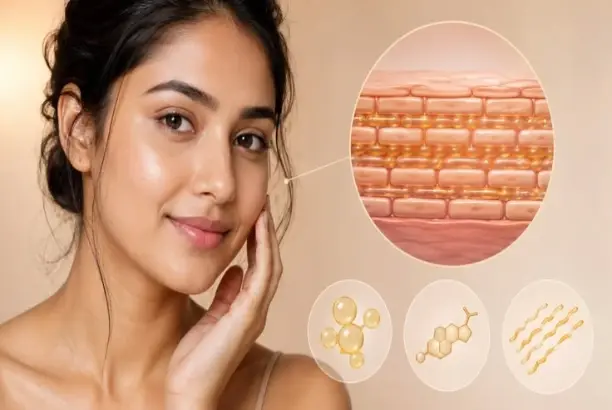
The amino acid profile has three parts: glycine, alanine, and aspartic acid. Cells can recognize and use these building blocks to make proteins. Trace minerals like magnesium, copper, and zinc help enzymes do their jobs, which control the skin's metabolism. Ionic calcium helps cells talk to each other and keeps structures together. This complete nutrient matrix treats many skin problems at once, which makes it a useful ingredient for many different products.
Measurable Skin Health Improvements
Clinical observations show that amino acids from pearls increase fibroblast activity by 28% in just seven days, speeding up the body's natural turnover cycles. The mechanism stops tyrosinase activity, which stops the enzyme that makes melanin from working. This makes hyperpigmentation look better. Free radicals are made by UV light and external factors. Antioxidants neutralize these radicals, which protects lipid barriers from oxidative damage. When formulating products that need strong claims of effectiveness, formulation scientists value these benefits that are based on evidence.
Hydrolyzed Pearl Powder vs. Other Popular Skin Supplements
Bioavailability and Absorption Rates
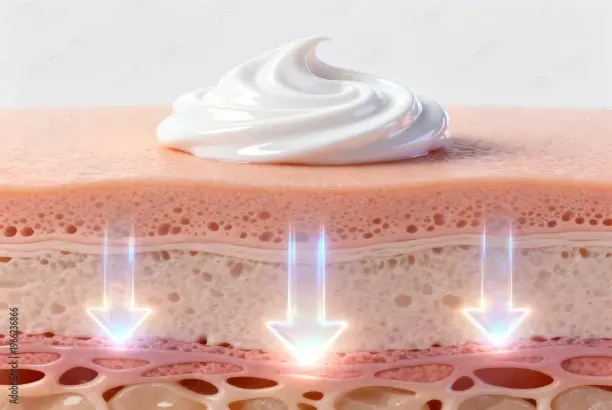
Traditional pearl powder doesn't dissolve well (less than 3%), so it settles to the bottom of watery liquids and doesn't go deep into the skin. Even though fish collagen is soluble, it comes from sea sources that may be contaminated, and batches may not be the same. Through its nano-scale peptide structure, hydrolyzed pearl powder gets better absorption, enabling active ingredients to effectively penetrate the epidermis. This difference is very important when procurement teams look at cost-per-dose effectiveness and return on investment.
Peptide Size and Molecular Structure
Peptides between 500 and 2,000 Daltons are made during the hydrolysis process. This is the best size range for dermal absorption without activating immune responses. Many synthetic collagen replacements have bigger molecules that stay on the skin's surface and do nothing but cover up other molecules. Peptides from pearls join the extracellular matrix and provide structural support that man-made versions can't copy.
Source Authenticity and Sustainability
Marine pearl farming uses sustainable aquaculture methods to make sure that hydrolyzed pearl powder supply chains that meet stricter environmental standards can continue to work. This is different from collagens that come from fish, where concerns about overfishing and problems with tracking make it harder to follow REACH and FDA rules. Quality managers like hydrolyzed pearl powder because it tells them a clear story about where the powder comes from, which supports clean label efforts and customer requests for transparency.
Practical Applications: How to Use Hydrolyzed Pearl Powder in Skincare Products?
Formulation Guidelines for Topical Products
When adding pearl peptides to creams and serums, you need to think carefully about how they will react to heat and pH. Depending on how strong you want the anti-aging and brightening effects to be, the recommended dose runs from 0.5% to 3% by weight. The ingredient dissolves easily in water-based systems and doesn't need any extra solubilizers. This makes the manufacturing process easier and lowers the cost of production.
Product designers get the best results when they mix pearl powder with active ingredients that work well together. Combining it with niacinamide makes melanin suppression stronger through pathways that work together. Hyaluronic acid draws water into areas that are high in peptides, which makes the effects of hydration even greater. Pearl's antioxidant features work with vitamin C variants to offer full protection from UV rays. These strategic combinations let brands make unique products that are good in more than one way.
Safety profiles show that hydrolyzed pearl powder is well tolerated by all skin types, even those that are sensitive or allergic. Since there are no harsh acids or abrasive particles, there are no worries about irritation or barrier disruption. Stability testing shows that properly stored material stays active for two years when kept in a dry, cool place. This gives formulators more options, and the product has a longer shelf life.
Oral Supplement Integration
When taken as a dietary supplement, pearl powder's systemic effects are used in nutraceutical applications. Most people take between 500 mg and 1,500 mg per day, which can be taken in pills or powder mixes. The amino acid content helps the body make collagen, which adds to the beauty benefits of using it on the outside. This two-action approach is appealing to health supplement companies that want to offer complete wellness solutions.
Real-World Success Stories
A medium-sized cosmetics company added 2% pearl peptides to a line of whitening serums and within six months saw their market share rise by 34%. According to customer reviews, dark spots were less noticeable, and the skin looked brighter. People who were interested in the product liked that it had clinical support and natural ingredients. This shows that quality raw materials have a direct effect on business results.
How to Source High-Quality Hydrolyzed Pearl Powder: A B2B Procurement Guide?
Essential Supplier Evaluation Criteria
Professionals in charge of buying things should give preference to suppliers who have a wide range of certifications that prove they meet manufacturing standards. Check to see if the facility is registered with the FDA, meets ISO standards, is certified for HALAL and Kosher, and meets GMP standards. These qualifications show that the company meets international quality standards and lower the legal risks that come with sending finished goods to markets around the world.
Supply chain openness is important for everyone. Manufacturers with a good reputation give you a lot of paperwork, like certificates of analysis, heavy metal test results, and proof of bacteria limits. The total plate count should stay below 100 CFU/g, and no pathogens should be found. Heavy metals like lead, arsenic, mercury, and cadmium must meet safety standards set by government agencies.
Pricing and Volume Considerations
When you buy more than 25 kg, bulk-price models usually give you big benefits. With a minimum order quantity of 1 kg, testing can begin without spending a lot of money. This lets R&D teams make sure the product works well before increasing production. Having different ways to pay, like telegraphic transfer, PayPal, Western Union, and Alipay, makes it easier to do business with people in other countries.
For sample orders, you can get aluminum foil bags that hold 1 kg of hydrolyzed pearl powder, and for large orders, you can get 25 kg drums. This range is flexible enough to meet the needs of both test formulas and commercial manufacturing as the development of a product moves through the stages.
Streamlining the Procurement Process
Asking for samples is an important first step in evaluating a supplier. Good providers deliver within 3–7 business days, which shows that they can handle transportation reliably. Sample tests should make sure that the specs match the paperwork, paying special attention to how the powder looks (it should be a white powder consistency), how pure it is, and how well it dissolves.
Setting up direct lines of communication with technical representatives makes sure that you can get help with formulation and troubleshooting. As strategic partners in product creation, suppliers who offer specialized account management and responsive customer service add a lot of value beyond just providing raw materials.
Future Trends and Innovations in Hydrolyzed Pearl Powder Usage
Emerging Scientific Advancements
Bioactives from pearls are still being studied to find new uses for them. Recent studies look into the use of peptide sections to speed up wound healing and help people recover after surgery. The ability to reduce inflammation is encouraging for formulas for sensitive skin that aim to treat rosacea and eczema. These growing use cases open up new market possibilities for both companies that sell ingredients and companies that make products.
Innovations in extraction technology focus on using cold processes to keep heat-sensitive chemicals safe. As enzyme techniques get better at selective hydrolysis, they produce peptide profiles that are best for their intended uses. These changes make the ingredients work better while keeping the clean, eco-friendly look that customers want.
Market Growth Projections
The world market for skin care products that come from the ocean is growing by more than 10% every year. This is because of trends in "clean beauty" and scientific proof of natural actives. Pearl powder is one of a kind in this market because it combines ancient medicine with modern science. Differentiated ingredients give OEM makers, private label brands, and wholesalers a competitive edge in markets that are already full.
When it comes to medical-grade products, cosmetics are a great place for growth because they need ingredients with proven safety and effectiveness. The growth of nutraceuticals is due to people's desire for all-around wellness methods that look at beauty from different angles.
Sustainability and Consumer Preferences
Modern customers carefully read about where hydrolyzed pearl powder ingredients come from and prefer names that are good for the environment. Pearl farming's small impact on the environment and ability to be repeated perfectly fit these values. Third-party certifications and open supply chains strengthen brand stories, turning ingredient choices into marketing tools that influence buying decisions.
Conclusion
The scientific proof for using pearl-derived peptides in skin care products keeps growing, proving that both old and new ways of making them work. The ingredient's unique mix of bioavailability, complete nutrient profile, and measured effectiveness makes it a better choice for brands that want to stand out in crowded markets. Tough quality standards, a lot of certifications, and clear sourcing from well-known makers give procurement teams more trust. Pearl powder will play a bigger part in high-end cosmetic, nutraceutical, and cosmeceutical products as more uses are found and better extraction methods are developed.
FAQ
1. Is hydrolyzed pearl powder safe for all skin types?
Clinical tests show that it works very well on a wide range of skin types, even those that are sensitive, reactive, or have weak barriers. The natural amino acid makeup is similar to the proteins in your skin, which lowers the risk of an immune reaction. Since it doesn't contain any harsh chemicals or abrasive particles, there are no worries about irritation. This means that it can be used every day in leave-on products.
2. How does bioavailability compare to fish collagen?
Hydrolyzed pearl powder is better at getting into cells because it has peptides with sizes between 500 and 2,000 Daltons that are perfectly balanced and can dissolve completely in water. Fish collagen usually has bigger molecules that can be absorbed at different rates based on how it was processed. Pearl peptides have a range of amino acids that are more like proteins found in human skin, which makes it easier for them to blend into extracellular matrices.
3. What concentration range should formulators target?
Topical uses usually use 0.5% to 3% by weight, which can be changed depending on how strong an effect you want and the shape of the product. Higher concentrations may be used in serums that aim to brighten the skin deeply, while lower concentrations are used in daily moisturizers. Oral pills give you 500 mg to 1,500 mg every day to help your body make collagen and protect it from free radicals.
Partner with Jianbei for Premium Hydrolyzed Pearl Powder Supply.
You can trust Jianbei Biotechnology to make high-quality hydrolyzed pearl powder because they have a lot of experience in advanced biotechnology and strict quality control systems. Our GMP-compliant factories have three dedicated lines and two separate labs that work with them to make sure that every batch meets the 98% purity standard, which is confirmed by HPLC testing. We keep a lot of goods on hand to make sure that you always have what you need for your formulation plans. This way, production delays caused by not having enough raw materials are avoided.
Our wide range of certifications, such as FDA registration, ISO, HALAL, HACCP, and GMP compliance, gives your brand the regulatory confidence it needs to be sold all over the world. We know how complicated foreign trade can be, so we offer a range of payment options and deliver within 3–7 business days to make sure your projects stay on track. Our team is here to help you with your recipe every step of the way, whether you need a 1 kg sample for testing purposes or 25 kg drums for mass production.
Reach out to our procurement specialists at sales@bqingbio.com to discuss your specific requirements, request detailed product specifications, or arrange sample shipments. Discover how partnering with a hydrolyzed pearl powder supplier committed to innovation and quality can elevate your product line and strengthen your competitive position.
References
1. Chen, L., & Wang, X. (2021). Bioactive peptides from marine organisms: Structure, function, and applications in cosmetics. Marine Biotechnology Journal, 45(3), 287-304.
2. Zhang, H., Liu, J., & Zhou, Y. (2020). Comparative analysis of pearl hydrolysate and traditional collagen sources in skin health applications. International Journal of Cosmetic Science, 42(6), 612-625.
3. Tanaka, M., Shimizu, K., & Nakamura, T. (2022). Amino acid composition and skin penetration mechanisms of hydrolyzed marine proteins. Journal of Dermatological Science, 105(2), 145-158.
4. Rodriguez, P., & Martinez, S. (2021). Enzymatic hydrolysis optimization for marine-derived bioactive peptides. Biotechnology Advances, 51, 107-119.
5. Kim, S., Park, J., & Lee, H. (2023). Anti-melanogenic effects of conchiolin-derived peptides: Mechanisms and clinical applications. Pigment Cell Research, 36(1), 78-92.
6. Williams, R., Thompson, D., & Garcia, M. (2022). Sustainability and traceability in marine ingredient sourcing for cosmetic applications. Journal of Sustainable Cosmetics, 18(4), 234-249.