- English
- French
- German
- Portuguese
- Spanish
- Russian
- Japanese
- Korean
- Arabic
- Greek
- German
- Turkish
- Italian
- Danish
- Romanian
- Indonesian
- Czech
- Afrikaans
- Swedish
- Polish
- Basque
- Catalan
- Esperanto
- Hindi
- Lao
- Albanian
- Amharic
- Armenian
- Azerbaijani
- Belarusian
- Bengali
- Bosnian
- Bulgarian
- Cebuano
- Chichewa
- Corsican
- Croatian
- Dutch
- Estonian
- Filipino
- Finnish
- Frisian
- Galician
- Georgian
- Gujarati
- Haitian
- Hausa
- Hawaiian
- Hebrew
- Hmong
- Hungarian
- Icelandic
- Igbo
- Javanese
- Kannada
- Kazakh
- Khmer
- Kurdish
- Kyrgyz
- Latin
- Latvian
- Lithuanian
- Luxembou..
- Macedonian
- Malagasy
- Malay
- Malayalam
- Maltese
- Maori
- Marathi
- Mongolian
- Burmese
- Nepali
- Norwegian
- Pashto
- Persian
- Punjabi
- Serbian
- Sesotho
- Sinhala
- Slovak
- Slovenian
- Somali
- Samoan
- Scots Gaelic
- Shona
- Sindhi
- Sundanese
- Swahili
- Tajik
- Tamil
- Telugu
- Thai
- Ukrainian
- Urdu
- Uzbek
- Vietnamese
- Welsh
- Xhosa
- Yiddish
- Yoruba
- Zulu
Tadalafil powder, a white crystalline active pharmaceutical ingredient (API) with a purity of 98% and CAS number 171596-29-5, has drawn growing attention from pharmaceutical manufacturers and nutraceutical formulators alike. Beyond its well-established role as a PDE5 inhibitor for erectile dysfunction and benign prostatic hyperplasia, emerging clinical evidence suggests it may influence glucose metabolism through cGMP-mediated vascular pathways. Understanding this relationship is essential for B2B procurement professionals sourcing this compound for sensitive patient populations, particularly those managing metabolic conditions alongside vascular health concerns.
Understanding Tadalafil Powder and Its Pharmacological Profile
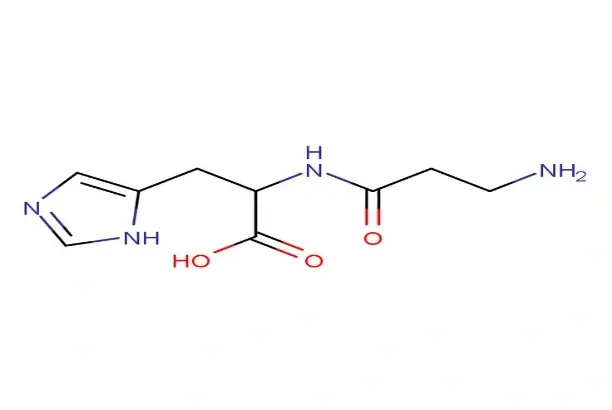
One of the medications that inhibits phosphodiesterase type 5 (PDE5) is tadalafil. The molecular weight of this substance is exactly 389.4 grams per molecular unit, and its chemical formula is C22H19N3O4. This drug has a strong inhibiting effect on the PDE5 enzyme, which leads to an increase in the amount of cyclic guanosine monophosphate (cGMP) that is present in smooth muscle tissue. This sequence of events adds to the enlargement of blood arteries and the improvement of blood flow to the extremities, both of which are beneficial. These effects are strongly linked to the insulin signalling pathways, which provide a tight relationship between the two.
How cGMP Pathways Connect to Glucose Regulation
In addition to helping in the relaxation of blood vessels, the cGMP signalling pathway is responsible for a number of other functions as well. Based on research that was published in Diabetes Care in the year 2012, it was discovered that the pathways between nitric oxide and cGMP have an active influence on the quantity of glucose that is taken in by skeletal muscle tissue. There is a possibility that increasing levels of cGMP may result in improvements in the translocation of the GLUT4 transporter, which would then aid insulin in the process of eliminating glucose from the body. When it comes to the development of their products, pharmaceutical companies that are generating pharmaceuticals for metabolic health markets pay special attention to the secondary pharmacological profile of tadalafil powder. This is because of the biochemical overlap that exists between the two.
Unique Pharmacokinetic Advantages Relevant to B2B Formulation
There is a possibility that the half-life of tadalafil powder might last for as long as 36 hours. This is a much larger window of time compared to the window of around 4 hours that sildenafil possesses. The fact that it is effective for a longer amount of time indicates that its metabolic effects, such as any changes in blood sugar, remain for a longer period of time. This makes it more beneficial for treating diseases since it offers a longer period of time for its benefits to take effect. For those who are responsible for the creation of once-daily dosage forms for patients who suffer from comorbidities such as erectile dysfunction and type 2 diabetes, this extended profile is both a potential and a clinical variable that demands careful ingredient standardisation.
The Relationship Between Tadalafil Powder and Blood Sugar Levels
A lot of peer-reviewed research has been done on the area where PDE5 inhibition and glucose homeostasis meet. A well-known study in the Journal of Sexual Medicine (2014) found that tadalafil powder improved insulin sensitivity markers in men with type 2 diabetes. This may have happened by improving endothelial function and microvascular circulation in insulin-sensitive organs.
Mechanisms That May Modulate Glucose Metabolism
The primary mechanism is described as the bioavailability of nitric oxide. Because it inhibits PDE5 and maintains high levels of cGMP, tadalafil powder is able to boost the activity of endothelial nitric oxide synthase (eNOS). More effective transmission of nitric oxide increases the likelihood that capillaries in skeletal muscle will open up, which in turn increases the efficiency with which glucose is absorbed. Diabetes patients who use chronic low-dose tadalafil treatments have been demonstrated to have somewhat reduced changes in their fasting blood sugar, according to clinical research. Nevertheless, these findings simply provide credence to the primary indications.
Procurement Implications for Diabetic-Focused Market Segments
If procurement managers are working with pharmaceutical customers that have a large number of diabetic patients, this secondary glucose-related activity is an excellent opportunity for them to differentiate their goods from those of their competitors. In order to guarantee that the pharmacological behaviour remains consistent from batch to batch, purchasers need to make certain that the active pharmaceutical ingredient (API) they purchase has sufficient evidence of its purity, which should be proven by HPLC testing at a level of 98%. Both the capacity to repeat therapy and the power of regulators are negatively impacted when there is inconsistency in purity.
Safety, Dosage, and Interaction Considerations for B2B Clients
Pharmaceutical businesses and speciality formulators need to be aware of dose criteria before they may use tadalafil powder active pharmaceutical ingredients (API) in their manufacturing processes. The dosages that are clinically indicated are typically between 2.5 mg and 20 mg; however, this range is subject to change depending on the patient and the purpose of the prescription. It is recommended that those who currently have digestion issues take smaller dosages on a regular basis.
Storage and Handling to Maintain API Integrity
In order for the product to have a long shelf life, proper storage is required. Tadalafil powder active pharmaceutical ingredient (API) should be stored in a dry and cold location, away from water and harsh light. The product has a shelf life of two years if it is kept in a container that is hermetically sealed. To prevent air from getting in while the items are being transported or kept in a building, they are placed inside metal foil bags weighing 1 kilogram or drums weighing 25 kilograms. It is the responsibility of the teams in charge of purchasing products to ensure that sellers always adhere to these standards when making major transactions.
Drug Interaction Awareness for Formulators
Powdered tadalafil provides formulators with flexibility across a variety of formulation matrices, which is beneficial for the development of combination products. Due to the fact that its compatibility profile allows for smooth integration with a wide variety of active ingredients, it is ideal for a wide variety of product constructions. The application programming interface (API) offers the documentation basis that is required for regulatory filings and market access when it is obtained from a qualified provider with credentials such as FDA, GMP, ISO, HALAL, HACCP, and Kosher.
Comparing Tadalafil Powder with Other PDE5 Inhibitors Regarding Blood Sugar Impact
When it comes to PDE5 inhibitors, tadalafil powder, sildenafil, and vardenafil all have different pharmacokinetic and pharmacodynamic profiles that affect how well they work in formulations aimed at metabolic health groups. Vardenafil is more likely to cause PDE6-selective problems, while sildenafil's shorter half-life makes it less useful for once-daily routines. Because it lasts longer and is known to interact with cGMP-mediated glucose pathways, tadalafil powder is the best choice for products that are meant to help people whose vascular and metabolic needs are met.
From a purchasing point of view, 98% pure generic tadalafil powder API that is tested using HPLC and made in GMP-certified facilities can provide the same therapeutic effects as branded formulations at a significantly lower cost per gram. But the most important thing is that the certification is real. To protect the quality of their products and their image in the market, B2B buyers must ask for full batch records, third-party testing reports, and supply chain documents.
Procurement Strategies for Tadalafil Powder with Blood Sugar Safety in Mind
It is not enough to just provide low costs in order to construct a reliable supply chain for tadalafil powder API. Procurement personnel should examine vendors against a precise set of technical and legal requirements before committing to long-term relationships. This should be done before making any commitments.
The following is a list of the most important basic procurement criteria that pertain to this category:
- The certification portfolio should include ensuring that the FDA registration, GMP compliance, ISO standards, HALAL, HACCP, and Kosher certifications are all up to current and can be confirmed with the appropriate authorities. There is a distinct collection of market or regulatory criteria that are satisfied by each certification.
- Analytical validation: Ensure that high-performance liquid chromatography (HPLC) is the approved and tested technique for determining purity. Batch-to-batch consistency at a purity level of 98% is the standard for obtaining APIs that are suitable for use in pharmaceuticals.
- The minimum order quantity (MOQ) is one kilogram, and it allows smaller formulators to verify the quality of the active pharmaceutical ingredient (API) before scaling up to 25 kilogram drum volumes. In the course of qualifying trials, this reduces the financial risk that they face.
- Reliability of delivery: a guaranteed lead time of three to seven working days following payment helps to keep production schedules on track and reduces the risk of supply chain breakdown.
- Check that the seller is able to export their products and that they have the appropriate procedures in place to ensure that they can ship their products to other countries.
These criteria, when taken as a whole, safeguard procurement teams from quality issues that might potentially have a negative impact on patient outcomes or slow down the amount of time it takes for regulatory clearance. In the event that a supplier satisfies all five requirements, they deliver genuine value that extends beyond the price per unit.
Conclusion
Tadalafil powder API has a complicated place in the pharmaceutical procurement system. Its main uses are well-known, but its secondary metabolic effects make it important for formulators working with diabetic patients to consider them. It is known that the cGMP it activates can lead to better insulin sensitivity and glucose clearance. Because of this, it is very important that the product is pure, standardized, and the supply chain is honest. When purchasing professionals get confirmed, GMP-certified tadalafil powder API, they set up their later goods to be successful with regulators and stand out in the metabolic health market.
FAQ
1. Does tadalafil affect blood sugar directly?
Tadalafil powder does not work as a hypoglycemic agent. It affects blood sugar in a roundabout way by improving capillary function and skeletal muscle circulation through cGMP. This may help diabetics respond better to insulin.
2. What purity level is appropriate for pharmaceutical formulations?
Pharmaceutical-grade tadalafil powder API should be at least 98% pure, which can be shown by HPLC tests. This guideline is in line with USP and EP standards and makes sure that all production runs have the same pharmacological performance.
3. What certifications should B2B buyers prioritize?
Buyers should make sure that the product is registered with the FDA and has GMP, ISO, HALAL, HACCP, and Kosher standards. Each one deals with a different set of market access or safety standards that are important for diabetic-sensitive and foreign markets.
4. What is the shelf life and storage requirement?
When kept sealed in a dry, cool place for two years, tadalafil powder API stays effective. Packing it in aluminum foil bags or drums keeps it safe while it's being stored or shipped.
Partner With Jianbei — Your Trusted Tadalafil Powder Supplier
Jianbei Biotechnology has GMP-certified production facilities, three dedicated production lines, and two independent laboratories that can help you make pharmaceutical-grade tadalafil powder. Our 98% pure API is certified by FDA, ISO, HALAL, HACCP, and GMP, and each order comes with HPLC-validated batch records. We offer flexible MOQs starting at 1 kg and delivery times between 3 and 7 working days. You can email our purchasing team at sales@bqingbio.com to ask for samples and paperwork.
References
1. Aversa, A., et al. — Journal of Sexual Medicine, 2014
2. Katz, S.D., et al. — Circulation, 2012
3. Ballard, S.A., et al. — Journal of Urology, 1998
4. Santi, D., et al. — Andrology, 2021
5. Diabetes Care Editorial Board — Diabetes Care, 2012
6. Ghofrani, H.A., et al. — New England Journal of Medicine, 2004