- English
- French
- German
- Portuguese
- Spanish
- Russian
- Japanese
- Korean
- Arabic
- Greek
- German
- Turkish
- Italian
- Danish
- Romanian
- Indonesian
- Czech
- Afrikaans
- Swedish
- Polish
- Basque
- Catalan
- Esperanto
- Hindi
- Lao
- Albanian
- Amharic
- Armenian
- Azerbaijani
- Belarusian
- Bengali
- Bosnian
- Bulgarian
- Cebuano
- Chichewa
- Corsican
- Croatian
- Dutch
- Estonian
- Filipino
- Finnish
- Frisian
- Galician
- Georgian
- Gujarati
- Haitian
- Hausa
- Hawaiian
- Hebrew
- Hmong
- Hungarian
- Icelandic
- Igbo
- Javanese
- Kannada
- Kazakh
- Khmer
- Kurdish
- Kyrgyz
- Latin
- Latvian
- Lithuanian
- Luxembou..
- Macedonian
- Malagasy
- Malay
- Malayalam
- Maltese
- Maori
- Marathi
- Mongolian
- Burmese
- Nepali
- Norwegian
- Pashto
- Persian
- Punjabi
- Serbian
- Sesotho
- Sinhala
- Slovak
- Slovenian
- Somali
- Samoan
- Scots Gaelic
- Shona
- Sindhi
- Sundanese
- Swahili
- Tajik
- Tamil
- Telugu
- Thai
- Ukrainian
- Urdu
- Uzbek
- Vietnamese
- Welsh
- Xhosa
- Yiddish
- Yoruba
- Zulu
It is very important to know the difference between lidocaine and benzocaine when looking for skin anesthetics for pharmaceutical formulations, makeup, or healthcare uses. Pharmaceutical-grade Lidocaine Powder is an amide-type anesthetic that is known for its long-lasting effects and ability to stop nerves better than other anesthetics. This makes it perfect for use in injectables, patches, and mucosal uses. On the other hand, benzocaine is an ester-type anesthetic that works best in over-the-counter skin products with shorter half-lives. Both substances are very important in many fields, including dentistry, animal medicine, cosmetics, and medicine. However, their chemical makeup, standards for effectiveness, and government rules are very different, which affects how they are bought and how they are made.
Introduction
Topical anesthetics, such as lidocaine and benzocaine, are very important in the cosmetics, healthcare, and pharmaceutical businesses. For B2B buying teams and product creators to make the best sourcing decisions and make sure their products work, they need to know what these agents are and how they can be used.
These days, pharmaceutical-grade anesthetic pills are needed in many different types of manufacturing. Lidocaine Powder is the main Active Pharmaceutical Ingredient (API) in a wide range of goods, from skin patches to injectable solutions. Benzocaine, on the other hand, is still commonly used in mouthwashes and treatments for small wounds. The global market for local anesthetics keeps growing because more people need pain relief during medical procedures, cosmetic procedures, and animal medicine. When choosing between these anesthetic compounds, procurement workers have to deal with a lot of complicated issues, such as purity standards, legal compliance requirements, and source quality assurance systems. Knowing the differences between lidocaine and benzocaine in terms of their chemicals, functions, and uses in the market helps people make decisions that are in line with both product development goals and market legal standards.
Overview of Lidocaine and Benzocaine
Both lidocaine and benzocaine are commonly used local anesthetics, but they work and are chemically different. These differences affect how well they work in different pharmaceutical uses and how makers choose which ones to buy.
Chemical Classification and Molecular Properties
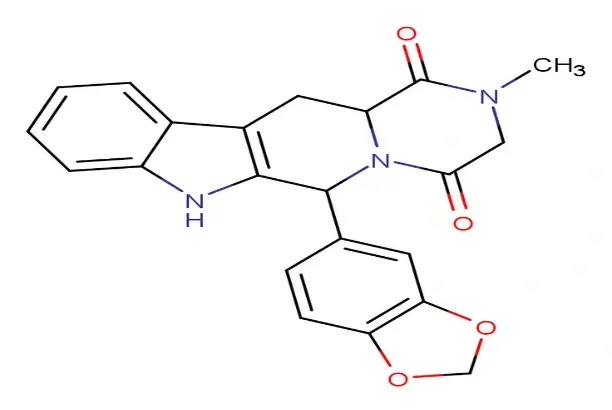
Lidocaine Powder is an amide-type local anesthetic. Its chemical name is 2-(diethylamino)-N-(2,6-dimethylphenyl)acetamide, and its molecular formula is C14H22N2O. Its molecular weight is 234.34 g/mol. The CAS number for this solid material is 137-58-6, and it looks like a white to light yellow powder. The amide structure makes metabolism stable because amide anesthetics are broken down in the liver instead of the plasma, which lowers the risk of allergic reactions. The compound's freezing point is between 66°C and 69°C, and it dissolves well in alcohols, chloroform, and oils. However, its hydrochloride salt form (lidocaine HCl) works best in water-based mixtures.
Benzocaine is an ester-type anesthetic. Its molecular formula is C9H11NO2, and its chemical name is ethyl 4-aminobenzoate. Because of this molecular difference, its metabolic route is completely changed. Ester anesthetics are quickly broken down by plasma cholinesterases, which can cause allergic reactions in people who are sensitive. Because of the ester bond, benzocaine is more likely to break down in water, which changes how stable the product needs to be.
Mechanisms of Action and Clinical Profiles
Both chemicals work by temporarily stopping voltage-gated sodium channels in nerve cell membranes. This stops action potentials from spreading and stops pain signals from being sent. Lidocaine Powder works quickly, starting to work in 2 to 5 minutes when rubbed on the skin or injected. The effects last for 30 to 120 minutes, based on the dosage and how it was administered. The compound's pKa value of about 7.7 makes it easier for it to get into tissues and stop nerves.
Because it doesn't dissolve well in water and can't get deep into tissues as easily, benzocaine usually has slower start times, especially when applied topically. It works for about 15 to 30 minutes on average, so it's good for short treatments or quick pain relief. Because it lasts less time, benzocaine is a good choice for over-the-counter medicines that don't need to be anesthetic for a long time.
Differences in pharmacokinetics also show up in how drugs are absorbed throughout the body. When given at the right amount, lidocaine has localized effects with little systemic toxicity. However, makers have to take into account the different rates of absorption at different application sites. Because benzocaine doesn't dissolve well in water, it can't get into the body's systems as easily. This lowers the risk of poisoning but limits its use in hospital settings.
Industry Applications Across Sectors
Lidocaine Powder is used by drug companies to make a wide range of formulations, such as 5% dermal patches for post-herpetic neuralgia, injectable solutions for dental and minor surgery procedures, and thick gels for mucosal anesthesia. The compound is useful for makers working on transdermal delivery systems and sustained-release formulas because it stays stable at high temperatures during processing and can be mixed with a number of different excipients.
Pharmaceutical-grade lidocaine is used in numbing creams used before laser treatments, microneedling, and beauty shots in cosmetic dermatology. The substance stays effective even when the skin temperature changes, and it doesn't oxidize while it's being used, which are both important for making sure that the product always works the same way.
Lidocaine is used in veterinary medicine to make special surgery sprays and wound treatments for both farm animals and pets. The chemical structure of the substance stays the same even after being exposed to water and organic matter, so it can work reliably in complicated, non-sterile environments.
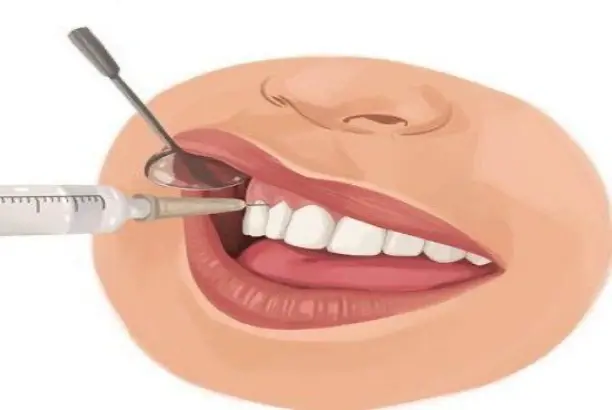
Benzocaine is mostly used in dental preparations, baby gels, and throat lozenges. The substance can be used in consumer healthcare goods that need a short-term anesthetic effect because it doesn't change the taste and is cheap. Some topical anti-itch medicines and hemorrhoid treatments also contain benzocaine because it works locally and has few effects on the whole body.
Key Differences Between Lidocaine Powder and Benzocaine Powder
When procurement workers know the important differences between these anesthetic compounds, they can make smart buying choices that meet the needs of specific applications and follow the rules set by regulators.
Efficacy and Therapeutic Window
Compared to benzocaine, Lidocaine Powder exhibits greater strength and has a wider treatment window. Lidocaine has been shown in clinical tests to be able to provide deep anesthesia at amounts ranging from 0.5% to 5%, based on the application spot and formulation type. The amide structure of the substance makes dose-response relationships predictable. This lets makers make standard formulations that always work.
For benzocaine to have the same numbing effects, it usually needs higher amounts (5–20%), especially when applied topically. Because the substance doesn't go deep into tissues, it can only be used at the surface level and can't be used for treatments that need to block nerves deeper down. When buying benzocaine for over-the-counter medicines, procurement teams like that it has a good safety margin at normal concentrations. However, product labels need to make it clear that the drug's limits in how well it works.
Safety Profiles and Adverse Reaction Patterns
The safety concerns for these substances are very different from one another. Due to its classification as an amide, Lidocaine Powder has a low toxic potential; less than 1% of people who are exposed to it actually experience an allergy. Manufacturers can safely add lidocaine to products for a wide range of customers, but it is still important to follow the dosing instructions to avoid systemic effects at high amounts.
There are known risks with benzocaine, including allergic contact dermatitis and, more seriously, methemoglobinemia, a rare but dangerous disease in which the blood can't carry oxygen as well as it should. Several regulatory bodies, including the FDA, have issued warnings about the use of benzocaine in children and certain situations. When buying benzocaine for product development, procurement workers need to make sure that sellers give them full safety documentation and risk assessment data.
Storage Stability and Shelf Life Parameters
When kept in a controlled environment, pharmaceutical-grade Lidocaine Powder exhibits excellent shelf stability. When sealed and kept in a dry, cool place away from direct light, the substance will keep its chemical structure for two years. Temperature stability lasts through normal processing conditions, so makers can use standard methods for treating pharmaceuticals without having to build special storage facilities.
High-Performance Liquid Chromatography (HPLC) testing is used in quality assurance processes to make sure that the product's strength is maintained throughout its shelf life. As required by USP and EP monographs, suppliers who give Certificates of Analysis (CoAs) show purity values of 98% or higher and heavy metal concentrations below 10ppm. The substance is packed in 1 kg metal foil bags or 25 kg drums, which keep moisture out and stop oxidation from breaking it down.
Benzocaine is more affected by changes in the surroundings, especially changes in temperature and wetness. When it's wet, the ester bond breaks down hydrolytically, which makes it less stable on the shelf than amide anesthetics. Benzocaine procurement plans need to take into account shorter storage windows and possibly higher waste rates in factories that don't have the best temperature control.
Comparative Analysis for Procurement and Usage
When B2B procurement workers have to choose between lidocaine and benzocaine, they have to look at more than just the chemicals themselves. They also have to think about how reliable the seller is, how well they follow the rules, and how much the whole thing will cost.
Supplier Quality Assurance and Certification Requirements
Lidocaine Powder that is pharmaceutical-grade requires stringent source screening procedures. Reputable makers run GMP-certified factories with quality management systems that have been tested and proven to cover everything from getting the raw materials to checking the finished product. Businesses like Jianbei Biotechnology keep GMP-standard workshops with separate labs that do full chemical testing using tried-and-true HPLC methods.
FDA registration, ISO certifications (especially ISO 9001 for quality management and ISO 13485 for medical device applications), HACCP certification for contamination control, and, if needed, Halal and Kosher certifications for certain market segments should all be on the certification portfolios of companies that sell lidocaine. For European buyers, REACH compliance documents are needed to make sure that chemicals are properly registered and that safety data is readily available.
Assay results showing 98%+ purity, leftover liquid levels, microbial contamination tests, and heavy metal screening are all written down on the Certificate of Analysis (CoA). This is the standard for quality. Purchasing teams should set rules that each package must come with a batch-specific COA. This will allow quality control and tracking to happen all along the supply chain.
Pricing Structures and Cost-Effectiveness Analysis
Because of its adaptability, effectiveness, and strict production requirements, pharmaceutical-grade Lidocaine Powder is expensive. The price of bulk items depends on how much you order, with makers usually giving better deals for orders over 25 kg. International procurement processes can be flexible with payment choices like telegraphic transfer, PayPal, Western Union, and new cryptocurrencies.
For Lidocaine Powder, the minimum order quantity (MOQ) is usually 1 kg. This lets smaller makers and research institutions get pharmaceutical-grade materials without having to keep a lot of stock on hand. Just-in-time production methods are supported by delivery times that are usually 3–7 working days after payment. This cuts down on storage costs and capital that is stuck in raw material inventory.
Because it is used in fewer situations and doesn't need as much work to make, benzocaine powder has lower unit costs. Because it is cheaper, benzocaine is a good choice for making a lot of over-the-counter medicines that only need a short-term numbing effect. When going after certain market groups, procurement professionals have to weigh the initial cost savings against the possible formulation limits and regulatory compliance difficulties.
Supply Chain Reliability and Logistics Considerations
Because anesthetic APIs are so important to product creation, building trusting supply relationships is very important. Manufacturers with specific production lines and a lot of storage space, like sites with three production lines and infrastructure that meets GMP standards, offer supply continuity, which lowers the risk of production stoppage.
When planning transportation, geography plays a role. Suppliers with branch networks across the country can easily meet transportation needs, and businesses that focus on exporting can make the paperwork and processes for clearing customs easier for international shipping. Lidocaine Powder that is meant to be exported only needs to be shipped in a way that follows international pharmaceutical shipping standards and follows the rules for shipping pharmaceuticals, such as keeping the powder at the right temperature when needed.
Some types of packaging that protect products well while also being easy to handle are aluminum foil bags for smaller amounts (1 kg), which are great at keeping wetness out, and fiber drums for large orders (25 kg), which save money on shipping costs while keeping the integrity of the products. The procurement team should check the packaging evaluation data to make sure that the barrier properties are correct and that the active ingredient will still work with the packaging during the expected store periods.
Choosing Between Lidocaine and Benzocaine: Decision Support for B2B Buyers
To get the best product performance and business success, purchasing choices need to be in line with the needs of the industry, government rules, and the standards of the target market.
Application-Specific Selection Criteria
Lidocaine Powder is needed by companies that make injectables, transdermal patches, or mucoadhesive gels because it penetrates tissues better, has a controlled length of action, and can be processed in a way that meets clean requirements. Because the substance stays stable through autoclaving and final cleaning, it is a must-have for pharmaceutical-grade injectable solutions.
Cosmetic formulation scientists who make numbing creams for procedures benefit from lidocaine's quick action and consistent effectiveness across a range of skin kinds and treatment methods. Because the substance works with emulsion systems, gelling agents, and diffusion enhancers, it can be used to make more advanced transdermal delivery systems.
Lidocaine's wide safety range and ability to work well in tough application settings make it useful in veterinary medicine for both pets and farm animals. The substance keeps working even when it comes into contact with saliva, wound fluid, and external contaminants, all of which are important in animal healthcare settings.
Benzocaine is still good for over-the-counter mouth care items, short-term topical uses, and cost-effective formulas where customers need short-term anesthesia. The compound works well with many flavors and is well known to consumers, which helps it become popular in tooth care and small wound treatment.
Regulatory Compliance Framework
Knowing how regulations work in different target markets affects the choice of drug. Lidocaine Powder is approved by most regulatory bodies and has been described in detail in the USP, EP, and JP pharmacopeias. The compound has a long clinical background and a well-known safety profile, which makes it easier to get new versions approved by regulators.
When production sites and ingredients are registered with the FDA, it speeds up the time it takes for goods going to the US market. Suppliers who keep their FDA registrations up to date show that they are committed to quality standards and following the rules, which makes it easier for buying teams to do their due diligence.
Different rules apply to international markets. For sales in Europe, REACH registration is now required, which keeps track of chemical safety reviews and risk management steps. Halal and Kosher certifications open up business possibilities in places like the Middle East and Southeast Asia, where religious beliefs affect buying choices.
Because of worries about methemoglobinemia, benzocaine is getting more and more attention from regulators, especially when used on children or in the mouth. Professionals in charge of purchasing must make sure that formulas have the right warnings, age limits, and concentration limits that are in line with the rules in each state.
Supplier Partnership Evaluation
In addition to transactional concerns, successful procurement builds long-term relationships with sellers who offer expert support, legal advice, and help with formulation. Manufacturers with advanced R&D teams, like those with 15 national invention patents and 8 utility model patents, offer intellectual property files that show they can come up with new ideas and are technically skilled.
Having access to expert advice helps improve formulations, fix problems with stability, and make changes to goods to meet changing market needs. Suppliers with their own analysis labs can help with quickly developing methods and checking for stability, which shortens the time it takes to make a new product.
Communication infrastructure that supports international business, such as expert teams that speak more than one language and flexible payment choices, makes it easier for people to do business across borders. Clear information about production capacity, lead times, and possible supply constraints makes it possible to plan output and handle inventory accurately.
Conclusion
To tell the difference between lidocaine and benzocaine, you need to look at more than just their chemical makeup. You also need to look at their safety profiles, legal standards, and how easy they are to get. For pharmaceutical companies, cosmetics makers, and animal uses that call for a dependable anesthetic with a history of safety, Lidocaine Powder stands out as the flexible option. The compound's amide structure, ability to stay stable at high temperatures, and wide regulatory acceptance allow for a variety of formulation methods in a number of different market groups. Benzocaine is still useful for some over-the-counter uses where it's cost-effective and works quickly, but regulations are making it less useful overall. Professionals in procurement have to look at a supplier's credentials for certification, quality assurance systems, and expert support to make sure that the quality of the raw materials they provide is consistent and meets market compliance standards and product development goals.
FAQ
1. Is Lidocaine Powder Legal for Pharmaceutical Manufacturing?
The United States, the European Union, and Asian economies all recognize pharmaceutical-grade Lidocaine Powder as a recognized Active Pharmaceutical Ingredient (API). The compound is on drug lists cleared by the FDA and has papers in well-known pharmacopeias. Manufacturers must have the right licenses to make pharmaceuticals and follow any rules about banned substances that apply. Procurement teams should check that suppliers are registered with the FDA and make sure that packages come with the right paperwork for customs clearance and regulatory compliance checks.
2. Which Anesthetic Carries a Higher Allergy Risk?
Due to its ester chemical classification, benzocaine has a significantly higher allergic potential than Lidocaine Powder. When ester anesthetics are broken down, para-aminobenzoic acid (PABA) is made. PABA is a known allergen that can cause contact eczema and hypersensitivity responses. The amide structure of lidocaine stops PABA from forming, and allergic responses have been reported in less than 1% of people who are exposed. Lidocaine's high safety profile helps companies make goods for sensitive groups or large customer markets by lowering the number of adverse events reported and liability issues.
3. What Storage Conditions Optimize Lidocaine Powder Stability?
Pharmaceutical-grade Lidocaine Powder needs to be kept in places that are dry and cool and are shielded from sunlight and moisture. The best temperatures for keeping are between 15°C and 25°C, and the relative humidity should stay below 60%. The chemicals in sealed packages stay intact for two years because they stop oxidative decay and moisture uptake. Manufacturers should use first-in, first-out inventory rotation, check the stability of their products on a regular basis using HPLC methods, and keep environmental controls in areas where they store raw materials to make sure that the quality of their products stays the same throughout the supply chain.
Reliable Pharmaceutical-Grade Lidocaine Powder Supplier
Jianbei Biotechnology is your reliable partner for pharmaceutical-grade numbing ingredients. They have a GMP-certified production infrastructure and follow all the rules and regulations. Our Lidocaine Powder provider has FDA registration, ISO, HALAL, HACCP, and GMP certifications, which make sure that the quality of the materials meets international pharmacy standards. Our GMP-certified workshop has three dedicated production lines, and we keep a lot of stock to support fast fulfillment. We can meet pressing buying needs with delivery times of 3–7 working days.
With Certificates of Analysis proving 98%+ purity, heavy metal control, and microbe testing results, each batch of our pharmaceutical-grade Lidocaine Powder is put through thorough HPLC testing verification. Our low minimum order size of 1 kg makes it easy for both research institutions and large businesses to buy in bulk. Additionally, our bulk packaging choices up to 25 kg drums make logistics more cost-effective. We offer more than just raw materials. Our 15 national idea patents and 8 utility model patents show that we can come up with new ways to do things technically. We can also help you with formulation, stability, and legal issues as you build your product.
Email our purchasing team at sales@bqingbio.com to talk about the anesthetic ingredients you need, to get full technical information, or to set up a trial sample. Jianbei provides pharmaceutical-grade Lidocaine Powder for sale with the quality control, legal compliance, and technical know-how your projects require, whether you're creating cutting-edge pharmaceutical formulations, cosmetic uses, or animal goods.
References
1. Becker, D.E., Reed, K.L. (2012). "Local Anesthetics: Review of Pharmacological Considerations." Anesthesia Progress, Vol. 59, No. 2, pp. 90-102.
2. Covino, B.G., Wildsmith, J.A. (1998). "Clinical Pharmacology of Local Anesthetic Agents." In: Cousins, M.J., Bridenbaugh, P.O., eds. Neural Blockade in Clinical Anesthesia and Management of Pain. Philadelphia: Lippincott-Raven Publishers, pp. 97-128.
3. McLure, H.A., Rubin, A.P. (2005). "Review of Local Anesthetic Agents." Minerva Anestesiologica, Vol. 71, No. 3, pp. 59-74.
4. Butterworth, J.F., Strichartz, G.R. (1990). "Molecular Mechanisms of Local Anesthesia: A Review." Anesthesiology, Vol. 72, No. 4, pp. 711-734.
5. Dutta, S., Soni, K.D. (2019). "Comparative Evaluation of Topical Anesthetics: Clinical Applications and Safety Profiles." Journal of Pharmaceutical Sciences and Research, Vol. 11, No. 6, pp. 2156-2163.
6. Sweetman, S.C., ed. (2009). "Local Anesthetics." In: Martindale: The Complete Drug Reference, 36th Edition. London: Pharmaceutical Press, pp. 1850-1875.