- English
- French
- German
- Portuguese
- Spanish
- Russian
- Japanese
- Korean
- Arabic
- Greek
- German
- Turkish
- Italian
- Danish
- Romanian
- Indonesian
- Czech
- Afrikaans
- Swedish
- Polish
- Basque
- Catalan
- Esperanto
- Hindi
- Lao
- Albanian
- Amharic
- Armenian
- Azerbaijani
- Belarusian
- Bengali
- Bosnian
- Bulgarian
- Cebuano
- Chichewa
- Corsican
- Croatian
- Dutch
- Estonian
- Filipino
- Finnish
- Frisian
- Galician
- Georgian
- Gujarati
- Haitian
- Hausa
- Hawaiian
- Hebrew
- Hmong
- Hungarian
- Icelandic
- Igbo
- Javanese
- Kannada
- Kazakh
- Khmer
- Kurdish
- Kyrgyz
- Latin
- Latvian
- Lithuanian
- Luxembou..
- Macedonian
- Malagasy
- Malay
- Malayalam
- Maltese
- Maori
- Marathi
- Mongolian
- Burmese
- Nepali
- Norwegian
- Pashto
- Persian
- Punjabi
- Serbian
- Sesotho
- Sinhala
- Slovak
- Slovenian
- Somali
- Samoan
- Scots Gaelic
- Shona
- Sindhi
- Sundanese
- Swahili
- Tajik
- Tamil
- Telugu
- Thai
- Ukrainian
- Urdu
- Uzbek
- Vietnamese
- Welsh
- Xhosa
- Yiddish
- Yoruba
- Zulu
Vitamin A powder is a very pure form of retinol that comes in the form of a pale yellow crystalline material that is very stable and can be used in a wide range of medicinal, nutraceutical, cosmetic, and animal products. This bioactive molecule (C20H30O, molecular weight 286.45) at 98% standard does important things like protecting vision, making hemoglobin, stopping night blindness and dry eye syndrome, and making the skin layer work better. In business-to-business situations, buying teams like this ingredient because it has a standard amount of potency, works with a variety of delivery systems, and has been shown to work through thorough HPLC testing.
Understanding Vitamin A Powder: Properties and Benefits
Chemical Properties and Specifications
We make pharmaceutical-grade retinol powder at Jianbei Biotechnology that meets strict international standards. The ingredient has a CAS number of 68-26-8 and is made in GMP-certified factories that have three production lines and two separate labs. Our quality control procedures check the purity using HPLC analysis, which makes sure that all batches meet the 98% standard. The powder stays stable when kept in a dry, cool place. It has a two-year shelf life when sealed in packaging, which is an important factor for making big purchases.
Core Benefits Across Industry Applications
This organic molecule meets a lot of different needs at the same time. In dermatology, retinol speeds up cell turnover and increases collagen production, which makes it an essential ingredient in anti-aging skin care products. It is used in nutritional supplements to help the immune system and sexual health. Veterinarian nutritionists use retinol to help pets keep their eyesight and protect their epithelial tissues. This ingredient can be used for more than one thing, which helps research and development teams make unique goods with strong claims of effectiveness that are backed up by solid scientific research.
Distinguishing Powder from Alternative Forms
Retinol comes in different forms, such as oils, esterified derivatives, and enclosed beadlets. For industrial production, the pure powder form is best. When weight accuracy is important, like in pill compression and capsule filling, powder forms allow for precise micro-dosing. While oil solutions can split during storage, powder blends stay the same because of their dry crystalline structure. Unlike pre-diluted beads, our 98% pure powder gives formulators the most freedom in choosing the carrier and end concentration, which lowers formulation restrictions and improves cost-per-active-unit economics.
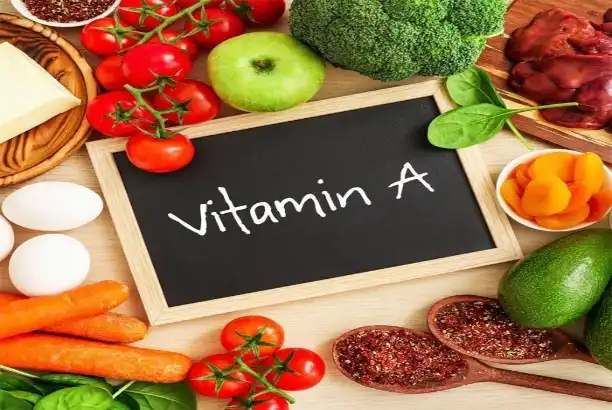
How to Use Vitamin A Powder Effectively
Addressing Dosing Accuracy Challenges
When working with strong vitamins, accurate doses of Vitamin A powder are very important. Our expert teams often help clients whose batches vary in strength because they weren't mixed properly or were exposed to moisture while being handled. Using geometric dilution methods, where the active ingredient is gradually mixed with growing amounts of the excipient, ensures that the finished matrix has a uniform distribution. For tablet formulas aiming for 1500 IU per unit, mixing the retinol powder with some of the diluent ahead of adding it to the main powder train stops concentration areas that make tests for content uniformity less accurate.
Optimizing Absorption in Different Matrices
To get the best bioavailability, the delivery method needs to be matched to the purpose. Using medium-chain lipids to spread the powder in lipid-based soft gelatin tablets improves absorption in the intestines by creating micelles. Solubilizing retinol in dry silicone bases helps cosmetic serums work better because they can get deeper into the stratum corneum while reducing reactive damage. Spray-coating the pellets' sides after extrusion is needed for animal feed uses to keep them from breaking down at high temperatures during production. By knowing these application-specific needs, buying teams can choose the right grade of materials and work with sellers who can help with technical formulation.
Best Practices for Formulation Stability
Because retinol is easily oxidized and broken down by light, safety measures must be used when making new products. Tocopherols, ascorbyl palmitate, and BHT are all part of antioxidant systems that keep their effectiveness over the life of a product. UV radiation speeds up the breakdown of molecules, but opaque or amber packaging materials stop it. During bottling, nitrogen purge gets rid of the air spaces in containers. When making water-based systems, microencapsulation technologies put up physical barriers between the active ingredient and the water molecules that break it down. These methods for improving stability, which have been proven to work in studies that sped aging at 40°C/75% relative humidity, make sure that goods live up to their claims on the label at the expiration date.
Real-World B2B Application Case
A European company that makes nutritional supplements came to us and asked us to change the formula of their eye support product so that it would be more effective and still have a two-year shelf life. Together, our R&D team suggested putting our 98% retinol powder at a strength of 0.08% w/w in a dry-filled cylinder using molecular encapsulation technology. After the launch, stability testing showed that the drug lost less than 5% of its strength after 24 months in normal circumstances. Within six months of being reformulated, sales of the product increased by 23%, showing that material quality and expert teamwork are key to business success.
Selecting the Right Vitamin A Powder Supplier and Product
Evaluating Critical Supplier Qualifications
When picking a factory partner, you need to look at more than just the price. Portfolios of certifications that include FDA registration, ISO 9001, HALAL, Kosher, HACCP, and GMP show dedication to quality systems and following the rules. Companies that sell to regulated markets or through foreign outlets must have these qualifications. Supply chain dependability can be assured by supplier audit reports that confirm current Good Manufacturing Practices, tested analytical methods, and strong change control processes. At Jianbei, our certifications cover a wide range of global legal systems. This makes it possible for clients in a wide range of countries to easily export documents.
Understanding Minimum Order Quantities and Lead Times
Minimum order numbers (MOQ) and delivery times of Vitamin A powder are affected by the economy of production. Our 1 kg MOQ allows for R&D samples and pilot production runs, which lets you improve the recipe before making a full-scale purchase. Standard shipping times of 3–7 working days after payment support just-in-time inventory management and keep working capital from getting stuck in raw material stocks as much as possible. Different ways of handling money can be accommodated by flexible payment options such as telegraphic transfer, PayPal, Western Union, and Alipay. Clear communication about planning production and keeping track of supplies makes sure that procurement teams can see what's going on throughout the order delivery cycle.
Packaging Options for Different Scale Requirements
The cost of storing and moving materials is affected by how they are packaged. Individual 1 kg aluminum foil bags work well for small batches and recipes that change often and need to use a lot of different ingredients quickly. Bulk 25 kg fiber drums save producers who make a lot of products money on freight costs because they have their own storage facilities and set quality control procedures for inspecting arriving raw materials. Both types of packaging have moisture shields and oxygen scavengers that keep the product's structure while it's being shipped or stored. Talking to your provider about how you think people will use their products will help you choose packaging that meets business needs and helps you reduce waste.
Building Strategic Supplier Partnerships
Long-term ties with suppliers give you a competitive edge by giving you priority when the market is tight, letting you work together on product development projects, and streamlining your technical support. Setting up ways to talk to your supplier's quality assurance and legal affairs teams makes it easier to get answers quickly to questions about certificates of analysis, requests for custom tests, or formulation problems. Sharing roadmaps for product growth lets suppliers guess what new standards, certifications, or paperwork you might need in the future. This partnership-based method turns simple buying into strategic sourcing, which helps your business come up with new ideas and respond quickly to market changes.
Comparing Vitamin A Powder Variants: Quality and Performance Insights
Absorption Rates and Bioavailability Considerations
In living things, the bioconversion rate of different retinoid forms varies. All-trans-retinol, which is the main isomer in our product, is more bioavailable than beta-carotene precursors, which need to be converted by enzymes. According to studies in clinical nutrition, preformed retinol from animal or synthetic sources is absorbed 70–90% by the intestines when given with dietary fats. On the other hand, provitamin A carotenoids are only converted at 12:1 or lower ratios, based on the person's metabolism. This difference in bioequivalence affects how to dose and prove claims for brands that focus on effectiveness.
Synthetic versus Natural Source Materials
Choosing between manufactured and natural-source chemicals is often based on how the product fits into the market. Retinol that is made in a lab is more consistent from batch to batch, has better purity levels, and costs less, which makes it easier to set competitive prices for mass-market uses. Natural retinyl esters made from fish liver oils are good for clean labeling, but they can be different depending on the time of year when the fish is caught, and need more steps to be cleaned to get rid of marine contaminants. Both types can have the same chemical structures and cellular activities if they are made to the right quality standards. This means that the choice comes down to brand positioning rather than differences in how well they work.
Format Flexibility Across Delivery Systems
Powder forms offer more preparation options than pre-diluted forms. Cosmetic scientists can add the powder straight to oil serums, dry cream bases, or powder foundations without adding any extra solvents. Controlled mixing operations help supplement makers make sure that pills, capsules, or powder mixes have the right amount of potency. Coating technologies that stick powder particles to feed pellets with a few processing steps are useful for veterinary uses. Because it is flexible, product makers can make sure that each formulation meets the performance needs, user experience standards, and production equipment capabilities of the particular product.
Industry Feedback and Market Preferences
The comments our technical service team gets from customers of Vitamin A powder as a whole show that there are some common themes. Formulators prefer providers who offer full reports of analysis that include proof of strength and information on heavy metals, microbial limits, and residual solvents. Procurement managers like it when customer service responds quickly to urgent paperwork needs for regulatory applications or clearing customs. Quality assurance teams like it when sellers keep records of older batches so that tracking investigations can be done when needed. These findings help us with our efforts to keep getting better and create new service models, which help us keep up with changing market standards.
Addressing Safety, Dosage, and Side Effects
Recommended Dosages for Different Applications
Different types of applications have very different recommended usage amounts. Depending on the target audience and therapeutic positioning, nutritional supplements usually aim for 750 to 3000 mcg of retinol activity equivalents per dose, which is 83% to 333% of the daily suggested values. Topical skin care products usually have retinol amounts between 0.01% and 0.1%, which balances effectiveness with the risk of discomfort in sensitive individuals. Veterinary nutrition uses standards that are specific to each species. For example, diets for companion animals are usually fortified with 5,000 to 10,000 IU of vitamin D per kilogram of full feed. These usage ranges should be clearly stated in the procurement specs to make sure that the materials given support finished product formulations that are in line with the rules.
Quality Control Measures for Safety Assurance
Strict rules for scientific tests protect against the risks of contamination and fraud. Heavy metals testing shows that amounts of lead, arsenic, mercury, and cadmium are still below the levels recommended by pharmaceutical companies, which could be harmful if they build up over time. Microbiological research shows that pathogens like Salmonella, E. coli, and Staphylococcus aureus make the goods less safe. The study of residual solvents finds processing chemical overflow that is higher than the ICH Q3C limits. These important quality factors are all covered by our lab. For each production batch, we give you a proof of analysis, which creates an auditable paper trail that meets your quality assurance needs and regulatory compliance responsibilities.
Regulatory Compliance Frameworks
The amounts of use that are allowed, the labeling standards, and the proof of safety are all controlled by global regulatory landscapes. Under 21 CFR 184.1930, the FDA says that retinol is generally recognized as safe (GRAS) for use as a dietary supplement as long as it doesn't go over certain limits. Regulation (EC) No 1223/2009 of the European Union limits the amount of retinol that can be found in cosmetics and requires safety tests. Feed additive rules, such as AAFCO standards, set maximum amounts of fortification to keep animal groups from getting too much vitamin D. Working with suppliers who keep their legal information and paperwork systems up to date lowers the risk of not following the rules and speeds up the launch of products in all target markets.
Conclusion
To successfully add retinol to industrial formulations, you need to pay attention to the quality of the materials, the skills of the provider, and the technical needs of the application. This guide has explained important choice factors related to checking specifications, improving formulations, following rules, and evaluating suppliers. By understanding these factors, procurement pros can find materials that help differentiate products, prove their effectiveness, and keep up with the competition in the market. As the need for science-backed functional ingredients grows among consumers in the nutraceutical, cosmetic, and veterinary categories, buying raw materials can become a strategic advantage if you work with qualified makers who offer technical partnerships.
FAQ
1. What is the recommended daily dosage for nutritional supplements?
750 to 1500 mcg of retinol activity equivalents are usually found in nutritional supplements for adults every day. This is about 83% to 167% of the suggested daily amount. Higher therapeutic doses up to 3000 mcg may be suitable for correcting certain deficiencies when supervised by a medical professional. However, long-term use above the higher intake levels (3000 mcg for adults) needs medical monitoring to avoid hypervitaminosis A symptoms.
2. Can Vitamin A powder be safely used in pet products?
Retinol can be safely added to companion animal nutrition products when they are made according to AAFCO nutritional values. Complete and balanced dog foods usually have between 5,000 and 10,000 IU per kilogram of food, while cat foods have between 9,001 and 30,000 IU per kilogram, which is because cats have different needs than dogs. With the right mixture, deficiency-related diseases can be avoided, and too much supplementation can lead to problems with the bones or liver.
3. How can I verify powder purity from new suppliers?
By asking for full certificates of analysis that include HPLC purity determination, heavy metals screening, bacterial testing, and moisture content, you can check the quality at a basic level. Testing the first shipments by independent, third-party labs that are ISO 17025 certified makes sure that the material provided meets the requirements. Audits of suppliers' factories that look at their quality control, data analysis, and record-keeping methods give strategic partnerships more confidence.
Partner with a Trusted Vitamin A Powder Manufacturer
Jianbei Biotechnology is ready to help you reach your purchasing goals by providing you with high-quality retinol powder made in GMP-certified facilities that are backed by FDA registration and a wide range of foreign certifications. Our experienced research and development team, large inventory, and full documentation packages make it easier for you to make choices about where to buy, and our 15 national idea patents show that we are committed to continuing to innovate. We offer unique solutions, such as formulation advice, stability testing support, and help with regulatory paperwork, whether your needs are for R&D samples, pilot production, or large orders for business use. Get in touch with our technical experts at sales@bqingbio.com to talk about your unique application needs and find out how our Vitamin A powder source can help you speed up the development of your product while maintaining the highest quality standards.
References
1. Institute of Medicine (US) Panel on Micronutrients. Dietary Reference Intakes for Vitamin A, Vitamin K, Arsenic, Boron, Chromium, Copper, Iodine, Iron, Manganese, Molybdenum, Nickel, Silicon, Vanadium, and Zinc. Washington: National Academies Press, 2001.
2. Mukherjee S, Date A, Patravale V, et al. Retinoids in the treatment of skin aging: an overview of clinical efficacy and safety. Clinical Interventions in Aging, 2006; 1(4): 327-348.
3. National Research Council. Nutrient Requirements of Dogs and Cats. Washington: National Academies Press, 2006.
4. Blomhoff R, Blomhoff HK. Overview of retinoid metabolism and function. Journal of Neurobiology, 2006; 66(7): 606-630.
5. European Food Safety Authority. Scientific Opinion on the re-evaluation of retinol (vitamin A) as a food additive. EFSA Journal, 2012; 10(3): 2593.
6, United States Pharmacopeial Convention. USP-NF General Chapter <621> Chromatography: Analysis of Vitamin A. Rockville: United States Pharmacopeia, 2023.