- English
- French
- German
- Portuguese
- Spanish
- Russian
- Japanese
- Korean
- Arabic
- Greek
- German
- Turkish
- Italian
- Danish
- Romanian
- Indonesian
- Czech
- Afrikaans
- Swedish
- Polish
- Basque
- Catalan
- Esperanto
- Hindi
- Lao
- Albanian
- Amharic
- Armenian
- Azerbaijani
- Belarusian
- Bengali
- Bosnian
- Bulgarian
- Cebuano
- Chichewa
- Corsican
- Croatian
- Dutch
- Estonian
- Filipino
- Finnish
- Frisian
- Galician
- Georgian
- Gujarati
- Haitian
- Hausa
- Hawaiian
- Hebrew
- Hmong
- Hungarian
- Icelandic
- Igbo
- Javanese
- Kannada
- Kazakh
- Khmer
- Kurdish
- Kyrgyz
- Latin
- Latvian
- Lithuanian
- Luxembou..
- Macedonian
- Malagasy
- Malay
- Malayalam
- Maltese
- Maori
- Marathi
- Mongolian
- Burmese
- Nepali
- Norwegian
- Pashto
- Persian
- Punjabi
- Serbian
- Sesotho
- Sinhala
- Slovak
- Slovenian
- Somali
- Samoan
- Scots Gaelic
- Shona
- Sindhi
- Sundanese
- Swahili
- Tajik
- Tamil
- Telugu
- Thai
- Ukrainian
- Urdu
- Uzbek
- Vietnamese
- Welsh
- Xhosa
- Yiddish
- Yoruba
- Zulu
What we mean by "sorbitol powder bulk" is a big amount of D-glucitol in the form of crystalline powder that is used in industry. This polyol can be used as a useful ingredient in many different types of products, such as medicines, foods, cosmetics, and supplements. Using a catalyst to hydrogenate glucose from corn starch or tapioca makes sorbitol powder bulk, which is a steady sweetener and humectant that doesn't cause carbs to build up in the body. Its bulk specification makes sure that the particles are spread out evenly, usually between 20 and 80 mesh. This keeps them from clumping together during storage and shipping and keeps them flowing well for high-speed production lines. With about 2.6 kcal/g of calories compared to 4 kcal/g of sucrose, it meets important business needs for lowering calories without changing texture or taste.
The Problem It Solves and Why It Matters
Product design is always a problem for people who work in manufacturing. During heat processing, traditional sugars cause unwanted Maillard reactions that change the colour and flavour of food. Hygroscopic ingredients take in water without warning, which can cause clumping and problems with doses. At the same time, there is a huge rise in demand for sugar-free and tooth-friendly goods. Sorbitol powder in bulk takes care of these problems right away. Because it is so thermally stable, goods can be processed at high temperatures without turning brown. The managed hygroscopicity keeps the product's moisture level steady and stops it from absorbing too much water, which can mess up the texture. As a non-cariogenic sweetener, it lets companies make candy and oral care items that actually claim to be good for your teeth. The pharmaceutical business really likes how easy it is to compress sorbitol for direct compression tableting. Sorbitol doesn't need to be mixed with water as many other excipients do; it runs smoothly through tablet presses and helps hold things together. So, there are fewer steps in the manufacturing process, prices are lower, and differences between batches are kept to a minimum. Its ability to work as both a sweetener and a texturizer is useful for food makers. It keeps ice crystals from forming, which would damage cell structure, when used in frozen situations. The cosmetics industry relies on its ability to keep moisture in to keep textures smooth and extend the life of products. Acceptance by regulators around the world makes it even more valuable. Sorbitol makes the process of launching a product in more than one market easier because it is FDA GRAS, kosher, halal, and meets foreign standards.
Core Features and Functional Properties That Drive Results
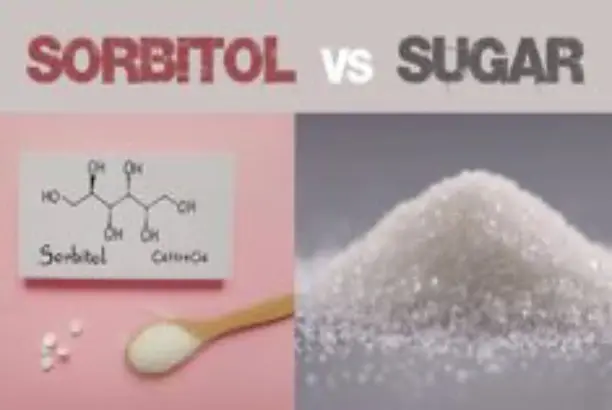
The molecular formula for our sorbitol powder bulk is C6H14O6, and its molecular weight is 182.17. It is 98% pure. This white powder with crystals works well in a wide range of challenging situations. Because sorbitol absorbs water, it needs to be handled carefully. Our improved particle size distribution ensures that the rate of moisture uptake is controlled. This keeps the product from clumping, which happens with lower-quality options when they are stored or moved around in a building. The properties of solubility make synthesis easy. Sorbitol mixes easily with water at room temperature, making solutions that are clear and not cloudy. This feature is very important for liquid pharmaceutical preparations and beverage applications, where clear visibility shows quality to the end consumer. The sweetness level hits about 60% of sucrose. Even though it's less than table sugar, this profile is good for recipes that need bulk without too much sweetness. When you mix sorbitol with high-intensity sweeteners, you get balanced flavour profiles that people like better than methods that only use one sweetener. Some types of products are better because of the cooling effect, which is a feeling that you get on your tongue. Mint candies and breath fresheners use this to their advantage to make them more cooling. Some manufacturers see this as a limitation at first, but strategic formulation turns it into a marketing advantage. Chemical stability in both acidic and basic situations makes uses more varied. Sorbitol stays effective in a wide range of products, from pH 3 citrus drinks to pH 9 cleaning mixtures. This wide pH range makes it easier to change the formula of goods when moving them between categories. The ability to withstand heat is what sets sorbitol apart from lowering sugars. When baking at temperatures above 150°C, neither caramelisation nor Maillard browning happens. This keeps the product's look and stops the bad taste that can happen with glucose or fructose. Oral germs can't turn sorbitol into acids that damage enamel, which is why it doesn't cause cavities. Clinical studies show that it is safe for use in dentistry, which backs up marketing claims that make goods stand out in crowded stores.
Manufacturing Process and Quality Assurance Standards
At Jianbei Biotechnology, we use a closed-loop production method that starts with making glucose and ends with packaging it. This all-around method makes sure that quality and tracking are met at every step. The first step in our process is to use enzymes to break down high-quality starch sources. Before moving on to catalytic hydrogenation, strict tests are done to make sure that the glucose is pure. Nickel-based catalysts help the change happen in high-pressure reactors where the temperature and pressure are carefully controlled. This careful handling keeps selectivity while increasing conversion rates. After concentration, cooling, and mechanical separation, the substance is cleaned and crystallised. Activated carbon decolourisation and recrystallisation work together to get rid of any remaining impurities and colour bodies. These steps bring the cleanliness and look up to standards that are suitable for use in medicine and food. Using Hoover drying technology lowers the amount of wetness to less than 1%, which is a very important level for stability. Crushing and screening after drying make sure that the particles are all the same size and can move easily through production equipment. Our GMP-standard workshop and two separate labs test every batch with HPLC to make sure it meets the requirements before it is released. We keep our ISO, HACCP, GMP, FDA registration, halal, and kosher standards up to date. These credentials show that we are dedicated to quality assurance and foreign compliance. Each package comes with a lot of paperwork, which makes it easier to submit paperwork to regulators and go through audits. Our three production lines and large store space make sure that we can always meet customer needs. We can meet your needs within 3–7 working days after receiving payment, whether you need samples weighing 1 kg or bulk sales weighing many tonnes.
Key Advantages for Manufacturers and Formulators
Sorbitol powder in bulk gives your business measurable sorbitol powder bulk benefits. It saves money because it can be used as a sweetener, humectant, thickening agent, and stabiliser all at the same time. This merging cuts down on ingredient lists and makes buying easier. Formulation freedom makes it easy to add to recipes that are already in use. Because it works well with proteins, carbs, and hydrocolloids, it doesn't cause many problems when reformulating. When companies switch from sugary to sugar-free versions, they find that sorbitol's similar bulk qualities make the process easier. Antimicrobial qualities at high concentrations cause the shelf life to be longer. Products made with sorbitol naturally stop microbes from growing, which could mean they don't need as many preservatives. This backs clean-label programs that appeal to people who care about their health. Some benefits of the process include less sticking during production. The lines that make candy and tablets are cleaner and have less machine fouling. This means less downtime for maintenance and cleaning, which makes the tools work better overall. Health claims that are true can help you stand out in the marketing world. Positioning as sugar-free, low in calories, and good for your teeth opens up premium market segments with better margins. Claims that are legal and backed up by sorbitol's known properties boost the trustworthiness of a brand. In competitive markets, the dependability of the supply line is important. Supply interruptions that mess up production plans and hurt relationships with customers are no longer a problem for us, thanks to our established production capacity and quality systems.
Important Considerations for Procurement and Handling
When handling bulk sorbitol powder in trade, you need to follow certain steps. Because it absorbs water, it needs to be stored in dry, cool places with managed humidity. We put goods in sealed 1 kg aluminium foil bags or 25 kg drums that keep out wetness while they are being shipped and stored. If the keeping conditions stay perfect for two years, the shelf life applies. Opening and resealing packages in damp places speeds up the absorption of moisture, which could affect the flowability. By following the right steps for handling materials, you can keep the standard of your products high throughout the entire inventory cycle. Different uses call for different dosage factors. Depending on the size and hardness needs of the tablet, pharmaceutical formulas usually have 20 to 80% sorbitol in them. Food uses range from 5 to 30 per cent, depending on how sweet they need to be and what they need to do. For humectant benefits, cosmetics usually use 2 to 10 per cent concentrations. Sorbitol is generally thought to be safe, but it can make you go to the toilet if you eat a lot of it—usually more than 50 grams a day for adults. When making new foods, this physiological reaction needs to be taken into account. Labels that are easy to read and serving sizes that are right help meet both customer and government standards. The price of bulk sorbitol powder depends on how much you order, how pure you want it to be, and how you want it delivered. When you have long-term relationships with suppliers, you can often get better prices and be given priority during times when supplies are tight. When planning transportation, weight and moisture sensitivity should be taken into account. Quality problems during transport can be avoided by choosing carriers who have experience with hygroscopic materials. Our transportation team works with dependable partners to make sure that deliveries happen on time and in perfect condition.
Sorbitol Powder Bulk Versus Alternative Sweeteners
Knowing about competing options can help you make better formulation choices. Another sugar alcohol is xylitol, which has a stronger sweetness when compared to 100% sucrose. But because it is more expensive and harder to get, sorbitol is better for situations where you don't need a lot of sweetness. Mannitol works the same way but is less likely to absorb water. This property helps users who need very dry conditions. However, sorbitol is better for making medicine tablets because it can be compressed more easily and costs less. While glycerin can be used in similar ways as sorbitol as a humectant, it does not have the sweetening qualities of sorbitol. Sorbitol's two actions are helpful for products that need to do both. Also, the solid powder form of sorbitol is easier to work with than the thick liquid form of glycerin. In terms of sweetness and function, maltitol is a lot like sugar. Because it costs more, it's usually found in high-end formulas where the taste is worth the extra money. Sorbitol's lower price makes it a good choice for mid-range items and uses that value cost-effectiveness over maximum sweetness. Erythritol is liked by ketogenic and low-carb consumers because it has almost no calories. It does, however, cool more than sorbitol, which could have unpleasant sensory effects in savoury uses. The mild cold effect of sorbitol cools without overpowering other flavours. There are pros and cons to each option. Sorbitol is widely used in many industries because it has a good mix of functions, cost, availability, and regulatory acceptance. The majority of makers believe it works best for common uses.
Target Customers and Ideal Applications
Pharmaceutical-grade sorbitol powder is used by makers of dietary supplements as a tablet binder and filler. Because it is very easy to compress, direct compression methods can be used, which makes manufacturing simpler. The bland taste profile doesn't change the flavours of the active ingredients, so the product stays tasty. Sorbitol is added to protein shakes and meal replacements by nutritional powder makers to make them more filling and sweet. Its low glycaemic index fits with claims that it can help control blood sugar, which is becoming more and more important to health-conscious customers. Sorbitol is used by people who are creating new functional foods in energy bars, sugar-free snacks and specialty baked goods. The thermal stability lets normal baking methods work while also allowing sorbitol powder to bulk in the low-calorie setting. Its ability to keep wetness in means that products stay fresh longer, which cuts down on waste and returns. Sorbitol powder of the food grade is used to make sugar-free drinks, especially those for people with diabetes and who are trying to lose weight. Natural and fake sweeteners work well with the clean sweetness to make well-balanced flavour profiles. Sorbitol powder is used by people who make products like toothpaste, lotions, and creams. Its humectant features keep textures smooth and stop products from drying out. Because it is non-comedogenic, it works well in skin care products for the face. Sorbitol is used by drug makers to make chewable tablets, liquid suspensions, and syrups. Because it tastes good, patients are more likely to take it even though the active ingredients are bitter. The functionality of the excipient helps with regular drug delivery. More and more pet supplement companies are realising that sorbitol can help make supplements taste better and help them form tablets. Animal health goods naturally benefit from the same level of safety and functionality. Our wide range of certifications is appreciated by international wholesalers who serve markets around the world. Registration with the FDA, compliance with REACH, ISO standards, and religious certifications make it easier to get things through customs and get government approval in different countries.
Conclusion
Sorbitol powder bulk represents a strategic ingredient choice for manufacturers across the pharmaceutical, food, cosmetic, and nutraceutical sectors. Its versatile functionality as a sweetener, humectant, and excipient simplifies formulations while reducing costs. The technical properties—thermal stability, controlled hygroscopicity, and excellent compressibility—solve real manufacturing challenges. As consumer demand for sugar-free, dental-friendly products accelerates, sorbitol's regulatory acceptance and proven performance position it for continued growth. Selecting a qualified supplier with comprehensive certifications and reliable production capacity ensures your operations maintain the consistency and quality your customers expect.
FAQ
Q1: What minimum order quantity does Jianbei require for sorbitol powder bulk?
A: We accommodate orders starting at just 1kg, recognising that R&D teams need small quantities for initial formulation trials. This flexible approach supports your product development process before scaling to production volumes. Our inventory depth allows us to fulfil orders ranging from sample sizes to multi-ton shipments without extended lead times.
Q2: How does sorbitol powder compare to liquid sorbitol in manufacturing efficiency?
A: Powder form eliminates the pumping and heating systems required for viscous liquid handling. This simplifies equipment needs and reduces energy consumption. The free-flowing powder integrates easily into dry blending processes common in supplement and food manufacturing. Moisture control also becomes more straightforward with powder specifications.
Q3: What documentation supports regulatory submissions for international markets?
A: Each shipment includes Certificates of Analysis specifying purity, moisture content, heavy metals, and microbial counts tested via HPLC. We provide Certificate of Origin, health certificates, and our comprehensive quality management system documentation. Our FDA registration, ISO certifications, and halal/kosher approvals directly support your regulatory filings across North American, European, and Middle Eastern markets.
Q4: Can sorbitol powder bulk remain stable in high-humidity manufacturing environments?
A: Proper material handling mitigates humidity concerns. We recommend storing unopened containers in climate-controlled areas and using just-in-time inventory practices. Once incorporated into your formulation matrix, sorbitol's hygroscopicity becomes an asset—attracting and retaining moisture within the product rather than absorbing from ambient air. Many manufacturers successfully use sorbitol in tropical climates with appropriate protocols.
Partner With a Trusted Sorbitol Powder Bulk Manufacturer
Finding a reliable sorbitol powder bulk supplier directly impacts your sorbitol powder bulk manufacturing efficiency and product quality. Jianbei Biotechnology combines advanced production capabilities with customer-focused service to support your success. Our GMP-certified factory, extensive inventory, and complete certification portfolio eliminate the supply chain uncertainties that disrupt production schedules. Contact our team at sales@bqingbio.com to discuss your specific requirements and receive technical support for your formulation challenges.
References
1. Mitchell, H.L. (2006). Sweeteners and Sugar Alternatives in Food Technology. Oxford: Blackwell Publishing Ltd.
2. Rowe, R.C., Sheskey, P.J., & Quinn, M.E. (2009). Handbook of Pharmaceutical Excipients (6th ed.). London: Pharmaceutical Press.
3. Zumbe, A., Lee, A., & Storey, D. (2001). Polyols in Confectionery: The Route to Sugar-Free, Reduced Sugar and Reduced Calorie Confectionery. British Journal of Nutrition, 85(Suppl 1), S31-S45.
4. Grembecka, M. (2015). Sugar Alcohols—Their Role in the Modern World of Sweeteners: A Review. European Food Research and Technology, 241(1), 1-14.
5. Sentko, A. & Willibald-Ettle, I. (2012). Sorbitol Production from Biomass: Industrial Applications and Future Perspectives. Sugar Technology, 14(3), 205-212.
6. Nabors, L.O. (2011). Alternative Sweeteners (4th ed.). Boca Raton: CRC Press.