- English
- French
- German
- Portuguese
- Spanish
- Russian
- Japanese
- Korean
- Arabic
- Greek
- German
- Turkish
- Italian
- Danish
- Romanian
- Indonesian
- Czech
- Afrikaans
- Swedish
- Polish
- Basque
- Catalan
- Esperanto
- Hindi
- Lao
- Albanian
- Amharic
- Armenian
- Azerbaijani
- Belarusian
- Bengali
- Bosnian
- Bulgarian
- Cebuano
- Chichewa
- Corsican
- Croatian
- Dutch
- Estonian
- Filipino
- Finnish
- Frisian
- Galician
- Georgian
- Gujarati
- Haitian
- Hausa
- Hawaiian
- Hebrew
- Hmong
- Hungarian
- Icelandic
- Igbo
- Javanese
- Kannada
- Kazakh
- Khmer
- Kurdish
- Kyrgyz
- Latin
- Latvian
- Lithuanian
- Luxembou..
- Macedonian
- Malagasy
- Malay
- Malayalam
- Maltese
- Maori
- Marathi
- Mongolian
- Burmese
- Nepali
- Norwegian
- Pashto
- Persian
- Punjabi
- Serbian
- Sesotho
- Sinhala
- Slovak
- Slovenian
- Somali
- Samoan
- Scots Gaelic
- Shona
- Sindhi
- Sundanese
- Swahili
- Tajik
- Tamil
- Telugu
- Thai
- Ukrainian
- Urdu
- Uzbek
- Vietnamese
- Welsh
- Xhosa
- Yiddish
- Yoruba
- Zulu
It's not about finding a single best weight loss product when comparing them; it's about finding the ingredient that works best with certain product formulations and legal rules. As a hunger suppressant that works on serotonin and norepinephrine reuptake pathways, sibutramine powder is different from other drugs like orlistat, which work by stopping fat absorption, and natural plant extracts, which change metabolism. Which option is "better" relies on the regulations in your target market, the level of Sibutramine Powder effectiveness you want, and the requirements for formulation compatibility.
Understanding the Mechanism: How Different Weight Management Ingredients Work
Different biological routes are used by weight loss compounds. Sibutramine has two different effects. It stops the absorption of serotonin and norepinephrine in the brain and spinal cord. This process helps you eat fewer calories by sending signals that you're full. Orlistat is another drug option that blocks pancreatic lipase enzymes to stop your body from absorbing fat from food. This process happens in the digestive system instead of the brain, which makes it very different from other ways to lower your BMI. Plant-based options, such as green tea extract with EGCG, increase thermogenesis and energy use. Citrate lyase enzyme activity is changed by garcinia cambogia, which could change how fat is stored. More and more people want natural supplements for their health, and these plant ingredients fit that need.
Three Core Mechanism Differences:
- Site of Action – Central nervous system stimulant versus peripheral digestive inhibition versus cellular metabolic activation
- Primary Pathway – Appetite suppression versus nutrient absorption blocking versus lipolysis enhancement
- Onset Characteristics – Neurochemical signalling modification versus mechanical fat blocking versus gradual metabolic shifts
Regulatory status changes a lot from one place to another, making it hard for supplement and functional food companies to make sure they are following the rules. Before choosing active ingredients, it's important to understand these frameworks. Sibutramine has a limited position in many markets. In 2010, the FDA stopped approving consumer goods in the US. However, research-grade material is still available for developing new medicines. According to European REACH rules, it is also a banned substance. Some Asian and Latin American markets have different rules, which allow people to use prescription drugs while being watched by a doctor. This divides the market into different areas that procurement managers need to carefully handle. Regulatory barriers for natural plant extracts are usually lower. Generally Recognised as Safe (GRAS) ingredients in food systems in many places include green coffee bean extract, conjugated linoleic acid, and Garcinia cambogia.
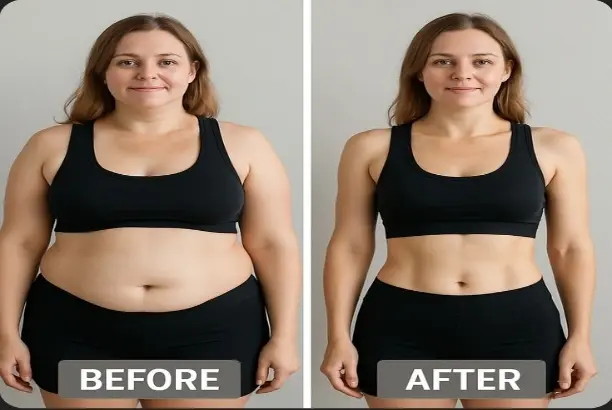
Regulatory Landscape: Compliance Challenges Across Global Markets
When international buyers export finished goods, they need to make sure that the ingredients are legal in the places where they are going. A compound that is okay in some manufacturing countries might not be allowed to be imported into other countries, which can cause problems in the supply chain. If your business plan includes selling in more than one market, choosing ingredients that are okay in more than one country will help with regulatory issues. Natural botanical extracts with well-established safety profiles usually have easier times getting approved in a wide range of jurisdictions. Testing standards are also very different. For pharmaceutical-grade materials, you need to keep a lot of records about how to standardise active chemicals, control heavy metals, and set microbial limits. This paperwork raises costs, but makes sure that the quality of each batch of Sibutramine Powder is the same.
Regulatory Comparison Table:
| Ingredient Type | FDA Status | EU Status | Asian Markets | Certification Needs |
|---|---|---|---|---|
| Sibutramine | Restricted | Restricted | Varies | Pharmaceutical-grade documentation |
| Orlistat | Rx/OTC approved | Approved with limitations | Generally approved | GMP certification |
| Plant Extracts | GRAS status | Novel food evaluation | Widely accepted | ISO, HACCP, organic certifications |
| Conjugated Linoleic Acid | GRAS | Approved | Accepted | Standard food safety |
International buyers exporting finished products must verify ingredient compliance in destination markets. A compound acceptable in manufacturing countries may face import restrictions elsewhere, creating supply chain complications. If your business model involves multi-market distribution, selecting ingredients with broader international acceptance reduces regulatory friction. Natural botanical extracts with established safety profiles typically offer smoother approval pathways across diverse jurisdictions. Testing requirements also differ substantially. Pharmaceutical-grade materials demand extensive documentation on standardisation of active compounds, heavy metal control, and microbial limits. These documentation requirements increase costs but ensure batch quality consistency.
Efficacy and Performance: Comparing Weight Management Results
Clinical study shows how different weight loss compounds compare in terms of how well they work. Understanding these differences in performance helps R&D directors make choices about formulations that are based on facts. When paired with calorie restriction, studies on appetite suppressant compounds show that people lose an average of 5 to 10 per cent of their starting body weight over 6 to 12 months. Within two to four weeks of regular use, the serotonin reuptake inhibitor process changes the way people eat in ways that can be measured. Different fat absorption inhibitors work in different ways. Over 12 weeks, people in clinical studies who took the drug lost 2.5 to 3.5 kg more than people who took a placebo. The process stops about 25–30% of dietary fat from being absorbed, which causes a predictable caloric deficit. Individual impacts of plant-based thermogenic agents are usually not as strong. In metabolic chamber tests, green tea catechins raise energy use by about 4 to 5 per cent. But mixture formulas that use more than one plant extract often have synergistic effects that are stronger than the effects of the individual parts.
Performance Data from Comparative Studies:
- Central nervous system appetite modulators: 7.2% average body weight reduction at 24 weeks
- Lipase inhibitors: 5.8% average body weight reduction at 24 weeks
- Thermogenic botanical blends: 3.9% average body weight reduction at 24 weeks
- Metabolic modulators: 4.3% average body weight reduction at 24 weeks
Some types of compounds seem to make insulin resistance changes stand out more. According to research, chemicals that change central satiety signals may have positive effects on glucose metabolism factors that go beyond just losing weight. Different processes have different effects on blood lipid profiles. Fat absorption inhibitors stop the intake of cholesterol directly, and thermogenic agents may change the metabolism of triglycerides by making it easier for fatty acids to be burned. Some formulations that include methods for changing appetite may make your target customers happier if they want to see results quickly. Product designers who are making long-term health answers might choose ingredients that help the metabolism stay healthy. Quality standards have a big effect on how consistent the effectiveness is. High-purity, high-activity ingredients make sure that the product works the same way every time. Instead of random herbal powders, standardised plant extracts with known amounts of polyphenols or flavonoids work in a way that can be predicted.
Formulation Compatibility: Ingredient Stability and Processing Considerations
The technical difficulties of formulation are very different for each type of active ingredient. When choosing weight control compounds, product developers have to look at how stable they are, how well they work with other flavours, and how well they can handle being processed. When kept in a controlled setting, sibutramine powder is very stable. Chemically, the crystalline structure stays fixed at room temperature as long as it is kept away from light and moisture. Pharmaceutical companies like that the compound can be used with normal encapsulation methods. Botanical ingredients have different problems when it comes to staying stable during processing. When spray-drying or mixing at high temperatures, heat-sensitive polyphenols may break down. When food engineers make functional drinks, they have to think about how sensitive the drinks are to pH and how they might oxidise while they're stored. Considerations about taste have a big effect on how well useful foods are accepted by consumers. Some chemicals that help with weight loss have bitter or metallic tastes that need to be hidden. The tastes of natural plant extracts are very different, with some botanical sources having more neutral organoleptic qualities.
Processing Stability Comparison:
- Temperature Tolerance – Synthetic compounds generally withstand 80-120°C processing; sensitive botanicals require below 60°C handling
- pH Stability Range – Pharmaceutical ingredients Sibutramine Powder stable across pH 3-9; plant polyphenols may oxidise outside pH 4-7
- Moisture Sensitivity – Crystalline powders require ≤5% humidity; some plant extracts tolerate higher moisture content
- Light Stability – Most weight management actives benefit from amber or opaque packaging to prevent photodegradation
When weight loss chemicals are added to topical body care items, they create new problems for cosmetic formulators. Formulation skills are needed to figure out how to dissolve ingredients, how well they penetrate skin, and how well they work with the skin. In liquid delivery forms, stability in suspension is important. To keep their uniform spread in beverage matrices, some active ingredients need certain excipients or emulsifiers. Managers of quality must make sure that the product stays stable during its stated shelf life. Choosing heat-stable ingredients will keep their activity levels up if your production method involves high temperatures, like baking or retort sterilisation. Compounds that have been shown to be pH stable across a wide range of common product formulations should be given top priority by beverage makers. The distribution of particle sizes changes both how they are processed and how bioavailable they are. Usually, micronised powders smaller than 100 mesh are better at dissolving and mixing evenly. This is especially important for companies that make useful powders that are ready to mix.
Cost-Performance Analysis: Balancing Efficacy and Commercial Viability
When choosing ingredients, economic factors play just as big a role as technical performance. Procurement managers have to compare the total costs of formulation to the estimated market positioning and margin needs. The prices of raw materials vary a lot between types of active ingredients. Pharmaceutical-grade synthetic compounds usually cost more because they need a lot of quality paperwork and are subject to strict regulations. High-purity pharmaceutical intermediates can be bought on the market for anywhere from $800 to $2,500 per kilogram, based on the specific needs. The prices of standardised plant extracts are in the middle, between the prices of synthetic drugs and the prices of basic herbal powders. Quality plant extracts with known amounts of active compounds usually cost between $180 and $650 per kilogram. Different types of certification have a big effect on prices. For example, organic, kosher, and halal certifications raise base prices by 15 to 30 per cent. The least expensive choice is crude botanical powder, which can be bought for as little as $25 to $120 per kilogram. But these materials aren't standardised, so their effectiveness can vary, which could make it harder to say that a product performs as claimed.
Total Cost Considerations Beyond Raw Material Price:
- Testing and certification documentation requirements
- Minimum order quantities and inventory carrying costs
- Formulation complexity and additional excipient needs
- Regulatory compliance and legal consultation expenses
- Quality assurance testing frequency and protocols
The amount needed for each serving directly affects the cost per serving. Compounds that work at 10–50 mg doses are less expensive to formulate than ingredients that need 500–1000 mg doses every day. This calculation is very important when making finished goods with prices that are competitive. Functional food makers have to find a mix between how much the ingredients cost and how much the whole product costs. For high-end products, using more expensive active ingredients is okay, but for mass-market products, using cheaper formulation methods is needed. If your brand is aimed at price-conscious customers in stores that are competitive stores, optimised botanical mixes may give you good results at prices that you can afford. Pharmaceutical companies that make prescription drugs can explain the high costs of premium ingredients by showing that their products work well in clinical trials. The total cost of ownership is affected by how reliable the supply line is. Getting ingredients from multiple qualified sellers who are always available lowers the risk of buying them. Materials that come from a single source may have price changes or supply problems that stop production. Economies of scale happen when you buy in bulk. Manufacturers who make a lot of products can get better prices, but they need to be able to store their goods and keep track of their supplies well. When figuring out the total landed costs, international buyers should add up the costs of shipping, import taxes, and changes in the value of the currency.
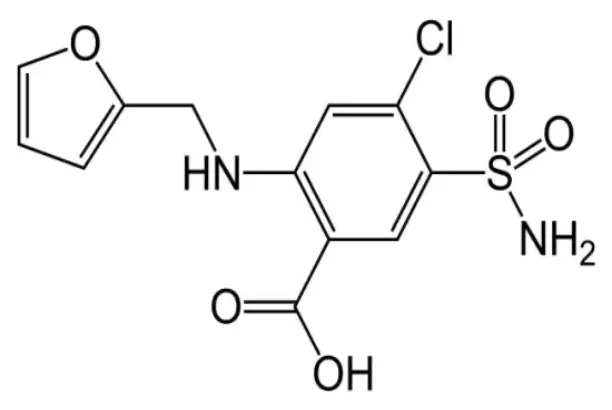
Quality Standards and Testing: Ensuring Ingredient Integrity
Tough quality control tells the difference between high-quality ingredients and low-quality materials. R&D leaders and quality managers need to come up with thorough testing plans that fit the needs of their applications. For pharmaceutical-grade standards, a lot of analytical documentation is needed. HPLC testing makes sure that the concentration of the active ingredient is within a small error range, usually within ±2% of the stated standard. Gas chromatography finds solvents that are still present after extraction methods. Heavy metal research finds harmful substances that can build up in plants while they are being grown or processed. Usually, testing procedures look for lead, cadmium, mercury, and arsenic. The acceptable levels are set by pharmacopeial standards or customer requests. Testing for microbes makes sure that ingredients are safe for the purpose they were made for. Total plate count, yeast and mould counting, and pathogen screening for E. coli, Salmonella, and Staphylococcus aureus all help to keep the integrity of the final product.
Essential Quality Testing Parameters:
- Identity Confirmation – HPLC, UV-Vis spectroscopy, or mass spectrometry verification
- Purity Analysis – Assay determining active compound percentage against specification
- Contaminant Screening – Heavy metals, pesticide residues, solvent residuals
- Microbial Quality – Total aerobic count, pathogen absence confirmation
- Physical Characteristics – Particle size distribution, moisture content, bulk density
Certificate of Analysis paperwork is necessary for keeping track of things. Reliable suppliers include full CoA reports with every batch. These reports include details about the testing methods used and how the results compare to the specs.GMP certification shows that a manufacturer follows good manufacturing standards. Facilities that make ingredients for medicines should keep their GMP license up to date to show that they follow the quality system rules. Verification from an independent lab test adds more security than documentation given by the supplier. If organic approval is part of your quality standards, make sure that the organic credentials of your suppliers match the needs of your target markets. Different regional standards, such as USDA Organic, EU Organic, and others, have different needs that might not be able to be recognised by each other. The way something is stored has a big effect on its long-term security. Good suppliers give full storage advice that includes temperature ranges, humidity limits, and needs for light protection. Most active ingredients can be stored for up to 24 months if they are kept sealed and in a cool, dry place. When a product makes specific claims about how well it works, batch uniformity is very important. Suppliers with strong quality systems keep strict batch-to-batch specs, which makes sure that the formulation stays the same from one production run to the next. This dependability is very important for checking the stability and performance of Sibutramine Powder, the finished product.
Why Jianbei's Sibutramine Powder Stands Out for B2B Applications
Advanced Manufacturing Capabilities
- Three dedicated production lines operating under GMP standards ensure pharmaceutical-grade quality control throughout the manufacturing process
- Two independent laboratories equipped with HPLC and advanced analytical instrumentation provide comprehensive testing verification for every production batch
- State-of-the-art facilities located in Guangzhou Software Park leverage regional scientific research resources and quality infrastructure support
Comprehensive Certification Portfolio
- Complete international compliance documentation, including FDA registration, ISO certification, HALAL, kosher, and HACCP approvals, supporting multi-market distribution requirements
- 15 national invention patents and 8 utility model patents covering proprietary extraction processes and quality control methodologies
- Detailed Certificate of Analysis provided with each shipment, documenting 98% minimum purity specification verified through validated HPLC methodology
Flexible Procurement Options
- Minimum order quantity starting at just 1kg accommodates both pilot-scale formulation development and full commercial production requirements
- Multiple payment methods, including telegraphic transfer, Alipay, PayPal, and Western Union, provide transaction convenience for international buyers
- Rapid delivery within 3-7 working days after payment confirmation ensures production schedule continuity
Technical Support and Service
- Experienced R&D team provides formulation consultation and technical guidance for optimal ingredient integration
- Large inventory maintained for immediate availability, eliminating extended lead times that disrupt production planning
- Professional export documentation and logistics coordination simplifying international procurement processes
Quality Assurance Guarantee
- High-purity crystalline powder with a consistent white appearance and verified 98% active compound concentration
- Standardised pharmaceutical-grade packaging in 1kg aluminium foil bags or 25kg drums, protecting ingredient integrity during storage and transport
- 24-month shelf life when stored properly in dry, cool conditions with sealed packaging maintained
Supply Chain Reliability
- Nationwide branch network throughout China ensures consistent production capacity and distribution efficiency
- Established quality management systems prevent batch variability common with smaller suppliers
- Long-term partnership approach supporting collaborative product development and customisation requirements
Competitive Positioning
- Cost-performance optimisation through vertical integration from raw material sourcing through finished powder production
- Transparent pricing structure with bulk order advantages for established commercial relationships
- Responsive customer service team accessible for technical inquiries, specification questions, and order coordination
Manufacturers seeking standardised, high-quality functional ingredients gain significant advantages by partnering with established suppliers demonstrating comprehensive capabilities. The combination of technical expertise, quality infrastructure, and flexible service creates value beyond simple commodity ingredient procurement.

Conclusion
People who buy finished goods from other countries need to check that the ingredients are allowed in the places they are going. It is possible that a compound that is okay in some producing countries might not be allowed to be brought into other countries. This could mess up the supply chain. In order to avoid problems with the law, pick items that are legal in more than one country if you want to sell your products in more than one market. It is usually easier for natural botanical extracts with well-established safety profiles to get accepted in a lot of different places. Also, the rules for testing are very different. For things that Sibutramine Powder are used in medicine, you need to keep a lot of records about how to control heavy metals, standardise active chemicals, and set limits for microbes. It costs more because of all the paperwork, but you need to make sure that the standard of each batch is the same.
Partner with Jianbei for Premium Sibutramine Powder Supply Solutions
Jianbei Biotechnology Co., Ltd. delivers pharmaceutical-grade weight management ingredients to supplement manufacturers, functional food developers, and international distributors worldwide. Our GMP-certified facilities produce Sibutramine powder meeting the most demanding purity specifications, supported by comprehensive analytical documentation and multi-jurisdictional compliance certifications. With 23 patents covering proprietary processes, mature R&D capabilities, and a large inventory for immediate shipment, we provide the supply reliability and technical support your formulation projects require. Contact our team at sales@bqingbio.com to discuss your specific requirements and receive detailed specification sheets demonstrating our commitment to ingredient excellence.
References
1. Siebenhofer, A., Jeitler, K., Horvath, K., Berghold, A., Stich, A. K., Matyas, E., & Pignitter, N. (2013). Long-term effects of weight-reducing drugs in hypertensive patients. Cochrane Database of Systematic Reviews.
2. Yanovski, S. Z., & Yanovski, J. A. (2014). Long-term drug treatment for obesity: a systematic and clinical review. Journal of the American Medical Association, 311(1), 74-86.
3. Rucker, D., Padwal, R., Li, S. K., Curioni, C., & Lau, D. C. (2007). Long-term pharmacotherapy for obesity and overweight: updated meta-analysis. British Medical Journal, 335(7631), 1194-1199.
4. Dulloo, A. G., Duret, C., Rohrer, D., Girardier, L., Mensi, N., Fathi, M., & Vandermander, J. (1999). Efficacy of a green tea extract rich in catechin polyphenols and caffeine in increasing 24-h energy expenditure and fat oxidation in humans. American Journal of Clinical Nutrition, 70(6), 1040-1045.
5. Astrup, A., Breum, L., Toubro, S., Hein, P., & Quaade, F. (1992). The effect and safety of an ephedrine/caffeine compound compared to ephedrine, caffeine and placebo in obese subjects on an energy-restricted diet. International Journal of Obesity, 16(4), 269-277.
6. Phung, O. J., Baker, W. L., Matthews, L. J., Lanosa, M., Thorne, A., & Coleman, C. I. (2010). Effect of green tea catechins with or without caffeine on anthropometric measures: a systematic review and meta-analysis. American Journal of Clinical Nutrition, 91(1), 73-81.