- English
- French
- German
- Portuguese
- Spanish
- Russian
- Japanese
- Korean
- Arabic
- Greek
- German
- Turkish
- Italian
- Danish
- Romanian
- Indonesian
- Czech
- Afrikaans
- Swedish
- Polish
- Basque
- Catalan
- Esperanto
- Hindi
- Lao
- Albanian
- Amharic
- Armenian
- Azerbaijani
- Belarusian
- Bengali
- Bosnian
- Bulgarian
- Cebuano
- Chichewa
- Corsican
- Croatian
- Dutch
- Estonian
- Filipino
- Finnish
- Frisian
- Galician
- Georgian
- Gujarati
- Haitian
- Hausa
- Hawaiian
- Hebrew
- Hmong
- Hungarian
- Icelandic
- Igbo
- Javanese
- Kannada
- Kazakh
- Khmer
- Kurdish
- Kyrgyz
- Latin
- Latvian
- Lithuanian
- Luxembou..
- Macedonian
- Malagasy
- Malay
- Malayalam
- Maltese
- Maori
- Marathi
- Mongolian
- Burmese
- Nepali
- Norwegian
- Pashto
- Persian
- Punjabi
- Serbian
- Sesotho
- Sinhala
- Slovak
- Slovenian
- Somali
- Samoan
- Scots Gaelic
- Shona
- Sindhi
- Sundanese
- Swahili
- Tajik
- Tamil
- Telugu
- Thai
- Ukrainian
- Urdu
- Uzbek
- Vietnamese
- Welsh
- Xhosa
- Yiddish
- Yoruba
- Zulu
Aloe vera leaf powder represents a revolutionary advancement in botanical ingredient processing, offering concentrated bioactive compounds that outperform traditional aloe applications. This highly concentrated derivative contains polysaccharides, antioxidants, and essential minerals that deliver exceptional moisturizing, anti-inflammatory, and wound-healing properties. While aloe vera extract powder provides standardized potency ratios of 100:1 or 200:1, aloe vera leaf powder encompasses the complete nutrient profile of the entire leaf, making it invaluable for diverse industrial applications across cosmetics, nutraceuticals, and functional foods.
Understanding Aloe Vera Leaf Powder: Composition and Benefits
Fresh aloe leaves are dried out in a complex process that turns them into a steady, concentrated ingredient called aloe vera leaf powder. Compared to other aloe vera extracts, this botanical powder is very different because it keeps all of the bioactive chemicals that are found in the whole leaf structure.
Complete Nutrient Profile and Bioactive Compounds
There are more than 75 important things in the powder, such as acemannan polysaccharides, amino acids, vitamins A, C, and E, and minerals such as calcium, magnesium, and zinc. Leaf powder keeps the acids and bases in the same balance that you would find in a live plant, while aloe vera extract powder concentrates on certain amounts. Many healing processes can happen at the same time because of this in-depth explanation. For example, cells grow faster, collagen is made better, and the immune system is controlled.
The main helpful protein, acemannan, was found to be present in only 0.1% to 2% of fresh aloe, but it is much more concentrated when it is ground up. It helps scars heal by making macrophages work better, and it's great for the immune system.
Industrial Applications Across Multiple Sectors
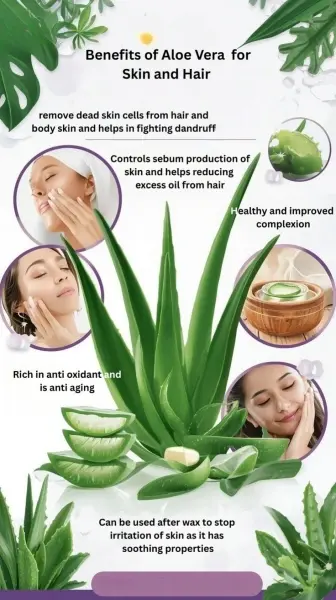
Aloe vera leaf powder can be used in many places. The powder keeps the skin wet and helps repair its barrier because it is a natural humectant and anti-aging formula. The outside world and antioxidants like vitamins C and E keep your body from getting hurt.
The powder is used by companies that make nutraceuticals to make foods that are good for your gut, immune system, and muscles. Because the powder is denser than the liquid aloe, it works well in pills and functional foods where the amount of moisture needs to be managed.
How to Use Aloe Vera Leaf Powder in Industrial Applications?
Successful integration of aloe vera leaf powder requires understanding optimal dosage parameters and formulation compatibility across different industrial sectors. The powder's unique characteristics demand specific handling protocols to maximize efficacy and ensure product stability.
Optimal Dosage and Formulation Guidelines
For beauty uses, a concentration of 0.5 to 3% aloe vera leaf powder is generally needed, depending on how well the product heals and its shape. As long as the amount doesn't change the structure or security of leave-on skin care products like serums and creams, 1% to 2% works best. Some common makeup ingredients that work really well with the powder are hyaluronic acid, glycerin, and peptide combinations.
A good dose range for nutrition products is between 100 mg and 500 mg per dose. For some medical needs, higher numbers are better. The powder has a low moisture content and can be stored for a long time. This makes it useful for supplement makers who want to make sure their goods stay effective over time. Leaf powder can be stored in a normal warehouse, but aloe vera extract powder may need to be kept in a different way.
Real-World Case Studies and Performance Outcomes
Leading skin care brands have successfully added aloe vera leaf powder to their best anti-aging products. This has made customers happier and cut down on returns. When a European makeup company moved from fake humectants to 2% aloe vera leaf powder in their main lotion, it kept skin 23% more hydrated.
Companies that make supplements for gut health have had the same kind of success. A large nutraceutical company said that bioavailability and customer satisfaction went up when they switched from liquid aloe preparations to uniform leaf powder recipes. If you have trouble with the taste of liquid aloe pills, the powder really helped.
Safety Considerations and Compliance Standards
When it's used in business, it has to follow strict safety rules and legal requirements. Aloe vera leaf powder needs to be put through a lot of tests to look for bacteria, heavy metals, and pesticide leftovers. It is checked with HPLC to make sure that the amount of acemannan stays the same and that there are no anthraquinones, which can make the stomach system sore.
At every stage of production, manufacturers should follow GMP rules and keep detailed records of each batch so that they can be monitored. Powder is naturally solid, which means it is less likely to become infected than liquids. It is still important to keep it in a dry, cool place so that it keeps its bioactivity.
Comparing Aloe Vera Leaf Powder with Other Aloe Vera Products
There are many kinds of aloe vera goods on the market, and each has its own pros and cons. When you know these differences, you can make smart buying decisions that meet the needs of your program and the goals of your business.
Chemical Composition and Bioactivity Differences
Powdered aloe vera leaves have all the same chemicals as fresh aloe leaves. This includes the gel inside the leaf and the top part of the leaf. Aloe vera extract powder, on the other hand, mostly just includes acemannan or a few other medicinal parts, while this summary talks about a lot more. The natural chemical reactions that may make the medicine work better overall are kept when the powder is made from plant parts.
Since about 99% of fresh aloe gel is water, it is not a good choice for industrial uses on a big scale. It's easier to carry aloe juice solutions, but they need to be kept fresh and stable, which can change how bioactive they are. With leaf powder, you don't have to worry about these things because it has better concentration ratios and lasts longer.
Formulation Versatility and Shelf Life Advantages
Because it is so easy to mix with other things, aloe vera leaf powder can be used in a lot of different things. It's easy to control the amount with powder, and it works well with both oil- and water-based methods. While liquid aloe products can split or break down, the powder stays together and works the same way throughout the whole process.
Powder types are much better than liquid ones when you look at how long they last. Any fresh aloe gel that isn't kept cool will go bad in a few days. But leaf powder that has been handled properly will stay useful for 24 months if it is stored correctly. In turn, this stability means lower costs for stock, easier shipping, and more stable goods for customers.
Organic Certification and Market Appeal Considerations
This kind of aloe vera leaf powder costs more since it has to be grown and handled in certain ways. But most of the time, the money paid is worth it because people like and recognize the company more. People who care about their health are becoming more and more interested in organic certification because it shows that a company is dedicated to using safe methods and making sure their goods are clean.
For approval, thorough records must be kept of how the food was grown, processed, and managed in the delivery chain. The peace of mind about quality and environmental care is increased by organically certified aloe vera extract powder, which helps premium brand marketing tactics.
How to Choose the Best Aloe Vera Leaf Powder Supplier for Your Business?
Supplier selection profoundly impacts product quality, supply chain reliability, and long-term business success. Comprehensive evaluation criteria ensure partnership with suppliers capable of meeting evolving business requirements and maintaining consistent quality standards.
Essential Certifications and Quality Standards
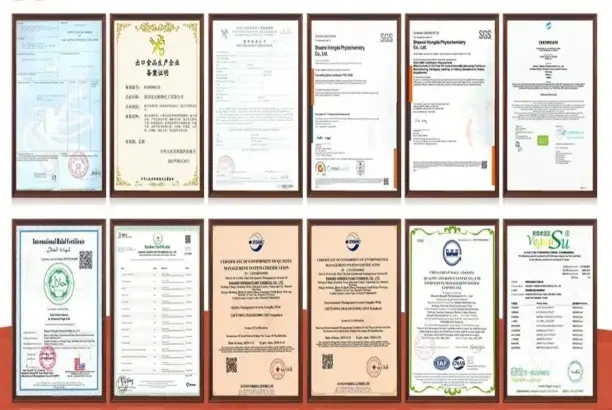
Sellers you can trust will have several certificates on hand, such as ISO 9001, GMP, HACCP, and, if needed, organic approvals. Follow these guidelines to show that you care about quality control and the law. When a company sends things to the US or EU or does business with other countries, FDA registration and REACH compliance are very important.
The lab's skills are another important thing to look at. Providers should either have their own labs for testing or work with approved labs that can do heavy metal screens, HPLC analysis, and check for bacteria. Making sure that the product is always the same and that all the rules are followed means being able to give full records of analysis for each batch.
Pricing Strategies and Minimum Order Quantities
For making good spending plans and cutting costs, it's important to know how prices work. When prices are based on volume, the least you can buy is generally 1 kg, and prices drop a lot for orders over 25 kg. Suppliers offering aloe vera extract powder alongside leaf powder may provide bundle pricing opportunities for diversified ingredient portfolios.
Payment terms that are easy to work with show that the service provider is stable financially and cares about customer service. Some ways to pay that sellers you can trust are telegraphic transfer, Western Union, PayPal, and others. Some even let customers pay over time if they've been with them for a while.
Supplier Credibility and Communication Assessment
To figure out how trustworthy a seller is, you need to look at how well they can make things, how well they control quality, and how quickly they can handle customer service requests. Workshops that meet GMP standards and have their own labs are run by places that care a lot about quality and following the rules. The company can handle large orders and ship on time because it has many production lines.
Communication must be clear and quick for long-term connections to work. When customers ask questions, suppliers should answer them quickly, give them complete product paperwork, and let them know when things are in stock and when they will be shipped. Being able to send test pieces to customers shows that you care about their happiness and trust in your product.
Procurement Tips for Buying Aloe Vera Leaf Powder in Bulk
Effective bulk procurement strategies balance cost optimization with quality assurance and supply chain reliability. Understanding market dynamics and negotiation approaches enables favorable terms while maintaining product integrity.
Price Benchmarking and Negotiation Strategies
We looked at market prices and found that they change a lot based on quality standards, the number of orders, and the need for approval. Premium organic aloe vera extract powder might cost more, but it might be worth it because it can make your brand look better and attract more customers. Getting quotes from more than one source lets you set a normal price, which helps you bargain better and plan your budget better.
Once you agree on an order number and payment terms, you can make better deals. Most of the time, yearly contracts with shipping plans every three months get better deals and make sure there is a supply. If you pay quickly or buy ahead of time, suppliers may give you extra discounts. This is especially true when demand changes with the seasons.
Logistics and Regulatory Compliance Considerations
When you send things across foreign borders, you need to be very careful with the paperwork, the packing, and the rules. The right packaging, like 1 kg metal foil bags or 25 kg drums, keeps the goods safe while they're being shipped and meets the needs of both importing and exporting. A lot of information should be given by suppliers, such as customs records, certificates of analysis, and organic approvals.
When something comes in, it's important to keep track of how it's being stored. The powder needs to be kept in dry, cool places so that it doesn't lose its bioactivity or soak up water. Moving inventory the right way makes sure that the newest items are used up and that goods stay fresh all along the supply chain.
Sample Evaluation and Contract Structuring
If you want to judge the quality of a sample, you should test it carefully for things like acemannan content, bacterial limits, and heavy metal contamination. The HPLC test shows how much of the beneficial chemicals there are, and the organoleptic test checks how the product looks, smells, and feels.
You should include quality standards, release dates, and performance claims when you write up a contract. There should be rules about quality issues and stability from batch to batch. These help protect against supply problems and make sure the product is stable. Giving clear directions on how to package, label, and hand out paperwork helps keep things organized and speeds up the order-taking process.
Conclusion
Aloe vera leaf powder is a game-changer for businesses that want plant-based solutions that are clean, efficient, and adjustable. In many business settings, it is better than regular aloe because it is more stable, has more beneficial substances, and can be made in more than one way. To be a good buyer, you need to carefully look at sources, know the standards for quality, and know how to deal in a smart way. Some businesses buy aloe vera leaf powder to keep making new products and keep their customers happy. This is because more and more people want products with natural ingredients and clear labels.
FAQ
Q1: What is the typical shelf life of aloe vera leaf powder?
Properly processed and stored aloe vera leaf powder maintains potency for 24 months when kept in sealed containers within dry, cool environments. The low moisture content and stabilized bioactive compounds resist degradation significantly better than liquid aloe products.
Q2: Can aloe vera leaf powder be applied directly to the skin?
Even though aloe vera leaf powder is good for you, you can't use it by itself because it needs to be mixed with the right substances to make it work. It is made by professionals who make sure the pH level is correct, the dose is correct, and the product is safe for skin use.
Q3: What certifications should I look for in a supplier?
Essential certifications include GMP, ISO 9001, HACCP, and organic certifications, where applicable. FDA registration and following the REACH rules are very important for selling in other countries. Some groups of people may also need HALAL and Kosher certificates.
Partner with Jianbei for Premium Aloe Vera Extract Powder Solutions
Jianbei Biotechnology stands as your trusted aloe vera extract powder manufacturer, combining advanced GMP facilities with comprehensive quality assurance systems. Our three production lines and two independent laboratories ensure consistent product excellence, while our extensive certification portfolio, including FDA, ISO, HACCP, and GMP standards, guarantees regulatory compliance across global markets. With 15 national invention patents and 8 utility model patents, we deliver innovative botanical solutions backed by proven expertise and reliable supply chain management. Our mature R&D team and large inventory capacity support rapid order fulfillment within 3-7 working days, making us the preferred aloe vera extract powder supplier for discerning businesses. Contact sales@bqingbio.com to explore our comprehensive product catalog and discover how our premium aloe vera extract powder for sale can enhance your formulations while meeting the highest quality standards your customers expect.
References
1. Reynolds T, Dweck AC. Aloe vera leaf gel: a review update. Journal of Ethnopharmacology. 1999;68(1-3):3-37.
2. Hamman JH. Composition and applications of Aloe vera leaf gel. Molecules. 2008;13(8):1599-1616.
3. Surjushe A, Vasani R, Saple DG. Aloe vera: a short review. Indian Journal of Dermatology. 2008;53(4):163-166.
4. Boudreau MD, Beland FA. An evaluation of the biological and toxicological properties of Aloe barbadensis (miller), Aloe vera. Journal of Environmental Science and Health Part C. 2006;24(1):103-154.
5. Hutter JA, Salman M, Stavinoha WB, et al. Antiinflammatory C-glucosyl chromone from Aloe barbadensis. Journal of Natural Products. 1996;59(5):541-543.
6. Choi S, Chung MH. A review on the relationship between Aloe vera components and their biologic effects. Seminars in Integrative Medicine. 2003;1(1):53-62.