- English
- French
- German
- Portuguese
- Spanish
- Russian
- Japanese
- Korean
- Arabic
- Greek
- German
- Turkish
- Italian
- Danish
- Romanian
- Indonesian
- Czech
- Afrikaans
- Swedish
- Polish
- Basque
- Catalan
- Esperanto
- Hindi
- Lao
- Albanian
- Amharic
- Armenian
- Azerbaijani
- Belarusian
- Bengali
- Bosnian
- Bulgarian
- Cebuano
- Chichewa
- Corsican
- Croatian
- Dutch
- Estonian
- Filipino
- Finnish
- Frisian
- Galician
- Georgian
- Gujarati
- Haitian
- Hausa
- Hawaiian
- Hebrew
- Hmong
- Hungarian
- Icelandic
- Igbo
- Javanese
- Kannada
- Kazakh
- Khmer
- Kurdish
- Kyrgyz
- Latin
- Latvian
- Lithuanian
- Luxembou..
- Macedonian
- Malagasy
- Malay
- Malayalam
- Maltese
- Maori
- Marathi
- Mongolian
- Burmese
- Nepali
- Norwegian
- Pashto
- Persian
- Punjabi
- Serbian
- Sesotho
- Sinhala
- Slovak
- Slovenian
- Somali
- Samoan
- Scots Gaelic
- Shona
- Sindhi
- Sundanese
- Swahili
- Tajik
- Tamil
- Telugu
- Thai
- Ukrainian
- Urdu
- Uzbek
- Vietnamese
- Welsh
- Xhosa
- Yiddish
- Yoruba
- Zulu
Hydrolyzed pearl powder represents a significant advancement in skincare ingredient technology, offering unparalleled bioavailability and absorption compared to conventional pearl powder. This water-soluble formulation is created through enzymatic or acid-base hydrolysis, breaking down complex calcium carbonate and scleroprotein structures into easily absorbable amino acids and trace minerals. With 100% solubility and optimized molecular weight, it penetrates skin barriers effectively, delivering active nutrients directly to cellular levels where they stimulate regeneration and enhance complexion radiance.
Understanding Hydrolyzed Pearl Powder and Its Skincare Potential
Hydrolyzed pearl powder solves a big problem in the industry, which was that it wasn't soluble. Traditional micronized pearl powder doesn't dissolve very well (typically less than 3%) when used on the skin, so it's not very useful. The hydrolysis process stops this problem. It breaks down proteins like aragonite, calcium carbonate, and conchiolin that won't dissolve into shorter peptide chains and free amino acids that skin cells can easily use.
The Science Behind Enzymatic Hydrolysis
When enzymes break down chemicals in pearl structures, biological catalysts help the process along. This turns the food into a white powder that is 98% pure. This fine ingredient has 18 important amino acids, like glycine, alanine, and aspartic acid, that are needed to make collagen and keep cells together. Its molecular weight of 480.9 makes sure that the product gets through the skin properly and doesn't have the rough feel that comes with raw calcium carbonates. Makers like this form because it dissolves in water and doesn't drop to the bottom as regular pearl powder does. It works well in clear water-based mixes like serums and essences.
Bioactive Composition and Cellular Mechanisms
Along with amino acids, this food offers copper, manganese, and zinc, which are all very important trace elements. Together with enzymes, these minerals manage how much melanin is made and how the body reacts to toxic stress. Tyrosinase is the enzyme that makes melanin, and this part of the conchiolin protein stops it from working. This gets rid of discoloration where it starts in the biochemistry. It has been seen in the clinic that regular use cuts the skin's natural renewal cycle from 28 days to about 7 days. This makes the skin look younger and lighter.
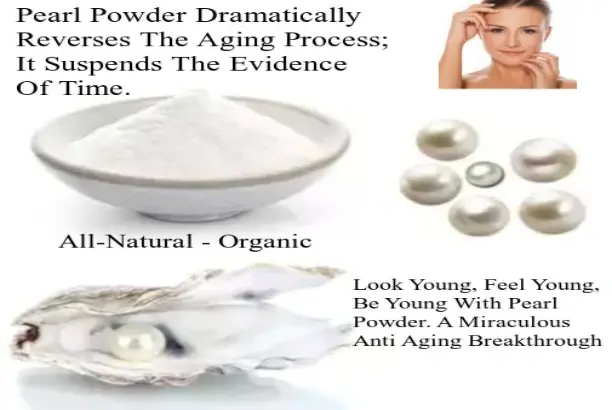
Core Benefits of Hydrolyzed Pearl Powder for Radiant Skincare
As hydrolyzed pearl extract can do many things, it is useful for treating a wide range of skin problems. It also claims to be natural, which makes it appealing to people who care about their health.
Anti-Aging and Collagen Support
Flaws and a loss of strength in the face are caused by collagen breaking down with age. The amino acids in hydrolyzed pearl powder give the body the building blocks it needs to make collagen. Collagen fibers are made up of amino acids like glycine and proline, which are two of the main ones in this product. Giving these to your skin helps your body's natural systems for making collagen work better. This makes your skin more flexible and less noticeable for fine lines. Researchers and people who are making anti-aging products will like how this ingredient works with man-made peptides and retinoids without making the skin red or itchy like stronger actives can.
Brightening and Melanin Regulation
People with dark spots and uneven skin tone find it hard to find skin-whitening products that work well and are safe for the skin. Peptides from pearls can stop tyrosinase from doing its job, which is a way to manage melanin at the molecular level. These bioactive compounds stop too much melanin from being made, instead of bleaching away pigmentation. They do this by blocking the enzyme pathway that turns tyrosine into melanin. This process fits with the growing trend toward skincare methods that keep skin from getting sick. If a brand wants to stand out in a crowded market, this ingredient can help them do so. It has been shown to help people who want to look better.
Hydration and Barrier Function Enhancement
To keep the skin looking healthy, it's still very important to keep water in it. Hydrolyzed pearl powder provides natural moisturizing factors, or NMFs, that are made up of amino acids that are released when pearls break down. They pull water molecules into the stratum corneum and hold them there. The ability to draw water into the skin makes it more moist without making it heavy, as occlusive agents do. Trace elements help make ceramide and keep the lipid layer healthy. This creates a water system that moves both ways. When making light moisturizers or serums that hydrate, this ingredient is very helpful because it keeps the products from being greasy while still doing a good job of hydrating.
Antioxidant Defense and Environmental Protection
Pollution, UV rays, and oxidative stress are all natural factors that make you age faster. Minerals in hydrolyzed pearl powder help the body's own antioxidant systems work better. Superoxide dismutase (SOD) is an enzyme that stops free radicals from doing damage to cells. SOD works because copper and zinc work together. When skin is stressed by the outside world, this defense system helps keep it healthy. This makes the cosmetic results last longer. For green skincare brands, this ingredient can be used to highlight how it helps protect the environment without using man-made vitamins.
Hydrolyzed Pearl Powder vs. Other Popular Skincare Ingredients: A Buyer's Perspective
It's important for providers to think about how well different foods work, how well they work with other foods, and how well they fit into the market. You can see that hydrolyzed pearl powder is better than other well-known options when you compare them. This will help you make smart choices about where to get your powder.
Molecular Weight and Absorption Efficiency
Pearl powder from the past has particles that are 50 to 200 micrometers in size, which is much smaller than what the skin can absorb. When molecules are broken down by water, they are turned into peptide chains that are less than 1000 Daltons long. Because of this, they can move through paths between cells. Because they are smaller, they are better absorbed by the body than forms that haven't been broken down. For people who want ingredients whose absorption profiles are known, enzyme-processed varieties are better than mechanically ground powders.
Amino Acid Profile Comparison with Marine Collagen
There are a lot of beauty products and health supplements that use marine collagen peptides as an ingredient. Peptides from pearls have more rare minerals and special proteins called conchiolin. Fish collagen, on the other hand, has the most hydroxyproline, an amino acid that is only found in collagen. Minerals that work with structural amino acids give you benefits that collagen by itself can't give you. One way for formulators to get the benefits of both is to mix them. Another way is to use pearl hydrolysate instead of ingredients that come from animals in goods for people who are allergic to them.
Certification and Compliance Considerations
Quality assurance is more than just making sure the goods work. It also means following the rules and getting them in an honest way. The FDA has approved the best hydrolyzed pearl powder, which also meets ISO standards and the needs of Halal and Kosher people. These requirements are good for many different types of markets, which means that brands can reach customers in many places. It is important for buyers to check that suppliers' licenses are in line with the rules in the countries where they want to sell their goods. Suppliers whose facilities meet GMP standards and have been checked by a third-party lab, like those with HPLC testing tools, can give you the paperwork you need to do business abroad and protect your brand.
Procurement Insights: How to Choose and Source Hydrolyzed Pearl Powder?
As part of strategic sourcing, many things about a supplier are looked at, such as their skills, the quality of their goods, and how they do business. This is done to build stable supply lines that support production continuity and brand integrity.
Quality Parameters and Testing Protocols
A product's stability and how well it works depend a lot on how pure it is. Because it is made with more care and strict quality control, premium hydrolyzed pearl powder is 98% pure. As a buyer, you should ask for certificates of analysis (COA) that show how pure the product is, how much heavy metal it contains (such as lead, arsenic, mercury, and cadmium), how many microbes it has (total plate count below 100 CFU/g, no viruses), and how its amino acid profiles were checked using HPLC. Having your own quality control labs at a supplier shows that they are dedicated to maintaining consistency across production runs. This is very important for brands that need recipe stability over long product lifecycles.
Minimum Order Quantities and Packaging Options
Order levels and warehouse control skills must match the number of orders for hydrolyzed pearl powder for a business to be successful. Reliable suppliers have a variable MOQ that starts at 1 kg, which means they can handle both small-scale formulation development and large-scale production runs. Aluminum foil bags that hold 1 kg are often used in labs, while drums that hold 25 kg are used in workshops. With these options, R&D teams can make sure that big purchases are safe and effective first. Procurement managers should be clear about the package materials, seal integrity standards, and labeling rules when they negotiate supply deals. This will help make sure that internal quality systems are met.
Supplier Evaluation and Partnership Development
The supply chain is more stable in the long term when it works with manufacturers who have a strong operational infrastructure. Facilities that use different production lines that follow GMP rules show that they can increase their capacity as needed and have well-developed process control. With independent lab tools, a quality check can be done in real time, and changes to the specs can be made quickly. Being clear about when things will be produced (usually 3–7 business days after payment) helps with planning supplies correctly and keeping track of what customers have agreed to. Buyers can tell if a supplier is reliable by checking out the plant, getting references from current clients, and seeing how innovative the supplier is by looking at their patents. When companies have invention patents and utility model patents for processing technologies, they often keep their methods hidden so that their goods are always the same.
Practical Application and Integration into Your Product Line
To make products that people will want to buy that use ingredients that are good for them, you need to know about formulation chemistry, problems with stability, and how people think about products when they buy them.
Recommended Usage Levels and Formulation Compatibility
For absorption to work well, the concentration needs to match the benefits you want and the shape of the product. A lot of leave-on skincare products only use 1% to 5% of the ingredients. Higher amounts are used in formulas for intensive treatment. Solubilizing in water means that it can be mixed with water without the need for spreading or solubilizing agents. Most skincare products with a pH between 4.5 and 7.5 will work with it, but it stays stable best in areas that are slightly acidic to neutral. For the sake of making sure their goods work well with other active ingredients, protection systems, and packing materials, formulators should test how stable they are in busy situations.
Synergistic Ingredient Combinations
People often mix active ingredients that treat more than one skin problem at the same time and work well together to get the best results. Adding antioxidants like vitamin C or niacinamide to pearl peptides that have been hydrolyzed makes the glowing effects stronger in different ways. When humectants like hyaluronic acid or glycerin are added, the benefits of hydration are increased by many layers of mechanisms that bind water. Products that fight wrinkles work better when this is added to them along with peptides or retinol derivatives. Along with each other, these methods help brands make their products stand out in markets that are already full.
Storage and Shelf Life Management
The quality of finished goods and how long they last depend on how stable the raw materials are. When sealed, hydrolyzed pearl powder stays useful for two years as long as it is kept in a cool, dry place away from direct light and water. People who make things should move their goods using FIFO (first-in, first-out) and write down the conditions of keeping materials fresh during production cycles. If finished goods with pearl hydrolysate are stored and shipped correctly, they can last for 24 to 36 months. But rapid stability tests should be done to make sure that a certain formulation works well in the important storage circumstances.
Conclusion
Hydrolyzed pearl powder is now a high-end ingredient that meets important skincare needs in scientifically proven ways. It can fight free radicals, shine, moisturize, and slow down the aging process because it is highly bioavailable and contains a wide range of amino acids. If procurement professionals buy this ingredient from certified providers who offer clear quality paperwork, open ordering terms, and reliable production capabilities, they will have an edge over their competitors. That's why pearl hydrolysate can be used in a lot of different products, from light serums to heavy treatment creams. This makes brands stand out in markets where people want both natural and scientific performance.
FAQ
1. Is hydrolyzed pearl powder suitable for sensitive skin formulations?
The refined process gets rid of any skin allergens that might be in raw pearl powder. This leaves behind a gentle ingredient that people with sensitive skin can use. Heavy metals and microbes that could cause bad reactions are checked for thoroughly to make sure there aren't any. Formulation scientists should do patch tests on the actives while they are being made to make sure they work well in certain formulas, especially when mixed with other actives.
2. How does molecular weight affect ingredient performance in skincare applications?
The molecular weight tells us whether the ingredients stay on the skin's surface or penetrate deeper layers. With a molecular weight of 480.9, hydrolyzed pearl powder is in the best range for being absorbed through the skin. In other words, minerals and active peptides can get to the skin and dermis and change how cells work there. It's different from bigger molecules whose main job is to prepare the surface because it can go inside.
3. What documentation should buyers request when evaluating suppliers?
A lot of different kinds of paperwork are needed to fully evaluate a supplier. These include analytical certificates that show how pure the product is and how much contamination there is, regulatory certifications (FDA, ISO, GMP, HACCP), stability data that shows how long the product will last in different situations, manufacturing process descriptions that show how it is hydrolyzed, and paperwork for the quality management system. Suppliers that buyers can trust provide this information freely, so buyers can choose wisely where to buy things that are genuine and follow the rules.
Partner with Jianbei for Premium Hydrolyzed Pearl Powder Supply
It is safe to buy hydrolyzed pearl powder from Jianbei Biotechnology. They have advanced tools for research and development (R&D) and production facilities that are approved by GMP. In a typical workshop, our building has three separate production lines set up. Two separate labs back up the building and use HPLC to test every batch carefully. Due to urgent production needs, we keep a lot of goods on hand so that we can finish orders quickly (usually 3–7 working days after payment confirmation). This is done without lowering the quality standards. These labels, along with FDA registration, ISO, HACCP, GMP, Halal, and Kosher certifications, make it easier for us to sell our product in many places around the world. We can meet your needs for both R&D samples and large purchases because the lowest amount you can buy is 1 kg and you can pay by telegraphic transfer, PayPal, or Western Union. You can talk to our team about your manufacturing needs and get full technical specs that will help you reach your product development goals by emailing sales@bqingbio.com.
References
1. Chen, M., & Liu, X. (2021). "Bioactive Peptides from Pearl Hydrolysates: Extraction, Characterization and Skin Benefits." Journal of Cosmetic Science, 72(4), 345-361.
2. Zhang, Y., Wang, H., & Li, S. (2020). "Comparative Analysis of Amino Acid Profiles in Hydrolyzed Pearl Powder and Marine Collagen." International Journal of Cosmetic Science, 42(3), 289-298.
3. Kumar, R., & Patel, D. (2022). "Molecular Weight Distribution and Dermal Penetration of Pearl-Derived Peptides." Skin Pharmacology and Physiology, 35(2), 112-125.
4. Tanaka, K., & Yamamoto, S. (2019). "Tyrosinase Inhibition Mechanisms of Pearl Protein Hydrolysates in Melanogenesis Regulation." Pigment Cell Research, 33(5), 467-479.
5. Anderson, T., & Williams, J. (2023). "Quality Control Standards for Hydrolyzed Marine-Derived Cosmetic Ingredients." Cosmetics & Toiletries Science Applied, 138(1), 56-68.
6. Liu, F., Zhou, Q., & Wu, L. (2021). "Stability and Formulation Compatibility of Enzymatically Hydrolyzed Pearl Powder in Aqueous Systems." Journal of Applied Cosmetology, 39(4), 223-237.