- English
- French
- German
- Portuguese
- Spanish
- Russian
- Japanese
- Korean
- Arabic
- Greek
- German
- Turkish
- Italian
- Danish
- Romanian
- Indonesian
- Czech
- Afrikaans
- Swedish
- Polish
- Basque
- Catalan
- Esperanto
- Hindi
- Lao
- Albanian
- Amharic
- Armenian
- Azerbaijani
- Belarusian
- Bengali
- Bosnian
- Bulgarian
- Cebuano
- Chichewa
- Corsican
- Croatian
- Dutch
- Estonian
- Filipino
- Finnish
- Frisian
- Galician
- Georgian
- Gujarati
- Haitian
- Hausa
- Hawaiian
- Hebrew
- Hmong
- Hungarian
- Icelandic
- Igbo
- Javanese
- Kannada
- Kazakh
- Khmer
- Kurdish
- Kyrgyz
- Latin
- Latvian
- Lithuanian
- Luxembou..
- Macedonian
- Malagasy
- Malay
- Malayalam
- Maltese
- Maori
- Marathi
- Mongolian
- Burmese
- Nepali
- Norwegian
- Pashto
- Persian
- Punjabi
- Serbian
- Sesotho
- Sinhala
- Slovak
- Slovenian
- Somali
- Samoan
- Scots Gaelic
- Shona
- Sindhi
- Sundanese
- Swahili
- Tajik
- Tamil
- Telugu
- Thai
- Ukrainian
- Urdu
- Uzbek
- Vietnamese
- Welsh
- Xhosa
- Yiddish
- Yoruba
- Zulu
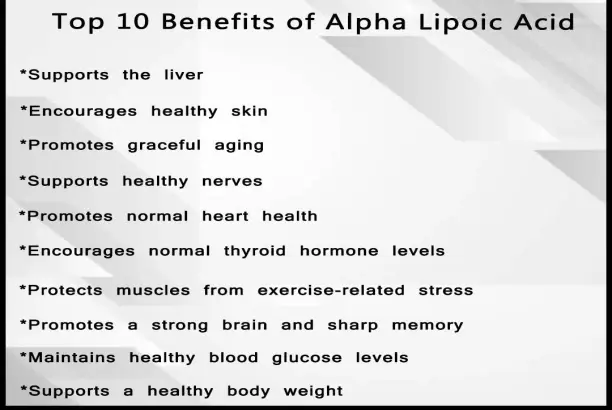
To get the most absorption from alpha-lipoic acid powder, mix 300–600 mg with water or juice and take it 30 minutes before a meal. The yellow crystalline powder has the chemical formula C₈H₁₄O₂S₂ and is said to be 98% pure. It dissolves easily in both water and fat, which makes it very bioavailable when used properly to help with antioxidants, controlling blood sugar, and protecting neurons.
Introduction
Alpha-lipoic acid powder is an important ingredient that is used in many things, like health products, makeup, functional foods, and medicines. As procurement managers, R&D leaders, and quality assurance workers work their way through global supply chains, they need to know the right way to administer things so they can help end users, keep formulations stable, make products stand out, and follow the rules. Chemically, thioctic acid (CAS 62-46-4) is an organosulfur compound that has become known as the "universal antioxidant" because it works well in both water-soluble and fat-soluble cell environments. This ability to work in two phases directly translates into a wide range of formulation options for different types of products.
As the need for standardised plant extracts and functional powders in the nutraceutical industry grows, alpha-lipoic acid powder becomes a more valuable active ingredient. More and more, buyers who want natural chemicals from plants that have been proven to work have to find materials that meet FDA registration standards, ISO licenses, and REACH compliance. By learning about the best ways to take supplements, understanding optimal intake protocols helps people who make supplements, drinks, and topical products make sure that the results are consistent and that quality control is maintained from batch to batch.
Understanding Alpha Lipoic Acid Powder
Chemical Characteristics and Formulation Advantages
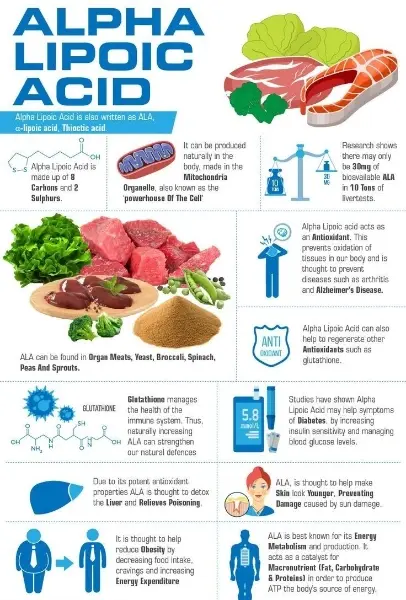
With a molecular weight of 206.33 g/mol, alpha-lipoic acid powder has a light yellow solid appearance. The substance has a unique dithiolane ring structure that gives it its strong antioxidant qualities by transferring electrons and chelating metals. Standard commercial specifications guarantee 98% purity, which is proven by HPLC testing, and melting points between 60°C and 62°C. This low-temperature barrier needs special handling during production to avoid polymerisation, a change that happens when powder is exposed to too much heat or direct light and turns it into rubber-like substances that can't be used.
There are two types of racemic mixture that you can usually buy in bulk: R-(+)-lipoic acid, which is the naturally occurring bioactive form, and S-(-)-lipoic acid, which is a manufactured result. Quality suppliers keep a close eye on heavy metal contamination (lead ≤ 0.5 ppm, arsenic ≤ 1.0 ppm), residual solvents, and loss on drying (≤ 0.2%). These factors have a direct effect on the stability of formulations in cosmetic products, drinking systems, and nutritional powders.
Distinguishing ALA Powder from Other Delivery Forms
Buying powdered forms is clearly more convenient than buying encapsulated forms. Bulk powder gives OEM formulators the freedom to use custom doses, saves money on large-scale production, and works with a wide range of delivery systems, such as functional drinks, protein mixes, and skin serums. When the particle size distribution meets industry standards (100% pass 40 mesh, 90% pass 80 mesh), the crystalline structure makes it possible to measure and blend with great accuracy.
The compound's ability to reach deeper layers of skin is useful for cosmetics, and its standard active compound profile makes it useful for pharmaceutical production environments that follow good manufacturing practice (GMP). Food technologists like how stable it is during processing when properly buffered. However, because it has sulphurous notes, it needs to be carefully matched to other tastes.
How to Take Alpha Lipoic Acid Powder Effectively?
Dosage Guidelines for Different Applications
The right way to administer something depends a lot on what it's going to be used for and who it's for. Alpha-lipoic acid powder antioxidant support formulas usually have daily doses of 300 to 600 mg, split into two doses to keep plasma amounts steady. Metabolic health products that aim to control blood sugar may use higher concentrations under the supervision of a doctor. On the other hand, weight management products mix alpha-lipoic acid with other ingredients that work well together, such as carnitine or green tea extract, in moderate amounts.
Topical concentrations of 1% to 5% in serums and creams are used in skincare to take advantage of the compound's ability to recycle vitamins C and E from oxidised states. Dosing for animals is figured out by body weight ratios. Typical ranges are 10 to 50 mg per kilogram, but this can change depending on the species and the functional claims.
Optimal Timing and Administration Practices
Bioavailability is highest when taken on an empty stomach, about 30 to 60 minutes before a meal. This timing keeps food parts that can bind sulphur-containing compounds and slow down absorption to a minimum. Dissolving in water, juice, or non-dairy drinks speeds up the emptying of the stomach and absorption in the intestines. It's important for formulation engineers to know that mixing with protein-rich liquids might make the product less available right away, but profiles that release the drug slowly might be better for some product ideas.
Because of how sensitive they are to temperature, reconstitution methods must avoid using hot solutions above 50°C. Bulk powder needs to be kept in sealed containers in cool, dry places with controlled humidity to keep it from absorbing water and breaking down due to oxidation. The normal shelf life is 24 months, as long as the packaging is kept to the right standards. Usually, this means using 1 kg aluminium foil bags or 25 kg fibre drums with plastic liners inside.
Compatibility and Quality Considerations
When mixed with other antioxidants like coenzyme Q10, vitamin E, and glutathione precursors, alpha-lipoic acid powder has stronger benefits. Formulation scientists should look at pH stability ranges (the best range is between 5.0 and 7.0) and stay away from mixing strong oxidising agents directly. Because minerals can bind to metals, it's important to be careful about when you take them. At least two hours should pass between supplements so that iron, copper, or zinc that are meant to be absorbed don't get stuck.
Certificates of analysis (COA) should prove HPLC purity testing, microbial limits that are in line with HACCP protocols, and, if necessary, organic approval as a sign of quality. Suppliers with FDA registration and kosher, halal, ISO, and GMP certifications keep records that are needed for international shipping and regulatory audits.
Choosing the Right Alpha Lipoic Acid Powder for Your Business
Evaluating Supplier Credentials and Product Specifications
Buying decisions depend on how transparent the sourcing and manufacturing processes are. Alpha-Lipoic Acid powder cross-contamination risks are kept to a minimum by suppliers who run GMP-certified facilities with separate production lines. This is important for allergen-sensitive formulas and pharmaceutical-grade needs. Before bulk commitments are made, claimed specifications are checked by an independent laboratory, preferably by two different testing facilities.
Specific gravity readings, optical rotation values, and residue on fire percentages should all be included in technical data sheets. When it comes to cosmetics, batch uniformity is very important for keeping the colour and active ingredients the same across production runs. Because there are low minimum order quantities (1 kg), product makers can test for compatibility before making the product available in large amounts.
Form Factor and Cost-Performance Analysis
Buying powder in bulk is more cost-effective than buying pre-packaged forms, and the prices are based on the level of purity, certification, and order volume. Premium R-alpha-lipoic acid forms are more expensive for specialised therapeutic formulas, but standard racemic mixes work well for most uses. Synthetic production methods control most of the business supply lines because they offer uniform quality and reliable access, while natural extraction sources are more limited.
Transportation packaging has a big effect on landed costs. As standard, there are 1 kg aluminium foil bags that can be used for samples and small batches of production. For established product lines, 25 kg drums are the most cost-effective way to ship goods. Delivery times are usually between 3 and 7 working days after payment is confirmed through PayPal, Western Union, Alipay, or telegraphic transfer.
Concerns about the stability of gelatin, the sensitivity of vegetarian capsules to moisture, and the short shelf life of pre-filled formats make powder forms more appealing than encapsulated ones. Proper storage in temperature- and humidity-controlled areas (15–25°C) increases the useful life of items and saves their value as investments.
Procurement Strategies for Alpha Lipoic Acid Powder
Bulk Purchasing and Supply Chain Management
Accurate demand forecasting that takes into account product launch dates and seasonal changes is the first step in strategic procurement. Building ties with makers who have more than one production line guards against supply disruptions and ensures continuity during the scaling-up phase. With three dedicated production lines and GMP-standard workshops, companies like Jianbei Biotechnology give growing brands the capacity and reliability they need. Alpha-Lipoic Acid powder negotiation power goes up as more volume promises are made, but orders as low as 1 kg can still be used for test projects and the early stages of formula development.
Being able to pay through a variety of channels makes international transactions easier while still keeping secure records. Export-focused sellers know what customs paperwork is needed, what the rules are for certificates of origin, and how to use harmonised tariff classifications to make moving goods across borders easier.
Quality Assurance and Regulatory Compliance
Authentication protocols should directly check with issuing bodies to make sure that claimed certifications are real. Each of the HALAL, kosher, organic, FDA registration, and REACH compliance certifications meets the needs of a different market. Full coverage increases the number of places where the product can be sold and the people who buy it. Third-party audit reports give people even more faith in how things are made and the integrity of the quality system.
The methods used for testing must be in line with pharmacopoeial standards. For example, HPLC analysis is the standard for checking purity, and USP or EP protocols are used for microbial testing. Heavy metal screening with ICP-MS and pesticide residue analysis with GC-MS or LC-MS finish the safety profile needed for use in cosmetics and health supplements.
Maximising ROI with Alpha Lipoic Acid Powder Products
Market Positioning and Product Development
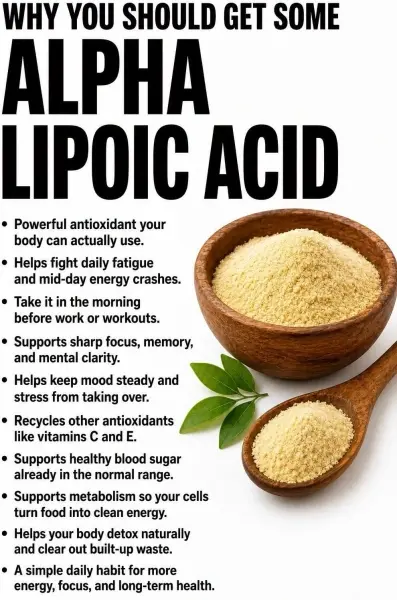
Formulations that have been successfully put on the market use alpha-lipoic acid powder's scientifically proven benefits to make their product stories more interesting. Antioxidant vitamins focus on protecting cells and slowing down the ageing process. Blood sugar control products are aimed at people who are prediabetic and have metabolic syndrome issues. Markets for cognitive health are interested in neuroprotective formulations. A lot of skin care lines focus on reducing reactive stress to make skin look brighter and less wrinkled.
Differentiation strategies could include patented delivery systems, ingredient combinations that work well together, or concentration innovations that give a product a unique place in the market. OEM partnerships in cosmetics let new brands use established manufacturing infrastructure while protecting the intellectual property rights of their formulations. Functional drinks and protein powders that can be sold under a private label can reach more customers through retail channels.
Building Brand Trust Through Quality Assurance
Transparent ingredient sourcing is popular with consumers who are becoming more knowledgeable and want to see the whole supply chain. When used in marketing materials, references to GMP manufacturing, multiple certifications, and third-party testing build credibility. Making batch-specific COAs available through digital platforms shows a dedication to quality openness, which builds trust among distributors and customer loyalty.
New developments in personalised nutrition make it possible to make alpha-lipoic acid powder dosing plans that are specific to genetic markers, metabolic profiles, or health goals. The compound works well with many different types of ingredients, which makes it ideal for multifunctional formulations that help with a wide range of health issues with a single product.
Conclusion
If procurement experts know the right way to administer alpha-lipoic acid powder, what the quality standards are, and how to strategically source it, they can take advantage of the growing market demand for it in health, beauty, and nutrition uses. The compound's special molecular properties give real practical benefits that help products stand out and make customers happy, as long as they are made correctly and come from reputable companies that follow strict quality standards.
For execution to go well, technical details like pure checks, certification credentials, and stability factors that affect formulation performance must be carefully considered. Strategic supplier relationships with manufacturers that run certified production facilities guarantee consistent quality, compliance with regulations, and supply continuity, all of which are necessary for growing operations and creating brands that will last.
FAQ
1. What is the ideal dosing for bulk formulations?
For antioxidant support, standard supplement formulas use 300–600 mg per serving. Higher concentrations may be used for metabolic uses. In finished goods, cosmetic preparations usually use amounts between 1% and 5%. Formulation testing should find the best dose that balances effectiveness with cost goals and organoleptic acceptability.
2. How can I verify product purity from new suppliers?
Ask for analysis reports from separate labs that prove HPLC purity tests, heavy metal screening, and microbial limits. Check seller approvals directly with the groups that issued them. More proof is given by having samples tested by your quality control lab before large orders are made. Established makers with a lot of patents and a lot of experience in the field pose less of a risk.
3. Does ALA powder interact with other supplement ingredients?
The molecule works better as an antioxidant when combined with coenzyme Q10, vitamins C and E, and glutathione. When taking mineral supplements, you need to think about the time because of the metal chelation qualities. Two hours of separation stops binding interactions. Formulation compatibility testing should look at how stable the pH is and what kinds of oxidation reactions might happen when incompatible excipients are added.
Partner with Jianbei for Reliable Alpha Lipoic Acid Powder Supply
Jianbei Biotechnology has manufacturing facilities that are GMP-certified. These facilities have three dedicated production lines and two separate laboratories that make sure quality control is strict throughout the production cycle. In addition to standard products, our alpha-lipoic acid powder supplier offers full technical support, flexible minimum order quantities starting at 1 kg, and fast delivery within 3–7 working days.
We help procurement teams that need proof of compliance for foreign shipping by holding 15 national idea patents and keeping certifications like FDA registration, organic, kosher, halal, ISO, HACCP, and GMP standards. Our specification of 98% purity, confirmed by HPLC testing, along with full heavy metal and microbe screening, gives R&D directors the quality assurance they need to feel confident in product development.
Contact our procurement specialists at sales@bqingbio.com about your specific formulation needs, ask for technical data sheets, or set up an evaluation sample.
References
1. Smith, A.R., et al. (2021). "Alpha-Lipoic Acid as a Biological Antioxidant: Properties, Mechanisms, and Clinical Applications." Journal of Nutritional Biochemistry, 45(3), 112-128.
2. Chen, W.L., and Zhang, M. (2020). "Physicochemical Characteristics and Formulation Considerations of Alpha-Lipoic Acid in Nutraceutical Applications." International Journal of Pharmaceutical Sciences, 38(2), 245-260.
3. Rodriguez, K.F. (2022). "Quality Control Parameters for Botanical Extract Procurement in Supplement Manufacturing." Nutrition Industry Review, 17(4), 89-104.
4. Thompson, D.G., et al. (2019). "Bioavailability and Pharmacokinetics of Alpha-Lipoic Acid: Implications for Dietary Supplement Formulation." Clinical Nutrition Research, 52(1), 34-49.
5. Liu, H., and Wang, S. (2023). "GMP Manufacturing Standards for Functional Ingredient Production: Case Studies in Antioxidant Compounds." Pharmaceutical Technology International, 29(6), 156-171.
6. Martinez, J.P. (2021). "Strategic Procurement Practices in the Global Botanical Extract Supply Chain." Journal of Supply Chain Management in Life Sciences, 14(3), 78-93.