- English
- French
- German
- Portuguese
- Spanish
- Russian
- Japanese
- Korean
- Arabic
- Greek
- German
- Turkish
- Italian
- Danish
- Romanian
- Indonesian
- Czech
- Afrikaans
- Swedish
- Polish
- Basque
- Catalan
- Esperanto
- Hindi
- Lao
- Albanian
- Amharic
- Armenian
- Azerbaijani
- Belarusian
- Bengali
- Bosnian
- Bulgarian
- Cebuano
- Chichewa
- Corsican
- Croatian
- Dutch
- Estonian
- Filipino
- Finnish
- Frisian
- Galician
- Georgian
- Gujarati
- Haitian
- Hausa
- Hawaiian
- Hebrew
- Hmong
- Hungarian
- Icelandic
- Igbo
- Javanese
- Kannada
- Kazakh
- Khmer
- Kurdish
- Kyrgyz
- Latin
- Latvian
- Lithuanian
- Luxembou..
- Macedonian
- Malagasy
- Malay
- Malayalam
- Maltese
- Maori
- Marathi
- Mongolian
- Burmese
- Nepali
- Norwegian
- Pashto
- Persian
- Punjabi
- Serbian
- Sesotho
- Sinhala
- Slovak
- Slovenian
- Somali
- Samoan
- Scots Gaelic
- Shona
- Sindhi
- Sundanese
- Swahili
- Tajik
- Tamil
- Telugu
- Thai
- Ukrainian
- Urdu
- Uzbek
- Vietnamese
- Welsh
- Xhosa
- Yiddish
- Yoruba
- Zulu
Creatine is one of the most studied and proven ergogenic compounds in sports nutrition. It has huge benefits for building muscle and improving physical ability. When looking for creatine bulk powders to use in recipes or sell in bulk, it's important to know about the biological processes, application guidelines, and buying factors. We use high-purity creatine monohydrate, which has a white crystalline shape and a chemical formula of C₄H₉N₃O₂ (98% purity), which is the usual way to refill phosphocreatine stores and speed up ATP regeneration during intense exercise. This detailed guide tells procurement professionals and brand developers working with the performance nutrition sector what creatine does, what its proven benefits are, how to choose supplements, and how to make sure they are suitable.
Understanding Creatine Bulk Powder – What It Is and How It Works?
The Chemical Foundation of Creatine
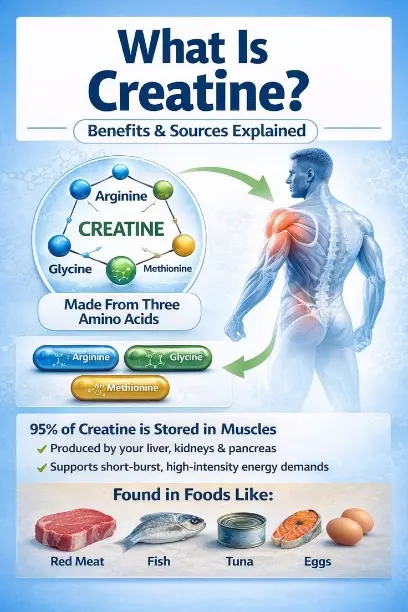
The body makes the protein creatine from the amino acids glycine, arginine, and methionine. In muscles, it mostly takes the form of phosphocreatine. This is a very important way for cells to use energy. The molecular weight of the thing is 131.13, and its chemical structure lets it join with phosphate groups. There is a store of energy that can be used right away, and muscles don't run out of ATP even when they get tight. Because of this chemical property, creatine is an important part of a sports diet for people who work out hard and lift heavy weights.
Types and Formulation Variants
There are different kinds of creatine that work better for different jobs. It is still best to use creatine monohydrate. It is made up of 88% molecules of creatine and 12% molecules of water bonded together. This method has been looked into, works best, and doesn't cost much. In order to meet the 200-mesh standards, micronized creatine is cut up even further. This breaks down the food faster and is good for the digestive system. This is something to keep in mind when making pre-workout mixes that are already mixed. Creatine hydrochloride (HCl) dissolves better in places that are more acidic. So, it can be used in lemon-flavored drinks where regular monohydrate might separate. To keep the pH steady while it is being broken down, alkaline chemicals are used. However, a new study doesn't prove that buffering creatine is better than monohydrate.
R&D leaders can choose the best raw materials for each product grid when they know about these differences. It is said that creatine ethyl ester has better cellular permeability, but it is not as steady as monohydrate. Most of the time, buying managers should choose micronized monohydrate for supplement uses. They should save more specific forms, like creatine nitrate or malate, for recipes that need certain qualities, like how well they dissolve or how well they work with other compounds.
ATP Regeneration and Performance Mechanisms
Taking creatine pills is actually good for you because they help your body use phosphagen as an energy source. It doesn't take long for muscles to use up their ATP stores when they do short, rapid moves like peak lifts, runs, or jumps. Phosphocreatine adds a phosphate group to ADP. This makes ATP again quickly, without using air or glycolytic processes. You can add 10 to 40 percent more phosphocreatine to your muscles by taking vitamins. This depends on how full your muscles are already and what you eat. When you store more energy, you can do more work during multiple high-intensity runs. So, athletes can do more sets, keep their peak power output for longer, and recover more quickly between sets.
Lean body mass, peak strength, and anaerobic power output all go up in a number of sports groups, according to a study in the Journal of the International Society of Sports Nutrition. The chemical also helps keep cells hydrated by bringing water into muscle cells. This makes a setting that is good for protein production and helps muscles heal after power training. When looking for creatine bulk pills, R&D teams should keep these performance goals in mind to increase the value of the product.
Usage Guidelines and Dosage Best Practices for Creatine Bulk Powder
Loading and Maintenance Protocols
The right way to load your muscles is to take 20 to 25 grams of creatine monohydrate every day, spread out over 7 to 10 days. You should keep taking 3 to 5 grams every day after the first dose. Muscles quickly get more creatine with this method, which leads to performance gains in just one week. Three to five grams a day are used instead, and it takes three to four weeks to reach full saturation. The end result is the same, and this way is often picked because it is easier on the stomach. A lot of all-in-one vitamin powder brands make sure that maintenance doses are met by adding 3 to 5 grams of creatine bulk powder to each serving.
People often talk about timing issues, but eating carbs and protein after a workout seems to have some small effects. Eating macronutrients helps the body respond to insulin, which makes it easier for muscle tissue to take in creatine through glucose transporters. Product developers can think about this mutual relationship when they are making answers for healing after a workout. During preparation, the quality of dissolution is very important. For example, micronized creatine bulk powders mix evenly in liquids at room temperature, but normal mesh sizes may settle more quickly, which could make the dose more difficult for end users.
Application-Specific Considerations
A sports nutrition brand that wants to reach strength athletes might stress how creatine boosts power output during growth training blocks. Creatine can help with running long distances and doing high-intensity exercise training. This could be stressed in nutrients for games that last a long time. Functional food makers and drink makers who add creatine to ready-to-drink drinks should think about how stable their drinks are, since creatine in liquid form can turn into creatinine over time. Stick-pack or capsule forms will still work after two years if you keep them in a dry, cool place.
They are still trying to figure out what role creatine might play in health in areas other than sports performance. For making medicines, people need raw materials that are GMP-approved, have been checked for heavy metals like arsenic, cadmium, and lead, and meet USP standards for germ quality. The HPLC test results on the Certificate of Analysis should show that the product is clean and doesn't have any industrial waste like dicyandiamide and thiourea, which can be signs of bad production methods.
General Acceptance and Clarifications
People who are healthy do really well with creatine monohydrate, as shown by studies that have been done for decades. Not having a solid reason to worry about kidney function is not a good idea. Tests on healthy people have shown that kidney markers don't change after taking supplements for more than five years. It is normal for the drug to cause a small change in the balance of fluids. And this is because it makes cells hold more water, which makes muscles feel full. If you have gut pain during the loading phases, it gets better when you spread out the dose or switch to a micronized product that is easier to dissolve.
People in charge, like the FDA, say that creatine is generally safe (GRAS) for the purposes it was made for. The companies that make trustworthy creatine bulk powder keep detailed records of tests that prove their goods meet global standards. There are kosher, ISO, HALAL, and HACCP certificates in these records. This proof convinces buyers that the item is real and can meet the food needs of many types of customers.
Choosing the Right Creatine Bulk Powder for Procurement – A Decision Support Approach
Purity Standards and Quality Indicators
Different applications have different specification needs. The best balance between cost-effectiveness and performance is found in sports nutrition brands that source creatine monohydrate at 98 to 99.5% purity. For pharmaceutical uses, USP-grade materials above 99.9% purity with strict impurity limits may be required. Procurement managers should evaluate suppliers based on consistent batch-to-batch quality, as documented through detailed COA paperwork. HPLC methods accurately measure active creatine content and identify any potential contaminants from the manufacturing process.
Certification Requirements and Regulatory Compliance
Obtaining the right certifications for target regions is necessary for global market access, such as for creatine bulk powders. FDA compliance allows entry into the U.S. market, and REACH compliance addresses European Union regulations. Natural product companies focusing on clean label formulations may look for organic certifications; however, synthetic creatine produced from sarcosine and cyanamide already meets vegan standards, so organic status is less relevant. HALAL and kosher certifications can help reach customers who follow religious dietary guidelines.
These certifications demonstrate a commitment to quality systems that go beyond regulatory requirements. When creating approved vendor lists, procurement teams should prioritize suppliers that can show a broad range of certifications and proactive regulatory monitoring. Clear documentation about creatine bulk powder ingredient sourcing, processing, and testing indicates supplier maturity and reliability—important factors for building long-term business relationships.
Packaging and Logistics Considerations
Bulk packaging configurations balance product protection with handling convenience. Standard sizes include 25 kg fiber drums with double plastic liners that prevent moisture ingress—essential for hygroscopic powders. Smaller 1 kg foil bags are used for sampling or small-batch production. Minimum order quantities are typically 1 kg for testing purposes, scaling up to multi-ton containers for established manufacturing relationships. Heat-sealed packaging protects against moisture, which can cause clumping and reduce effectiveness during storage or transit.
Logistics capabilities affect both total landed cost and supply management. Suppliers offering shipping times between 3 and 7 days after payment processing enable just-in-time inventory strategies, reducing working capital needs. International buyers can choose from various payment methods, including telegraphic transfer, PayPal, and Western Union. To ensure reliable order fulfillment within production schedules, procurement managers should evaluate suppliers' warehouse facilities and shipping partnerships.
Market Trends and Innovations in Creatine Bulk Powders for 2024 and Beyond
Emerging Formulation Technologies
Current innovation focuses on improving absorption systems and developing flavor-neutral versions for functional foods. Liposome encapsulation technologies offer enhanced absorption profiles but remain limited to premium products due to cost. Creatine-magnesium chelate formulations simultaneously address electrolyte needs during intense training sessions. While these novel forms appeal to R&D teams seeking product differentiation in the competitive sports nutrition market, traditional monohydrate will continue to dominate volume in creatine bulk powder sales due to its proven efficacy and cost-effectiveness.
Consumers increasingly seek transparency about ingredient sourcing and production methods. Health-conscious buyers are more likely to choose brands that promote third-party testing, responsible manufacturing practices, and supply chain traceability. Sustainability also influences packaging choices—reusable materials and reduced plastic usage resonate strongly with millennial and Gen Z consumers who prioritize environmental considerations.
Demand Drivers and Market Dynamics
The sports nutrition market consistently outpaces general dietary supplement growth, driven by rising fitness participation and broader acceptance of performance-support products. Creatine's evidence-backed reputation and affordability make it an accessible ergogenic aid for supplement newcomers, while advanced athletes continue using it throughout their training careers. Expanding research into cognitive wellness and healthy aging offers new market opportunities beyond traditional sports demographics.
Supply chain variability affects raw material availability and price stability, requiring flexible procurement strategies. Diversified supplier relationships reduce reliance on single sources. Data-driven supplier evaluation—including quality metrics, on-time delivery performance, and responsive technical support—enables objective vendor comparison, including for creatine bulk powders. During periods of tight supply, brands with direct manufacturer relationships often receive priority allocation and formulation optimization support.
Conclusion
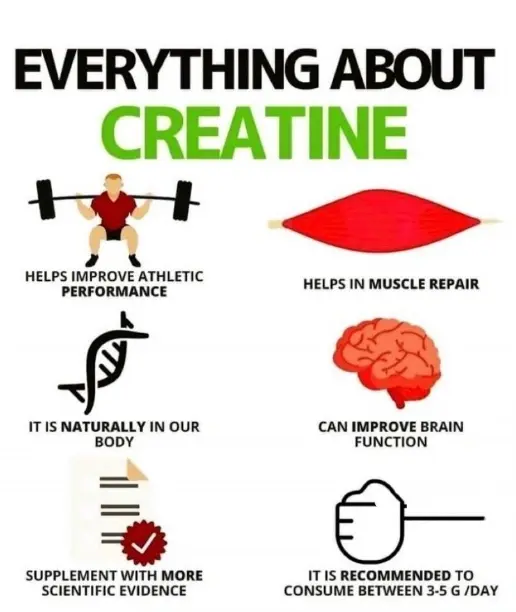
The performance benefits of creatine supplementation are supported by scientific evidence, operating through well-understood molecular mechanisms that support muscle ATP recovery and energy utilization. Procurement managers seeking creatine bulk powders should evaluate purity specifications, certifications, quality systems, and supplier logistics capabilities to ensure product consistency and regulatory compliance. Strategic sourcing decisions that balance quality requirements with cost-effectiveness goals are informed by understanding formulation variants, application-specific protocols, and emerging market trends. Creatine remains a key ingredient for sports nutrition brands, functional food manufacturers, and clinical nutrition applications serving diverse populations, given its strong research foundation and general acceptance.
FAQ
1. Is long-term creatine supplementation suitable for healthy individuals?
Extensive multi-year research has shown that creatine monohydrate supplementation is well tolerated by healthy individuals. Studies following athletes taking daily maintenance doses for more than five years have demonstrated excellent general acceptance with no clinically notable individual responses.
2. What distinguishes micronized from standard creatine monohydrate?
Micronized creatine undergoes mechanical processing to reduce particle size to approximately 200 mesh, significantly enhancing dissolution rate and digestive comfort. The molecular structure remains identical to standard monohydrate, delivering the same performance benefits while offering improved ease of use, particularly for those who prefer ready-to-mix products.
3. How quickly do performance benefits become noticeable?
With a loading protocol, muscle creatine stores become saturated within 5 to 7 days, leading to measurable strength and power gains. With the alternative approach of consistent daily maintenance dosing, full saturation occurs over 3–4 weeks, achieving the same ultimate benefits and allowing individuals to choose their preferred starting method with creatine bulk powders.
Partner with Jianbei for Premium Creatine Bulk Powder Supply
Jianbei Biotechnology sells pharmaceutical-grade creatine bulk powders that are made in GMP-certified facilities that have undergone a lot of quality checks. Our creatine monohydrate (CAS 57-00-1) is 98% pure and meets world standards such as FDA, ISO, HALAL, HACCP, and kosher certifications. It is backed up by HPLC testing paperwork and a fully transparent COA. We keep a lot of stock on all three of our production lines, so we can guarantee arrival times of 3–7 days. Our minimum order size is 1 kg, but we can accommodate larger orders as well. Our R&D team helps with formulation improvement with expert support, and our export-focused service model meets the needs of buyers around the world. As a reputable provider, we provide reasonable wholesale prices, safe payment processing through a variety of channels, and dependable transportation partnerships. Email our purchasing agents at sales@bqingbio.com to talk about the ingredients you need and to get samples of our products that show how committed we are to quality.
References
1. Kreider, R.B., et al. (2017). International Society of Sports Nutrition position stand: safety and efficacy of creatine supplementation in exercise, sport, and medicine. Journal of the International Society of Sports Nutrition, 14(1), 18-35.
2. Antonio, J., & Ciccone, V. (2013). The effects of pre versus post-workout supplementation of creatine monohydrate on body composition and strength. Journal of the International Society of Sports Nutrition, 10(1), 36-42.
3. Buford, T.W., et al. (2007). International Society of Sports Nutrition position stand: creatine supplementation and exercise. Journal of the International Society of Sports Nutrition, 4(1), 6-18.
4. Hall, M., & Trojian, T.H. (2013). Creatine supplementation. Current Sports Medicine Reports, 12(4), 240-244.
5. Cooper, R., Naclerio, F., Allgrove, J., & Jimenez, A. (2012). Creatine supplementation with specific view to exercise/sports performance: an update. Journal of the International Society of Sports Nutrition, 9(1), 33-47.
6. Rawson, E.S., & Volek, J.S. (2003). Effects of creatine supplementation and resistance training on muscle strength and weightlifting performance. Journal of Strength and Conditioning Research, 17(4), 822-831.