- English
- French
- German
- Portuguese
- Spanish
- Russian
- Japanese
- Korean
- Arabic
- Greek
- German
- Turkish
- Italian
- Danish
- Romanian
- Indonesian
- Czech
- Afrikaans
- Swedish
- Polish
- Basque
- Catalan
- Esperanto
- Hindi
- Lao
- Albanian
- Amharic
- Armenian
- Azerbaijani
- Belarusian
- Bengali
- Bosnian
- Bulgarian
- Cebuano
- Chichewa
- Corsican
- Croatian
- Dutch
- Estonian
- Filipino
- Finnish
- Frisian
- Galician
- Georgian
- Gujarati
- Haitian
- Hausa
- Hawaiian
- Hebrew
- Hmong
- Hungarian
- Icelandic
- Igbo
- Javanese
- Kannada
- Kazakh
- Khmer
- Kurdish
- Kyrgyz
- Latin
- Latvian
- Lithuanian
- Luxembou..
- Macedonian
- Malagasy
- Malay
- Malayalam
- Maltese
- Maori
- Marathi
- Mongolian
- Burmese
- Nepali
- Norwegian
- Pashto
- Persian
- Punjabi
- Serbian
- Sesotho
- Sinhala
- Slovak
- Slovenian
- Somali
- Samoan
- Scots Gaelic
- Shona
- Sindhi
- Sundanese
- Swahili
- Tajik
- Tamil
- Telugu
- Thai
- Ukrainian
- Urdu
- Uzbek
- Vietnamese
- Welsh
- Xhosa
- Yiddish
- Yoruba
- Zulu
Bitter melon powder and bitter melon extract powder are both derived from Momordica charantia; yet, when combined in a recipe, they exhibit distinct characteristics. As a fruit that has been dried and processed, whole powder has a comprehensive botanical character of its own. Due to the fact that bitter melon extract powder is concentrated, it is possible to facilitate marker-based standardisation, reduced inclusion rates, and simpler dosage in capsules, tablets, and drink mixes. According to my observations, the decision that is appropriate is not determined by the price per kilogram but rather by the completed format, the target market, the flavour restrictions, the documentation requirements, and the cost per serving. This article provides a comparison of both kinds of ingredients and demonstrates how to confidently assess vendors.
Bitter Melon Powder vs. Bitter Melon Extract: What Is the Difference?
How Whole Bitter Melon Powder Is Made
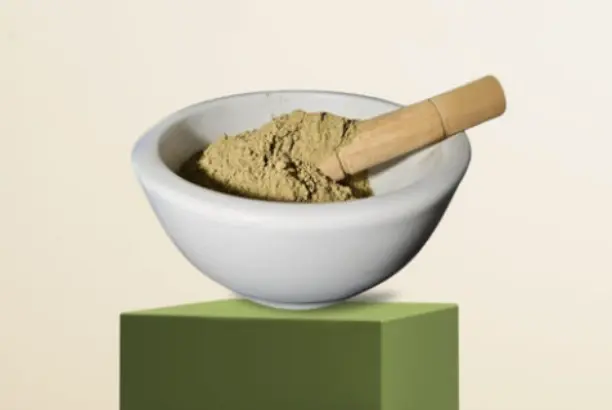
Complete bitter melon powder is produced by washing, slicing, drying, and grinding the fruit or another specific plant part into a fine powder. This process is repeated until the powder is complete. The powder contains the fibre as well as a wide variety of naturally occurring chemicals. This is because the procedure that is being used maintains the material in a relatively undamaged state. Reduced focus is the price that must be paid. When marker chemicals are present in low concentrations, manufacturers often need bigger serving sizes in order to achieve the desired level of ingestion. Because of this, whole powder is an excellent choice for nutrition mixes and meals that need a label that clearly states that the ingredient is a whole plant and where a greater inclusion rate does not alter the flavour or texture of the product.
How Bitter Melon Extract Powder Is Made
Bitter melon extract powder begins with a phase that involves the use of a solvent, which is often water or ethanol, to extract the components of interest from the fruit. After that, the liquid is concentrated and dried, most often by the use of spray drying, and sometimes with the addition of a carrier in order to enhance the flow. Several reviews of Momordica charantia, including one that was published in the International Journal of Molecular Sciences in 2017, list charantin, vicine, polypeptide-p, and cucurbitane-type triterpenoids as being among the most important functional components the plant has. When these compounds are extracted, the percentage of them that are present per gram increases, which allows for more precise specifications and lower dosages. Because solvent, carrier level, and drying conditions all have an impact on the final output, I always make sure to get written confirmation of these particulars.
Why Extraction Ratio Alone Does Not Prove Quality
In the case of bitter melon extract powder, a label such as "10:1" indicates that approximately ten parts of raw fruit were used in order to produce one part of extract. It does not describe the potency of the initial ingredient but rather the concentration! The amount of charantin, the proportion of carrier, and the solubility of two 10:1 products may vary greatly from one another. It is for this reason that I suggest combining the ratio with a validated test, preferably one that is performed by HPLC, and a Certificate of Analysis that is particular to the batch. R&D teams are provided with something quantifiable to compare between suppliers and across production lots when they have access to a standardised specification. This specification includes the testing and reporting of a marker or purity level.
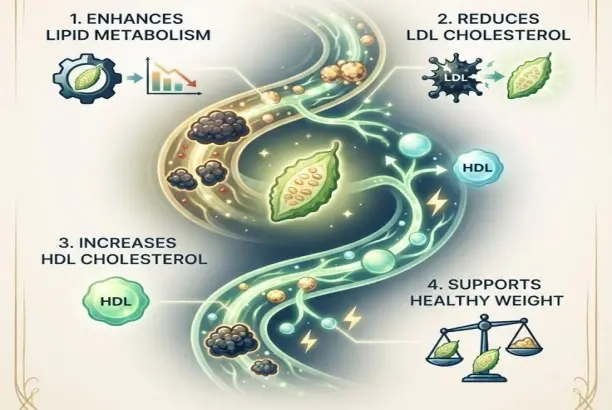
Key Comparison Dimensions for Formulators and Buyers
Composition and Standardization
Whole powder provides a wide range of benefits, including fibre and a large number of naturally occurring ingredients, with some variations depending on the crop. The profile is narrowed down to chosen actives by the use of extract, which also enables a tested specification. There is less variance from one lot to the next, which is beneficial for supplement companies that need consistent labelling and positioning of their effectiveness. Brands that promote a narrative about entire foods could place a higher priority on breadth. The first thing I would recommend is jotting down the target, which might be a marker level or a whole-plant claim. After that, you should choose the form that can record the goal. Identity testing is also an expectation of regulatory agencies since the Food and Drug Administration's 21 CFR Part 111 mandates that makers of dietary supplements validate the identity of the substances included in their products.
Dosage Efficiency, Solubility, and Taste
Concentration reduces the quantity that is required for each serving, which helps to save capsule space and maintain the compactness of tablets. Let's take a deeper look at the solubility. A genuinely soluble powder is one that dissolves without any cloudiness; a dispersible powder is one that may be mixed by stirring, and some substances just suspend before they settle. You should enquire with the provider about the solubility data in your own liquid basis. Unhappiness is the other problem that arises in practice. A flavour system or microencapsulation may still be required in drinks, despite the fact that lower inclusion rates often result in a less significant influence on flavour production. Samples should be tested early to avoid unpleasant shocks in terms of colour, texture, and aftertaste.
Total Cost per Serving
One may be misled by the price per kilogram. As opposed to a concentrated extract, a less expensive whole powder that is utilised at a faster rate could have a higher cost per serving. In the calculation, be sure to take into account aspects such as freight, flavour correction, processing loss, testing expenses, and formulation aids. The next step is to compare the cost per effective serving or per target marker position. The most cost-effective form for any product may often be determined by using a simple spreadsheet that has these data. Due to the fact that the cost of carrying inventory should be included in the same calculation, I also include the minimum order quantity and the lead time in the comparison.
Which Ingredient Fits Which Product?
Capsules, Tablets, and Powder Sticks
Generally speaking, capsules and tablets are the optimum forms for standardised extract. A lower dosage allows for the incorporation of excipients, results in a more predictable flow, and provides support for an assay-based label. Particle size, bulk density, and moisture should all be checked before scaling up, since these factors have an impact on blending and compression. Due to the fact that structure-function claims for dietary supplements that are marketed in the United States are obliged to comply with FDA regulations, including the obligatory disclaimer, the claim language should be reviewed by a regulatory expert. It is still possible to use whole powder in capsules; however, due to the increased fill weight, it may be necessary to use bigger capsules or consume more units per serving.
Beverages, Bars, and Functional Foods
Because drink mixtures need a good dispersion, I seek bitter melon extract powder grades that have been shown to be soluble. It is easier for nutrition bars, baked products, and food mixes to tolerate whole powder since the bitterness is minimised by other ingredients, and the plant-based label contributes to the positioning of the product. Due to the fact that heat, pH, and processing time may all alter flavour and colour, pilot tests are very important. It is also the responsibility of food technologists to verify that the allergy and labelling strategy are compatible with the carrier materials. The cost of reformulating after launch is far more than the cost of producing a tiny trial batch under actual production circumstances.
A Simple Selection Process
I follow a five-step process. Initially, it is necessary to identify the product format, the target market, and the claim style. The second step is to compose a specification that addresses the following aspects: identification, marker or purity, solubility, particle size, moisture thresholds, and microbiological restrictions. Third, look at the paperwork, capacity, minimum order quantity, lead time, and export experience of different providers. Fourth, conduct taste, colour, dispersion, flow, and stability tests on samples that have been made using the actual recipe. After the technical findings have been satisfactory, the fifth step is to finalise the commercial terms. This order assists purchasers in avoiding frequent errors, such as placing orders for large quantities before the regulatory fit is certain or considering the extraction ratio to be evidence of the product's efficacy.
Evaluating Quality and Choosing a Supplier
Documents and Tests to Request
Before placing the first purchase, a reliable provider will supply the necessary papers. I request the botanical name and name of the plant part, as well as the country of origin, the extraction process, a Certificate of Analysis that is particular to the batch, and the analytical method that was employed. Identity, assay, moisture, microbiology, heavy metals, pesticides, and residual solvents should all be included in the scope of the tests that are performed. There is an increase in supply-chain trust as a result of certificates such as GMP, HACCP, ISO, Halal, Kosher, and organic; nonetheless, these certificates complement batch data rather than replacing it. In addition, audits for quality management and regulatory teams are processed more quickly when there is clear traceability from raw fruit to completed lot.
Jianbei Bitter Melon Extract Specifications
Using high-performance liquid chromatography (HPLC), Jianbei provides bitter melon extract powder in the form of a white crystalline powder with a specification of 98%. 57126-62-2 is the chemical abbreviation for the compound, and its molecular formula is C42H62O16. The molecular weight of the compound is 1151.67. Certifications such as USA Food and Drug Administration, Organic Food, Kosher, ISO, Halal, HACCP, and Good Manufacturing Practices are included on the list. These actions include boosting glucose utilisation, limiting sugar absorption, and sustaining blood sugar and blood lipid levels. It also helps maintain healthy blood sugar levels. It is important that the final label claims adhere to the regulations of each destination market. The powder is only available for export at this time.
Packaging, Storage, and Ordering Terms
Jianbei packages the powder in aluminium foil bags weighing one kilogram or in drums weighing twenty-five kilograms. It may be kept for two years if it is properly sealed and kept in a dry and cool location. The delivery time ranges from three to seven working days following payment, and the minimum order size is one kilogram, which is suitable for laboratory tests and pilot batches. Many other methods of payment are available, including Western Union, Alipay, XT, PayPal, and telegraphic transfer. Three manufacturing lines and two separate labs are used in the production process, which takes place in a GMP workshop. Additionally, Jianbei Biotechnology, which has its headquarters in Guangzhou Software Park, is the owner of five utility model patents and fifteen national innovation patents.
Conclusion
Bitter melon extract powder and extract powder are made from the same plant, although they have different uses. Whole powder may be used in meals and mixes with higher inclusion rates due to its extensive plant profile. Extract concentrates compounds, meets criteria, and allows lower doses in capsules, tablets, and drink mixes. To prove potency, utilise assay data, solubility results, and batch documentation, not only the extraction ratio. When calculating cost per serving, freight, taste correction, and testing must be included. Testing samples using the recipe is also crucial before ramping up production. When the form matches the supplier's product format, claim strategy, and documentation, development risk is decreased, and buyers have a clearer basis for decision-making.
FAQ
1. Is bitter melon extract powder stronger than whole powder?
Extract is more concentrated per gram, but strength depends on the tested marker or purity level. Request an HPLC-based assay and a batch Certificate of Analysis before comparing products.
2. Is every extract water soluble?
No. Solubility varies with the extraction method, carrier, and drying process. Ask for solubility data in your liquid base and run a sample trial.
3. What are the shelf life and minimum order of Jianbei's product?
Sealed storage in a dry, cool place gives a two-year shelf life. The minimum order quantity is 1 kg, with delivery in 3–7 working days after payment.
4. Which documents should I request?
Ask for the specification, batch COA, HPLC method, traceability records, and GMP, HACCP, and ISO certificates.
Contact Jianbei for Bitter Melon Extract Powder Samples and Quotes
Jianbei operates a GMP workshop and works as a bitter melon extract powder supplier backed by a mature R&D team, large inventory, and complete certificates. Send your application, target specification, and annual volume to sales@bqingbio.com, and we will reply with sample and quotation details. A 1 kg minimum order lets you test the material in your own formula first.
References
1. Jia S, Shen M, Zhang F, Xie J. Recent Advances in Momordica charantia: Functional Components and Biological Activities. International Journal of Molecular Sciences, 2017.
2. Grover JK, Yadav SP. Pharmacological Actions and Potential Uses of Momordica charantia: A Review. Journal of Ethnopharmacology, 2004.
3. Joseph B, Jini D. Antidiabetic Effects of Momordica charantia (Bitter Melon) and Its Medicinal Potency. Asian Pacific Journal of Tropical Disease, 2013.
4. Ooi CP, Yassin Z, Hamid TA. Momordica charantia for Type 2 Diabetes Mellitus. Cochrane Database of Systematic Reviews, 2012.
5. Dans AM, Villarruz MV, Jimeno CA, et al. The Effect of Momordica charantia Capsule Preparation on Glycemic Control in Type 2 Diabetes Mellitus Needs Further Studies. Journal of Clinical Epidemiology, 2007.
6. U.S. Food and Drug Administration. Current Good Manufacturing Practice in Manufacturing, Packaging, Labeling, or Holding Operations for Dietary Supplements (21 CFR Part 111). Federal Register, 2007.