- English
- French
- German
- Portuguese
- Spanish
- Russian
- Japanese
- Korean
- Arabic
- Greek
- German
- Turkish
- Italian
- Danish
- Romanian
- Indonesian
- Czech
- Afrikaans
- Swedish
- Polish
- Basque
- Catalan
- Esperanto
- Hindi
- Lao
- Albanian
- Amharic
- Armenian
- Azerbaijani
- Belarusian
- Bengali
- Bosnian
- Bulgarian
- Cebuano
- Chichewa
- Corsican
- Croatian
- Dutch
- Estonian
- Filipino
- Finnish
- Frisian
- Galician
- Georgian
- Gujarati
- Haitian
- Hausa
- Hawaiian
- Hebrew
- Hmong
- Hungarian
- Icelandic
- Igbo
- Javanese
- Kannada
- Kazakh
- Khmer
- Kurdish
- Kyrgyz
- Latin
- Latvian
- Lithuanian
- Luxembou..
- Macedonian
- Malagasy
- Malay
- Malayalam
- Maltese
- Maori
- Marathi
- Mongolian
- Burmese
- Nepali
- Norwegian
- Pashto
- Persian
- Punjabi
- Serbian
- Sesotho
- Sinhala
- Slovak
- Slovenian
- Somali
- Samoan
- Scots Gaelic
- Shona
- Sindhi
- Sundanese
- Swahili
- Tajik
- Tamil
- Telugu
- Thai
- Ukrainian
- Urdu
- Uzbek
- Vietnamese
- Welsh
- Xhosa
- Yiddish
- Yoruba
- Zulu
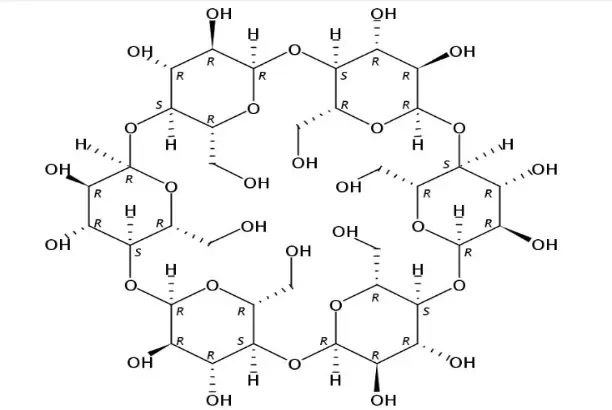
Alpha-cyclodextrin powder is a cyclic oligosaccharide that is made up of six glucose units that are connected to one another by alpha-1,4 glycosidic linkages. It is created by the enzymatic conversion of starch by use of cyclodextrin glycosyltransferase (CG), which is an enzyme. This white crystalline powder (CAS 10016-20-3) has a chemical formula of C36H60O30 and a molecular weight of 972.94. It has a distinguishing structural characteristic, which is a hydrophobic interior cavity that is coupled with a hydrophilic exterior surface. With this design, it is possible to encapsulate guest molecules that range from lipids to volatile chemicals, hence enhancing bioavailability, stability, and controlled release in a variety of medicines, functional foods, nutraceuticals, and cosmetics.
Understanding the Molecular Architecture Behind Encapsulation
Because of its truncated cone-shaped structure, alpha-cyclodextrin powder has the ability to encapsulate substances. Small hydrophobic molecules and long linear fatty acids may be captured by the space within, which is around 4.7 to 5.3 Å wide. This is the optimal size for capturing these molecules. Due to the fact that the outer shell is hydrophilic, the complex continues to be water-soluble, which makes it simple to include in formulations that are based on water. This interaction between the host and the guest may be described as a genuine molecular inclusion rather than a surface coating. To put it another way, the guest molecule is physically protected inside the walls of the cavity containing the guest molecule.
How Alpha-Cyclodextrin Differs from Beta-Cyclodextrin
Because it has seven glucose units and a cavity that is 6.0 to 6.5 Å broader, beta-cyclodextrin is a more suitable candidate for aromatic ring structures. The pocket of alpha-cyclodextrin powder is smaller and more tightly packed, which allows it to function more effectively with linear chain lipids and medium-chain fatty acids. In addition, it dissolves in water considerably more readily than beta-cyclodextrin does, which makes it a superior option for the production of clear beverages and liquid vitamins.
Key Benefits and Industrial Applications
Because alpha-cyclodextrin powder has the potential to encase active compounds, it improves the performance of these substances in a variety of contexts. As long as the temperature does not go over 270 degrees Celsius, it does not alter its structure, which enables it to be used in high-heat extrusion, baking, and spray drying. As a result of these characteristics, it has gained momentum in a variety of different industries.
The following is a list of the most important benefits that designers of B2B products need to be aware of:
- Increased bioavailability: Alpha-cyclodextrin powder facilitates the absorption of encapsulated substances by facilitating the breakdown of active compounds that do not mix well with water. This results in improved bioavailability. This is particularly beneficial for medications and supplements that are aimed at providing health to the immune system or metabolism.
- Bitter chemicals and volatile off-notes may be retained within the cavity to mask flavours and prevent odours from spreading. This allows the cavity to be used for both flavour masking and odour control. By doing so, the organoleptic character of functional beverages, supplement powders, and fortified snacks is enhanced without any corresponding change in the nutritional content of these products.
- The process of extending the shelf life of a product involves encapsulating oxidation-sensitive components, such as omega-3 fatty acids or polyphenolic extracts, in order to make the product endure for a longer period of time. Because of this, there is a significant reduction in the amount of deterioration that occurs during storage, which immediately leads to a decrease in product returns and an improvement in customer satisfaction.
- Alpha-cyclodextrin powder, which functions as a soluble fibre, has been shown in clinical settings to enhance the balance of bacteria in the gut, assist blood sugar management, adjust blood lipid levels, and help individuals feel fuller. These benefits are all associated with improved gut health and metabolic support.
The combination of all of these advantages helps to overcome formulation issues that R&D directors and food scientists often encounter, such as the instability of the ingredients and the poor bioavailability of the product. If it is implemented properly, it has the potential to make a product stand out from the crowd rather than just acting as an excipient.
Comparing Alpha-Cyclodextrin to Other Functional Ingredients
When compared to alternatives such as inulin, resistant starch, or beta-glucan, the components that make up alpha-cyclodextrin powder are unique. This substance serves as both a soluble fibre and a chemical transporter, a dual function that is not replicated by any other tough resistant starch. The variations extend beyond the fibre content of the item.
Natural vs. Synthetic Production
A food-grade enzyme known as CGTase is responsible for the breakdown of starch in order to create alpha-cyclodextrin powder. Because of its enzymatic nature, it is considered a natural and clean-label characteristic in the product. This is in contrast to the majority of produced encapsulating agents, which may incorporate leftover chemicals or products derived from petrochemical manufacturers. Because it is derived from enzymes, it is a one-of-a-kind option for companies that wish to employ goods that have been granted GRAS certification by the FDA.
Quality Parameters That Matter in Procurement
In order to guarantee the product's authenticity and purity, purchasers should make use of certain rotation values ranging from +147° to +152° while evaluating various grades. Using high-performance liquid chromatography (HPLC) with refractive index detection, purity is checked. Additionally, the verification of the absence of crystallisation solvents should be accomplished using GC-headspace testing for residual solvents. The values of heavy metals by ICP-MS, which include arsenic levels, are required to comply with the food safety regulations established by the FDA and other nations. In addition, it is essential to verify the filling of the holes to make certain that there are no complexed contaminants that are making it more difficult for the product to successfully load visitors.
Procurement Guide: Sourcing the Right Grade for Your Application
When searching for a reliable source of alpha-cyclodextrin powder, it is not enough to just consider the wholesale price per kilogram. When it comes to regulatory standards, the distinction between the criteria for pharmaceutical-grade and food-grade products has an impact on the manner in which your product achieves market acceptance.
Using high-performance liquid chromatography (HPLC), Jianbei Biotechnology provides alpha-cyclodextrin powder that is 98% pure. Certifications such as FDA registration, ISO, GMP, HALAL, KOSHER, HACCP, and Organic Food approval are among the certifications that the firm has. In addition to being packed in 1-kilogram aluminium foil bags or 25-kilogram drums, the item may be sent as a sample or in large commercial quantities. After receiving payment, purchases beginning at a minimum of one kilogram will be delivered within three to seven business days. XT, Western Union, T/T, Alipay, and Western Union are some of the payment options that are accepted.
When being stored, the surroundings must be dry and cold. A shelf life of two years is maintained by the item when it is properly sealed. Because of this reliability, contract manufacturers and supplement companies that employ rolling manufacturing techniques are able to maintain a low stock level. In order to facilitate import compliance in markets such as the United States of America, the European Union, and Japan, Jianbei's manufacturing facilities and independent laboratories that adhere to GMP standards offer batch-level certificates of analysis (COAs), results of third-party tests, and regulatory dossiers.
Safe and Effective Integration Into Your Formulations
When adding powdered alpha-cyclodextrin to products, it is important to take into consideration the dose as well as the processing conditions. When it comes to applications associated with dietary supplements, optimal amounts generally range between 5 and 10 grams per serving for the advantages of fibre. A wide variety of functional encapsulation techniques make use of much lower inclusion levels, which vary according to the active component that is being targeted and the release profile that is sought.
Handling and Storage Best Practices
In spite of the fact that alpha-cyclodextrin powder does not have a high capacity for water absorption, extended exposure to ambient humidity might cause moisture to enter the cavity, which in turn reduces the capacity for accommodating guests. It is recommended that the encapsulation process be stored in containers that are hermetically sealed, at room temperature, and with a low humidity level. It is recommended that manufacturers that use wet processing methods dissolve the powder first, and then add heat-sensitive actives in order to prevent the actives from leaking into the environment too soon. With the aid of these guidelines, developers are able to preserve the performance of the ingredients from the warehouse to the completed product.
Conclusion
Scientists have found that the molecular encapsulation method of alpha-cyclodextrin powder provides a precise way to make materials more stable, bioavailable, and useful in sensory tests. It is unique in the ingredient market because it serves as both a functional fiber and a molecular carrier. The chemistry remains consistent whether it is used as a pharmaceutical excipient, in a functional beverage, or in a nutraceutical capsule. Buying teams and R&D leaders seeking a well-documented, multi-certified ingredient with traceable production standards should give this cyclic oligosaccharide serious evaluation.
FAQ
1. What makes alpha-cyclodextrin suitable for fat encapsulation?
Its cavity width, which is between 4.7 and 5.3 Å, is geometrically compatible with linear fatty acid chains, allowing stable inclusion complexes to form. This makes it better than beta-cyclodextrin for lipid-based encapsulation tasks in food and supplement systems.
2. How is purity confirmed before shipment?
Purity at the 98% specification level is verified using HPLC with refractive index detection, benchmarked against USP/EP reference standards. Batch-level certificates of analysis are available upon request.
3. Can it be labeled as a natural ingredient?
Its enzymatic production from starch using food-grade CGTase generally supports clean-label positioning. Regulatory acceptance as a natural or fermentation-derived ingredient varies by jurisdiction and should be confirmed with your compliance team.
4. Is it compatible with high-temperature food processing?
It remains thermally stable up to 270°C, making it compatible with extrusion, baking, and spray-drying unit operations without loss of structural integrity.
Source Your Alpha-Cyclodextrin Powder Manufacturer With Confidence — Partner With Jianbei
Jianbei Biotechnology operates three dedicated production lines within a GMP-standard facility, supported by two independent laboratories and 15 national invention patents. Our alpha-cyclodextrin powder for sale meets 98% purity standards with full certification coverage. Reach out to our team today at sales@bqingbio.com to request a sample, review technical documentation, or discuss bulk pricing tailored to your production needs.
References
1. Del Valle, E. M. M. (2004). Cyclodextrins and their uses: A review. Process Biochemistry, 39(9), 1033–1046.
2. Loftsson, T., & Duchêne, D. (2007). Cyclodextrins and their pharmaceutical applications. International Journal of Pharmaceutics, 329(1–2), 1–11.
3. Kohyama, N., Nishinari, K., & Nagata, Y. (1997). Cyclodextrin inclusion complexes: Physicochemical characterization. Food Hydrocolloids, 11(3), 345–352.
4. Roberfroid, M. B. (2005). Dietary fiber, inulin, and oligofructose: A review comparing their physiological effects. Critical Reviews in Food Science and Nutrition, 33(2), 103–148.
5. Szejtli, J. (1998). Introduction and general overview of cyclodextrin chemistry. Chemical Reviews, 98(5), 1743–1754.
6. Astray, G., González-Barreiro, C., Mejuto, J. C., Rial-Otero, R., & Simal-Gándara, J. (2009). A review on the use of cyclodextrins in foods. Food Hydrocolloids, 23(7), 1631–1640.