- English
- French
- German
- Portuguese
- Spanish
- Russian
- Japanese
- Korean
- Arabic
- Greek
- German
- Turkish
- Italian
- Danish
- Romanian
- Indonesian
- Czech
- Afrikaans
- Swedish
- Polish
- Basque
- Catalan
- Esperanto
- Hindi
- Lao
- Albanian
- Amharic
- Armenian
- Azerbaijani
- Belarusian
- Bengali
- Bosnian
- Bulgarian
- Cebuano
- Chichewa
- Corsican
- Croatian
- Dutch
- Estonian
- Filipino
- Finnish
- Frisian
- Galician
- Georgian
- Gujarati
- Haitian
- Hausa
- Hawaiian
- Hebrew
- Hmong
- Hungarian
- Icelandic
- Igbo
- Javanese
- Kannada
- Kazakh
- Khmer
- Kurdish
- Kyrgyz
- Latin
- Latvian
- Lithuanian
- Luxembou..
- Macedonian
- Malagasy
- Malay
- Malayalam
- Maltese
- Maori
- Marathi
- Mongolian
- Burmese
- Nepali
- Norwegian
- Pashto
- Persian
- Punjabi
- Serbian
- Sesotho
- Sinhala
- Slovak
- Slovenian
- Somali
- Samoan
- Scots Gaelic
- Shona
- Sindhi
- Sundanese
- Swahili
- Tajik
- Tamil
- Telugu
- Thai
- Ukrainian
- Urdu
- Uzbek
- Vietnamese
- Welsh
- Xhosa
- Yiddish
- Yoruba
- Zulu
Sibutramine hydrochloride, commercially available under brand names such as "Trelleby" and "Li shou", is a potent drug primarily used for weight management. It was initially developed by Conolly Pharmaceuticals and later promoted by Abbott Laboratories. This drug has garnered significant attention in the medical community. Its design aims to help patients who are troubled by obesity and who cannot effectively control their weight through diet and exercise. Although its efficacy is promising, the promotion of sibutramine hydrochloride has been controversial due to side effect issues, and it was eventually withdrawn from the market in several countries.
Sibutramine hydrochloride is classified as a serotonin-norepinephrine reuptake inhibitor (SNRI). It was first approved for use in the United States in 1997. The indications for this drug include the treatment of obesity, especially for patients with risk factors such as diabetes, dyslipidemia, or hypertension. However, due to concerns about its cardiovascular safety, the drug underwent more rigorous scrutiny and was eventually withdrawn in the European Union, the United States, and other regions in 2010.
Is the research on sibutramine hydrochloride limited to the fundamental level only?
The Seppos Al Insight Engine developed by Seppos Héro LS researcher is designed to accelerate the decision-making process in the field of biopharmaceuticals. By searching through billions of life science data, it aims to identify signals, verify evidence, and take confident actions. Exploring the relevant information about sibutramine hydrochloride, despite the regulatory challenges, sibutramine hydrochloride remains an important case in the treatment of obesity and pharmacological research. Researchers are still continuing to explore its mechanism of action and effects to better understand its benefits and risks, and to develop safer alternative drugs.
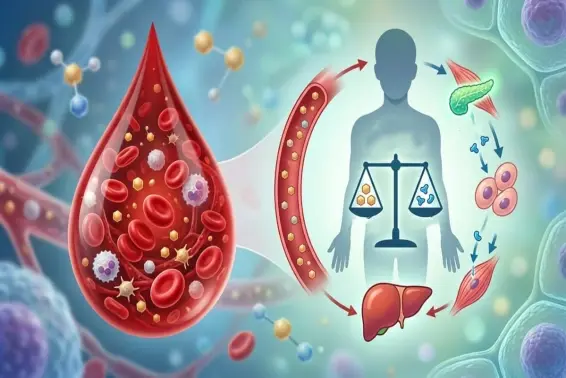
The mechanism of action of sibutramine hydrochloride
The effectiveness of sibutramine hydrochloride as an adjunctive weight loss medication lies in its unique mechanism of action. As a serotonin-norepinephrine reuptake inhibitor (SNRI), sibutramine inhibits the reuptake of serotonin, norepinephrine, and to a lesser extent, dopamine into the synaptic cleft, thereby increasing the concentration of these substances in the synaptic cleft. This inhibitory effect enhances satiety and reduces appetite, leading to a decrease in food intake and ultimately achieving weight loss.
The main target of this drug is the serotonin (5-HT) and norepinephrine (NE) transporters. By blocking these transporters, sibutramine can prevent the reuptake of these neurotransmitters, thereby prolonging their action time. This enhancement of neurotransmitter activity helps regulate the brain circuits related to hunger and energy expenditure.
In addition, sibutramine has been proven to promote the thermogenic process, that is, the process by which the body generates heat and consumes energy. This further contributes to weight loss. The dual mechanism of action - inhibiting appetite and increasing energy expenditure - makes sibutramine a powerful weapon against obesity.
How to use sibutramine hydrochloride
Sibutramine is usually administered orally in the form of capsules. The common dosage range is 15 to 25 mg per day, and the specific dosage will vary depending on the individual's condition. The dosage may differ based on the patient's response and tolerance. This medication is generally taken once in the morning and can be taken with food or on an empty stomach, depending on the patient's daily routine and to minimize interference with their dietary habits.
The onset of action of sibutramine is relatively fast. Patients usually experience a decrease in appetite within a few days of starting the medication. However, significant weight loss effects typically become apparent after several weeks of continuous use. The duration of treatment varies, but patients usually continue to take the medication for several months to achieve and maintain the desired weight loss effect.
For patients, it is crucial to follow the guidance of the healthcare provider regarding the dosage and to undergo regular monitoring to assess the efficacy and safety of the medication. If patients fail to achieve meaningful weight loss (at least a 5% reduction in weight) within the first few months, the medication may be discontinued, as the possibility of further benefits is considered to be low.

What are the side effects of sibutramine hydrochloride?
Although sibutramine has shown significant effects in promoting weight loss, it also comes with a series of side effects, some of which are quite severe and eventually led to its withdrawal from the market in many regions. Common side effects include dry mouth, constipation, insomnia, and headaches. These side effects are usually mild to moderate and tend to diminish as the body adapts to the drug over time.
What is more worrying are the cardiovascular side effects associated with the use of sibutramine. Clinical trials and post-marketing surveillance have revealed that using this drug increases the risk of elevated blood pressure and heart rate, posing a significant threat to patients with a history of cardiovascular diseases. This risk profile is particularly evident in the "Sibutramine Cardiovascular Outcomes Trial" (ScouT) study, which showed an increase in the incidence of heart attacks and strokes in patients with pre-existing cardiovascular diseases.
The contraindications of sibutramine include: patients with a history of coronary artery disease, congestive heart failure, arrhythmia, stroke, or uncontrolled hypertension. Additionally, this drug is not recommended for patients with a history of eating disorders, pregnant women or lactating women, and patients with severe liver or kidney dysfunction.
Which other medications may interact with sibutramine?
The interaction between sibutramine and other drugs is another crucial consideration in its safe use. Due to its mechanism as a serotonin-norepinephrine reuptake inhibitor, sibutramine may interact with other drugs that affect serotonin levels, thereby increasing the risk of serotonin syndrome - a potentially life-threatening condition with symptoms including restlessness, hallucinations, increased heart rate, and elevated body temperature.
Given this risk, it is generally not recommended to use sibutramine concurrently with other drugs with similar effects, such as selective serotonin reuptake inhibitors (SSRIs), monoamine oxidase inhibitors (MAOIs), or ergotamine drugs used to treat migraines. Therefore, doctors will advise patients to discontinue any monoamine oxidase inhibitors for at least two weeks before starting sibutramine to avoid dangerous interactions.
Furthermore, the effects of sibutramine on blood pressure and heart rate require extra caution when used in combination with other drugs that affect cardiovascular function, such as antihypertensive drugs, decongestants, and certain antipsychotic drugs.
Since this drug is metabolized by the cytochrome P450 3A4 enzyme, interactions with inhibitors or inducers of this enzyme may change the plasma concentration of sibutramine, thereby affecting its efficacy and safety. For example, using ketoconazole simultaneously may increase the concentration of sibutramine, thereby increasing the risk of adverse reactions; while using rifampicin simultaneously may reduce its efficacy.

In conclusion, sibutramine has played a significant pharmacological role in the management of obesity, and it also highlights the importance of achieving a balance between efficacy and safety. Its complex mechanism of action, as well as potential serious side effects and drug interactions, emphasize the necessity of continuous research in developing safer weight loss therapies.