- English
- French
- German
- Portuguese
- Spanish
- Russian
- Japanese
- Korean
- Arabic
- Greek
- German
- Turkish
- Italian
- Danish
- Romanian
- Indonesian
- Czech
- Afrikaans
- Swedish
- Polish
- Basque
- Catalan
- Esperanto
- Hindi
- Lao
- Albanian
- Amharic
- Armenian
- Azerbaijani
- Belarusian
- Bengali
- Bosnian
- Bulgarian
- Cebuano
- Chichewa
- Corsican
- Croatian
- Dutch
- Estonian
- Filipino
- Finnish
- Frisian
- Galician
- Georgian
- Gujarati
- Haitian
- Hausa
- Hawaiian
- Hebrew
- Hmong
- Hungarian
- Icelandic
- Igbo
- Javanese
- Kannada
- Kazakh
- Khmer
- Kurdish
- Kyrgyz
- Latin
- Latvian
- Lithuanian
- Luxembou..
- Macedonian
- Malagasy
- Malay
- Malayalam
- Maltese
- Maori
- Marathi
- Mongolian
- Burmese
- Nepali
- Norwegian
- Pashto
- Persian
- Punjabi
- Serbian
- Sesotho
- Sinhala
- Slovak
- Slovenian
- Somali
- Samoan
- Scots Gaelic
- Shona
- Sindhi
- Sundanese
- Swahili
- Tajik
- Tamil
- Telugu
- Thai
- Ukrainian
- Urdu
- Uzbek
- Vietnamese
- Welsh
- Xhosa
- Yiddish
- Yoruba
- Zulu
If you buy a sugar-free candy, read the label on a vitamin, or look at the list of sorbitol powder bulk ingredients in your favourite protein bar, you'll probably see sorbitol. This flexible ingredient is now needed to make all kinds of foods, especially when it's bought in bulk as sorbitol powder for large-scale production. Sorbitol is an important ingredient because it is a low-calorie sweetener, keeps baked goods moist, keeps frozen foods from crystallising, and improves the shelf life of foods without changing the taste. Sorbitol powder in bulk is a reliable, cost-effective, multifunctional ingredient that meets strict safety standards. It can help makers solve many formulation problems at once while still keeping the product appealing to consumers.
Understanding Sorbitol's Role in Modern Food Production
Over the years, I've worked with ingredient suppliers and food formulators, and sorbitol has gone from being a unique additive to a regular functional ingredient. This sugar alcohol is found naturally in a lot of foods, like apples, pears, and nuts. It is called D-glucitol in chemistry. In commercial production, glucose made from corn or tapioca starch is hydrogenated with the help of a catalyst. In this way, a clean, standardised product is made that can be used in business. There are only 2.6 calories per gram of food-grade sorbitol powder, while there are 4 calories per gram of regular sugar. This is why food makers like it. This difference in calories is very important for businesses that make products for people who care about their health. Besides being sweet, sorbitol stays steady in hot and acidic conditions. This makes it useful for processes that would normally break down sugars. People who make things like to buy sorbitol powder in bulk because it works well in many cases. Because it comes in the form of a fine powder, it is easy to handle, dose accurately, and work with automatic production lines without any problems. These are all things that have a direct impact on how quickly and consistently goods are made.
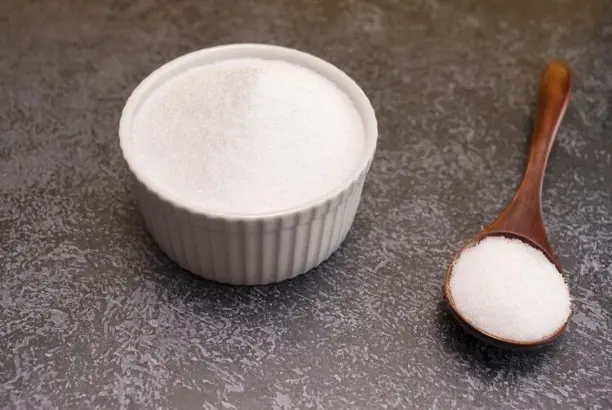
Seven Core Applications That Make Sorbitol Essential
Sugar-Free Confectionery Manufacturing
As you walk through any modern candy factory, you'll notice that sorbitol is used a lot in sugar-free treats. This ingredient gives hard candies, chewy sweets, and chocolate coverings their sweetness and strength. Sorbitol adds bulk and texture to sweets that are normally made with sugar, unlike artificial sweeteners that only add taste. Sorbitol's cooling effect when dissolved makes mint-flavored goods better, giving them the refreshing feeling people expect from gum and breath mints. This taste comes from sorbitol's endothermic breakdown, which means it absorbs heat when it dissolves, making the tongue feel cool. One problem that candy makers have to deal with all the time is keeping their products from turning brown while they're cooking or storing them. Sorbitol stops Maillard reactions, which are chemical reactions that happen when sugars and proteins get heated and turn brown. This means that sweets stay the colour they were meant to be throughout their shelf life. This stability cuts down on waste and makes sure that products look good from the time they are made until they are sold.
Bakery Products and Moisture Management
Anyone who has eaten a cake that is past its prime sorbitol powder bulk knows how important it is to keep the moisture in. People who bake with sorbitol powder find that it works great as a humectant, which is an ingredient that draws in and holds water molecules. This hygroscopic property keeps baked goods soft and fresh-tasting for a much longer time than recipes that don't have sorbitol powder. Making lower-sugar baked goods is different from making regular ones. Taking away sugar changes more than just the sweetness; it also changes the texture, the colour, and the volume. Sorbitol does several things at once: it adds sweetness, helps foods brown through caramelisation (though not as much as sucrose), and keeps products moist so they don't dry out too quickly. Commercial bakeries like how the bulk sorbitol powder manufacturer supplies allow for consistent performance from batch to batch. The uniform distribution of particle sizes ensures that the mixture mixes evenly and that water is absorbed in a predictable way. This gets rid of the variations that can spoil whole production runs.
Pharmaceutical and Supplement Formulations
Sorbitol is an important part of dietary supplements and functional foods, as well as traditional meals. Manufacturers of tablets use it as both a binder and a sweetener in chewable vitamins to make goods that fit together well and taste good. Pharmaceutical-grade sorbitol powder is used in these situations because it has to meet very high quality standards that are higher than those for food-grade powder. Sorbitol helps liquid nutritional supplements stay liquid during storage by stopping them from crystallising. When formulations have a lot of minerals and vitamins, crystals can form that aren't needed. This can change the texture and could clog up dispensing equipment. Sorbitol's molecular structure stops crystal lattices from forming, which keeps solutions smooth and pourable throughout their shelf life. Because sorbitol is good for teeth, it is especially useful for kids' vitamins and medicines. Cavity-causing microorganisms can't break down sorbitol as efficiently as they can normal sugars, which they turn into acids that wear down teeth. Because of this trait, companies can make sweet products that are good for your teeth, which is a big plus for parents who care about their health.
Frozen Desserts and Cryoprotection
"Heat shock" is a technical issue that people who make ice cream and frozen yoghurt have to deal with. When the temperatures of frozen foods change while they are being stored or moved, the quality of the food goes down. Sorbitol drops the point at which things freeze and makes ice crystals smaller and more even, which makes the texture better. It's important to control the size of the ice crystals in order to give customers the smooth, creamy texture they want in their frozen treats. When there are big crystals, the feel is rough and unpleasant. When there are small crystals, the feel is smooth. Sorbitol stops the growth of ice crystals, so the desired creamy consistency is kept even after goods go through freeze-thaw cycles during shipping. People are liking sugar-free frozen treats more and more. Not having sugar in ice cream makes it hard to make because it changes how sweet, solid, frozen, and even how quickly it melts. Because it can be used in so many ways, sorbitol helps people make low-calorie frozen treats that are still enjoyable to taste and smell.
Processed Meat and Seafood Preservation
For those who don't know much about food technology, this use case is pretty cool. Sorbitol is a protein stabiliser that is added to processed meat and seafood, especially surimi (fish paste used to make fake crab). When fish proteins are frozen and then thawed, they can lose their structure and function. Sorbitol protects these proteins and makes sure that the goods keep their stretchy, springy texture. Firms that make ready-to-eat meat items also use sorbitol to keep the meat moist while it cooks and while it is stored. Customers will enjoy the taste of the meat more and be happy because it won't get dry and tough while being packed. This part of the food also helps make foods like sausages and frankfurters "snap" when you bite into them. Sorbitol powder in bulk is also used to cure meat. It helps the colour develop properly and stops microbes from growing where they shouldn't. It is useful in many protein-based mixtures because it has these useful qualities.
Beverage Formulation and Stability
Sorbitol doesn't break down in acidic surroundings, which is helpful for people who are making drinks without sugar or with fewer calories. Sorbitol stays sweet and useful in fruit juices, sports drinks, and sweetened waters even when the pH level is low. Other sweeteners break down at low pH levels. This part of the recipe gives it body and mouthfeel that straight sweeteners can't. Taking the sugar out of drinks makes them feel weak and thin, which people don't like. Sorbitol gives drinks more thickness and substance without adding a lot of calories. This helps companies make drinks that are both tasty and in line with health trends. There are a lot of things that can go wrong with carbonation or add tastes that aren't needed when making carbonated drinks. It is easy for sorbitol to mix with fizzy drinks, and it doesn't change how bubbles form or how long they last. This means that sugar-free sodas and bubbly waters can use it.
Dried Fruit and Snack Applications
Before they are packed, dried fruits like apricots, figs, sorbitol powder bulk, and prunes are often given a thin layer of sorbitol solution. This application keeps the pieces from sticking together by putting a moisture layer between them while keeping their flexibility. Without this treatment, dried fruits can either stick together into unappetising piles or get hard and tough to chew. Sorbitol is added to nutrition bars and granola to keep them from getting hard during storage. Proteins, fibres, and other ingredients in these items tend to stick together tightly when water moves through them. Sorbitol's humectant properties keep enough moisture in foods to keep bars chewy and enjoyable instead of rock-hard. Sorbitol coatings on trail mixes and snack blends stop ingredient segregation, which is when small parts fall to the bottom of packages, and larger parts rise to the top. A thin layer of sorbitol makes the ingredients stick together a little, so the mixes stay the same from the first serve to the last.
The Technical Advantages Behind Bulk Procurement
When businesses buy sorbitol powder in bulk, they often get it at lower prices and find other big benefits that go beyond saving money. Large-volume sourcing keeps the supply chain going, so production doesn't stop when you depend on multiple suppliers for smaller amounts. Bulk procurement usually comes with a lot of paperwork, like Certificates of Analysis, safety data sheets, and certificates of regulatory compliance. This paperwork is very helpful during checks and when sending goods to countries with strict import rules. As a supplier, Jianbei keeps up with certifications like FDA registration, ISO standards, HALAL, HACCP, and GMP compliance, which makes it easier for customers to meet their regulatory responsibilities. When working with hygroscopic materials like sorbitol, it's important to think about how to store them. Storing bulk sorbitol powder in a controlled humidity setting keeps it from caking and keeps it flowing. Industrial packaging, which usually comes in 25 kg drums with moisture-resistant covers, keeps the quality of the goods safe while they're being stored and requires less work to handle than smaller packages.
Quality Factors That Influence Performance
Sorbitol is found in some things that don't work the same way. How well something works depends a lot on how pure it is. For instance, at least 98% purity is needed for medicinal uses, while a little less is fine for some food uses. Impurities can change the way something crystallises, give it an off taste, or damage processing equipment. How quickly particles dissolve and how well they mix are both affected by the size distribution of the particles. Fine powders break down quickly, but they can make dust, which can be messy to work with. Because they don't move as easily through automatic processes, coarser grades take longer to mix. Production is more efficient when the right particle specs are used for the right job. Too much water can change the weight, help bacteria grow, and cause caking during storage, so it's important to keep an eye on the moisture content. Manufacturers of high-quality goods use HPLC and other tried-and-true methods to check each batch of production and make sure that the standards are always met. The non-GMO status and allergen issues can be changed by the source material, like whether it is made from corn or tapioca. For businesses that make food for people with special dietary needs, they need sources who can give them the right paperwork and promise to meet their needs.
Safety Profile and Regulatory Standing
Health authorities all over the world have carefully looked into sorbitol's safety. It is Generally Recognised As Safe (GRAS) for use in food according to the FDA, and it has the E number 420 for being an allowed food additive in Europe. These government approvals are based on decades of safe use and in-depth toxicological studies. The safety record for bulk sorbitol powder shows that it has few negative effects when used at normal amounts. The main concern is that it can make you go to the toilet if you eat a lot of it, usually more than 50 grams per day for adults. Sorbitol has this osmotic effect because it pulls water into the intestines, which could lead to loose stools. When goods contain large amounts of sorbitol, responsible manufacturers put the right information on the labels. People with diabetes often choose foods that contain sorbitol because this sugar alcohol doesn't have a big effect on blood sugar levels. Sorbitol has a much lower glycaemic reaction than regular sugars because the body absorbs it slowly and incompletely. Because of this metabolic property, sorbitol is useful in diabetic-friendly recipes, though it should still be used in moderation.
Comparing Sorbitol to Alternative Ingredients
Understanding how sorbitol powder, glucose, and other sweeteners compare helps manufacturers select optimal ingredients. Unlike glucose, sorbitol doesn't participate in Maillard reactions as readily, offering superior color stability. Compared to xylitol, sorbitol provides similar functionality at generally lower cost, though xylitol offers slightly better dental benefits. Glycerin serves similar humectant functions but can impart a distinct flavor that some consumers find off-putting. Sorbitol delivers equivalent moisture management with neutral taste profiles that don't interfere with product flavor development. Propylene glycol, another common humectant, faces increasing consumer resistance due to its chemical-sounding name, while sorbitol benefits from positive associations with natural fruit sources. Artificial high-intensity sweeteners like aspartame or sucralose provide sweetness without calories but lack the functional benefits sorbitol delivers. Many successful formulations combine sorbitol's bulk, texture, and moisture management properties with small amounts of sorbitol powder bulk and high-intensity sweeteners, achieving optimal sensory profiles while minimizing caloric content.
Navigating International Trade and Compliance
There are many rules that companies that sell a lot of sorbitol powder have to follow. There are different rules in each country about what can be used with something, how pure it is, and how it should be labelled. China, which is a big production center, meets a lot of the world's needs. Jianbei Biotechnology and other companies like it keep certifications that meet the needs of many foreign markets. More natural functional ingredients are being bought in Southeast Asian markets as the middle class grows and people become more health aware. Russian food companies want to work with suppliers they know they can depend on to give them consistent product and all the paperwork they need. The candy and drink businesses in South America are growing, and buyers want to find a good balance between price and quality. It is important for suppliers to know what information they need, how to set up the right tests, and how to keep quality systems that can be used to track everything from where the raw materials come from to how they are packed. When you can send money through telegraphic transfer, PayPal, or Western Union, it's easier to do business with people in places where the rules and banking systems are different.
The Manufacturing Excellence Behind Quality Supply
We've spent a lot of money on tools at Jianbei Biotechnology that make sure the standard is always the same. Through the whole process of making something, our GMP-compliant workshop and two different labs test a lot of things. The closed-loop production system checks the quality at each step, from making glucose to cleaning it, drying it, and putting it in packages. Nickel-based catalysts are used in the catalytic hydrogenation process, and the temperature and pressure are carefully managed to make the reaction as efficient as possible while minimising the production of waste products. Activated carbon treatment and recrystallisation are two steps in the cleaning process that get rid of impurities and fillers after hydrogenation. This meets the high standards for cleanliness needed for use in food and medicine. We use a vacuum drying method to keep the moisture level at 1%. This keeps the product stable while it's being kept and shipped. Once the pieces have been dried, crushed, and sieved, make sure they are all the same size and can easily pass through the customers' production equipment. This gets rid of the differences that could cause work to take longer.
Practical Considerations for Procurement Decisions
When looking at bulk sorbitol powder providers, you should think about more than just price. The minimum order quantity affects both the cost of keeping goods and the flow of cash. Our minimum order quantity of 1 kg covers both test orders and large-scale production needs. Delivery times affect production schedules, and our standard 3–7 working day fulfilment supports just-in-time manufacturing methods. Professional suppliers are different from commodity traders because they can provide technical help. Access to formulation advice, help with problems, and application knowledge adds value that goes beyond the price per unit. Our research and development team, which has 15 national invention patents and 8 utility model patents, gives customers the technical depth they need to come up with new goods. Reliability in the supply chain is very important during disruptions like those seen during recent global events. Diversified sources of raw materials, large stockpiles, and well-established transportation networks ensure that the business can keep going even when problems arise. Companies that use sorbitol in their main goods can't afford for suppliers to fail or for quality to vary.

Conclusion
Sorbitol's multifaceted functionality explains its widespread adoption across food, pharmaceutical, and personal care industries. This versatile ingredient simultaneously addresses sweetness, moisture management, texture enhancement, and shelf-life extension—solving multiple formulation challenges with a single component. As consumer preferences shift toward reduced-sugar, natural ingredients with functional benefits, sorbitol's importance continues to grow. Manufacturers who understand its technical properties and source high-quality supplies position themselves to meet evolving market demands while maintaining the product excellence consumers expect. The strategic selection of experienced suppliers ensures access to the quality, consistency, and support necessary for long-term success in increasingly competitive markets.
FAQ
1. What makes sorbitol different from regular sugar in food products?
Sorbitol provides approximately 60% of sugar's sweetness while containing only 2.6 calories per serving compared to sugar's 4 calories. It resists browning during cooking, doesn't promote tooth decay, and creates minimal blood sugar response. These properties make it valuable for sugar-free, diabetic-friendly, and reduced-calorie products where regular sugar cannot deliver the same functional benefits.
2. Can sorbitol cause digestive issues?
Consuming large quantities—typically above 50 grams daily—may cause loose stools due to sorbitol's osmotic effect in the intestinal tract. Normal consumption levels in manufactured foods rarely approach this threshold. Most people tolerate moderate sorbitol intake without issues, though individual sensitivity varies. Products containing significant amounts typically include labeling about potential laxative effects.
3. How does sorbitol improve the shelf life of food products?
As a powerful humectant, sorbitol attracts and retains moisture, preventing products from drying out during storage. This moisture management keeps baked goods soft, prevents dried fruits from hardening, and maintains texture in various formulations. Additionally, sorbitol's antimicrobial properties at certain concentrations inhibit spoilage organism growth, extending product freshness.
Partner with Jianbei: Your Trusted Sorbitol Powder Bulk Supplier
Finding a reliable sorbitol powder bulk manufacturer who understands sorbitol powder bulk your technical requirements and delivers consistent quality makes all the difference in your product success. At Jianbei Biotechnology, we combine advanced GMP manufacturing facilities, extensive inventory, and complete international certifications to support your formulation needs. Whether you're developing sugar-free confections, functional beverages, or pharmaceutical preparations, our technical team provides the expertise and product quality your applications demand. Contact our team at sales@bqingbio.com to discuss your specific requirements and discover how our sorbitol powder bulk solutions can enhance your product line.
References
1. Anderson, M.L., & Roberts, K.J. (2018). Sugar Alcohols in Food Processing: Functional Applications and Quality Considerations. Journal of Food Science and Technology, 55(8), 2891-2903.
2. Chen, W., Zhang, H., & Liu, Y. (2020). Catalytic Hydrogenation Processes for Polyol Production: Industrial Applications and Optimization. Chemical Engineering Progress, 116(4), 45-52.
3. European Food Safety Authority Panel on Food Additives. (2017). Re-evaluation of Sorbitol (E 420) as a Food Additive. EFSA Journal, 15(1), 4718-4756.
4. Mitchell, H.L. (2019). Low-Calorie Sweeteners and Sugar Replacers: Technology, Nutrition, and Regulatory Aspects. Food Technology Press International, 3rd Edition.
5. Sharma, R.K., & Thompson, D.G. (2021). Humectants and Moisture Management in Bakery Products: Comparative Functionality Studies. International Journal of Food Engineering, 17(3), 167-182.
6. World Health Organization. (2016). Guidelines on Sugar Intake for Adults and Children: Implications for Alternative Sweeteners. WHO Technical Report Series, No. 916.