- English
- French
- German
- Portuguese
- Spanish
- Russian
- Japanese
- Korean
- Arabic
- Greek
- German
- Turkish
- Italian
- Danish
- Romanian
- Indonesian
- Czech
- Afrikaans
- Swedish
- Polish
- Basque
- Catalan
- Esperanto
- Hindi
- Lao
- Albanian
- Amharic
- Armenian
- Azerbaijani
- Belarusian
- Bengali
- Bosnian
- Bulgarian
- Cebuano
- Chichewa
- Corsican
- Croatian
- Dutch
- Estonian
- Filipino
- Finnish
- Frisian
- Galician
- Georgian
- Gujarati
- Haitian
- Hausa
- Hawaiian
- Hebrew
- Hmong
- Hungarian
- Icelandic
- Igbo
- Javanese
- Kannada
- Kazakh
- Khmer
- Kurdish
- Kyrgyz
- Latin
- Latvian
- Lithuanian
- Luxembou..
- Macedonian
- Malagasy
- Malay
- Malayalam
- Maltese
- Maori
- Marathi
- Mongolian
- Burmese
- Nepali
- Norwegian
- Pashto
- Persian
- Punjabi
- Serbian
- Sesotho
- Sinhala
- Slovak
- Slovenian
- Somali
- Samoan
- Scots Gaelic
- Shona
- Sindhi
- Sundanese
- Swahili
- Tajik
- Tamil
- Telugu
- Thai
- Ukrainian
- Urdu
- Uzbek
- Vietnamese
- Welsh
- Xhosa
- Yiddish
- Yoruba
- Zulu
Making supplements, functional foods, and drugs for sleep health is a growing market. To reach this market, companies must make sure they get their melatonin bulk powder from licensed suppliers. N-acetyl-5-methoxytryptamine is the chemical name for melatonin bulk powder (CAS 73-31-4). It lets you make medicines in a lot of different ways and costs less than finished dose forms. The melatonin powder that reliable suppliers like Jianbei Biotechnology sell is 98% pure and meets all the necessary standards for pharmaceutical use. It has been registered with the FDA and meets ISO, HALAL, HACCP, and GMP standards. This makes sure that factories that make a lot of things follow the rules and always make the same goods. Still growing is the market for sleep aids. This is because people all over the world are looking for natural ways to fix issues with their circadian rhythms and sleep. For manufacturers who can find reliable sources of high-quality raw materials, this rising demand can be a good thing. But it's still hard for buying managers and R&D leaders to find cheap sources that they can trust, but also meet strict quality standards. These issues can be fixed by this thorough guide, which talks about the technical requirements, quality control steps, and ways to purchase melatonin bulk powder.
Understanding Melatonin Bulk Powder: Key Insights for Buyers
What Defines High-Quality Melatonin Powder?
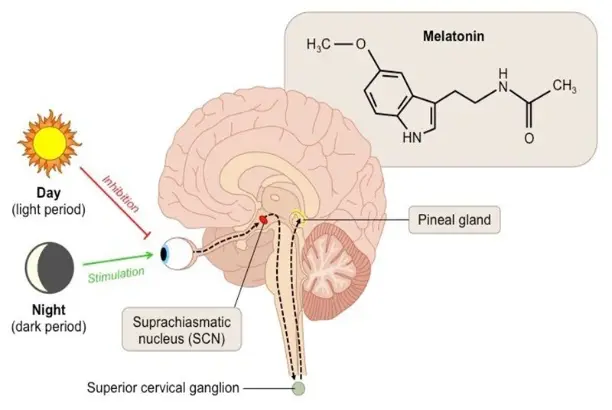
The active ingredient in melatonin bulk powder is of pharmaceutical grade and comes in big amounts. It can be used in dietary supplements, functional foods, cosmetics, and medicinal formulas. An outside chronobiotic agent tells the body's internal clock when it's dark, which controls when you sleep and wake up. Unlike companies that make ready-to-sell pills or gummies, those that make bulk powder have full control over how much to make, how it is mixed, and how much it costs.
The formula C13H16N2O2 stands for a hormone that the pineal gland releases on its own. However, most commercial melatonin powder is made in a lab or through fermentation, not by extracting it from animals. Being made in a lab takes away the chance of contamination that comes with organic sources and ensures that every batch is the same. The quality standards say that the product should be a crystalline powder that is white to off-white and has a molecular weight of 232.28. It should also meet the stability and absorption standards for medicines.
Commercial Advantages of Powder Form
A lot of good things happen for business buyers who buy melatonin in powder form. One clear benefit is that it saves money. The price of melatonin bulk powder per kilogram is much lower than the price of pre-formulated products. This means that it costs 40–60% less to make than finished goods. This way of setting costs is very helpful for medium-sized businesses that make healthy drinks and vitamins and want to make more while keeping costs low.
Formulation flexibility lets people who make products create their own unique mixes of sleep aids, combination supplements, and new ways to take them, such as powders that you put under your tongue, tablets that fizz, or functional drinks. This adaptability helps with coming up with ways to make goods stand out for health-conscious customers looking for personalized wellness solutions. Microdosing is also correct when it comes to powder form, from 1 mg to 10 mg per dose, so it can meet the needs of a wide range of customers and meet the rules in many foreign markets.
Safety and Dosage Considerations
Knowing the right usage factors is important for making decisions about what to buy. There are different amounts of melatonin that have been shown to work well in clinical studies. The best amounts depend on the goal of the use. People usually take between 1 and 3 mg to help them fall asleep. Larger doses are used to help people get used to jet lag or shift work. You can directly plan the recipe and the amount of raw materials needed for production runs based on these dosage levels.
The mix should be kept in a dry, cool place out of direct light so that it stays firm. If you seal the melatonin bulk powder properly, it will work for two years. People who make things should think about these external factors when they plan how to set up a warehouse and how to package their goods. HPLC tests make sure that the product stays pure and works well for as long as it's stored. Both the people who make the products and the people who use them can be sure of the quality.
Comparing Melatonin Bulk Powder Options: Making the Right Choice
Synthetic Versus Fermentation-Derived Sources
Buyers can judge the quality and long-term usefulness of an item better if they know how it was made. The process of making synthetic melatonin starts with pharmaceutical precursors. If done right, the end product can be very pure (typically 98–99.5%) and leave behind very few solvents. Because it's easy to make a lot of supplements at a good price, this is the most common way to make melatonin bulk powder to sell.
Melatonin that comes from fermentation isn't used very often, but brands that want to market their products as "naturally produced" or get organic approval like it. Both ways of making something can produce pharmaceutical-grade quality as long as strict cleaning rules and controls for contamination are followed. The rules for getting certified are the major difference. For instance, if you want to get an organic certification, you usually have to use substrates and fermentation methods that have been approved.
Purity Standards and Testing Protocols
When checking the quality of melatonin bulk powder, there are four main areas that need to be looked at: chemical purity, bacterial safety, screening for contaminants, and physical uniformity. Buyers should insist on HPLC assay testing to be sure the product works and to find any impurities or substances that are similar that could affect how well it works. Lead, arsenic, mercury, and cadmium heavy metal tests must be done as part of checks. If these contaminants are found in large enough amounts, they can be very bad for your health and even break the law.
Analysis of mesh sizes (usually 80–100 mesh) makes sure that mixed recipes are spread out properly. This stops dosage mistakes that could negatively impact the performance of the product. The rules set by ICH are being followed because gas chromatography tests for leftover liquids show that they are. This protects people from chemical leftovers that could be dangerous. Lab tests for microbes have shown E. coli, Salmonella, and mold, all of which affect how stable the product is on the shelf and the safety certifications it needs to get on the market.
Market Landscape and Pricing Trends
We expect steady growth in the market for melatonin ingredients in 2024, with more people buying them for personal care, useful foods, and nutritional supplements. Prices range from $150 to $400 per kilogram, but they can go up or down depending on the purity grade, level of approval, order number, and the supplier's skills. More expensive sources with lots of paperwork, certificates from many places, and expert help are worth it because they lower legal risk and make sure quality is always the same.
Managers in charge of buying things should not only look at prices per kilogram of melatonin bulk powder but also at the total cost of ownership. When you first look at cheap suppliers, they might seem like a good deal, but they may have hidden costs like needing to be tested, having batches turned down, legal delays, and having to reformulate products. Even if the price is a little higher at first, it's often cheaper in the long run to work with manufacturers who have strong quality systems and provide good customer service.
Where and How to Buy Melatonin Bulk Powder in Large Quantities?
Defining Your Procurement Requirements
If you want to buy in bulk, you must first have clear specifications that match the rules and the needs of your manufacturing. The procurement teams should decide on the minimum order amounts based on how much space is available, product plans, and how quickly stock is sold. There are a lot of dependable providers who set the MOQ at 1 kg for testing samples of melatonin bulk powder. To get the most out of production and shipping costs, most production orders start at 25 kg.
How often you place orders depends on how much money you have, how long the goods last, and how much you're making. Buying something every three months is a good idea for well-known items that are always in demand. But for newer types of products, it might be better to place more small orders until the market takes them. There are many ways to pay, but for international deals, most people use a telegraphic transfer, PayPal, Western Union, or Alipay. Customers who have been with the company for a long time and have good credit can also get net-30 terms.
Identifying Certified Manufacturers
Suppliers of melatonin you can trust show they care about quality by getting certifications from outside groups and being open about how they make their goods. If a business has GMP approval, it means that they follow good manufacturing practices. These include planning the building, keeping the tools in good shape, training workers, and keeping records. ISO standards, especially ISO 22000 for managing food safety, make people even more sure that the systems and processes used to check quality are always getting better.
Providers who want to reach a lot of different customers need more than one certificate. These labels let you sell your goods to religious groups that follow the HALAL and Kosher rules. This will make it easier for you to sell your goods in the US market. It shows that you know how to use critical control point systems and danger analysis to keep food safe if you get HACCP qualified. When looking at possible suppliers, ask to see pictures of their most recent certificates and make sure they are real by calling the groups that issued them before placing large orders.
Supplier Verification and Due Diligence
Buyers should not only look at qualifications but also fully evaluate providers by checking out how well they can make things, how they handle quality, and how stable their businesses are. By visiting production sites, you can see how things really work and make sure that the capabilities that are promoted are correct. If you go to GMP workshops, independent labs, and production lines, you can really get a feel for the company's technical know-how and work ethic.
Take a look at the most recent certificates of analysis (CoA) for the melatonin bulk powder products and compare the testing conditions and outcomes to the ones you gave them. Compare the reported skills to the evidence that has been gathered, and keep an eye out for differences that could mean there are quality gaps. References from people who have bought from the seller before can tell you a lot about how reliable they are, how well they communicate, and how well they can fix problems in the supply chain.
Conclusion
To find a good seller of melatonin bulk powder, you should look closely at their skills, how they make sure the powder is good, and evidence that they follow the rules. It's worth spending time and money on research and strategic partnerships because they lead to consistent product quality, a steady supply chain, and low costs that allow for profitable growth. People who buy from certified manufacturers with good technical know-how, thorough testing protocols, and helpful customer service set their businesses up for success in the growing sleep wellness market. They also lower the quality and regulatory risks that can bring down competitors who aren't as careful.
FAQ
1. What is the typical minimum order quantity for bulk melatonin powder?
Most trustworthy manufacturers set a minimum order size of 1 kg for tests and samples of melatonin bulk powder. People can be sure of the quality this way before committing to bigger orders. On a production scale, orders start at 25 kg and are packed in drums to make them easy to ship and handle. These amounts are good for both the buyer and the seller because they cover both costs and allow for enough store room and cash flow. MOQs that are flexible are good for small businesses or product developers who are testing new formulations because they lower the financial risk during the development phase.
2. How can I verify the purity and quality of melatonin powder?
Ask suppliers to give you certificates of analysis that show HPLC test results that show 98% or more purity levels. You can feel even safer when a lab test is done by a third party. Send samples to approved labs for testing to make sure the analysis, the presence of heavy metals, the limits of microbes, and any liquids that are still there are correct. Suppliers with a good name will be happy with this check, and they will make sure their quality paperwork is easy to understand. Before you buy something, check the supplier's GMP, ISO, HALAL, and HACCP certifications and call the groups that gave them to make sure they are real.
3. What certifications should I look for in a melatonin powder supplier?
GMP compliance shows that a medicine meets certain standards. ISO certifications show that a quality management system works, and HACCP certifications show that food safety procedures are followed. It is easier to get into the US market if you are registered with the FDA. You can also sell to certain groups of people if you are certified as HALAL or Kosher. For natural placement, make sure the certificates come from well-known groups. Suppliers who do business in other countries should keep a number of licenses on hand so they can comply with the various rules in each market.
Partner with Jianbei for Reliable Melatonin Bulk Powder Supply
Jianbei Biotechnology makes melatonin bulk powder that is pharmaceutical-grade and meets international standards with the help of cutting-edge manufacturing tools and strict quality control systems. The products always come from three separate production lines and two separate labs that are approved by GMP. HPLC testing shows that the products are always 98% pure. We have a lot of experience as a seller of bulk powder, and we keep all of our certifications up to date. These include FDA registration, ISO, HALAL, HACCP, and GMP. We can then meet your regulatory needs in all markets around the world.
We know how important it is for companies that make supplements and useful foods to have reliable supply lines. Because we've simplified our processes, orders are sent out within 3–7 business days. For product development, our minimum order size is just 1 kg, but for business use, it can be several tonnes. You can get samples or custom quotes from our team of experts by emailing sales@bqingbio.com and telling them about your specific needs.
References
1. Zhdanova, I. V. (2005). "Melatonin as a hypnotic: Pro." Sleep Medicine Reviews, 9(1), 51-65.
2. Auld, F., Maschauer, E. L., Morrison, I., Skene, D. J., & Riha, R. L. (2017). "Evidence for the efficacy of melatonin in the treatment of primary adult sleep disorders." Sleep Medicine Reviews, 34, 10-22.
3. Buscemi, N., Vandermeer, B., Hooton, N., Pandya, R., Tjosvold, L., Hartling, L., & Klassen, T. P. (2006). "Efficacy and safety of exogenous melatonin for secondary sleep disorders and sleep disorders accompanying sleep restriction: Meta-analysis." British Medical Journal, 332(7538), 385-393.
4. Pandi-Perumal, S. R., Trakht, I., Srinivasan, V., Spence, D. W., Maestroni, G. J., Zisapel, N., & Cardinali, D. P. (2008). "Physiological effects of melatonin: Role of melatonin receptors and signal transduction pathways." Progress in Neurobiology, 85(3), 335-353.
5. Guardiola-Lemaitre, B. (1997). "Development of animal models for the chronobiotics." Biological Signals, 6(4-6), 233-246.
6. Brzezinski, A., Vangel, M. G., Wurtman, R. J., Norrie, G., Zhdanova, I., Ben-Shushan, A., & Ford, I. (2005). "Effects of exogenous melatonin on sleep: A meta-analysis." Sleep Medicine Reviews, 9(1), 41-50.