- English
- French
- German
- Portuguese
- Spanish
- Russian
- Japanese
- Korean
- Arabic
- Greek
- German
- Turkish
- Italian
- Danish
- Romanian
- Indonesian
- Czech
- Afrikaans
- Swedish
- Polish
- Basque
- Catalan
- Esperanto
- Hindi
- Lao
- Albanian
- Amharic
- Armenian
- Azerbaijani
- Belarusian
- Bengali
- Bosnian
- Bulgarian
- Cebuano
- Chichewa
- Corsican
- Croatian
- Dutch
- Estonian
- Filipino
- Finnish
- Frisian
- Galician
- Georgian
- Gujarati
- Haitian
- Hausa
- Hawaiian
- Hebrew
- Hmong
- Hungarian
- Icelandic
- Igbo
- Javanese
- Kannada
- Kazakh
- Khmer
- Kurdish
- Kyrgyz
- Latin
- Latvian
- Lithuanian
- Luxembou..
- Macedonian
- Malagasy
- Malay
- Malayalam
- Maltese
- Maori
- Marathi
- Mongolian
- Burmese
- Nepali
- Norwegian
- Pashto
- Persian
- Punjabi
- Serbian
- Sesotho
- Sinhala
- Slovak
- Slovenian
- Somali
- Samoan
- Scots Gaelic
- Shona
- Sindhi
- Sundanese
- Swahili
- Tajik
- Tamil
- Telugu
- Thai
- Ukrainian
- Urdu
- Uzbek
- Vietnamese
- Welsh
- Xhosa
- Yiddish
- Yoruba
- Zulu
Understanding how ingredients interact is important for making sure that dietary supplements and functional food products are safe and work well. Benfotiamine bulk powder, a fat-soluble form of vitamin B1, needs to be used with care because it interacts with many other substances. Some medicines and vitamins, like loop diuretics like furosemide, which can make you pee more, may make it harder for your body to absorb or use thiamine. Also, taking a lot of other B-vitamin products at the same time may make it harder for the body to absorb the B vitamins. If you drink alcohol, it slows down the breakdown of thiamine, which could make Benfotiamine bulk powder less useful for treating health problems. People who have serious problems with their kidneys or liver should be careful, because these organs are very important for properly processing and utilising this compound.
Understanding Benfotiamine and Its Uses
Benfotiamine is a big step forward in the technology used to make thiamine supplements. The molecular formula for this synthetic substance is C19H23N4O6PS, and its molecular weight is 466.45. It has an open thiazole ring structure. The change makes it possible for the drug to passively diffuse through the cell membranes of the intestines, which makes it up to 3.6 times more bioavailable than regular thiamine hydrochloride.
Chemical Properties and Specifications
Our Benfotiamine bulk powder looks like a white, crystalline powder that is 98% pure, which we know to be true because it was tested using HPLC. The chemical is identified by the CAS number 22457-89-2 and stays stable when kept in a dry, cool place. It can be stored properly for two years. Because it is more stable, it is especially useful for companies that are making long-lasting products that need active ingredients that stay effective throughout their entire commercial lifecycle.
Bioavailability Advantages for Product Development
This thiamine derivative can get into lipid-rich tissues better than water-soluble alternatives because it dissolves in fat. This quality is especially useful when making goods for brain health because it makes it easy for the compound to cross cellular barriers. Benfotiamine stays in the bloodstream longer because its half-life is longer. This means that it has longer-lasting therapeutic benefits, which means that finished goods can make bigger claims about how well they work. Product designers use these features to make products stand out in markets with lots of competition.
Therapeutic Applications in Formulations
Benfotiamine is used in a lot of different ways in supplements and functional foods. The main thing it is used for is to stop advanced glycation end-products (AGEs), which is a useful mechanism for metabolic health products. The molecule protects neurones, reduces inflammation, and acts as an antioxidant. It also helps the body's energy production by breaking down glucose more efficiently at the cellular level. Because these benefits are complex, they allow companies to make goods that have convincing stories about how well they work that are backed up by scientific evidence.
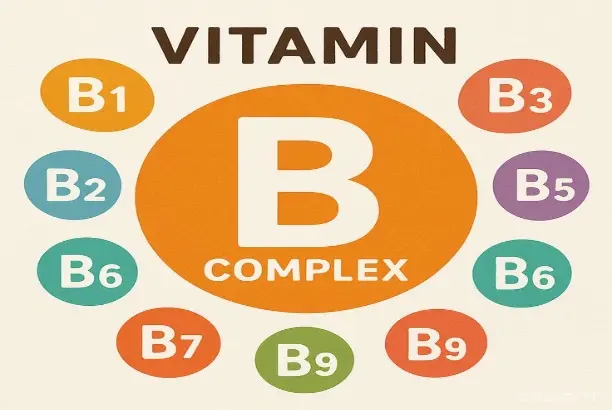
What Should Not Be Taken with Benfotiamine? Risk Alert and Precautions?
Knowing about interactions and situations where something should not be used saves your brand's image and makes sure that users are safe. When looking for ingredients for formulation projects, procurement professionals need to think about these things.
Pharmaceutical Interactions Requiring Attention
Loop diuretics, like furosemide, can interact with a lot of other drugs. These medicines make you pee out more water-soluble vitamins, which could lower your body's thiamine stores. Because benfotiamine bulk powder dissolves in fat, it may help protect against this effect, but taking it with other drugs may still make them less effective overall. To keep therapeutic outcomes from getting worse, product labels should make this interaction very clear. Thiazide diuretics also change the amount of thiamine in the body and should come with the right warnings for users.
Co-Supplementation Considerations
When you mix different vitamin B1 compounds, you get competitive uptake situations. When making goods, do not put benfotiamine bulk powder in the same dish as large amounts of regular thiamine or other synthetic B1 compounds. Because of this competition at absorption sites, benfotiamine bulk powder may not have the bioavailability benefits that make it a premium drug. Multivitamins with standard B-complex ingredients need to be carefully dose-balanced to avoid side effects that make the product less effective.
Alcohol and Metabolic Interference
Several things make it much harder for the body to utilise thiamine when you drink alcohol. Ethanol stops the body from absorbing thiamine in the gut, makes more of it leave the body through urine, and stops thiamine from being changed into its active coenzyme forms. Products with Benfotiamine bulk powder should come with usage instructions that tell people to stay away from alcohol while they are taking the supplement. This safety measure maximises the treatment benefits and stops the metabolic confusion that makes it hard to believe that a product works as advertised.
Health Conditions Requiring Caution
If your kidneys are not working properly, your body may not be able to process and get rid of vitamin metabolites properly. This could put you at risk. Also, having a bad liver disease stops the enzymes from doing the changes that are needed for thiamine derivatives to work in the body. Even though these issues mostly affect end users, buying teams need to make sure that bulk items come with the right labels and information. This information helps companies further down the chain make the right product labels and usage guides.
Comparative Insights: Benfotiamine Bulk Powder vs Related Supplements
To choose the best thiamine supplement, you need to know what makes your business and success unique. There are clear benefits to using Benfotiamine bulk powder instead of other kinds.
Bioavailability and Therapeutic Potency
Standard thiamine supplements are quickly flushed out of the body through the urine, which limits their usefulness. Because benfotiamine bulk powder is lipophilic, it can build up in tissues at levels high enough to keep metabolism going. These results are better for brain health compared to the same amounts of water-soluble thiamine, according to clinical data. Because of this difference in function, finished goods that use benfotiamine bulk powder as a key active ingredient should be priced higher.
Business Considerations: Bulk Powder Advantages
Getting Benfotiamine bulk powder in the form of a bulk powder gives producers a lot of operational freedom. The format of the raw materials makes it possible to precisely change the dose across all product lines, from low-dose maintenance formulas to high-potency therapeutic protocols. When compared to pre-encapsulated forms, benfotiamine bulk powder also lowers the cost per unit, which makes margin structures better for high-volume production. The storage requirements are still simple: keeping the ingredients dry and cool is enough to keep them intact without any special tools. Transport packaging in 1 kg aluminium foil bags or 25 kg drums can handle both small-scale development and large-scale production.
Quality Assessment and Certification Standards
When you evaluate providers, you have to look at their certification portfolios and testing procedures. Our Benfotiamine bulk powder has many certifications, such as being registered with the FDA and meeting GMP, ISO, HALAL, and HACCP standards. These credentials show that you follow international quality standards, which is necessary to get into global markets. Our GMP-standard workshop and two separate labs make sure that each batch is the same, and the HPLC testing method gives us accurate purity proof at 98%. Procurement teams should give more weight to sellers who offer full paperwork packages that can be used to support regulatory applications in target markets.
Procurement Considerations for Benfotiamine Bulk Powder
To find high-quality benfotiamine bulk powder, you need to carefully consider suppliers, logistics, and compliance issues. Knowing about the global supply system helps people make smart decisions about what to buy.
Supply Chain Dynamics and Sourcing Strategy
China is a major centre for making benfotiamine bulk powder, using its advanced science skills and well-established facilities for making medicines. When considering suppliers, look at how much they can make across various lines to make sure you always have a supply. Our factory has three separate production lines that work in a GMP-compliant environment. This lets us handle orders ranging from as little as 1 kg to as much as several tonnes. This output capacity keeps the supply chain from breaking down, which could slow product launches or stop products from being available on the market.
Minimum Order Quantities and Pricing Structure
Accurate cost modelling is possible when you know the MOQ requirements and pricing tiers. Our 1 kg minimum order amount works for research and development projects because it lets formulation scientists test for stability and taste before committing to larger quantities. Through economies of scale, buying in bulk naturally leads to better prices, with tiered savings that show how much more efficiently production works at higher numbers. Payment options like telegraphic transfer, Alipay, PayPal, and Western Union make it easy for people from different countries to do business with each other.
Logistics and Delivery Timelines
Reliable transportation performance is needed for the supply chain to work well. Standard delivery times of 3–7 working days after payment confirmation allow for quick cycles for formula development and just-in-time inventory management. For small batches, 1 kg aluminium foil bags are a good way to package, while 25 kg drums save money on freight costs for large production runs. Customs delays that throw off production plans can be avoided by checking out a supplier's shipping partners and export paperwork skills.
Supplier Evaluation Criteria for Risk Mitigation
Due diligence that covers all the bases guards against quality problems and legal violations. Check to see if the potential suppliers you are interested in have their own independent labs for quality control testing. Our two dedicated labs do thorough verification procedures at many stages of production. Check if a company has a lot of patents that show they can really do research. Reliable sellers usually have a lot of national invention and service patents that cover things like production methods and quality control systems. Private label and OEM capabilities show that the business is flexible enough to meet specific formulation needs and provide branded packaging solutions.
Best Practices for Using Benfotiamine Bulk Powder Safely
Using strict safety rules throughout the entire lifecycle of a product saves customers and boosts the brand's image. These include making, labelling, and checking on the product after it has been sold.
Dosage Guidance and Formulation Parameters
Benfotiamine bulk powder is usually used in amounts between 150 mg and 600 mg per day, based on the purpose of the therapy. Maintenance formulas that aim to support the metabolism in general tend to use lower doses, while products that target specific health issues may use higher concentrations that are still safe. Formulation scientists should look at published clinical studies to make sure that the doses of their products are in line with evidence-based guidelines. This will back up promises of effectiveness while keeping safety profiles low. Talking to regulatory experts makes sure that you follow the regional guidelines for dietary supplements that say what the highest doses that are allowed are.
Labelling Requirements and Consumer Communication
Labelling all of a product's ingredients helps with both following the rules and teaching customers about the product. Labels must clearly show the amounts of active ingredients, how to use the product, and any necessary warnings. Include information about how drugs can combine with each other, especially diuretics and diabetes drugs. Tell people to talk to their doctors before using it if they have problems with their kidneys or stomach, or if they drink a lot of alcohol. These statements show that the product was made in a responsible way and lower the risk of liability from wrongly using the product.
Monitoring and Adverse Event Management
Setting up organised ways to get feedback allows for proactive quality management. Even though published research shows that benfotiamine bulk powder is very safe, make sure that customer service has clear procedures for receiving and recording reports of adverse events. By looking at complaint patterns, you might find problems with the formulation, contamination in the supply chain, or interaction situations that were not clear during development. This alertness helps things keep getting better and lets people know early on when there might be safety signs that need to be looked into.
Leveraging Customer Feedback for Product Evolution
Beyond safety monitoring, product optimisation is driven by what customers want. Reformulation choices that make the market more competitive are based on feedback about taste profiles, dissolution traits, and perceived effectiveness. Positive reviews are useful for marketing, and helpful feedback can help you find ways to add to your product line or make specific changes. Keeping lines of communication open with end users increases brand loyalty and gives researchers information about the market that cannot be gotten through traditional research methods.
Conclusion
Knowing what not to take with Benfotiamine bulk powder is important for procurement workers who are making sure that safe, effective nutritional goods are made. This thiamine derivative that dissolves in fat has better bioavailability and therapeutic potential, but it needs to be carefully thought out in terms of drug interactions, effects of co-supplements, and the health of the consumer. When making choices about where to get materials, making sure they are certified, meeting quality standards, and having solid logistics support are all important parts of making a good product. These buying tips give R&D directors, product managers, and purchasing workers the tools they need to build trusting relationships with suppliers and get the best formulation results that meet international standards and give real value to customers.
FAQ
1. Can benfotiamine be safely combined with diabetes medications?
Benfotiamine bulk powder is often taken with diabetes medicines because a study shows it may help with metabolic health, which is important for diabetic problems. Keeping an eye on your blood sugar is still important, though, and you should talk to your doctor before taking vitamins along with prescription drugs. In order to make sure that patients get the best care, supplement labels should tell patients to tell their doctors about any supplements they take at the same time as prescription drugs.
2. What factors determine whether to source capsules or bulk powder?
Buying Benfotiamine bulk powder gives you more control over the formulation, lower costs per unit, and the chance to make custom dose strengths for a number of different product SKUs. Capsule forms are useful for small-scale tests, but they do not let you make many changes. Benfotiamine bulk powder sourcing is very helpful for companies that are making their own formulas or private label goods because it gives them full control over the ingredients they use, the excipients they choose, and the end formats they use.
3. How can buyers verify benfotiamine purity and supplier authenticity?
Ask for Certificates of Analysis that show HPLC test results that confirm the 98% purity requirements. Check the supplier's credentials, such as GMP, ISO, FDA registration, and HACCP compliance. Check the production facility's information, like how many production lines it has and whether it has an independent lab. Reliable sellers give full paperwork that includes data on stability, heavy metal tests, and screening for microbial contamination. Before placing a large order, you might want to ask for samples of the Benfotiamine bulk powder to be checked by a third party.
Partner with Jianbei for Certified Benfotiamine Bulk Powder Supply
Jianbei Biotechnology is a reliable source for Benfotiamine bulk powder because it has both advanced research and development (R&D) capabilities and a strong manufacturing infrastructure. Our GMP-certified plant has three separate production lines and two separate quality control labs that work with them to make sure the products are always 98% pure, which can be checked using HPLC. Full certifications, like FDA registration, ISO, HALAL, HACCP, and organic standards, make it easier for your final goods to reach customers around the world. We can meet the needs of a wide range of businesses by offering flexible minimum orders starting at 1 kg and fast delivery within 3–7 working days. Our team can provide full OEM and private label options that are made to fit your unique formulation needs and branding needs. You can talk to our scientific experts about your project needs, get product samples, or look into special manufacturing partnerships by emailing sales@bqingbio.com.
References
1. Gibson GE, Blass JP. Thiamine-dependent processes and treatment strategies in neurodegeneration. Antioxidants & Redox Signaling, 2007.
2. Schmid U, Stopper H, Heidland A, Schupp N. Benfotiamine exhibits direct antioxidative capacity and prevents induction of DNA damage in vitro. Diabetes/Metabolism Research and Reviews, 2008.
3. Stracke H, Lindemann A, Federlin K. A benfotiamine-vitamin B combination in treatment of diabetic polyneuropathy. Experimental and Clinical Endocrinology & Diabetes, 1996.
4. Balakumar P, Rohilla A, Krishan P, Solairaj P, Thangathirupathi A. The multifaceted therapeutic potential of benfotiamine. Pharmacological Research, 2010.
5. Thornalley PJ. The potential role of thiamine (vitamin B1) in diabetic complications. Current Diabetes Reviews, 2005.
6. Xie F, Cheng Z, Li S, Liu X, Guo X, Yu P, Gu Z. Pharmacokinetic study of benfotiamine and the bioavailability assessment compared to thiamine hydrochloride. Journal of Clinical Pharmacology, 2014.