- English
- French
- German
- Portuguese
- Spanish
- Russian
- Japanese
- Korean
- Arabic
- Greek
- German
- Turkish
- Italian
- Danish
- Romanian
- Indonesian
- Czech
- Afrikaans
- Swedish
- Polish
- Basque
- Catalan
- Esperanto
- Hindi
- Lao
- Albanian
- Amharic
- Armenian
- Azerbaijani
- Belarusian
- Bengali
- Bosnian
- Bulgarian
- Cebuano
- Chichewa
- Corsican
- Croatian
- Dutch
- Estonian
- Filipino
- Finnish
- Frisian
- Galician
- Georgian
- Gujarati
- Haitian
- Hausa
- Hawaiian
- Hebrew
- Hmong
- Hungarian
- Icelandic
- Igbo
- Javanese
- Kannada
- Kazakh
- Khmer
- Kurdish
- Kyrgyz
- Latin
- Latvian
- Lithuanian
- Luxembou..
- Macedonian
- Malagasy
- Malay
- Malayalam
- Maltese
- Maori
- Marathi
- Mongolian
- Burmese
- Nepali
- Norwegian
- Pashto
- Persian
- Punjabi
- Serbian
- Sesotho
- Sinhala
- Slovak
- Slovenian
- Somali
- Samoan
- Scots Gaelic
- Shona
- Sindhi
- Sundanese
- Swahili
- Tajik
- Tamil
- Telugu
- Thai
- Ukrainian
- Urdu
- Uzbek
- Vietnamese
- Welsh
- Xhosa
- Yiddish
- Yoruba
- Zulu
Buyers should check six things before sourcing garcinia cambogia extract powder: botanical identity, the HCA specification and its HPLC test method, carrier content, batch-specific documentation, fit with the intended application, and the supplier's real production and shipping capacity. Price per kilogram matters, but it tells only part of the story. I wrote this guide for R&D directors, product managers, and procurement teams at supplement brands, powder blenders, and distributors serving the United States. Each section explains what to ask, what to verify, and how Jianbei's product data compares with that checklist.
Start With the Correct Product Definition and Specification
Confirm Botanical Identity and Plant Part
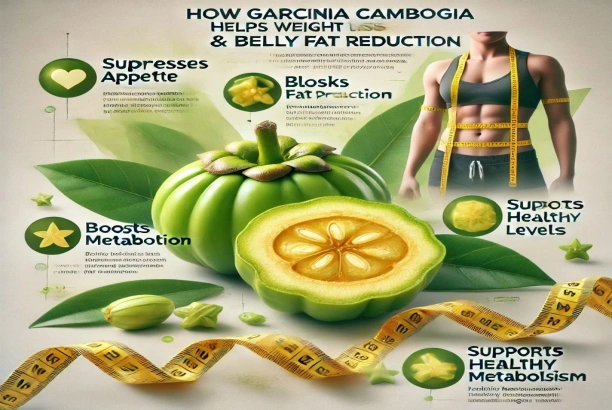
Garcinia cambogia extract powder comes from the rind of the tropical fruit Garcinia gummi-gutta. East Asia and India are places where this fruit is grown. I always ask the seller to write down the botanical name, the part of the plant I want, the country where it came from, and whether the lot is organic or conventional before I buy it. Even though they sound alike, "raw fruit powder," "standardized extract," and "carrier-based blend" are not the same thing. What the material does in production rests on its color, taste, weight, and how easy it is to remove. These things should be confirmed in writing to protect your label claims and make sure that each batch is the same from one order to the next.
Define the HCA Specification and Test Method
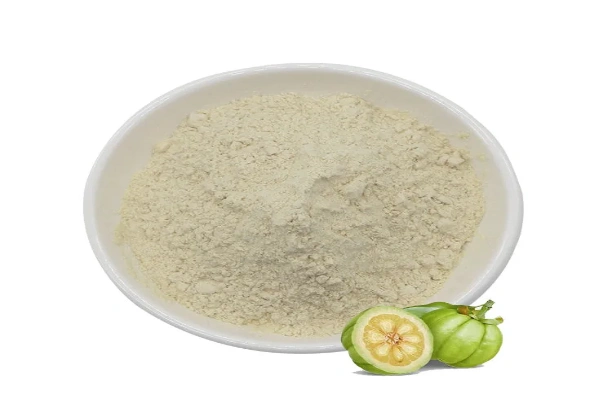
HCA, which is made up of the formula C6H8O8 and has a molecular weight of 208.12, is the main part of this element. A lot of study on HCA looks at how it impacts ATP-citrate lyase, an enzyme that helps make fat. It is made clear what the guaranteed range is, how the test is done, and whether the results are given wet or dry. Jianbei's Garcinia cambogia extract powder is described as a fine, light brown powder that usually works for you. It has been tested with HPLC and has the CAS number 90045-23-1. Our company is one of your providers. I think you should ask all of them to write on the COA exactly what the number means so that your R&D team can figure out the right dose.
Ask About Carriers and Processing Aids
Some extracts have things added to them to help with processing, like maltodextrin, silicon dioxide, or others, that weaken the active marker. These might be on your label. To get a full list of what's in each grade you quote, ask. The amount of carriers changes how the substance flows, how well it picks up moisture, and how much it costs per gram of active substance. While a clean extract might make it easier to list the chemicals, a mixed powder might be easier for a machine that fills the bottle to use. You can choose either answer, but you should think about it and write it down. Before you agree to a grade, write down the specification for the carrier, the particle size, and the maximum moisture level.
Evaluate Quality, Purity, and Safety Documentation
Request a Batch-Specific Certificate of Analysis
A Certificate of Analysis that is unique to the batch for garcinia cambogia extract powder is the first thing I look at. The batch number, the HCA result, the way it looks, how wet it is, the amount of ash, the particle size, the microbe limits, the heavy metals, and the test method should all be written down. A simple style without many numbers doesn't show much. See how different the results are by looking at COAs from various lots. There is process control when the same ingredient is ordered more than once, and the number of items stays the same from batch to batch. This is important when saying how well something works. Find out if the market or customer you're going to needs a test for aflatoxin, solvent residues, or pesticide residues.
Verify Certifications and Their Scope
Certificates are only reliable if you can check them. We have certificates from the US Food and Drug Administration, Organic Food, Kosher, ISO, Halal, HACCP, and GMP. Check the issuing body, validity dates, scope, and name of the production site of any document you want to buy before you buy it from anyone. There is no proof, not even a logo on a website. Make sure that the address on the site is the same as the address where the package will be sent. Supplement companies in the U.S. have to follow 21 CFR Part 111, which means they often look at the GMP standards of the businesses that supply them with ingredients. All the paperwork needs to be turned in for that audit to go more quickly.
Check Laboratory Capability and Contamination Controls
Tests are only useful if they are done in a good lab. Find out if the seller has its own labs or if it hires other labs to do the work. Jianbei runs three different labs and a workshop that meets GMP standards. People who are buying should also ask the seller how they keep their products from getting contaminated with each other and how they make sure that raw materials that are coming in are not contaminated. Retention samples, written deviation procedures, and change notice rules show that a quality system works in real life as well as on paper. These things can be checked by your QA team from afar or when they visit your site.
Match the Powder to Your Application and Compare Real Value
Capsules and Tablets
Putting powder into capsules or tablets depends on how it acts. Before choosing a bulk volume, you should look at how it flows, how dense it is, how wet it is, how big the particles are, and how compressed it is. That's why you should do a test batch on your own equipment. The flow of fine powders changes. A small run should be made and the weight should be checked along with how the material breaks down. More than any ad, it says more about you. Also, talk to your formulators about the inclusion rate to make sure that each serving gives you the amount that it says on the label.
Beverages, Smoothies, and Tea Blends
Drink and blend apps make people think of a lot of different things. Check to see how well it mixes, spreads, settles, changes color, and tastes in your real base when it's the right temperature and pH. Since garcinia cambogia extract powder has a sour taste, it might be important for ready-to-mix tablets to hide that taste. For tea mixes, check to see if the mix is even and if any moisture moves during the expected shelf life. Find out about the applications from the service provider, and then check their dependability on your own. Early bench testing keeps changes that cost a lot from having to be made after launch.
Calculate Cost per Gram of Active Ingredient
A low price per kilogram can hide specs that aren't very good. If someone wants to buy something, they should divide the price by the kilogram of active ingredient and then add the cost of shipping, taxes, and any expected handling loss. If a powder has more specifics, it might cost more per kilogram, but since you use less of it, it costs less per serving. You can compare quotes this way. Don't forget to include the minimum order size. You can look at the material first since our lowest order size is 1 kg. Organic documentation can be worth the extra cost when your brand needs it.
Assess Supplier Capability, Packaging, and Workflow
Confirm Manufacturing Capacity and Export Experience
Learn to tell the difference between a producer and a middleman in a trade. Jianbei Biotechnology Co., Ltd. is a high-tech company based in Guangzhou Software Park. We have 15 national invention patents and 16 national utility model patents that cover core product processes and smart monitoring systems. The factory we work in has three production lines, a GMP-compliant workshop, and two different labs. It has a strong research and development team and a lot of stock as well. Our powder can only be sent to other countries. Ask each provider about the site, how the business is registered, how many units they can provide, and data from previous batches.
Review Packaging, Storage, Shelf Life, and Delivery
It is safer to handle and keeps the strength safe when it is packed. It is in bags that we put it in. It can be put in metal foil bags that hold 1 kg or 25 kg. A dry, cool place is needed to store it. It will last for two years if you seal it. It takes 3 to 7 business days to ship after payment is made. You can pay us with Western Union, Alipay, XT, PayPal, or a bank transfer. Not only that, but also ask any seller for Incoterms, export papers, and how long the goods will be good before they are shipped. Business bills, packing lists, and certificates of origin should be sent with the goods.
Use a Simple Sourcing Workflow
Things are safer when the steps are written down. First, make a product brief that includes the name of the plant, the goal standard, the application, the packaging, the volume, the location, and the delivery date. Ask several suppliers to fill out the same form, and then put the COAs, certificates, and samples next to each other. For big projects, you should add a test run or a third-party lab check. You will have to sign a quality agreement with the provider once you've decided on one. This agreement will cover things like specifications, batch release, change notice, complaints, and keeping samples. Before they can be sold, the FDA and FTC have to look over labels that make claims about controlling hunger or weight loss.

Conclusion
People who want to buy garcinia cambogia extract powder should find one that is both cheap and good for business. The most important checks are the botanical name and part of the plant, a clear HCA description with its test method, carrier declaration, batch-specific COAs, certificates that can be checked, and lab controls. The cost per gram of active ingredient shows how much it's worth. Tests on pills, tablets, drinks, and tea mixes show that it works. Capacity, packaging, shelf life, shipping terms, and a written sourcing process are all part of the review. When these steps are taken together, they give the R&D, quality, and purchasing teams regular amounts, proof that they are following the rules, and a good reason to get suppliers' approval and place more orders.
FAQ
1. What is the difference between raw Garcinia powder and extract powder?
The skin of the fruit is ground up into a rough powder. The extract powder is worked on to make the hydroxycitric acid stronger. It is then compared to a set of rules, and HPLC is often used for this.
2. Which documents should I request before ordering?
Also, ask for a carrier declaration, copies of certificates that show the scope and end dates, and a COA that is unique to a batch.
3. What are Jianbei's MOQ, shelf life, and lead time?
At least 1 kg must be ordered. For two years, keep the item sealed in a cool, dry place. It takes three to seven working days after payment to get the package.
4. Can I use it in beverages and capsules?
A lot of people buy this and put it in drinks, tea blends, pills, and capsules. Check out your own recipe to see how well it moves, melts, and tastes. Now, have your technical and legal teams look over the final dose and the claims on the label.
Request a Garcinia Cambogia Extract Powder Specification Review from Jianbei
Jianbei has two separate labs, a large collection, all of its certificates, and makes garcinia cambogia extract powder. It also has a more experienced research and development team. If you email sales@bqingbio.com with your target specification, volume, packaging, and destination, our team will send you a specification sheet, a certificate of authenticity, and samples starting at 1 kg.
References
1. Journal of Obesity (2011): "The Efficacy of Garcinia cambogia on Weight Loss: A Systematic Review and Meta-Analysis of Randomised Clinical Trials."
2. Fitoterapia (2015): "A Comprehensive Scientific Overview of Garcinia cambogia."
3. Phytochemistry (1965): "(−)-Hydroxycitric Acid—the Principal Acid in the Fruits of Garcinia cambogia Desr."
4. U.S. Food and Drug Administration (2007): "Current Good Manufacturing Practice in Manufacturing, Packaging, Labeling, or Holding Operations for Dietary Supplements, 21 CFR Part 111."
5. U.S. Food and Drug Administration (2008): "Guidance for Industry: Substantiation for Dietary Supplement Claims Made Under Section 403(r)(6) of the Federal Food, Drug, and Cosmetic Act."
6. U.S. Congress (1994): "Dietary Supplement Health and Education Act of 1994."