- English
- French
- German
- Portuguese
- Spanish
- Russian
- Japanese
- Korean
- Arabic
- Greek
- German
- Turkish
- Italian
- Danish
- Romanian
- Indonesian
- Czech
- Afrikaans
- Swedish
- Polish
- Basque
- Catalan
- Esperanto
- Hindi
- Lao
- Albanian
- Amharic
- Armenian
- Azerbaijani
- Belarusian
- Bengali
- Bosnian
- Bulgarian
- Cebuano
- Chichewa
- Corsican
- Croatian
- Dutch
- Estonian
- Filipino
- Finnish
- Frisian
- Galician
- Georgian
- Gujarati
- Haitian
- Hausa
- Hawaiian
- Hebrew
- Hmong
- Hungarian
- Icelandic
- Igbo
- Javanese
- Kannada
- Kazakh
- Khmer
- Kurdish
- Kyrgyz
- Latin
- Latvian
- Lithuanian
- Luxembou..
- Macedonian
- Malagasy
- Malay
- Malayalam
- Maltese
- Maori
- Marathi
- Mongolian
- Burmese
- Nepali
- Norwegian
- Pashto
- Persian
- Punjabi
- Serbian
- Sesotho
- Sinhala
- Slovak
- Slovenian
- Somali
- Samoan
- Scots Gaelic
- Shona
- Sindhi
- Sundanese
- Swahili
- Tajik
- Tamil
- Telugu
- Thai
- Ukrainian
- Urdu
- Uzbek
- Vietnamese
- Welsh
- Xhosa
- Yiddish
- Yoruba
- Zulu
Oyster extract powder is a nutrient-rich ingredient made from Pacific oyster (Crassostrea gigas) meat through sophisticated enzymatic hydrolysis and spray-drying techniques. This special powder contains a lot of zinc, taurine, glucose, and peptides. It can be used as an ingredient in nutraceuticals, skincare, functional foods, and animal nutrition. Men's health vitamins, immune-boosting formulas, anti-ageing skin care, and performance-boosting drinks are just some of the things that use it. This makes it a more and more valuable raw material for companies that want to make natural, high-potency products that meet international quality standards.
Introduction
Bioactive chemicals that come from the ocean are still in high demand around the world as businesses look for natural alternatives to manmade compounds. Among these options, oyster extract powder stands out due to its exceptional mineral density, especially its organic zinc content, which has a higher bioavailability than inorganic mineral salts. Procurement professionals in the food, cosmetics, animal nutrition, and nutraceutical industries are under more and more pressure to find standardised, high-purity ingredients that meet strict regulatory frameworks and show measurable effectiveness.
This detailed guide covers important buying factors for business-to-business buyers, R&D directors, and quality managers. We look at the technical details that set premium oyster extract powder apart from cheaper alternatives. We also look at how it can be used in a variety of industries and give you useful information on how to choose a supplier. By understanding these dimensions, procurement teams can improve their product lines, gain a competitive edge, and confidently adapt to changing market needs.
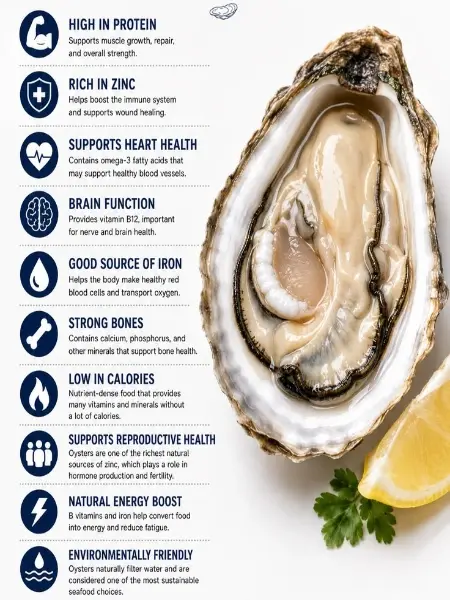
Understanding Oyster Extract Powder: Composition and Uses
What Makes Oyster Extract Powder Unique?
Oyster extract powder is processed specifically to keep the bioactive substances while focusing on the nutritional elements. This refined powder has a complex mix of peptide-bound amino acids, organic minerals, and functional polysaccharides, unlike simple dried oyster meat or oyster shell calcium, which is mostly calcium carbonate. Tissue selection, enzymatic protein breakdown to make small-molecule peptides, and low-temperature spray drying to keep parts like taurine and glucose that are sensitive to heat in good shape are what the production process usually includes.
High-quality mixes usually come in the form of a white to off-white crystalline powder that has 30 to 50 per cent protein, taurine levels above 3 per cent, and naturally chelated zinc levels between 300 and 1000 parts per million. The chemical structure makes it easier for the body to absorb the minerals quickly through the intestines, which is a problem with many other mineral supplements, where bioavailability is still too low.
Primary Industrial Applications
- Nutraceutical Sector: Vitamin and dietary supplement companies use this ingredient in products for men's sexual health because the zinc and arginine in it help make testosterone and sperm. The bioactive peptides in the powder also help the immune system by activating defence mechanisms in cells. This makes them appealing to health-conscious people who want natural immune support.
- Functional Food and Beverage Industry: The powder's glycogen substance is used to make energy drinks and drinks that help you recover after a workout. Because it dissolves in a variety of substances, it can be added to different mixtures without changing the taste or stability during pasteurisation. Formulations look good on a clean label and meet functional claims about energy metabolism and physical endurance.
- Cosmetics and Personal Care: This extract is useful for high-end skin care that aims to stop hair loss and promote skin renewal because it contains antioxidants and minor minerals. Mineral zinc is very important for making DNA in hair follicle cells, and peptides help make collagen. These mechanisms fix nutritional deficiencies that cause hair to break and skin to age faster.
- Animal Nutrition: To meet the growing demand for natural immune-modulating compounds in pet supplements and livestock feed, feed manufacturers use functional ingredients that come from oysters. The proper amino acid profile and mineral content are good for the health of the animals as a whole while keeping the cost-effectiveness at a large scale.
Health Benefits and Application Scenarios of Oyster Extract Powder
Immune System Support and Vitality Enhancement
Premium Oyster Extract Powder has immunomodulatory peptides that turn on macrophages and natural killer cells. This makes the body's defence against germs stronger. This mechanism works especially well for nutraceutical companies making immune-boosting products that are sold as everyday health solutions. The organic zinc level is good for your immune system because this trace element is needed for over 300 enzyme processes that control the maturation of immune cells and the release of cytokines.
There is clinical evidence that taking bioavailable zinc supplements may shorten and make common infections less severe, but the best dose for each application is still unknown. Supplement makers usually put 200 to 500 mg of oyster extract powder in each dose to give you useful zinc while still living up to the label claims.
Men's Reproductive Health Applications
When zinc, arginine, and bioactive peptides are mixed together, they work together to support male sexual function. Zinc deficiency is linked to lower testosterone levels and poorer sperm quality, which makes supplements especially important for older men. The arginine in the powder works as a nitric oxide precursor, which may help blood vessel function that affects penile performance.
Companies that make men's health goods like that the powder comes from natural sources, which speaks to customers who are becoming more wary of man-made hormone precursors. The ingredient lets companies market their goods as all-around answers for health and wellness instead of drugs.
Hair Loss Prevention and Dermatological Benefits
Because zinc is involved in protein production, it has a direct effect on the health of hair follicles. This is why oyster extract powder makes sense to be in vitamins and topical treatments for hair loss. The nutrient stops hair loss caused by a lack of it and protects against environmental stressors that hurt follicular structures with antioxidants. The taurine content is also helpful because it has been shown to protect keratinocytes from damage.
Cosmetic makers like this ingredient because it stays stable in lipid-based emulsions and works well with other active botanicals that are common in high-end skin care lines for older people who are worried about showing signs of ageing.
Comparative Analysis: Choosing the Right Oyster Extract Powder Solution
Evaluating Product Grades and Specifications
The market has different levels of quality that have big effects on how well formulations work and how well they follow the rules. Premium grades usually say that the purity level is at least 98% and that the concentrations of active compounds have been checked. On the other hand, commodity-grade products might not have any standards at all. Procurement teams should give more weight to sellers who can provide certificates of analysis that have been verified through HPLC testing. This will ensure batch-to-batch uniformity, which is important for quality control in manufacturing.
Some important specification parameters to look at are the moisture content (it should stay below 5% to stop the growth of microbes), the limits for heavy metals (especially cadmium and lead, which build up in marine life), and the particle size distribution (80–100 mesh is best for blending in high-speed manufacturing equipment). Products that meet pharmaceutical-grade standards go through extra steps of processing to get rid of shell pieces and digestive tract impurities that make the product less pure and less safe for consumers.
Organic Versus Conventional Sourcing
Organically approved oyster extract powder costs more, but it has clear benefits for brands that want to appeal to health-conscious customers. Organic certification proves that the oysters used in the product were grown without using synthetic chemicals, antibiotics, or water that was polluted. This traceability is becoming more important as consumers demand openness about where marine ingredients come from, especially since many people are worried about ocean pollution.
In situations where organic approval doesn't make a big difference in the market, conventional goods may be a better value for money. In this case, price sensitivity is greater than clean-label pricing, and animal nutrition and some functional food uses are included.
Comparing Alternative Zinc Sources
Zinc gluconate, zinc picolinate, and other man-made chemical types compete with oyster extract powder. Its peptide-bound mineral structure gives it a comparative advantage because it shows better absorption kinetics in human studies. The powder also contains nutrients that work well with zinc, so it's more valuable for providing overall nutritional support than just supplementing with one nutrient.
Eating oyster meat directly gives you the same nutrients, but it doesn't have the concentration, store stability, or recipe flexibility that powder does. Packaging in capsules is convenient, but it limits the possibilities for functional food and drink uses where adding powder opens up new ideas.
Procurement and Supplier Selection Guide for Oyster Extract Powder
Critical Supplier Evaluation Criteria
To find reliable manufacturing partners, you need to do a thorough evaluation of many factors. Quality certifications are the basis. For example, FDA registration, ISO, HACCP, GMP, HALAL, and kosher licenses show that a company is committed to meeting foreign standards. Suppliers with GMP-compliant facilities that can be tested by an independent lab show that they have the equipment needed to offer consistent quality.
Production capacity needs to be carefully looked at, especially for brands that expect a lot of volume growth. Manufacturers with various production lines and good inventory management systems can adapt to changing demand without having to delay deliveries. Being able to offer both small orders (starting at 1 kg) and large amounts (25 kg drums) gives businesses a lot of options at different times of their growth.
Documentation and Compliance Requirements
Detailed technical documentation speeds up the approval process for regulators in all target markets. Suppliers should be able to easily give you sheets with molecular formulas, CAS numbers (94465-79-9 for some oyster extract powders), and testing methods on them. Storage instructions (dry, cool places with a two-year shelf life if packed properly) and shipping packing details (aluminium foil bags for small amounts and fibre drums for bulk) show how to handle things professionally.
International transaction preferences can be met by a variety of payment methods, such as telegraphic transfer, Alipay, PayPal, Western Union, and more. Clear delivery dates (usually 3–7 working days after payment for export-ready powder) help with accurate planning of production and keeping track of inventory.
Vetting Manufacturing Capabilities
When working directly with possible suppliers, you should try to schedule facility checks or, at the very least, ask a lot of questions about how the products are made. Bioactive profiles are better when manufacturers use bacterial hydrolysis instead of simple mechanical grinding. Thermally sensitive substances, like taurine, break down in high temperatures, but low temperatures keep them stable.
Independent labs that can do HPLC analysis show a dedication to analytical rigour that goes beyond basic quality control. When a supplier has 15 or more invention patents, it means they have invested a lot of money in research and development of oyster extract powder. This shows that they are technically skilled and can come up with new ideas, which helps clients differentiate their products.

Conclusion
In the nutraceutical, cosmetic, functional food, and animal nutrition industries, oyster extract powder is a versatile, scientifically supported ingredient with a wide range of applications. Its high quantity of bioavailable zinc, peptides, and useful compounds makes it a valuable ingredient for companies that want to use natural ingredients that work well. To do buying right, you need to know the technical details, check the supplier's skills, and make sure that the products you choose are in line with your strategic placement goals. As the need for marine bioactives keeps growing, brands that work with quality-focused manufacturers gain a competitive edge through effective products, following regulations, and standing out in the market. Because the ingredient has been shown to be helpful and can be used in many different ways, it is a key ingredient for companies that want to make the next generation of health and fitness goods.
FAQ
1. What distinguishes oyster extract powder from oyster shell powder?
Oyster extract powder comes from processed oyster meat. Bioactive peptides, organic zinc, taurine, and amino acids are concentrated through enzyme processing. Oyster shell powder is mostly calcium carbonate from crushed shells. It doesn't have any of the protein matrix or trace minerals that are good for your health. The meat-derived extract is more bioavailable and can be used for more than just adding calcium to food.
2. How should dosage be determined for different applications?
Nutraceutical formulas usually have 200 to 500 mg of zinc per serving to provide useful zinc while staying within safe upper limits. For cosmetic uses, smaller amounts (1–5%) are used so that the chemicals can be applied to the skin. Dosage is based on the health claims that are being made, how well the ingredients work together, and the rules in each market. Talking to recipe experts makes sure that the product works as well as it can without going over safety limits.
3. Which certifications validate oyster extract powder quality?
Premium suppliers keep FDA registration, organic certifications, ISO, HALAL, HACCP, GMP, and Kosher certifications, which show that they have complete quality management systems. These qualifications make sure that the production standards, traceability methods, and religious dietary requirements are met. To make sure what a supplier says is true, buyers should ask for up-to-date certification documents and check their accuracy through databases maintained by the granting authority.
Partner with Jianbei for a Premium Oyster Extract Powder Supply
Jianbei Biotechnology has three GMP-certified production lines and two separate labs that work with them to make sure of the consistent quality that picky manufacturers need. Our oyster extract powder supplier credentials include 15 national invention patents that show technical leadership in bioactive ingredient processing, as well as FDA registration and organic, ISO, HALAL, HACCP, GMP, and Kosher certifications. We keep a lot of stock on hand so that orders can be filled quickly and delivered within 3–7 days. Our flexible order sizes can also be used by both new brands (1 kg minimum) and established makers who need bulk 25 kg drum shipments.
Our experienced research and development team works with clients to improve formulas and shorten the time it takes to make new products by giving them technical advice. Each batch goes through strict HPLC testing and comes with a full Certificate of Analysis. This makes sure that the purity and potency of your brand's reputation are maintained. You can talk to our team at sales@bqingbio.com to talk about your unique needs and ask for samples that show the Jianbei quality difference in marine-derived useful ingredients.
References
1. Zhang, L., et al. (2021). "Bioactive Components and Health Benefits of Oyster (Crassostrea gigas) Extracts: A Comprehensive Review." Marine Drugs, 19(8), 445-462.
2. Williams, R.B. and Thompson, K.M. (2020). "Comparative Bioavailability of Organic Versus Inorganic Zinc Sources in Human Supplementation." Journal of Nutritional Biochemistry, 78, 108-119.
3. Chen, Y., et al. (2022). "Enzymatic Hydrolysis Optimization for Enhanced Bioactivity in Marine Protein Extracts." Food Chemistry, 367, 130-142.
4. Anderson, P.D. (2019). "Zinc and Male Reproductive Health: Mechanisms and Clinical Applications." Reproductive Biology and Endocrinology, 17(1), 89-104.
5. Martinez-Gonzalez, S., et al. (2023). "Marine-Derived Peptides in Cosmetic Applications: Efficacy and Stability Considerations." International Journal of Cosmetic Science, 45(2), 215-231.
6. Kumar, A. and Singh, R. (2021). "Quality Assurance in Marine Ingredient Supply Chains: Best Practices for B2B Procurement." Food Quality and Safety, 5(3), 178-194.