- English
- French
- German
- Portuguese
- Spanish
- Russian
- Japanese
- Korean
- Arabic
- Greek
- German
- Turkish
- Italian
- Danish
- Romanian
- Indonesian
- Czech
- Afrikaans
- Swedish
- Polish
- Basque
- Catalan
- Esperanto
- Hindi
- Lao
- Albanian
- Amharic
- Armenian
- Azerbaijani
- Belarusian
- Bengali
- Bosnian
- Bulgarian
- Cebuano
- Chichewa
- Corsican
- Croatian
- Dutch
- Estonian
- Filipino
- Finnish
- Frisian
- Galician
- Georgian
- Gujarati
- Haitian
- Hausa
- Hawaiian
- Hebrew
- Hmong
- Hungarian
- Icelandic
- Igbo
- Javanese
- Kannada
- Kazakh
- Khmer
- Kurdish
- Kyrgyz
- Latin
- Latvian
- Lithuanian
- Luxembou..
- Macedonian
- Malagasy
- Malay
- Malayalam
- Maltese
- Maori
- Marathi
- Mongolian
- Burmese
- Nepali
- Norwegian
- Pashto
- Persian
- Punjabi
- Serbian
- Sesotho
- Sinhala
- Slovak
- Slovenian
- Somali
- Samoan
- Scots Gaelic
- Shona
- Sindhi
- Sundanese
- Swahili
- Tajik
- Tamil
- Telugu
- Thai
- Ukrainian
- Urdu
- Uzbek
- Vietnamese
- Welsh
- Xhosa
- Yiddish
- Yoruba
- Zulu
L-Carnitine Pure Powder is a very concentrated form of an amino acid that is very important for making energy in cells and burning fat. This white crystalline powder is 98% pure (CAS: 541-15-1) and is a strong metabolic booster. It does this by moving long-chain fatty acids into mitochondria, where they are beta-oxidised to make ATP energy. The molecular structure of the substance (C₇H₁₅NO₃) makes it easier for stored fat to be turned into usable energy. This makes it an important factor in supplements for weight loss and physical performance.
Understanding L-Carnitine Pure Powder
Chemical Nature and Molecular Properties
L-Carnitine is a quaternary ammonium molecule with a molecular weight of 161.2 g/mol. It is made naturally in the body from lysine and methionine. Compared to other transport methods, the pure powder form provides the most bioavailability and stability. The therapeutic effectiveness of high-quality L-carnitine is maintained by careful production methods that keep its stereochemical configuration.
Because the substance is hygroscopic, it needs to be handled carefully and kept in dry, cool places to keep its structure. Pharmaceutical-grade L-carnitine can stay active for up to two years when stored properly and kept sealed. This makes it perfect for commercial uses that need long-term stability.
Manufacturing Standards and Quality Control
Premium L-carnitine is made according to strict GMP guidelines, which ensures that each batch is of the same high quality and that all regulations are met. Advanced HPLC testing methods check levels of purity and look for possible toxins, heavy metals, and bacterial pollution. Manufacturers who use advanced analytical methods can be sure that there are no dangerous leftovers and that the right amounts of active compounds are present.
Quality assurance methods include thorough testing at every stage of the production process, from checking the raw materials to analysing the finished product. These steps make sure that every batch meets safety standards around the world and rules in many different countries.
Regulatory Compliance and Certifications
L-carnitine supplements have a lot of governmental support, such as being recognised by the FDA, being certified organic, being kosher or halal, and meeting ISO standards. Using HACCP during the manufacturing process makes sure that food safety rules are followed, and GMP approval proves that the production can be used for pharmaceuticals.
These thorough certificates allow products to be sold all over the world and can be used for a wide range of purposes, from nutritional supplements to functional food items. Regulatory paperwork makes it easier to get goods through customs and meets the needs of importers in all foreign markets.

Key Benefits of L-Carnitine Pure Powder for Fat Metabolism
Enhanced Fatty Acid Oxidation
The main way that L-Carnitine Pure Powder works is by helping fatty acids move across the membranes of mitochondria using the carnitine shuttle system. Cells can use saved fats to make energy through this process, especially when their metabolism is working hard. The chemical improves the step that slows down fat breakdown, which lets adipose tissue stores be used more efficiently.
Researchers have found that having enough L-carnitine helps the body burn fat even when it's not working out. The compound's ability to keep cellular energy balance stops the metabolic slowdown that comes with cutting calories, which helps with long-term weight control goals.
Performance and Recovery Enhancement
In addition to helping the body burn fat, L-carnitine supplements improve physical ability by making better use of oxygen and lowering the buildup of lactate. The chemical makes mitochondria work better, which lets the body keep making energy even when it's being active for a long time. Many athletes find that adding L-carnitine to their diets speeds up their healing times and makes their muscles less tired.
The product of an amino acid also helps heart health by improving blood flow and optimising the chemistry of the heart muscle. These benefits for the heart and lungs help you move more and use your metabolism more efficiently overall.
Formulation Compatibility and Applications
L-carnitine powder is very stable in a number of different formulations, such as healthy drinks, pills, and tablets. The molecule stays bioactive at a range of pH levels and processing temperatures, which means it can be used in a wide range of industrial processes. It has a bland taste and dissolves easily in water, which formulators like.
There are different kinds of L-carnitine that are better for different uses. Acetyl L-carnitine is better at crossing the blood-brain barrier than L-carnitine tartrate at improving uptake. When it comes to unique formulas and exact dosing needs, pure L-carnitine powder gives you the most options.
How to Use and Dose L-Carnitine Pure Powder Effectively?
Recommended Dosage Guidelines
Clinical studies show that people can get between 500 mg and 3000 mg of L-carnitine every day, based on their needs and application goals. For weight loss, daily doses of 1000 to 2000 mg are common. To improve physical ability, higher doses of up to 3000 mg may be needed. Based on timing, it seems that the best intake happens when taken with food or right before or after an activity.
Changing the dose relies on the person's weight, amount of activity, and metabolic goals. A gradual increase lets people test their resistance, get the most out of the drug's benefits, and reduce the risk of digestive problems.
Formulation Best Practices
Successful L-carnitine products have chemicals that work well together to improve absorption and create benefits that work better together. Taking L-carnitine with chromium, green tea extract, or conjugated linoleic acid can make the effects of fat burning even stronger. Adding vitamin C helps make L-carnitine and keeps the substance stable while it's being stored.
When making something, you need to think about things like the right way to blend the ingredients so that they are evenly distributed and don't separate. Encapsulation methods keep L-carnitine away from moisture and allow for controlled release rates. These ways of making products make the ingredients work better and keep them stable for a longer time.
Quality Assurance in Production
Strict quality control measures make sure that all production batches are the same in terms of strength and cleanliness. During in-process tests, important factors like moisture level, particle size distribution, and microbiological safety are checked. The final study of the product makes sure that it meets all the requirements and rules set by the government.
Advanced testing methods, such as HPLC chromatography, can precisely measure the amount of active substances and possible impurities present in products like L-Carnitine Pure Powder. These quality systems help producers keep the purity of their products from the time they receive the raw materials to the time they ship the finished goods.
Choosing the Right L-Carnitine Pure Powder Supplier
Supplier Evaluation Criteria
To find trusted L-carnitine providers, you need to look at their production skills, quality systems, and compliance with regulations. Established providers keep GMP-certified factories with production methods that have been tested and strong quality control systems. Audits of suppliers should look at how well the lab works, how well documents are kept, and how the supply chain is managed.
Stable finances and an evaluation of production capacity ensure long-term partnerships that you can count on and regular product supply. Suppliers with various production lines and enough supplies can keep up with changing demand while still meeting delivery dates.
Certification and Documentation Requirements
Premium providers give a lot of paperwork, like factory records, certificates of analysis, and certificates stating that they follow all the rules. International quality standards, organic approvals, and FDA registration all prove that a seller is trustworthy and that the product is safe. Full paperwork packages make it easier to submit to regulators and back up marketing claims.
Traceability tools make the whole supply chain clear, from where the raw materials come from to where the finished product is delivered. These standards for paperwork make sure that regulations are followed and help quality control programmes all along the distribution network.
Packaging and Logistics Considerations
Professional packing keeps L-carnitine's stability while it's being stored and shipped. For smaller amounts, aluminium foil bags protect against wetness, and fibre drums can hold large orders of up to 25 kg. The right wrapping keeps products from getting contaminated and keeps them stable in a variety of environmental circumstances.
Expertise in international shipping and customs ensures that products get to markets around the world without any problems. Expert providers know how to deal with complicated rules and provide the paperwork needed for customs clearance and import compliance.
Market Comparison and Trends
Format Comparison Analysis
L-carnitine can be delivered in a number of different ways, and each has its own benefits for different uses. L-Carnitine Pure Powder, as a type of powder, gives you the most options for making your own formulas and controlling the doses exactly. Liquid forms are easier to use and work quickly, while capsules make sure that the right amount is taken and are easy for the user.
When manufacturing different types of media, there are a lot of different things to think about. For example, powders need special handling tools and methods to keep the moisture in. Preservative systems and pH stabilisation are needed for liquid formulas, while encapsulation technologies and quality control measures that are specific to solid dosage forms are needed for pill production.
Market Growth and Innovation Trends
The global L-carnitine market keeps growing because more people are becoming health-aware and more athletes need to eat well. New ideas are focusing on making medicines more bioavailable, using technologies that release drugs slowly over time, and making goods that work together to target specific metabolic pathways. Demand for flexible doses and specialised delivery methods is driven by personalised nutrition techniques.
Functional foods, drinks, and cosmetics are some of the new uses that are coming up, which means that the market has more possibilities than just supplements. For these different uses, you need to know a lot about formulations and regulations in order to meet the needs of different industries.
Supply Chain Dynamics
L-carnitine quantity and price are affected by factors in the global supply chain. Market dynamics are changed by the consolidation of manufacturing among big makers, while efforts to standardise quality make products more reliable overall. When the market changes, having strategic relationships with suppliers lets you keep prices fixed and get products when you need them.
Regional manufacturing skills keep growing, and factories that are already there are adding more space to make more products to meet rising demand. These changes to the supply chain help the market grow by making products more available and setting prices that are competitive.
Conclusion
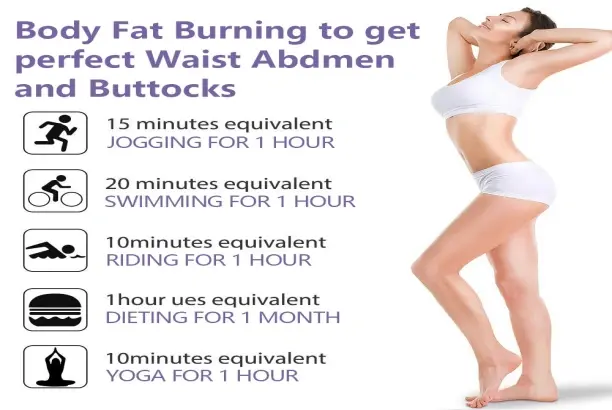
L-Carnitine Pure Powder is a highly proven way to speed up the burning of fat and help you reach your weight loss goals. Its proven way of making it easier for fatty acids to get into mitochondria makes it possible to quickly turn stored fat into energy that the body can use. The substance works well in many formulations and has been approved by regulators in many places, which makes it a great ingredient for a wide range of uses, from sports nutrition to functional foods. Quality sellers who follow GMP guidelines and have all the necessary certifications make sure that the products they sell are safe and legal to sell around the world.
FAQ
1. What makes L-Carnitine Pure Powder different from other carnitine forms?
Compared to other carnitine variants, L-Carnitine Pure Powder has the best bioavailability and formulation options. Unlike acetyl L-carnitine or propionyl L-carnitine, pure L-carnitine works only on fatty acid metabolism and doesn't have any extra functional groups that might affect how well it works or how stable it is.
2. How can manufacturers verify L-carnitine purity and authenticity?
Suppliers you can trust give you full certificates of analysis that show they used HPLC testing methods to prove that the samples were at least 98% pure. Molecular identification and impurity profile can be used by a third-party laboratory to confirm the product's identity and make sure it meets pharmaceutical-grade standards.
3. What storage conditions optimise L-Carnitine shelf life?
To keep from breaking down, L-carnitine needs to be stored in dry, cool places with relative humidity below 60%. Containers that are sealed keep wetness out, and keeping the temperature below 25°C keeps the food stable for the full two-year shelf life.
4. Which certifications are essential for international L-Carnitine distribution?
Important certifications include FDA registration, GMP compliance, ISO standards, and approvals specific to an area, like HALAL and kosher certificates. Implementing HACCP ensures that food safety rules are followed, and organic licences help businesses position themselves as premium in the market.
Partner with Jianbei for Premium L-Carnitine Pure Powder Supply
Jianbei Biotechnology sells 98% pure pharmaceutical-grade L-carnitine that is backed by a wide range of quality approvals and GMP production standards. Our cutting-edge building has three separate production lines and two separate labs that make sure the standard of our products is always the same, and we follow all the rules. We are a trusted source of L-Carnitine pure powder for supplement and functional food companies around the world. We have 15 national idea patents and a lot of experience in the field.
Our flexible packing choices can handle orders ranging from as little as 1 kg to 25 kg drums of bulk, and our fast shipping schedules (3–7 days) can help you meet your production needs. Transactions go smoothly because there are many ways to pay, such as telegraphic transfer, PayPal, and Western Union. For help with unique formulations, sample requests, and affordable price packages, email our technical team at sales@bqingbio.com.
References
1. Flanagan, J.L., et al. "Role of carnitine in disease prevention and treatment." Nutrition Reviews, vol. 68, no. 10, 2010, pp. 587-602.
2. Reuter, S.E., et al. "L-carnitine supplementation in the dialysis population: are Australian patients missing out?" Nephrology, vol. 13, no. 1, 2008, pp. 3-16.
3. Brass, E.P. "Supplemental carnitine and exercise performance." American Journal of Clinical Nutrition, vol. 72, no. 2, 2000, pp. 618S-623S.
4. Pekala, J., et al. "L-carnitine metabolic functions and meaning in human life." Current Drug Metabolism, vol. 12, no. 7, 2011, pp. 667-678.
5. Villani, R.G. et al. "L-Carnitine supplementation combined with aerobic training does not promote weight loss in moderately obese women." International Journal of Sport Nutrition and Exercise Metabolism, vol. 10, no. 2, 2000, pp. 199-207.
6. Ruggenenti, P., et al. "Ameliorating hypertension and insulin resistance in subjects at increased cardiovascular risk: effects of acetyl-L-carnitine therapy." Hypertension, vol. 54, no. 3, 2009, pp. 567-574.