- English
- French
- German
- Portuguese
- Spanish
- Russian
- Japanese
- Korean
- Arabic
- Greek
- German
- Turkish
- Italian
- Danish
- Romanian
- Indonesian
- Czech
- Afrikaans
- Swedish
- Polish
- Basque
- Catalan
- Esperanto
- Hindi
- Lao
- Albanian
- Amharic
- Armenian
- Azerbaijani
- Belarusian
- Bengali
- Bosnian
- Bulgarian
- Cebuano
- Chichewa
- Corsican
- Croatian
- Dutch
- Estonian
- Filipino
- Finnish
- Frisian
- Galician
- Georgian
- Gujarati
- Haitian
- Hausa
- Hawaiian
- Hebrew
- Hmong
- Hungarian
- Icelandic
- Igbo
- Javanese
- Kannada
- Kazakh
- Khmer
- Kurdish
- Kyrgyz
- Latin
- Latvian
- Lithuanian
- Luxembou..
- Macedonian
- Malagasy
- Malay
- Malayalam
- Maltese
- Maori
- Marathi
- Mongolian
- Burmese
- Nepali
- Norwegian
- Pashto
- Persian
- Punjabi
- Serbian
- Sesotho
- Sinhala
- Slovak
- Slovenian
- Somali
- Samoan
- Scots Gaelic
- Shona
- Sindhi
- Sundanese
- Swahili
- Tajik
- Tamil
- Telugu
- Thai
- Ukrainian
- Urdu
- Uzbek
- Vietnamese
- Welsh
- Xhosa
- Yiddish
- Yoruba
- Zulu
It has many good things in it that keep the skin wet, help cuts heal, keep the digestive system healthy, and boost the immune system, including aloe vera extract powder. This part is native and comes from the Miller Aloe plant. It gets rid of pain and keeps skin wet. It's also safe and easy to use. A lot of people think that fresh aloe juice is thick, but it's not. It can be used in many foods, beauty items, and health aids and stays fresh longer. It should be done by people who like to make new things and people who care about their health.
Understanding the Core Active Components
This plant product's healing power comes from the way its molecules are put together. Acemannan, a long-chain polysaccharide, is the main thing that changes the immune system and fixes cells at the cellular level. It works with sensors on the surface of cells to make fibroblasts grow. This speeds up the process of making collagen while wounds heal.
A lot of antioxidants, like vitamins C and E, are in the powder. It also has a lot of carbs. These protect the skin from free radicals that age it too fast. Salicylic acid scrubs the skin gently, and enzymes like bradykinase lower swelling at the molecular level. Manufacturers get 200:1 for every plant that is turned into a powder. This means that 200 kg of new gel only makes 1 kg of strong extract. For these delicate chemicals to stay safe, controlled freeze-drying is used.
The main structure stays the same as long as the right division methods are used. When we make things in our workshop in Guangzhou Software Park, we follow GMP rules. This keeps heat-sensitive nutrients safe. Because of this care for preservation, formulators can be sure that the ingredients they use have been checked for activity levels using HPLC methods that measure certain marker chemicals. There are no problems with keeping the light yellow to brown powder that is made because it still has the nutritional benefits of aloe.
Key Parameters That Define Quality
Botanical products are judged by professionals using certain technical criteria. The 98% pure standard means that there are almost no fillers and the highest quantity of active compounds. This high-quality material meets the strict needs of pharmaceutical-grade ingredients and makeup ingredient mixes.
In useful uses, molecular weight is very important. Good aloe powder has polysaccharides that are usually between 400,000 and 2,000,000 Daltons. These give the powder its thick layer that protects skin areas. Fragments with a lower molecular weight get deeper into the stratum corneum and moisturise the tissue layers below.
Compliance with regulations is another important quality factor. Our product is registered with the FDA and has ISO certification, HALAL approval, HACCP validation, and kosher status. This is proof that meets the needs of foreign quality managers and legal affairs departments. These certificates show that the products have been through strict tests to look for heavy metals, microbes, and chemical leftovers that could make the products less safe.
Stable storage under controlled conditions makes things last longer. When sealed and kept in a dry, cool place below 25°C, aloe vera extract powder stays effective for two years. Compared to fresh gel, which goes bad in days without cooling, this longer shelf life cuts down on waste by a huge amount. We use 1 kg aluminium foil bags and 25 kg drums, which keep things from breaking down during foreign shipping by blocking out wetness.
Core Benefits for Product Development
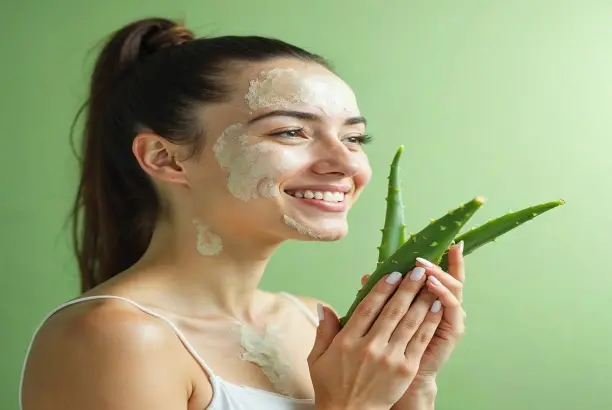
Many different types of manufacturers depend on this natural moisturiser for its unique, useful benefits. When used in dermocosmetic products, the powder is an active ingredient that can do more than one thing to help the skin. Clinical hydration tests show that the polysaccharide network makes a transparent film that stops the loss of water through the skin's surface by up to 40%. This shield lets air pass through and doesn't block pores, so it can be used with products for acne-prone skin.
A lot of different things work together to fight inflammation. When acemannan is present, cyclooxygenase enzymes can't do their job. This stops the processes that cause inflammation. There are chemicals called C-glucosyl chromones that change the way the immune system works. Skin care experts like how the powder controls the pH of acidic ingredients like BHAs and AHAs. In other words, chemical peels and skin care exercises you do at home are less likely to hurt your face.
It's important to the people who make nutraceuticals that the prebiotics help digestion. The carbs can get to the gut whole, even though they are in the stomach. There, helpful types of Bifidobacterium break them down. This change in the bacteria in the gut makes more short-chain fatty acids, which are good for defence. It also helps the gut-brain axis.
Better activity of fibroblasts and more collagen production speed up the mending process. Studies in the field of dermatology have shown that putting something on a cut or burn speeds up the healing process by about 30%. For that reason, it's useful in things that help the skin heal after laser treatments, chemical peels, or microneedling.
Spray-dried aloe powder helps people who make healthy drinks when they are having trouble with their recipes. This juice doesn't make things cloudy as whole leaf juice does, and it mixes easily with water. For pasteurisation, the powder can handle temperatures up to 85°C, and in ready-to-drink forms, it stays clear and tastes like nothing. This means that brands can put "clean label" water claims on their products without having to change the way they are made.
Jianbei's Aloe Vera Extract Powder vs. Competitor Materials
When you compare production methods, you can see how different the quality is. A lot of providers use whole-leaf processing that includes aloin, an anthraquinone chemical that can make digestion worse. Our extraction method focuses on the inner gel fraction and gets rid of the outer rind parts in several stages of cleaning. This lowers the amount of aloin to below 10 ppm, which is safe enough for cosmetic use without using strong chemicals.
Another thing that sets them apart is their batch uniformity. We have control over the growing conditions, reaping times, and manufacturing conditions because our supply chain is vertically integrated. This oversight makes sure that the molecular weight distribution and carbohydrate content are the same in every production run. Formulators don't have to deal with the problems that come up when they have to change sources of raw materials.
For food-grade, cosmetics-grade, and pharmaceutical-grade needs, our three different production lines keep their own working streams. This separation stops cross-contamination and lets you change how the particle sizes are spread out. Capsule fillers get free-flowing granulations that work best with automatic sealing equipment, and beverage makers get smaller mesh powders that dissolve right away.
Our Guangzhou offices have separate labs that check the standard of our products in real time. We do more than just normal certificate of analysis testing. We also offer tailored analytical services, such as studies of stability under certain storage conditions, tests to see if they are compatible with client formulas, and bioactivity experiments that measure how cells actually react. This expert support speeds up the time it takes for R&D teams to make new products.
Our 15 national idea patents and 8 utility model patents protect our own special ways of extracting bioactives that are sensitive to heat, including Aloe vera extract powder. When competitors use spray-drying at very high temperatures, they break down carbohydrates and change the structure of proteins. Our controlled lyophilisation process works in a vacuum at temperatures below zero, keeping the purity of the molecules while getting the moisture content below 5%.
Optimising Usage for Maximum Functional Benefits
Application methodology significantly impacts the performance outcomes formulators achieve. In cosmetic ingredient systems, the powder requires proper hydration before incorporation into emulsions. We recommend dispersing it in the water phase at concentrations between 0.5 and 5%, depending on desired viscosity and activity level. The material hydrates best at temperatures between 40 and 50°C with moderate agitation for 15-20 minutes.
For anti-ageing serums targeting mature skin, combine the powder with low molecular weight hyaluronic acid and peptides. This combination creates synergistic effects—the aloe polysaccharides form surface hydration while peptides stimulate dermal collagen synthesis. Adding vitamin C derivatives enhances the antioxidant network, addressing multiple ageing pathways simultaneously.
Sunburn relief products benefit from higher concentrations of around 3-5%. Pair the aloe extract with bisabolol and allantoin for enhanced soothing properties. The formulation should have a lightweight texture that absorbs quickly without leaving residue, as occluded damaged skin may trap heat. Consider adding menthol derivatives for immediate cooling sensations that consumers associate with efficacy.
Nutraceutical formulators should calculate dosage based on concentrated ratios. A 200:1 extract means 500 mg of powder equals 100 g of fresh gel—the equivalent of a substantial serving. Encapsulate 300-500 mg per capsule for daily immune support, or create sachets with 1-2 g for intensive digestive health protocols. The powder mixes readily with other botanical extracts like slippery elm and marshmallow root for comprehensive gastrointestinal support formulas.
Beverage applications require attention to processing sequences. Add the powder after pasteurisation during cool-down phases to preserve delicate enzymes. Target concentrations are between 0.1 and 0.3% for clear aloe waters or up to 1% for pulpy juice-style beverages. The material pairs well with citrus flavours that mask any residual plant notes while complementing the natural bitter undertones.
Purchase decisions should consider certification alignment with target markets. European distribution requires REACH compliance, while North American natural products need organic certification from recognised bodies. Our multi-certification approach eliminates the need for ingredient substitution when expanding into new geographic territories. The minimum order quantity of 1 kg allows small brands to trial formulations before committing to bulk purchases, while established manufacturers appreciate our capacity to fulfil container-load orders exceeding 10 metric tonnes.
Critical Application Considerations
Formulation compatibility requires preliminary testing with complete ingredient systems. While generally stable across pH ranges from 4 to 7, extreme acidity below pH 3 or alkalinity above pH 9 may degrade polysaccharides. Preserve formulations containing the powder with broad-spectrum antimicrobial systems, as the polysaccharides can serve as nutrient sources for contaminating microorganisms.
Protein-containing formulas need special attention to prevent enzymatic interactions. The protease enzymes naturally present may break down peptide bonds in other ingredients during extended storage. Consider adding protease inhibitors or adjusting pH to reduce enzyme activity if incorporating the powder with hydrolysed collagen or silk proteins.
Colour stability varies with exposure conditions. The natural yellow-brown pigmentation may darken slightly when exposed to UV light or oxidative conditions. Opaque packaging or the inclusion of antioxidant systems like vitamin E or rosemary extract maintains colour consistency throughout the product's shelf life. Communicate expected colour ranges to consumers for transparent natural positioning.
Heat sensitivity during manufacturing requires temperature monitoring. While the powder tolerates brief exposure to pasteurisation temperatures, extended heating above 70°C for more than 30 minutes degrades beneficial enzymes. Cold-process manufacturing methods preserve maximum biological activity in premium product lines where enzymatic benefits provide marketing advantages.
Particle size distribution of aloe vera extract powder affects sensory properties in leave-on applications. Finer mesh sizes below 80 microns create a smoother skin feel, while coarser particles above 100 microns may create slight grittiness in lightweight lotions. Specify the desired mesh size during the procurement of aloe vera extract powder to match product positioning—luxury serums demand ultra-fine particles, while rustic natural formulations accept coarser textures.
Conclusion
The therapeutic potential of concentrated botanical extracts continues to transform product development across health and beauty categories. This versatile natural ingredient addresses multiple consumer needs—from skin hydration and wound healing to digestive wellness and immune support—through well-documented biological mechanisms. Quality parameters, including purity specifications, molecular weight distribution, and comprehensive certifications, ensure formulators receive consistent, effective raw materials. Proper application methodology maximises functional benefits while maintaining stability throughout product lifecycles. As consumer demand for plant-based solutions grows, strategic partnerships with vertically integrated suppliers provide the technical support and regulatory documentation necessary for successful product launches in competitive markets.
FAQ
1. How does the powder form compare to fresh aloe gel in terms of effectiveness?
The concentrated extraction process actually enhances potency by removing water content while preserving bioactive compounds. A 200:1 ratio means the powder delivers 200 times more active ingredients per gram than fresh gel. The stabilisation also prevents the rapid oxidation that diminishes fresh gel effectiveness within hours of exposure to air. Controlled studies measuring fibroblast proliferation and hydration markers show equivalent or superior results with properly formulated powder compared to fresh plant material.
2. What makes this ingredient suitable for sensitive skin formulations?
The multi-stage purification removes aloin and other potentially irritating anthraquinones found in whole leaf preparations. The resulting material shows excellent tolerance in patch testing and repeated insult studies. The natural anti-inflammatory compounds actively calm reactive skin rather than merely avoiding irritation. Dermatologist-tested formulations using our cosmetic-grade powder demonstrate suitability for post-procedure applications where compromised skin barriers require gentle, effective ingredients.
3. Can the powder maintain activity in high-temperature beverage processing?
The polysaccharide structures withstand brief thermal exposure during standard pasteurisation protocols. Testing confirms retention of over 90% acemannan content after exposure to 85°C for three minutes—typical flash pasteurisation parameters. Enzyme activity does decline with heat, so formulators prioritising enzymatic benefits should use cold-fill processing. The powder rehydrates fully after thermal processing, maintaining the viscosity and mouthfeel consumers expect from aloe beverages without requiring refrigerated distribution.
4. How should storage conditions differ between cosmetic and nutraceutical applications?
Both applications require cool, dry storage below 25°C with relative humidity under 60%. Nutraceutical-grade material benefits from opaque packaging that blocks light exposure, preserving photosensitive vitamins. Cosmetic-grade powder stored in clear containers should be kept away from direct sunlight. Once opened, transfer unused portions to airtight containers with minimal headspace to reduce oxidation. Properly stored material maintains specified activity levels for the full two-year shelf life, with minimal decline in measured polysaccharide content or antioxidant capacity.
Partner with Jianbei as Your Trusted Aloe Vera Extract Powder Supplier
Jianbei Biotechnology combines advanced R&D capabilities with GMP-certified manufacturing infrastructure to deliver pharmaceutical-grade botanical extracts, including Aloe vera extract powder. Our mature technical team supports your formulation challenges with customised solutions backed by comprehensive analytical testing. With a large inventory maintained at optimal conditions, we ensure a consistent supply for production schedules across continents. Reach our procurement specialists at sales@bqingbio.com to discuss your specific application requirements and receive technical data packages including stability studies, safety documentation, and formulation suggestions tailored to your product category.
References
1. Reynolds T, Dweck AC. Aloe vera leaf gel: a review update. Journal of Ethnopharmacology, 1999, 68(1-3): 3-37.
2. Hamman JH. Composition and Applications of Aloe vera Leaf Gel. Molecules, 2008, 13(8): 1599-1616.
3. Surjushe A, Vasani R, Saple DG. Aloe Vera: A Short Review. Indian Journal of Dermatology, 2008, 53(4): 163-166.
4. Feily A, Namazi MR. Aloe vera in dermatology: a brief review. Giornale Italiano di Dermatologia e Venereologia, 2009, 144(1): 85-91.
5. Sánchez-Machado DI, López-Cervantes J, Sendón R, Sanches-Silva A. Aloe vera: Ancient knowledge with new frontiers. Trends in Food Science & Technology, 2017, 61: 94-102.
6. Hęś M, Dziedzic K, Górecka D, Jędrusek-Golińska A, Gujska E. Aloe vera (L.) Webb.: Natural Sources of Antioxidants – A Review. Plant Foods for Human Nutrition, 2019, 74(3): 255-265.