- English
- French
- German
- Portuguese
- Spanish
- Russian
- Japanese
- Korean
- Arabic
- Greek
- German
- Turkish
- Italian
- Danish
- Romanian
- Indonesian
- Czech
- Afrikaans
- Swedish
- Polish
- Basque
- Catalan
- Esperanto
- Hindi
- Lao
- Albanian
- Amharic
- Armenian
- Azerbaijani
- Belarusian
- Bengali
- Bosnian
- Bulgarian
- Cebuano
- Chichewa
- Corsican
- Croatian
- Dutch
- Estonian
- Filipino
- Finnish
- Frisian
- Galician
- Georgian
- Gujarati
- Haitian
- Hausa
- Hawaiian
- Hebrew
- Hmong
- Hungarian
- Icelandic
- Igbo
- Javanese
- Kannada
- Kazakh
- Khmer
- Kurdish
- Kyrgyz
- Latin
- Latvian
- Lithuanian
- Luxembou..
- Macedonian
- Malagasy
- Malay
- Malayalam
- Maltese
- Maori
- Marathi
- Mongolian
- Burmese
- Nepali
- Norwegian
- Pashto
- Persian
- Punjabi
- Serbian
- Sesotho
- Sinhala
- Slovak
- Slovenian
- Somali
- Samoan
- Scots Gaelic
- Shona
- Sindhi
- Sundanese
- Swahili
- Tajik
- Tamil
- Telugu
- Thai
- Ukrainian
- Urdu
- Uzbek
- Vietnamese
- Welsh
- Xhosa
- Yiddish
- Yoruba
- Zulu
Vitamin C Bulk Powder really does boost your immune system if you use it the right way. L-Ascorbic Acid (CAS 50-81-7) helps the immune system work better by making white blood cells work harder, keeping cell structures safe from oxidative damage, and making the body's natural defenses stronger. Ascorbic acid is a water-soluble vitamin that has been shown to be an antioxidant. It gets rid of free radicals, lowers reactive stress, and helps the body make antibodies that are needed to fight diseases. Because of this, companies that make immune-supporting pills and useful foods can't do without high-purity vitamin C bulk powder.
Understanding Vitamin C Bulk Powder and Its Immunity Benefits
Manufacturers can get vitamin C in the form of L-Ascorbic Acid, which is the most soluble and powerful form. The Vitamin C Bulk Powder is crystalline and looks white to slightly yellow. Its molecular formula is C6H8O6, and its molecular weight is 176.12. Because it dissolves easily in water (about 33 g per 100 mL), it can be used in a wide range of formulations for nutraceuticals, healthy foods, and cosmetics.
Core Forms and Quality Indicators
There are different kinds of ascorbic acid powder on the market, and each one is good for a different kind of use. Standard L-Ascorbic Acid is still the most common type, and it meets the highest standards for purity (98%). Sodium Ascorbate is a balanced option that is less acidic, so it is easier on the digestive system while still working well. Liposomal-enclosed types are better at getting into cells, but they cost more to make.
Quality indicators are very important for making decisions about what to buy. To make sure that a product always works the same way, its purity level should be at least 98%. Solubility characteristics affect how easy it is to make a formula and how stable the final product is. The mesh size goes from very fine powders (100–320 mesh) that dissolve quickly to DC-grade grains that are made for making tablets quickly. High-performance liquid chromatography (HPLC) testing methods accurately measure the amounts of active compounds and impurities present.
Biochemical Mechanisms Behind Immune Support
To stop reactive oxygen species from damaging cell walls and DNA structures, ascorbic acid acts as a strong electron donor. During inflammatory reactions, this antioxidant activity keeps immune cells safe from oxidative damage. The vitamin is mostly found in white blood cells, especially neutrophils and lymphocytes. It helps immune cells engulf and kill pathogens through a process called phagocytosis.
Vitamin C not only helps immune cells directly, but it also increases the production and function of interferons, which are signaling proteins that help cells fight off viral infections. It improves the epithelial barrier function of skin and mucous tissues, which means that pathogens can't get in. The vitamin also helps the body make collagen, which keeps the structure of connective tissues, which are the body's first line of defense, strong.
Multifunctional Applications Across Industries
Manufacturers like Ascorbic Acid powder because it can be used for more than just immune system support. In cosmetics, it is a key factor for making skin brighter, increasing collagen production, and protecting skin from damage caused by UV light. Functional drink makers use it to make antioxidant claims and as a natural preservative that makes the drinks last longer. It is becoming more common for animal nutrition makers to add vitamin C to feed recipes. This helps animals deal with stress and grow.
When formulating, the ingredient's stability profile needs to be carefully thought through. When kept properly in cool, dry places away from light, ascorbic acid stays stable in the form of a dry powder. When something is dissolved in water, it breaks down faster, especially when the temperature and pH level are high. Manufacturers deal with this problem in a number of ways, such as by changing the pH level, adding chelating agents, or using packaging technologies.

Vitamin C Bulk Powder vs. Other Vitamin C Forms: Making an Informed Choice
Choosing between Vitamin C Bulk Powder and finished dosage forms has a big effect on how flexible the manufacturing process is, how cost-effective it is, and where the end product fits in the market. Knowing these differences helps R&D leaders and procurement managers choose ingredients that help reach the strategy goals of the product.
Bulk Powder Advantages for Manufacturers
Compared to pre-made capsules or tablets, Vitamin C Bulk Powder gives you more freedom in how you make your products. Manufacturers decide the exact dose, make custom blends with ingredients that work well together, and change the concentrations based on the target audience or the rules in each market. This ability to customize helps with strategies for differentiating products, which are important for staying ahead of the competition.
A cost study shows that buying Vitamin C Bulk Powder has big benefits. The price of an active ingredient per gram is much lower than the price of a finished tablet form, which includes binders, fillers, coatings, and packing materials. For buyers who buy a lot, tiered pricing is helpful because prices usually go down at 25 kg, 100 kg, and 500 kg order thresholds. Being able to get powder in the right amounts to meet production plans cuts down on the costs of keeping supplies and the amount of waste from old materials.
Powder Variant Selection Criteria
Bioavailability issues bring up complex trade-offs. Since pure ascorbic acid powder dissolves quickly, it can be absorbed quickly through the walls of the intestines. Buffered forms, such as sodium ascorbate, are better for people who are sensitive to stomach irritation while still having bioavailability rates that are about the same as standard ascorbic acid. Liposomal delivery systems put ascorbic acid in phospholipid structures, which might make it easier for cells to take it in. However, there is still mixed clinical evidence about whether these systems are significantly better than normal forms at therapeutic amounts.
Chemical differences between types of powder affect how well they work in different situations and how well customers like them. Standard L-Ascorbic Acid (pH 2.1–2.6 in solution) is the most effective, but bigger amounts may make your stomach hurt. The neutral pH profile of sodium ascorbate makes it a better choice for sensitive people and products aimed at kids or the elderly. Calcium ascorbate adds more minerals to food, but it also changes the taste of food, so you have to find ways to hide it.
Certification and Purity Considerations
The effects on the manufacturing process depend on the form. Direct compression (DC) grade powders always run through tableting tools without the need for extra fillers. Granulated forms make handling less dusty, which protects workers and cuts down on product loss. Ultra-fine mesh powders mix easily into drink mixes, but they might clump together if they don't have the right anti-caking agents.
Regulation compliance paperwork tells the difference between reliable providers and sources that might not be so reliable. Registration with the FDA proves that factories follow the latest Good Manufacturing Practice (cGMP) rules for pharmaceutical ingredients. Getting ISO 22000 approval shows that you have a complete method for managing food safety. Certifications like Halal and Kosher let you sell to religious groups that have special food needs.
Certificates of Analysis (CoA) show that the quality of a certain batch has been checked. According to USP monograph standards, these papers should show that the product is pure (99.0-100.5%), that heavy metal levels are below the limits set (lead <2 ppm, arsenic <1 ppm, mercury <0.1 ppm), and that microbial contamination is within acceptable limits. Documentation showing compliance with REACH is needed to enter the European market. This proves that substances created or received in excess of one tonne per year have been registered.
Procurement Guide for Vitamin C Bulk Powder: Navigating the B2B Market
In strategic sourcing, you have to find a balance between making sure of quality, cutting costs, and making sure the supply chain is reliable. When choosing vitamin C providers for long-term partnerships, procurement managers need to look at a number of factors.
Supplier Evaluation and Selection
Reputable makers have clear quality systems that can be tracked from where the raw materials come from to how the finished product is tested. Manufacturing facilities that follow GMP standards have written procedures for maintaining equipment, making sure that cleaning is done correctly, and keeping an eye on the environment. Jianbei Biotechnology runs three production lines in GMP-compliant workshops with the help of two separate labs that test both new materials and finished products before they are released.
For sample evaluation, the minimum order quantity is usually 1 kg. This lets formulators do stability studies and compatibility testing before committing to larger volumes. Orders on a production scale usually start at 25 kg and are packed in fiber drums with plastic covers to keep the contents dry and clean. Shipping in bulk of 500 kg or more often gets big price cuts and custom packaging that fits the needs of the person handling the goods.
Supply stability is very important for keeping up with production plans and making sure products are of high quality. Well-known manufacturers keep a lot of stock on hand, which means that deliveries can happen 3–7 business days after payment is confirmed. This ability to quickly complete orders keeps output from stopping, which would hurt relationships with customers and market positioning.
Essential Certification Requirements
Having more than one level of approval boosts trust in the quality of Vitamin C Bulk Powder ingredients and compliance with regulations. FDA licensing shows that a company is committed to meeting the high standards of the U.S. market. GMP certification proves that quality is managed in a planned way throughout the whole production process. Hazard analysis controls are used at key places in the process that are required by HACCP certification. This lowers the chance of contamination.
Verification of the testing technique makes sure that the stated specs match the real characteristics of the product. HPLC testing accurately measures the amount of L-ascorbic acid present and finds any possible impurities or breakdown products. Reliable sellers give a Certificate of Analysis (CoA) for each batch of their products that includes test results for identification, purity, heavy metals, microbial contamination, and solvents that are still present.
Logistics and Storage Optimization
Using the right wrapping keeps the quality of a product while it's being shipped and stored. For 1 kg amounts, aluminum foil bags work great as moisture barriers and are good for use in the lab and for developing new formulations. Fiber drums with sealed plastic bottoms can hold 25 kg of production materials and are safe to use while also being easy to handle. Shipments by bulk truck serve customers who need a lot of goods and need thousands of kilos every month.
Managing shelf life starts with storing things in the right way. Ascorbic acid powder stays safe for two years if it is packed up and kept somewhere cool (below 25°C) and dry that isn't in direct sunlight. Changes in temperature and humidity speed up oxidation, which turns things yellow and makes them less effective. Temperature control, rotating inventory based on "first-in, first-out," and regular quality checks for materials that have been stored for a long time should all be part of the warehouse routine.
When sending goods internationally, you need to think about things like customs paperwork, figuring out import duties, and following the rules of the target country. Suppliers with a lot of experience give you the paperwork you need, like commercial invoices, packing lists, CoA certificates, and letters of regulatory compliance. Different buyers and payment systems around the world need different ways to pay, like telegraphic transfer, PayPal, Western Union, or Alipay.
Effectiveness and Safety: Addressing Common Concerns
Dosing and quality control rules based on evidence make sure that Vitamin C Bulk Powder goods give the benefits they offer without any risks that were not expected. By knowing these factors, producers can make formulas that meet government rules and meet customer goals.
Recommended Dosing Guidelines
Ascorbic acid amounts of 500 to 1000 mg per serving are common in immune support products, which is in line with studies showing that these levels improve immune function. Dosage flexibility lets companies put their goods in a variety of market areas, from lower-dose daily upkeep supplements to therapeutic-level formulas for immune system problems that come up during certain times of the year.
For cosmetic uses, you need to think about the quantity in different ways. Topical serums usually have 10–20% L-Ascorbic Acid in them to make the face brighter and help the body make more collagen. Lower concentrations (5–10%) work well for formulations for sensitive skin, while higher concentrations (up to 30%) are better for specific problems like hyperpigmentation. Changing the pH to between 2.5 and 3.5 improves stability and skin penetration while lowering the risk of discomfort.
Quality Control and Risk Mitigation
Strict controls during production lower the risk of contamination and make sure that the potency stays the same. The identity and purity of incoming raw materials are checked before they are used in production. In-process controls keep an eye on important factors like temperature, humidity, and mixing times. Before a batch is released, the finished product is tested to make sure it meets the specifications. Samples are kept so that any future quality problems can be looked into.
Formulation knowledge is needed because some ingredients, including Vitamin C Bulk Powder, might react badly with other ingredients. Ascorbic acid can change the color of something or break it down if it comes into contact with certain metal ions. When mixed with sodium bicarbonate, effervescent reactions happen that are good for some drinks but bad for others. Experienced formulators deal with these problems by carefully choosing which ingredients to use, finding the best working parameters, and trying the product's stability under conditions that are similar to those that it will be stored in.
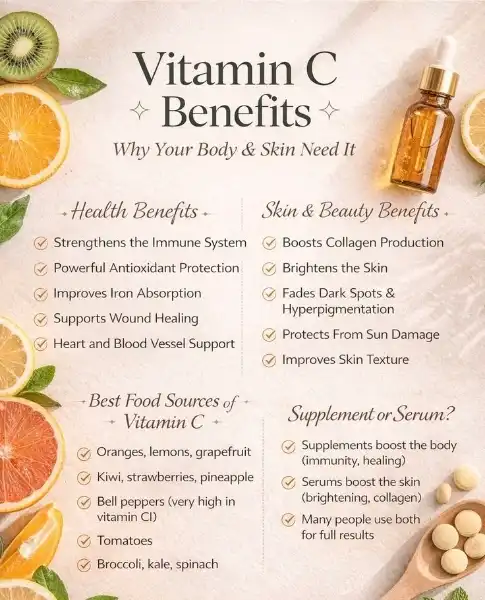
Conclusion
Vitamin C Bulk Powder is a valuable ingredient for health supplement and functional food manufacturers because it genuinely improves immune function through well-documented biochemical mechanisms. L-Ascorbic Acid's strong antioxidant properties, ability to support white blood cells, and ability to improve barrier function all work together to make the immune system stronger. By choosing the right powder forms, making sure they meet strict quality standards, and working with certified manufacturers like Jianbei, companies can make goods that meet legal needs in global markets and provide real health benefits. Strategic choices about buying must strike a balance between purity requirements, certification compliance, and source dependability in order to support successful product innovation and long-term market competitiveness.
FAQ
1. What is the typical lead time for bulk vitamin C powder orders?
Standard orders are sent out 3–7 business days after payment is confirmed. Jianbei keeps a lot of L-Ascorbic Acid in our GMP-certified stores, which lets us ship orders quickly without sacrificing quality. If you need custom specifications or more than 1000 kg, you may need to add more time to the production schedule, which will be explained during the quotation process. Most of the time, rush orders can be met if your purchasing team and our sales staff work together ahead of time.
2. How can I verify the purity and authenticity of Vitamin C bulk powder?
Before making a purchase commitment, ask for Certificates of Analysis (CoA) for specific production batches. Real CoAs have HPLC test results that show the amount of L-Ascorbic Acid, as well as heavy metal screening, bacteria contamination levels, and recognition testing. Reliable suppliers, like Jianbei, give these papers with each batch. They include test dates, methods used, and signatures from responsible lab staff. Verification by a third-party laboratory adds more security to large contracts or new supply relationships.
3. Is vitamin C bulk powder suitable for cosmetic formulations?
Of course. L-Ascorbic Acid is a very good active ingredient in cosmetics that are meant to make skin brighter, slow down the aging process, and protect it from free radicals. The powder is 98% pure and of pharmaceutical-grade quality, which meets the high standards of the cosmetics business. When making a formula, things that need to be thought about are adjusting the pH to between 2.5 and 3.5 to make it more stable, keeping it safe from light and air, and testing to see if it works with other active ingredients. Our technical team gives application advice to help make cosmetics that work well.
Ready to Source Premium Ascorbic Acid from a Trusted Supplier?
Jianbei Biotechnology can meet your needs for Vitamin C Bulk Powder with pharmaceutical-grade L-Ascorbic Acid that is up to the highest international standards. Our GMP-certified production, full regulatory compliance, and quick technical support make us the perfect partner for cosmetic, nutraceutical, and functional food companies that need to find trusted ingredient suppliers.
Contact our sales team at sales@bqingbio.com to get full product details, up-to-date prices, and information on sample availability. R&D directors, procurement managers, and product makers who want to try our Ascorbic Acid powder for future formulation projects are welcome to get in touch with us.
References
1. Carr, A.C. & Maggini, S. (2017). Vitamin C and Immune Function. Nutrients, 9(11), 1211.
2. Hemilä, H. (2017). Vitamin C and Infections. Nutrients, 9(4), 339.
3. Padayatty, S.J. & Levine, M. (2016). Vitamin C: The Known and Unknown and Goldilocks. Oral Diseases, 22(6), 463-493.
4. Pullar, J.M., Carr, A.C. & Vissers, M.C.M. (2017). The Roles of Vitamin C in Skin Health. Nutrients, 9(8), 866.
5. Wintergerst, E.S., Maggini, S. & Hornig, D.H. (2006). Immune-Enhancing Role of Vitamin C and Zinc and Effect on Clinical Conditions. Annals of Nutrition and Metabolism, 50(2), 85-94.
6. Zhang, M., Swarts, S.G. & Yin, L. (2011). Antioxidant Properties of Quercetin. Advances in Experimental Medicine and Biology, 701, 283-289.