- English
- French
- German
- Portuguese
- Spanish
- Russian
- Japanese
- Korean
- Arabic
- Greek
- German
- Turkish
- Italian
- Danish
- Romanian
- Indonesian
- Czech
- Afrikaans
- Swedish
- Polish
- Basque
- Catalan
- Esperanto
- Hindi
- Lao
- Albanian
- Amharic
- Armenian
- Azerbaijani
- Belarusian
- Bengali
- Bosnian
- Bulgarian
- Cebuano
- Chichewa
- Corsican
- Croatian
- Dutch
- Estonian
- Filipino
- Finnish
- Frisian
- Galician
- Georgian
- Gujarati
- Haitian
- Hausa
- Hawaiian
- Hebrew
- Hmong
- Hungarian
- Icelandic
- Igbo
- Javanese
- Kannada
- Kazakh
- Khmer
- Kurdish
- Kyrgyz
- Latin
- Latvian
- Lithuanian
- Luxembou..
- Macedonian
- Malagasy
- Malay
- Malayalam
- Maltese
- Maori
- Marathi
- Mongolian
- Burmese
- Nepali
- Norwegian
- Pashto
- Persian
- Punjabi
- Serbian
- Sesotho
- Sinhala
- Slovak
- Slovenian
- Somali
- Samoan
- Scots Gaelic
- Shona
- Sindhi
- Sundanese
- Swahili
- Tajik
- Tamil
- Telugu
- Thai
- Ukrainian
- Urdu
- Uzbek
- Vietnamese
- Welsh
- Xhosa
- Yiddish
- Yoruba
- Zulu
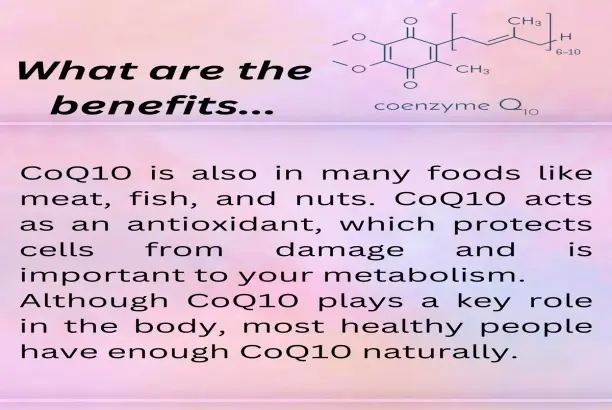
Selecting the right Coenzyme Q10 bulk powder requires careful evaluation of purity, supplier reliability, and regulatory compliance. This essential biomolecule, existing naturally in human cells as ubiquinone (CAS 303-98-0, molecular formula C59H90O4), functions as a critical cofactor in cellular energy production and provides powerful antioxidant protection. Procurement managers seeking high-quality CoQ10 powder must prioritize pharmaceutical-grade specifications—ideally 98% purity verified through HPLC testing—while ensuring suppliers maintain comprehensive certifications, including GMP, ISO, FDA registration, HALAL, and HACCP standards, to meet international market demands.
Introduction
Many different types of products use Coenzyme Q10 as an important ingredient, from food supplements and functional drinks to cosmetics and medicines. As markets get more competitive, the choice of where to get premium Coenzyme Q10 bulk powder has a direct effect on how well the product works, how well it meets regulations, and ultimately, how well the brand is known. The global nutraceutical market needs ingredients that are consistently bioavailable, stable at high temperatures during production, and able to maintain their potency over a long period of time.
This complete guide discusses the specific issues that supplement makers, functional food developers, and makeup formulators face when they need high-activity ingredients that are standardized. Understanding the technical specs, quality control parameters, and seller evaluation criteria described here will make your buying process go more smoothly, whether you're making supplements to boost your immune system, anti-aging skin care products, or pharmaceutical-grade preparations. This guide is set up to walk you through the whole process of making a choice, from learning about chemical traits and comparing formulation types to building long-term partnerships with suppliers that are backed by strict quality control.
Understanding Coenzyme Q10 Bulk Powder: Basics and Benefits
What Defines Pharmaceutical-Grade CoQ10 Powder?
Coenzyme Q10 bulk powder is a solid yellow to orange-yellow powder that has almost no smell. It has strict technical requirements that set pharmaceutical-grade material apart from lower-quality options. Because the molecule has a molecular weight of 863.34 and is lipophilic (it dissolves easily in fats, chloroform, and ether but not water), it needs to be handled in a certain way during formation. The assay purity of premium industrial-grade material stays between 98.0% and 101.0% on an anhydrous basis, which is in line with USP, EP, and JP guidelines. The melting point is strictly between 48°C and 52°C, and the amount of moisture left over is always less than 0.2%. This makes sure that the material is stable and works well.
Core Health Benefits Driving Market Demand
Besides being an important chemical that helps mitochondria use energy, Coenzyme Q10 also protects cells strongly from damage caused by free radicals. Clinical research has shown that it can help improve the symptoms of heart conditions like heart failure and cardiomyopathy, lower the risk of cardiovascular events, and keep cell membranes intact. These scientifically proven benefits drive demand for supplement products that aim to improve cardiovascular health, slow down the aging process, and boost sports performance. Because the substance can slow down cellular aging and protect mitochondrial function, it is very useful for companies that are making goods for health-conscious people who want to stay healthy.
Manufacturing Advantages of Bulk Powder Format
When makers choose bulk powder over finished dosage forms, they have more manufacturing options and can save money at the same time. Bulk Coenzyme Q10 bulk powder lets you precisely control the dose, mix it with other ingredients that work well together, and make it work in different delivery systems, like capsules, tablets, soft gels, drinks, and skin applications. With an ideal bulk density of between 0.3 and 0.5 g/ml, the powder format makes automatic encapsulation processes faster. This flexibility lets product makers react quickly to changes in the market while keeping tight quality control during production. This lowers costs for extras and makes sure that labels are followed for longer periods of time.
Comparing Different Forms and Types of Coenzyme Q10 Bulk Powder
Ubiquinone Versus Ubiquinol: Strategic Considerations
Depending on the target market and manufacturing goals, the oxidized form (ubiquinone) and the reduced form (ubiquinol) offer different benefits. Ubiquinone is more stable when stored and processed, costs less as a raw material, and has been used successfully in a number of supplement uses. As needed, the body naturally changes ubiquinone to ubiquinol, which makes it a good choice for supplements for most people. Ubiquinol is more bioavailable and starts working as an antioxidant right away, but it needs to be packaged and handled in a certain way because it is sensitive to oxidation, which means it costs more. Manufacturers aiming at older people or therapeutic uses may be able to justify investing in ubiquinol, while mass-market supplement brands usually find a good balance between price and performance with high-purity ubiquinone.
Natural Fermentation Versus Synthetic Production
The way something is made has a big effect on its purity levels, certification options, and where it stands in the market. Using certain types of yeast, microbial fermentation creates Coenzyme Q10 through biological processes. The end product is often seen as "natural" by customers and can be certified as organic. This method usually gets trans-isomers to dominate with few cis-isomer impurities, which helps make the chromatographic profiles better. Advanced chemical synthesis makes it possible to make a lot of things at a low cost, but the leftover solvents have to be tested thoroughly using gas chromatography to make sure they stay within strict limits (hexane below 290 ppm, ethanol below 5000 ppm). Both methods can produce pharmaceutical-grade clarity as long as strict quality control rules are followed by producers.
Emerging Delivery Technologies
Bioavailability problems with Coenzyme Q10 bulk powder can be fixed with new formulation methods. Using liposome packaging technology helps cells absorb drugs better by keeping the active ingredient safe in phospholipid spheres that attach to cell membranes. Microencapsulation makes it easier for substances to mix in water and keeps them from breaking down when they're being processed. Water-dispersible Coenzyme Q10 bulk powders with special emulsification systems make functional beverage uses possible that weren't possible before because the powders couldn't dissolve well enough. When procurement professionals look at these new formats, they should compare claims of better bioavailability with higher prices. They should also ask for third-party bioavailability studies and stability data to back up performance claims before agreeing to high-priced delivery methods.
Criteria to Consider When Choosing Coenzyme Q10 Bulk Powder Suppliers
Essential Quality Documentation and Certifications
Reliable sources give full Certificates of Analysis (CoA) for every production batch. These CoAs include HPLC-verified test results, chromatographic purity profiles, and a full analysis of any impurities. Some important inspection criteria are total flaws below 1.0% and cis-isomer content below 0.5%, which make sure that the mixture stays the same. Pharmaceutical companies need suppliers with up-to-date GMP certifications, while buyers who are mainly interested in exports put FDA registration, REACH compliance, ISO 9001 quality management, and HACCP food safety standards at the top of their list of priorities. Specialized certificates, like HALAL and Kosher, help brands that are trying to reach certain groups of customers get into more markets. Make sure that suppliers keep their certifications up to date and are happy to share audit records that show they are still following the rules.
Supplier Operational Capabilities Assessment
Infrastructure for manufacturing has a direct effect on the dependability of supplies and the regularity of products. Check to see if potential suppliers have dedicated GMP-standard production facilities with separate quality control labs that can do HPLC, GC, and ICP-MS testing on-site. Jianbei Biotechnology has three dedicated production lines, two separate labs that follow strict quality verification processes, and workshops that meet GMP standards. Suppliers who keep a lot of inventory on hand can meet pressing requests while also being able to accommodate flexible transport times. Minimum order quantities (MOQ) affect how purchases are planned. Competitive sellers offer fair starting quantities, such as 1 kg minimums, to make product development trials easier while still making it easy to scale up for commercial production volumes.
Pricing Structures and Payment Flexibility
Clear price structures for Coenzyme Q10 bulk powder strike a mix between ensuring quality and making money. Ask for detailed quotes that break down the costs of raw materials, testing, and packing so you can see which costs add value and which ones don't. Reliable providers accept a variety of payment methods, such as PayPal, Western Union, Alipay, and telegraphic transfer, which makes it easier to do business across borders. Volume-based pricing levels reward partnerships that last a long time, and buyers are protected from market changes by fixed-price contracts. Standard shipping times of three to seven working days after payment proof show that logistics are being handled well. Talk about payment terms that are good for both sides. For example, partial deposits can hold production slots while balance payments after quality checks protect the buyer's interests throughout the transaction cycle.
Sample Testing and Verification Protocols
Asking for representative samples before committing to buying in bulk greatly lowers the risks of procurement. Independent third-party labs should do full tests to make sure the assays are correct, the heavy metal content is low (lead less than 0.5 ppm, mercury less than 0.1 ppm, and arsenic less than 1 ppm), and the microbiological safety is high (total plate count less than 1000 cfu/g with no microbes present). Use laser diffraction to look at the particle size distribution. Smaller particles help make the dispersion more even in oil-based carriers. Check the characteristics of solubility in your specific formulation matrix and check the stability at different temperatures while the formulation is being processed. Write down how well the samples did compared to internal standards and benchmarks set by competitors. This will help you set quality standards that will be used in contractual supply agreements for Coenzyme Q10 bulk powder.
Best Practices for Procuring Coenzyme Q10 Bulk Powder: A Decision-Making Framework
Defining Industry-Specific Requirements
Manufacturers of nutraceuticals focus on making their products more bioavailable and making them as cheaply as possible so that people can afford to take them every day. Pharmaceutical businesses need high-purity products that have been fully tested for impurities, manufactured using approved methods, and have a lot of stable data to back up their regulatory submissions. Cosmetic formulators need antioxidant activity to be proven through standard tests, cosmetic-grade approvals, and proof of compatibility with emulsion systems. Functional food designers need ingredients that can withstand high temperatures, stay stable at different pH levels, and meet standards for taste neutrality. Making these application-specific needs clear when talking to suppliers makes sure that material requirements and expected end-product performance are in line with each other.
Balancing Quality-Cost Trade-offs
When you pay more for something, you usually get higher purity, more certifications, and a steady supply. These things lower the total cost of ownership by lowering the need for reformulation, regulatory delays, and quality complaints. Set objective quality standards, such as the lowest level of purity that is acceptable, the highest level of impurity that is acceptable, and the certification portfolio that is required. When looking at price differences, compare what different suppliers have to offer against these non-negotiable factors. To find the true value proposition, you need to take into account the benefits of brand positioning, bioavailability performance, and yield efficiency. Most of the time, mid-tier suppliers with full certifications and 98% purity are the best value compared to either cheap choices that need a lot of work to fix the quality or ultra-premium suppliers whose small quality improvements don't support huge price increases for Coenzyme Q10 bulk powder.
Negotiating Supplier Agreements
Comprehensive supply agreements for Coenzyme Q10 bulk powder protect buying investments by setting clear quality standards, delivery dates, and ways to settle disagreements. Set acceptable purity ranges based on pharmacopeial standards, write down the testing procedures and acceptance criteria that must be followed, and make plans for how to handle material that doesn't meet the specifications. Include "force majeure" terms that cover supply problems and require the keeping of a minimum safety stock. Define intellectual property protections if you are using supplier technical support to create your own formulations. Set review intervals for prices that take into account how the market changes and how predictable the budget is. Carefully negotiate agreements of access to make sure there is a steady supply without limiting competitors' choices. Ask for regular quality trend reports that show how process control and continuous improvement efforts are being used to benefit the long-term value of the relationship.
Conclusion
To find the best Coenzyme Q10 bulk powder, you need to carefully look at its technical specs, the supplier's reputation, and how well it fits with your production needs. Pharmaceutical-grade material that is 98% pure and has been tested using HPLC, along with a number of approvals such as GMP, FDA, ISO, HALAL, and HACCP, sets the quality standard that helps the product stand out. A good procurement process balances cost concerns with long-term value drivers like supply reliability, technical support capabilities, and regulatory compliance assurance. Setting up organized frameworks for evaluating suppliers, getting safe contract terms, and following the right storage rules will help you get the most out of your ingredient investment while reducing formulation risks and quality variation.
FAQ
1. What is the typical shelf life for CoQ10 bulk powder?
When kept in the right way, in sealed cases in dry, cool places below 25°C and away from light, high-purity Coenzyme Q10 bulk powder stays stable for two years from the date it was made. It is very important to store things in the right way. Exposure to heat, moisture, or light speeds up degradation, which could make it much less effective before they expire.
2. How easily does CoQ10 powder integrate into various formulations?
Because Coenzyme Q10 is lipophilic, it needs to be used in specific ways for each purpose. The powder mixes easily in oil-based mixtures like softgels and lipid solutions. For liquid mixtures, you need emulsification technologies or formats that can dissolve in water. The standard process of encapsulating powder into pills or tablets works well when the powder has the right particle size distribution and mass density.
3. What methods verify CoQ10 purity and authenticity?
HPLC analysis is the best way to make sure that an assay is correct and to profile impurities, as well as to confirm identity, potency, and isomer ratios. Gas chromatography testing finds solvents that are still present from the making process. ICP-MS analysis measures the amount of heavy metal contamination. Microbiological testing makes sure that there are no pathogens and that the number of microbes is acceptable. Reliable providers give full Certificates of Analysis for each production batch that list these factors.
Partner with Jianbei for Premium Coenzyme Q10 Bulk Powder Supply
Pharmaceutical-grade Coenzyme Q10 bulk powder that meets the highest international quality standards is supplied by Jianbei Biotechnology. We have been making Coenzyme Q10 bulk powder for a long time and have three dedicated GMP-certified production lines and two separate labs. We offer consistent 98% purity material that has been tested by HPLC and has FDA, ISO, HALAL, HACCP, and GMP certifications to back it up. Our experienced research and development team uses 15 national idea patents to keep quality high while maximising production efficiency. We accept a wide range of order sizes, with a minimum of 1 kg, and offer fast delivery times of three to seven days. This means that we can support both product development efforts and large-scale manufacturing needs. You can email our technical team at sales@bqingbio.com to get detailed specifications, Certificates of Analysis for each batch, or sample amounts to test.
References
1. Crane, F.L. (2001). Biochemical Functions of Coenzyme Q10. Journal of the American College of Nutrition, Vol. 20, No. 6, pp. 591-598.
2. Littarru, G.P. & Tiano, L. (2007). Bioenergetic and Antioxidant Properties of Coenzyme Q10: Recent Developments. Molecular Biotechnology, Vol. 37, pp. 31-37.
3. Mortensen, S.A. et al. (2014). The Effect of Coenzyme Q10 on Morbidity and Mortality in Chronic Heart Failure. JACC: Heart Failure, Vol. 2, No. 6, pp. 641-649.
4. Bhagavan, H.N. & Chopra, R.K. (2006). Coenzyme Q10: Absorption, Tissue Uptake, Metabolism and Pharmacokinetics. Free Radical Research, Vol. 40, No. 5, pp. 445-453.
5. United States Pharmacopeia (2021). Ubidecarenone Monograph. USP 44-NF 39, Official Standards for Dietary Supplements.
6. Lopez-Lluch, G. et al. (2010). Mitochondrial Responsibility in Ageing Process: An Approach Through the Study of Coenzyme Q10. Biogerontology, Vol. 11, pp. 239-252.