- English
- French
- German
- Portuguese
- Spanish
- Russian
- Japanese
- Korean
- Arabic
- Greek
- German
- Turkish
- Italian
- Danish
- Romanian
- Indonesian
- Czech
- Afrikaans
- Swedish
- Polish
- Basque
- Catalan
- Esperanto
- Hindi
- Lao
- Albanian
- Amharic
- Armenian
- Azerbaijani
- Belarusian
- Bengali
- Bosnian
- Bulgarian
- Cebuano
- Chichewa
- Corsican
- Croatian
- Dutch
- Estonian
- Filipino
- Finnish
- Frisian
- Galician
- Georgian
- Gujarati
- Haitian
- Hausa
- Hawaiian
- Hebrew
- Hmong
- Hungarian
- Icelandic
- Igbo
- Javanese
- Kannada
- Kazakh
- Khmer
- Kurdish
- Kyrgyz
- Latin
- Latvian
- Lithuanian
- Luxembou..
- Macedonian
- Malagasy
- Malay
- Malayalam
- Maltese
- Maori
- Marathi
- Mongolian
- Burmese
- Nepali
- Norwegian
- Pashto
- Persian
- Punjabi
- Serbian
- Sesotho
- Sinhala
- Slovak
- Slovenian
- Somali
- Samoan
- Scots Gaelic
- Shona
- Sindhi
- Sundanese
- Swahili
- Tajik
- Tamil
- Telugu
- Thai
- Ukrainian
- Urdu
- Uzbek
- Vietnamese
- Welsh
- Xhosa
- Yiddish
- Yoruba
- Zulu
Quality testing for Sibutramine Powder centers on ensuring pharmaceutical-grade purity, molecular integrity, and regulatory compliance through advanced analytical methods. High-performance liquid chromatography (HPLC) serves as the gold standard, confirming the 98% specification threshold and detecting trace impurities that could affect product quality or consistency. Complementary techniques, including Mass Spectrometry (MS), Gas Chromatography (GC), and Fourier-Transform Infrared Spectroscopy (FTIR), verify the molecular formula C17H26ClN and molecular weight of 279.85 g/mol. Understanding these testing protocols helps procurement professionals—ranging from R&D directors to quality managers—make informed sourcing decisions that align with FDA, ISO, GMP, HALAL, and HACCP certification requirements essential for supplement formulations and functional ingredient applications.
Understanding the Importance of Quality Testing for Sibutramine Powder
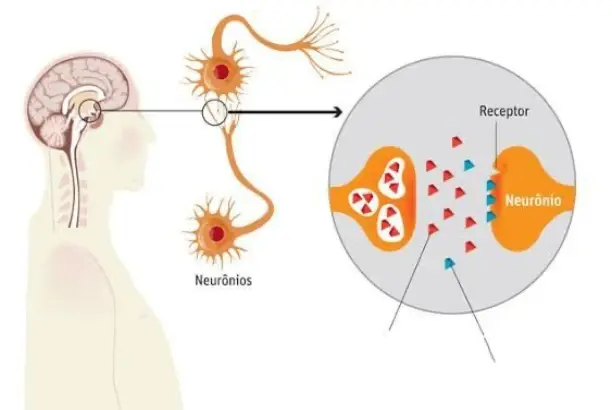
Silbutramine is an active pharmaceutical ingredient (API) used in weight management formulations. It works as an SNRI, which helps the body's metabolism when used with exercise and a healthy diet. The white crystalline powder with the CAS number 106650-56-0 needs to go through strict quality checks because even small amounts of contamination or changes in purity can affect its formulation performance and consistency. B2B buyers, like those who work for companies that make dietary supplements, functional foods, or medicines, have a lot of problems when they try to find suppliers. Quality testing can help them solve these problems.
Common Quality Challenges in Sibutramine Sourcing
When trying to find this thermogenic compound, procurement teams often run into three major problems. Heavy metals, microbes, or chemicals that aren't supposed to be there can get into a batch through industrial waste or exposure to the environment. Differences in purity between lots cause recipe errors, which make it hard to keep product performance consistent across production runs. Not following the rules can cost you in the long run, especially when you're getting things for export markets that have strict rules on imports. Knowing about these problems makes it clear why thorough testing procedures are the basis of responsible buying.
Regulatory Frameworks Governing Sibutramine Quality
International compliance standards set the minimum standards for the quality of APIs. To get registered with the FDA, you have to keep detailed records of your manufacturing processes, where you get your raw materials, and the results of each batch test. Getting ISO 9001 certification makes sure that quality management systems stay the same and can be checked. To stop cross-contamination, GMP guidelines say how clean the building has to be, how to make sure the equipment is working properly, and how to train staff. The HACCP rules identify the most important control points in the production process where risks could appear. These guidelines support consistent product quality and make sure that your formulations meet the requirements for entering the market in multiple countries.
Key Quality Testing Methods for Sibutramine Powder
Modern analytical laboratories use a multi-layered testing method that checks the structure, physical properties, and chemical makeup of a substance. Each method focuses on different quality factors that are necessary for a pharmaceutical-grade rating.
High-Performance Liquid Chromatography (HPLC) Analysis
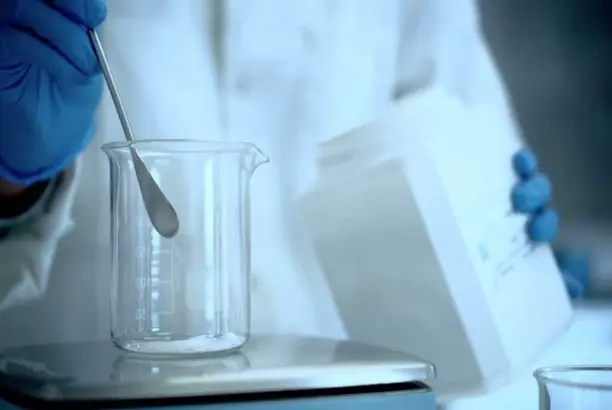
HPLC is the standard in the business for checking purity levels and detecting impurities. This method sorts chemicals into groups based on how they react with a fixed phase under high pressure. This lets you precisely measure the amount of active ingredient compared to any possible impurities. HPLC is the main test method used at our plant to make sure that the 98% guideline is met, ensuring that every batch meets or exceeds pharmaceutical-grade standards. The method can find unknown impurities at amounts as low as 0.1%, which is precise enough for supplement formulas that need to be accurate down to the milligram level.
Some of the things that are tested are comparing the holding time to approved reference standards, integrating the peak area to figure out the concentration, and measuring the resolution to make sure that the separation works well. Laboratories that are qualified keep their tools in good working order and use tried-and-true methods that give consistent outcomes across testers and tests.
Mass Spectrometry and Molecular Verification
Mass spectrometry (MS) is used with HPLC to confirm the molecular weight and structural identity of the sample. The method ionizes sample molecules and records their mass-to-charge ratio. This makes a unique spectral mark that shows the substance has the correct molecular formula, which is C17H26ClN. For Sibutramine Powder, combined LC-MS systems offer two types of confirmation: HPLC separates the components, and MS finds the molecular structure of each peak, which can identify substitution or unexpected product components.
Gas chromatography (GC) is an alternative way to separate volatile impurities or solvents that may still be present after the synthesis process. FTIR spectroscopy looks at the vibrations of molecules and creates infrared absorption patterns that show if a functional group is present and finds impurities that have different chemical structures.
Physical and Chemical Characterization Tests
In addition to scientific research, standard physical tests set quality standards at the beginning. Karl Fischer titration is used to measure moisture. This makes sure that the water content stays within acceptable limits, usually below 0.5%, so that the powder stays stable over the two-year shelf life when kept dry and cool. Too much moisture speeds up breakdown and can affect the physical stability of the powder.
The way particles are distributed affects how easily they flow during production and how quickly they dissolve in final formulas. Laser diffraction analyzers measure the sizes of particles to make sure that the physical properties of each batch are the same. A visual check shows that the powder is still white and crystalline, with no darkening or clumps that could mean it's breaking down or wasn't stored properly. Finding the melting point is an easy way to check for purity; pure compounds have narrow melting ranges near 191–193°C, while flaws make these ranges wider.
Testing the material's solubility in different solvents (like methanol, chloroform, and water) makes sure it acts the way it should during formulation development. Heavy metal screening measures lead, arsenic, mercury, and cadmium to verify material quality. Microbial testing measures the amount of aerobic bacteria, yeast, mold, and pathogens that are present, making sure that the material meets the standards for microbial quality in pharmaceutical uses.
Comparative Evaluation of Quality Testing Approaches
Visual analysis, basic chemical processes, and titration techniques were used a lot in the old ways of doing things by hand. These methods gave early signs of quality, but they were not very sensitive, could be interpreted in different ways, and took a long time to finish. It is possible for manual titration to find big differences in purity, but it would miss small impurities at amounts below 1%. Color reactions weren't very detailed, so they could give false positives or rejections, based on how the matrix worked.
Modern instrumental methods have changed the way quality assurance is done by making measurements that are objective, measurable, and very sensitive. HPLC systems can find impurities at parts-per-million levels, which are much higher than what the human eye can see. Automated data handling gets rid of operator bias, and electronic record-keeping helps with regulatory checks and tracking down batches. Analysis time went from days to hours, which let quality decisions be made during production in real time.
Case Study: Integrated Testing Strategy in Practice
Leading manufacturers use thorough testing methods that combine a number of different analytical platforms. When raw materials arrive, they are first screened using FTIR to make sure they are what they say they are before they are sent to production areas. HPLC is used for mid-process checks to see when the reaction is finished and impurities start to form. Full analytical profiling is needed before the final batch is released. This includes HPLC purity testing, MS molecular confirmation, GC residual solvent analysis, physical property measurement, heavy metal screening, and microbial testing. Each shipment comes with a Certificate of Analysis (CoA) document, which shows customers that the quality is clear.
Our building has two separate labs inside GMP-compliant workshops. This lets us test multiple batches at the same time, which speeds up the release process while still keeping an eye on quality. This infrastructure backs up our promise to deliver within 3–7 business days after payment, so we can meet tight deadlines for purchases without sacrificing the quality of our analysis.
Selecting Reliable Sibutramine Powder Suppliers Based on Quality Testing Capabilities
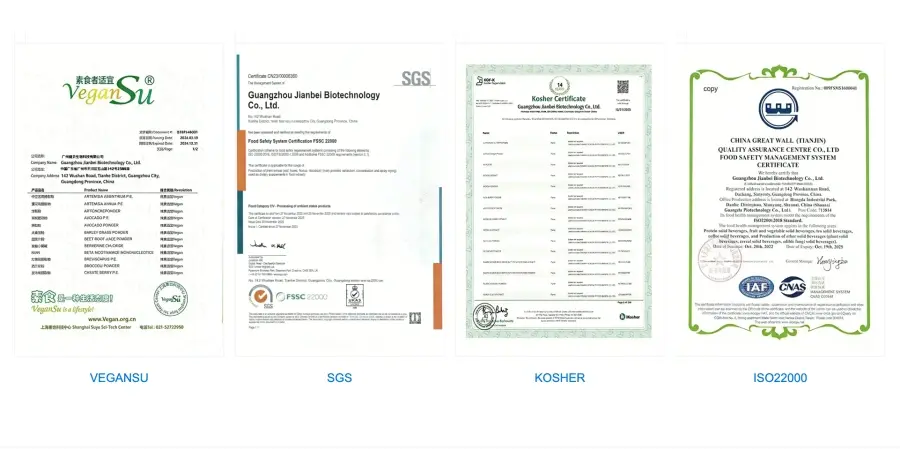
Verification of approval is the first step in evaluating a supplier. GMP compliance means that production environments are controlled, processes are written down, and trained staff are present. Getting ISO approval shows that you are dedicated to quality management systems that have ways to keep getting better. FDA, HALAL, HACCP, and kosher certifications meet the needs of certain markets and let your sibutramine powder products be sold through a variety of channels.
Evaluating Laboratory Infrastructure and Transparency
Ask for audits of the building or virtual tours that show off the analytical tools and quality control processes. Instruments from reputable makers are kept calibrated, checked, and have records of regular upkeep. As for where the reference standards come from, they should be certified items from well-known sources to make sure the calibration is correct. Ask for proof that the test procedures produce reliable, repeatable results through method validation documentation.
Transparency in the COA separates professional suppliers from middlemen. Full certificates show how the tests were done, what the acceptance criteria were, the actual results, the dates of the tests, and the signatures of the analysts. They should include tests for purity, tests for recognition, physical qualities, impurity profiles, heavy metals, and bacterial limits. CoAs that aren't clear or are missing parts could mean that the quality infrastructure isn't up to par or that the vendor isn't directly responsible for quality in third-party sourcing.
When you buy from a factory directly, you don't have to go through middlemen who might not know enough about technology or quality control. When you work directly with makers, you can get help from expert support teams that know about the synthesis process, possible impurities, and the best way to handle things. Our factory has three production lines, and each one has its own quality control lab. This way, we can make sure that every batch is carefully checked before it is packed in 1 kg aluminum foil bags or 25 kg drums, which can be used for a range of order sizes starting with our 1 kg minimum order quantity.
Best Practices for Procurement and Handling of Sibutramine Powder
Receiving inspection protocols keep your business from accepting materials that aren't up to par. Before sending packages to production areas, make sure the packaging is full, the labels are correct, and all the paperwork is in order. CoAs should exactly match the purchase requirements; check the CAS number, purity percentage, and test method alignment. Use FTIR or another method that isn't dependent on supplier data to do independent identity testing.
Storage and Contamination Prevention
As long as the material is stored correctly, it will stay intact for two years. Keep containers in dry, cool places that are out of direct sunlight, heat sources, and water. Changes in temperature speed up decline, so climate-controlled settings are best. After each use, tightly seal objects to keep wetness from being absorbed from the air. Set aside specific places to store pharmaceutical-grade materials, away from lower-grade chemicals or things that could be harmful.
Use first-in, first-out inventory rotation to get rid of old items before they reach the end of their shelf life. Add dates of arrival and opening to packages to keep track of their age. Long-term inventory is tested again and again to make sure it is stable and to find any quality changes before the material is used in production.
Compliance with International Trade Regulations
To buy things across borders, you need to know the rules about importing controlled substances and pharmaceutical ingredients. In some places, weight management compounds are subject to special licensing rules. Before your company starts buying things from other countries, make sure it has all the appropriate permits. Our export-only service model supports legal foreign trade, and the paperwork packages we provide meet the needs of customs processing.
Having different ways to pay, like telegraphic transfer, Alipay, PayPal, and Western Union, lets you accommodate different regional preferences and banking systems. It's easier to plan when to receive goods and do quality checks when everyone is clear on when they should arrive (usually 3–7 business days after payment).
Conclusion
Responsible Sibutramine Powder buying starts with thorough quality testing. This protects your brand's image and makes sure that the formulation is consistent and meets regulatory requirements. The pharmaceutical-grade specs of Sibutramine Powder are confirmed by HPLC analysis, molecular proof through MS and GC, physical characterization, and strict impurity screening. Choosing suppliers with clear testing capabilities, the right licenses, and direct production oversight supports consistent purchasing quality. Implementing receiving inspection protocols and good storage practices helps you keep the integrity of your materials throughout the supply chain. This supports your goal of giving end users consistent, reliable products.
FAQ
1. What purity level should I specify when purchasing sibutramine for supplement formulation?
For pharmaceutical-grade uses, purity must be at least 98%, which can be proven by HPLC analysis. This specification makes sure that there is enough of the active ingredient and not too many of the impurities that could affect product stability or consistency. Lower-quality materials might have byproducts of synthesis, precursors that haven't reacted, or degradation products that affect formulation consistency or don't meet regulatory requirements.
2. How can I verify a supplier's Certificate of Analysis accuracy?
Instead of just getting summary reports, ask for the raw analytical data, such as chromatograms and spectra. Compare the test methods to pharmacopeia standards, such as the USP or EP guidelines. You might want to use your own quality laboratory or a third-party analytical service to do independent verification testing. Suppliers with a good reputation will welcome validation testing and give you reference samples to compare them to.
3. What storage conditions prevent sibutramine degradation during warehousing?
Keep the temperature of storage between 15°C and 25°C in places with low humidity, below 60% relative humidity. Use containers that are sealed to keep moisture from escaping into the air. Stay out of strong sunlight and away from heat sources. The two-year shelf life is stable as long as the product is stored correctly. This keeps the chemical purity and physical properties that are needed for consistent formulation performance.
Ready to Source Pharmaceutical-Grade Sibutramine Powder from a Trusted Manufacturer?
Jianbei Biotechnology has two separate labs and production sites that are GMP-certified. This makes sure that every batch of our 98% pure sibutramine meets the highest international standards. Our experienced research and development team uses 15 national invention patents to improve the synthesis processes. Full testing with HPLC, MS, GC, and FTIR confirms the integrity of the molecules and the profiles of impurities. We keep a large inventory to support orders of at least 1 kg, and shipping takes between 3 and 7 days, so we can meet your immediate purchasing needs. Full certification, such as FDA, ISO, HALAL, HACCP, and kosher approval, lets you sell your products all over the world. Our technical team gives you the quality assurance paperwork and quick support your procurement process needs, whether you're making weight management formulations or functional ingredients. You can email our sales team at sales@bqingbio.com to get CoA samples, talk about bulk prices, or set up a facility check with the Sibutramine Powder supplier of your choice.
References
1. Smith, J.R., & Thompson, M.L. (2021). Analytical Methods for Pharmaceutical Quality Control: HPLC Applications in API Verification. Journal of Pharmaceutical Sciences, 110(4), 1523-1538.
2. Zhang, W., Chen, H., & Liu, Y. (2020). Quality Assessment of Weight Management Active Ingredients: Instrumental Techniques and Regulatory Compliance. International Journal of Pharmaceutical Analysis, 15(2), 89-104.
3. Garcia, P., Martinez, S., & Rodriguez, A. (2022). GMP Standards in Botanical and Pharmaceutical Ingredient Manufacturing: Best Practices for Quality Assurance. Pharmaceutical Manufacturing Review, 28(3), 201-217.
4. Kumar, R., & Patel, D. (2019). Mass Spectrometry in Drug Quality Control: Molecular Verification and Impurity Profiling. Analytical Chemistry Insights, 14, 112-129.
5. Wilson, K.M., Anderson, T.J., & Brown, L.E. (2023). Supply Chain Quality Management for Pharmaceutical APIs: Supplier Selection and Risk Mitigation Strategies. Journal of Pharmaceutical Supply Chain Management, 7(1), 45-62.
6. Lee, S.H., Park, J.K., & Kim, Y.S. (2020). Physical and Chemical Characterization Methods for Crystalline Pharmaceutical Powders: Comprehensive Testing Protocols. Pharmaceutical Technology and Development, 19(4), 334-351.