- English
- French
- German
- Portuguese
- Spanish
- Russian
- Japanese
- Korean
- Arabic
- Greek
- German
- Turkish
- Italian
- Danish
- Romanian
- Indonesian
- Czech
- Afrikaans
- Swedish
- Polish
- Basque
- Catalan
- Esperanto
- Hindi
- Lao
- Albanian
- Amharic
- Armenian
- Azerbaijani
- Belarusian
- Bengali
- Bosnian
- Bulgarian
- Cebuano
- Chichewa
- Corsican
- Croatian
- Dutch
- Estonian
- Filipino
- Finnish
- Frisian
- Galician
- Georgian
- Gujarati
- Haitian
- Hausa
- Hawaiian
- Hebrew
- Hmong
- Hungarian
- Icelandic
- Igbo
- Javanese
- Kannada
- Kazakh
- Khmer
- Kurdish
- Kyrgyz
- Latin
- Latvian
- Lithuanian
- Luxembou..
- Macedonian
- Malagasy
- Malay
- Malayalam
- Maltese
- Maori
- Marathi
- Mongolian
- Burmese
- Nepali
- Norwegian
- Pashto
- Persian
- Punjabi
- Serbian
- Sesotho
- Sinhala
- Slovak
- Slovenian
- Somali
- Samoan
- Scots Gaelic
- Shona
- Sindhi
- Sundanese
- Swahili
- Tajik
- Tamil
- Telugu
- Thai
- Ukrainian
- Urdu
- Uzbek
- Vietnamese
- Welsh
- Xhosa
- Yiddish
- Yoruba
- Zulu
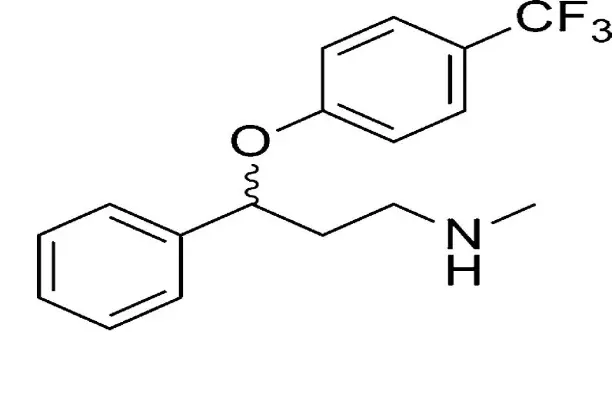
People in charge of buying things and people in charge of research and development need to know about the strict quality standards that apply to pharmaceutical-grade active ingredients. When it comes to fluconazole powder, which is an active ingredient in antifungal products, it has to meet strict quality control standards. These standards include thorough analysis methods, management of the production environment, and proof across a number of testing parameters. It's interesting that these rules are a lot like those for other drug powders, like fluoxetine powder, which is a selective serotonin reuptake inhibitor. To make sure that both chemicals can be used as medicine, they need to be very pure (usually 98% or higher), have strict rules against contamination, and be tested using accepted methods such as HPLC. By knowing these patterns, procurement workers can better judge sellers across a wide range of pharmaceutical categories and make decisions based on following the law and making sure that each batch is the same.
Understanding Quality Control Challenges in Fluconazole Powder
There are ongoing issues in the drug business that can make the active ingredients less effective. This is because of how it is made and how it works with other chemicals, so it is hard to tell if the powder is good or not. Deviations in quality are the biggest problem. Even small changes below target levels can change how well antifungal products work. As soon as bacteria get into the process of making or packing something, they can pose safety risks that are carefully looked over by the government.
Chemical pollution from chemicals or steps of the process that are still used can hurt the product or make it less stable on the shelf. Particle sizes that aren't always the same mess up the steps that follow, which makes doses in pills and tablets less even. To make things even more difficult, changes in solubility have an immediate impact on how well the product performs.
A lot of important things are to blame for these problems. Different sources of starting substances may have small amounts of impurities in them, which makes the process less certain even before it starts. The crystallization or cooling steps could become contaminated or break down if there aren't enough controls on them. When kept in less-than-ideal settings, like when they are exposed to light, water, or changes in temperature, chemicals break down and bacteria grow faster.
They can find these quality problem reasons further down the supply chain if they work as purchasing pros in the business-to-business world. When making a big buy, it's best to go with a company that has a history of following good manufacturing practices (GMP), testing their products thoroughly during production, and keeping an eye on the environment. Early norms are set by making sure there are clear ways to talk about batch tracking and Certificate of Analysis (CoA) needs. The quality of end products is protected, and work plans and regulatory standing are kept safe with this method.
Core Quality Control Parameters for Fluconazole Powder
Purity and Assay Analysis
Pharmaceutical quality control is still based on getting the right readings on how much fluconazole is present. HPLC is the best way to do a study because it can correctly separate and find the substance you want to find, along with any pollutants that might be present. UV-Vis and IR spectroscopy are two types of spectroscopy that can be used to help show the names of molecules in more ways. Those suppliers who have a good name keep test results between 98.0% and 102.0% for a long time, as required by the USP or EP groups. These rules make sure that all batches of drugs are consistent and follow the law in the biggest drug markets.
Physical Property Testing
How well drugs are made and how well they perform are both affected by the range of particle sizes. The ranges of particle sizes are found by laser diffraction analysis. It depends on the recipe what the D50 number should be. Usually, it should be between 5 and 50 micrometers. Tinier particles tend to dissolve faster, but they can be harder to work with because they can build up static electricity. The Karl Fischer titration method, which generally limits the range to 0.5% or less, can be used to test the moisture level without having to worry about stability issues. Too much water speeds up the breakdown process and helps bacteria grow while the food is being stored. Taking measurements of mass density helps with packing decisions and the mixing steps that follow. This makes sure that automatic production systems always use volumetric doses.
Contaminant Control Protocols
Fluoxetine powder is kept out by heavy metal screening, just like dangerous metals like lead, mercury, cadmium, and arsenic are kept out. The limits are usually set at 20 parts per million (ppm) or less. ICP-MS, which stands for inductively coupled plasma mass spectrometry, can find very small elements. With residual solvent research, you can find organic molecules like methanol, ethanol, or acetone that were used in the production process. When you use ICH Q3C standards with gas chromatography (GC), you get accurate results. Microbial testing involves counting all aerobic bacteria, yeasts, and molds, as well as looking for specific microorganisms like E. coli and Salmonella. These tried-and-true methods help make sure that rules are followed and product quality is maintained throughout the whole chain of medicine supply.
Comparative Quality Control: Fluconazole vs. Fluoxetine Powder
Pharmaceutical buying teams often deal with more than one active ingredient at the same time, so it is helpful to use comparative quality standards to judge sources. There are high standards for both fluconazole and fluoxetine powder, even though they are used for very different types of products.
They must both pass pure tests that show at least 98% content when tested via HPLC in order to meet pharmaceutical-grade standards. It's the same with impurity analysis: the total amount of impurities must be 0.5% or less, and 0.1% of them must be unknown. Everyone has to follow the same rules when it comes to heavy metals. They keep things from getting dirty, which could make something unsafe or speed up the breakdown process. In order for it to work properly, there must be no unwanted microorganisms and a low total viable count.
There are changes in molecular makeup and chemical reactivity between these things, even though they look the same. Fluconazole is more easily broken down by light and water, so it needs to be packed in dark, water-resistant materials that also have desiccant in them. Because it is a solid hydrochloride salt (CAS 54910-89-3), fluoxetine powder, produced by businesses like Jianbei Biotechnology, is more stable at room temperature. Even so, it can be kept for up to two years in a cool, dry place under certain conditions. The buyer has to decide how much to package, how much space is needed in the building, and how flexible the supply chain needs to be based on this difference in steadiness.
Fluconazole is more likely to be damaged when the temperature changes while it is being shipped abroad, so it needs to be handled in a way that keeps the temperature fixed and is always being watched. Fluoxetine is easy to carry in large amounts because it can handle small changes in temperature better. It's important to think about these practical differences when picking a supplier: companies that work with moisture-sensitive compounds should be able to show that they can work with both materials, while companies that focus on standard shipping may do well with fluoxetine logistics but not so well with fluconazole ones. To help buying teams match the skills of sellers with the needs of different product lines for certain ingredients, comparative quality grids with data on stability, packing needs, and handling methods are used.
Supplier Quality Assurance and Verification Processes
Regulatory Compliance and Certifications
The first step in finding makers with real quality control systems, such as those producing Fluoxetine powder, is to check their government qualifications. Compliance with Current Good Manufacturing Practice (cGMP) is the bare minimum. It means that FDA rules or similar standards from other countries are being followed. If your company gets ISO 9001 approval, you have a way to manage quality that isn't just for medicines. Getting extra licenses like HACCP, HALAL, and Kosher ones can help you reach more customers and show that you care a lot about quality. Audits by outside groups like NSF International or SGS are proof that what a company says about itself matches what it actually does.
Documentation and Traceability Systems
When you have all the papers, you can back up claims about quality with proof that can be checked. There is a Certificate of Analysis (CoA) for each batch that has all the important test results written on it. This includes lab values, impurity profiles, and microbial counts. Material Safety Data Sheets (MSDS) tell you what to do in case of an emergency and how to handle materials. Stability tests find out how long something can be kept in a certain way. These tests generally follow ICH guidelines for both short-term and long-term testing. Raw materials can be tracked back to the people who sold them through documentation that links the produced powder to those people. In this way, quality problems can be quickly fixed if they happen again. The batch manufacturing records keep track of information from weather tracking and in-process controls. This makes it easy to see how the production process works. Users can get this information in real time from suppliers who keep their digital quality management systems up to date. This speeds up the buying process and filing with the government.
Audit Strategies for Bulk Procurement
If you want to buy a lot of drugs without taking too many risks, you should check out the seller in person, not just on paper. During on-site audits, inspectors can see for themselves how companies work, how they train their workers, and how they keep their tools in good shape. It is important to make sure that the air controls in a cleanroom do what they are supposed to do. Keep track of your lab tools' calibration records to see how accurate your readings have been over time. You can see how companies deal with quality issues by seeing how they handle complaints and how they fix problems. Videoconferencing-based online audits are a cheap way to do routine checks or keep an eye on things between visits. When the company's own resources aren't enough, getting outside auditors can help. Before you sign a supply agreement, these proof steps help build trust, and they keep doing that for as long as you work together.
Storage, Handling, and Transportation Standards for Fluconazole Powder
Environmental Control Requirements
Medicinal powder needs to be kept pure from the time it is made until it is mixed with other ingredients. Fluconazole usually works best at temperatures between 15°C and 25°C. This is done to avoid weather stress, which makes things break down faster. Keeping the relative humidity below 60% stops water from entering, which can lead to cracks or clumps. Photodegradation tracks that could break light-sensitive molecule bonds are stopped by opaque containers that can't let light through. To keep warehouse storage areas safe, they need environmental tracking systems with alarms that can be used to make sure someone is there when things get out of hand. Containers with smaller amounts (1 kilogram units) should be sealed with aluminum foil bags. For bigger numbers (25 kg standard), fiber drums with plastic covers should be used. This keeps airborne contaminants out. As long as the right storage rules are followed, the desiccant packets inside the package soak up any wetness that is still there. This makes the product last longer.
Logistics and Transportation Best Practices
Fluoxetine powder enters global medicine supply lines, causing environmental problems during travel that need to be managed ahead of time. Keeping temperatures fixed across climate zones is possible with shipping in cooled cases or using gel packs to keep things cool. Real-time temperature loggers keep track of conditions during the trip. This shows that the rules were followed and points out any problems that might have happened. Moving things around can damage packing, so it's important to use padded boards and stack things safely. To keep things moving quickly at the border, packages need to have the right paperwork, like customs reports, phytosanitary certificates for some markets, and, if needed, signs for certain goods. When suppliers ship multiple things at once, they save money on freight costs and still protect each item separately. Clear rules for how buyers and sellers can talk to each other about tracking packages, guessing when they'll arrive, and confirming acceptance make things go more smoothly. To give you an example of this method, Jianbei Biotechnology usually delivers items 3–7 business days after you show proof of payment. They also accept many payment methods, including Western Union, Alipay, and telegraphic transfer. This makes it easier for companies in different countries to do business with each other.
Conclusion
Before you can buy pharmaceutical ingredients, you need to know a lot about the systems that make sure drugs work right and follow the rules. Fluconazole powder quality standards include strict tests to make sure it is pure, to describe its physical features, and to look for contamination. All of these things are important for making sure product quality and the production process go smoothly. It's easier to judge sources for all ingredient groups when you know the same rules apply to related pharmaceutical powders. Suppliers are checked by things like audits, looking over paperwork, and checking certificates. This builds trust in quality management. The last step in the quality assurance cycle is to keep an eye on the surroundings while the product is being stored and shipped. This makes sure that the ingredients stay pure from the time they are made until they are used. When procurement professionals use these factors to pick sellers, they build strong supply chains that keep products performing well and following rules in all global markets.
FAQ
1. What certifications should I look for when sourcing pharmaceutical-grade powder?
One of the requirements for priority approvals is cGMP compliance, which shows that the company follows FDA or similar rules for production. If your company has ISO 9001 certification, it means that you use structured quality control in every step. The fact that HACCP has been approved shows that the rules for keeping products safe can be used in factories. Depending on who you want to buy from, getting extra approvals like HALAL, Kosher, and others can help you reach more people. Sites that ship to U.S. markets are protected by regulations when they are registered with the FDA.
2. How can I verify the purity of bulk shipments upon arrival?
Check that the Certificates of Analysis (CoA) you are given match the batch numbers on the packages you have bought and show that the test results meet the needs of the purchase. Separate analysis labs should be hired by a third party to test incoming materials and make sure they are right before they are accepted. When setting up selection methods, make sure you follow statistical rules to get a sample that is representative of the whole group. Save trust samples to use as guides in the future, in case there are quality problems with the product while it's still fresh.
3. What storage conditions maximize shelf life for pharmaceutical powders?
The temperature should be between 15°C and 25°C, and the humidity should be less than 60%. You won't have to deal with changes in warmth or wetness this way. Don't let light in. For example, keep sealed cases with desiccant bags in dark caves or rooms with strong ceiling lights. If you want to get rid of old stock before it degrades, use first-in, first-out (FIFO) inventory recycling. Chemicals like fluoxetine powder usually reach this point two years after being stored properly in a sealed container.
Partner with Jianbei for Reliable Pharmaceutical Powder Supply
Jianbei Biotechnology Co., Ltd. can help you find the medicinal products you need. They sell Fluoxetine powder that is very pure and promise its quality. Two separate testing labs and three separate production lines make sure that the quality of each batch meets the standards set by international regulators. Our Guangzhou plants are GMP-certified. We offer both new technology and reliability. There are 15 national idea patents and 8 utility model patents that protect important processes.
We made sure that our Fluoxetine is 98% pure (CAS 54910-89-3) by testing it with HPLC. More than that, the FDA, ISO, HALAL, HACCP, and GMP have all approved it. You can pay in a number of ways, such as with a telegraphic transfer, Alipay, PayPal, or Western Union, and get it fast (in 3 to 7 working days). You can buy as little as 1 kilogram. For big sales, standard 25-kilogram drums are used, and for small amounts, sealed metal foil bags are used. This keeps the product stable during global logistics. You can talk to our team about your needs, ask for group paperwork, or set up a review of a sample by emailing sales@bqingbio.com.
References
1. United States Pharmacopeia. "Fluconazole Powder Monograph." USP-NF General Chapter on Pharmaceutical Compounding Standards, 2023 Edition.
2. International Conference on Harmonisation. "Impurities: Guideline for Residual Solvents Q3C(R8)." ICH Quality Guidelines for Pharmaceutical Development, 2021.
3. European Pharmacopoeia Commission. "Analytical Methods for Antifungal Active Pharmaceutical Ingredients." European Pharmacopoeia 11th Edition, 2023.
4. World Health Organization. "Quality Assurance of Pharmaceuticals: Good Manufacturing Practices and Inspection." WHO Technical Report Series No. 986, 2022.
5. American Society for Testing and Materials. "Standard Test Methods for Particle Size Distribution of Pharmaceutical Powders." ASTM E2651-19 Pharmaceutical Standards, 2019.
6. Pharmaceutical Inspection Co-operation Scheme. "Guide to Good Manufacturing Practice for Medicinal Products: Annexes on Quality Control Testing." PIC/S GMP Guide PE 009-17, 2023.