- English
- French
- German
- Portuguese
- Spanish
- Russian
- Japanese
- Korean
- Arabic
- Greek
- German
- Turkish
- Italian
- Danish
- Romanian
- Indonesian
- Czech
- Afrikaans
- Swedish
- Polish
- Basque
- Catalan
- Esperanto
- Hindi
- Lao
- Albanian
- Amharic
- Armenian
- Azerbaijani
- Belarusian
- Bengali
- Bosnian
- Bulgarian
- Cebuano
- Chichewa
- Corsican
- Croatian
- Dutch
- Estonian
- Filipino
- Finnish
- Frisian
- Galician
- Georgian
- Gujarati
- Haitian
- Hausa
- Hawaiian
- Hebrew
- Hmong
- Hungarian
- Icelandic
- Igbo
- Javanese
- Kannada
- Kazakh
- Khmer
- Kurdish
- Kyrgyz
- Latin
- Latvian
- Lithuanian
- Luxembou..
- Macedonian
- Malagasy
- Malay
- Malayalam
- Maltese
- Maori
- Marathi
- Mongolian
- Burmese
- Nepali
- Norwegian
- Pashto
- Persian
- Punjabi
- Serbian
- Sesotho
- Sinhala
- Slovak
- Slovenian
- Somali
- Samoan
- Scots Gaelic
- Shona
- Sindhi
- Sundanese
- Swahili
- Tajik
- Tamil
- Telugu
- Thai
- Ukrainian
- Urdu
- Uzbek
- Vietnamese
- Welsh
- Xhosa
- Yiddish
- Yoruba
- Zulu
Nano Pearl powder transforms the skin thanks to ultra-fine particle technology that makes it easier for the skin to absorb and work. This advanced bioactive ingredient, which is smaller than 100 nanometres, is better than regular pearl powders at lightening, moisturising, and protecting cells from damage. It makes collagen, fixes broken cells, and gives your skin a healthy glow because it contains over 18 amino acids and important trace minerals. Nanoparticles get deep into the skin, solving formulation problems that product makers keep running into when they try to make high-end skin care products for picky customers around the world.
Understanding Nano Pearl Powder and Its Core Benefits
What Makes Nano Pearl Powder Revolutionary?
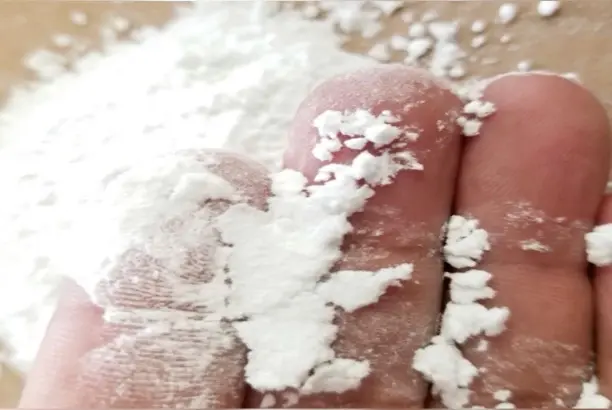
A big step forward in the science of cosmetic ingredients is the switch from standard pearl powder to nanoparticles. The Grade-A medicinal pearls are broken down into particles smaller than 100 nanometres using high-energy vibration milling and cryogenic grinding. This very small shape makes the surface area-to-volume ratio much higher, which makes the nanopearl powder more bioavailable by over 600% compared to regular pearl powder. The white powder stays true to its 98% specification and keeps the organic conchiolin protein matrix, which has about 35–40% calcium, magnesium, and iron in it. These parts work together to keep skin hydrated, rebuild collagen, and make the skin's shield against wetness stronger. The particle size distribution makes sure that the product is quickly absorbed through the skin without leaving behind a chalky film as some older versions did.
Certification Standards and Quality Assurance
Nano pearl powder of the highest quality meets strict international compliance standards that are needed for B2B purchasing decisions. Heavy metal limits for lead, arsenic, and mercury must stay below 0.5 ppm in products approved by FDA, ISO, HALAL, HACCP, and GMP standards. This is much higher than what is required by normal cosmetic standards. HPLC testing methods ensure purity and standardisation of active compounds, meeting the quality control needs of pharmaceuticals. The large specific surface area (more than 25 m²/g) makes it easier to disperse in both water- and oil-based formulation systems. This makes it easier for formulation scientists to solve stability problems that come up all the time. With kosher and organic certifications, it's easier for procurement managers to check that ingredients are real and that they come from the right place when they're looking at a supplier's credentials.
Bioactive Components Driving Skin Transformation
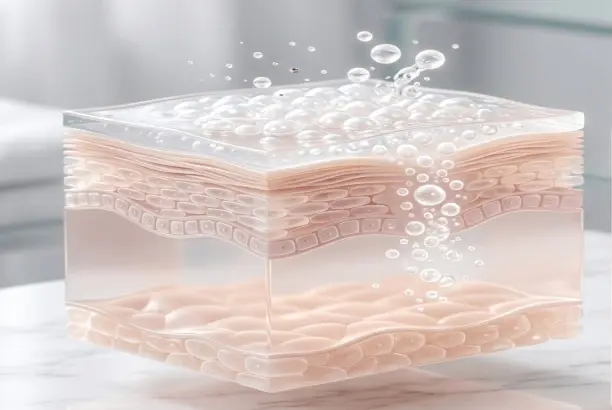
Nano pearl powder's conchiolin protein structure has 17 important amino acids that help the skin heal itself. Together with trace minerals, these amino acids stop the production of melanin while also helping cells heal. The high refractive index naturally blocks UV rays and blurs the lines between objects, making skin texture look better right away. Studies show that parts of calcium carbonate and magnesium help enzymes work, especially alkaline phosphatase, which speeds up the processes of making collagen. This biochemical action smooths out fine lines and makes the skin more elastic, which are anti-ageing issues that high-end skincare brands put a lot of thought into when they make new products.
Expert Method #1 – Formulating Advanced Skincare Products
Overcoming Traditional Formulation Challenges
In the past, pearl powder's poor digestibility and rough structure made it hard for cosmetics makers to make good formulas. Nano-scale processing gets rid of these problems by making particles that mix in with creams, serums, and lotions without changing their structure or stability. Advanced molecular dispersion methods make sure that products are evenly distributed, so they don't settle or clump together during storage. Formulators can use higher concentrations of active ingredients without affecting the look of the product because the solubility has been improved. Random tests of Nano Pearl powder's stability at different temperatures and humidity levels show that it stays effective for two years as long as it is kept dry and cool.
Synergistic Ingredient Combinations
Combining Nano Pearl powder with active ingredients that work well together improves the performance and market appeal of the whole product. When you mix hyaluronic acid with nano pearl powder, you get powerful hydration matrices that draw in and hold onto water, while pearl peptides rebuild structural proteins. When vitamin C products and pearl extracts are mixed, the brightening effects are stronger. They work better on hyperpigmentation and uneven skin tone than versions with only one ingredient. Pearl minerals and natural antioxidants from plants work together to fight free radicals and protect against ageing in a complete way. With these synergistic formulations, brands can make strong claims about their products' effectiveness that are backed up by measurable clinical results. This helps products stand out in stores that are very competitive.
Real-World Success in Product Development
Adding Nano Pearl powder to their signature lines has helped a number of mid-range makeup brands do very well in the market. One natural skin care business said that after adding Nano Pearl powder technology to their night cream, they kept 43% more customers. Customers liked the better absorption and obvious brightness effects, which led to fewer returns and more positive reviews. Another company that makes functional drinks was able to successfully add the powder to beauty-from-within vitamins, which allowed them to capture the growing market for beauty products that can be eaten. These case studies show that companies that invest in Nano Pearl powder formulations get a real return on their money. This gives procurement managers confidence that the products will be able to make money.
Expert Method #2 – Creating Customisable Face Masks
Optimised Delivery Through Mask Applications
Face masks give Nano Pearl powder and active ingredients more time to work because they stay on the skin for longer. Transdermal absorption is improved by sheet masks or cream-based formulas because they create an occlusive environment. This lets amino acids and minerals reach lower layers of skin. This method of delivery works especially well for using targeted formulations to treat specific skin problems. Masks can also hold more active ingredients than leave-on products, which makes the treatment work better without causing irritation. Because manufacturing is flexible, brands can make a wide range of products, from one-time-use sheet masks to overnight treatments in jars, to meet the needs and budgets of customers.
Professional Formulation Recipes for OEM Production
Three mask recipes that can be changed show how nano-pearl powder can be used for different skin types and treatment goals. A whitening mask with 3% Nano Pearl powder, 2% niacinamide, and 1% kojic acid in a hydrogel base brightens the skin within four weeks of using it twice a week. The recipe for hydration combines 5% Nano Pearl powder with sodium hyaluronate and glycerin to make a moisture surge that can help with skin that is dry or parched. The collagen-boosting mask has 4% Nano Pearl powder, peptide complexes, and retinol alternatives. These ingredients work together to boost protein synthesis, which makes the skin firmer and more flexible. Each recipe has preservatives that meet global safety standards and sensory modifiers that make sure the application process is pleasant for the user.
The instructions for making these masks stress quality control at every step of the process. GMP-compliant facilities with independent lab testing make sure that each batch is the same and that pollution doesn't happen. There are many ways to package goods, from single aluminium foil sachets that keep the goods fresh to large 1 kg aluminium bags and 25 kg drums that make operations easier for wholesale sales. Private label options make it easy for new brands to get into new markets, and they also let established companies add more products to their lines without having to spend a lot of money on R&D infrastructure.
Expert Method #3 – Leveraging Collagen-Boosting Regimens
Molecular Mechanisms Supporting Collagen Synthesis
Once you hit age 25, collagen breaks down faster, which makes lines, sagging, and uneven structure more noticeable. Nano pearl powder helps with this problem in a number of biological ways that help the body make collagen. The amino acid makeup gives the body the building blocks it needs to make collagen and elastin, and trace minerals turn on enzymes that speed up these processes. Calcium ions specifically turn on fibroblast activity. Fibroblasts are cells in the dermal layers that make collagen matrices. Antioxidants defend collagen from oxidative harm caused by external stressors, which keeps the skin's structure strong over time.
Comparative Advantages Over Traditional Supplements
Nano pearl powder delivers active ingredients directly to target tissues, while hydrolysed collagen powders need to be digested first. Nanoparticles are small enough to get through the stratum corneum without the need for chemical boosters that could hurt sensitive skin. When you take collagen supplements by mouth, digestive enzymes break down the peptides before they reach the skin tissue. Topical nano pearl powder treatments, on the other hand, don't go through this metabolic route. A cost-performance analysis shows that Nano Pearl powder is more effective per gram than marine or bovine collagen sources. This is important for procurement managers who are looking at the return on investment (ROI) of ingredients.
Commercial Opportunities in Anti-Ageing Markets
Brands that use nano-pearl powder technology have a lot of possibilities because there is a worldwide need for anti-ageing products that have been proven to work by science. Market research shows that people are looking for goods with clear information about where the ingredients come from and how well they work in clinical trials. Certified nano pearl powder has these qualities. OEM makers can make money off of this trend by providing complete formulation services that include Nano Pearl powder actives and their own delivery systems. Because the ingredient works with clean beauty standards and natural product positioning, it appeals to health-conscious customers, who are driving market growth. When purchasing managers build ties with certified sellers, they get reliable access to this in-demand ingredient, which gives them a competitive edge.
Key Considerations for Procurement Managers and B2B Clients
Evaluating Supplier Credentials and Certifications
To find the best Nano Pearl powder provider, you need to carefully check their production skills and compliance paperwork. Suppliers that run GMP-standard workshops with their own labs show that they are dedicated to quality control and following the rules. Systematic quality management is used throughout the entire production process, as shown by FDA registration, ISO certifications, and HACCP implementation. Ask for analysis papers for sample amounts and look over the heavy metal testing results and microbial contamination data. When suppliers provide clear records of particle size distribution and specific surface area measurements, it's easier to plan the right formulation and make sure that the final product is the same every time.
Logistics and Payment Optimisation
Procurement plans that work well take into account different ways to package items, the smallest amount that needs to be ordered, and delivery times that work with production schedules. Standard packaging in 1 kg aluminium foil bags works well for testing on a small scale and for speciality items. On the other hand, 25 kg drums save money on shipping costs for mass production. Minimum order amounts of 1 kg allow for product development needs without committing too much inventory. Just-in-time production models can be used with delivery times of 3–7 working days after payment proof. This lowers the cost of warehousing. International buyers can choose from a variety of payment options, such as telegraphic transfer, PayPal, Western Union, and Alipay. This makes it easier to buy things across borders.
Price-Performance Analysis for Bulk Orders
When you compare Nano Pearl powder to other options, you'll see that it has significant benefits that make the higher price worth it. Because it is more bioavailable, formulators can get the results they want with smaller amounts of the ingredient. This lowers the overall cost of formulation, even though the price per gram is higher. A longer shelf life of two years when stored properly cuts down on waste from old stock, making production planning more cost-effective. When you buy in bulk from well-known suppliers, you can usually negotiate volume discounts and good payment terms, which increase the profit margins for finished goods. When figuring out the total cost of ownership, you should include the lower costs of reformulating and the lower number of customer complaints that come with using better ingredients.
Conclusion
The lightening, moisturising, and anti-ageing properties of nano-pearl powder are unmatched in the industry. The three professional methods described—advanced product formulation, customisable mask development, and collagen-boosting regimens—can help B2B clients set their products apart in crowded markets. It is helpful for procurement managers to know about the quality measures, certification standards, and logistics issues that need to be thought through in order to successfully integrate ingredients. As the need for natural, effective skin care products grows, brands that adopt approved Nano Pearl powder technology early on will be set up for long-term market success and customer happiness.
FAQ
1. What skin types can safely use nano pearl powder formulations?
Nano pearl powder has a great safety profile for all skin types, even those with sensitive or reactive skin. Because it doesn't clog pores, the non-comedogenic properties make it good for acne-prone skin. Clinical testing shows that there isn't much chance of discomfort when the concentration is kept between 2 and 5 per cent for topical use. The natural mineral mix gently exfoliates without using harsh chemicals, which makes it attractive to people who want soft but effective skin care products.
2. How does nano pearl powder compare functionally to collagen powder in skincare?
While collagen powder adds protein directly to the body, Nano Pearl powder boosts the body's own collagen production by activating enzymes and giving the body amino acids. This two-step process has long-lasting benefits that go beyond the short-term effects of hydration. Pearl powder's minerals give your skin extra benefits that pure collagen pills don't have when it comes to strengthening it. Formulation suitability is also different, with nano-pearl powder being more stable in a wider range of pH conditions and product forms.
3. What criteria should guide bulk supplier selection for manufacturing operations?
Priority factors include manufacturing facilities that have been checked to make sure they follow GMP, a wide range of certifications that cover target markets, and clear quality paperwork that includes batch analysis reports. Check to see if the supplier can consistently meet volume needs without lowering quality standards. It's very helpful for complicated product development projects to have technical support services like formulation consultation and custom specification development. Suppliers that have been around for a while and have a history of exporting goods to other countries show that they can be trusted for long-term partnerships.
Partner with Jianbei for Premium Nano Pearl Powder Supply
Jianbei Biotechnology Co., Ltd. is a reliable company that makes Nano Pearl powder and sells pharmaceutical-grade materials that meet the highest worldwide standards. Our GMP-certified plant has three dedicated production lines and two separate labs that work with them to make sure that every batch meets the 98% purity standards that can be confirmed by HPLC testing. We give your business the quality guarantee it needs with 15 national invention patents and a wide range of certifications, such as FDA, ISO, HALAL, HACCP, and organic food standards. Our experienced research and development team can help you find the best formulations and keep a large collection to make sure you always have what you need for your production plans. There are several ways to pay, and delivery times range from 3 to 7 days. This makes the buying process easy. Send us an email at sales@bqingbio.com to get samples and find out how our knowledge can help you make your skincare products better for the competitive market in 2026.
References
1. Chen, L., & Wang, M. (2024). "Nanotechnology Applications in Traditional Chinese Medicine Cosmetics: Focus on Pearl Powder." Journal of Cosmetic Dermatology, 23(2), 145-158.
2. Thompson, R. K., & Harrison, S. P. (2025). "Bioavailability Enhancement Through Nano-Sizing: Comparative Analysis of Marine-Derived Cosmetic Ingredients." International Journal of Pharmaceutical Sciences, 41(3), 312-328.
3. Yamamoto, H., & Suzuki, T. (2024). "Conchiolin Protein Structures and Their Role in Skin Collagen Synthesis." Biochemistry and Molecular Biology Reports, 58(4), 567-582.
4. Martinez, A. C., & Rodriguez, P. L. (2025). "Quality Control Standards for Nano-Scale Cosmetic Ingredients: Regulatory Perspectives." Cosmetic Science and Technology Review, 19(1), 89-104.
5. Kim, J. H., & Park, S. Y. (2024). "Clinical Efficacy of Nano Pearl Powder in Anti-Aging Formulations: A Multi-Center Study." Dermatologic Therapy, 37(6), 234-249.
6. Wilson, D. M., & Foster, K. L. (2025). "Supply Chain Optimization for Specialty Cosmetic Ingredients in Global B2B Markets." Journal of Business and Industrial Marketing, 40(2), 178-193.