- English
- French
- German
- Portuguese
- Spanish
- Russian
- Japanese
- Korean
- Arabic
- Greek
- German
- Turkish
- Italian
- Danish
- Romanian
- Indonesian
- Czech
- Afrikaans
- Swedish
- Polish
- Basque
- Catalan
- Esperanto
- Hindi
- Lao
- Albanian
- Amharic
- Armenian
- Azerbaijani
- Belarusian
- Bengali
- Bosnian
- Bulgarian
- Cebuano
- Chichewa
- Corsican
- Croatian
- Dutch
- Estonian
- Filipino
- Finnish
- Frisian
- Galician
- Georgian
- Gujarati
- Haitian
- Hausa
- Hawaiian
- Hebrew
- Hmong
- Hungarian
- Icelandic
- Igbo
- Javanese
- Kannada
- Kazakh
- Khmer
- Kurdish
- Kyrgyz
- Latin
- Latvian
- Lithuanian
- Luxembou..
- Macedonian
- Malagasy
- Malay
- Malayalam
- Maltese
- Maori
- Marathi
- Mongolian
- Burmese
- Nepali
- Norwegian
- Pashto
- Persian
- Punjabi
- Serbian
- Sesotho
- Sinhala
- Slovak
- Slovenian
- Somali
- Samoan
- Scots Gaelic
- Shona
- Sindhi
- Sundanese
- Swahili
- Tajik
- Tamil
- Telugu
- Thai
- Ukrainian
- Urdu
- Uzbek
- Vietnamese
- Welsh
- Xhosa
- Yiddish
- Yoruba
- Zulu
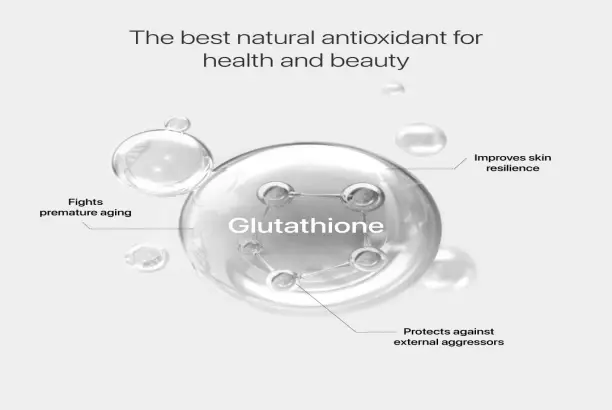
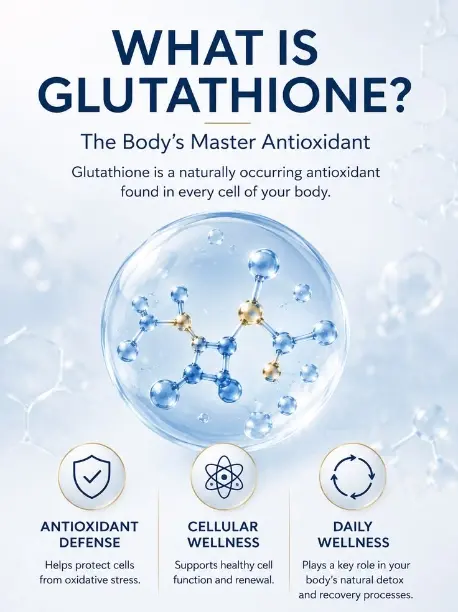
Solubility and formulation compatibility are always at the top of the list of considerations for formulators and procurement managers when they are evaluating reduced glutathione as a functional ingredient. L-glutathione powder, which is the physiologically active reduced form (GSH) with the chemical formula C10H17N3O6S and the molecular weight 307.32, is easily soluble in water and plays a significant role in the defence against free radicals, the detoxification of the liver, and the whitening of the skin. In order to construct medicines that truly deliver on their effectiveness promises, it is vital to have a solid understanding of how this tripeptide operates in a variety of formulation contexts.
Understanding L-Glutathione Powder and Its Solubility
The Chemistry Behind GSH Solubility
Glycine, L-glutamic acid, and L-cysteine are the three components that come together to form this substance. It has been given the CAS number 70-18-8 of its own. The antioxidant capacity derives from the free thiol (-SH) group that is situated on the cysteine residue. This group is responsible for the antioxidant capacity. As a consequence of this group, it is also particularly sensitive to changes in the environment that surrounds it. This white crystalline powder is 98% pure, as shown by high-performance liquid chromatography (HPLC), and this L-glutathione Powder dissolves well in water at room temperature. Both of these characteristics are significant. Due to this fact, it is a very useful component for product systems that include the utilisation of water.
The same thing is true for solubility as it is for bioavailability. Bioavailability is determined by the same factor. Reduced glutathione dissolves more rapidly in powder form than it does in broken tablets or cream matrices, where the active element must first pass through layers of inert substances. Therefore, powdered reduced glutathione is more convenient. Glutathione powder is a more convenient route of delivery than glutathione capsules. The structure of GSH stays intact when it is dissolved in water with a pH that falls between 3.5 and 6.0. When there is a higher and more alkaline pH level, the thiol group is able to oxidise with more ease. As a consequence of this, the active form of GSH is transformed into its inactive form, which is GSSG. One consequence of this is that the utility of the component is reduced.
Temperature is another aspect that may be measured, and it is also feasible to measure heat. A modest acceleration of the dissolving process may be achieved with the use of heat, whereas the oxidative breakdown process can be accelerated through prolonged contact with heat. In the context of production operations, where heat is used to help in the mixing of materials, this is a handling attribute that is of the utmost significance.
Key Considerations for Formulation Compatibility
pH Range and Co-Ingredient Interactions
It is essential to keep reduced glutathione within its ideal pH range, which is usually between 3.5 and 6.5, so that the product's effectiveness stays high throughout its shelf life. To keep the pH in this range, formulators who work on beauty serums or liquid supplements for the mouth often use citrate or phosphate buffer systems.
Choosing the right co-ingredient has a huge effect on how well the show turns out. Before committing to a formulation, you should look at these core compatibility dynamics:
- Vitamin C (Ascorbic Acid): A well-known pair that works well together. Vitamin C changes degraded glutathione back to its active form. This makes the antioxidant cycle last longer in the body and in the mixture. This mix is often found in serums that make skin look better and vitamins that help the immune system.
- N-Acetyl Cysteine (NAC): Another nutrient that works well with others. NAC helps the body make its own GSH by acting as a cysteine precursor. When NAC is mixed with reduced glutathione in oral formulations, it delivers substances from outside the body and restores substrates.
- Iron and Copper Ions: The oxidation of thiols is sped up by iron and copper ions, which work through Fenton-type processes. When looking for excipients, making sure they have low heavy-metal content keeps the GSH purity of the product intact for as long as it lasts.
These interactions for L-glutathione powder go beyond chemistry; they also affect what a product can say about itself, like "advanced antioxidant complex" or "brightening + detox formula." If you understand them early on in the development process, you can avoid expensive changes later on.
Formulation Type Comparison: Serums, Capsules, and Creams
Water-based serums provide the highest bioavailability for external use when combined with penetration enhancers. This is due to the fact that they allow reduced glutathione to dissolve immediately. The best approach to provide antioxidants and assist the liver in detoxification is via the use of capsules. This is due to the fact that capsules shield the substance from the acid produced by the stomach, particularly when they are enteric-coated. Cream and emulsion systems are the most challenging components because the oil-water interaction may hasten the oxidation process if antioxidant co-stabilizers such as tocopherol are not included in the formulation.
Comparative Analysis for Procurement Decision Making
Powder vs. Capsule vs. Cream: What Procurement Teams Need to Know
Purchase decisions made by businesses to businesses are not often determined by a single metric. The equation takes into account a number of factors, including solubility, absorption potential, manufacturing flexibility, and cost, among others. The powder form provides you with the greatest number of alternatives for preparing the drug. It may be easily included in water-based systems, capsule fills, sachets, and tablets that contain carbonation. As a result of the additional stages and expenses associated with the ingredients, the profit margins of OEM customers are less flexible when it comes to the production of capsules and creams.
Furthermore, pure L-glutathione Powder with a purity level of 98% works very well in terms of customisation. Formulators are able to manage the precise amount and alter the quality of the other ingredients when they utilise a pure active ingredient. This allows them to conform to the claims that are made by the market, such as for skin whitening, liver protection, or immune support. Blended premixes may make it simpler to get materials, but also make it more difficult to differentiate oneself from the competition.
In the process of approving products, buying managers need to be able to differentiate between materials that are manufactured for cosmetics and those that are manufactured for pharmaceuticals. In order to sell nutraceuticals and pharmaceutical products in the United States market, you need to have FDA clearance, GMP compliance, and evidence that the product's purity has been validated by HPLC. It is feasible for items to be sold in more locations throughout the globe if they have organic approval and HALAL/KOSHER status among their certifications.
Procurement Insights: Sourcing High-Quality L-Glutathione Powder
What to Look for in a Qualified Supplier
Finding a reliable producer of reduced glutathione is more than just looking at prices. A seller that can help a product succeed in the long term meets the following criteria:
- Certifications on file: The FDA registration, GMP, ISO, HALAL, KOSHER, HACCP, and Organic Food certifications show that the quality management system is strong. Each certificate meets a different market or regulatory need.
- Transparent testing documentation: For pharmaceutical and nutraceutical buyers, it is a must to have HPLC-verified certificates of analysis (CoA) for every batch, with heavy metal, microbial, and residual solvent data available upon request.
- Manufacturing infrastructure: A factory that has a GMP-compliant workshop, several dedicated production lines, and separate laboratories inside the factory shows that it has the capacity and quality control depth to do its job.
- Logistics readiness: The product can be packed in 1 kg metal foil bags or 25 kg drums, and it can be delivered 3–7 working days after payment. There is also no minimum order quantity, so L-glutathione powder can be used for both small-scale testing and large-scale production.
Jianbei Biotechnology's reduced glutathione powder ships with all of the above — GMP-certified production, a shelf life of two years under sealed storage in a dry, cool environment, and multi-currency payment support including T/T, PayPal, Alipay, and Western Union.
Practical Applications and Case Studies
Real-World Performance Across Product Categories
The use of reduced glutathione has been found to be beneficial in three primary application areas that are tailored to meet the requirements of our business-to-business customers:
In field testing for skin-brightening products, formulators that combine 2–3% dissolved GSH with stable Vitamin C in serum bases have been able to reduce melanin index scores. This is the case for skin-brightening topicals. The suppression of tyrosinase, which causes the formation of melanin to transform into pheomelanin, which is lighter, is the source of this phenomenon. A better overall appearance may be achieved by protecting the skin from ultraviolet (UV) radiation and eliminating free radicals.
Enteric-coated tablets containing 250–500 mg of reduced glutathione per dose have been found to protect the liver in clinical studies, particularly in groups with high levels of oxidative stress indicators. These pills are included in liver health supplements. Therefore, the solubility profile of L-glutathione Powder guarantees that it will dissolve well in the environment of the gut once the coating has been broken.
One of the issues that constantly crop up in the process of developing new goods is the presence of water instability in ready-to-drink product forms. Over the course of many days, GSH degrades in open liquid systems. Among the available choices, nitrogen-flushed packing, ready-to-use bases with a pH of around 3.5, and liposomal delivery systems that include encapsulation are suitable possibilities. By taking this into consideration at the formulation design stage, it is possible to minimise costly product recalls and failures that occur throughout the shelf life of the product.
Conclusion
When making a reduced glutathione product, solubility and formulation compatibility are not just extras; they are what make the product work. Every choice made earlier affects what the final consumer experiences, from controlling the pH level and choosing the right co-ingredients to making sure the supplier is certified and planning how to deliver the goods. Buying teams that focus on getting high-purity, HPLC-verified L-glutathione powder from GMP-certified sources set their brands up to compete in a market where claims about functionality need to be backed up by real performance data.
FAQ
1. What is the recommended dosage of reduced glutathione in oral supplement formulations?
Standard amounts of mouth supplements range from 250 mg to 1,000 mg per dose, based on the health claim they are meant to support. Usually, 500 mg is used per capsule in liver support blends, and 250 to 500 mg is used per serving in immune and antioxidant blends.
2. How does solubility affect performance in topical cosmetic formulations?
Higher solubility lets active GSH spread out more evenly across a serum or lotion matrix, which helps it penetrate the skin more evenly. Particles that don't dissolve well make it harder for them to reach target tissue and weaken the antioxidant and brightening effects.
3. Can reduced glutathione be used in ready-to-drink beverages?
Long-term, it is chemically unstable in open water systems. For RTD drinks, the best ways to keep them stable are nitrogen washing, low-pH formulation, or liposomal packaging.
4. What certifications should I verify before purchasing in bulk?
Check for GMP compliance, FDA registration, an HPLC-backed COA, and HALAL or KOSHER approval if the people you want to sell to need it. Documentation from HACCP and ISO helps make sure that functional foods are safe to eat.
Partner with Jianbei for Premium L-Glutathione Powder Supply
Jianbei Biotechnology has 98% pure pharmaceutical-grade L-glutathione powder that is GMP certified, FDA registered, and comes with full HPLC documentation. As a reliable supplier, we ship all over the world with a 1 kg minimum order and delivery in 3–7 working days. Get a sample or talk about bulk pricing with our team right away by emailing sales@bqingbio.com.
References
1. Pizzorno, J. (2014). Glutathione! Integrative Medicine: A Clinician's Journal, 13(1), 8–12.
2. Forman, H. J., Zhang, H., & Rinna, A. (2009). Glutathione: Overview of its protective roles, measurement, and biosynthesis. Molecular Aspects of Medicine, 30(1–2), 1–12.
3. Sinha, R., et al. (2018). Oral supplementation with liposomal glutathione elevates body stores of glutathione and markers of immune function. European Journal of Clinical Nutrition, 72(1), 105–111.
4. Weschawalit, S., et al. (2017). Glutathione and its antiaging and antimelanogenic effects. Clinical, Cosmetic and Investigational Dermatology, 10, 147–153.
5. Masella, R., et al. (2005). Novel mechanisms of natural antioxidant compounds in biological systems: Involvement of glutathione and glutathione-related enzymes. Journal of Nutritional Biochemistry, 16(10), 577–586.
6. Townsend, D. M., Tew, K. D., & Tapiero, H. (2003). The importance of glutathione in human disease. Biomedicine & Pharmacotherapy, 57(3–4), 145–155.