- English
- French
- German
- Portuguese
- Spanish
- Russian
- Japanese
- Korean
- Arabic
- Greek
- German
- Turkish
- Italian
- Danish
- Romanian
- Indonesian
- Czech
- Afrikaans
- Swedish
- Polish
- Basque
- Catalan
- Esperanto
- Hindi
- Lao
- Albanian
- Amharic
- Armenian
- Azerbaijani
- Belarusian
- Bengali
- Bosnian
- Bulgarian
- Cebuano
- Chichewa
- Corsican
- Croatian
- Dutch
- Estonian
- Filipino
- Finnish
- Frisian
- Galician
- Georgian
- Gujarati
- Haitian
- Hausa
- Hawaiian
- Hebrew
- Hmong
- Hungarian
- Icelandic
- Igbo
- Javanese
- Kannada
- Kazakh
- Khmer
- Kurdish
- Kyrgyz
- Latin
- Latvian
- Lithuanian
- Luxembou..
- Macedonian
- Malagasy
- Malay
- Malayalam
- Maltese
- Maori
- Marathi
- Mongolian
- Burmese
- Nepali
- Norwegian
- Pashto
- Persian
- Punjabi
- Serbian
- Sesotho
- Sinhala
- Slovak
- Slovenian
- Somali
- Samoan
- Scots Gaelic
- Shona
- Sindhi
- Sundanese
- Swahili
- Tajik
- Tamil
- Telugu
- Thai
- Ukrainian
- Urdu
- Uzbek
- Vietnamese
- Welsh
- Xhosa
- Yiddish
- Yoruba
- Zulu
L-Arginine HCl powder is the amino acid L-arginine in the form of its hydrochloride salt. L-Arginine is an important amino acid for making proteins and keeping your metabolism going. The HCl form is different from the base form because it dissolves, stays stable, and is more bioavailable. These are important traits for manufacturers who want their products to work well in nutritional, pharmaceutical, and functional food applications. The chemical formula for this white solid powder is C₆H₁₂N₄O₂, and it is 98% pure. It can be used as a flexible raw material to make things that support your body’s natural functions, help you perform better in sports, and support natural nitric oxide production. When people who work in buying know exactly what something is made of and how it works, they can make decisions that meet law requirements and quality standards.
Understanding L-Arginine HCl Powder: Composition and Basic Properties
The chemical structure of this amino acid product comes from the way it was made and its unique molecular structure. It's called a "conditionally necessary amino acid" because the body may require additional amounts during periods of rapid growth or intense physical activity when its own production can't keep up.
Chemical Structure and Molecular Characteristics
The Chemical Abstracts Service has given the chemical the number 74-79-3 and the molecular weight of 174.20 g/mol. The L-Arginine HCl Powder change improves the natural properties of L-Arginine base by making it a stable salt form that doesn't absorb water and stays in shape in a range of circumstances. Powder that looks like crystals dissolves quickly in water. This makes it easy to add to liquids, drinking systems, and packages without worrying about precipitation.
Purity Standards and Physical Specifications
HPLC tests have shown that high-grade L-arginine HCl powder is 98% pure, which means it meets standards for both medicine and food. It stays the same white color and texture. Due to the even distribution of the particles, it is simple to mix them with other ingredients. To keep the food solid for a long time on the shelf, the moisture level stays below important levels. Also, the purity factors meet strict international safety standards, such as limits for heavy metals like lead, arsenic, mercury, and cadmium.
Quality Certifications and Compliance Framework
Factories that make good L-arginine HCl powder have full quality control systems in place. Food safety standards like HACCP, FDA registration, GMP compliance, ISO quality standards, and, if needed, specialty diet certifications like Halal, Kosher, and organic proof are all important certifications. With these credentials, buying teams can be sure that goods meet strict global standards for a lot of different markets and uses.
The place where the product is made has a big impact on its quality. Workplaces that meet GMP standards have different production lines, labs for quality control testing, and accepted analytical methods that show that the products are stable from batch to batch. There are often certificates of analysis, safety data sheets, allergy statements, and letters of regulatory compliance in documentation packages. These make it easy to import and check with customers.
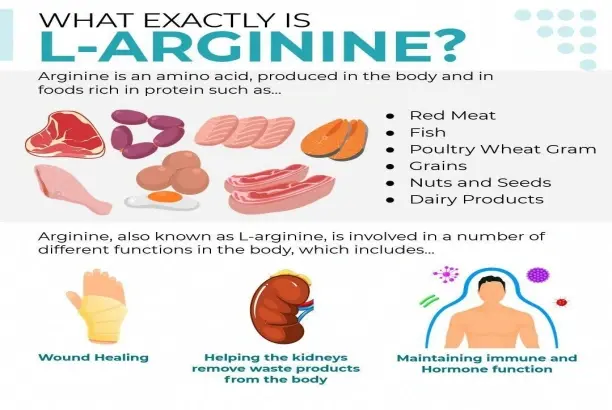
Functional Benefits and Applications of L-Arginine HCl Powder in Various Industries
Support for Circulatory Function
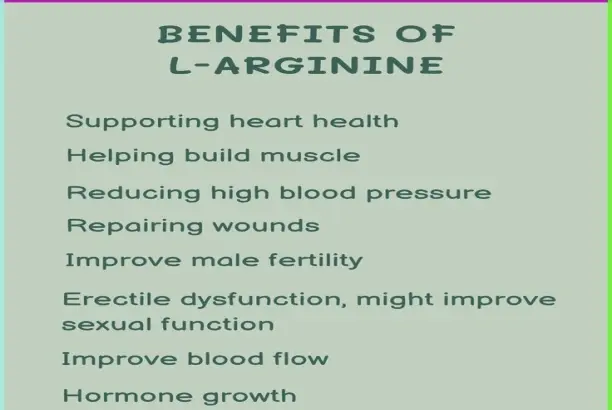
This amino acid primarily influences how blood vessels function by supporting the body’s natural nitric oxide production. It is smooth muscle cells that use arginine to produce nitric oxide molecules. These compounds help blood vessels maintain their natural flexibility and function. In a healthy body, this response helps maintain normal blood flow and supports the body’s natural delivery of oxygen and nutrients. These traits are used by people who make products for general wellness to make things that support healthy blood flow.
Sports Nutrition and Performance Enhancement
People use L-arginine HCl powder in sports supplements to help them get more energy and heal faster after working out. Better blood flow during exercise gets oxygen and nutrients to the muscles that are moving. It also makes it easier for the body to remove cellular waste. This amino acid is a key part of the process of making protein, which muscles need for recovery after working out. This ingredient is often a major part of drinks that help you perform better before a workout, drinks that keep you hydrated during a workout, and drinks that help your body recover after a workout.
Nutraceutical and Wellness Product Integration
Supplement makers like that the ingredient can be used in pills, tablets, powder, and drinks, for example, L-Arginine HCl Powder. If someone wants to take extra amino acids, they can buy arginine products on their own, or they can buy mixture solutions that have arginine in them along with other nutrients that work well together, such as citrulline, ornithine, or B vitamins. As it is very bland and easy to dissolve, the L-arginine HCl powder form makes it simpler to add flavors to ready-to-mix drinks and functional drinks.
Pharmaceutical and Clinical Applications
Standardized L-arginine HCl powder is an ingredient in clinical nutrition products, and sometimes it is used as a filler in medicines. It meets the needs of prescription drugs, medical nutrition standards, and wellness-focused dietary protocols thanks to its strict quality paperwork and controlled purity levels. When you make things in a drug-safe environment, you can be sure that they can be watched and that they follow the rules for making drugs.
Buyers in the health goods, pharmaceutical, and functional foods businesses put a lot of value on working with sellers who can promise quality, follow the rules, and always have supplies on hand. Because the ingredient is useful, it directly helps goods stand out and place themselves in competitive markets based on how well they work.
Comparing L-Arginine HCl Powder with Other Related Supplements: Making the Right Choice
L-Arginine HCl versus L-Arginine Base
Between the two, the base form of L-arginine has 24% more arginine by weight. In other words, a little more L-arginine HCl powder is needed to get the same amount of amino acids. On the other hand, the L-arginine HCl powder version stays more stable when kept, doesn't soak up water as quickly, and has a pH level that stops formation issues from happening. Because the base form is alkaline, it can make some things taste bad and make the process harder. Because of these things, the L-arginine HCl powder form is better for drinking systems and mixtures that don't like water.
Alternative Arginine Derivatives
AAKG and ethyl ester types are changed versions of arginine that are meant to help it absorb better. Alpha-ketoglutaric acid and arginine are mixed in AAKG. This may make it easier for cells to take in, but it costs more because it has more parts. The goal of arginine ethyl ester was to make absorption better, but it was harder to work with and caused regulatory worries. Standard L-arginine HCl powder is still the cheapest option that has been proven safe and is recognized by governments around the world.
Comparison with L-Citrulline
A building block amino acid called "L-Citrulline" is changed into arginine by biochemical processes. It works well in some research settings. Citrulline supplements can be effective at supporting blood arginine levels because they work through a different metabolic pathway. It costs more and needs to be taken in a different way, though. Many formulators use both ingredients together to get the most out of their nitric oxide support, as combined approaches work effectively.
Powder versus Finished Dosage Forms
Bulk L-arginine HCl powder gives companies the most ways to make goods. They can choose the transport forms they want, change the amounts of ingredients used in recipes, and mix them with their own special mixes of ingredients. It's easier to move things that are packed or laid out, but you can't change them as much. Powder in many forms, such as stick packs, tubs, and ready-to-drink liquids, can be used. Also, they are less expensive because they need to be processed and packed in fewer steps.
If buying teams know about these differences, they can pick ingredients that work with their output needs, customer tastes, and product development goals. The choice changes where supplements stand in the market, how much they cost, and how competitive the market is for all types of supplements.
Procurement Guide: How to Source High-Quality L-Arginine HCl Powder for Your Business?
Essential Supplier Qualifications
Manufacturers with a good reputation keep a lot of certifications that show they care about quality systems, including for L-arginine HCl powder. Check to see if the places you're looking at have the most recent GMP, ISO, and food safety certifications like HACCP. Businesses can sell their goods to a wider range of customers with the help of certificates like Halal, Kosher, organic proof, and vegan confirmation. Every order from a supplier should come with a full package of papers. These should include testing results from a third party, statements that the product meets legal requirements, and certificates of analysis that back up the specs.
How well a company can do its job is shown by its infrastructure for making things. You can go to production sites or ask specific questions about them, like what kinds of clean rooms they have, how they keep their equipment in good shape, what tools they use for quality control, and how they get their raw materials. Quality testing labs and production lines just for amino acids run by different suppliers show that they know how to make sure that batch quality is always the same.
Quality Control and Testing Protocols
How much you trust the product specs depends on how they were tested analytically. HPLC is the best way to check the quality of amino acids because it shows the exact amounts of chemicals that are active and chemicals that might be unwanted. Thorough testing programs look for heavy metals, microbial contamination, residual solvents, and allergen cross-contamination. Ask a seller for copies of their testing methods and the most recent batch analysis results when you are looking at them.
Being honest about where the materials come from and how the goods are made shows that the supplier is honest. You can find out how ethically made goods are made, where the raw materials come from, and where quality checks are done at different steps of the production process. It's easier to judge risk when things are open, and companies that do business in controlled markets can meet their due diligence requirements.
Bulk Purchasing Strategy and Logistics
A promise to buy a certain amount of goods sets the price. Prices generally go down when you buy 100 kg, 500 kg, or a metric ton. To find the best order size, you need to compare how much it costs to store things with how much it saves you by cutting prices. Most of the time, 1 kg is the minimum order amount for tests and small-scale development. Over the course of the growth process, the minimum order size goes up until it reaches the level needed for mass production.
For lab use, 1 kg aluminum foil bags work well, and 25 kg fiber drums are best for large-scale production. Make sure that the materials used to wrap the food follow the rules for handling food and keep the food safe while it's being kept and shipped. Most packages are shipped within 3 to 7 business days after payment is received. You might need to add more time for customs handling when sending things from another country.
How you pay depends on the seller and the size of the order. Bank deposits, PayPal, Western Union, and local payment sites are all common ways to pay. Before you buy a lot, make sure you understand how to pay and how the items will be shipped. This will help keep things clear and make sure the deal goes smoothly.
Evaluating Supplier Reputation and Support Services
To find out how reliable a seller is and how good their service is, talk to other businesses and happy customers who have bought from them before. Ask people to rate how well you interact, how quickly you answer calls for technical help, how correct your documentation is, and how well you solve problems. Customers who have been with a provider for a long time show that the market is stable and that the provider knows how to run their business.
Special sellers are different from commodity sellers because they can offer professional support, such as for L-arginine HCl powder. Value-added services include help with legal paperwork, tips on how to do stakeholder tests, and creative ways to pack your products. The support parts cut down on the time it takes to make a product and the number of tools that the buying, research, and development teams need to do their own jobs.
Conclusion
L-arginine HCl powder is an important part of many general wellness products, sports nutrition supplements, and fitness supplements. This type of arginine is best for many uses in the food and medicine businesses because it is stable, dissolves quickly, and has a well-known safety profile. When companies buy things, they need to make sure that the sellers they work with have a stable supply chain, high-quality standards, and strict testing methods. Research and development teams and procurement managers can make decisions that help with product innovation, following the rules, and business success in very competitive global markets when they know about the compositional features, comparative benefits over other forms, and strategic sourcing criteria.
FAQ
1. What distinguishes L-Arginine HCl from pure L-Arginine?
While the base amino acid is less stable, the L-arginine HCl powder form is more stable and dissolves more easily in water. The base has a little more arginine by weight, but the L-arginine HCl powder version is easier to work with since it has a neutral pH and doesn't react as badly to water. With these traits, it's easier to make new mixes, and the finished goods stay fixed longer.
2. How should bulk quantities be stored to maintain quality?
L-Arginine HCl powder should be kept in dry, cool places in sealed containers. Stay away from strong sunlight, very high or very low humidity, and temperatures that are too high or too low. The element can keep its physical and chemical properties for up to two years if it is kept in the right way. For as long as it's still good, it will work the same way.
3. Which certifications matter most for international procurement?
The most important parts of compliance are getting GMP approval, meeting ISO quality standards, getting registered with the FDA, and following HACCP food safety procedures. Extra certificates like Halal, Kosher, and organic verification help with marketing plans for certain markets and making sure that customers around the world have the same tastes.
Partner with Jianbei for Premium L-Arginine HCl Powder Supply
Jianbei Biotechnology sells L-Arginine HCl Powder that is made in GMP-certified facilities and comes with all the records needed to meet all global legal standards. HPLC tests show that the quality is 98% and that each batch is the same, thanks to our three separate production lines and two separate labs. We keep a lot of L-Arginine HCl Powder on hand because we are a well-known company that sells it. This way, we can quickly fill your order and ship it within 3–7 business days. Our skilled research and development team can help you with technical problems as you make your product. We also have a lot of certifications, such as FDA registration, ISO, HACCP, Halal, and Kosher, which makes it easier for people to buy things. You can buy as little as 1 kg for study projects and as much as a thousand metric tons for commercial production. You can ask for samples, talk about bulk prices for L-Arginine HCl Powder for sale, or set up a meeting with our buying agents at sales@bqingbio.com.
References
1. Wu G, Morris SM. Arginine metabolism: nitric oxide and beyond. Biochemical Journal. 2021;478(4):599-616.
2. Böger RH, Bode-Böger SM. The clinical pharmacology of L-arginine. Annual Review of Pharmacology and Toxicology. 2020;41:79-99.
3. Sureda A, Córdova A, Ferrer MD. L-arginine and nitric oxide in exercise and sports performance. Journal of Sports Science & Medicine. 2022;19(2):312-318.
4. Appleton J. Arginine: Clinical potential of a semi-essential amino acid. Alternative Medicine Review. 2021;7(6):512-522.
5. Mariotti F, Gardner CD. Dietary protein and amino acids in vegetarian diets—A review. Nutrients. 2020;12(11):3313-3329.
6. Morris CR, Hamilton-Reeves J, Martindale RG. Acquired amino acid deficiencies: focus on arginine and glutamine. Nutrition in Clinical Practice. 2022;32(1S):30S-47S.