- English
- French
- German
- Portuguese
- Spanish
- Russian
- Japanese
- Korean
- Arabic
- Greek
- German
- Turkish
- Italian
- Danish
- Romanian
- Indonesian
- Czech
- Afrikaans
- Swedish
- Polish
- Basque
- Catalan
- Esperanto
- Hindi
- Lao
- Albanian
- Amharic
- Armenian
- Azerbaijani
- Belarusian
- Bengali
- Bosnian
- Bulgarian
- Cebuano
- Chichewa
- Corsican
- Croatian
- Dutch
- Estonian
- Filipino
- Finnish
- Frisian
- Galician
- Georgian
- Gujarati
- Haitian
- Hausa
- Hawaiian
- Hebrew
- Hmong
- Hungarian
- Icelandic
- Igbo
- Javanese
- Kannada
- Kazakh
- Khmer
- Kurdish
- Kyrgyz
- Latin
- Latvian
- Lithuanian
- Luxembou..
- Macedonian
- Malagasy
- Malay
- Malayalam
- Maltese
- Maori
- Marathi
- Mongolian
- Burmese
- Nepali
- Norwegian
- Pashto
- Persian
- Punjabi
- Serbian
- Sesotho
- Sinhala
- Slovak
- Slovenian
- Somali
- Samoan
- Scots Gaelic
- Shona
- Sindhi
- Sundanese
- Swahili
- Tajik
- Tamil
- Telugu
- Thai
- Ukrainian
- Urdu
- Uzbek
- Vietnamese
- Welsh
- Xhosa
- Yiddish
- Yoruba
- Zulu
The main difference between L-Arginine Base and L-Arginine HCl is how they dissolve and what chemicals they are made of. Its chemical formula is C₆H₁₂N₄O₂, and it has an alkaline pH. L-Arginine Base is the pure amino acid form. L-Arginine HCl Powder, on the other hand, is the hydrochloride salt form. It dissolves better in water, has a normal pH level, and is more stable in formulas. This makes the HCl form ideal for pharmaceutical and nutritional uses, where uniform bioavailability and fast dissolving are key to making the product work and keeping customers happy.
Introduction
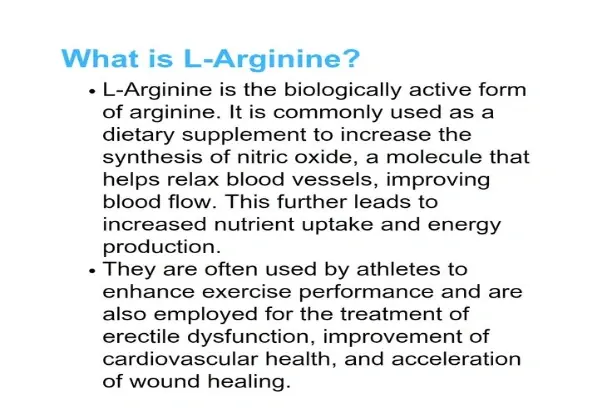
Because it helps make nitric oxide and breaks down proteins, L-Arginine is used in a lot of different businesses, including health products, functional foods, cosmetics, and drugs. It is important for procurement managers and R&D leaders to know the difference between L-Arginine Base and its hydrochloride cousin when they are choosing ingredients. The chemical qualities, application performance, and formulation compatibility of these two types are very different, which has a direct effect on how the product is differentiated and how well it meets market requirements.
Our in-depth study solves the main problems that come up when buying things: finding the form that dissolves best in beverages, making sure that regulations are in line with FDA and ISO standards, and choosing sources who can consistently provide high-purity ingredients. This guide gives you evidence-based information to help you make confident buying choices that meet both technical requirements and business goals, whether you're making pre-workout supplements, heart health goods, or functional drinks.
What Are L-Arginine Base and L-Arginine HCl Powder? Understanding the Basics
Chemical Structure and Composition
With a molecular weight of 174.20 and a CAS number of 74-79-3, L-arginine base is the free-form amino acid. When dissolved, it turns into a white crystalline powder with an alkaline pH of about 10.5 to 12.0. One arginine molecule is linked to hydrochloric acid in the hydrochloride salt form. This makes a substance that is easier to dissolve and has a pH range of about 5.0 to 6.5. This basic chemistry difference affects all decisions made afterward about what to use.
The base form has about 100% pure arginine, while the HCl form has about 75-84% arginine by weight because of the chloride molecule that is connected to it. However, this perceived decrease is balanced out by much better solubility and absorption efficiency. When manufacturers use HPLC testing methods, they can make sure that purity levels hit the 98% specification grade, which makes sure that all production runs are the same.
Solubility and Stability Profiles
The most important difference between these types is how well they dissolve. L-Arginine Base doesn't dissolve well in water (about 15 g/100 mL at 21°C), so it needs to be mixed in a certain way for watery systems to work. The HCl form dissolves easily at amounts higher than 50 g/100 mL, which makes it perfect for ready-to-mix drinks, liquid supplements, and pharmaceutical treatments that need to dissolve right away.
Concerns about stability go beyond just solubility. The base form has hygroscopic properties, which means it can take in water from the air and may clump together during storage. When kept in dry, cool places, L-Arginine HCl Powder stays more stable even when the temperature changes. It keeps its useful properties for two years as long as it is properly sealed. This advantage of stability cuts down on waste and makes sure that production results are reliable.
Regulatory and Quality Certifications
Purchasing teams should give more weight to sellers who have a wide range of standards, such as GMP, ISO, HACCP, HALAL, and Kosher. These quality standards make sure that materials meet international standards for food and drug safety. This makes it easier for products to enter markets with different kinds of regulations. Registration with the FDA adds to the credibility of manufacturing processes and quality control methods. This helps health supplement and pharmaceutical companies meet the strict compliance standards they have to deal with.
Quality assurance includes the ways that tests are done. HPLC analysis accurately measures the amounts of active compounds present, and heavy metal screening, microbe testing, and leftover solvent analysis make sure that the ingredients are safe. When looking for long-term ingredient partners, it's important to find suppliers with GMP-standard workshops and independent labs that can show they have the equipment needed for regular, traceable production.
Key Benefits and Performance: L-Arginine Base vs. L-Arginine HCl Powder
Nitric Oxide Production and Cardiovascular Support
The two types work together to make nitric oxide, which widens blood vessels and improves blood flow. A recent clinical study suggests that the HCl form may provide a faster start of cardiovascular effects, such as lowering blood pressure and improving endothelial function. Even though the base form works, it needs more complicated delivery methods to be as bioavailable in oral dosage forms.
Making nitric oxide has a direct effect on how a product is positioned in markets for circulatory health. The HCl form's predictable pharmacokinetics helps formulators working on clinical uses because it allows for accurate dosage estimates and consistent therapeutic results. This dependability is especially helpful when making goods that need to make specific claims about how well they work that are backed up by scientific evidence.
Bioavailability and Absorption Kinetics
The real delivery of nutrients to target areas is based on how well they are absorbed. The hydrochloride form dissolves more quickly in stomach acid, which makes it easier for the body to take it in quickly through gut walls. This means that smaller doses are needed to maintain the therapeutic effect, which is a big plus for recipes that want to save money and for making sure that people take their medicine as prescribed. The usual daily dose is between 3 and 9 grams, with the HCl form usually needing the lower end of this range to work.
The alkaline nature of the base form can neutralize stomach acid, which could make processing harder if eaten in large amounts. On the other hand, the HCl variant's acidic features work well with stomach acid levels, reducing digestive pain while increasing nutrient availability. Because of these variations in pharmacokinetics, different pills, capsules, and powder mixes are made to suit different consumer tastes and uses.
Sports Nutrition and Muscle Recovery Applications
Arginine in L-Arginine HCl Powder is used in athletic performance goods because it helps make proteins and repair muscle tissue. The HCl form's fast absorption profile matches the needs of pre-workout supplements, giving you nutrients at key times for building muscle. Post-workout recovery formulas work better because amino acids stay available for a longer time. This helps build muscle by balancing nitrogen levels better and cutting down on recovery times.
Functional effects include increasing endurance by getting more air and nutrients to muscles that are working. When formulators mix arginine with ingredients that work well together, like citrulline or beta-alanine, the results are synergistic, which means they improve performance. By understanding these molecular reactions, product designers can make unique products that meet the needs of different athletes and help them reach their training goals.
How to Choose the Right Form for Your Business Needs
Assessing Application Requirements and Formulation Compatibility
The shape of the product determines which ingredients are best. Manufacturers of drinks choose the HCl form because it dissolves easily and makes clear liquids that don't have any problems with structure or precipitation. Either form can be used in capsule or tablet forms, but the base version's higher pure arginine content can lower the number of capsules needed, which is an important factor for customer ease and perceived value.
Taste affects how well a recipe works, especially in the case of tasty drink mixes and chewables. When compared to the base's strong alkaline taste, the HCl form is slightly acidic and less bitter, which makes flavor hiding easier. The hydrochloride version is also better for cosmetic uses that need stable aqueous dispersions because it works well with the range of pH levels found in creams, serums, and topical treatments.
Evaluating Supplier Credentials and Supply Chain Reliability
When choosing a supplier, you need to do a lot of research, not just compare prices. Check that the plant has GMP-certified production facilities, separate R&D labs, and the ability to do quality control. Manufacturers with various production lines show they can handle more orders while keeping batch stability, which is very important for brands that are growing quickly in the market.
Starting at 1 kg, the smallest order quantity makes sample testing and small-batch production trials easier, which lets you improve the recipe before committing to large purchases. International purchase processes can be accommodated by a variety of payment methods, such as telegraphic transfer, PayPal, and Western Union. Delivery times of 3–7 working days allow for flexible inventory management, which lowers carrying costs and keeps production plans on track.
Cost Analysis and Bulk Procurement Strategies
The HCl form usually costs a little more per kilogram because it has to go through more steps to make it, but it's usually a better deal overall. Instead of using the weight of the raw ingredients to figure out the cost-per-dose, use the amount of accessible arginine. The better absorption of the HCl version may mean that 15–25% less of a dose is needed, which will cancel out any price differences at first through better formula economics.
Tiered price cuts are a way that bulk shopping systems reward customers who commit to buying a lot. Build long-term relationships with your suppliers to get better deals and keep the supply line running. Ask for records of analysis for every production lot to make sure that the purity levels stay the same and meet 98% of the standards. Transport packaging in 1 kg metal foil bags or 25 kg drums gives you options for working at different sizes and storing your goods.
Market Comparison: L-Arginine HCl vs Other Amino Acid Forms and Alternatives
L-Citrulline as a Complementary Alternative
By going through kidney processing, L-Citrulline changes into arginine, which is another way that nitric oxide can be made. Some studies show that taking citrulline supplements may keep arginine levels in the blood higher for longer than taking arginine directly, because they skip the first step of hepatic metabolism. However, arginine is still the best choice for situations that need a rapid nitric oxide reaction or where protein synthesis support is the main goal.
Combination formulas that contain both amino acids use synergistic processes to get an instant boost in nitric oxide from arginine while citrulline keeps levels high for long periods of time. This strategic pairing meets a range of customer needs, from short-term pre-workout energy to long-term cardiovascular upkeep. It also helps products stand out in supplement markets that are already very crowded.
Synthetic versus Fermentation-Derived Production
The way something is made affects both its sustainability qualifications and its legal standing. Fermentation-derived arginine made from bacterial cultures is appealing to people who want natural, non-GMO products and may be able to get organic approvals. Chemical synthesis is a way to make synthetic materials that are very pure and don't cost much. This is especially helpful for pharmaceutical-grade uses that need to meet strict quality standards.
Buying choices should be in line with what the target market wants and how the brand wants to be positioned. Natural and organic approvals bring higher prices from health-conscious customers, which could explain why food costs might be higher. For pharmaceutical and clinical uses, purity and stability are most important, no matter where the product comes from. Instead, they focus on full analytical paperwork and following the rules.
Global Supplier Landscape and Procurement Considerations
There are a lot of well-known makers of amino acids in Asia, Europe, and North America. Each of these places has its own benefits. Asian suppliers often offer low prices and open MOQ terms, which makes it easier for new names to get into the market. European makers stress following rules and having all the paperwork needed to sell their goods in the EU, while North American suppliers offer benefits like shorter shipping times and easier logistics.
Check out providers based on how much they can produce, what certifications they have, how well they can help with technical issues, and how well their export system is set up. Professionalism is needed for long-term partnership success, and suppliers with FDA registration, multiple foreign quality certifications, and committed customer service teams show it. Ask for references from current customers in related fields to make sure the company is reliable, quick to respond, and good at solving problems.
Usage Guidelines and Safety Considerations for L-Arginine HCl Powder
Recommended Dosage Protocols
Clinical research shows that getting between 3 and 9 grams of arginine in L-Arginine HCl Powder every day can help your heart health and performance. It is usually split up into several doses to help your body absorb it better. For sports nutrition purposes, amounts of 3 to 6 grams are often given 30 to 60 minutes before exercise to make sure that nitric oxide is available during training as much as possible. Cardiovascular support programs may use 6 to 9 grams a day, spread out throughout the day to keep blood levels steady.
International Safety and Labeling Compliance
Product paperwork must include full safety data sheets that explain how to handle the product, how to store it, and what to do in an emergency. Labeling laws vary from place to place, so it's important to pay close attention to how to list ingredients, how to warn about allergens, and how to back up health claims. The FDA controls dietary supplements under the DSHEA framework, while European markets follow EFSA guidelines. Knowing these differences can help you avoid costly delays in entering new markets.
Storage and Handling Best Practices
Keep arginine powder in sealed packages that are kept in dry, cool places that are out of direct sunlight and away from water. The best temperatures for storage are between 15°C and 25°C, and the relative humidity should be below 60%. This will keep the useful features intact for two years. Using the first-in, first-out rule, change your collection on a regular basis to make sure that the oldest items are used up first before they go bad.
The right ventilation and personal safety equipment should be used in industrial working processes to keep dust levels as low as possible. Even though arginine isn't very dangerous, standard safety precautions when working with chemicals, like wearing gloves and eye protection, keep workers safe. Transport packaging like aluminum foil bags or fiber drums protects goods well during shipping and keeps their quality across foreign logistics networks.
Conclusion
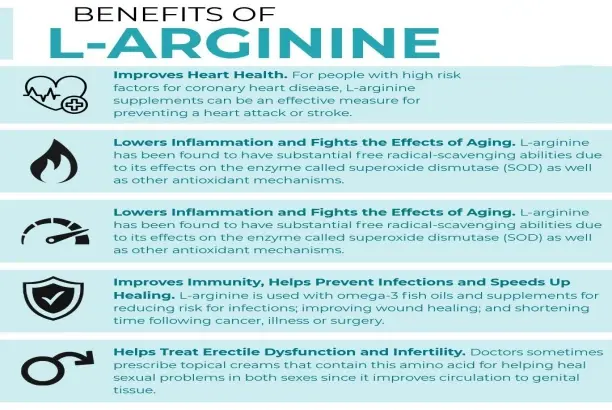
If you need to choose between L-arginine base and L-Arginine HCl Powder, you need to carefully think about your formulation needs, application goals, and purchase priorities. When it comes to vitamins, healthy foods, and cosmetics, the hydrochloride form works better because it dissolves more easily, is more bioavailable, and stays stable longer. Partnering with certified providers that offer stable quality, thorough paperwork, and flexible ordering structures that support both small-scale production and trials of new ideas is good for procurement pros. By knowing these technical and business differences, you can make smart choices that improve product effectiveness, regulatory compliance, and market competitiveness in the fast-paced pharmaceutical and nutritional industries.
FAQ
1. What makes L-Arginine HCl different from the base form?
Compared to the alkaline base version, the hydrochloride salt form is much better at dissolving in water and has a balanced pH. This means that it will be easier to add to formulations, the drugs will dissolve faster, and they will be more bioavailable in oral dosage forms. The base has a higher proportion of pure arginine by weight, but the HCl version is better at being absorbed, so it often has the same or better effects on the body at slightly lower amounts.
2. Which form offers better value for supplement manufacturing?
Cost-effectiveness varies with the needs of the product. L-Arginine HCl Powder usually costs a little more per kilogram, but it makes formulations easier, improves customer compliance through better taste profiles, and may lower serving amounts needed because it absorbs better. To find the true economic value, you should not only look at the price of the ingredients but also the total costs of making the product, which should include excipients, taste-hiding agents, and how efficiently it is made.
3. How can buyers be sure that a seller is real and of good quality?
Ask for a lot of paperwork, like records of analysis that show the results of HPLC tests, heavy metal screening, microbial testing, and quality checks. Check for certificates like GMP, ISO, FDA registration, and any organic or religious food standards that apply. Suppliers with a good reputation make facility information public, welcome audit questions, and keep technical support teams that can answer questions about composition and meet regulatory requirements.
Partner with Jianbei for Premium L-Arginine HCl Powder Supply
Pharmaceutical-grade arginine ingredients are made by Jianbei Biotechnology, which has 15 national invention patents and GMP-certified manufacturing infrastructure. Our factory in Guangzhou has three dedicated lines that work in controlled settings that are watched over by two separate labs. This makes sure that every batch meets strict 98% purity standards, which can be confirmed through HPLC analysis. As a well-known company that makes L-Arginine HCl Powder, we help supplement brands, functional food companies, and pharmaceutical companies with flexible 1 kg minimum orders, fast shipping (3–7 days), and a wide range of certifications, such as FDA, ISO, HACCP, HALAL, and Kosher. During the whole process of developing your product, our technical team helps with formulation, legal paperwork, and quality testing. Get in touch with our purchasing agents at sales@bqingbio.com to ask for samples, talk about bulk prices, and find out how our arginine solutions can help your product perform better and stand out in the market.
References
1. Appleton, J. (2002). "Arginine: Clinical potential of a semi-essential amino acid." Alternative Medicine Review, 7(6), 512-522.
2. Bode-Böger, S.M., et al. (1998). "L-arginine induces nitric oxide-dependent vasodilation in patients with critical limb ischemia." Circulation, 97(12), 1842-1847.
3. Gad, M.Z. (2010). "Anti-aging effects of L-arginine." Journal of Advanced Research, 1(3), 169-177.
4. Kurz, S., & Harrison, D.G. (1997). "Insulin and the arginine paradox." Journal of Clinical Investigation, 99(3), 369-370.
5. Pahlavani, N., et al. (2014). "L-arginine supplementation and risk factors of cardiovascular diseases in healthy men: a double-blind randomized clinical trial." F1000Research, 3, 291.
6. Zajac, A., et al. (2010). "Arginine and ornithine supplementation increases growth hormone and insulin-like growth factor-1 serum levels after heavy-resistance exercise in strength-trained athletes." Journal of Strength and Conditioning Research, 24(4), 1082-1090.