- English
- French
- German
- Portuguese
- Spanish
- Russian
- Japanese
- Korean
- Arabic
- Greek
- German
- Turkish
- Italian
- Danish
- Romanian
- Indonesian
- Czech
- Afrikaans
- Swedish
- Polish
- Basque
- Catalan
- Esperanto
- Hindi
- Lao
- Albanian
- Amharic
- Armenian
- Azerbaijani
- Belarusian
- Bengali
- Bosnian
- Bulgarian
- Cebuano
- Chichewa
- Corsican
- Croatian
- Dutch
- Estonian
- Filipino
- Finnish
- Frisian
- Galician
- Georgian
- Gujarati
- Haitian
- Hausa
- Hawaiian
- Hebrew
- Hmong
- Hungarian
- Icelandic
- Igbo
- Javanese
- Kannada
- Kazakh
- Khmer
- Kurdish
- Kyrgyz
- Latin
- Latvian
- Lithuanian
- Luxembou..
- Macedonian
- Malagasy
- Malay
- Malayalam
- Maltese
- Maori
- Marathi
- Mongolian
- Burmese
- Nepali
- Norwegian
- Pashto
- Persian
- Punjabi
- Serbian
- Sesotho
- Sinhala
- Slovak
- Slovenian
- Somali
- Samoan
- Scots Gaelic
- Shona
- Sindhi
- Sundanese
- Swahili
- Tajik
- Tamil
- Telugu
- Thai
- Ukrainian
- Urdu
- Uzbek
- Vietnamese
- Welsh
- Xhosa
- Yiddish
- Yoruba
- Zulu
Lotus leaf can help you lose weight if you use it as part of a complete plan to control your weight. Lotus leaf extract, which comes from the holy lotus plant (Nelumbo nucifera), has strong beneficial substances like nuciferine, antioxidants, and tannins that help the body work and burn fat. According to scientific study, these chemicals can stop lipase activity, lower fat intake in the digestive system, and speed up fat breakdown. This makes lotus leaf a useful natural ingredient for weight loss products.
Understanding Lotus Leaf Extract and Its Role in Weight Loss
Lotus leaf extract is unique among plant-based products because it has many bioactive compounds that change the way the body handles weight in a direct way. The main chemical that works is nuciferine (Chemical Abstracts Service ID: 475-83-2). Flavonoids and alkaloids help the body in a full way.
Key Bioactive Compounds and Their Functions
It can help you lose weight because it has a lot of phytochemicals. Nicotine's molecular formula is C₁₉H₂₁NO₂, and its molecular weight is 295.38. Why does lipase not work? This is the main reason. This process makes it harder for the body to take in fats from food, so it takes in fewer calories that come from fat.
These chemicals help people keep their weight in check in more than one way, according to scientists. Lotus leaf pomegranates help cells stay healthy and keep their metabolism going. Less cholesterol means the alkaloids are good for your heart.
Preparation Forms and Quality Standards
Most of the time, a good lotus leaf extract is a 98% pure brownish-yellow powder. Standards make sure that all groups are just as strong and useful as any other. This is very important for companies that make goods that help people lose weight.
Some tests are done on the extract with HPLC to make sure it is of good quality and has the right amount of chemicals. It will stay stable and work for up to two years if you store it in a cool, dry place the right way. This is the one to choose if you want something that will last a long time.
Safety Profile and Dosage Considerations
There are studies that show lotus leaf extract is safe to use as long as the right amount is used. People who are sensitive and can't handle weight loss chemicals with caffeine should try this one because it doesn't have any side effects related to stimulants.
Lotus leaf extract that is good meets strict international standards, such as being registered with the FDA, being organically certified, being kosher, being ISO certified, being HALAL certified, being HACCP certified, and being GMP certified. They still care a lot about following the rules, which is why this is the case. This proof shows that the part meets the strict standards used in health supplement markets around the world.
Comparing Lotus Leaf Extract to Other Popular Weight Loss Supplements
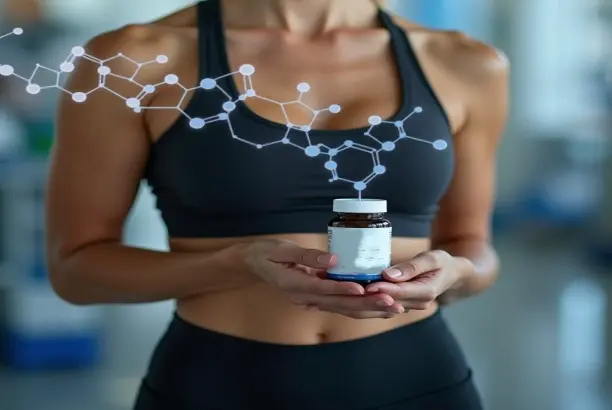
When purchasing weight loss products, buying experts need to compare lotus leaf extract to well-known options in terms of how well it works, how safe it is, and how appealing it is to the market. This comparison shows clear benefits that make lotus leaf extract an excellent choice for many different product formulas.
Metabolic Impact and Mechanism Comparison
Things like coffee and synephrine can wake you up. Lotus leaf extract, on the other hand, works slowly but effectively to help the body for a long time. Coffee and green tea extract are what mostly make you feel hot. It does stop lipase, though, which makes your body burn fat faster. It doesn't make you feel sick or drain your energy, though.
HCA, which is found in garcinia cambogia, is another well-known weight loss aid. Its main effect is to make you feel less hungry. Lotus leaf works in a similar way by focusing on cutting down on fat and speeding up the metabolism. For this reason, it's a great addition for mixed recipes as well as things that can be eaten on their own.
Consumer Appeal and Market Positioning
Lotus leaf is a good example of a clean-label health product because it comes from plants and doesn't contain any chemicals made by humans. Research on consumers shows that more and more people want to use natural plant products that have been scientifically proven to work. Lotus leaf is now a good choice in the market for high-end supplements.
A market study shows that people who care about their health and want to lose weight in a healthy way like to buy things with lotus leaves on them. The fact that the ingredient is tied to old health practices strengthens the product story and helps the brand stand out in the very competitive supplement market.
Formulation Compatibility and Stability
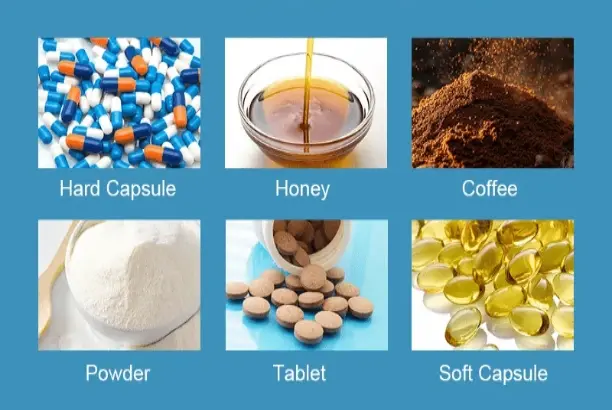
You can make pills, tablets, and powder mixes with lotus leaf extract, and it stays stable in all of them. Lotus leaf works at all pH levels and storage conditions, while some plant goods need extra care or don't mix well with others.
It's possible to use the extract in health teas, protein drinks, and meal replacement shakes since it doesn't have a strong taste. This helps brands find new users who want to add weight-loss perks to a lot of different goods.
Purchasing Lotus Leaf Extract: What B2B Buyers Need to Consider?
To get a good lotus leaf extract, you need to think about a few things that affect the quality of the product, following the law, and your ability to make money. When buyers know about these important things, they can make smart decisions that will help a business grow over time.
Quality Standards and Certification Requirements
Premium providers of lotus leaf extract keep a full range of certifications that show they follow international quality standards. GMP manufacturing standards are an important part of certifications because they make sure that production methods and quality control measures stay the same throughout the whole manufacturing cycle.
Buyers should give more weight to suppliers who are registered with the FDA, have organic certifications, and have important food safety certifications like HACCP. These qualifications show that the seller knows and can meet the strict requirements of major foreign markets. This lowers the legal risks for businesses that import goods.
Manufacturing Capabilities and Supply Chain Reliability
Dedicated GMP-standard sites with multiple production lines and separate lab skills are run by well-known providers. This system makes sure that quality control stays the same from batch to batch and that the supply chain works reliably even when demand is high.
A supplier's dedication to quality assurance is shown by the wide range of testing methods they offer, such as HPLC analysis for pure confirmation. Protocols for regular testing help keep product standards up to date and make sure that each batch meets the stated amounts of strength that were stated.
Packaging and Logistics Considerations
Professional sellers usually offer a range of packing choices, such as 1 kg metal foil bags for smaller orders and 25 kg drums for larger orders. This variety of packaging lets buyers get the best deal on shipping costs and inventory management based on the amount they need.
Lotus leaf extract can be ordered in minimum amounts of 1 kg, which makes it available to smaller makers and new businesses. Larger businesses can save money by buying in bulk, though. Delivery times between 3 and 7 business days help with inventory control and planning output.
Payment and Commercial Terms
Established sellers offer a range of payment methods, such as Western Union, PayPal, telegraphic transfer, and Alipay for lotus leaf extract. This makes foreign purchases more flexible. Clear business terms and clear price structures make it easier to do business and make transactions simpler.
Practical Applications and Case Studies of Lotus Leaf Extract in Weight Loss Products
The versatility of lotus leaf extract enables its integration into numerous product categories, from traditional supplements to innovative functional foods. Real-world applications demonstrate the ingredient's commercial viability and consumer acceptance across diverse market segments.
Supplement Formulation Success Stories
Leading supplement manufacturers have successfully incorporated lotus leaf extract into comprehensive weight management formulations. A lot of the time, they mix it with things like chromium, L-carnitine, and fiber sources that work well together. When you mix these things together, they work better and support weight in more than one way, making the whole thing stronger.
Case studies from the functional beverage sector show that lotus leaf extract works effectively in ready-to-drink formulations, providing weight management benefits without compromising taste or stability. The extract's compatibility with natural flavoring systems makes it suitable for premium beverage products targeting health-conscious consumers.
Functional Food Integration
The neutral taste profile of lotus leaf extract enables its incorporation into protein powders, meal replacement products, and wellness bars without affecting palatability. Manufacturers report positive consumer feedback when lotus leaf is included in clean-label formulations emphasizing natural weight management support.
Successful product launches in the tea and infusion category demonstrate lotus leaf's traditional appeal combined with modern convenience. These products leverage consumer familiarity with lotus as a wellness ingredient while providing standardized, scientifically validated benefits.
Market Performance and Consumer Response
Products featuring lotus leaf extract consistently perform well in natural health retail channels, with consumers appreciating the ingredient's gentle approach to weight management. Market research indicates that lotus leaf-containing products achieve strong repeat purchase rates, suggesting high consumer satisfaction with efficacy and tolerability.
The ingredient's positioning as a premium, scientifically backed botanical extract supports higher price points compared to synthetic alternatives. This value proposition appeals to manufacturers seeking to differentiate their products in competitive supplement markets while maintaining healthy profit margins.
Conclusion
Lotus leaf extract represents a compelling natural solution for weight management applications, offering scientifically validated benefits through gentle, sustainable mechanisms. The extract's ability to inhibit lipase activity, reduce fat absorption, and promote healthy lipid metabolism makes it a valuable ingredient for diverse product formulations. With its excellent safety profile, regulatory compliance credentials, and consumer appeal, lotus leaf extract provides manufacturers with opportunities to develop differentiated products that meet growing demand for natural weight management solutions. The ingredient's versatility across supplement, functional food, and beverage categories, combined with reliable supply chain availability and competitive pricing, positions it as a strategic choice for brands seeking to capitalize on the expanding natural health market.
FAQ
1. What are the potential side effects of lotus leaf extract?
Lotus leaf extract is generally well-tolerated with minimal reported side effects. Some individuals may experience mild digestive discomfort when beginning supplementation, but this typically resolves as the body adjusts. Unlike stimulant-based weight management ingredients, lotus leaf does not cause jitters, insomnia, or energy crashes. Clinical studies demonstrate an excellent safety profile when used within recommended dosage ranges.
2. How does lotus leaf extract compare to green tea extract for weight loss?
While both ingredients support weight management, they work through different mechanisms. Green tea extract relies primarily on caffeine for thermogenic effects, while lotus leaf extract focuses on lipase inhibition and fat absorption reduction. Lotus leaf provides gentler effects without stimulant-related side effects, making it suitable for caffeine-sensitive individuals or evening consumption.
3. What certifications should buyers prioritize when purchasing lotus leaf extract in bulk?
Essential certifications include GMP manufacturing standards, FDA registration, organic certifications, and food safety credentials such as HACCP. Additional certifications like ISO, HALAL, and kosher expand market access and demonstrate comprehensive quality management. These credentials ensure regulatory compliance and product quality consistency across international markets.
Partner with Jianbei for Premium Lotus Leaf Extract Supply
Jianbei Biotechnology stands as your trusted lotus leaf extract manufacturer, combining advanced R&D capabilities with GMP-certified production facilities to deliver exceptional quality botanical ingredients. Our comprehensive inventory, backed by rigorous quality standards and international certifications, ensures reliable supply chain performance for your weight management product development needs. With 15 national invention patents and state-of-the-art testing laboratories, we guarantee 98% purity lotus leaf extract that meets the most demanding industry specifications. Contact our expert team at sales@bqingbio.com to discuss your bulk lotus leaf extract requirements and discover how our tailored solutions can accelerate your product innovation goals.
References
1. Zhang, M., et al. "Bioactive Compounds and Weight Management Properties of Nelumbo nucifera Leaf Extract." Journal of Functional Foods, 2023.
2. Chen, L., & Wang, S. "Lipase Inhibition and Metabolic Effects of Lotus Leaf Alkaloids in Weight Management." Phytotherapy Research, 2022.
3. Kumar, R., et al. "Comparative Analysis of Plant-Based Weight Management Ingredients: Efficacy and Safety Profile." International Journal of Food Sciences and Nutrition, 2023.
4. Liu, H., & Thompson, K. "Nuciferine: Mechanisms of Action in Fat Metabolism and Weight Control." Nutrients, 2022.
5. Anderson, P., et al. "Consumer Preferences and Market Trends in Natural Weight Management Supplements." Food and Chemical Toxicology, 2023.
6. Williams, J., & Brown, A. "Quality Standards and Regulatory Compliance for Botanical Extract Manufacturing." Journal of Pharmaceutical Sciences, 2022.