- English
- French
- German
- Portuguese
- Spanish
- Russian
- Japanese
- Korean
- Arabic
- Greek
- German
- Turkish
- Italian
- Danish
- Romanian
- Indonesian
- Czech
- Afrikaans
- Swedish
- Polish
- Basque
- Catalan
- Esperanto
- Hindi
- Lao
- Albanian
- Amharic
- Armenian
- Azerbaijani
- Belarusian
- Bengali
- Bosnian
- Bulgarian
- Cebuano
- Chichewa
- Corsican
- Croatian
- Dutch
- Estonian
- Filipino
- Finnish
- Frisian
- Galician
- Georgian
- Gujarati
- Haitian
- Hausa
- Hawaiian
- Hebrew
- Hmong
- Hungarian
- Icelandic
- Igbo
- Javanese
- Kannada
- Kazakh
- Khmer
- Kurdish
- Kyrgyz
- Latin
- Latvian
- Lithuanian
- Luxembou..
- Macedonian
- Malagasy
- Malay
- Malayalam
- Maltese
- Maori
- Marathi
- Mongolian
- Burmese
- Nepali
- Norwegian
- Pashto
- Persian
- Punjabi
- Serbian
- Sesotho
- Sinhala
- Slovak
- Slovenian
- Somali
- Samoan
- Scots Gaelic
- Shona
- Sindhi
- Sundanese
- Swahili
- Tajik
- Tamil
- Telugu
- Thai
- Ukrainian
- Urdu
- Uzbek
- Vietnamese
- Welsh
- Xhosa
- Yiddish
- Yoruba
- Zulu
Fluconazole powder is an important active ingredient in topical antifungal products that fight fungal diseases by being applied directly to the affected area. The dusting powder recipe has big benefits in business and medicine, especially when it comes to making goods that treat athlete's foot, ringworm, and candidiasis. Understanding the right way to use something makes sure that the therapy works best and that the supply chain stays honest and follows the rules for buying pros.
Understanding Fluconazole Dusting Powder
What Is Fluconazole Dusting Powder?
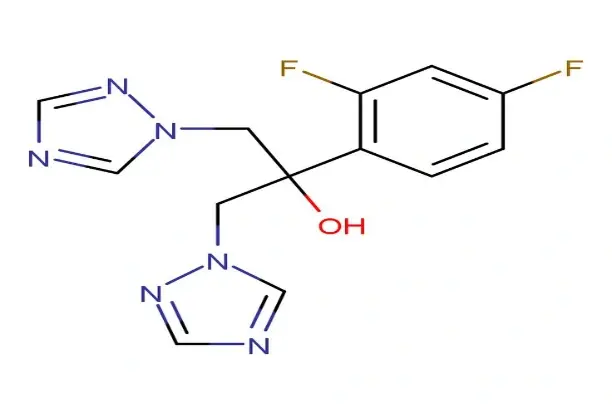
As the name suggests, fluconazole powder is a special kind of medicine that contains the active ingredient fluconazole (chemical name: ±-(2,4-difluorophenyl)-α-(1H-1,2,4-triazol-1-ylmethyl)-1H-1,2,4-triazol-1-ylethanol). This is a white solid powder that has the molecular formula C₁₃H₁₂F₂N₆O and the molecular weight 306.27 g/mol. It is an antifungal triazole. The powder form is different from regular tablet forms because it can be applied directly to the skin. This makes it ideal for use in dermatological goods and animal products.
Mechanism of Action and Pharmaceutical Properties
Because it only targets the fungus cytochrome P450-dependent enzyme lanosterol 14-alpha-demethylase, this antifungal agent is very good at killing fungi. By stopping the production of ergosterol in fungal cell membranes, the chemical damages the stability of the membranes and stops the growth of new fungi. The 98% pure requirement makes sure that the healing effect stays the same across a wide range of formulations. With a freezing point range of 138°C to 142°C, the material is very stable at high temperatures during production, which is especially helpful for drug companies that have to follow GMP guidelines.
Target Applications in Industrial Settings
Fluconazole spray powder is used for more than just medical purposes. It is also used in industry for specific reasons in many areas. It is used by drug companies to make pills, topical solutions, and dermatological treatments. Companies that make medicines for animals use the powder in special mixes for pets that have long-lasting fungal diseases. The compound is very useful for nutraceutical businesses making functional health goods because it kills Candida species, Cryptococcus, and dermatophytes. It dissolves slightly in water (about 5 mg/mL) and more completely in ethanol, which makes it easier for product makers to use a variety of formulation methods when they are looking for new ways to deliver drugs.
How to Use Fluconazole Dusting Powder Safely and Effectively?
Application Protocols for Different Formulations
To use Fluconazole powder correctly, you must first know the dose needs that are specific to that product. Depending on the treatment goals, pharmaceutical companies usually put 50 mg, 100 mg, or 150 mg per dose unit. The powder mixes easily into gels for use in dermatology, where the spread of particle size affects how well the product penetrates the skin and deposits on hair follicles. When formulating dermal solutions, formulators should take into account the compound's metabolic stability and low protein binding rate (about 11–12%), which makes sure that the drug is always available.
Assay purity must be between 98.0% and 102.0% on a dried base, and quality managers must make sure that each production batch strictly follows USP, BP, or EP monographs. Product makers should try the compatibility of formulations with excipients to make sure that the product stays stable for the length of time it is meant to be stored. The substance is very stable, so it can be used in a lot of different dosage forms. It's also very easy to formulate, which isn't always possible with less stable antifungal drugs.
Storage and Handling Best Practices
Environmental rules must be strictly followed throughout the supply chain to keep the purity of the product. The powder needs to be kept somewhere dry, cool, and out of direct sunlight and moisture. When bought in 1 kg metal foil bags or 25 kg drums, the sealed package keeps the quality for two years as long as the right conditions are met. Managers of procurement should set up rules for warehouses that make sure temperatures are monitored and humidity levels are controlled, especially when the seasons change.
Getting things from one place to another requires special packaging rules that keep moisture and dirt out. Partners in distribution must set up handling processes that keep unsuitable materials from getting mixed up. Quality assurance teams should check that storage sites maintain conditions that stop decay. This is especially important for keeping the compound's crystalline structure and effectiveness. These strict standards show how important it is to work with sellers who have complete quality control systems and good documentation habits.
Comparing Fluconazole Dusting Powder with Other Antifungal Treatments
Efficacy and Safety Profile Analysis
When procurement workers are looking at different antifungal treatment choices, it helps to know which ones have the most advantages. It has been shown that fluconazole powder-based versions are safer than older drugs like ketoconazole, especially when it comes to liver damage. The substance is different from many others because it can get into the cerebrospinal fluid. However, this property is more useful for systemic formulas than for topical uses. Fluconazole has a wider range of effects and is easier to predict when compared to itraconazole powder.
According to research, the substance is very bioavailable and stays at effective concentrations with fewer doses, compared to topical creams that need to be applied several times a day. This benefit means that patients will be more likely to follow through with finished goods, which is important for brands that want to reach consumers. Triazole antifungals, like Diflucan, have fewer drug interaction issues than their azole predecessors, according to research. This makes them safer for a wider range of patients.
Cost-Effectiveness and Formulation Versatility
When buying something, economic factors are very important. At first glance, the API may seem more expensive than some other options, but the compound's strength means that less of it needs to be used, which lowers the overall cost of the final product. Its stable profile keeps losses from degradation during production and storage to a minimum, which lowers the overall cost. The powder form is easy to use on automatic production lines, which saves money on labour costs compared to recipes that need complicated steps to be prepared.
Formulation scientists like that the substance works well with a range of delivery methods, from simple dusting powders to complex long-term release matrices. This flexibility lets products be set apart without needing completely different API supplies. Companies that make nutritional powders that are looking into functional health uses find that the compound's good solubility properties make it easy to mix with plant extracts and other active ingredients to make products that meet the needs of a growing market.
Procurement Insights for Fluconazole Dusting Powder
Supplier Evaluation and Quality Assurance
For procurement plans to work, they need to start with a full evaluation of the seller, focused on their certifications and manufacturing skills, including Fluconazole powder. Reliable providers keep up with GMP production standards, HACCP compliance, FDA registration, and ISO certifications. By checking these qualifications, you can avoid quality problems that could hurt the integrity of the final product. Procurement managers should ask for proof that the samples were tested in batches using the HPLC method, which ensures that the amounts of impurities stay within acceptable ranges.
Supplier sites should have their own labs so that quality can be checked in real time during production rounds. Having more than one production line means that the company can handle big orders and keep to its delivery dates. When looking at possible business partners, looking at their patent collection can show how technically skilled they are and how committed they are to new ideas. Companies with more than one idea patent show that they are investing in improving quality and streamlining processes.
Logistics and Contractual Considerations
To be good at procurement, you need to know about shipping times and minimum order amounts. Leading sellers usually keep a lot of stock, so they can deliver within 3–7 working days after receiving payment. The normal minimum order amount of 1 kg can be used for both small-scale formulation development and large-scale production. Different operating scales can be met with different types of packaging, such as 1 kg metal foil bags and 25 kg drums.
Reliable sellers take telegraphic transfers, PayPal, Western Union, and other widely known payment methods, which makes business relationships stronger. By negotiating good terms for repeat sales, you can keep your supply going and make the best use of your working capital. Distributors should talk about sample availability and access to technical datasheets during the first meetings to make sure they fully understand the product's specs before committing to large-scale purchases. These first steps give people more faith in the reliability of the dealer and the regularity of the product.
Case Studies and Practical Applications of Fluconazole Dusting Powder
Athletic Workforce Fungal Management Programme
An area company that makes sports equipment had problems with warehouse workers getting fungal infections because they worked in damp places. Working together with a pharmaceutical formulator to use high-purity fluconazole powder, they made a special cleaning powder that they give out through their workplace health programme. Because the mixture was effective against a wide range of typical dermatophytes, the infection rate dropped significantly within eight weeks. This case shows how non-traditional businesses can benefit from getting pharmaceutical-grade products for health programmes at work.
Distributor Success in Emerging Markets
A foreign ingredient seller saw that Southeast Asian pharmaceutical markets were looking for antifungal APIs more and more. They were able to make fluconazole powder a premium ingredient for regional generic drug makers by making supply deals with a GMP-certified company that offered full certification paperwork. Their approach focused on how well the substance met foreign standards, such as FDA registration and REACH compatibility, which set their product apart from cheaper options. Within eighteen months, they set up long-term supply agreements with twelve drug companies in four countries, showing that quality-focused buying methods can work in the business world.
OEM Integration in Veterinary Product Lines
A business that makes medicines for animals wanted to add more antifungal products to their line by making formulas for pet health markets. Working with a source that had a lot of botanical extracts and pharmaceutical-grade APIs, including fluconazole powder, they came up with new goods that combined fluconazole powder with plant extracts that help the immune system. For veterinary product registration to go through, the seller had to be able to provide consistent batches, detailed testing records, and a variety of packaging choices. This partnership shows how suppliers with a wide range of skills can help come up with new products that don't just use one ingredient.
Conclusion
Fluconazole powder is a flexible pharmaceutical ingredient that meets important needs in animal, industrial, and medical settings. It has been shown to be effective against a wide range of fungal diseases and is generally safe. This makes it an essential ingredient for product makers looking for reliable antifungal solutions. To make a good purchase, you need to carefully look at a supplier's credentials, including their ability to produce goods and their quality control systems. Understanding the right way to handle, store, and formulate a product ensures that it works at its best during the creation and marketing stages. The substance can be used in a variety of dosage forms and is compatible with new delivery methods. This makes it an important ingredient for businesses that want to stand out in the market by making high-quality functional formulations.
FAQ
1. What fungal infections can be treated with fluconazole powder formulations?
Fluconazole powder is effective against a wide range of organisms, including Candida species (including Candida albicans), Cryptococcus species, and different dermatophytes. Formulations are used to treat a wide range of conditions, from minor skin problems like athlete's foot and thrush to long-term conditions that need ongoing treatment. Its method for blocking ergosterol production works for many different types of fungi.
2. How does powder formulation compare to oral tablet efficacy?
Oral pills are good for treating infections that spread throughout the body, but powder versions are better for applying directly to the skin. The powder form allows for direct transport to impacted areas with less systemic absorption, which lowers the chance of interactions. Product makers choose formulations based on the treatment goals they want to reach and how well patients will be able to follow the instructions.
3. What certifications should I verify when selecting a supplier?
Priority certifications include FDA registration, which shows that you follow the rules, GMP certification, which makes sure that your products meet quality standards, and ISO certification, which shows that you have quality management systems. HACCP compliance shows that food safety standards are met for nutritional uses. For complete quality assurance, ask for proof of the HPLC testing method and records of batch uniformity.
Partner with Jianbei for Premium Fluconazole Powder Supply
Jianbei Biotechnology Co., Ltd. is a reliable source for fluconazole powder because it combines modern production skills with full legal compliance. Our production sites are GMP-certified and have three specialised lines and two separate labs that make sure the 98% purity meets international pharmaceutical standards. We meet the needs of a wide range of market segments, including health supplement makers, pharmaceutical businesses, and functional food creators, thanks to our FDA registration, ISO certification, and HALAL compliance. Our experienced research and development team and large inventory allow us to quickly complete orders and send them within 3–7 days.
Take advantage of working with a company that has 15 national idea patents and a flexible minimum order quantity that starts at just 1 kg. Contact sales@bqingbio.com right away to get your technical datasheet and sample, and find out how our approved Fluconazole Powder for sale can improve your product recipes with reliable quality and quick service.
References
1. Richardson, M.D. & Warnock, D.W. (2012). Fungal Infection: Diagnosis and Management. Blackwell Publishing, Oxford.
2. Pappas, P.G., Kauffman, C.A., Andes, D.R., et al. (2016). Clinical Practice Guideline for the Management of Candidiasis. Clinical Infectious Diseases, 62(4), e1-e50.
3. Sheehan, D.J., Hitchcock, C.A., & Sibley, C.M. (1999). Current and Emerging Azole Antifungal Agents. Clinical Microbiology Reviews, 12(1), 40-79.
4. Dismukes, W.E. (2000). Introduction to Antifungal Drugs. Clinical Infectious Diseases, 30(4), 653-657.
5. Odds, F.C., Brown, A.J., & Gow, N.A. (2003). Antifungal Agents: Mechanisms of Action. Trends in Microbiology, 11(6), 272-279.
6. Zonios, D.I. & Bennett, J.E. (2008). Update on Azole Antifungals. Seminars in Respiratory and Critical Care Medicine, 29(2), 198-210.