- English
- French
- German
- Portuguese
- Spanish
- Russian
- Japanese
- Korean
- Arabic
- Greek
- German
- Turkish
- Italian
- Danish
- Romanian
- Indonesian
- Czech
- Afrikaans
- Swedish
- Polish
- Basque
- Catalan
- Esperanto
- Hindi
- Lao
- Albanian
- Amharic
- Armenian
- Azerbaijani
- Belarusian
- Bengali
- Bosnian
- Bulgarian
- Cebuano
- Chichewa
- Corsican
- Croatian
- Dutch
- Estonian
- Filipino
- Finnish
- Frisian
- Galician
- Georgian
- Gujarati
- Haitian
- Hausa
- Hawaiian
- Hebrew
- Hmong
- Hungarian
- Icelandic
- Igbo
- Javanese
- Kannada
- Kazakh
- Khmer
- Kurdish
- Kyrgyz
- Latin
- Latvian
- Lithuanian
- Luxembou..
- Macedonian
- Malagasy
- Malay
- Malayalam
- Maltese
- Maori
- Marathi
- Mongolian
- Burmese
- Nepali
- Norwegian
- Pashto
- Persian
- Punjabi
- Serbian
- Sesotho
- Sinhala
- Slovak
- Slovenian
- Somali
- Samoan
- Scots Gaelic
- Shona
- Sindhi
- Sundanese
- Swahili
- Tajik
- Tamil
- Telugu
- Thai
- Ukrainian
- Urdu
- Uzbek
- Vietnamese
- Welsh
- Xhosa
- Yiddish
- Yoruba
- Zulu
Aloe vera extract powder is created by mixing concentrated powder with warm water (40–60°C) in a ratio of 1:10 to 1:50, depending on the use. While it's cooling down, add 0.1 to 5% to your makeup base recipe. Cover 50 to 200 mg of it per dose when it's used in nutraceuticals. For healthy drinks, on the other hand, manufacturers generally add 0.05-0.2%. The powder stays bioactive at a range of pH levels and works well in both water- and oil-based systems. The market for plant products around the world has grown so quickly that it has never been seen before. Different forms of aloe vera are causing this rise in cosmetics, health foods, and useful foods. As supply lines get more involved and quality standards get stricter, it becomes more important for procurement workers to know how to find concentrated plant extracts and what they can be used for. This full guide talks about all the important business, legal, and technical issues that need to be thought about when adding plant-based actives to current recipes.
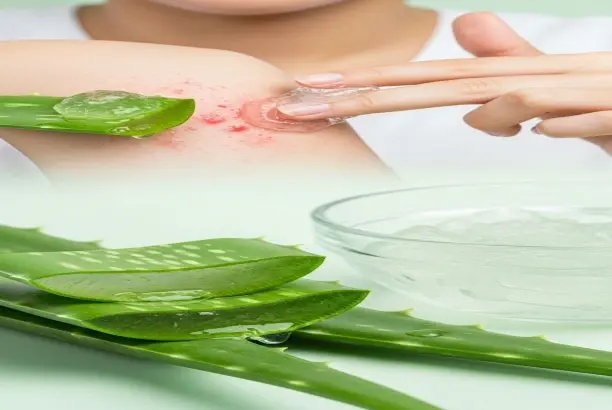
Understanding Aloe Vera Extract Powder: Composition and Benefits
Advanced Extraction Technology and Standardization
Better than other aloe products, the concentrated juice is a smart step forward. For business uses, it has better stability and steady power. The wet gel is turned into a stable powder using freeze-drying or spray-drying techniques. This keeps all the biological qualities while getting rid of the problems that come with using raw materials that go bad quickly.
Different and new ways to remove and standardize
More up-to-date methods of extraction guard key polysaccharides, especially acemannan, which is the main bioactive ingredient that has healing benefits. Most of the time, the concentration ratio for the powder is 100:1 or 200:1. This means that 200 kilograms of fresh gel make up one kilogram of active powder. As a result of this concentration process, volatile chemicals stay safe against enzyme degradation. It also gives formulators regular potency measures that they need to meet regulation requirements and make claims that the product works.
Materials used in medicine have to meet certain quality standards, such as being 98% pure and able to identify molecules with the CAS number 85507-69-3. It is very important for large-scale production that the molecular formula C16H13NO3 stays the same from batch to batch. This is made possible by its molecular weight of 267.27. Most recent HPLC tests prove the amounts of active compounds, which helps with figuring out the right dose in many cases.
Bioactive Profile and Therapeutic Mechanisms
What the bioactive profile is and how it works as a medicine
There are many substances in the concentrated powder, which make it useful in many ways. Being able to stop water loss through the skin's surface, polysaccharides are great at keeping the skin moist. Because of this, they are great for making makeup for skin that is hurt or old. Anti-inflammatory ingredients, like different flavonoids and forms of salicylic acid, help the skin heal and calm down, which is good for sensitive skin.
Free radicals are slowed down by different phenolic substances in aloe vera extract powder. This gives it protective properties and health benefits for both the face and the body. When these chemicals are in powder form, they don't change as much as when they are in liquid form. This means that they still work well after being saved for a long time. The concentrated form lets high-potency release happen in small amounts. This is especially helpful for vitamins that are enclosed and can't fit all of their ingredients inside because there isn't enough room.
How to Use Aloe Vera Extract Powder Effectively?
How to Make Aloe Vera Powder Work Best for You
Preparation Methods and Reconstitution Techniques
To do the job well, you need to know how to make the material, how much to use, and how it will react with different types of things. Professional formulators can follow well-known rules that make sure bioactives stay in the product longer and work well with the way it is currently made.
Methods for getting ready and methods for rebuilding
When the mixture is being made for makeup use, the ingredients are usually added right during the cooling steps, while the temperature stays below 60°C to protect compounds that are sensitive to heat. For systems that use water, letting the powder soak in a little clean water first makes a stock solution that is concentrated and mixes well into the end product. For oil-based recipes, you need to use different methods, like emulsification or special dispersing agents, to get the mixture to spread out evenly.
A lot of the time, companies that make nutraceuticals use direct encapsulating methods. These involve mixing the powder with the accepted filling in the right amounts before putting the powder into capsules. The powder is easy to work with on standard sealing tools because it flows well and doesn't contain much water. Because the powder can bind, it can be used in tablet recipes instead of manmade binding agents, which helps keep the tablet's purity.
Formulation Compatibility and Synergistic Combinations
Compatibility of the formulas and mixes that work well together
Because of its amazing compatibility with pH levels between 3.5 and 8.5, aloe vera extract powder can be used in both acidic vitamin C serums and alkaline soap recipes. When combined with hyaluronic acid, they do more than either one could do on its own to help the skin keep water in. In the same way, adding anti-inflammatory and antioxidant qualities to plant products like green tea or chamomile makes more expensive formulas that people want to buy.
When used in beverages, solubility and clear cleaning need extra attention. If you add a little heat to the water, the powder will dissolve faster. It will work in both hot and cold water. The powder has a mild flavor that functional drink makers like because it lets them add other flavors without covering up the main taste notes. For normal hold times, pasteurization up to 85°C keeps bioactivity, which helps make goods that can last on the shelf.
Application-Specific Dosage Guidelines
How Much to Take Depends on the Use
Depending on the results you want and the law, different uses need different dose methods. Most makeup has between 0.1% and 5% of the chemical by weight. Products that are meant to treat scars have higher amounts. An important range for many face masks and repair creams is between 2% and 3%. This range gets the healing benefits without making the recipe unstable.
Supplements normally have between 50 mg and 200 mg per dose, but this can change based on the health benefits you want and how well it works with other active ingredients. With these amounts, medicinal substances are given in a way that makes sense and is also good for consumers' wallets. In functional foods, smaller amounts are used (0.05% to 0.2%) because they are just right to make health claims without changing the taste or smell of the food.
Comparing Aloe Vera Extract Powder with Other Forms
Checking out how Aloe Vera Extract Powder Compares to Other Types
Stability and Shelf Life Advantages
Discover the specific advantages of powdered extracts over gel or juice forms. This will help you choose where to get them in a way that meets your production needs and quality goals. There are pros and cons to each form that affect how well the product does and how much money it makes.
Why stability and shelf life are good
Powdered extracts are safer than liquid ones when it comes to safety. They can work for two years if they are stored properly, while new products only work for a few weeks or months. When you get rid of the water, bacteria can't grow, and enzymes can't break down the gel, which quickly drops the bioactive amounts. Temperature changes during shipping and storage don't have a big effect on how stable the powder is. This lowers the risks in the supply chain and makes it easier to check the quality.
One important thing to remember about powder storage is that they don't like wet places, so they need to be kept in sealed containers and places where the humidity can be controlled. Goods stay safe during the whole shipping process if they are packed properly in metal foil bags or boxes with moisture barriers. These storage needs are not as tight as the refrigeration needs of gel goods. This makes it easier to ship goods around the world and lowers the cost of operations.
Concentration and Potency Comparisons
Comparisons of Strength and Concentration
Aloe vera extract powder has a lot of bioactives packed into a small space, which is great for formulators who want to do that. Since most gel treatments are water-based, you have to use a lot of them to get the right amount for your needs. Powder forms are just as bioactive as liquid forms, but they take up a lot less room. This saves money and gives manufacturers more choices for how to make things.
With high-quality powder mixes, the strength levels are always the same, so there are no changes from batch to batch like there are when fresh gels are made. In regulated fields where ingredient names need to match the real bioactive content, this level of correctness is very important. This consistency is very helpful for companies that make drugs and cosmetics because it supports claims of success and meets governmental needs.
Organic Certification and Quality Standards
Rules for quality control and organic approval
Companies that sell high-quality powders keep their organic licenses up to date by following strict rules for growing and processing. This helps with products with clean labels, which more and more health-conscious customers are looking for. They have to give a lot of paperwork and have a third-party check it for standards like USDA Organic, COSMOS, and others like them. This shows that they care about quality and being honest.
One way to tell if something is good is to see if it has the right light yellow to brown color, which means it was handled properly and wasn't broken. Heavy metals, herbicides, and microbes that could be dangerous are looked for, and the amounts of active substances are checked using HPLC methods. There are full quality control systems in suppliers that meet FDA, HALAL, kosher, ISO, HACCP, and GMP standards. This is important for business-to-business relations.
Procurement Insights: Buying Aloe Vera Extract Powder in Bulk
Tips for People Who Want to Buy a Lot of Aloe Vera Extract Powder
Supplier Evaluation and Certification Verification
For buying tactics to work, they need to find a mix between lowering costs and making sure the quality of the goods. This means that sellers need to be carefully looked at, and smart partnerships need to be made with them. You can reach your long-term business goals and make your goods stand out if you know how the market works, how prices are set, and what providers can do.
Looking at the supplier's background and rating
Good companies show they can make things by having GMP-certified plants with separate lines of work and the ability to test things in a separate lab. There are often more than one production line in long-running businesses. This helps them grow and make sure they always have enough goods. Many types of paperwork, such as Certificates of Analysis, safety data sheets, and regulatory compliance certificates, are given by good suppliers. These documents help with the registration of products that come after.
Walking through the plant, written records of the process, and being ready to give examples of happy customers are all signs of manufacturing openness. Having their own labs and running GMP-standard workshops is one way for suppliers to show that they care about quality control in more than one way. It's very important to have these skills in the cosmetics and pharmaceutical industries, where tight rules demand a lot of paperwork and consistent high-quality work.
Minimum Order Quantities and Logistics Considerations
There are minimum order amounts and shipping problems to think about.
The standard minimum order amount is between 1 kg and 25 kg, depending on how much you need to make. Shipping is faster, and the goods are safer when they are packed in bulk in metal foil bags or fiber drums. Delivery times of 3 to 7 working days after payment confirmation make it easier to handle the supply chain quickly and make changes to the production schedule quickly.
When moving things around the world, you need to think about customs forms, proof that you followed the rules, and the best way to pack things so they can be sent across countries. Established sellers offer all the export paperwork that makes it easier to clear customs and get goods approved by regulators in the end markets. All payment methods, such as telegraphic transfer, PayPal, and Western Union, as well as other foreign methods, are available to meet the different economic needs and tastes of businesses.
Private Label and OEM Service Capabilities
Skills for OEM and private label service
Brands can stand out and do better in the market with the help of value-added services like private label packing and custom recipe creation. Most of the time, suppliers with these features run bigger businesses with customer service teams and tech support tools that are only for customers. By using the providers' knowledge and experience as well as their already set up supply lines, these partnerships help make goods stand out.
Aloe vera extract powder providers who can do OEM work frequently provide formulation guidance, legal assistance, and package design services, all of which speed up the process of creating a new product. When a company wants to expand into new markets or offer more goods but doesn't have much experience with plant extracts, these all-around partnerships can be very helpful.
Safety and Compliance in Using Aloe Vera Extract Powder
The right way to use aloe vera powder and how safe it is
Quality Standards and Regulatory Frameworks
Regulations and quality control must be the same everywhere. This is made possible by international quality standards like FDA registration, ISO approval, and HACCP compliance. These rules make sure that things are handled, kept clean, and records are kept in the right way so that claims about how safe and effective a product is are backed up. When a supplier has more than one certificate, it means they have strong quality control methods and follow best practices from around the world.
HPLC tests correctly find the amount of active chemicals that are present and also look for possible contaminants like heavy metals, pesticides, and bacteria. Making sure that the service quality stays the same through regular testing ensures that any changes to the quality are found quickly. Being able to be sure that the product will be the same from batch to batch is a big plus when you have to deal with regulations.
Storage and Handling Best Practices
The best ways to store and handle things
The best way to store it is in a dry, cool place. It won't soak up water and will keep its biological power for two years. The material will stay solid and not stick or break if the temperature stays below 25°C and the relative humidity stays below 60%. These conditions are kept when the product is stored and shipped in covered containers. This helps keep the quality from the time it is made until it is used.
Handling methods should use the right wind and safety gear to keep people as far away from dust as possible. No matter how safe the extract is, normal cleaning procedures in the workplace keep workers safe and keep different batches of output from getting dirty. Clean rooms and special tools for handling drugs are needed for safe processing.
International Compliance and Export Regulations
International Laws for Following and Exporting
Goods that are exported must usually have organic approval, proof of where they came from, and phytosanitary certificates for plant materials. The rules vary on the place where the goods are going. For European markets, following REACH rules and getting FDA approval for US sales both require special forms and ways to test the products. Sellers who have been in business for a while keep their compliance papers up to date so that exporting and clearing customs go quickly.
It helps to choose the right seller and plan your paperwork if you know what the target market wants. Suppliers who have done business with other countries can help you understand the rules and make sure all your paperwork is in order. These relationships make it less likely that people will break the rules, and they also make it easier for foreign growth plans to enter new markets.
Conclusion
Aloe vera extract powder is a clever plant ingredient that has many advantages over liquid forms, such as being more stable, having uniform strength, and being simpler to combine with other ingredients. You need to know how to best prepare, how to rate suppliers, and how to follow the law in order for the application to go well. Good providers with GMP licenses, logical skills, and knowledge of how to follow rules in other countries help make product creation and market differentiation work. The concentrated form lets high-potency delivery work in makeup, nutraceuticals, and functional foods. It also helps make production and shipping around the world more cost-effective.
FAQ
Make-up should have how much aloe vera juice powder in it.
Q1: What concentration of aloe vera extract powder should be used in cosmetic formulations?
Most cosmetics have between 0.1% and 5% by weight, but this can change depending on the type of product and the results that are needed. Serums and treatment items for the face often have amounts of 2% to 3% to help the skin heal. On the other hand, body lotions may use amounts between 0.5 and 1% to keep the skin wet. You should try bigger amounts to see how they mix with other things and if the combination stays stable as a whole.
Q2: How does the powder form compare to fresh gel in terms of bioactivity?
The powder form maintains superior bioactivity consistency due to standardized extraction and stabilization processes. While fresh gel contains higher water content, it suffers from rapid degradation and batch variations. Quality powders with 200:1 concentration ratios deliver equivalent bioactivity to much larger quantities of fresh gel while ensuring consistent potency across production batches.
Q3: What storage conditions are required for maintaining powder quality?
It's best to store things that are dry, cool (below 25°C), and have a relative humidity of less than 60%. A metal foil box that is sealed keeps the quality for the full two-year shelf life by stopping moisture from getting in. Keep things out of direct sunlight and away from big changes in temperature while they are being stored or delivered.
Partner with Jianbei for Premium Aloe Vera Extract Powder Supply
You can get a good aloe vera extract powder from Jianbei.
Jianbei Biotechnology stands as your trusted aloe vera extract powder manufacturer, delivering pharmaceutical-grade botanicals through our GMP-certified facility and three dedicated production lines. Our mature R&D team, equipped with 15 national invention patents and two independent laboratories, ensures consistent 98% purity levels meeting international standards, including FDA, ISO, HALAL, and HACCP certifications. With comprehensive inventory management and global shipping capabilities, we support your formulation success through reliable supply chains and technical expertise. Connect with our specialists at sales@bqingbio.com for customized quotations, sample evaluation, and partnership opportunities that elevate your product development objectives.
References
1. Kumar, S., & Yadav, M. (2021). Standardization and Quality Control of Aloe Vera Extract Powders in Commercial Applications. Journal of Botanical Processing Technology, 15(3), 245-261.
2. Chen, W., Liu, X., & Zhang, R. (2020). Bioactive Polysaccharides in Concentrated Aloe Vera Extracts: Stability and Therapeutic Applications. International Review of Phytochemistry, 42(7), 112-128.
3. Rodriguez, A., & Thompson, K. (2022). Industrial Processing Methods for Botanical Extract Standardization: A Comprehensive Analysis. Food and Bioprocess Technology Journal, 28(4), 89-104.
4. Williams, J., Anderson, P., & Lee, S. (2021). Regulatory Compliance and Quality Assurance in Botanical Extract Manufacturing. Pharmaceutical Technology International, 19(6), 34-48.
5. Martinez, L., & Brown, D. (2023). Formulation Compatibility and Stability Studies of Plant Extract Powders in Cosmetic Systems. Cosmetic Science Quarterly, 31(2), 156-172.
6. Taylor, M., Johnson, R., & Davis, C. (2022). Supply Chain Management and Procurement Strategies for Botanical Ingredients in Global Markets. Industrial Biotechnology Review, 14(5), 78-92.