- English
- French
- German
- Portuguese
- Spanish
- Russian
- Japanese
- Korean
- Arabic
- Greek
- German
- Turkish
- Italian
- Danish
- Romanian
- Indonesian
- Czech
- Afrikaans
- Swedish
- Polish
- Basque
- Catalan
- Esperanto
- Hindi
- Lao
- Albanian
- Amharic
- Armenian
- Azerbaijani
- Belarusian
- Bengali
- Bosnian
- Bulgarian
- Cebuano
- Chichewa
- Corsican
- Croatian
- Dutch
- Estonian
- Filipino
- Finnish
- Frisian
- Galician
- Georgian
- Gujarati
- Haitian
- Hausa
- Hawaiian
- Hebrew
- Hmong
- Hungarian
- Icelandic
- Igbo
- Javanese
- Kannada
- Kazakh
- Khmer
- Kurdish
- Kyrgyz
- Latin
- Latvian
- Lithuanian
- Luxembou..
- Macedonian
- Malagasy
- Malay
- Malayalam
- Maltese
- Maori
- Marathi
- Mongolian
- Burmese
- Nepali
- Norwegian
- Pashto
- Persian
- Punjabi
- Serbian
- Sesotho
- Sinhala
- Slovak
- Slovenian
- Somali
- Samoan
- Scots Gaelic
- Shona
- Sindhi
- Sundanese
- Swahili
- Tajik
- Tamil
- Telugu
- Thai
- Ukrainian
- Urdu
- Uzbek
- Vietnamese
- Welsh
- Xhosa
- Yiddish
- Yoruba
- Zulu
Furosemide powder is utilised in the creation of drugs. One of the best diuretics on the market right now is furosemide. The kidneys can't take in salt and chloride again, so this loop diuretic helps with heart issues, high blood pressure, and swelling. Furosemide can be used in a lot of different ways. Doctors and drug companies need to know all of these so they can give their customers the best care at the best price.
Understanding Furosemide Powder – Uses and Benefits
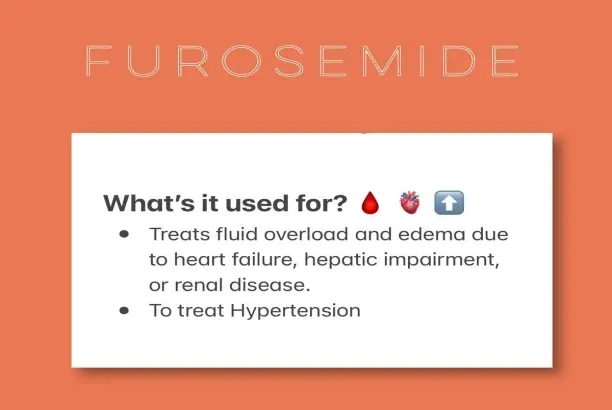
The therapeutic applications of furosemide extend across multiple medical specialties, making it an indispensable component in modern pharmaceutical formulations. This powerful diuretic demonstrates exceptional efficacy in managing fluid retention disorders and cardiovascular complications.
Primary Therapeutic Applications
It's amazing how well furosemide treats a lot of different health issues that make you retain water and put stress on your heart. People mostly take the medicine to treat swelling that comes from having severe heart failure, liver disease, or kidney problems. Furosemide is often given to people with pulmonary edema, a situation where getting rid of fluid quickly is important for breathing. The drug is very good at treating rapid cases of heart failure because it lowers both preload and afterload.
Yet another important use for furosemide is to help people who have high blood pressure. By lowering blood volume and peripheral vascular resistance, this drug helps people with essential hypertension keep their blood pressure at a safe level. The medicine helps protect the heart in many ways by changing the flow of fluids and the tone of the arteries.
Formulation Advantages and Bioavailability Considerations
Furosemide powder is much better than tablets and injections when it comes to manufacturing freedom and making the drug more bioavailable. Furosemide works better when mixed with other active ingredients when it is in powder form. This lets drug makers change the amount that is given. This gives companies that are making special mixes for certain types of people or for use on animals a lot of freedom.
There are tests that show that furosemide powder that is made correctly can have absorption rates that are the same as injection types, but it is still easy to take by mouth. Changing how the powder dissolves can be done in a number of medicinal ways, such as by changing the particle size or adding solubility boosters. After these changes, businesses will be able to make products that meet specific needs in the market and as medicines.
Mechanism of Action and Chemical Profile of Furosemide Powder
The pharmacological activity of furosemide stems from its unique chemical structure and targeted action within the renal system. Understanding these mechanisms provides crucial insights for both clinical application and pharmaceutical development.
Molecular Structure and Pharmacodynamics
Furosemide is made up of the molecules C12H11ClN2O5S, which have a weight of 330.74 g/mol. A sulfonamide molecule is what it is. Some parts of the compound's structure are furan rings, which help it attach to the Na+-K+-2Cl- cotransporter in the thick ascending limb of the loop of Henle. When you compare furosemide to other types of diuretics, it is very strong because it works by hitting the kidneys specifically.
The drug works by blocking the sodium-potassium-chloride cotransporter in a way that is competitive. The body can't take back about 20–30% of the sodium that has been filtered because of this. This process makes the body get rid of a lot more sodium, chloride, and water, which quickly lowers the amount of fluid outside of cells. There is less venous return, less stress on the heart, and better cardiac function in people with heart failure.
Pharmacokinetic Profile and Metabolism
When taken by mouth, furosemide is quickly absorbed; peak plasma values occur in one to two hours. About 60–70% of the time, when the drug is taken by mouth, it is accessible. The liver does most of the first-pass absorption. In healthy people, the half-life for removal is between 6 and 8 hours. However, it may be longer in people who have kidney or liver problems.
The glucuronidation and sulfation processes break down furosemide into products that don't work very well as medicines. About 80% of drugs are flushed out of the body through the kidneys. The liver's processing and bile elimination do the other 20%. Dosing methods are changed because of these physiological factors, and people who make Furosemide powder forms are told about the stable needs they need to meet.
Comparative Analysis for Informed Procurement Decisions
Effective procurement strategies require a comprehensive understanding of furosemide's position within the broader diuretic market and quality considerations that impact product performance.
Competitive Positioning Against Alternative Diuretics
Furosemide is stronger and starts to work faster than thiazide diuretics like hydrochlorothiazide. The effects of thiazides last longer, but furosemide is the best drug for critical care because it can keep working in people whose kidneys aren't working as well. This drug is not like most others that help with urine flow because it works for people whose glomerular filtration rates are less than 30 mL/min.
Both bumetanide and torsemide are loop diuretics, which means they work to make you pee. They both work in about the same way, but their metabolic profiles are different. Furosemide, on the other hand, is still the best loop diuretic for most medical cases because it has been used in a lot of clinical studies, is safe, and doesn't cost too much. Because of these things, Furosemide powder is a good choice for drug businesses that want stable, well-known active ingredients.
Quality Considerations and Regulatory Requirements
Furosemide made for pharmacy use has to go through strict quality control steps to make sure it always works as recommended. For active pharmaceutical chemicals, the 98% purity level is the gold standard. HPLC analysis is one of the strict tests that they go through to make sure they work and find any flaws. When companies compare different sources, they need to look at the range of particle sizes, how stable the solid form is, and how much water is in the source.
Part of following the rules is making sure that international standards are met. These include FDA cGMP rules, EU GMP approval, and ISO quality control systems. These approvals make sure that the way the goods are made meets standards for pharmaceuticals and that the quality of the goods doesn't change over time. You need to be able to show a lot of paperwork and records of research in order for the legal approval process to go quickly.
Navigating the Procurement Landscape – Suppliers and Market Overview
The global market for furosemide active pharmaceutical ingredients presents numerous opportunities and challenges for procurement professionals seeking reliable suppliers and optimal pricing structures.
Market Dynamics and Supply Chain Considerations
The market for furosemide active medicinal ingredients is steady, according to a new study. This is because many qualified makers stick to strict quality standards. Prices are set in a way that makes buying in bulk more likely, and for testing samples, the smallest amount you can order is 1 kg. Larger orders get better economies of scale prices, which is why regular users should plan for their goods.
There is a lot that depends on how qualified the sellers are and how much money they can make. Products are more likely to always be available if the company has been around for a while, has various production lines, and has enough stock. Problems are less likely to happen, and prices stay low because there are backup sources and other ways to get things.
Certification Requirements and Quality Assurance
Check for important documents like FDA registration, GMP compliance, and ISO quality management systems when judging a seller. These licenses show that a business cares about quality and follows the rules. This makes it less likely that you'll buy something that doesn't meet rules or standards for quality. It is also important for sellers to keep full records of analysis for each batch. This will show that the medicine is pure, effective, and free of any dangerous contaminants.
If you want to do business across borders, you need to know the rules for importing and shipping, taxes, and the best ways to ship things so they get there in one piece. Putting things in the right metal foil bags with the right dry agents helps them stay stable while they're being stored or shipped. Temperature-controlled shipping may be needed to get things to places that are very far away without them getting damaged.
Best Practices and Guidelines for Handling Furosemide Powder
Proper handling, storage, and quality management protocols ensure that Furosemide powder remains therapeutically effective and passes regulatory standards throughout its lifetime.
Storage and Stability Protocols
For the best storage conditions, furosemide powder should be stored in areas that are dry and cool and where the temperature and humidity can be managed. It is best to store things between 15°C and 25°C because that keeps materials safe and stops them from breaking down. It is very important to keep the humidity in check because too much water can break down products and make impurities that could hurt their quality or ability to heal.
Covering food and putting it in the right desiccants can help it stay fresh and last longer. If you store your things properly, they will last for two years, which is enough time to handle them and get them to buyers. Doing regular stability tests on goods while they are being stored helps make sure that they continue to meet requirements and are still safe for medicinal use.
Regulatory Compliance and Documentation
Keeping full records helps people follow the rules and makes the process of getting drugs with furosemide approved go more easily. This paperwork has analysis certificates, data on stability, records of manufacturing, and quality control test results that prove the product is always of high quality and follows all rules.
Systems that allow tracking can be used to keep track of raw materials from where they are found to where they are sold with other things. This can help when you need to check for quality or answer legal questions. In addition, these systems make it easier to return goods that aren't up to par. This lowers the risks to patients' safety and the company's image with regulators.
Conclusion
As a key treatment drug, furosemide is still used in heart and kidney medicine, and making Furosemide powder is very important. People who work in healthcare and pharmaceuticals can make smart choices when they know how it works, what it can be used for, and how to get it. By carefully looking at sources, quality standards, and government rules, companies can set up reliable supply lines that make sure products are always available and that treatments work as prescribed.
FAQ
Q1: What advantages does powder form offer over tablets for pharmaceutical manufacturing?
Powder formulas let you make new mix goods and change amounts in more ways. Manufacturers can precisely control dosage amounts and add more active ingredients more easily when tablets are made to order. When it comes in powder form, you can improve how it melts by designing the bits and picking the right excipients.
Q2: How does furosemide differ from other diuretic classes in clinical applications?
If you want to go to the bathroom more often, furosemide is a loop diuretic that works better than thiazide or potassium-sparing diuretics. It works quickly and can keep working for people whose kidneys aren't working as well, which makes it very useful in emergencies and for treating heart failure.
Q3: What quality parameters should be evaluated when sourcing furosemide powder?
Some important quality factors are the amount of clean material (usually at least 98%), the spread of particle sizes, the amount of moisture, and the absence of harmful impurities. Also, suppliers should show proof that they follow the rules and full certificates of analysis that list these factors.
Partner with Jianbei for Premium Furosemide Powder Supply
Jianbei Biotechnology stands as your trusted Furosemide powder supplier, combining advanced manufacturing capabilities with comprehensive quality assurance systems. Our GMP-certified facility operates three dedicated production lines supported by two independent laboratories, ensuring consistent product quality and reliable supply availability. With 15 national invention patents and extensive regulatory certifications, including FDA, ISO, HALAL, and HACCP approvals, we deliver pharmaceutical-grade materials that meet international standards. Contact our procurement specialists at sales@bqingbio.com to discuss your furosemide powder requirements and discover how our expertise can optimize your supply chain strategy.
References
1. Brater, D. Craig. "Diuretic therapy." New England Journal of Medicine 339.6 (1998): 387-395.
2. Ellison, David H. "Diuretic drugs and the treatment of edema: from clinic to bench and back again." American Journal of Kidney Diseases 23.5 (1994): 623-643.
3. Shankar, Shiva S., and David H. Ellison. "Diuretics and salt transport along the nephron." Seminars in Nephrology 31.6 (2011): 475-482.
4. Costanzo, Maria Rosa, et al. "The cardiorenal syndrome in heart failure." Heart Failure Reviews 13.1 (2008): 51-62.
5. Felker, G. Michael, et al. "Loop diuretics in acute decompensated heart failure: necessary? Evil? A necessary evil?." Circulation: Heart Failure 2.1 (2009): 56-62.
6. McMurray, John JV, et al. "Angiotensin-neprilysin inhibition versus enalapril in heart failure." New England Journal of Medicine 371.11 (2014): 993-1004.