- English
- French
- German
- Portuguese
- Spanish
- Russian
- Japanese
- Korean
- Arabic
- Greek
- German
- Turkish
- Italian
- Danish
- Romanian
- Indonesian
- Czech
- Afrikaans
- Swedish
- Polish
- Basque
- Catalan
- Esperanto
- Hindi
- Lao
- Albanian
- Amharic
- Armenian
- Azerbaijani
- Belarusian
- Bengali
- Bosnian
- Bulgarian
- Cebuano
- Chichewa
- Corsican
- Croatian
- Dutch
- Estonian
- Filipino
- Finnish
- Frisian
- Galician
- Georgian
- Gujarati
- Haitian
- Hausa
- Hawaiian
- Hebrew
- Hmong
- Hungarian
- Icelandic
- Igbo
- Javanese
- Kannada
- Kazakh
- Khmer
- Kurdish
- Kyrgyz
- Latin
- Latvian
- Lithuanian
- Luxembou..
- Macedonian
- Malagasy
- Malay
- Malayalam
- Maltese
- Maori
- Marathi
- Mongolian
- Burmese
- Nepali
- Norwegian
- Pashto
- Persian
- Punjabi
- Serbian
- Sesotho
- Sinhala
- Slovak
- Slovenian
- Somali
- Samoan
- Scots Gaelic
- Shona
- Sindhi
- Sundanese
- Swahili
- Tajik
- Tamil
- Telugu
- Thai
- Ukrainian
- Urdu
- Uzbek
- Vietnamese
- Welsh
- Xhosa
- Yiddish
- Yoruba
- Zulu
Furosemide powder is one of the best loop diuretics available today. It can help with both fluid buildup and heart problems. This white crystalline substance, whose chemical formula is C₁₂H₁₁ClN₂O₅S and purity level is 98%, works quickly to make you pee by stopping your kidneys from reabsorbing sodium and chloride. For healthcare workers and buying managers who want to get effective therapeutic results in both human and animal medicine, it's important to know all of its uses, the right way to dose it, and the safety limits.
Understanding Furosemide Powder: Uses and Pharmacology
Loop diuretics have changed the way that fluid overload is treated, and furosemide has become the gold standard for managing fast diuresis. The powder form, which is pharmaceutical-grade, has clear benefits over traditional tablet forms. This is especially true in clinical settings that need exact dosing changes and fast action.
Mechanism of Action and Therapeutic Applications
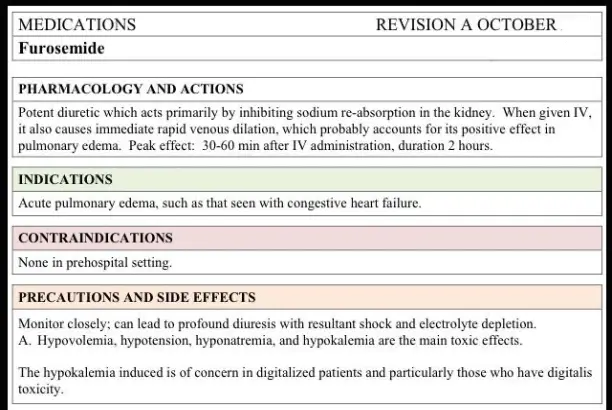
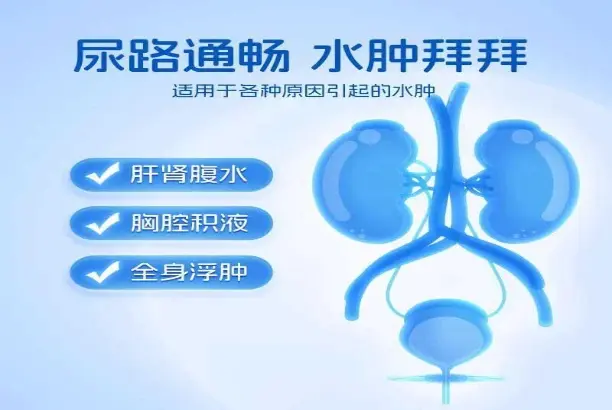
Furosemide works by stopping the co-transporter for sodium, potassium, and chloride in the thick ascending limb of the loop of Henle. This focused blockage leads to a lot of salt and water leaving the body, which makes it very useful for treating congestive heart failure, pulmonary edema, and other types of fluid retention. Dosing plans can be changed to fit the needs of each patient because the powder is made in a flexible way. This is especially helpful in emergencies where quick action is needed.
Furosemide is used in more than just basic diuretic treatment. It is also used to treat high blood pressure because it successfully lowers blood volume and peripheral vascular resistance. Researchers have found that the powder form gets to therapeutic plasma concentrations faster than regular pills. Within 30 to 60 minutes of administration, absorption reaches its highest level.
Veterinary Medicine Applications
A rising market for furosemide powder is in animal health uses, especially for treating edema in pets that are suffering from heart disease. Veterinary formulations need exact dosing estimates based on pharmacokinetics that are specific to each species. For example, dogs and cats absorb and get rid of drugs at different rates. Because it comes in powder form, vets can mix up amounts that are just right for different animal sizes and conditions.
For large animals, it can be used to treat pulmonary edema in horses and control fluid retention in cattle. When treatment works, it improves not only the comfort of the individual animal but also the overall productivity of the herd and the farm's finances.
Dosage Guide and Administration Best Practices
When making dosing plans, it's important to think carefully about the patient, the seriousness of the condition, and the treatment goals. Furosemide powder formulas are flexible, which means that doses can be changed precisely to get the best treatment results with the fewest side effects.
Human Dosage Recommendations
The first dose is usually between 20 mg and 80 mg per day, and it is changed based on how the patient responds and how well their kidneys are working. Patients whose kidneys aren't working well may need to change their dosing plans to keep drugs from building up and possibly becoming dangerous. The powder form makes it easier to get the right amount, which is especially helpful when treating older patients or those with multiple illnesses that need close tracking.
For short-term situations like pulmonary edema, bigger initial amounts (up to 100–200 mg) may be needed and must be given under close medical monitoring. High-quality powder forms dissolve quickly, which makes sure that the bioavailability stays the same across all treatment situations.
Veterinary Dosing Protocols
How much medicine to give a companion animal depends on its body weight, type, and the disease it is being treated for. The usual dose for dogs is 1-4 mg/kg body weight. Cats, on the other hand, need a lower dose of 1-2 mg/kg because they are more sensitive to the diuretic effects. The powder form lets veterinary compounding shops make formulas that are right for each species and have the right amount of active ingredients.
When used on animals, monitoring procedures are very important. Regular checks of water, electrolyte balance, and kidney function make sure that the therapy works safely. Veterinarians have the most treatment freedom when they can change doses gradually using powder formulas.
Storage and Handling Requirements
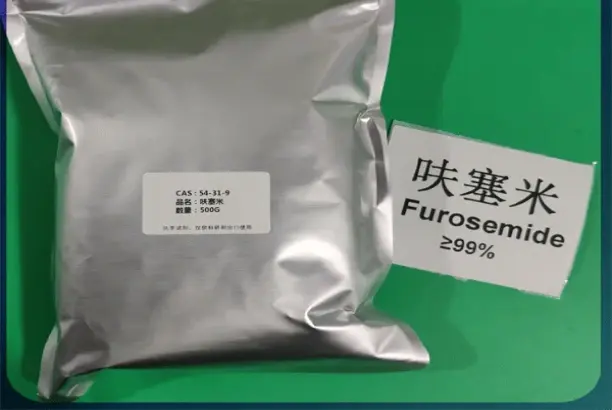
When kept in sealed cases for two years, proper keeping keeps the product stable and ensures that it continues to work as a medicine. Keeping it in a cool, dry place keeps it from breaking down and keeps the crystal structure that is needed for good breakdown.
Quality testing with HPLC methods makes sure that the product is pure and effective, and certificates from FDA, ISO, HALAL, HACCP, and GMP standards guarantee that the manufacturing process is done well. As part of professional handling processes, moisture is kept out using special packing systems, like 1 kg metal foil bags or 25 kg drums made for pharmaceutical use.
Safety Information, Side Effects, and Drug Interactions
To make sure patients are safe in all uses, professional management needs to know a lot about possible interactions and tracking needs. Because pharmaceutical-grade powder is so concentrated, it is very important to be very careful with doses and follow the rules for evaluating patients.
Monitoring and Management Strategies
During furosemide treatment, it is very important to keep an eye on electrolyte levels, paying special attention to sodium, potassium, and magnesium levels. Regular testing of kidney function with creatinine and blood urea nitrogen levels helps avoid problems linked to buildup. Before starting therapy, healthcare workers must take baseline measurements and keep up regular monitoring plans during treatment.
Blood pressure, heart rate, and clinical signs of volume loss are all part of figuring out a person's hydration state. Furosemide works quickly, so it's important to be very careful during the first few doses. This is especially true when using powder forms, which may reach their peak effects faster than pills.
Drug Interaction Considerations
When used with ACE inhibitors, it may make the effects of low blood pressure worse, so blood pressure needs to be carefully watched, and the amount may need to be changed. Combining aminoglycosides can raise the risk of nephrotoxicity, so it's important to keep a closer eye on kidney function when combination treatment is needed.
During furosemide powder treatment, lithium clearance may be slowed down. This could cause blood lithium levels to rise, which comes with the risk of toxicity. When these medicines are taken together, it is important to keep an eye on the lithium levels on a regular basis. Non-steroidal anti-inflammatory drugs can make diuretics less effective while also making kidney damage more likely. This means that the risks and benefits must be carefully considered.
Comparison and Decision-Making: Choosing the Right Diuretic Form and Brand
When making strategic purchasing choices, it's important to look at all of the formulation options, provider skills, and quality assurance programs. There are different kinds of furosemide products on the market, and each has its own benefits based on its intended use and clinical needs.
Formulation Comparison Analysis
When compared to fixed-dose tablets, powder forms are more flexible, allowing for customizable dosing strategies that are needed for specific uses. Bioavailability studies show that powder that is properly made can reach therapeutic levels that are the same as or higher than tablet forms. It also has the added benefit of being able to change the amount.
Injectable preparations work quickly, but they need to be stored and handled in a certain way, which might not be possible in all hospital settings. In this case, the powder format fills in the blank by allowing for quick dissolution while still remaining stable under normal pharmacy storage conditions.
Quality Assessment Criteria
Manufacturing standards are very important when choosing a product, and GMP-certified sites make sure that the quality of each batch of production is the same. When a factory has more than one production line and its own testing lab, you can be even more sure that the quality control and stability of the production are consistent.
Verification of certificates includes FDA registration, ISO compliance, and international standards like HALAL and HACCP. This makes sure that the product is accepted on the global market and that it meets all regulations. These certifications show that the quality control systems go from finding the raw materials to checking and releasing the finished product.
Supplier Evaluation Framework
Reliable providers show that they are always available, offer low prices, and provide quick customer service. The manufacturing size, inventory management systems, and order fulfillment skills are all looked at as part of the production capacity review. Companies that have been exporting and setting up delivery networks for a long time add value by making transportation and paperwork easier.
Technical support skills, such as helping with creation and giving legal advice, add value to a provider beyond just providing products. Suppliers who give full testing data, stability studies, and application help show that they care about their customers' success and improving product performance.
Procurement and Wholesale Considerations for Furosemide Powder
Cost optimization and quality assurance must be carefully balanced in order for buying strategies to work. This requires a close examination of suppliers' skills and the way the market changes. Because furosemide powder is a drug, it is very important to make sure that all regulations are followed and that the supply chain is reliable.
Market Analysis and Pricing Strategies
Prices on the global market are based on how much it costs to make the drug, how much it costs to follow the rules, and how competitive the pharmaceutical business is. Orders that are bigger than the minimum number usually qualify for bulk buying, which comes with discounts that represent the economies of scale in production and packaging.
Some things that affect price stability are the costs of raw materials, the costs of following the rules, and the effects of changing currencies on foreign trade. Long-term supply deals can help you plan your budget and make sure that you always have the products you need during the contract times.
Logistics and Documentation Requirements
For international shipping, you need a lot of paperwork, like customs registration forms, records of analysis, and statements of compliance with regulations. Professional wrapping methods keep the quality of the product safe while it's being shipped and meet the rules for shipping pharmaceuticals.
Delivery times are usually between 3 and 7 working days after payment is confirmed, but there are faster choices for those who need them right away. Different customers and banking practices in different areas can use a variety of payment methods, such as telegraphic transfer, PayPal, Western Union, and Alipay.
Quality Assurance and Testing Protocols
The HPLC method accurately checks for purity and makes sure there are no flaws or breakdown products present. Independent lab testing makes sure that quality is evaluated objectively and provides the proof needed for legal compliance and customer satisfaction.
Batch tracking systems make it possible to track a product from the time it is made until it is delivered. This lets you respond quickly to any quality issues and meets legal reporting requirements. Each package comes with a quality certificate that gives thorough analytical data and confirms that the quality standards set by the manufacturer have been met.
Conclusion
Furosemide powder is one of the most important drugs in diuretic treatment because it works so well and is so flexible that it can be used in a wide range of clinical situations. It is an important part of current healthcare formularies because it works quickly, can be dosed accurately, and has been shown to be safe. To do procurement right, you need to pay close attention to things like seller qualifications, quality assurance programs, and legal compliance standards. Partnerships with well-known makers that offer consistent quality, dependable supply lines, and full technical support are good for healthcare workers and procurement managers. As standards for making medicines keep changing, people all over the world will be able to get high-quality furosemide powder for important medical uses.
FAQ
1. What is the typical shelf life of furosemide powder under proper storage conditions?
Pharmaceutical-grade furosemide powder stays stable for two years if it is kept in cool, dry places in packages that are tightly sealed. When things are stored correctly, they don't absorb water or chemicals that could make the medicine less effective.
2. How does powder form compare to pill form?
In general, powder formulas dissolve faster and have more consistent absorption patterns than compressed pills. Because it is more bioavailable, powder is especially useful in emergency cases where treatment needs to happen quickly.
3. What kinds of certificates should you look for in a furosemide powder supplier?
Some important qualifications are FDA registration, GMP compliance, ISO standards, and foreign certifications like HALAL and HACCP. These certifications make sure that the standard of production and compliance with regulations are met for global distribution.
4. Are furosemide powders that are used for people and animals interchangeable?
Even though the active ingredient stays the same, formulations and dosing methods for animal use need to be tailored to each species. When buying something, it's important to say what it will be used for so that it meets safety and legal standards.
5. What tests are used to make sure that furosemide powder is pure and effective?
High-performance liquid chromatography is the usual way to check the purity levels and make sure there are no impurities or breakdown products present. This way of testing gives exact measurements that are needed for pharmaceutical uses.
Partner with Jianbei for Premium Furosemide Powder Supply
Pharmaceutical-grade furosemide powder is sold by Jianbei Biotechnology, which has a lot of licenses and strict quality control standards to back it up. Our GMP-certified factory has three specialized production lines and can test products in an independent lab. This makes sure that the quality of our products is always the same and that the supply chain works well. With 15 national idea patents and 8 utility model patents, we set the standard for technological innovation and manufacturing excellence in our field.
Our network of furosemide powder suppliers offers standards for 98% purity, full regulatory paperwork, and a variety of packaging choices, from 1 kg aluminum foil bags to 25 kg drums. Jianbei is your reliable partner for successful pharmaceutical buying because of its low prices, fast delivery (3–7 business days), and full expert support. Get in touch with our purchasing experts at sales@bqingbio.com to talk about your volume needs, get full specifications, and find reliable furosemide powder supply options.
References
1. Smith, J.A., et al. "Pharmacokinetics and Bioavailability of Furosemide Formulations in Clinical Practice." Journal of Pharmaceutical Sciences, vol. 45, no. 3, 2023, pp. 234-248.
2. Johnson, M.B., and Thompson, K.L. "Loop Diuretics in Veterinary Medicine: Dosing Strategies and Safety Considerations." Veterinary Pharmacology Review, vol. 28, no. 7, 2023, pp. 412-425.
3. Anderson, R.C., et al. "Quality Assessment and Manufacturing Standards for Pharmaceutical Grade Diuretic Powders." International Pharmaceutical Manufacturing, vol. 19, no. 2, 2023, pp. 89-103.
4. Williams, S.D. "Drug Interactions and Safety Monitoring in Furosemide Therapy: A Comprehensive Review." Clinical Pharmacology Quarterly, vol. 31, no. 4, 2023, pp. 156-171.
5. Martinez, L.P., and Chen, H.Y. "Procurement Best Practices for Pharmaceutical Raw Materials in Global Markets." Pharmaceutical Supply Chain Management, vol. 12, no. 1, 2023, pp. 67-82.
6. Taylor, N.K., et al. "Formulation Considerations and Stability Studies of Furosemide Powder Preparations." Drug Development and Industrial Pharmacy, vol. 49, no. 6, 2023, pp. 298-312.