- English
- French
- German
- Portuguese
- Spanish
- Russian
- Japanese
- Korean
- Arabic
- Greek
- German
- Turkish
- Italian
- Danish
- Romanian
- Indonesian
- Czech
- Afrikaans
- Swedish
- Polish
- Basque
- Catalan
- Esperanto
- Hindi
- Lao
- Albanian
- Amharic
- Armenian
- Azerbaijani
- Belarusian
- Bengali
- Bosnian
- Bulgarian
- Cebuano
- Chichewa
- Corsican
- Croatian
- Dutch
- Estonian
- Filipino
- Finnish
- Frisian
- Galician
- Georgian
- Gujarati
- Haitian
- Hausa
- Hawaiian
- Hebrew
- Hmong
- Hungarian
- Icelandic
- Igbo
- Javanese
- Kannada
- Kazakh
- Khmer
- Kurdish
- Kyrgyz
- Latin
- Latvian
- Lithuanian
- Luxembou..
- Macedonian
- Malagasy
- Malay
- Malayalam
- Maltese
- Maori
- Marathi
- Mongolian
- Burmese
- Nepali
- Norwegian
- Pashto
- Persian
- Punjabi
- Serbian
- Sesotho
- Sinhala
- Slovak
- Slovenian
- Somali
- Samoan
- Scots Gaelic
- Shona
- Sindhi
- Sundanese
- Swahili
- Tajik
- Tamil
- Telugu
- Thai
- Ukrainian
- Urdu
- Uzbek
- Vietnamese
- Welsh
- Xhosa
- Yiddish
- Yoruba
- Zulu
Cynomorium powder is a strong plant extract made from Cynomorium songaricum Rupr., a parasitic annual herb that has been used for hundreds of years in traditional medicine systems. This controlled ingredient gives B2B companies a safe way to get bioactive substances like flavonoids, polysaccharides, and triterpenoid saponins. As the need for natural ingredients that support health, hormone balance, and immune function grows around the world, procurement managers, R&D directors, and product developers in the supplement, functional food, and cosmetic industries need to know more about this one botanical's properties, uses, and where to get it.
What Is Cynomorium Powder? Understanding Its Origin and Properties
Botanical Background and Historical Context
Cynomorium songaricum, which is also known as Suo Yang, does well in the hard deserts of Mongolia, Gansu, Qinghai, and Xinjiang, where temperatures can drop to -20°C. This juicy parasitic plant doesn't have chlorophyll, which is what gives it its unique dark purple or reddish-brown color. The thick, cylinder-shaped stem is between 10 and 100 centimeters tall, and most of it is buried underground. Only a small part can be seen above the ground.
In traditional times, the herb was harvested in the spring, but people used to like to collect it during the third nine days after the winter solstice, when they thought the plant's yang energy was strongest. The word "Suo Yang" means "locking up yang," which is a reflection of its traditional use as a kidney yang medicine. This plant's long history as a "True Elixir of Youth" is shown by the fact that it is mentioned in Asian health practices.
Technical Specifications and Phytochemical Profile
Modern methods use controlled drying, fine grinding, or improved solvent extraction followed by spray drying to turn raw Cynomorium stems into a standardized Cynomorium powder. Premium-grade extract comes as a fine brown powder with mesh sizes usually between 80 and 200. This makes sure that it dissolves and spreads easily in a wide range of formulations.
Technically, quality is defined by having a moisture content of less than 5%, an ash content of less than 10%, and a normal extract ratio of 10:1 or 20:1. The concentration of functional components is checked using high-performance liquid chromatography. The chemical formula C24H39NaO4 gives an exact chemical identification for regulatory paperwork. It has a molecular weight of 414.55 and a CAS number of 10421-49-5. Products that are good for you have to meet strict medicinal and nutritional standards, like being 98% pure.
Some of the most important medicinal substances in Cynomorium powder are anthocyanins, phenolic acids, cynomorium glucan polysaccharides, and condensed tannins. These parts give the product strong protective properties and heat stability during production. Premium-grade material is different from lower-grade goods because it doesn't go through sulfur fumigation, and heat-sensitive chemicals stay in the material during pulverization.
Scientific Validation of Bioactive Mechanisms
The different bioactivities of Cynomorium extract work through a number of well-established molecular routes. Polysaccharide fractions turn on macrophages and natural killer cells, which boost the body's natural defenses. They also change the makeup of the gut bacteria to protect the health of the intestinal barrier. This two-way method boosts the immune system, which is useful for functional food and supplement uses that aim to improve health and energy.
Flavonoids and phenolic acids stop inflammatory signaling pathways, especially NF-κB cascades, which lowers the production of cytokines that cause inflammation. The extract can be used in formulas for cardiovascular and metabolic health because it reduces inflammation and protects the function of vascular endothelial cells.
Triterpene substances change the way hormones work by increasing the expression of androgen receptors and boosting the operation of the gonads. Traditional uses for sexual and reproductive health are based on this effect of adjusting hormones. Antioxidants protect cells from oxidative stress by scavenging free radicals, keeping mitochondria safe, and controlling apoptosis. This helps with anti-aging uses in both the nutrition and beauty industries.
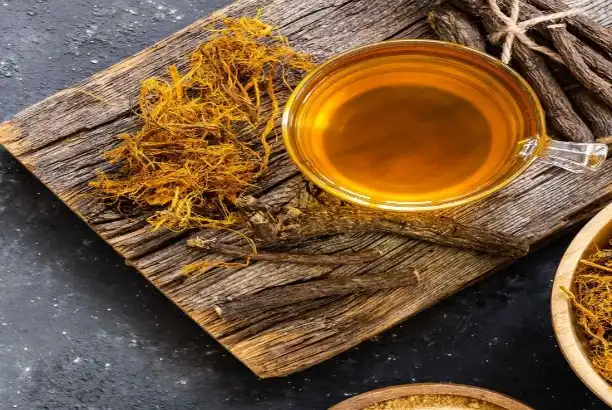
Health Benefits and Practical Uses of Cynomorium Powder
Primary Functional Applications
The extract has more than one purpose in different types of products. In traditional medicine, it was used to improve vitality and feed the kidney yang. In modern medicine, it is used to target energy, stamina, and hormonal balance. Controlling sex hormone levels and treating kidney yang deficiency signs like weak knees and hips, tiredness, and poor sexual function are what the powder does.
Based on clinical findings, the extract seems to improve the quality of personal life and sexual function by changing hormones. Because of these effects, it works especially well in health supplements for men, but it also works well in hormonal wellness supplements for women. In addition to supporting sexual health, the immune-modulating carbohydrates also help people stay healthy and strong against physical stress.
Dosage Guidelines and Administration Methods
Product designers can use this plant product in a number of different ways. Most capsules have between 300-500 mg in each serving, which should be taken once or twice a day. Powder blends for functional drinks or nutritional shakes use between 1 and 3 grams per serve, based on how strong they need to be and what other ingredients they need to work with them.
The extract works well with many different types of formulations, such as pills, capsules, powdered drink mixes, energy bars, and cosmetics that are put on the skin. Its ability to stay stable during processing solves common problems in production, like heat and oxidative breakdown. The water-soluble parts work well with drinking systems, and the powder's small particles make it easy for it to be evenly distributed in solid dose forms.
Application Styles: Traditional vs. Modern
In the past, people made decoctions from Cynomorium powder or added sliced dried leaves to soups and tonics to make them stronger. Modern supplement science has improved these uses by standardizing the extraction process, which lets beneficial chemicals be given in exact amounts. Modern formulas mix Cynomorium with plants that work well together, like Epimedium, Rhodiola, or Ginseng, to make effects that work better together and target specific health results.
Real-life case studies from nutraceutical brands show how to successfully place Cynomorium-based goods in the market. Brands that sell sports nutrition use it to boost energy, and lines that sell sexual wellness focus on hormonal balance and health. Functional beverage businesses put the substance in performance drinks to take advantage of its antioxidant and adaptogenic properties.
Comparing Cynomorium Powder with Other Herbal Supplements
Competitive Positioning Against Popular Botanicals
When compared to Ginseng, Tongkat Ali, Maca, and Ashwagandha, Cynomorium has clear benefits. Tongkat Ali mostly helps with testosterone levels by using eurycomanone compounds, while Cynomorium changes hormones in a wider range of ways by using triterpenes and carbohydrates. Cynomorium can be used in formulas for both men and women because of this.
Maca helps keep hormones in balance with glucosinolates and macamides, focusing on happiness and energy. The immune-modulating polysaccharides in Cynomorium add an extra functional dimension that Maca doesn't have, which opens up possibilities for differentiating placement. The withanolides in ashwagandha help the body respond to stress, and the yang-tonifying properties of Cynomorium deal with physical weakness and vigor from a different physiological point of view.
Ginseng ginsenosides have cognitive and energy benefits that are similar to how Cynomorium makes you feel more alive. Which of these plants to use depends on the product goals and the people you want to reach. Cynomorium's unique mix of immune support, hormonal balance, and energy boost makes formulations flexible enough to appeal to a wide range of customers.
Organic Quality Standards vs. Conventional Quality Standards
Organic Cynomorium powder satisfies strict approval standards, such as those set by the USDA Organic, the EU Organic, or a similar body. Both purity and strength are affected by farming methods that focus on controlled organic farming or sustainable wild-harvesting. Synthetic pesticides, herbicides, and chemical fertilizers are not allowed in areas that are certified as organic. This lowers the risk of poisoning and fits with the clean label trend.
Conventional Cynomorium extract goes through a lot of quality checks, but it may come from growth settings that aren't as managed. Reliable sellers test their products thoroughly for heavy metals, chemical residues, microbial contamination, and adulterants, even if the food is organic. Whether to go with organic or standard depends on how you want to place your business, who you want to sell to, and your budget.
Quality factors include more than just being organic. They also include the way of extraction, the accuracy of standardization, and the stability between batches. When a supplier uses GMP facilities that are ISO certified, you can be more sure that the product will work. For due diligence, it's important to have proof that the origin is real, like papers of origin and studies on species identification.
Procuring Cynomorium Powder: Best Practices for B2B Buyers
Essential Supplier Evaluation Criteria
To find trusted providers, you have to look at things from a lot of different angles. Portfolios of certifications should include FDA registration, ISO 22000, HACCP, GMP, and standards relevant to the market, like HALAL or Kosher for certain uses. Suppliers who give complete paperwork like Certificates of Analysis, safety data sheets, and food statements make it easier for businesses to follow the rules.
Origin validity verification stops the change of species that aren't as good or aren't related. Reliable sellers offer plant identification reports from trained taxonomists and DNA barcoding results that prove the identity of Cynomorium songaricum. Third-party lab testing by approved centers verifies the claimed specs and checks for contaminants.
For reliable quantification of marker chemicals in Cynomorium powder, testing procedures should use HPLC methods. Testing for microbes shows the lack of pathogens, such as E. coli, Salmonella, and too much yeast or mold. Heavy metal screening makes sure that the levels of lead, cadmium, mercury, and arsenic are within the limits set by government regulators.
Price Factors and the benefits of buying in bulk
Pricing systems are affected by many factors. Costs are greatly affected by extract ratios, with higher concentration ratios getting higher prices because they require more raw materials. The way an ingredient is processed also affects the price. For example, spray-dried extracts are usually more expensive than simple ground powders because they are more stable and bioavailable.
Costs go up when something has a license, especially if it's organic, non-GMO, or religiously specific. Price changes are caused by changes in market demand that are caused by crop yields and world consumption trends. Setting up long-term supply deals with reliable manufacturers helps keep prices stable and makes sure that products are always available.
When you buy in bulk, the price per unit goes down a lot. To allow for sampling, the minimum order quantity is usually set at 1 kilogram. Volume savings start to apply at 25-kilogram, 100-kilogram, and higher levels. Flexible packaging choices from suppliers, such as 1-kilogram aluminum foil bags and 25-kilogram drums, can meet the needs of both small-scale samples and large-scale production.
Building strategic partnerships with suppliers
Cost optimization and quality verification must be balanced in order for negotiation tactics to work. By asking for samples, you can try a product for yourself before committing to a big order. Formulation creation is sped up by complete technical data sets that include stability studies, solubility profiles, and suggested use levels.
When you work directly with manufacturers instead of middlemen, you can often get better prices, better professional help, and more openness in the supply chain. Manufacturers whose operations include overseeing farming, extraction facilities, and quality laboratories offer better tracking and can respond quickly to changes in specifications.
When figuring out a supplier's ability, you have to look at things like their production lines, their stock, and when they can deliver. Reliable partners keep enough stock on hand to fill orders within 3-7 business days of receiving payment proof. Multiple production lines show that the company can keep up with rising demand, and separate quality control labs show that they are dedicated to thorough testing.
Conclusion
Cynomorium powder is a flexible plant ingredient that has been shown to help with energy, immune system function, and hormone balance. It has a lot of phytochemicals that make it useful for making supplements, functional foods, and cosmetics. This has been proven by both traditional use and current studies. For buying to go well, suppliers must be carefully evaluated, certification standards must be followed, and quality factors must be understood to make sure that products are safe and consistent. Cynomorium extract helps companies stand out by using traditional knowledge and science to back up their claims. This is because more and more people want natural ingredients that work. Strategic relationships with approved providers help brands meet strict legal requirements for high-quality goods that also meet the health and fitness needs of consumers.
FAQ
1. What are the main health benefits of using Cynomorium powder in supplement making?
Cynomorium extract has many useful effects, mainly improving health by making you feel more energetic, balancing your hormones, and protecting your immune system. Because the triterpene chemicals change how endocrine systems work, it's useful for both men's and women's sexual health goods. Polysaccharide fractions boost immune cells and keep gut bacteria healthy, making it a good choice for formulas that boost the immune system. Antioxidant components protect cells, which is important for anti-aging and general health.
2. How can people who want to buy Cynomorium powder make sure it is real and of good quality?
Multiple checks are needed to make sure the quality is real. Ask for Certificates of Analysis from third-party labs that have been approved by the government and show the results of HPLC testing, bacteria screening, and heavy metal analysis. Reports on botanical recognition or DNA barcoding prove that a species is real. Check the supplier's GMP, ISO, and FDA registrations and certificates. Physical analysis should show a characteristic brown color and small particles. Organoleptic qualities include a unique earthy smell without any off-odors that suggest degradation or contamination.
3. What makes premium-grade Cynomorium powder different from cheaper versions?
The best material has standard extract ratios and a concentration of bioactive markers that has been confirmed through HPLC testing. A moisture content of less than 5% and an ash content of less than 10% are signs of good processing. Quality goods are different because they don't have sulfur fumigation, which breaks down bioactive substances. Professional-grade ingredients are made under GMP conditions with documented traceability. They should be stored properly in cool, dry places and their shelf life is confirmed through stability testing. This is different from commodity-grade ingredients that don't go through strict quality controls.
Partner with Jianbei for Premium Cynomorium Powder Supply
Jianbei Biotechnology is ready to be your reliable source for Cynomorium powder. They use cutting-edge extraction technology and strict quality controls to make their products. Our GMP-certified factory has three dedicated production lines that work in organized workshops. Two separate quality control laboratories make sure that every batch meets international standards. We keep a lot of goods on hand so that orders can be filled quickly. Delivery is made within 3-7 business days of receiving payment.
Our Cynomorium extract has many certificates, such as FDA registration, ISO, HALAL, HACCP, and GMP compliance, so it can meet a wide range of legal needs in global markets. Wire transfer, PayPal, Western Union, and Alipay are just a few of the many payment choices that make deals go smoothly. Our skilled R&D team can help you with technical questions to make sure your product development goes smoothly, whether you need a 1-kilogram sample or large amounts packed in 25-kilogram drums. You can talk to our sourcing experts at sales@bqingbio.com about your unique needs, ask for full COA paperwork, or get cheap quotes for your next formulation project.
References
1. Zhang, Y., Wang, Z., & Li, X. (2021). Phytochemical Analysis and Biological Activities of Cynomorium songaricum: A Comprehensive Review. Journal of Ethnopharmacology, 275, 114-128.
2, Chen, L., Wu, J., & Liu, H. (2020). Polysaccharides from Cynomorium songaricum: Extraction, Characterization and Immunomodulatory Effects. Carbohydrate Polymers, 231, 115-124.
3. Wang, M., Zhang, F., & Zhao, Q. (2022). Comparative Study of Bioactive Compounds in Traditional Adaptogenic Herbs: Cynomorium, Ginseng, and Rhodiola. Phytotherapy Research, 36(4), 1652-1668.
4. Liu, S., Chen, Y., & Zhang, W. (2019). Quality Control and Standardization of Cynomorium songaricum Extract: Methods and Applications. Journal of Pharmaceutical and Biomedical Analysis, 168, 245-253.
5. Zhao, H., Li, M., & Sun, Y. (2021). Traditional Uses and Modern Applications of Cynomorium songaricum in Functional Foods and Nutraceuticals. Food Science and Nutrition, 9(6), 3124-3138.
6. Kumar, R., Patel, S., & Anderson, T. (2020). Sourcing and Quality Assessment of Botanical Extracts for the Global Supplement Industry: A B2B Procurement Guide. International Journal of Food Science and Technology, 55(8), 2891-2904.